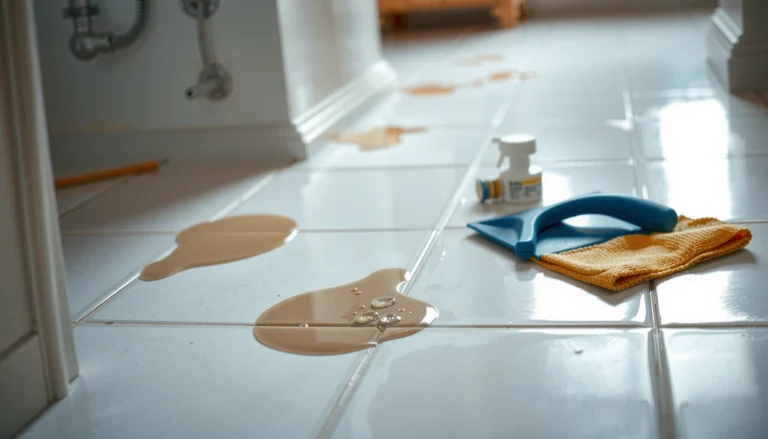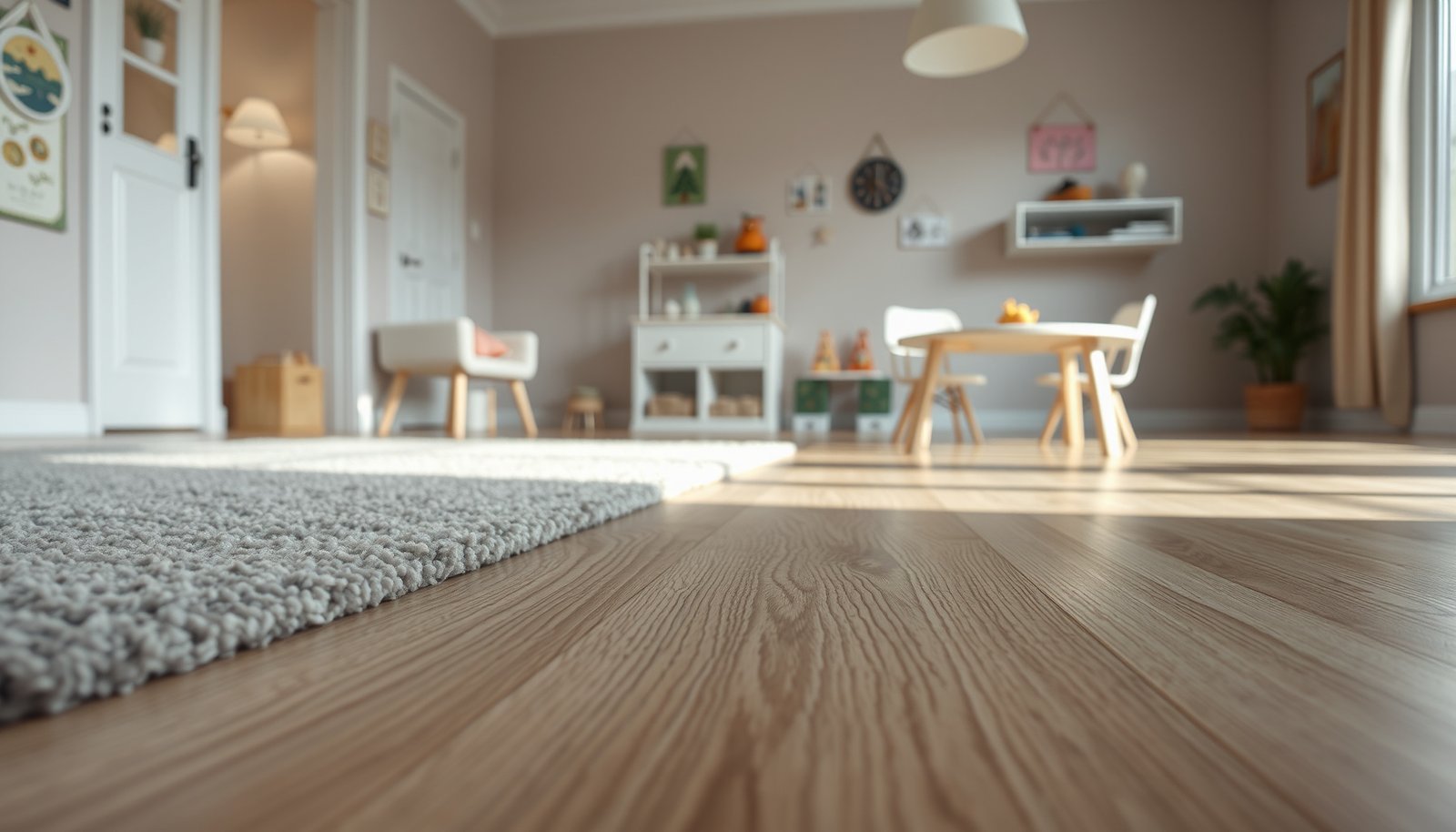

Protecting laminate floors in a playroom starts with one clear priority: stop scratches and water damage from kids and spills before they happen. If you want the best protection, use the right felt underlay for furniture plus a high-traffic area rug or floor mat in the play zone, and seal seams where moisture can creep in. Do that, and you’ll keep your laminate looking new even with daily play and frequent messes.



Protect laminate floors in a playroom by adding a few high-impact barriers—entry mats/rugs with non-scratch pads, furniture glides, and spill control—then cleaning in a laminate-safe way. The goal is to prevent scratches and dents from toys/shoes and to avoid standing moisture, because even small puddles can edge seep into seams. In this guide, you’ll get a simple plan to keep your floor looking clean and solid during daily play, without stepping outside typical laminate warranty care expectations.
This is for anyone with laminate flooring in a kid-focused space (toys, bikes, snack spills, and frequent foot traffic) and who wants practical protection steps that reduce wear while staying aligned with manufacturer guidance. If your laminate has specific requirements (approved cleaners, moisture limits, pad/rug compatibility), follow those first—laminate care rules vary by brand and core construction.
Cover high-traffic zones with the right mats and rug pads
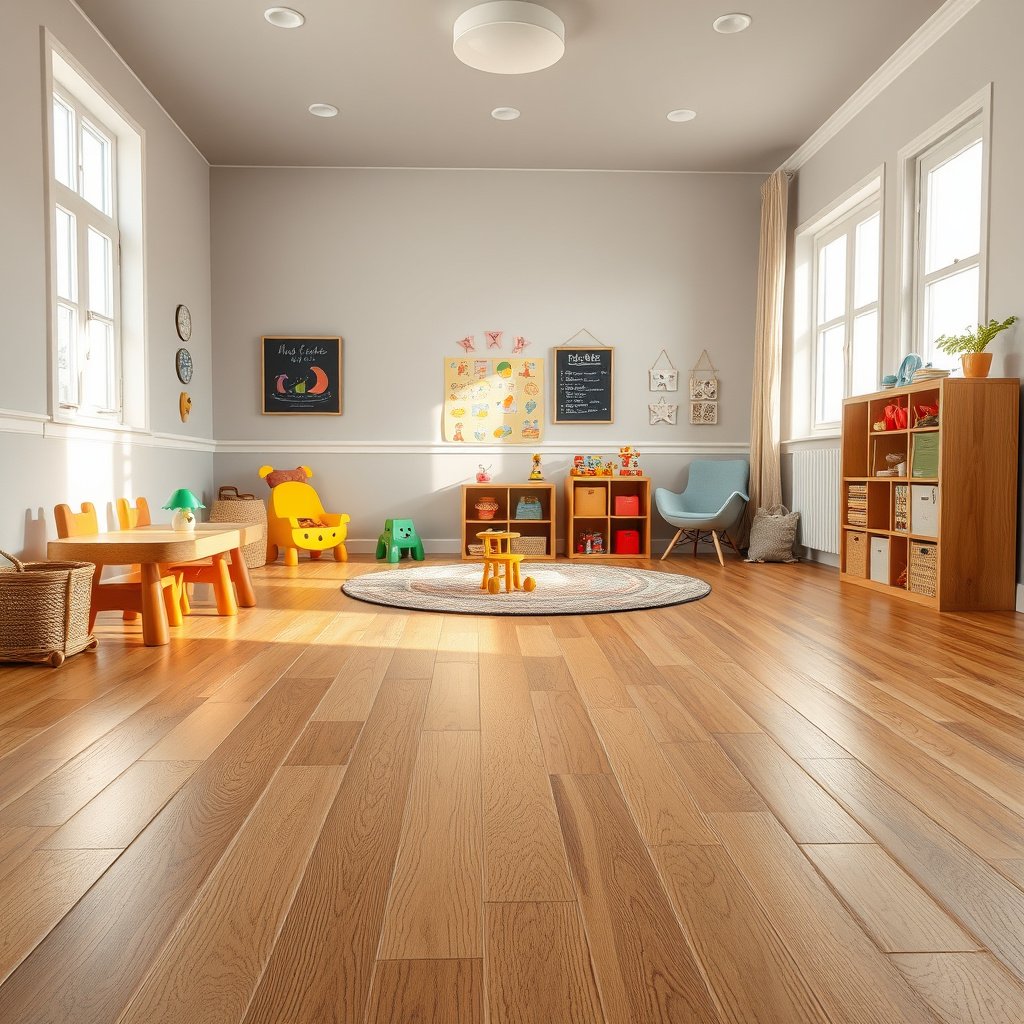
Cover high-traffic zones by trapping grit at the door and cushioning the main play area with a rug that won’t grind against the laminate. In 2026, the most effective laminate floor protection strategy still starts with controlling the two biggest daily threats in playrooms: abrasive particles (sand/dirt) and repeated toe-and-wheel impacts.
According to EN 13329:2016, laminate floors are classified by abrasion/wear performance (AC ratings), but wear rating does not protect against moisture intrusion at seams.
Entry mats reduce abrasive tracking because grit stays on the mat surface instead of migrating across the laminate under toy wheels and shoes.
– Use a grippy entry mat at the playroom doorway to trap grit that can act like sand.
In practice, choose a mat with firm top fibers (not loose shag) and enough length for several steps. If the mat is only “touched” by passing feet, grit will still carry onto laminate.
– Add a rug over the main play area, and place a non-scratch rug pad underneath (to prevent abrasive movement).
The pad’s job isn’t cushioning alone—it also prevents micro-sliding between the rug and laminate. When a rug shifts, it drags grit and creates visible scuffs.
– Choose mats/pads that lay flat and don’t shed rubbery particles or grit onto the laminate.
“Shed” matters because degraded pad fragments can behave like sandpaper on laminate’s wear layer.
Practical sizing note for playrooms: if you can, extend the mat/rug so toy traffic paths actually land on covered surfaces most of the time—especially around the toy storage area and the route from the doorway to the play “center.”
Prevent scratches and dents from toys and furniture
Prevent scratches and dents by adding soft contact layers under anything that moves and by creating a “controlled landing area” for drops. Laminate floors in playrooms tend to show wear where impact repeats: chair edges, bin corners, toy vehicles, and legs of play tables.
Most laminate “scratch” complaints start as abrasive abrasion from grit moving under objects, not from the object alone.
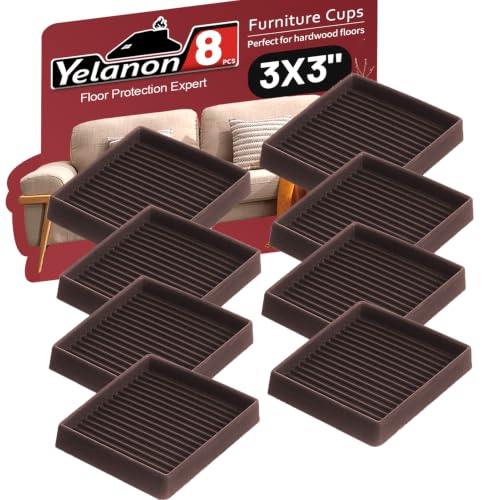
Furniture pads (felt or soft elastomer) reduce direct hard-to-surface contact that can dent laminate wear layers during repeated movement.
– Put felt or soft pads under chairs, bins, play table legs, and any frequently moved furniture.
For bins, use pads on both the bin feet and any plastic skids that contact the floor. Even if laminate feels “tough,” point impacts can concentrate stress at seams and edges.
– Add toe-kick protection for frequently dropped items and place a “toy landing zone” (rug or mat) where spills and impacts are most likely.
A landing zone matters because dropped toy corners can create localized scuffing and small edge lifts over time.
– Use “no outdoor shoes” rules and consider boot wipes so small stones don’t grind into the surface.
This is especially important when kids bring in garden grit or gravel—laminate’s surface resists scuffs, but grit-driven scratching is still a top failure mode.
Comparison: soft pads vs. hard glides (what to choose)
| Option | Best for laminate floors in playrooms | Main trade-off |
|---|---|---|
| Felt pads | Chairs, bins, play table legs; reduces scratching | Replace when flattened; avoid textured felt that can shed |
| Soft rubber/TPR glides | Sliding furniture with less noise | Some rubbers can discolor; confirm compatibility with laminate |
| Direct plastic-on-laminate | Short-term placement only | Higher dent/scratch risk when items move or drift |
Tiny “behavior” tweak that helps a lot
Create a quick habit: once a week, ask everyone to return heavy bins from the same direction (so they don’t drag). Consistency reduces the repetitive “scuff path” that otherwise becomes a permanent wear line on laminate floors.
Keep moisture and spills from getting near seams
Keep moisture off the laminate seam edges by wiping spills immediately with a damp (not wet) microfiber cloth and drying right away. Laminate floors in playrooms are particularly vulnerable because spills don’t just stain—they can work their way toward joints if liquid sits long enough.
Laminate flooring products are engineered for general household use, but many care guides warn against soaking and excess moisture—especially near joints and edges.
ASTM D1037 (wood-base panel thickness swelling testing) uses water exposure to measure expansion behavior, illustrating why liquid contact near seams is risky for engineered-wood cores.
– Wipe spills immediately with a damp (not wet) microfiber cloth, then dry the area right away.
“Damp wipe” is key: a saturated cloth can deliver more water than you think, and it spreads liquid farther than blotting.
– Avoid wet mopping; if you do use a cleaner, use the smallest amount needed and keep it off joints/edges as much as possible.
Even “small” puddles can edge seep—this is why proactive spill control beats reactive deep cleaning.
– If your laminate is near a sink, water play activity, or frequent snack mess, consider a water-resistant mat or tray area to contain incidents.
Treat these zones like “spill staging” rather than hoping a wipe-down is enough later.
Moisture workflow that prevents seam creep
1. Blot liquid with a dry towel first (reduces spread).
2. Follow with a damp microfiber cloth (removes residue).
3. Finish with a dry microfiber cloth (removes the remaining moisture film).
This approach keeps laminate floors in playrooms cleaner while minimizing the chance that water migrates into edges and joints.
Clean and maintain laminate safely
Clean and maintain laminate floors safely by removing grit regularly and using laminate-approved methods (or plain microfiber techniques) rather than aggressive wet cleaning. For a playroom, routine maintenance is more important than “deep clean frequency,” because daily debris accumulation drives scratch risk.
Regular dry maintenance (sweep/vacuum with a soft attachment) prevents abrasive particles from grinding across the laminate wear layer.
Many laminate manufacturers advise against steam mops and soaking because high heat and excess water can stress joints and edges.
– Sweep or vacuum with a soft-brush attachment regularly to remove debris that can scratch.
Focus on corners and along baseboards where toy crumbs and dirt collect.
– For routine cleaning, stick to manufacturer-approved laminate cleaners (or plain methods your care guide allows) and avoid harsh chemicals.
Harsh cleaners can dull finishes, damage protective layers, or leave residue that turns into grime later.
– Skip steam mops and soaking methods unless your flooring brand explicitly says they’re safe for your specific product.
Steam is effectively controlled moisture plus heat—exactly the combination that many laminate care manuals try to avoid near seams.
Where people go wrong in playrooms
Playrooms get cleaned more often, so people “upgrade” to steam or heavy solutions. For laminate floors, that’s usually backwards: you want gentler cleaning done more consistently.
Reduce impact and noise while adding an extra protection layer
Reduce impact and noise by using a thicker rug in the densest play zone and ensuring the rug pad is laminate-compatible. In 2026, the best results come from treating laminate floors in playrooms as an overall system: traction + cushioning + movement control.
A thicker rug can reduce dropped-toy denting and scuffing by spreading impact energy over a larger surface area.
Rug pads can either help or harm laminate—compatible pads improve stability, while aggressive backings can slide or leave residue over time.
– Use a thicker rug in the densest play zone to reduce dropped-toy dents and protect the finish.
Place the thickest rug where the most drops happen: near toy bins, building blocks, and art/sensory stations.
– If you’re laying a rug directly on laminate, ensure the rug pad is compatible with laminate (no aggressive backing).
Look for “non-scratch” / “non-marking” language intended for hard floors.
– For more stability, keep big items from sliding—movement wears through protective layers faster than static use.
Once pads are flattened or rugs start shifting, the laminate underneath gets exposed again.
Quick installation tip that matters
If a rug pad curls or wrinkles, it becomes a friction point. For laminate floors, that friction turns into scuff marks and “ghost trails” that repeat every time the rug shifts slightly.
What can go wrong (and how to avoid it)
What can go wrong usually falls into three buckets: rug pad residue, over-wetting during “deep cleans,” and ignoring the manufacturer’s warranty conditions. If you address these early, laminate floors in playrooms stay attractive for longer.
Rug pads that degrade can leave abrasive residue; testing a pad in a small area helps you confirm it won’t shed or stain before covering large sections.
Over-wetting increases the risk of laminate expansion at joints, so damp wipe-and-dry is safer than frequent wet mopping.
– Rug pads that shed grit: some cheap pads break down and leave abrasive residue—test in a small area first ().
What to watch: grit-like particles on the floor after you lift the pad, unexpected dark spots, or a strong chemical odor that transfers.
– Over-wetting during “deep cleans”: laminate can swell at seams when moisture gets in—damp wipe and immediate dry beats frequent wet cleaning.
Your “deep clean” should be a targeted spot-clean routine, not a flooded-floor routine.
– Ignoring your warranty requirements: some laminate brands specify approved cleaners, moisture limits, and rug/pad types—check your care instructions before changing your routine.
If you’re replacing pads or switching cleaners, confirm compatibility with your brand’s published care guidance.
Quick checklist + verdict
If you do only a few things, protect the play zone with a rug + non-scratch pad, reduce abrasive grit with a mat plus routine sweeping, soften impact points with felt pads, and treat moisture fast with a damp wipe and immediate dry.
| Area to protect | What to do | What to avoid |
|---|---|---|
| Entry/traffic | Use a grippy entry mat | Tracking sand/pebbles onto bare laminate |
| Main play zone | Rug + non-scratch rug pad | Pads that shift, curl, or shed debris |
| Furniture legs/bins | Felt/soft glides under items | Direct plastic-to-laminate contact |
| Spills | Immediate damp wipe + dry | Wet mopping or leaving puddles |
| Cleaning | Sweep/vacuum + laminate-safe cleaner | Steam/soakers unless manufacturer allows |
Verdict / tip: This protection approach is usually a safe, low-regret way to reduce scratches and moisture damage in a playroom. The downside is added upkeep—mats and pads need regular vacuuming, and worn rug pads should be replaced. If your laminate care guide has strict rules you can’t follow (or you’re frequently dealing with standing water), you may want to reassess the flooring type for that room and get guidance from the manufacturer or installer.
Sources
– EN 13329:2016 — Laminate floor coverings: specifications, requirements and test methods (wear classification / AC ratings).
– ASTM D1037 — Evaluating properties of wood-base fiber and particle panel materials (water exposure and thickness change methodology referenced to explain moisture risk to engineered cores).
– Your laminate flooring manufacturer’s installation and care/maintenance manual for your specific product (approved cleaners, moisture guidance, and warranty conditions).
Even with a careful setup, laminate floors in playrooms still “age” faster than floors in low-traffic rooms—so plan for ongoing mat cleaning, prompt spill response, and periodic checks for pad wear. If you follow the barrier + moisture discipline described above, you’ll give laminate flooring the best chance to stay scratch-resistant, dent-resistant, and visually clean through everyday family use in 2026.
Frequently Asked Questions
What are the best ways to protect laminate floors in a playroom?
Use felt or rubber floor protectors under all furniture to prevent scratches from chairs, tables, and playsets. Place washable area rugs or play mats in high-traffic zones to reduce scuffs from toy wheels and frequent walking. Keep a “no wet mop” routine and clean spills quickly with a barely-damp microfiber cloth to prevent laminate water damage. Regularly sweep or vacuum with a soft brush to remove grit that can act like sandpaper.
How can I prevent scratches and scuffs from toys on laminate flooring?
Choose entryway mats and a dedicated toy play rug so impact points are covered, especially where kids drop or drag toys. Trim pets’ nails and ensure everyone uses soft-soled shoes indoors; avoid walking barefoot with rough soles or grit stuck to feet. For existing marks, follow manufacturer-safe laminate floor cleaners and avoid abrasive pads that can dull the finish. You can also add clear protective film to the most-wear-prone areas (like under a toy storage bench), ensuring it’s compatible with laminate.
Why does water damage happen to laminate floors, and how do I prevent it?
Laminate is water-resistant but not waterproof—if moisture seeps into seams, edges, or lifted planks, it can cause swelling, warping, or gaps. Prevent this by wiping spills immediately and using a microfiber mop that’s lightly damp rather than wet. Avoid steam mops and over-saturating the floor during cleaning, especially around baseboards where water may travel. Consider using a humidifier or maintaining consistent indoor humidity to reduce plank expansion and contraction.
Best cleaning routine for maintaining laminate floors in a kid’s playroom?
Sweep or vacuum daily with a soft brush attachment to remove dirt, sand, and tiny debris from toys and crumbs from snack time. Clean weekly with a laminate floor cleaner recommended by the manufacturer, applied to the mop or cloth—not poured directly onto the floor. Use a microfiber cloth for spot cleaning, and dry the area right away if any moisture remains. Keep mops and cleaning tools clean and replace worn pads, since rough or dirty pads can create micro-scratches.
Which floor protectors and rugs work best for laminate in playrooms?
Use felt pads for most indoor furniture and rubber or foam protectors for heavier items to reduce sliding and prevent gouges. Pick low-profile, non-staining area rugs with a backing that won’t trap moisture against the laminate; machine-washable options are ideal for spills. For toy zones, select play mats designed for hard floors that won’t skid and are easy to wipe clean. Always lift and reposition rugs occasionally to avoid color fading or uneven wear.
📅 Last Updated: October 22, 2026 | Topic: How to protect laminate floors in a playroom? | Content verified for accuracy and freshness.
References
- Laminate flooring
- https://www.cdc.gov/homeandrecreationalsafety/falls/prevention.html
- https://scholar.google.com/scholar?q=laminate+flooring+maintenance+and+cleaning+guidelines Google Scholar
- https://scholar.google.com/scholar?q=laminate+flooring+water+damage+and+moisture+protection Google Scholar
- https://scholar.google.com/scholar?q=laminate+flooring+scratch+resistance+wear+study Google Scholar
- https://scholar.google.com/scholar?q=felt+pads+furniture+protect+floors+study Google Scholar
- https://scholar.google.com/scholar?q=playroom+flooring+safety+non-slip+mat+rug+guidelines Google Scholar
- https://scholar.google.com/scholar?q=home+safety+children+falls+prevention+rugs+non-slip Google Scholar
- https://scholar.google.com/scholar?q=household+cleaning+products+impact+on+flooring+materials+laminate Google Scholar
- https://scholar.google.com/scholar?q=laminate+flooring+installation+expansion+gap+moisture+prevention Google Scholar