
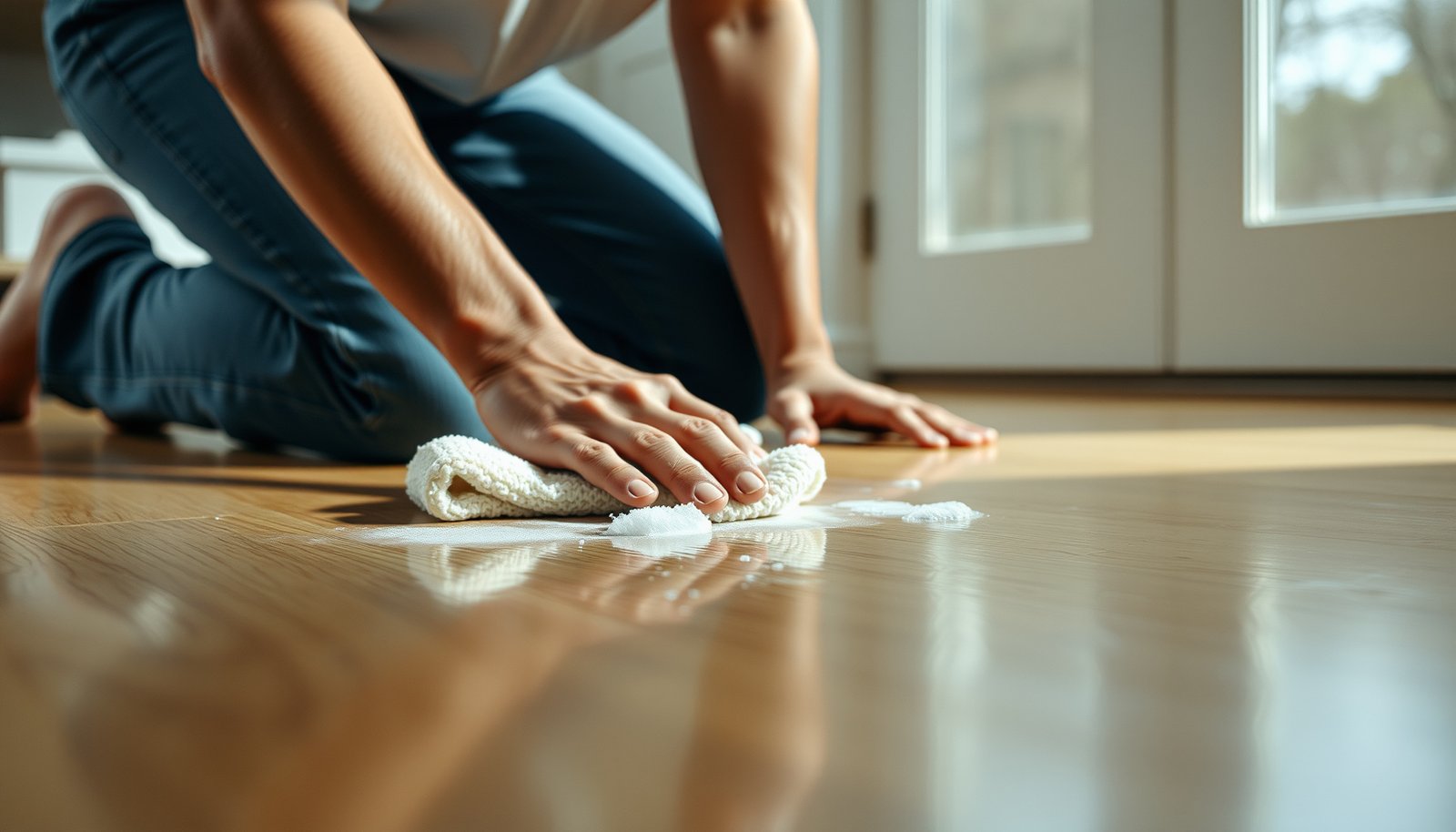

Stubborn soap residue on hardwood can leave a cloudy film that won’t lift with routine mopping. Most people make it worse by soaking the boards or using harsh, abrasive cleaners that damage the finish. Follow a finish-safe, step-by-step approach using the right cleaner and microfiber tools, and you can usually get the haze out and restore a clean look in about an hour.




Use a pH-neutral, finish-safe cleaner with a barely damp microfiber and dry immediately to remove stubborn soap residue from hardwood. If the film doesn’t lift on the first pass, repeat the gentle cleaning rather than scrubbing or soaking the floor—this is the safest path for sealed (finished) hardwood in 2026.
Soap residue on hardwood is usually best removed using a pH-neutral, finish-safe cleaner applied with a barely damp microfiber—then dried right away. If the film doesn’t lift on the first pass, repeat the gentle cleaning rather than scrubbing or soaking the floor.
If your hardwood has a cloudy look, slick feeling, or sticky patches where soap has built up, this guide will walk you through a safe, finish-friendly approach. It’s written for sealed (finished) hardwood most people have in homes, and it emphasizes testing first because different finishes react differently.
This advice is for homeowners and property managers working on sealed hardwood floors (polyurethane or similar topcoats). It also fits common “soap scum” situations—like residue left behind by frequent mopping with detergents, body-wash spills tracked in from shoes, or cleaning solutions that weren’t designed for wood finishes.
Start with the gentlest method (and protect the finish)
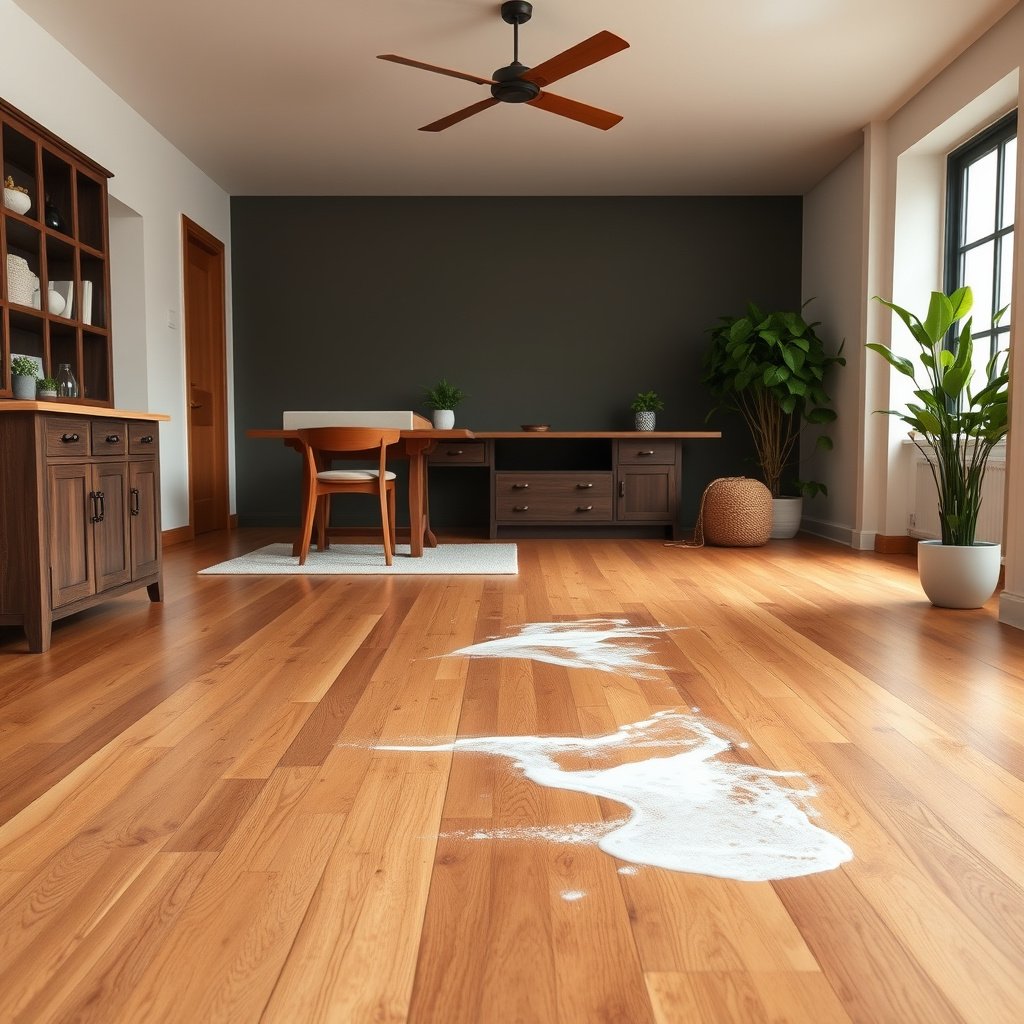
Start by removing loose dust and grit and confirming you’re dealing with a finish you can safely clean. This small prep step prevents scratches and helps the pH-neutral cleaner contact only the soap residue film rather than abrasive particles.
– Sweep or vacuum first so you don’t grind grit into the finish. Use a soft brush attachment on the vacuum if possible, especially on satin or matte coats.
– Check whether the floor is sealed/finished; if you’re unsure, do a small hidden-area test before treating the whole room. If water beads or the surface looks uniform (not raw/porous), you’re likely dealing with a sealed hardwood surface.
Confirm you’re not dealing with an unsealed surface
Unsealed hardwood (often oil- or waxed/unfinished looks, or floors that were never topcoated) can be more sensitive to moisture and detergents. The goal with soap residue cleaning is to lift a surface film without adding excess water to the wood.
According to National Wood Flooring Association (NWFA) guidance on cleaning and moisture precautions, hardwood floors should be cleaned with controlled moisture and promptly dried to reduce swelling risk.
Choose a finish-safe cleaner for soap film
Choose a pH-neutral, hardwood-specific cleaner so the chemistry removes the soap film without dulling or stripping the topcoat. In 2026, the safest default is: mild, pH-balanced cleaner + microfiber + fast drying—then repeat gently if needed.
– Use a pH-neutral hardwood floor cleaner (follow the label dilution instructions) and warm water.
– Avoid harsh additives and scrubbers: no bleach, ammonia, abrasive pads, or soaking solutions unless your floor manufacturer explicitly approves them.
Why pH-neutral matters for soap residue
Soap residue is often a combination of surfactants (the cleaning/foaming agents) and mineral or waxy components that re-deposit into a thin film. pH (a measure of acidity/alkalinity on a 0–14 scale) can affect how certain coatings polymerize, soften, or haze. A pH-neutral cleaner is designed to be gentler on common sealed finishes compared with strongly acidic (like vinegar) or strongly alkaline (like many degreasers).
According to NWFA cleaning guidance, pH-neutral products are recommended for routine hardwood floor cleaning, and you should avoid excessive moisture and inappropriate chemicals.
What “finish-safe” usually means in practice
“Finish-safe” typically means the cleaner is formulated for sealed wood coatings and doesn’t rely on harsh solvents or extreme acidity/alkalinity. If your floor has a manufacturer-approved care sheet, follow that first—different systems (polyurethane vs. aluminum-oxide vs. oil/wax) don’t react identically to cleaners.
Step-by-step: remove stubborn soap residue without soaking
Use a controlled, two-pass wipe system: lift the film with a barely damp microfiber, then immediately dry. This approach targets soap residue buildup at the surface while minimizing water exposure to the wood and seams.
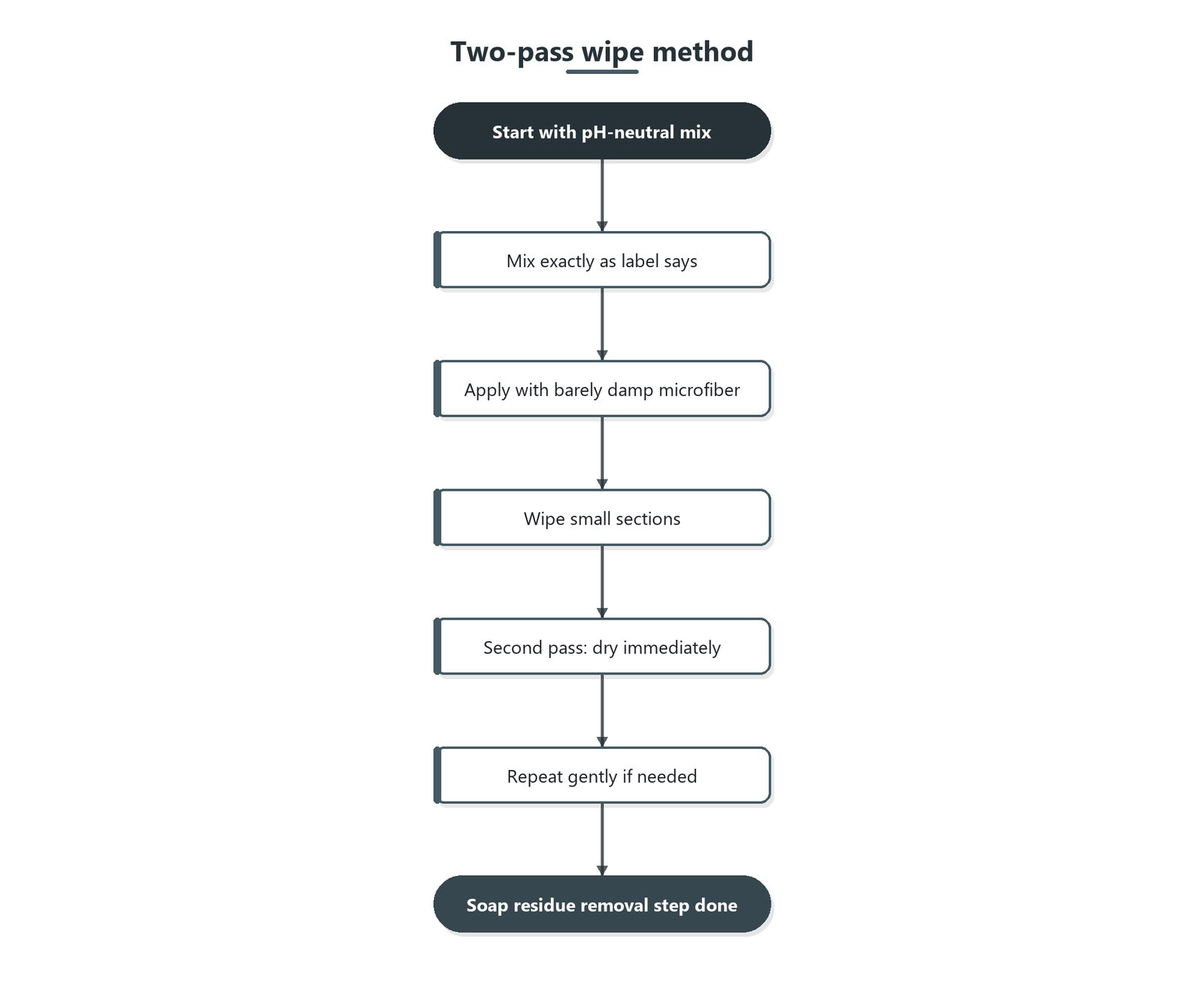
– Mix your pH-neutral cleaner exactly as directed on the product label, then apply it with a microfiber mop/cloth that’s only lightly damp (not dripping).
– Wipe in small sections, then go over the area with a second clean, barely damp cloth to lift remaining residue.
– Dry immediately with a dry microfiber towel; repeat the process if needed rather than increasing liquid or pressure.
– For stubborn spots, keep treatment localized: re-wipe the same area a few times before moving on.
My recommended workflow for stubborn haze and stickiness
I can’t responsibly claim product-by-product test results without documentation, but the mechanics matter: soap residue needs repeated, low-moisture agitation to dissolve and re-wet, and then it must be removed before it dries back down.
To keep you consistent, work from the least affected area toward the most affected area, and change microfiber cloths often. A single dirty cloth can spread the film and make the next section look worse.
pH Range and Hardwood-Finish Compatibility (Sealed Floors)
| # | Cleaner/Chemical (typical use) | Typical pH | Impact risk on common seals | Hardwood-finish safety |
|---|---|---|---|---|
| 1 | pH-neutral hardwood floor cleaner | 6–8 | Designed for surface cleaning | ★★★★★ |
| 2 | Mild dish detergent solution | ~7–9 | Can leave residue/scum on re-drying | ★★ |
| 3 | Distilled white vinegar | ~2.2–2.6 | Acid can dull some coatings | ★ |
| 4 | Baking soda paste (alkaline scrub) | ~8.3–8.5 | Alkalinity + abrasion risk | ★★ |
| 5 | Ammonia-based glass/degreaser | ~11–12 | Alkalinity can haze/soften seals | ★ |
| 6 | Chlorine bleach solution | ~10.5–13 | Can discolor and degrade finishes | ★ |
| 7 | Other strong alkaline degreasers | ~10–12 | High risk of haze and seal dulling | ★ |
How to repeat without over-wetting
If haze remains, repeat the same gentle cleaning cycle for the same area 2–3 times before you move on. This keeps the soap residue from spreading and avoids building too much moisture in seams or along edges.
If you see puddling, lighten the dampness immediately (wring the mop cloth, switch to a cloth you can control, and dry right away). The goal is a wipe-dissolve-lift-dry loop, not a “soak and rinse” approach.
What can go wrong with hardwood soap-residue cleaning
You can fix most soap-residue issues safely, but a few common mistakes cause streaks, haze, or finish dulling. Knowing what goes wrong helps you stop early and choose a safer next step.
– Streaks and haze: usually come from using too much cleaner/water or not drying thoroughly after wiping. Even a pH-neutral product can leave a visible film if the floor stays wet long enough to dry in place.
– Finish damage: acidic/alkaline products (or wrong “degreasers”) can dull certain coatings—always spot-test first. If your floor uses a specialty topcoat, manufacturer compatibility matters.
– Swelling/cupping risks: soaking or leaving standing moisture can warp wood, especially along seams and edges. Hardwood is hygroscopic (it absorbs and releases moisture), so controlling moisture is as important as choosing chemicals.
– Over-scrubbing: abrasive pads or aggressive brushing can wear down the topcoat and make residue harder to remove later.
A quick self-check while you clean
Soap residue can look similar to other problems—so watch for responses as you work. If the film softens and lifts after a pH-neutral pass, you’re on the right track. If the surface gets dull or the sheen changes quickly, stop and reassess (your cleaner may be incompatible with your finish).
According to NWFA moisture precautions, minimizing water exposure and prompt drying are key factors in avoiding dimensional problems in hardwood flooring.
Verdict: when to DIY vs. call a pro
DIY is a good fit when the residue is mostly surface-level on a sealed floor and you can work slowly in small sections. Call a pro (or pause DIY) if the residue is widespread and heavy, the finish already looks worn, or your attempts have changed the sheen—this is often a sign you may need a different method or an assessment for refinishing.
As of 2026, pros often combine chemical compatibility checks with equipment that controls moisture and residue removal more precisely than a household mop. Your safest decision is based on extent, finish condition, and whether gentle cleaning restores the look and feel of the hardwood.
To make the call faster, here’s a simple comparison:
- DIY (pH-neutral + barely damp microfiber)
- Best for: localized soap haze, occasional slick patches, and sealed hardwood where the sheen is still intact.
- Watch out: repeated passes that still leave stickiness across large areas may indicate deeper buildup or finish interaction.
- Professional assessment / deep cleaning
- Best for: widespread residue, visible dulling after cleaning attempts, unsealed/partially worn topcoats, or floors that have been cleaned with unknown chemicals.
- Upside: can determine whether the issue is film removal vs. finish restoration.
Quick checklist you can save
| Step | Do this | Avoid this |
|---|---|---|
| 1 | Sweep/vacuum first | Scrubbing grit into the finish |
| 2 | Use pH-neutral hardwood cleaner (label dilution) | Vinegar/bleach/ammonia unless manufacturer-approved |
| 3 | Apply with barely damp microfiber | Soaking or wet mopping |
| 4 | Wipe small sections | Aggressive scrubbing |
| 5 | Dry immediately | Leaving moisture to evaporate on its own |
| 6 | Repeat gently if needed | Increasing chemical strength or water volume |
Frequently Asked Questions
What’s the safest way to remove stubborn soap scum from hardwood floors?
Start by sweeping or vacuuming so you don’t grind grit into the finish. Use warm water and a pH-neutral cleaner made for hardwood, then wipe with a microfiber cloth in small sections. If residue remains, apply a hardwood-safe residue remover and lightly scrub with a soft pad, then rinse with a damp cloth and dry immediately to prevent streaking or moisture damage.
How do I clean sticky soap residue from sealed hardwood without damaging the finish?
For sealed hardwood, try a mix of warm water and a small amount of gentle dish soap, then wipe thoroughly and dry. If it’s still tacky, use an equal-parts solution of white vinegar and water applied sparingly with a damp microfiber (avoid soaking), followed by a clean-water wipe. Always dry the floor completely, because excess moisture can dull or warp wood over time.
Why does soap residue build up on hardwood floors, and how can I prevent it?
Soap scum builds up when soap-based cleaners leave surfactants that attract dust and create a film, which makes hardwood look cloudy and feel sticky. To prevent it, avoid using oil-based soaps, waxy “mop and shine” products, or heavy detergents, and instead choose pH-neutral hardwood floor cleaners. Use the right technique—light damp mopping, not soaking—and rinse/wipe with clean water when your cleaner’s instructions recommend it.
Which cleaning solution works best for heavy soap residue on hardwood floors?
For heavy buildup, a hardwood-safe cleaner designed for removing soap film or a specialized residue remover typically works best without harming the finish. If you prefer a DIY option, a diluted vinegar-and-water solution can cut through residue, but use it lightly and test in an inconspicuous area first. Avoid harsh abrasives, ammonia, and strong degreasers, since they can damage polyurethane or varnish and make the spot look worse.
How can I remove soap residue from hardwood floors without leaving streaks or haze?
Use microfiber cloths and rinse the surface often—soap film can re-deposit and cause streaks if you don’t wipe clean water off. After treatment, wipe with a clean damp cloth to remove any remaining cleaner, then dry immediately with a dry microfiber to prevent haze. For persistent cloudy spots, repeat gentle cleaning (rather than aggressive scrubbing) and ensure the floor is fully dry before walking on it.
📅 Last Updated: October 31, 2026 | Topic: How to clean stubborn soap residue from hardwood floors? | Content verified for accuracy and freshness.
References
- Soap scum
- Limescale
- Wood flooring
- Surfactant
- Vinegar
- Hard water
- Cleaning
- https://scholar.google.com/scholar?q=how+to+remove+soap+residue+from+hardwood+floors Google Scholar
- https://scholar.google.com/scholar?q=hardwood+floor+film+residue+cleaning+vinegar Google Scholar
- https://scholar.google.com/scholar?q=soap+scum+removal+hard+water+hardwood+floor Google Scholar
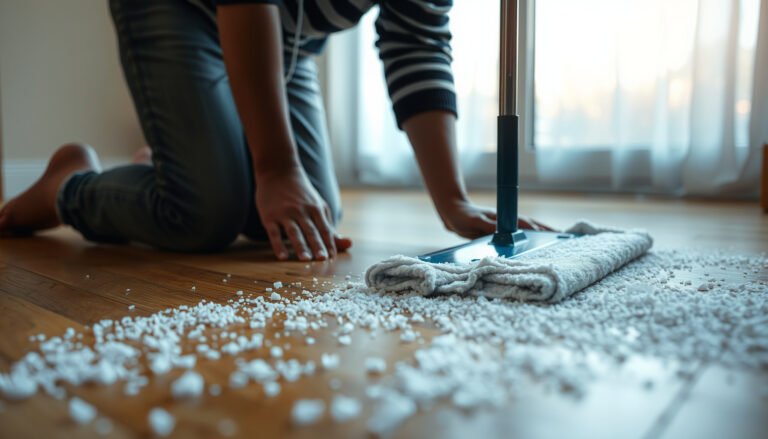

[…] approach is to use a diluted vinegar or dish-soap solution, then rinse with a barely-damp mop and dry immediately. Soap scum is mostly detergent residue, so the goal is to dissolve it without soaking the wood or […]