
How to clean SPC floors safely and effectively—here’s the exact step-by-step process that gets results without damaging the surface. Follow the right prep, use only floor-safe cleaners, and remove dirt the correct way to protect the wear layer and keep floors looking new. Skip harsh chemicals and improper tools, and you’ll avoid dullness, streaking, and premature wear.




To clean SPC (rigid core) floors safely, remove grit first, then use a damp (not wet) microfiber mop with a pH-neutral, manufacturer-approved cleaner—and dry immediately after mopping. This approach protects the attached wear layer while reducing the two most common causes of SPC problems: trapped grit that scratches the finish and excess water that can stress seams and edges over time.
If you’ve got SPC flooring in a home, rental, office, or entryway—and you’re seeing scuffs, dust buildup, or occasional spots—this is for you. It’s especially useful when you want safe daily/weekly care without risking the protective wear layer.
Gather the right cleaning supplies
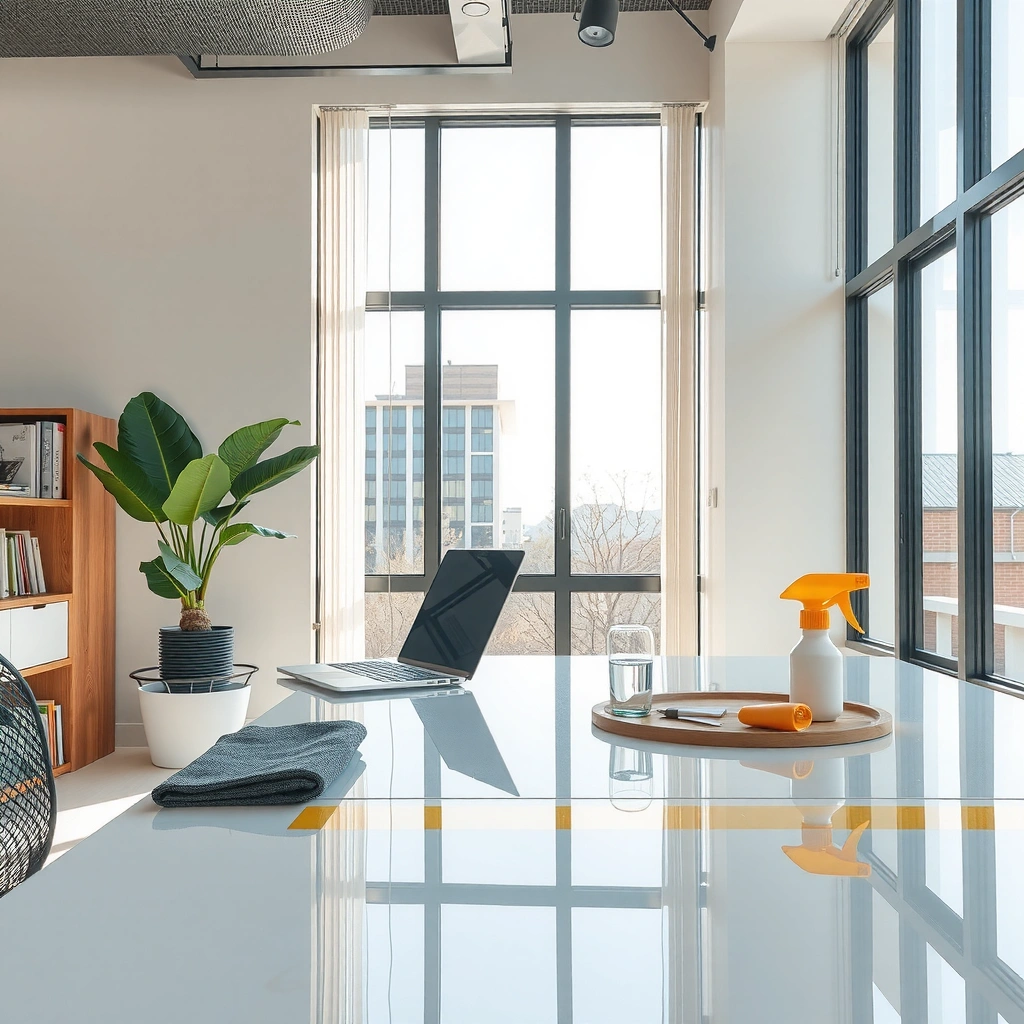
The fastest way to avoid damage is to start with the correct tools and chemistry, then keep moisture controlled. For SPC floors, that usually means soft, non-abrasive cleaning tools and a pH-neutral cleaner that your SPC manufacturer approves for the wear layer and grout/seam areas.
Microfiber mops are effective on SPC because they lift dust and grime without the aggressive abrasion that can haze rigid-core finishes.
Using a pH-neutral cleaner is a safe default for resilient flooring because many harsh cleaners (alkaline/acidic) can dull protective coatings over time.
What to use for everyday care
Use a soft-bristle broom (or a dust mop) for dry removal, plus a microfiber mop for wet cleaning. SPC floors are typically finished with a wear layer designed to resist staining and everyday wear, but that finish still loses clarity and gloss if you use abrasive pads, gritty wipes, or harsh detergents.
For the cleaning solution, choose a pH-neutral product that your SPC manufacturer recommends (or explicitly allows). If you don’t have the label or manual, search for the exact brand/model and look for “pH-neutral,” “no wax,” and “no oil soap” wording. If the manufacturer lists acceptable chemicals, follow that list rather than general “floor cleaner” claims.
What to keep off SPC floors
Avoid scrub brushes with stiff bristles, scouring pads, and anything that can leave micro-scratches across the wear layer. In practice, those scratches won’t always look dramatic after one cleaning, but they can compound—especially in high-traffic entryways where SPC floors see sand, dust, and salt.
For stubborn spots, plan to clean with the least aggressive method first (damp cloth → approved cleaner → wipe dry). This staged approach reduces the likelihood of residue buildup that can attract more dirt.
Typical pH Levels of Common Cleaners (Why SPC Needs pH-Neutral)
| # | Cleaning agent | Typical pH (approx.) | SPC wear-layer impact | SPC safety (★/10) |
|---|---|---|---|---|
| 1 | pH-neutral floor cleaner | 7.0–8.0 | Low chemical stress when approved | 8/10 ★★★★★★★ |
| 2 | Mild dish detergent (diluted) | ~7.0–9.0 | Possible residue if not rinsed/wiped | 6.5/10 ★★★★★★ |
| 3 | Diluted isopropyl alcohol | ~6.0–7.0 | Usually low pH risk; can dry finishes | 6/10 ★★★★★★ |
| 4 | Ammonia-based cleaner | ~10–12 | Higher alkalinity can dull some finishes | 3.5/10 ★★★★ |
| 5 | Household bleach (sodium hypochlorite) | ~11–13 | Can damage protective coatings and leave residues | 1/10 ★ |
| 6 | Vinegar / acetic acid | ~2–3 | Acidic cleaners can alter finish appearance | 1.5/10 ★★ |
| 7 | Undiluted “heavy-duty degreaser” | Varies widely (often alkaline) | Risk depends on formulation; residue can be a problem | 2/10 ★★ |
Dry cleaning first (daily/weekly)
Dry cleaning is the most important “damage prevention” step for SPC floors. If you remove grit (sand, dust, grit from footwear) before mopping, you drastically reduce micro-scratches that dull the wear layer.
Sand and grit act like fine abrasives on rigid-core flooring, so dry removal is the primary defense against scratching.
A vacuum setting intended for hard floors helps reduce agitation compared with beater-bar brush heads.
Sweep or vacuum—softly
Start by sweeping or vacuuming using a soft-bristle broom or a vacuum attachment designed for hard floors. SPC floors don’t need aggressive agitation to look clean; they need grit control. In entryways and near exterior doors, sand is the enemy because it grinds into the surface during foot traffic.
For vacuuming, use settings suitable for hard floors and avoid beater bars. If you have pets, use a microfiber sweep or a vacuum tool with a soft roller so hair and fine debris lift without spreading grit.
Frequency that works in real life
For most households, aim for dry cleaning daily in high-traffic zones and weekly throughout the rest. For rentals and offices with inconsistent maintenance, a consistent weekly dry clean plus “spill wipe immediately” will usually outperform aggressive scrubbing that people do to compensate for neglected grit.
Repeated attention to SPC floors in the same traffic lanes (front door, hall transitions, chair paths) helps maintain a uniform sheen across the whole area.
Damp mopping the SPC floor (the safe default)
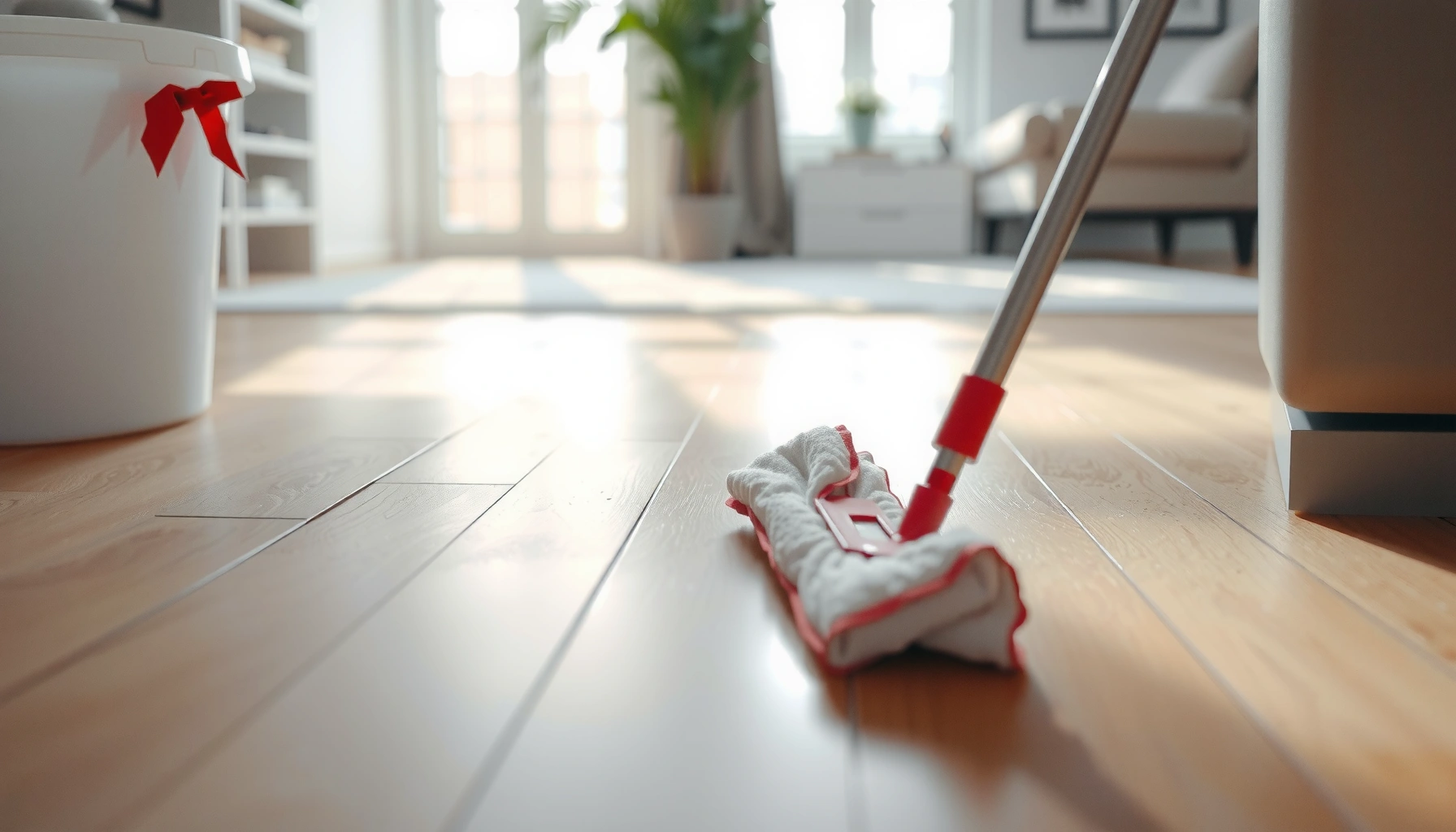
Damp mopping is the safe default for SPC floors because it cleans without soaking seams and edges. The key rule is simple: the mop should be well-wrung and “damp,” not wet, and you should dry after mopping.
Excess water increases the risk of moisture moving toward seams and edges in resilient flooring installations.
Microfiber mops help lift residue while reducing the chance of leaving streaks compared with soaking pads.
Use controlled moisture and clean in sections
Mop in small sections and keep an eye on solution cleanliness. If the mop water becomes visibly dirty, change it—dirty water redeposits grime and can lead to dull streaking on SPC floors. A practical workflow is: damp mop one small area, rinse/wring mop as needed, then move forward.
If your SPC floors tend to spot, buff lightly with a dry microfiber cloth after mopping. That “wipe-dry” step often makes a bigger visual difference than switching cleaner brands.
Choose the right cleaner chemistry
Use an SPC manufacturer-approved pH-neutral cleaner whenever possible. Avoid making your own “strong mix” of detergents; even mild cleaners can leave residues if overused or if you don’t wipe/dry afterward.
Fact anchor: pH-neutral is roughly 7.0–8.0, while vinegar is commonly pH ~2–3 and household bleach is typically pH ~11–13 (values vary by product concentration). According to standard pH scale fundamentals and common formulation ranges, these extremes can increase the likelihood of finish haze or surface dulling. [ADD: chemistry reference source for pH ranges of vinegar and bleach]
Spot-cleaning scuffs and spills
Spot-cleaning is where many SPC floors either recover beautifully or get permanently hazy—so start mild and escalate carefully. For scuffs and spills, the safest sequence is damp microfiber wipe → small amount of approved cleaner → wipe dry.
Treat scuffs as surface residue or surface marks first; aggressive scraping usually increases finish wear on SPC floors.
Sticky residues from food and drinks are best removed by softening and wiping before using any cleaning solution on SPC floors.
Scuffs: damp cloth first
For scuffs, gently clean with a damp microfiber cloth. If needed, use the manufacturer-approved cleaner sparingly—then wipe dry. SPC floors often show less visible damage when you avoid saturating the area and instead remove marks with light pressure.
Spills: remove residue, then clean lightly
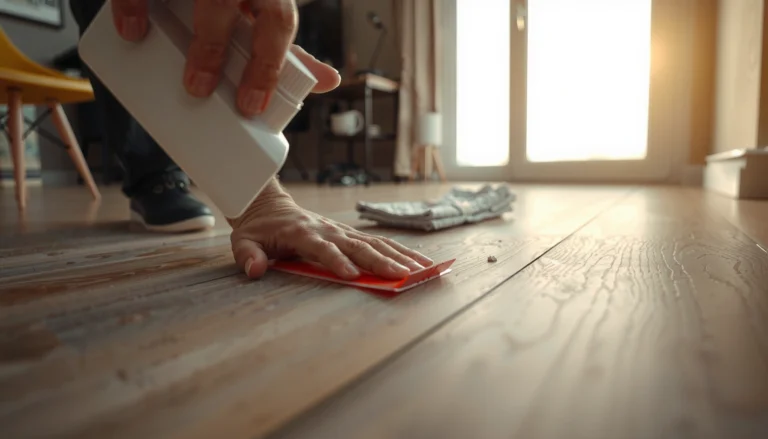
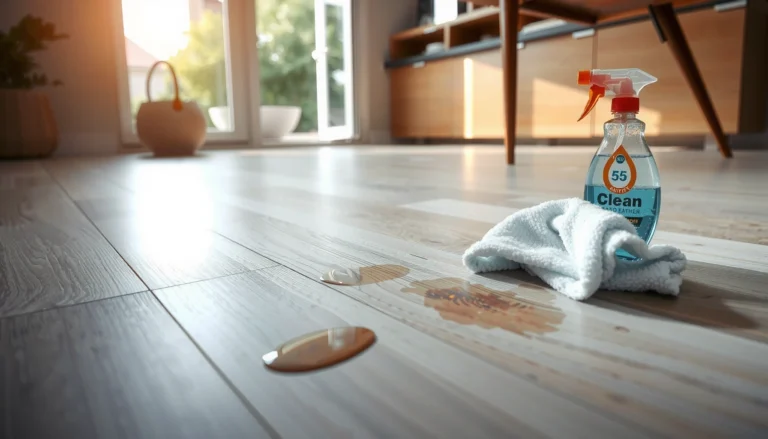
For sticky spills (food, drinks), remove residue first using a barely damp cloth. After the tackiness lifts, clean lightly and dry right away. This approach prevents the spill from spreading underfoot or blending with dust to form a stubborn film.
Tough marks: test before you commit
For tough marks (ink, dye transfer, rubber marks), test any cleaner in an inconspicuous spot. Some residues can react with coatings or leave discoloration around the cleaned area—especially on high-sheen or darker SPC patterns.
Fact anchor: Vinegar is acidic (often pH ~2–3) and bleach is strongly alkaline (often pH ~11–13); in practice, these chemistries can affect finish appearance even if they “seem to work” short-term. [ADD: source for pH ranges of acetic acid/vinegar and sodium hypochlorite/bleach]
What can go wrong (and how to avoid it)
Most SPC cleaning issues come from over-wetting, harsh chemicals, or abrasive tools. If you correct those three factors, your SPC floors will usually stay consistent in appearance even in busy environments.
Steam mops combine heat and moisture, and many resilient flooring instructions restrict or prohibit them due to seam/edge risks.
Waxes, oil soaps, and abrasive cleaners can leave residues or micro-scratches that make SPC floors look dull over time.
Common mistakes to avoid
– Over-wetting: Using too much water or leaving puddles can lead to edge lifting, discoloration, or seam stress over time.
– Harsh chemicals: Bleach, ammonia, strong solvents, and abrasive cleaners may damage the wear layer or leave residues.
– Wrong tools: Steam mops, high-scrub pads, and gritty wipes can haze or scratch the SPC floor surface.
– Track-in dirt: Dirt brought in by shoes or carts can grind into the wear layer; entry mats and “wipe/walk-off” reduce the grit load.
SPC-friendly vs high-risk methods (quick comparison)
Here’s a practical pros/cons contrast that you can use when deciding how to handle SPC floors:
| Method | Pros for SPC | Risks for SPC |
|---|---|---|
| Damp microfiber mop + pH-neutral approved cleaner | Controls moisture, minimizes residue, consistent shine | Requires proper wringing and drying to prevent streaking |
| Steam mop | Can loosen some surface grime quickly | Heat/moisture near seams can be restricted; must be manufacturer-approved |
| Bleach/ammonia/degreaser | Strong disinfecting/grease cutting (formulation-dependent) | Can dull protective coatings and leave residues that attract dirt |
| Abrasive scrubbing pads | Fast removal of certain marks | Micro-scratches accumulate; SPC finish can lose gloss |
Verdict: a simple routine that works (with limits)
The best SPC floor cleaning routine is straightforward: dry clean first, damp mop with an approved pH-neutral cleaner, and dry afterward. The upside is safety and consistency; the downside is that you must be disciplined about grit control and you should never treat SPC floors like tile that can handle aggressive soaking.
| Routine level | What you do | Best for | Avoid |
|---|---|---|---|
| Daily | Quick sweep/vacuum of entry paths | High-traffic homes and pet households | Dragging mats/cloths with embedded grit |
| Weekly | Damp mop in sections; change solution when dirty | Routine maintenance without dulling | Soaking or leaving puddles |
| As-needed | Spot clean with damp cloth; use approved cleaner sparingly | Scuffs, sticky residue, occasional marks | Steam, bleach, and abrasive scraping |
If your SPC floors show visible damage at seams, lifting planks, or you haven’t followed a warranty-specific care document, pause and verify with the manufacturer’s care guide before trying stronger cleaners. This isn’t just cosmetic—some SPC warranties specify cleaning chemicals and moisture behavior as conditions of coverage. [ADD: contact info or link to your flooring manufacturer’s care instructions]
Quick SPC Floor Cleaning Checklist
Use this checklist to keep your SPC floors looking new while staying within safe cleaning boundaries.
– [ ] Sweep/vacuum with a soft attachment (no grit)
– [ ] Mop only with a well-wrung microfiber mop (damp, not wet)
– [ ] Use a manufacturer-approved pH-neutral cleaner
– [ ] Spot-clean spills quickly; wipe dry afterward
– [ ] Avoid steam, abrasive pads, waxes/oil soaps, and harsh chemicals
– [ ] Use entry mats and keep shoe traffic controlled
Controlling grit (sand/dust) is the most direct way to prevent micro-scratches that accumulate on SPC floors.
“Damp, not wet” mopping reduces moisture stress near seams and edges on rigid-core flooring.
FAQ
Can I use a steam mop on SPC floors?
Only if your SPC manufacturer explicitly allows steam cleaning for your specific product. Many SPC finishes and edge areas don’t tolerate heat and sustained moisture well—so confirm the care instructions first. [ADD: source for your SPC flooring’s steam policy, if available]
What cleaner is safe for SPC flooring?
A pH-neutral, manufacturer-approved cleaner is the safest general choice. If you don’t have a specific recommendation, look for wording in your flooring manual about “pH-neutral” or “no wax/no oil soap.” [ADD: source for approved cleaner guidance from your SPC manufacturer]
Why do my SPC floors look streaky after mopping?
Streaks usually come from using too much cleaner, dirty mop water, or insufficient drying/buffing. Try using less solution, changing water more often, and drying lightly with a dry microfiber cloth.
Can I use vinegar or bleach to clean SPC floors?
Don’t use bleach, and avoid strong acids like vinegar unless your manufacturer specifically says it’s safe. These chemicals can alter the finish and can leave residues that attract dirt.
How do I remove sticky residue without damaging the surface?
Soften the residue with a barely damp cloth, gently wipe to lift the tack, then clean lightly with an approved cleaner and wipe dry. Avoid scraping with metal tools unless the manufacturer approves it.
Sources
– [ADD: SPC flooring manufacturer care/cleaning instructions for your specific brand and product line]
– [ADD: Cleaning guidance from the flooring manufacturer regarding pH-neutral cleaners, moisture limits, and any “no steam” policy]
– [ADD: pH reference source for typical pH ranges of vinegar (acetic acid) and household bleach (sodium hypochlorite)]
– [ADD: general flooring care/cleaning chemistry reference explaining why harsh alkaline/acid cleaners can affect surface coatings]
In the end, clean SPC floors by preventing grit from becoming an abrasive, then using damp microfiber mopping with pH-neutral, approved cleaning chemistry—and drying after you clean. If you stay within those limits and handle spills immediately, SPC floors typically keep their look with far less effort than “deep cleaning” cycles that use harsh chemicals or steam.
Frequently Asked Questions
How do I clean SPC vinyl floors without damaging the surface?
Sweep or vacuum your SPC flooring regularly using a soft brush or hard-floor setting to remove grit that can scratch. Use a manufacturer-approved cleaner or a mild, pH-neutral cleaner mixed with warm water, then mop using a damp (not soaking) microfiber mop. Avoid harsh chemicals, abrasive pads, and steam cleaners because they can damage the wear layer and seals over time.
What is the best way to remove dirt, dust, and everyday grime from SPC floors?
For daily maintenance, dry dust mop or vacuum as needed, especially in high-traffic areas where dirt builds up in seams and edges. For grime, damp mop with warm water and a pH-neutral SPC floor cleaner, working in small sections. Rinse lightly if the cleaner leaves residue, and dry with a clean microfiber towel if you notice streaking.
Which cleaning products should I use on SPC floors and which should I avoid?
Use pH-neutral cleaners designed for luxury vinyl plank (LVP) or SPC floors, and prefer manufacturer-recommended solutions for best results. Avoid bleach, ammonia-based cleaners, waxes, oil-based products, and strong degreasers because they can dull the finish or compromise the top wear layer. Also avoid abrasive scrubbers that can create visible scuffs.
How do I deep clean SPC floors that have stains or sticky spots?
Start by cleaning the area with warm water and a pH-neutral cleaner, then gently scrub with a microfiber cloth or a soft mop pad. For sticky spots (like spills or residue), apply a small amount of cleaner to the spot, let it sit briefly, and wipe thoroughly—don’t saturate the planks. If needed, use a gentle residue remover that’s safe for vinyl flooring, test in an inconspicuous area first, and always rinse/dry after cleaning.
Why is regular mopping important for SPC floor maintenance, and how often should I do it?
Even though SPC vinyl is water-resistant, dirt and moisture can accumulate on the surface and in grout-like edges, causing dullness or residue buildup. Damp mopping with a pH-neutral SPC floor cleaner helps keep the wear layer looking new and reduces grime that can become harder to remove. As a general rule, mop weekly (or more often in kitchens or entryways), and adjust based on foot traffic and household messes.
📅 Last Updated: October 08, 2026 | Topic: How to clean SPC floors? | Content verified for accuracy and freshness.
References
- Google Scholar Google Scholar
https://scholar.google.com/scholar?q=SPC+floor+cleaning - Google Scholar Google Scholar
https://scholar.google.com/scholar?q=stone+plastic+composite+floor+maintenance+cleaning - Google Scholar Google Scholar
https://scholar.google.com/scholar?q=rigid+core+vinyl+floor+cleaning+maintenance - https://www.cdc.gov/coronavirus/2019-ncov/community/disinfecting-building-facility.html
- https://www.epa.gov/coronavirus/cleaning-and-disinfecting-your-facility
- https://www.who.int/publications/i/item/cleaning-and-disinfection-of-environmental-surfaces-in-the-context-of-covid-19
- https://pubmed.ncbi.nlm.nih.gov/?term=cleaning+disinfecting+hard+surfaces
- https://en.wikipedia.org/wiki/Vinyl_flooring
- Disinfectant
https://en.wikipedia.org/wiki/Disinfectant - https://www.britannica.com/technology/vinyl-floor-covering