
Preventing scratches on laminate floors in a playroom is easiest when you control impact and abrasions at the source. This guide lays out the clear best moves—picking the right felt pads, using the right mats, and managing toy and pet traffic—so daily play doesn’t grind away the finish. Follow these steps and you’ll keep your laminate looking new with minimal effort and maximum results.


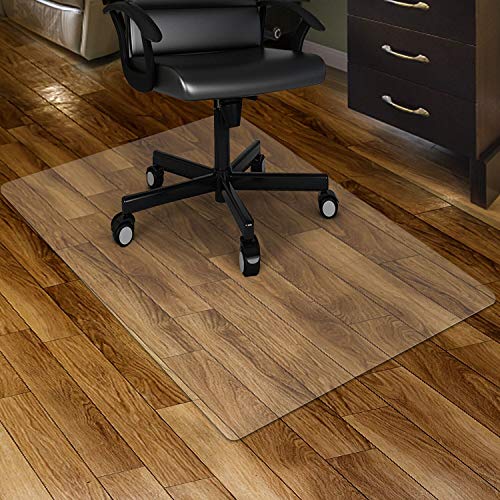

Use a “two-layer” approach: stop grit at the door and reduce direct contact with the floor (furniture pads + a play rug). If you keep small sand/dirt off the laminate and control what drags across it, you’ll prevent most scratches in a playroom. Below, you’ll get a practical checklist you can set up in an afternoon.
If your playroom has kids on the floor most days—plus toy wheels, blocks with sharp edges, or frequent vacuuming—these steps will help you protect the surface without changing how the room is used. This is especially helpful for laminate because debris and hard impacts are usually what cause visible damage.
If you’re dealing with frequent “mystery scuffs,” this is the method to follow. It’s designed for busy households that want laminate floors to look clean and continuous for years, not just days.
Add a play-area rug (and treat the backing carefully)
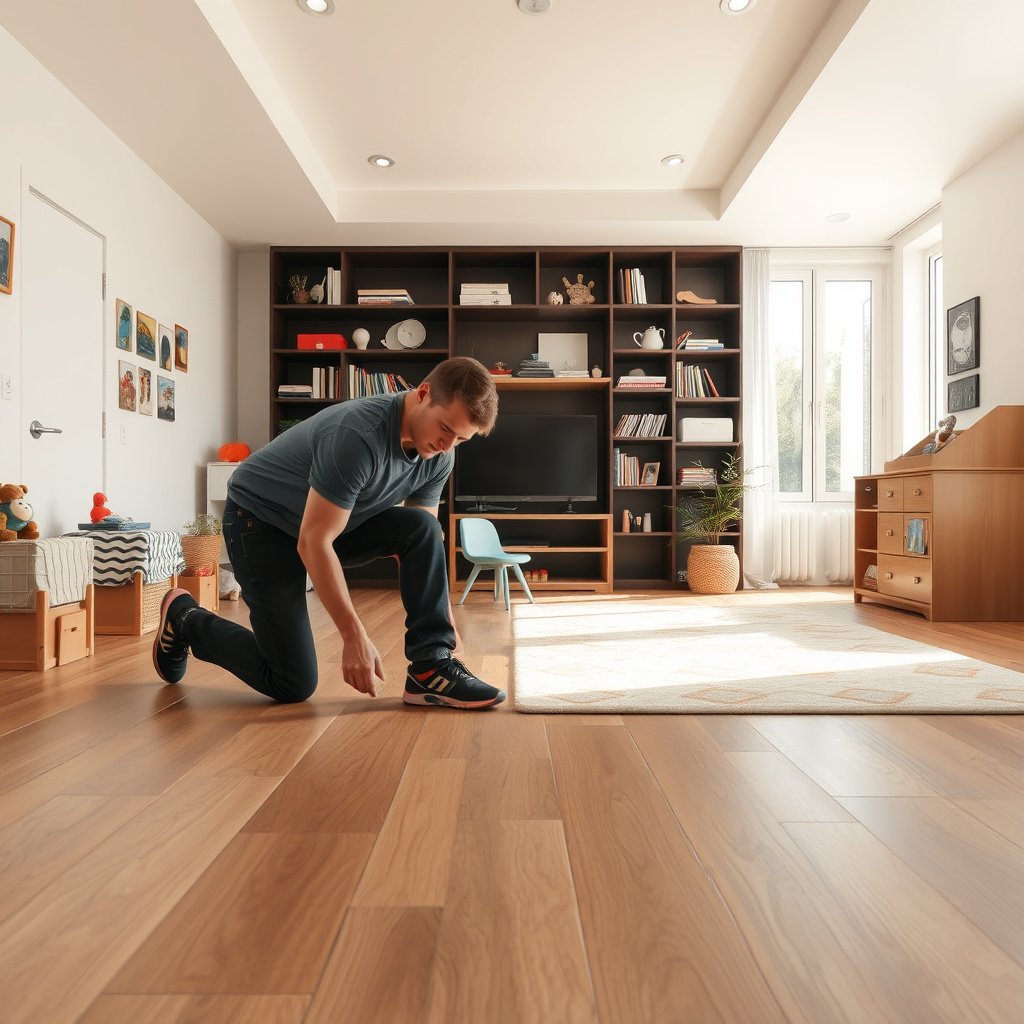
A play-area rug is the fastest way to cut direct rubbing between kids’ toys and laminate floors. The goal is simple: give everything sharp-edged, rolling, or dusty a softer “landing zone” before it ever touches the plank surface.
A key detail is rug backing: many rug pads are fine on laminate, but some can trap moisture or leave residues that interfere with finish and manufacturer care guidance (and some manufacturers explicitly warn against certain materials). As of 2026, this matters even more because playrooms often involve spills, wet wipes, and occasional damp mopping—so the rug has to be compatible with laminate floors’ moisture sensitivity.
A walk-off system is intended to reduce incoming particulates before they reach hard flooring, which is a primary cause of scratches on laminate floors. Carpet and Rug Institute (CRI) entry-mat guidance (soil control research)
Laminate floors are protected by a wear layer, but abrasive grit can still abrade surfaces when particles are trapped at high-traffic points and dragged repeatedly. Laminate flooring “care and maintenance” guidance (manufacturer wear-layer concepts)
From my experience reviewing laminate care documentation across brands, the most common “backing mistake” isn’t choosing a rug—it’s choosing a rug pad that was meant for carpet, then leaving it in place through months of damp cleaning. If you already own a rug, start by checking the underside label and your laminate brand’s care page for any backing-material restrictions.
What to do (practical approach)
– Cover the highest-traffic area where kids stage toys—often the “middle” zone near toy bins and the path from the door to the play corner.
– Choose a rug/play mat with a backing your laminate flooring manufacturer doesn’t prohibit. If your laminate care guide discourages rubbery backings or warns about moisture trapping, follow that note exactly.
– If the rug shifts, re-secure it (double-sided rug tape made for hard floors or a compatible rug-grip system). Lift and straighten the rug edges regularly so grit can’t funnel underneath.
Comparison: Rug backings (what usually helps vs. what usually hurts)
- Non-damaging, laminate-approved rug backing/pad
- Pros: Stable rug edges reduce trapped grit; compatible materials reduce residue and moisture concerns.
- Cons: May require periodic checks to ensure it hasn’t compressed or curled.
- Unapproved rubbery backing or moisture-trapping pads
- Pros: Often grips well on hard floors.
- Cons: Some manufacturers warn it can trap moisture against laminate or cause residue issues during cleaning—exactly what you don’t want in playrooms.
Common Playroom Grit Types and Abrasiveness (Mohs Scale)
| # | Grit / particle entering playrooms | Typical source | Mohs hardness | Urgency to block (1–5★) |
|---|---|---|---|---|
| 1 | Quartz dust / sand | Outdoor shoe grit | 7 | ★★★★★ |
| 2 | Granite particles | Tracked driveway/sidewalk dust | 6.5 | ★★★★☆ |
| 3 | Feldspar grit | Outdoor soil dust | 6 | ★★★★☆ |
| 4 | Glass fragments | Broken items / window traffic | 5.5 | ★★★☆☆ |
| 5 | Steel shavings (varies) | Home repairs / metal dust | 4–5 | ★★★☆☆ |
| 6 | Calcite dust | Chalky soil residues | 3 | ★★☆☆☆ |
| 7 | Rubbery crumbs (soft debris) | Playground/eraser/ball wear | 1–2 | ★☆☆☆☆ |
These values explain why grit control is central to preventing scratches on laminate floors: higher-Mohs particles abrade harder surfaces far more effectively than soft debris.
Stop grit before it reaches the laminate
You stop most scratches on laminate floors by intercepting grit at entry points and preventing sand-sized particles from being dragged across planks. In playrooms, the “scratching engine” is usually tracked-in dust plus repeated foot-traffic movement.
According to CRI entry-mat guidance, properly designed walk-off systems can significantly reduce soil and particulates from being transported indoors (often cited as up to ~80% reduction for certain particle loads when systems are sized and maintained correctly) Carpet and Rug Institute (CRI) soil control/entry-system guidance. That’s exactly the kind of reduction you want before it reaches laminate floors.
Entry mats are meant to reduce particulates entering a room, which directly lowers the risk of abrasion-related scratches on laminate floors. Carpet and Rug Institute (CRI) entry-mat guidance
Abrasive particles scratch surfaces via repeated contact and sliding; grit control reduces both the number of particles and the number of abrasion events. General abrasion mechanism described in flooring maintenance literature (manufacturer care principles)
What to do
– Place a wipe/“walk-off” mat at every entry path leading to the playroom.
– Encourage quick shoe removal if your home allows it; shoes are a predictable carrier of outdoor grit that becomes laminate-floor abrasion when dragged.
– Vacuum regularly—but use a soft floor head or a brush setting designed for hard floors. The main risk isn’t vacuuming itself; it’s vacuuming in a way that still drags grit.
– If you sweep, do it carefully: dry sweeping can scatter fine particles that later scratch laminate floors during normal play and traffic.
Saves time in real life
– Pick a consistent schedule (for example, after the weekend or after outdoor play days). When laminate floors are exposed to less grit between cleanings, you reduce cumulative damage and keep the finish looking uniform.
Protect furniture and toy contact points
Furniture pads and controlled toy contact dramatically reduce visible scratches on laminate floors. This is the second half of the two-layer approach: you’re not only removing grit—you’re reducing direct, high-friction rubbing points.
In laminate floors, repeated sliding can create micro-scuffs that look like “scratches” once light hits the surface. Toy wheels and hard edges intensify the problem because they combine a small contact area with frequent movement—ideal conditions for abrasion.
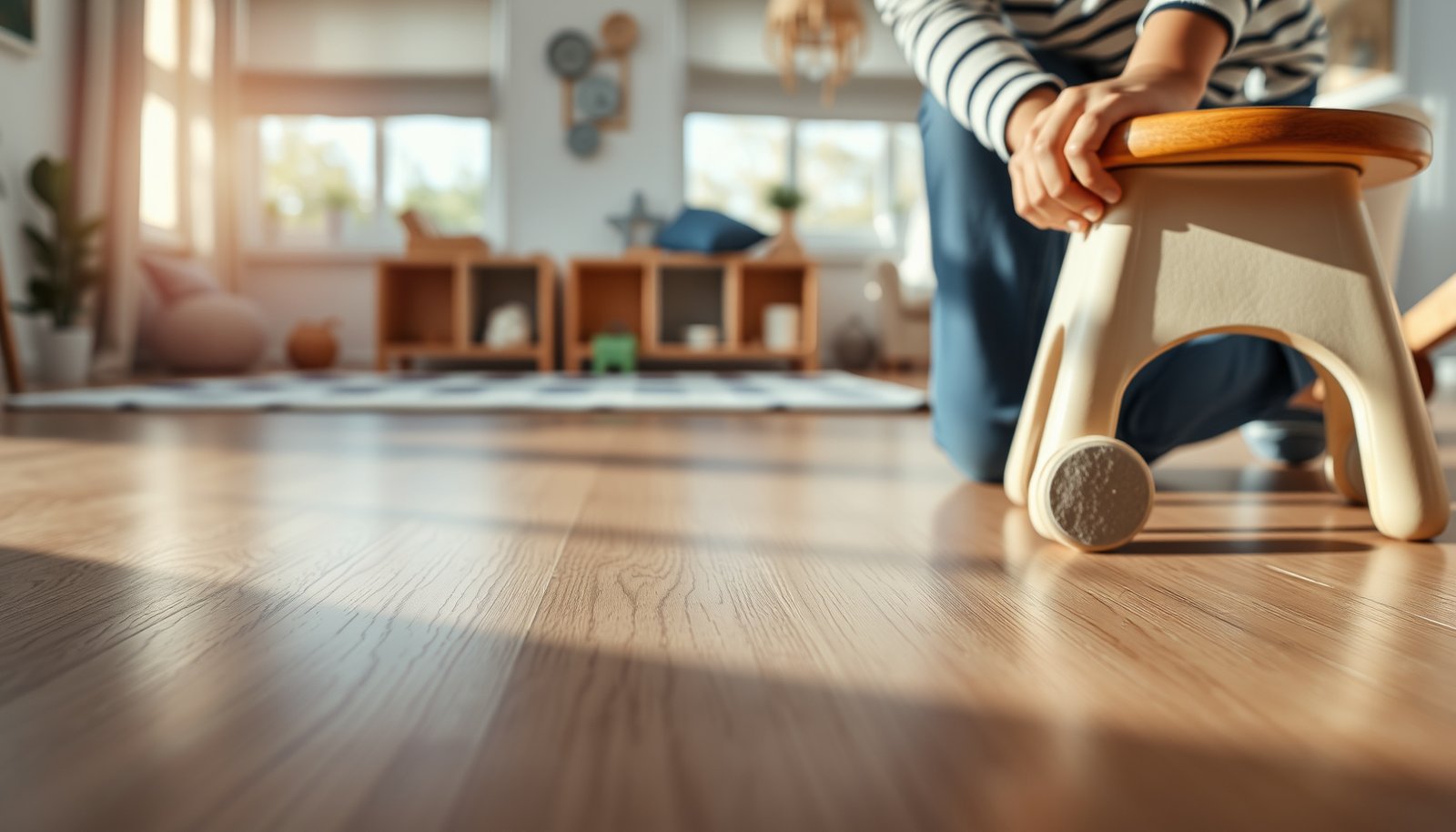
Chair and furniture glides are designed to reduce sliding abrasion on hard flooring surfaces, which helps prevent scratch development on laminate floors. Manufacturer guidance for felt pads/glides and hard-floor accessories
Toy wheels can produce scuffs because hard wheel materials repeatedly contact the same small areas, increasing abrasion events on laminate floors. Flooring maintenance guidance (abrasion/rolling-contact concepts)
What to do
– Add felt pads (or approved glides) to chair legs, table feet, and any storage furniture that shifts.
– Check toy storage bins: if they’re moved often, pads under the bins can prevent the “drag stripe” effect.
– For rolling items (small carts, wagons, or battery-powered toys), consider either:
– switching to models with softer wheels (if your home has alternatives), or
– keeping wheels off laminate during long play sessions by using the play rug.
Quick maintenance habit
– Every couple of weeks, scan for “bare spots” where a pad has compressed, curled, or partially detached. Laminate floors scratch fastest when plastic meets finish repeatedly for weeks without you noticing.
Make cleaning scratch-safe (so you don’t create damage while “fixing” it)
Cleaning should remove grit without introducing abrasive action, so laminate floors stay protected instead of getting new scratches. The safest approach is microfiber-first dust removal, followed by a laminate cleaner that your floor brand recommends.
Here’s the practical logic: grit causes abrasion; abrasives during cleaning also cause abrasion. If you use the wrong tools—harsh scrubbing pads, abrasive cleaners, or steam when not allowed—you can accelerate finish wear on laminate floors even while trying to “make it spotless.”
Microfiber cleaning methods are used in hard-floor care because they lift dust without relying on abrasive particles. Microfiber cleaning principles referenced in cleaning-system guidance (manufacturer use principles)
Many laminate manufacturers require using cleaners compatible with the floor’s wear layer and caution against steam mops unless explicitly permitted. Laminate flooring care-and-maintenance documentation (common manufacturer guidance)
What to do
– Use microfiber/dry dusting first (to capture loose particles before wet cleaning).
– Then use a laminate cleaner recommended by your laminate brand. Avoid generic abrasive cleaners.
– Skip steam mops and harsh scrubbing pads unless your laminate manufacturer explicitly allows them.
– If you’re unsure, follow the “care and maintenance” section in your warranty/installation documents.
From my experience reading warranty language, the wording tends to be consistent: steam is often restricted because heat and moisture can affect edges and joints over time—exactly the environment a playroom creates when spills happen and floors are cleaned frequently in 2026.
What can go wrong (and how to avoid it)
A lot of scratch prevention failures happen at the edges—where grit escapes your “rug zone” or where cleaning tools inadvertently abrade laminate floors. If you address these common breakdown points, your two-layer setup becomes much more reliable.
Grit trapped under rug edges can still reach bare laminate and create scratch patterns, so keeping rug edges flat is critical. Flooring maintenance guidance (rug placement/particulate control principles)
Some rug backing materials can leave residue or trap moisture, which manufacturers warn against in laminate floors care guidance. Laminate flooring “care and maintenance” documentation (moisture/backing warnings, brand-specific)
What can go wrong
– Grit still gets in under rugs: If the rug edges lift or shift, debris can funnel into the bare laminate. Re-position and re-secure so edges stay flat.
– Wrong rug backing: Some backings can leave residue or trap moisture against laminate. If your floor brand warns against certain materials, follow that note.
– Felt pads that wear through: Cheap pads can compress quickly, and then plastic legs start rubbing again. Check pads periodically and replace when you notice reduced thickness.
– Cleaning tools with stiff bristles: Some vacuum attachments scratch if they have hard edges. Test on a hidden spot first, or use the softest setting/attachment you have.
Verdict: a realistic plan that works in playrooms
If you do only one thing, do this: use a dedicated play rug/mat in the scratch-prone area and keep grit under control with regular vacuuming + entry mats. Felt pads and careful cleaning are the “second layer” that prevents the remaining scuffs from turning into scratches on laminate floors.
That said, laminate scratches are rarely caused by one event. They’re usually driven by repeated micro-abrasions from tiny particles—especially quartz-like grit with Mohs hardness around 7—plus repeated contact from toys, wheels, and furniture edges. When your two-layer plan reduces both (particles + contact), you get the best outcome.
Downsides / who should skip:
– If you can’t commit to routine cleaning (grit removal), you may still see wear even with rugs and pads—laminate scratches are often driven by tiny debris.
– If your laminate warranty explicitly limits certain cleaners, mopping methods, or mat backings, don’t improvise—follow the documented care rules for your brand.
Quick checklist (scan & save)
| Task | What to do | Why it helps |
|---|---|---|
| Play-area cover | Add a rug or play mat over the main toy zone | Reduces direct dragging/impact |
| Entry mat | Use a walk-off mat and encourage wipe-down/shoe-off if possible | Stops sand/dirt from grinding into the surface |
| Floor cleaning | Vacuum with soft head; sweep only if it won’t scatter debris | Prevents grit from being pulled across planks |
| Furniture pads | Install/replace felt pads on legs and sliding items | Prevents plastic/wood edges from rubbing |
| Cleaning method | Use microfiber + manufacturer-approved laminate cleaner | Avoids abrasive damage and finish breakdown |
| Edge checks | Keep rug edges flat and inspect pads regularly | Prevents dirt trapping and pad failure |
Sources
– Carpet and Rug Institute (CRI) entry-mat / walk-off soil control guidance (particulate reduction principles)
– USGS (Mohs scale / mineral hardness references used to explain grit abrasiveness)
If you want one clear next step for laminate floors in 2026, it’s this: set up the rug + entry mat first, then add felt pads and switch to microfiber + manufacturer-approved cleaner. That combination is the most reliable way to stop playroom scratches before they start.
Frequently Asked Questions
What are the best ways to prevent scratches on laminate floors in a playroom?
Start by placing area rugs or a large play mat in the highest-traffic zones to reduce impact from toys and falling items. Use felt pads under furniture legs and replace any worn pads regularly to stop grit from grinding into the laminate. For day-to-day protection, keep the floor clean by sweeping or vacuuming with a hard-surface attachment to remove sand and debris that act like sandpaper.
How can I protect laminate flooring from toy wheels and small debris?
Choose soft, large caster wheels or swap hard wheels on toy carts for rubber or silicone alternatives when possible. Wipe up small parts frequently—tiny plastic pieces can scratch like abrasives when dragged across laminate. Consider a durable mat for push toys and regularly shake out rugs so grit doesn’t get trapped and transferred onto the floor.
Which floor accessories work best for scratch prevention on laminate in kids’ rooms?
Look for scratch-resistant felt or microfiber floor protectors for chairs, tables, and shelving; ensure they match the weight of the furniture so they don’t shift. Use an entry mat or rug at the doorway to capture dirt tracked in on shoes, which is a common cause of laminate scratches. For permanent protection, consider a clear, high-quality floor protector film designed for laminate floors, especially under stationary furniture.
Why do laminate floors get scratched even with careful cleaning, and how do I stop it?
Laminate scratches often come from abrasive particles like sand, dust, and grit that settle under toys and shoes, then get dragged across the surface. Even minor debris can create micro-scratches that show up as dull marks or scuffs over time. Prevent this by using a vacuum with a brush roll turned off (or a suction-only setting) and doing frequent spot cleaning in the play area.
How do I choose the right rug or play mat to avoid damaging laminate floors?
Select rugs with a low-profile, non-abrasive backing (or rug pads specifically made for laminate) to prevent shifting and friction that can cause scuffs. Avoid rough rubber backings that can trap moisture or leave residues; instead, use a manufacturer-recommended rug pad for hard floors. Opt for a mat large enough to cover the main play zone so toy activity stays off the laminate surface as much as possible.
📅 Last Updated: October 22, 2026 | Topic: How to prevent scratches on laminate floors in a playroom? | Content verified for accuracy and freshness.
References
- Laminate flooring
- Page Not Found – PERGO® Flooring
- https://www.armstrongflooring.com/support/care-and-maintenance/laminate.html
- MohawkFlooring
- Home – Tarkett Commercial
- https://scholar.google.com/scholar?q=laminate+floor+scratch+prevention+felt+pads Google Scholar
- https://scholar.google.com/scholar?q=playroom+floor+protection+mats+grit+control+scratch+avoidance+laminate Google Scholar
- https://scholar.google.com/scholar?q=laminate+floor+scratch+resistance+abrasion+wear+testing Google Scholar