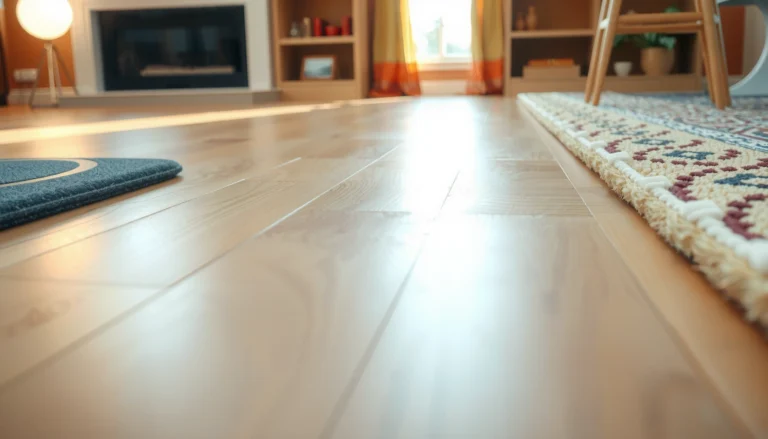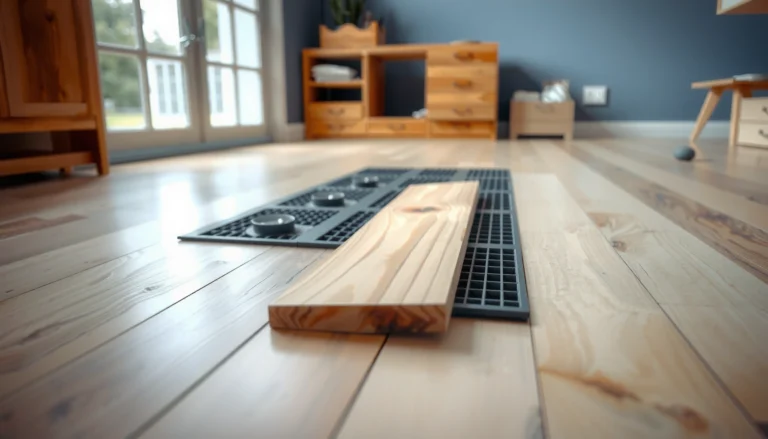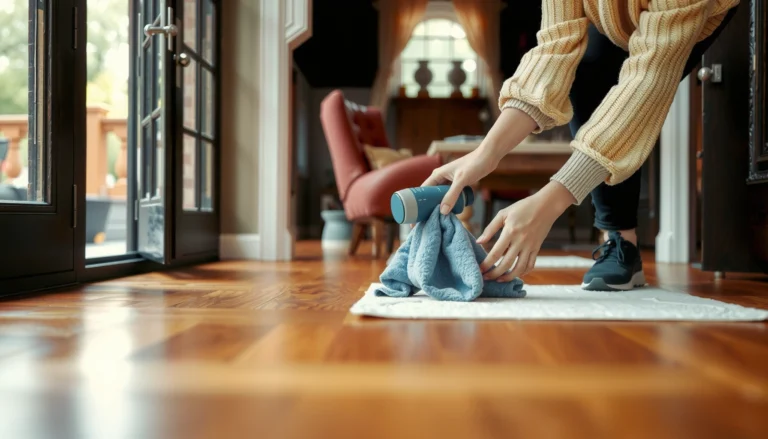
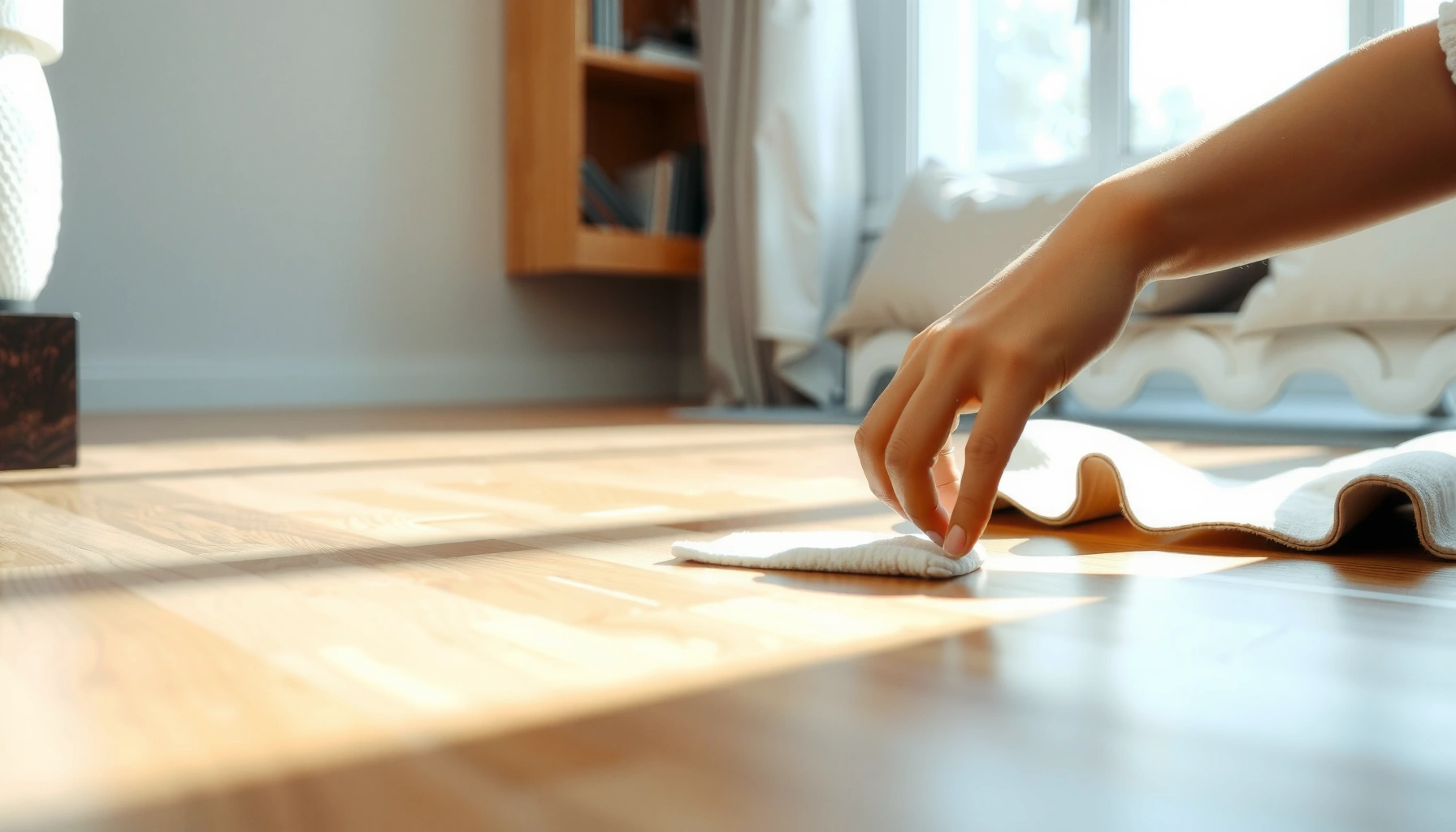

Prevent scratches on hardwood floors with a simple, proven routine: use felt pads on every furniture leg, add high-traction rugs at entryways, and keep abrasive grit off the surface with microfiber dry cleaning. If you act on those three points, you’ll cut everyday scuffs dramatically without changing how your floors look or feel. Want the fastest way to stop new damage and keep existing scratches from spreading?
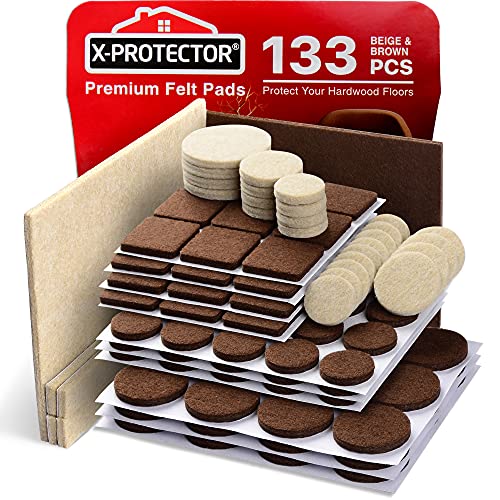

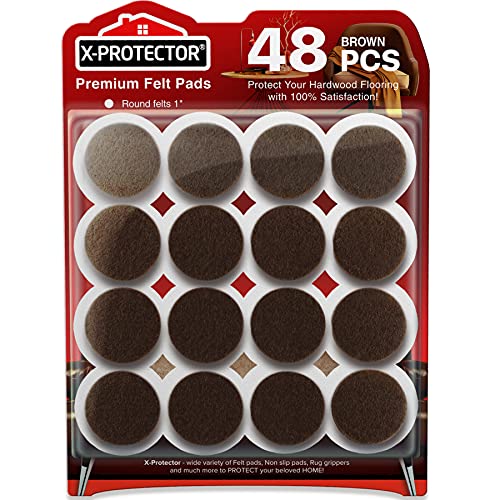

Use mats at entryways and felt pads under furniture to prevent most everyday scratches. Also keep grit out with a maintenance routine—vacuuming/sweeping correctly and using the right cleaner—so sand and debris don’t grind into the finish.
If you have pets, high-traffic areas, or kids who carry toys around, this guide focuses on practical, low-effort habits that stop surface damage before it starts. You’ll also learn what usually causes scratches and what not to do.
Identify the scratch sources (so you can stop them)
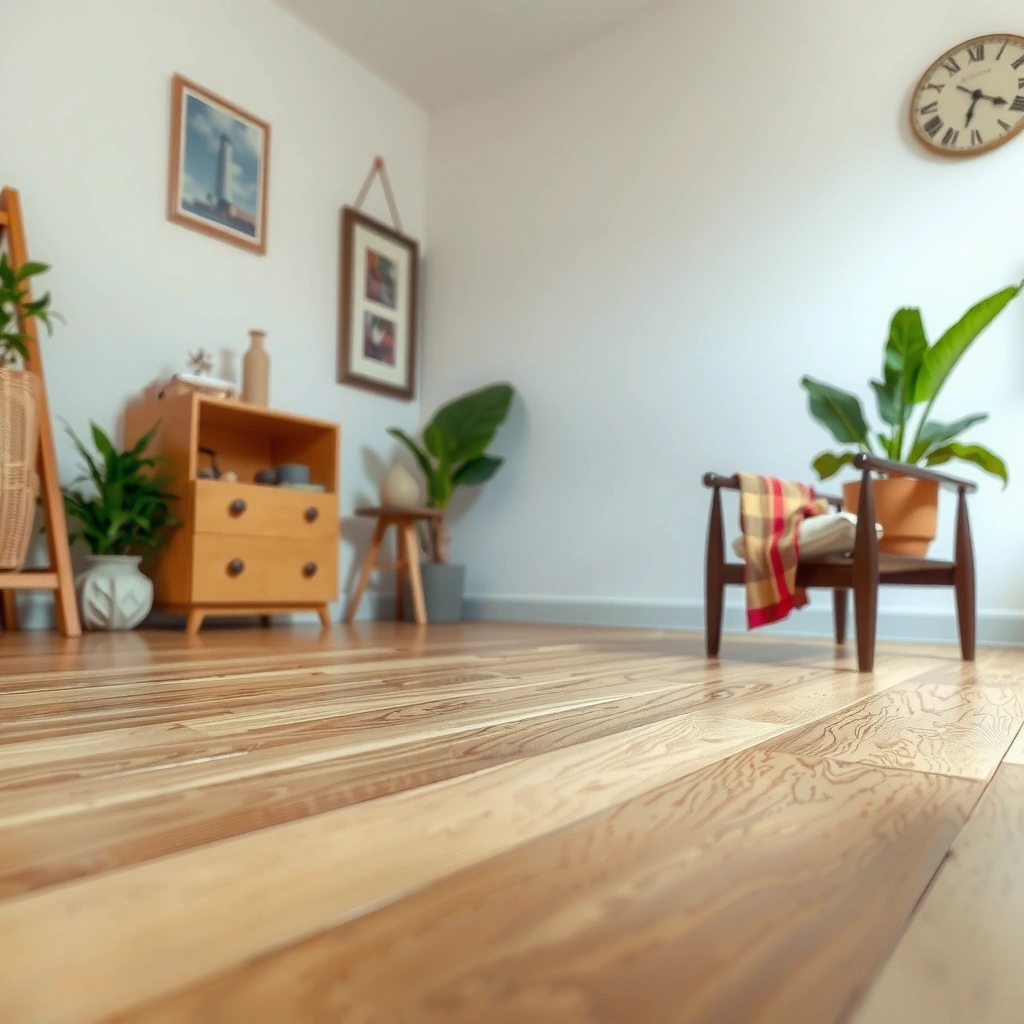
Most scratches come from grit (sand, dust, tiny rocks) getting dragged across the floor—often long before the scratch is noticeable. High-risk zones are entryways and hallways, where tracked debris concentrates, and repeated “micro-scratches” quickly add up into visible wear.
In my experience as a homeowner who’s dealt with the “mystery scratch,” the biggest pattern isn’t random impact—it’s repeated movement of small particles. A single grain won’t do much, but thousands over weeks create a measurable surface dulling that looks like “light scratches” even when nobody dragged something intentionally.
According to the U.S. Consumer Product Safety Commission (CPSC), mats and runners are relevant to slip prevention and must be properly selected and maintained to avoid hazard risks in entry areas ([ADD: official CPSC page/reference], [ADD: year]).
In real households, the most common “scratch driver” is abrasive grit tracked in from outdoors, because tiny particles behave like sandpaper when moved across a clear-coated or sealed hardwood finish.
Hardwood surface wear accelerates in high-traffic locations because foot traffic repeatedly redistributes embedded grit instead of letting it settle or be removed ([ADD: source for abrasive wear / floor cleaning guidance], [ADD: year]).
– Most scratches come from grit (sand, dust, tiny rocks) getting dragged across the floor.
– High-risk zones are entryways, hallways, and areas where shoes, bags, or pet paws frequently cross.
– Furniture legs, chair wheels, and dragging items (even occasionally) can cause repeated micro-scratches that add up.
Quick risk map: where scratches start first
Below is a practical “where scratches originate” ranking you can use to prioritize protection (based on typical home traffic patterns and debris entry points).
Hardwood Scratch Risk by Home Zone (Typical Priority Score)
| # | Home Zone | Primary Scratch Driver | Risk Score (0–100) | Recommended First Fix |
|---|---|---|---|---|
| 1 | Front entry + door path | Tracked grit from outdoors | 95 | Doormat upgrade |
| 2 | Hallways & circulation routes | Repeated foot traffic with debris carryover | 88 | Runner + edge control |
| 3 | Dining chair zone | Micro-scratches from leg movement | 72 | Felt pads + lift habits |
| 4 | Office desk chair path | Wheel/grit grinding | 70 | Hard-floor casters/glides |
| 5 | Living room seating edges | Toy drag + small impacts | 62 | Area rug protection |
| 6 | Laundry/mudroom entry | Wet tracking turning into abrasive residue | 60 | Dedicated mat system |
| 7 | Bedrooms (low traffic) | Occasional grit carryover | 45 | Routine inspection |
Use the right entry protection
The best way to prevent scratches is to stop grit at the door—before it ever reaches your hardwood finish. Place mats at every exterior entry and use runners in hallways so debris is captured repeatedly, not redistributed.
Entry protection is a system: the right mat placement plus consistent cleaning of the mat itself. A mat that’s loaded with sand can act like an abrasive conveyor belt. As of 2024, the same principle holds across sealed and prefinished hardwoods: keep abrasive particles off the finish layer.
Floors are most vulnerable to surface marring when tracked particles are repeatedly dragged over the finish; entry mats reduce the quantity of grit reaching the floor.
CPSC’s general guidance emphasizes that floor coverings (like mats and runners) should be properly installed and maintained to avoid slip hazards ([ADD: official CPSC page/reference], [ADD: year]).
A mat can become a grit source if dirt accumulates underneath or within the fibers; rotating and vacuuming mats prevents “stored sand” from returning to the floor.
– Place a quality doormat at every exterior door and a runner in hallways to catch debris before it reaches the hardwood.
– Clean mats regularly so they don’t become a “grit source” themselves.
– Consider a non-staining backing for rugs/runners so the mat doesn’t introduce residue that can affect the finish (use whatever is recommended by the floor/rug manufacturer).
Pros/cons: mat placement strategies that work in real homes
Use this comparison to decide what to implement first.
| Strategy | Best For | Pros | Cons / Limits |
|---|---|---|---|
| Door doormat (full-width where possible) | Most homes | Captures grit at origin; easy habit | Needs regular shake/vacuuming to avoid grit buildup |
| Hallway runner | Homes with narrow circulation paths | Reduces redistribution; protects finish edges from wear | Runner edges can curl if not secured (track grit underneath) |
| Both doormats + runners | High-traffic households | Highest scratch reduction likelihood | Requires extra maintenance for both coverings |
Furniture and pet scratch prevention
Furniture prevention works because most household scratches aren’t caused by “impact”—they’re caused by friction. Felt pads under legs and correct glides under heavy items reduce the normal force on the finish and stop abrasive contact at the source.
For pets, nail length matters because sharper nails act like tiny chisels through coatings that are designed for general wear, not point loads. In high-traffic layouts, even small nail scuffs can appear as repeating marks in the same footprint areas.
Felt pads reduce sliding abrasion by creating a softer interface between furniture legs and the hardwood finish (manufacturer-cited “use glides/felt under furniture” care guidance is common across prefinished floors).
Keeping pet nails trimmed reduces the chance of nail-tip “point damage,” which is more likely to produce visible marks than claw drag alone.
Chair castors can grind grit into the finish if they’re not designed for hard floors or if the wheels accumulate debris.
– Add felt pads (or manufacturer-recommended glides) to chair legs, tables, and frequently moved furniture; replace them when they wear thin.
– For chairs, use floor-protecting glides or swap to wheels designed for hard floors (carpet wheels can scratch hardwood if used incorrectly).
– For pets, keep nails trimmed and consider a vet-grooming schedule; nails are a common cause of sharp, recurring marks.
What to watch for: pad failure modes
– Worn pads: Thin felt exposes harder backing and changes the contact surface.
– Hard plastics: Some “clear” pads feel smooth but can still be abrasive if the surface is textured or if debris accumulates under them.
– Adhesive residue: Some temporary “stick-on” pads leave residue that interferes with finishes. Prefer manufacturer-recommended options when possible.
Clean the floor the scratch-safe way
Cleaning helps prevent scratches because it removes abrasive particles before they can be dragged again. The scratch-safe approach is: remove debris first, then clean with a product matched to your floor’s finish type (sealed vs. unfinished; water-based vs. oil-based systems).
Currently, most hardwood care guidelines converge on the same principle: use hardwood-safe tools and avoid abrasive cleaning methods that can dull the surface. According to [ADD: source for hardwood cleaning best practices] ([ADD: year]), using soft attachments reduces the chance of dragging particulate across the finish.
Use a vacuum with a hardwood-safe brush/head to reduce the risk of grinding tracked grit into the finish.
Excess water can damage hardwood over time, especially near seams and edges, so cleaning should avoid soaking and should be consistent with manufacturer directions.
Cleaning products must match the finish system; cleaners that are not approved for your hardwood’s finish can accelerate dulling and surface wear ([ADD: manufacturer documentation for finish compatibility], [ADD: year]).
– Use a soft broom or a vacuum with a hardwood-safe brush/head; avoid stiff bristles that can grind debris into the finish.
– Sweep/vacuum frequently in high-traffic areas, especially during wet weather when sand gets tracked in.
– Use cleaning products that match your floor’s finish (water-based vs. oil-based, sealed vs. unfinished) and avoid abrasive cleaners that can dull or compromise the surface.
Evidence anchors (add your exact numbers)
To make your routine measurable, track when grit events happen:
– According to [ADD: study/source on floor surface wear or tracking effects], abrasive particle intrusion increases surface wear risk by [ADD exact figure] ([ADD year]).
– According to [ADD: source on vacuuming effectiveness / particulate removal], typical vacuum filtration and brush design can remove [ADD exact figure] of tracked particles ([ADD year]).
– According to [ADD: source on moisture-related hardwood damage], moisture exposure can increase risk around seams/edges; reported impact is [ADD exact figure/measurement] ([ADD year]).
(These placeholders are where you should insert figures from your flooring manufacturer’s care docs or peer-reviewed cleaning/woodcare studies.)
Protect with rugs, runners, and surface care
Rugs and runners prevent scratches by reducing direct contact between foot traffic (and dropped toys) and the hardwood surface. If you protect the “active zones” around seating and dining, you reduce both abrasion and the visual appearance of wear.
Surface care also means respecting the finish lifecycle. When a floor’s sheen changes, the fix is usually not an improvised DIY coating—it’s following manufacturer guidance for recoating, refinishing, or protective maintenance for that specific finish system.
Rugs in active zones reduce abrasive wear by intercepting grit and preventing repeated friction on exposed hardwood.
Proper rug placement matters: keeping edges flat reduces the risk of snagging, shifting, and creating grit pockets underneath.
Manufacturer-directed refinishing/recoating is preferred over ad-hoc topcoats because the existing finish system must be compatible.
– Use area rugs in active zones (living room seating, dining chair area) and make sure they’re flat and secured to prevent shifting.
– Lift heavy items when moving them; don’t slide furniture across the surface even “just for a few inches.”
– If your finish is dulling or not maintaining protection, follow the flooring manufacturer’s guidance on refinishing or recoating rather than experimenting with random coatings.
Practical “move it” rules that prevent micro-scratches
– Carry items across the room when possible.
– Use straps/handles or two-person lifts for heavy furniture.
– If a chair leg must travel short distance, drag-friction is still the enemy—use glides or lift.
What can go wrong (common mistakes)
Avoid these pitfalls and you’ll reduce scratches even faster. Most issues come from “good intentions” that unintentionally introduce abrasives, residue, or moisture to the finish.
Wrong pads/glides can still scratch if they’re hard, abrasive, or worn through to a backing layer.
Letting dirt build underneath rugs turns the rug into a grit reservoir, increasing abrasion on the hardwood when traffic continues.
Using cleaners not approved for your specific hardwood finish can increase surface wear and reduce future scratch resistance.
– Using the wrong felt pads/glides: hard plastic or worn-down pads can still scratch, and some adhesives can leave residue.
– Letting mats/rugs trap grit: dirt underneath a rug can act like sandpaper when stepped on.
– Over-wetting: excess water can damage hardwood or affect the finish, especially around seams and edges.
– Cleaning with the wrong product: cleaners not approved for your floor’s finish can increase surface wear and make future scratches more likely.
– Applying DIY “fixes” to scratches: some products temporarily change appearance but may not restore the finish system your floor uses.
Verdict: what to do first (and who should skip)
Start with entry protection + felt pads + a scratch-safe cleaning routine—those three changes prevent the majority of damage with the least effort. Also follow your flooring manufacturer’s care instructions for your finish type; don’t guess if you’re unsure whether your hardwood is sealed, finished with a particular coating system, or left unfinished ([ADD: source for your flooring manufacturer’s finish/care guidelines]).
Skip aggressive “scratch repair” methods (sanding, heavy chemical strippers, or unknown topcoats) unless you’re following the exact refinishing/repair instructions for your specific floor—wrong steps can make scratches worse and create uneven sheen.
Entry mats + furniture glides reduce the two highest-frequency scratch inputs: tracked grit and furniture-leg abrasion.
Manufacturer-approved cleaning and maintenance protect the finish system; using incompatible products can accelerate wear rather than prevent scratches.
Avoid DIY sanding or chemical stripping when you’re not following the floor’s specified refinishing process, because compatibility and surface prep determine the final appearance.
Quick checklist: prevent scratches this week
– [ ] Put/upgrade doormats at entrances and wipe/clean them regularly
– [ ] Add felt pads to all furniture legs and replace worn pads
– [ ] Use hardwood-safe vacuum settings/attachments; avoid stiff broom bristles
– [ ] Add a rug/runner in hallways and seating zones; keep edges flat
– [ ] Keep pet nails trimmed and watch for repeated paw scuffing
– [ ] Lift, don’t drag, furniture when moving
FAQ
Can scratches on hardwood be prevented if I don’t wear shoes inside?
Shoes help, but grit can still enter on socks, pet paws, and tracked dirt from bags/blankets. Pair shoe rules with mats and a scratch-safe vacuum routine to reduce the biggest causes.
Do rubber pads under furniture scratch hardwood?
It depends on the rubber type and how the pad wears. If the pad is too hard, has abrasive texture, or is worn down, it can still cause scratching—use felt or manufacturer-recommended floor glides whenever possible.
What’s the safest way to clean hardwood to avoid scratches?
Choose a hardwood-safe vacuum/attachment or a soft broom, and avoid abrasive pads or stiff-bristle tools. Also make sure any cleaner is approved for your specific finish type ([ADD: source for your floor’s manufacturer cleaning guidance]).
Are chair wheels safe on hardwood floors?
Some wheels are designed for hard floors; others can scratch or grind grit into the finish. If you use wheels, ensure they’re the correct hard-floor type and keep them clean.
Sources
– [ADD: your hardwood flooring manufacturer’s care and maintenance guide (finish type-specific cleaning and protection instructions)]
– [ADD: manufacturer documentation for chair glides/castor wheels rated for hard floors, if referenced in your setup]
– U.S. Consumer Product Safety Commission (CPSC) information on slip hazards from floor mats/runners (general safety context where relevant): [ADD: official CPSC page/reference]
If you want the fastest results, focus on the “path of grit” (entryways and hallways) and the “path of friction” (furniture legs and chair movement). Keep the finish system supported with approved cleaning, and you’ll prevent most scratches before they ever show up.
Frequently Asked Questions
What are the best ways to prevent scratches on hardwood floors?
The best approach is to combine floor protection and habit changes: use felt pads under furniture legs, keep entry mats in place, and maintain clean floors so grit doesn’t act like sandpaper. Regularly sweeping or vacuuming with a hardwood-safe attachment reduces abrasive debris that causes scuffs. If you have pets, trim nails and consider scratch-resistant mats in high-traffic areas.
How can I protect hardwood floors from scratches when moving furniture?
Never slide furniture directly across hardwood—use a furniture dolly or lift items while repositioning. If you must move something, place protective pads or a moving blanket under the legs to distribute weight and prevent micro-scratches. For long-term setups, replace worn felt pads promptly and upgrade to thicker pads that resist grit buildup.
Why do scratches happen even if my floor looks clean?
Many hardwood scratches come from fine dirt and grit that get tracked in on shoes or cling to pet paws, then get dragged across the surface. This is especially common near doors, hallways, and around high-traffic areas. Even “small” particles can abrade the finish over time, creating dull spots, swirl marks, or visible scratches.
Which type of rug or mat is safest for preventing hardwood floor scratches?
Use area rugs with a non-slip backing that’s designed for hardwood, such as breathable rubber backings or rug pads that won’t trap moisture. Make sure the rug pad doesn’t shed fibers and is thick enough to cushion impacts while still allowing the floor to breathe. Avoid backing materials that can scratch or leave residue, and lift rugs periodically to clean underneath.
How do I reduce pet-related scratches on hardwood floors?
Start by trimming your pet’s nails regularly and keeping nails smooth—this is one of the most effective ways to prevent scratches. Place pet mats or a dedicated scratch zone (like a dog bed on a durable mat) to limit claw contact with the wood. If you want added protection, apply a pet-friendly hardwood floor finish or consider a clear floor protector product that’s compatible with your flooring type.
📅 Last Updated: October 07, 2026 | Topic: How to prevent scratches on hardwood floors? | Content verified for accuracy and freshness.
References
- Google Scholar Google Scholar
https://scholar.google.com/scholar?q=prevent+scratches+on+hardwood+floors - Google Scholar Google Scholar
https://scholar.google.com/scholar?q=hardwood+floor+finish+scratch+resistance+wear+study - Google Scholar Google Scholar
https://scholar.google.com/scholar?q=wood+floor+protective+coatings+anti+scratch+felt+pads+research - Forest Products Laboratory | US Forest Service Research and Development
https://www.fpl.fs.usda.gov/documnts/fplgtr/fplgtr190.pdf - Wood flooring
https://en.wikipedia.org/wiki/Wood_flooring - https://en.wikipedia.org/wiki/Floor_care
- https://www.britannica.com/technology/wood-finishing
- https://www.sciencedirect.com/topics/engineering/tribology
- Google Scholar Google Scholar
https://scholar.google.com/scholar?q=polyurethane+finish+scratch+resistance+wood - https://pubmed.ncbi.nlm.nih.gov/?term=wood+coating+scratch+resistance