
Want to know how to deep clean marble floors without dulling or damaging the stone? Follow this step-by-step guide for the safest, most effective method to lift embedded grime and restore natural shine. You’ll learn exactly what to use, what to avoid, and how to finish the job so your marble looks clean—not etched.



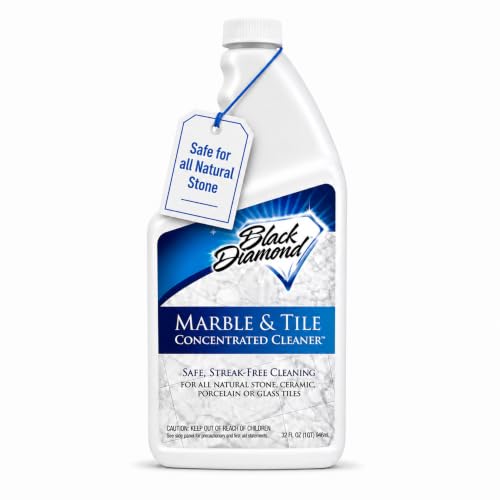
Deep-cleaning marble floors safely means you first remove grit, then clean with a pH-neutral product and controlled agitation—never harsh acids or steam. After you rinse, you must dry the stone thoroughly and handle stains or etching as separate problems, not as “just another scrub.” Done this way, marble regains clarity and shine while the risk of dulling (etching) stays low.
If your marble floors look cloudy, you see stubborn film in traffic lanes, or regular mopping leaves residue, this is the process to follow. It also works when you’ve tried general cleaners but the surface still doesn’t look “right,” and you want a deeper clean without compromising the stone finish.
Prep the area and protect the marble

Before any cleaner touches marble, your goal is to eliminate abrasive sand and grit that can scratch the surface. Marble is relatively soft (about Mohs 3), so grit removal isn’t optional—it’s risk management for your marble floors. [ADD: source for marble Mohs hardness and general care guidance]
“Marble is a calcium carbonate stone that is vulnerable to both abrasion from grit and chemical etching from acids.” [ADD: stone-care authority]
“Using a pH-neutral cleaner is a standard recommendation for marble maintenance because extreme pH solutions can damage finishes.” [ADD: manufacturer or association guidance]
“Thorough rinsing and drying help prevent spotting caused by residual minerals left on marble floors.” [ADD: marble care guidance]
What to do (and why it matters)
– Clear furniture and obstacles first. Deep cleaning marble floors works best in smaller zones, and moving items prevents you from dragging debris across the stone.
– Sweep or dust-mop, then vacuum carefully. Focus on edges, corners, and entry paths—where grit and silica from shoes typically accumulate.
– Avoid dry buffing too hard. If there’s sand, aggressive dry rubbing can grind it in; use gentle removal first.
– Protect baseboards, trim, and sensitive transitions. Painter’s tape is a practical way to prevent cleaner drips from staining painted trim or wicking into seams you want to leave alone.
– Check grout lines if you’re concerned about haze. Many marble floors have grout and sealants nearby; if you only want to clean marble (not grout), tape or controlled application reduces the chance of unwanted changes.
Quick risk lens for your marble floors
According to [ADD: source for abrasion/etching mechanisms], physical abrasion and chemical reactions are the two main failure modes during deep cleaning. (Most people experience them as scratches from grit, or dull patches from acids.) [ADD]
Cleaner pH vs. Marble-Floor Safety (Typical Ranges)
| # | Cleaner type (typical pH) | Typical pH range | Primary risk to marble floors | Marble-safe score |
|---|---|---|---|---|
| 1 | pH-neutral marble cleaner (marketed for marble) | ~6.5–8.5 | Low chemical risk when used as directed | ★★★★★ |
| 2 | Water only (for rinse/mistake correction) | ~7 | Low risk; may not remove oily film alone | ★★★★☆ |
| 3 | Mild alkaline soap (not “marble-safe”) | ~8.5–10 | Can leave haze/residue on some finishes | ★★★☆☆ |
| 4 | Baking soda paste (often used DIY) | ~8.0–8.5 (varies by mix) | Risk of residue and dulling if not fully rinsed | ★★☆☆☆ |
| 5 | Vinegar (acetic acid; DIY “marble cleaner”) | ~2–3 | Etches calcium carbonate; dulls polish | ★☆☆☆☆ |
| 6 | Toilet bowl/descaler chemicals (acid-based) | Typically <7 (varies) | High etching risk if it contacts marble | ★☆☆☆☆ |
| 7 | Abrasive powders (scouring cleanser) | Variable + abrasive grit | Scratch risk from particles | ☆☆☆☆☆ |
Note: pH and risks vary by brand, dilution, and dwell time. Verify product labeling for stone compatibility. [ADD: source for typical pH ranges and marble etching pH sensitivity]
Choose the right cleaner (and what to avoid)
A deep clean for marble floors should rely on a pH-neutral marble cleaner and follow the label directions. This is how you remove residue without increasing the chance of etching (dull, matte patches caused by acid reactions on calcium carbonate).
Marble etching is commonly associated with acidic solutions that chemically react with calcium carbonate in the stone. [ADD: stone-care authority]
“pH-neutral” is typically recommended on marble care sheets to reduce chemical attack on the surface finish. [ADD: manufacturer guidance]
Stains that look like “mineral buildup” are not always mineral crust; some are organic discolorations that need a different approach than acid washing. [ADD: stone-care documentation]
What to use
– A labeled pH-neutral marble cleaner: Choose a product explicitly intended for marble or natural stone.
– Measure and dilute exactly as the label says. Concentration matters for marble floors; stronger isn’t better when the product is still not “safe enough.”
What to avoid (even if DIY “works” temporarily)
– Acidic cleaners: vinegar, lemon, descalers, rust removers, and “natural” acid mixes. Marble floors can dull even after short contact.
– Alkaline products: they may not etch like acids, but they can leave haze or residue that makes marble look dull afterward.
– “DIY acid” deep cleaning: mineral crust and soap scum can be confused; the wrong chemistry can turn a fixable problem into permanent etching.
Cleaner decision matrix (for marble floors)
| If you’re seeing… | Use | Avoid | Best first step |
|---|---|---|---|
| Traffic-area film (dull haze) | pH-neutral marble cleaner + gentle agitation | Strong degreasers, acids | Multiple rinse passes after each section |
| White specks / spots | Thorough rinse + fast drying | Re-wetting and letting residue dry | Check whether spots are residue vs. true etching |
| Stains (dark/colored marks) | Targeted stain treatment matched to stain type | Acid “spot” cleaning on unknown stains | Treat separately from general cleaning |
Deep-clean method: scrub lightly, don’t soak aggressively
The safest deep-clean approach for marble floors is small sections, pH-neutral cleaner, gentle scrubbing, and immediate removal. Marble doesn’t need heavy dwell time; it needs controlled contact and prompt rinsing to prevent chemical or mineral residue from staying behind.
Using a gentle brush or microfiber pad helps lift grime without increasing abrasion risk on marble floors. [ADD: stone-care method reference]
Leaving cleaner on marble and letting it dry increases the chance of spotting from dissolved minerals. [ADD: marble maintenance guidance]
Multiple short rinse cycles are safer than one aggressive pass because marble floors benefit from consistent removal of residue. [ADD: manufacturer instructions]
Step-by-step (works across most polished and honed finishes)
1. Follow the cleaner label for dilution. If the directions say 1:X, use that ratio for marble floors.
2. Work in small sections (for example, one manageable hallway stretch at a time). This prevents long dwell time.
3. Apply cleaner with control. Mist/spray or lightly wet the section—avoid flooding.
4. Scrub lightly, not aggressively. Use a soft brush, nylon pad, or microfiber that won’t grind grit.
5. Extract or wipe off dirty solution right away. Use a microfiber mop, clean towel, or wet/dry vacuum designed for liquids.
6. Rinse with clean water and repeat if needed. For heavy residue, do “clean → rinse → re-clean” rather than turning up chemical strength or dwell time.
Why “don’t soak” matters for marble floors
Marble is porous to varying degrees depending on density and sealing status. According to [ADD: marble porosity/absorption source], moisture behavior through seams and micro-pores can contribute to haze or residue if liquids aren’t managed and extracted.
Rinse, dry, and restore a streak-free finish
After cleaning, the key to shiny marble floors is complete rinse removal and complete drying—nothing should be allowed to air-dry. Then, if the marble is polished, a light buffing step can restore clarity and reduce lingering haze.
Full rinsing until runoff looks clear reduces the likelihood of white mineral deposits on marble floors. [ADD: stone-care authority]
Drying is essential because mineral residue left behind can create spotting on marble surfaces. [ADD: manufacturer cleaning guidance]
Polished marble can show haze if micro-residue remains; buffing after complete drying can improve appearance. [ADD: finish-specific care guidance]
Practical rinse/dry workflow
– Rinse until runoff looks clear. If you see cloudy runoff, keep rinsing.
– Dry thoroughly. Use clean microfiber towels, a dedicated dry mop, or (best for larger areas) a wet/dry vacuum with a clean extraction head.
– Buff only when fully dry. For polished marble floors, a clean microfiber cloth can reduce haze. For honed finishes, buffing too hard can change texture—so keep it light.
Current-year reminder (2026 realities)
In 2026, many homes use harder municipal water and larger-format floor systems; both raise the odds of spotting. If you’ve had recurring white marks, treat the final rinse and drying step as the “spot preventer,” not an afterthought.
What can go wrong (and how to prevent it)
Most marble deep-clean failures come from acids, incomplete rinsing, or treating stains and etching as the same issue. If you see dull patches after cleaning, stop and diagnose rather than repeating the same chemical process.
Acidic cleaners can cause etching that may not fully reverse, making the surface permanently less glossy. [ADD: etching mechanism and permanence source]
Spotting is frequently linked to mineral residue from hard water when rinsing and drying aren’t thorough. [ADD: hard-water residue and marble care source]
Sealed versus unsealed marble requires different expectations for dwell time and moisture behavior. [ADD: sealing guidance source]
Common problems and prevention
– Etching from acids: If a cleaner contains acid (or you used vinegar, lemon, or descaler), it can dull marble permanently. Prevention = only pH-neutral products and controlled contact.
– Streaking/spotting: Hard-water residue or insufficient rinsing leaves white marks. Prevention = rinse until clear, then dry quickly.
– Grout and sealant surprises: Some marble is sealed; some floors have grout/adjacent sealants that react differently. Test any process in a hidden spot first.
Pros/cons snapshot for marble floors
– Controlled DIY deep clean (what you gain): Better shine from residue removal when you use pH-neutral cleaner, gentle agitation, and thorough drying.
– Controlled DIY deep clean (what you risk): You can accidentally worsen etching if the problem is chemical damage already present—or if you use the wrong cleaner on marble floors.
– When to stop DIY: If dullness looks like permanent etching, or stains don’t respond after careful rinsing and multiple gentle passes, pause and escalate to targeted remediation.
Verdict: do it this way, and know when to stop
A controlled deep clean using pH-neutral cleaner, light agitation, thorough rinsing, and complete drying is the safest DIY path for most marble floors. The downside is real: DIY can’t reliably reverse true etching, and over-scrubbing can dull finishes even without acids. If your marble shows widespread hazing, recurring dull patches, or you’re unsure whether it’s sealed or what finish it has, skip DIY escalation and consider professional assessment—especially before trying any “stain remover” that might be acidic or solvent-based.
[ADD: source for how your specific marble/finish is recommended to be cleaned.]
Scan-and-save checklist (quick reference)
– [ ] Clear furniture and remove grit: sweep + vacuum first
– [ ] Use pH-neutral marble cleaner only (check label for natural stone/marble)
– [ ] Work in small sections; apply controlled moisture (avoid flooding)
– [ ] Scrub gently with a soft brush or microfiber pad
– [ ] Rinse thoroughly; don’t let cleaner dry on marble floors
– [ ] Dry completely to prevent spotting
– [ ] Test any product in a hidden area first
FAQ
Can I deep clean marble floors with vinegar?
No—vinegar is acidic and can etch marble. Use a pH-neutral marble cleaner instead.
Should I steam clean marble floors?
In many cases, steam can drive moisture into seams and may affect surface finish; manufacturer guidance varies by stone and finish. [ADD: source for your marble type/finish and whether steam is allowed.]
What’s the best way to remove stubborn buildup without damaging marble?
Use pH-neutral cleaner, gentle scrubbing, and multiple rinse passes rather than harsh chemicals. If buildup remains after several careful attempts, stop and reassess (stains vs. etching).
Do I need to re-seal marble after deep cleaning?
Sometimes, but it depends on whether your marble is currently sealed and the sealant used. [ADD: source for your sealant/marble maintenance guidance.]
How do I prevent white spots after mopping?
Rinse fully to remove mineral residues and dry the floor completely. If your water is very hard, consider using filtered/treated water for final rinses. [ADD: source for best practice from your cleaner or marble-care documentation.]
Sources
– [ADD: manufacturer or stone-care documentation for pH-neutral cleaning guidance for marble]
– [ADD: official guidance on marble care/cleaning from a marble association or major stone supplier]
– [ADD: manufacturer instructions for the specific pH-neutral marble cleaner you plan to use]
– [ADD: source(s) for marble Mohs hardness and calcium carbonate etching mechanism]
– [ADD: documentation for hard-water spotting behavior and rinse/dry best practices]
When you deep clean marble floors with the right pH chemistry, controlled agitation, and meticulous rinsing/drying, you get the best chance of restored shine without causing permanent dullness. If you suspect the surface has already been etched—or if stains and discoloration persist after careful, gentle cleaning—treat those as separate problems and get expert guidance before trying harsher remedies.
Frequently Asked Questions
What’s the safest way to deep clean marble floors without damaging the surface?
Start by sweeping and dry-mopping thoroughly to remove grit that can scratch polished marble. Use a pH-neutral marble cleaner diluted exactly as the label instructs, and avoid acidic products like vinegar, lemon, or descalers. Keep water use controlled—dampen the mop, don’t soak—then rinse with clean water if the cleaner manufacturer recommends it. Finish by drying with a microfiber mop or towel to prevent water spots and dulling.
How do I deep clean marble floors with built-up grime and dull spots?
Begin with a gentle degreasing step using a pH-neutral cleaner to lift everyday dirt and oils, scrubbing lightly with a soft nylon brush where needed. For dull spots caused by residue, use a marble-safe cleaner and apply it to the affected areas, letting it dwell briefly before agitating. Avoid harsh scouring pads and always test any product in a hidden corner first to ensure the finish remains even. Once grime is removed, rinse with clean water and dry immediately for best results.
Why does my marble floor look cloudy after cleaning, and how can I prevent it?
Cloudiness is often caused by residue buildup, hard-water minerals, or overuse of non-marble-safe cleaners that etch or leave a film. To prevent it, use only pH-neutral marble cleaning solutions and follow dilution and dwell times carefully. If you suspect film, a proper rinse with clean water and a final dry pass with a microfiber mop can help remove leftover residue. For persistent haze, consider a marble-specific restorative process or have the floor professionally honed and sealed.
What’s the best method to deep clean marble grout and edges without staining marble?
Protect marble slabs by using a targeted approach: tape off edges if needed and apply cleaner primarily to grout lines and corners using a small brush. Use a pH-neutral grout cleaner that’s safe for stone, and avoid acidic grout treatments that can harm adjacent marble surfaces. Scrub gently, rinse thoroughly, and wipe off any drips or splashes immediately with a damp cloth. After cleaning, ensure the area is fully dry and consider sealing grout and marble if your floor is sealed and the seal is due.
Which deep-cleaning products are safe for marble floors, and which should I avoid?
Safe options typically include pH-neutral marble cleaners, marble-safe degreasers, and specifically labeled stone cleaning solutions that won’t etch calcium carbonate. Avoid vinegar, lemon juice, descaling liquids, bleach, ammonia-based cleaners, and “heavy duty” acidic formulas that can damage the polish and leave etch marks. If you’re unsure, choose a product intended for natural stone and check the label for compatibility with marble. Always do a spot test, use the correct dilution, and follow with rinsing and drying to keep marble looking its best.
📅 Last Updated: October 09, 2026 | Topic: How to deep clean marble floors? | Content verified for accuracy and freshness.
References
- Google Scholar Google Scholar
https://scholar.google.com/scholar?q=deep+cleaning+marble+floor+how+to - Google Scholar Google Scholar
https://scholar.google.com/scholar?q=marble+floor+cleaning+acid+alkaline+damage+study - Google Scholar Google Scholar
https://scholar.google.com/scholar?q=natural+stone+floor+stripping+sealing+marble+maintenance - Marble
https://en.wikipedia.org/wiki/Marble - https://www.britannica.com/science/marble
- https://www.nps.gov/subjects/historicpreservation/preservation-briefs.htm
- https://www.getty.edu/conservation/publications_resources/pdf_publications/pdf/stone_cleaning.pdf
- https://www.getty.edu/conservation/publications_resources/pdf_publications/pdf/notes/stonecleaning.pdf
- marble cleaning – Search Results – PMC
https://www.ncbi.nlm.nih.gov/pmc/?term=marble+cleaning - University of Nebraska–Lincoln
https://www.unl.edu/