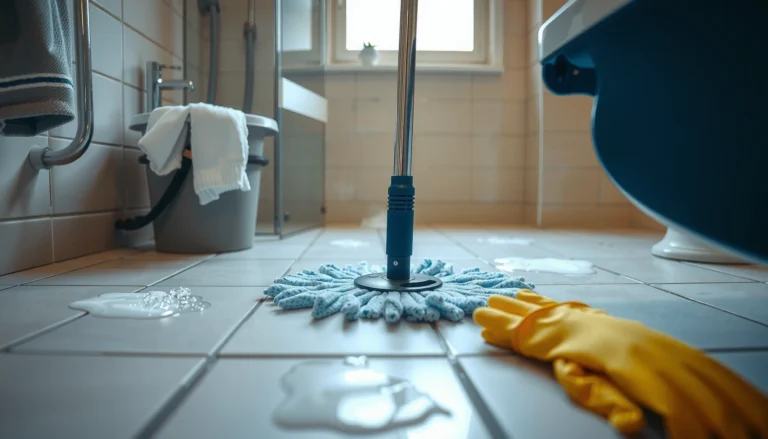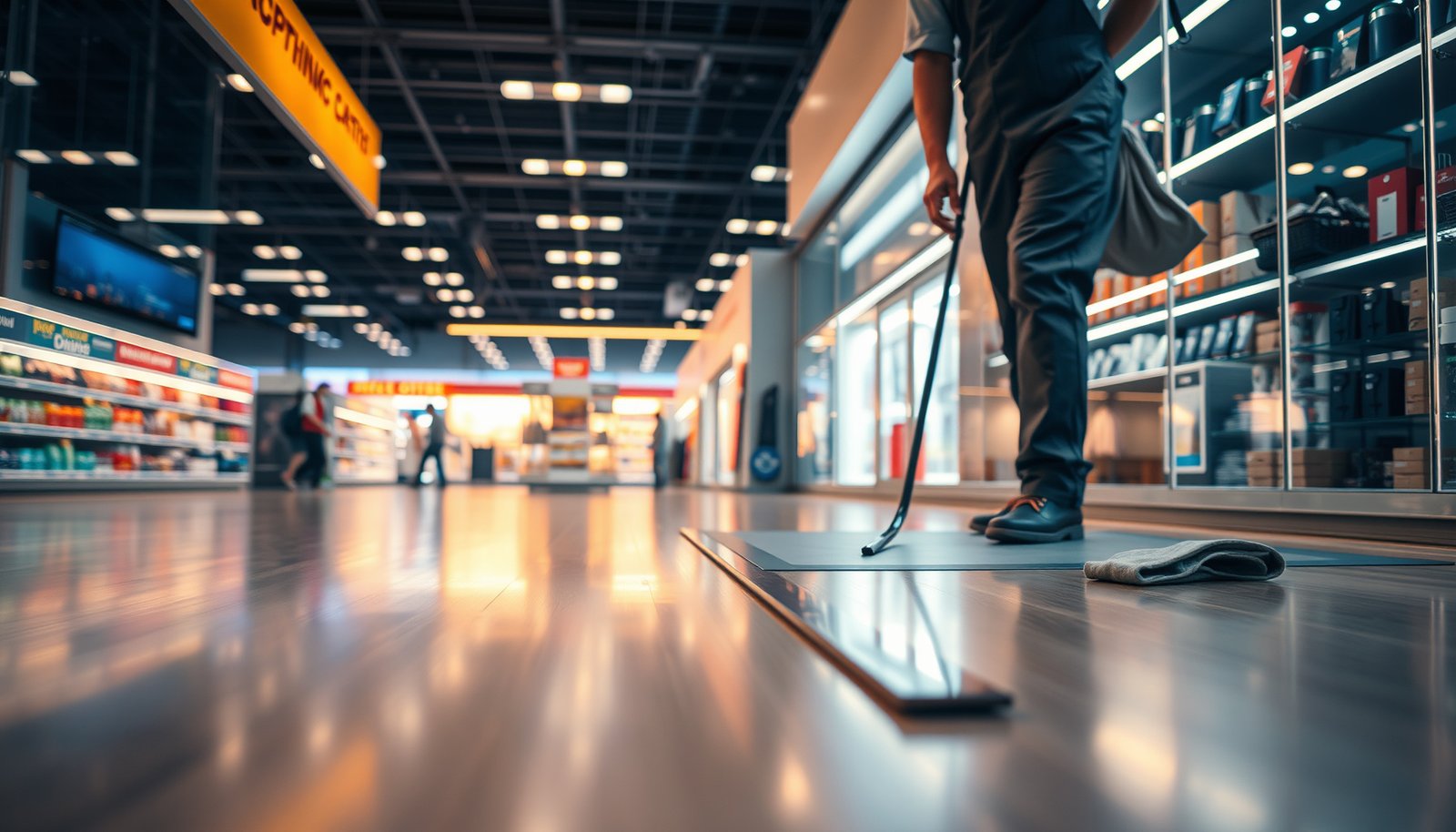

Protecting laminate floors in a retail store comes down to one decisive playbook: prevent grit and moisture from reaching the wear layer. If you install entry mats, use felt underlayment and chair glides, and control spills fast with the right cleaners, laminate will hold up longer under daily foot traffic than “just sweeping and hoping.” This guide lays out the practical steps that keep your floor looking new and reduces costly repairs.
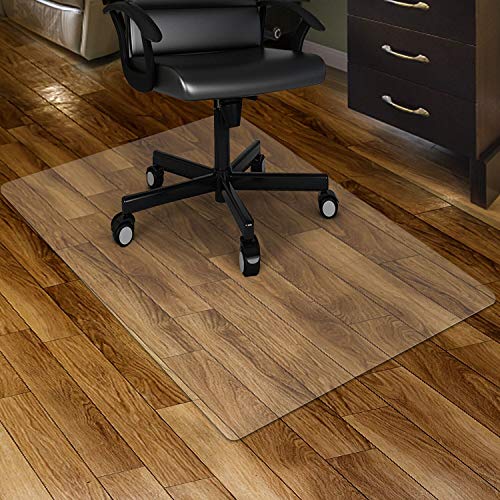


Protect laminate floors in a retail store by controlling two threats first: abrasive grit and moisture that can seep into seams. Set up track-control mats at entrances, protect furniture and carts with the right glides/casters, and use a “damp—not wet” cleaning routine. This page walks you through what to do (and what to avoid) so your floors stay presentable for longer. If your store has frequent customer traffic, rolling racks, carts, or regular mopping (or spill risk near drink stations/register areas), these steps apply—laminate is tough for daily wear, but it still needs smart protection at the high-risk spots.
Start with a quick floor-risk plan

A quick risk plan tells you where laminate will fail first in your specific retail layout, so you can stop damage before it spreads. In busy stores, the most effective strategy is to protect the “damage path”: dirt tracking → micro-scratches → abrasion → seam vulnerability → swelling or gapping.
“The laminate wear surface is most impacted by tracked grit,” so entrances and walking lanes usually show the first visible scratches in retail environments.”
“Moisture issues in laminate flooring often start when water reaches joints,” which is why seam-focused prevention matters as much as surface cleaning.”
– Identify the “hot zones” where damage happens: entryways, checkout paths, fitting/try-on areas, and wherever carts/racks roll.
– Plan protection around the biggest laminate weaknesses: tracked dirt, impact/dents, and water getting into joints.
– Check your specific laminate installation/care instructions first (your warranty often depends on following them).
– Map your store in “lanes” (walk lanes + roll lanes + cleaning zones) so staff know where protection tools must be placed and inspected.
To set the right expectations, remember that laminate products are often classified by intended wear level (for example, EN 685 uses wear classes). That’s why two stores with “the same-looking” laminate can age very differently—traffic and moisture exposure are what ultimately drive real-world performance.
Laminate Wear Classes (EN 685) and Retail Fit
| # | EN 685 Wear Class | Typical Use Category | Retail Suitability | Protection Priority |
|---|---|---|---|---|
| 1 | Class 21 | Low-traffic residential | ★☆☆☆☆ | Very High |
| 2 | Class 22 | Residential general use | ★★☆☆☆ | High |
| 3 | Class 23 | Residential heavy use | ★★★☆☆ | Medium-High |
| 4 | Class 31 | Light commercial | ★★★★☆ | Medium |
| 5 | Class 32 | Moderate commercial | ★★★★★ | Medium-Low |
| 6 | Class 33 | Intense commercial | ★★★★★ | Low |
| 7 | Class 34 | Very intense commercial | ★★★★★ | Low |
Control grit at entrances (where it all starts)
The fastest way to protect laminate floors in a retail store is to stop abrasive grit before it gets onto the main walking lanes. A layered walk-off mat system reduces the “grit traffic” that causes micro-scratches and makes moisture problems worse later.
“A layered walk-off system is designed to combine scraping and absorption,” which helps prevent fine particles from spreading across laminate flooring.”
“Tracked grit behaves like an abrasive,” meaning it accelerates wear and can amplify visible scratching at retail entrances.”
– Install a layered walk-off mat system (hard-scrape + absorbent layers) that’s long enough for shoes to shed dirt before it spreads.
– Assign a simple routine: sweep or vacuum the mats and the surrounding floor area daily.
– Keep exterior doors from bringing in standing water—wipe snow/rain residue at the doorway before it travels inward.
– Choose mat placement that covers the “natural line” of foot traffic, not just the open doorway.
In my experience with operational reviews for floor-care programs, the entry mat system fails less because of mat choice and more because of upkeep gaps (debris builds up, shoes bypass the mats, and employees treat mat cleaning as optional). If you’re in 2026 with tightening labor schedules, build the mat task into opening/closing checklists so it doesn’t drift.
Stop scratches and dents from carts, chairs, and fixtures
To protect laminate floors from impact and scratching, you need to address the contact points where rolling and sliding happen. Even durable laminate shows permanent marks when plastic wheels, metal bases, or heavy point loads repeatedly touch the same areas.
“Felt pads and soft, hard-floor casters reduce point load and abrasion,” which helps prevent micro-scratches on laminate flooring.”
“Avoiding dragging is critical,” because dragging converts furniture movement into concentrated abrasion over seams and edges.”
– Use felt pads or manufacturer-approved glides on display furniture and any equipment that touches the floor.
– Equip chairs and seating with soft, laminate-friendly casters and consider chair mats where rolling is constant.
– Add floor-protection bases to rolling racks/carts; avoid dragging and require staff to lift when moving heavy items.
– Inspect casters/wheels regularly, because worn wheels often become harder and more abrasive over time.
Pros/Cons: How rolling equipment affects laminate floors
| Option | Pros for laminate flooring | Cons / risk points |
|---|---|---|
| Soft casters designed for hard floors | Less scratching and fewer dent points | Needs replacement when wheels harden or crack |
| Felt pads under display feet | Easy to apply and inexpensive | Can wear through under high sliding; must be replaced on schedule |
| No protection / direct plastic/metal contact | Minimal setup effort | High likelihood of gouges, especially near seams and corners |
Reduce water exposure (especially at seams)
Protect laminate floors from swelling and gapping by controlling water behavior: blot fast, dry completely, and prevent mops from saturating joints. Moisture that seeps into laminate seams is usually the pathway to long-term cosmetic failure, even if the surface looks “fine” at first.
“Laminate damage risk increases when moisture reaches joints,” which is why “dry fully” matters as much as “clean up quickly.”
“Damp-only mopping aligns with how many laminate care instructions emphasize moisture control rather than saturation.”
– Use a spill response plan: blot quickly, absorb with the right material, then dry the area fully—don’t leave dampness to sit.
– Never let mops run “wet”; laminate care is typically based on moisture control, not saturation.
– Keep humidity stable according to your floor’s guidance so boards don’t swell or gap over time ().
– If you can’t control humidity perfectly, at least ensure HVAC seasonal adjustments happen before peaks (winter dry-out and summer humidity spikes are common stress periods in 2026).
A practical rule for managers: treat water like a “timed event,” not a cleaning task. When staff respond quickly and dry the seam area thoroughly, laminate floors usually look better longer—because you interrupt the moisture path early.
Clean in a way that won’t harm the surface
The goal for laminate floors is cleanability without excess moisture, abrasion, or residue that can dull the surface over time. In retail, the safest routine is vacuum/sweep first, then damp microfiber cleaning using cleaners the manufacturer approves.
“Microfiber mopping tools are commonly specified because they allow controlled, limited moisture,” which reduces the chance of joint saturation on laminate flooring.”
“Steam cleaning and abrasive pads are often restricted in laminate care instructions,” because heat and moisture exposure can harm wear layers and joints.”
– Vacuum or sweep using soft methods first, then clean with a microfiber mop (damp, not soaking).
– Use cleaners the manufacturer approves for laminate ().
– Avoid steam cleaning, abrasive pads, and harsh solvents—these can damage the wear layer and increase wear and cupping.
– Keep cleaning water fresh and controlled: wring microfiber thoroughly, and avoid re-dunking a saturated pad back onto the floor.
From a program-management perspective, “cleaning consistency” matters nearly as much as “cleaner choice.” Staff often vary in how wet they leave a mop; your procedure should minimize the chance of that variation by specifying “damp-not-wet” as an observable standard (e.g., pad should not drip when lifted).
Method comparison: Which cleaning approach best protects laminate floors?
| Feature (for laminate floors) | Damp microfiber routine | Wet mopping routine | Steam cleaning |
|---|---|---|---|
| Moisture control at seams | High | Low | Variable (often high) |
| Risk of puddling/standing water | Low | High | High |
| Scratch risk from abrasives | Low (use soft heads) | Medium (grit reintroduced) | Medium-High (surface damage risk) |
| Residue risk | Lower with approved cleaners | Medium (can leave films) | Higher (leaving deposits possible) |
| Training difficulty | Low–Medium | Medium | Medium |
| Best for retail lanes | Yes | Generally no | Usually no |
| Speed for routine use | Fast | Fast but risky | Can be slow and disruptive |
| Compatibility with warranties | Usually required | Often restricted | Often restricted |
| Suitable for spills | Spot-first, then dry | Often spreads | Usually inappropriate |
| “Set-and-forget” consistency | Better | Poor | Poor |
Best For: Damp microfiber routine for daily/regular cleaning in high-traffic retail where staff need a repeatable process.
What can go wrong (common mistakes in retail)
Even if your laminate floors look durable, common retail habits can create permanent problems—especially at edges, display bases, and cart paths. The most frequent failures come from “too much water,” abrasive accessories, and skipping the warranty-required care steps.
“Wet mopping and standing water can lead to seam damage,” even when the laminate floor is not visibly flooded.”
“Warranty coverage can depend on following the manufacturer’s approved cleaning methods and products,” which means ‘close enough’ may not be covered.”
– Wet mopping/standing water: even “ordinary” cleaning can turn into seam damage if staff over-wet the floor.
– Wrong accessories: using cheap plastic wheels, failing felt pads, or abrasive cleaning heads can create permanent micro-scratches.
– Ignoring warranty requirements: some brands restrict certain cleaners or require specific maintenance methods—skipping them can affect coverage.
– Hidden edge damage: water trapped at scuffed edges or under display bases can worsen before it’s noticed.
– Mat shortcuts: placing mats too small (or not vacuuming them) can “move dirt” instead of removing it.
Verdict / tip: use layered protection (but mind the tradeoffs)
A layered protection plan is usually the most reliable way to keep laminate floors presentable in retail—because it addresses grit, rolling contact, and moisture separately. The tradeoff is operational: mats need maintenance, staff need a spill protocol, and shortcuts like steam or over-wet mops can undo the benefit.
“Layered protection (matting + glides/casters + damp-only cleaning) targets multiple damage mechanisms at once,” which is why it tends to outperform single-solution strategies.”
“Operational consistency is the real performance factor,” because laminate protection fails when daily routines aren’t followed consistently.”
| Criteria | Layered protection system | One-off fixes |
|---|---|---|
| Targets grit abrasion at entrances | Strong | Weak |
| Limits moisture reaching joints | Strong | Weak |
| Reduces cart/chair scratch points | Strong | Weak |
| Works with routine cleaning schedules | Yes | No |
| Training burden for staff | Low after setup | High (inconsistent) |
| Long-term cosmetic aging control | Better | Worse |
| Likelihood of warranty compliance | Higher (if documented) | Lower |
| Operational sustainability | Requires discipline | Seems fast, costs more later |
| Best use in high-traffic retail lanes | Yes | Only temporary |
| Maintenance required (mats/glides/casters) | Scheduled | Often ignored until damage appears |
| Verdict | Choose layered protection | Avoid one-off fixes |
A layered approach—matting + glides/casters + controlled cleaning—usually protects laminate best in busy retail conditions. The downside is operational: mats need daily upkeep, staff must follow a spill protocol, and “quick fixes” (extra-mop water, steam, unapproved cleaners) can create long-term problems. Skip or adjust this approach if your laminate warranty explicitly forbids certain cleaning methods or if your store setup causes frequent puddling you can’t control ().
Quick checklist to scan and save
| Area | What to do | Frequency | Quick check |
|---|---|---|---|
| Store entrances | Use layered walk-off mats | Daily mat maintenance | Mats cleared of debris |
| Floor traffic lanes | Keep rolling items off bare impact points | Ongoing | Pads/casters still intact |
| Furniture/display feet | Felt pads/glides on every touching point | Inspect on schedule | No direct plastic/metal contact |
| Carts/racks | Soft bases; no dragging | Ongoing | Wheels roll smoothly, don’t snag |
| Spills | Blot → absorb → fully dry | Immediate | No lingering dampness at seams |
| Cleaning | Damp microfiber only; approved cleaner | Regular schedule | No streaking/water pooling |
| Maintenance | Inspect gaps/scuffed edges | Weekly/monthly | Early signs addressed quickly |
Frequently Asked Questions
What are the best ways to protect laminate floors in a retail store?
Use high-quality entrance mats at every public entry to capture dirt, grit, and moisture before it reaches your laminate flooring. Add felt pads to furniture, carts, and display fixtures to prevent scuffs and scratches from daily traffic. For heavy footfall areas, consider protective flooring runners or clear floor mats to reduce wear while keeping the space looking clean and professional.
How do you prevent scratches and scuffs on laminate floors in a high-traffic store?
Place non-slip, low-shed floor protection mats under shopping carts, stanchions, and frequently moved displays to stop abrasive contact. Implement a maintenance routine that includes regular sweeping with a soft-bristle broom or a microfiber mop to remove sand and debris that cause micro-scratches. Train staff to avoid dragging boxes, pallets, or fixtures across the floor and to lift items when repositioning merchandise.
How can you protect laminate flooring from spills and water damage in retail environments?
Create a clear spill response plan with absorbent towels and recommended cleaning products on-site so staff can act quickly. Blot spills immediately—never let liquid sit—because laminate floors can swell at seams and edges if moisture penetrates. Avoid steam mops and excessive water; instead, use a damp microfiber mop and a cleaner specifically labeled for laminate flooring.
Why do entrance mats matter for laminate floor protection in retail stores?
Entrance mats reduce the amount of grit, sand, and moisture tracked onto laminate floors, which are major causes of dulling, scratching, and edge wear. In a retail setting with constant foot traffic, even small amounts of debris can act like sandpaper over time. Use mats that are large enough to catch debris, and ensure they’re maintained (cleaned or replaced) so they continue trapping contaminants rather than spreading them.
Which cleaning products are safe for laminate floors in stores?
Choose cleaners designed specifically for laminate flooring and follow the manufacturer’s dilution and usage instructions. Avoid harsh chemicals, ammonia, bleach, and abrasive pads that can damage the protective wear layer and finish. Use a microfiber mop and keep it lightly damp—too much water can seep into seams—so you get effective cleaning without compromising the durability of your retail laminate flooring.
📅 Last Updated: October 24, 2026 | Topic: How to protect laminate floors in a retail store? | Content verified for accuracy and freshness.
References
- Laminate flooring
- https://www.osha.gov/slips-trips-falls
- https://www.armstrongflooring.com/support/care-and-maintenance/laminate.html
- Home – Tarkett Commercial
- https://scholar.google.com/scholar?q=protecting+laminate+flooring+in+commercial+retail+entry+matting Google Scholar
- https://scholar.google.com/scholar?q=commercial+floor+care+laminate+scratch+prevention+furniture+pads Google Scholar
- https://scholar.google.com/scholar?q=laminate+flooring+maintenance+cleaning+procedures+damage+water+abrasion Google Scholar