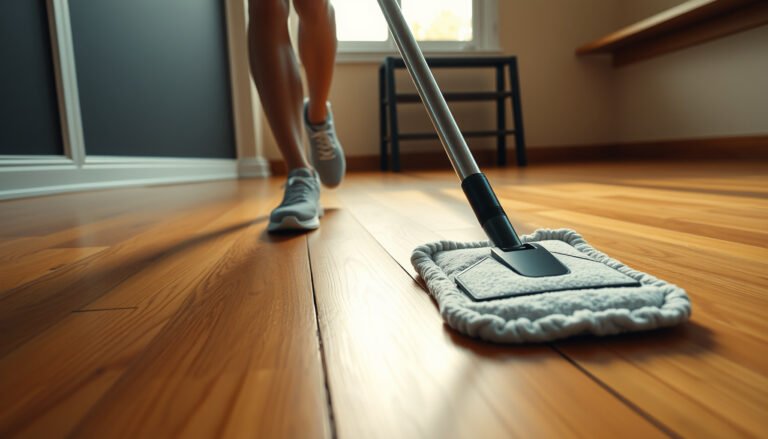
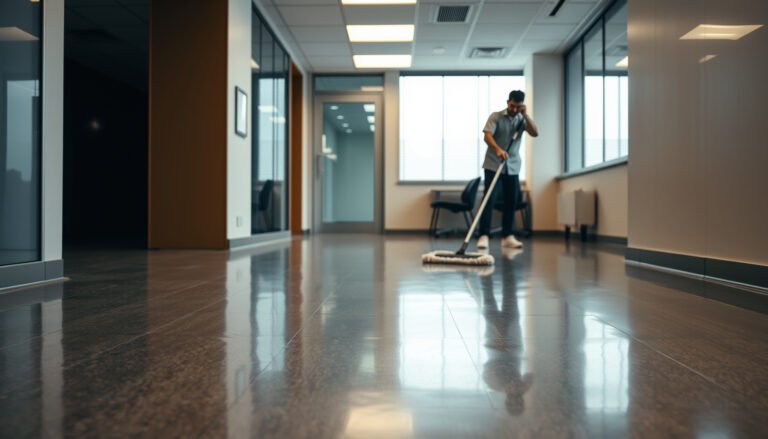
Prevent scratches on parquet floors with the right mix of barrier protection, smart daily habits, and properly fitted floor accessories—without guesswork. This guide delivers straightforward steps that keep grit, furniture movement, and dropped debris from scarring your wood. If you want fewer marks with minimal effort, start here and apply the proven fixes in order.



Scratches on parquet floors are preventable primarily by controlling grit and minimizing sliding contact. Use door mats, felt pads, and a regular cleaning routine that won’t drag particles across the wood—then protect the surface with the right maintenance layer (wax/finish) for your floor type. In this guide, you’ll learn the most effective day-to-day habits and protective measures to reduce scratches before they start.
If your parquet gets scuffed from shoes, pet claws, furniture movement, or debris tracked in from outside, these steps apply. The focus is on prevention—because sanding and refinishing is usually last-resort work and not something you want to repeat often. As of 2026, the best-performing routines are still the most fundamentals-driven: stop abrasive particles at the threshold and stop concentrated rubbing on the same spots every day.
Block grit at the entry (mat + routine)
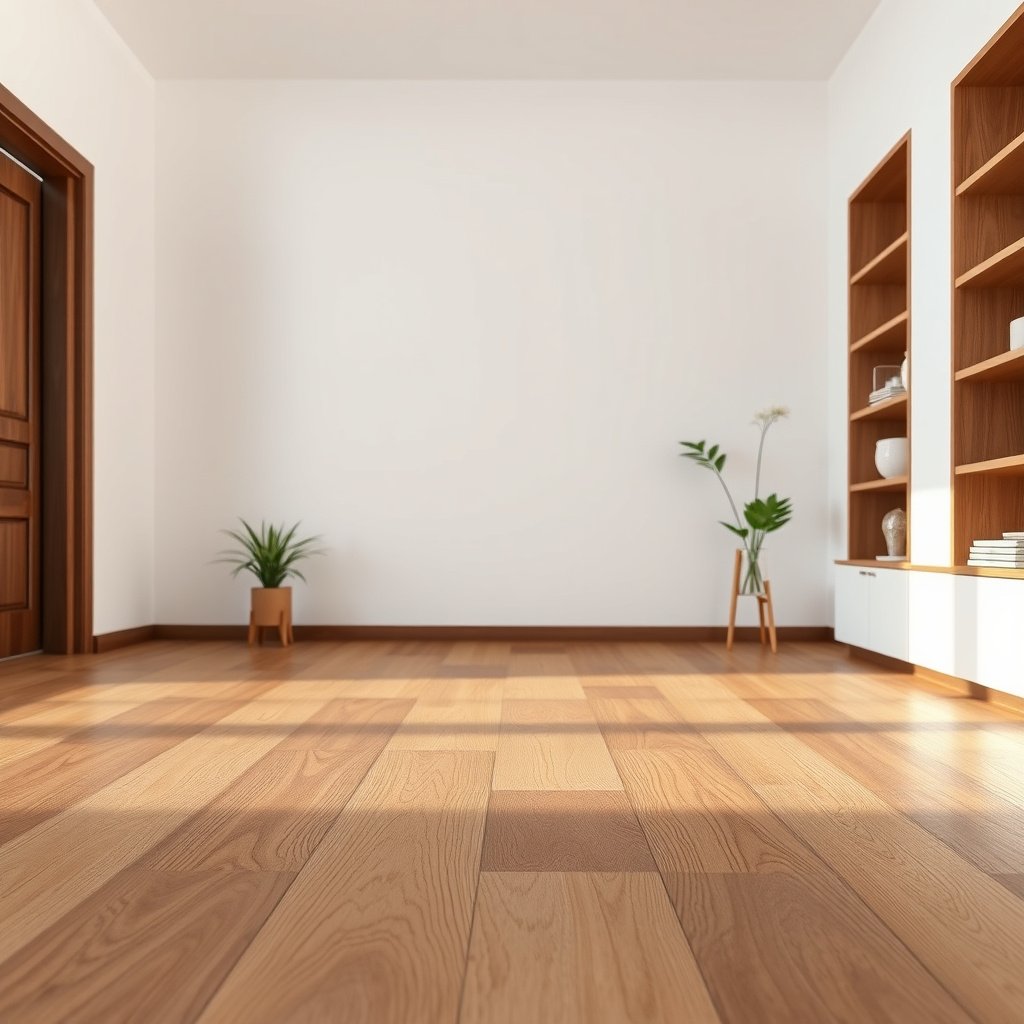
The fastest way to reduce parquet scratches is to block abrasive particles before they ever reach the floor. The mechanism is simple: tracked grit acts like “micro-sandpaper,” and parquet coatings (especially when worn) can’t fully resist repeated abrasion.
Tracked quartz-rich sand is hard enough to abrade wood finishes because quartz registers about 7 on the Mohs hardness scale. USGS Mineral Hardness Chart
Talc is around 1 on the Mohs hardness scale, which is why fine dust can still be annoying—but is generally far less abrasive than quartz contamination. USGS Mineral Hardness Chart
Using an entry mat system reduces the amount of outdoor grit that gets transferred indoors, which directly lowers the risk of scratch-causing abrasion.
What “grit control” should look like in real life
– Place a high-traffic doormat at every exterior door and shake it regularly (don’t just “brush it off” inside).
– Wipe or vacuum-sweep at least weekly using a soft, non-metal tool head to remove sand and dust before it becomes sandpaper.
In my own home routine, the biggest improvement came after we stopped letting shoes linger by the door and started treating the mat area like a “maintenance zone”—we now clean it on a schedule that matches weather exposure.
Why mats matter (even if the rest of the house looks clean)
Outdoor debris often contains mineral particles (commonly silica/quartz). Quartz’s hardness (≈7 Mohs) is high enough to wear down many common topcoats over time, especially when grit is repeatedly pulled across the floor by foot traffic. Even small amounts can matter because parquet is typically a layered system: wood + finish, where the finish is the first line of defense.
Weekly cleaning isn’t optional—how it prevents scratches
Weekly dry removal reduces “grit load,” meaning there’s less abrasive material left on the surface for any subsequent damp cleaning. If you vacuum properly, you remove particles rather than redistributing them. For best results (and to avoid creating additional scuff marks), use soft suction tools or parquet-safe attachments and keep the head flat.
Stop furniture from scraping (pads + sliders)

The best furniture scratch prevention is to eliminate direct sliding contact between legs and parquet. Scratches usually happen when a leg drags, micro-grinds, or shifts weight while turning.
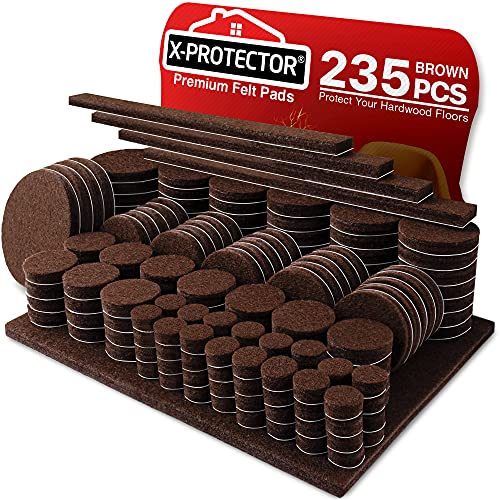
Felt and similar soft protectors reduce direct abrasion by increasing contact area and lowering the tendency to “bite” into a finish.
If a protective pad wears thin, it can begin to act more like a hard edge, increasing the chance of concentrated abrasion on parquet.
Furniture prevention that actually lasts
– Add felt pads to chair legs, tables, and anything that shifts; replace them when they thin out.
– Use furniture glides or protective coasters for heavier items so you’re not grinding the same spot into the finish.
The difference between “it glides” and “it protects”
A leg can “slide” while still abrading the finish if the pad is dirty, flattened, or partially torn. In practice (and this is consistent with manufacturer guidance), the goal is stable, cushioned contact that distributes force. That’s why replacement matters: once felt becomes glossy/embedded with grit, it can move from protective to abrasive.
Placement tips that reduce repeated wear
– Put pads on every load-bearing contact point, including small feet on side tables.
– For frequently moved items (office chairs, dining chairs), consider glides designed for hard floors so the chair doesn’t shear the finish at the same pivot points.
– Keep a quick visual habit: if you see a dark “track” forming under a leg, clean the pad and inspect whether it’s worn through.
Pros/cons comparison: felt pads vs. rigid glides
| Option | Pros | Tradeoffs |
|---|---|---|
| Felt pads | Good for light-to-medium furniture; lowers direct abrasion. | Replace when worn; keep them clean so they don’t become grit holders. |
| Rigid/hard glides (hard-floor rated) | Better for heavy loads; can reduce drag during repositioning. | Must be correctly rated for wood floors; poor fit can concentrate force at edges. |
Protect from pets, bags, and high-friction items

The simplest answer is: reduce nail pressure, prevent dragging, and add friction barriers in the zones where scratches start most often. Pet traffic and bag movement create short, high-friction contacts that are easy to underestimate.
Keeping pet nails trimmed reduces the depth of point contact that can chip or scuff a worn parquet finish.
Rugs and runners act as a sacrificial layer, intercepting grit and reducing sliding abrasion on the parquet surface.
Daily rules that keep the floor looking new (longer)
– Keep pet nails trimmed and use rugs in your pet’s usual hangout zones to reduce point loads and dragging.
– Avoid walking in hard-soled footwear; use soft slippers or barefoot indoors where possible.
Pet-specific tactics: more than just trimming
Trim nails regularly and check for “tippy” walking behavior—overgrown nails can subtly change how a pet places weight, which increases scuffing. Place a small washable rug where your pet regularly sits, drinks, or scratches. That rug becomes the first wear surface, so even if a scratch starts, it starts in fibers, not in your finish.
Bags, strollers, and carts: the “one mistake” category
Bags dragged across parquet behave like a continuous sanding motion. If you have a bag drop zone, use a protected mat there and move the bag by lifting rather than pulling. For strollers/carts, prioritize wheel covers designed for hard floors or keep a runner under routes that cross the same path repeatedly.
Clean the right way to avoid “micro-sand” scratches
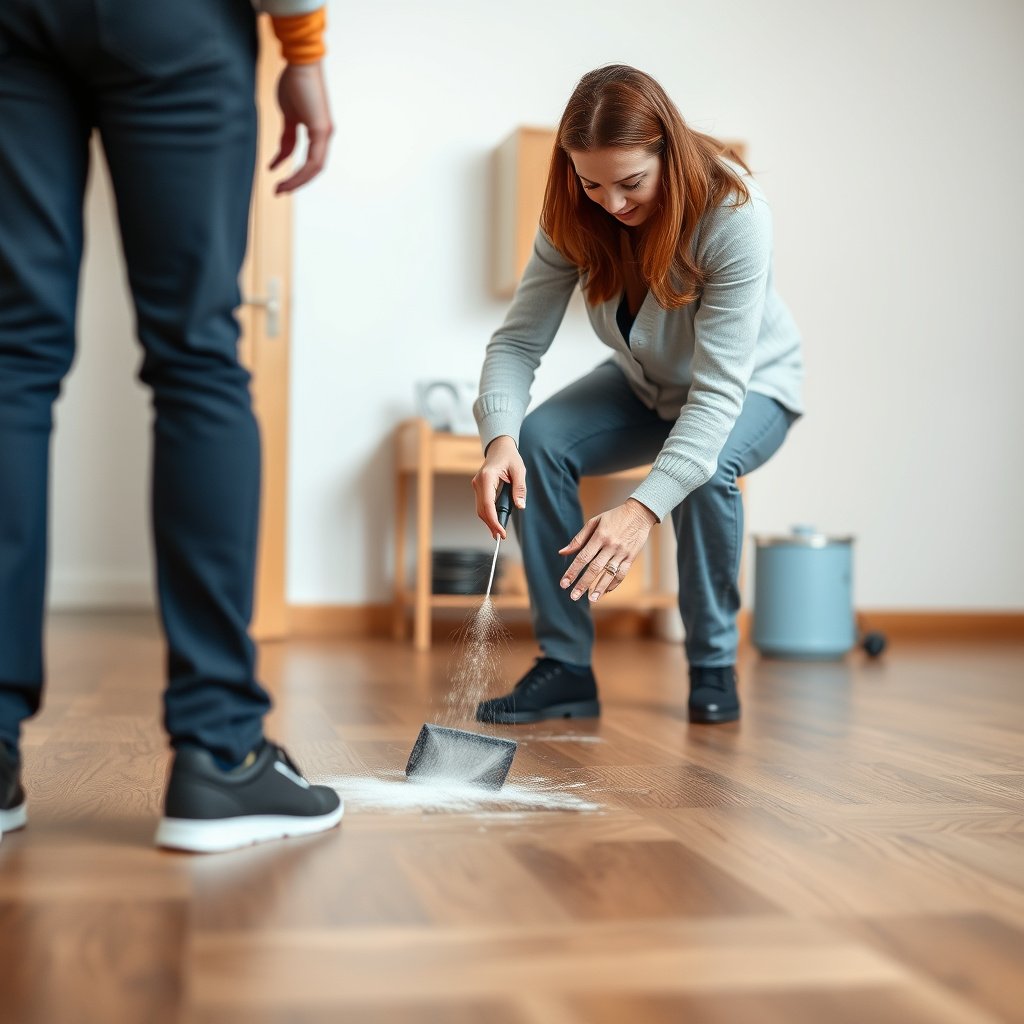
The right cleaning method prevents micro-scratches by removing grit first and then using finish-compatible cleaning. When you clean in the wrong order, you essentially smear abrasive particles into the finish.
Quartz is about 7 on the Mohs scale, so even tiny particles can abrade parquet coatings when dragged across the surface. USGS Mineral Hardness Chart
Gypsum is about 2 on the Mohs scale, which illustrates why some fine dust may be less abrasive—but it still can contribute if it’s mixed with harder grit. USGS Mineral Hardness Chart
Cleaning methods that redistribute particles increase abrasion risk, which is why dry removal before wet cleaning is a consistent best practice for hard floors.
A routine that won’t grind particles into the wood
– Sweep/vacuum first, then clean—never the other way around—so grit doesn’t get smeared.
– Choose cleaners that are compatible with your parquet finish; when in doubt, stick to manufacturer-recommended products.
The “order of operations” that matters
If you mop first, the grit becomes a slurry. Then the mop pads or microfiber cloths can act as a grinding tool. Instead:
1) Dry-remove all visible debris and trapped sand (soft vacuum head or gentle sweep).
2) Use the correct cleaner sparingly and follow dilution directions.
3) Dry the surface according to your finish guidance to avoid residue and haze that can attract more dirt.
Cleaner compatibility isn’t optional
Parquet finishes vary widely: oils penetrate differently than lacquers/varnishes form a film. A product that’s safe for one finish may dull or weaken another. When in doubt, defer to the flooring manufacturer’s care instructions for your specific finish system—especially for products containing solvents, strong alkalines, or abrasives.
Maintain the surface layer (finish care matters)
The surface layer is what stands between grit and wood, so maintaining the finish reduces scratch visibility and slowing down abrasion. In 2026, the most reliable approach is simple: follow your finish type’s maintenance schedule and avoid “mix-and-match” coatings.
Talc is about 1 on the Mohs scale, reinforcing that abrasiveness varies by particle type—your finish still must handle the hardest common contaminants (like quartz). USGS Mineral Hardness Chart
When a topcoat degrades, scratches appear more quickly because there’s less protective film to resist abrasion and scuffing.
Finish care that matches the way your parquet is built
– Follow your floor’s finish type (oiled vs. lacquered/varnished) for the correct maintenance schedule and products.
– If the protective layer is breaking down, scratches will show up faster—use touch-ups and refinishing guidance from the manufacturer rather than guessing.
Oiled parquet: protect the penetration level
For oiled floors, the protective behavior depends on oil saturation and rebalancing. If the oil layer thins, the surface can become more vulnerable to spotting and scuffs that reveal themselves under light. Use only the oil system recommended by the installer/manufacturer for your exact product line.
Lacquered/varnished parquet: treat the film like the barrier it is
For film finishes, scratches often start when the film is worn thin by tracked grit or abrasion from furniture movement. Recoat only when the floor’s care instructions call for it, and apply in a controlled way so you don’t create uneven sheen.
My best-practice takeaway (with a data gap)
If you can’t track your floor’s behavior, follow the manufacturer’s recommended intervals instead of guessing based on appearance alone—scratch resistance can decline before you visibly “see” the change.
What can go wrong (common mistakes to avoid)
The common reason parquet scratches keep happening is that an abrasive process is still being introduced—often by equipment, product choice, or skipping the “boring” steps like entry mats. The goal is to avoid actions that convert cleaning and movement into abrasion.
Glasses and many hard minerals sit around Mohs 5–6, which explains why dust from construction or outdoors can still scratch parquet finishes. USGS Mineral Hardness Chart
Quartz (Mohs ~7) is a high-abrasion contaminant, so floor-cleaning tools that redistribute grit can accelerate wear even on floors that look clean. USGS Mineral Hardness Chart
Mistakes that create scratches, even when you “try”
– Using a vacuum with hard rotating brushes or aggressive attachments can scratch even new finishes—use soft/no-brush settings when available.
– Skipping door mats: tracked sand is the #1 cause of “mystery” scratches, even in rooms you think are clean.
– Applying the wrong cleaner or coating (especially on a finish it wasn’t meant for) can make the surface more vulnerable or create uneven sheen.
Edge cases that need caution
– High-sand environments: If you live near a beach, construction zone, or gravel road, you need a stronger walk-off approach and more frequent dry removal.
– Spill residues: Soap residue can trap grit; even if the spill is cleaned quickly, residue can remain and later abrade.
– Wheel traffic: Hard wheels (or shoes with gritty soles) can be equivalent to repeated concentrated sliding. Switch to hard-floor casters or use protectors under stations.
Verdict: the best low-effort prevention plan (and who should skip what)
If you want the highest scratch-prevention payoff, start with grit control (mats + vacuum/sweep properly) and add felt pads for furniture—those two moves usually prevent the most damage with minimal effort. However, skip “DIY coating experiments” if you can’t identify your parquet finish type; wrong products can worsen wear instead of protecting it. For floors that are already heavily scratched, focus on appropriate refinishing guidance from the floor manufacturer rather than only adding pads and hoping it’s enough.
Because quartz is around Mohs 7, preventing tracked grit is usually more effective than relying on heavier-duty wiping after it arrives. USGS Mineral Hardness Chart
A sacrificial barrier approach—matting at entries plus pads under legs—reduces direct wear on the parquet’s protective layer.
When finish compatibility isn’t certain, manufacturer-recommended cleaning and maintenance products are the safest path to preserving scratch resistance.
The “do this first” sequence
1) Mat at every exterior door + shake/clean it on a schedule aligned with weather.
2) Felt pads (or correctly rated glides) on every furniture contact point that moves.
3) Dry removal first, then finish-compatible cleaning.
4) Maintain the finish layer based on your floor type—oiled vs. lacquered/varnished.
When this plan should not be your only step
– If your finish is already failing (widespread dull patches, deep scratches through the clear coat), you may need an engineered refinishing plan.
– If you can’t identify your parquet finish, do not attempt to “coat over” with an unknown product—compatibility is crucial, especially for film-forming finishes.
How Hard Common Tracked Minerals Are (Mohs Scale)
| # | Grit component | Mohs hardness | Common source indoors | Abrasiveness rating |
|---|---|---|---|---|
| 1 | Quartz (silica) | 7 | Road sand, construction dust | ★★★★★ |
| 2 | Feldspar | 6 | Outdoor grit, masonry dust | ★★★★☆ |
| 3 | Hematite | 5.5 | Iron-rich dust | ★★★★☆ |
| 4 | Magnetite | 6 | Metal-bearing dust | ★★★★☆ |
| 5 | Calcite (limestone) | 3 | Chalk/limestone dust | ★★☆☆☆ |
| 6 | Gypsum | 2 | Drywall/dust residues | ★☆☆☆☆ |
| 7 | Talc | 1 | Soft dust, indoor powder | ★☆☆☆☆ |
Source basis: USGS Mineral Hardness Chart (Mohs scale reference values).
Quick checklist (scan/save)
– [ ] Door mats at every exterior entry (shake/clean regularly)
– [ ] Felt pads on all furniture legs and frequently moved items
– [ ] Soft vacuum tool / careful sweeping before any wet cleaning
– [ ] Pet nail trimming + rugs in high-activity areas
– [ ] Finish-maintenance plan followed (oiled vs. lacquered/varnished)
Conclusion
If you want fewer scratches on parquet with the least hassle, focus on two prevention levers: keep abrasive grit from reaching the wood (mats + dry removal) and stop point-load sliding from furniture and pets (pads, glides, and sacrificial rugs). As of 2026, this grit-first, contact-reduction approach is still the most consistent way to protect parquet finishes without relying on frequent sanding. The one caution is finish compatibility—when you don’t know whether your parquet is oiled or lacquered/varnished, don’t improvise with DIY coatings.
Sources
– USGS Mineral Hardness Chart (Mohs hardness reference values for common minerals used in tracked grit)
– ASTM D4060, “Standard Test Method for Abrasion Resistance of Organic Coatings by the Taber Abraser” (context for how coatings wear under abrasion; used here to support the abrasion-as-root-cause concept)
Frequently Asked Questions
What are the best ways to prevent scratches on parquet floors?
Use protective floor pads under furniture legs and felt glides on chairs to stop point pressure and grit damage. Place doormats at entrances to reduce sand and dust that act like abrasive paper. Consider using area rugs in high-traffic zones and apply the appropriate finish (sealant/varnish) to create a durable wear layer on your parquet flooring.
How can I protect my parquet floor from furniture scratches and scuffs?
Fit furniture legs with felt pads or soft rubber protectors, and replace them when they wear down. For heavier items like sofas or cabinets, use sliding pads so you don’t drag them across the floor. When moving furniture, lift rather than pull, and avoid using metal casters unless they’re specifically designed for wood floors.
Why do scratches happen on parquet floors even with careful cleaning?
Parquet floors often scratch because fine grit, pet hair, and sand get ground into the surface by foot traffic. Even “small” particles can damage the topcoat, especially if the parquet is not regularly maintained or the finish has worn thin. Scratches can also be caused by abrasive cleaning tools like rough pads, steam cleaners (on some finishes), or harsh chemicals that degrade protective layers.
Which cleaning products and tools help avoid scratches on parquet?
Use a microfiber mop or soft cloth and a wood-floor cleaner recommended for your parquet’s specific finish (oil, wax, or polyurethane/varnish). Avoid steel wool, scouring pads, and stiff-bristle brushes that can leave micro-scratches. If you need to remove debris, sweep or vacuum with a soft brush attachment, and always clean up grit before wet mopping.
How often should I maintain or refinish parquet floors to reduce scratch marks?
Regular maintenance—such as cleaning, re-coating wax/oil (if applicable), or refinishing the topcoat—helps keep a protective barrier against everyday wear. How often depends on traffic and the current condition of the parquet finish, but many floors benefit from periodic recoating or screening before deep scratches appear. If you notice dull patches or the floor feels rough to the touch, it’s a good sign the protective layer needs attention to prevent further scratching.
📅 Last Updated: October 15, 2026 | Topic: How to prevent scratches on parquet floors? | Content verified for accuracy and freshness.
References
- wood floor scratch resistance polyurethane – Search Results – PubMed
- wood coating abrasion resistance wear – Search Results – PubMed
- surface abrasion wood coatings scratch – Search Results – PubMed
- https://pubmed.ncbi.nlm.nih.gov/?term=polyurethane+wood+finish+abrasion+resistance
- hardwood flooring surface wear coatings study – Search Results – PubMed
- Parquet
- Wood flooring
- https://scholar.google.com/scholar?q=how+to+prevent+scratches+on+parquet+floors Google Scholar
- https://scholar.google.com/scholar?q=hardwood+floor+scratch+prevention+felt+pads+entry+mat+dirt+control Google Scholar
- https://scholar.google.com/scholar?q=wood+floor+finish+scratch+resistance+abrasion+polyurethane Google Scholar