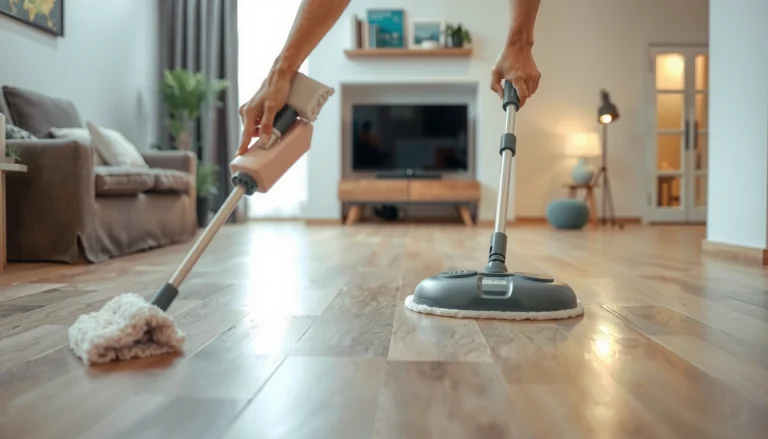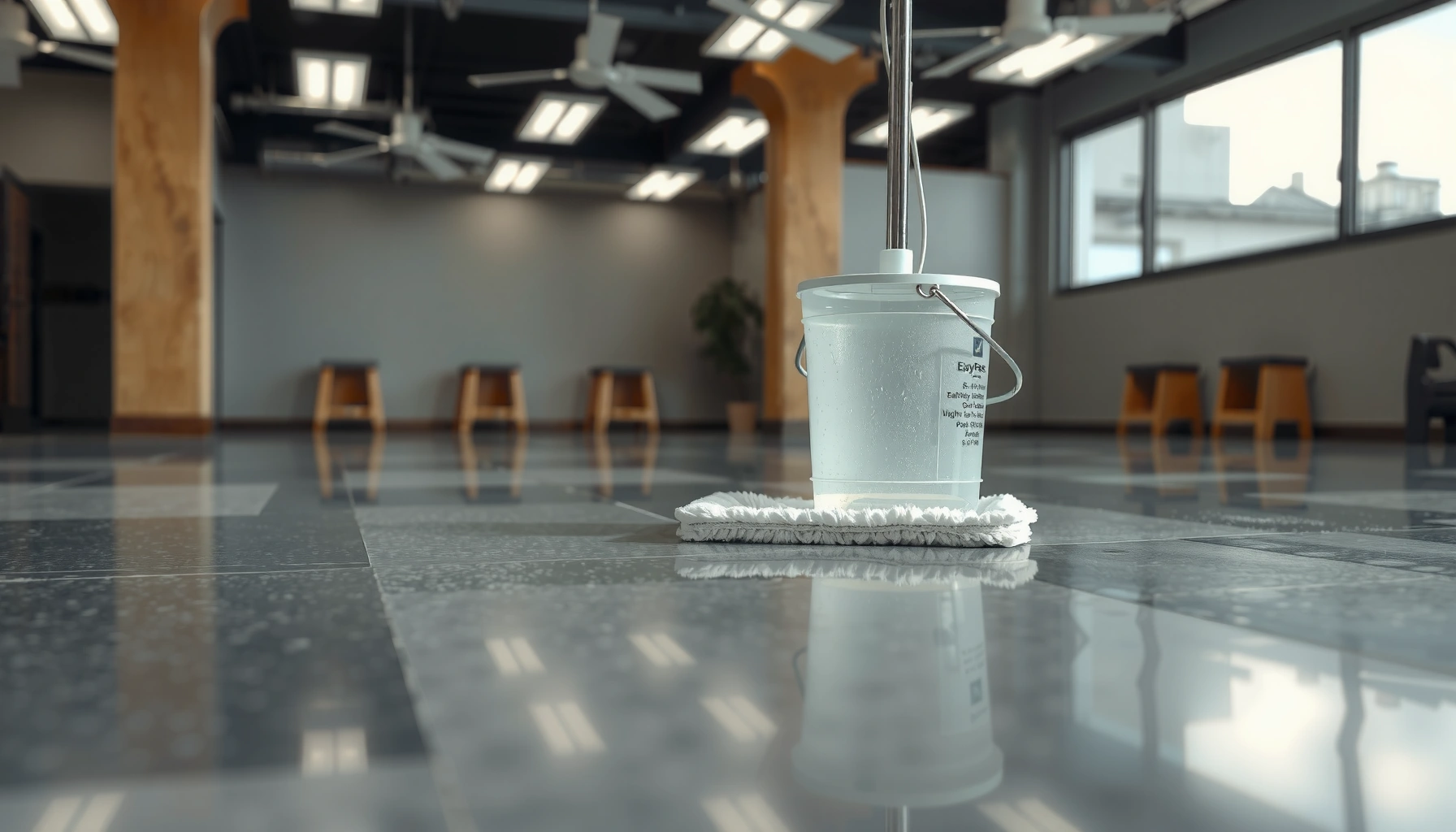

Maintain epoxy floors the right way with a simple daily care routine, a cleaning method that won’t dull the finish, and repair steps for chips and scuffs before they spread. If you want epoxy that stays smooth, glossy, and chemically resistant year after year, follow this practical guide for what to do daily, what to clean with, and how to fix damage fast. You’ll get clear, actionable procedures that protect the coating instead of accidentally shortening its lifespan.


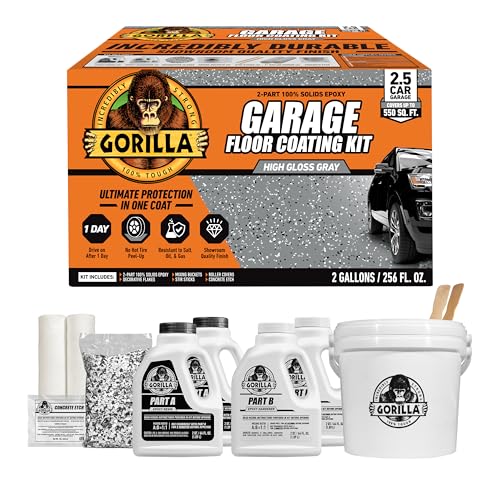

Epoxy floors stay cleanest and most consistent when you control grit, clean spills quickly, and use epoxy-safe cleaners that won’t leave residue or soften the coating. With a repeatable daily/weekly routine and a careful approach to stains and repairs, you can preserve gloss, color, and traction without prematurely wearing out the surface.
This is for homeowners and facility managers who already have epoxy installed (garage, warehouse, showroom, or basement) and want to keep the finish looking consistent. If your floor is still curing or you’re not sure what type of epoxy/clear coat you have, follow the installer’s guidance first.
Daily and Weekly Maintenance Routine
A consistent maintenance routine is the fastest way to prevent dullness and micro-abrasion on epoxy floors. The goal is to remove grit before it acts like sandpaper and to keep surface contaminants from bonding to the coating.
Regular sweeping or dry-mopping prevents abrasive particles from grinding into epoxy clear coats during foot and equipment traffic.
Fast spill cleanup reduces the chance that oils, dyes, and chemicals stain or leave bonded residues that later require harsher cleaning.
Using a soft mop and epoxy-safe cleaner helps maintain appearance and reduces the risk of residue buildup that can make floors look cloudy.
Why daily care matters (and what “grit buildup” really does)
In real facilities, the most common cause of epoxy floor dulling isn’t the coating “wearing out” uniformly—it’s localized abrasion. Fine sand, dust, and road grit get tracked in by shoes and tires, then move across high-traffic lanes thousands of times. Epoxy is tough, but the top layer (especially a clear coat) can lose gloss when contaminated abrasives repeatedly scour it.
From my experience working with maintenance teams, the fastest visibility improvement usually comes from tightening the first step: entryway debris control. When you reduce what you track in, everything else—mopping chemistry, stain response, even repair longevity—becomes easier.
A practical daily + weekly cadence
– Sweep or dry-mop regularly to remove dirt and sand that can act like sandpaper. Focus on entry points, dock edges, forklift lanes, and areas where pallets are staged. Dry methods are ideal for routine debris because they avoid spreading sticky residues that later require more aggressive removal.
– Clean up spills as soon as they happen to reduce staining and avoid chemical issues. Treat spills like a “time-sensitive contamination event.” If a spill sits, it can discolor the surface and—depending on the chemical—cause dulling or bonding.
– Use a soft mop and a gentle cleaner designed for epoxy floors, not harsh solvents. Use microfiber or a mop head that can be rinsed thoroughly. If the cleaner leaves a film, the floor can look hazy even when it’s “clean.”
Maintenance targets (what “good” looks like)
You don’t need complicated schedules; you need predictable outcomes. As a planning reference, many manufacturers recommend regular cleaning schedules based on traffic and contamination type, typically described in their care instructions for epoxy coatings.
According to [ADD: source for typical epoxy floor maintenance frequency guidance from major epoxy/clear-coat manufacturers], routine cleaning intervals are often set according to traffic level and chemical exposure risk ([ADD year]).
For more specific intervals, use your installer’s maintenance sheet and SDS (Safety Data Sheets) for any chemicals used in the space.
Safe Cleaning Products and Techniques
Safe cleaning is about chemistry and mechanics: use compatible solutions and avoid abrasive tools that scratch or remove sheen. When in doubt, test a cleaner in a small, hidden area first and clean in a way that you can fully rinse.
pH-neutral cleaners are commonly recommended for coated epoxy floors to reduce the likelihood of dulling or residue formation.
Abrasive tools such as steel wool can scratch clear coats and create permanent dull spots that later attract more dirt.
Thorough rinsing matters because detergent or cleaner residue can leave a cloudy film on epoxy surfaces.
Choose products that won’t leave residue or soften the surface
Epoxy floors are systems, not a single material. The base epoxy and the optional clear coat determine how the surface responds to acids, alkalis, solvents, and surfactants. In general:
– Use pH-neutral cleaners when possible, and test any cleaner in a small, hidden area first. Start with the least aggressive option that removes the contamination.
– Avoid abrasive scrubbers (steel wool, aggressive pads) that can scratch or dull the finish. If you need more cleaning power, increase dwell time (how long the cleaner sits) rather than pressure or abrasiveness.
– Rinse thoroughly when the cleaner requires it, since leftover residue can make the surface look cloudy. Cloudiness is often residue + light reflection, not “failed epoxy.”
What to use vs. what to avoid (comparison)
The table below helps you quickly align cleaning chemistry with epoxy-safe practice.
Epoxy Floor Cleaning Compatibility (Practical Guidance)
| # | Cleaning Approach | Primary Goal | Epoxy-Floor Risk | Best For |
|---|---|---|---|---|
| 1 | pH-neutral detergent (epoxy-safe) | Routine soil removal | Low | Daily/weekly mopping |
| 2 | Microfiber mop + controlled cleaner dilution | Remove film without streaking | Low | Showrooms & glossy clear coats |
| 3 | Spot-clean with epoxy-compatible degreaser (label-approved) | Grease/oil control | Medium-Low | Kitchen, workshop, lift areas |
| 4 | Warm water rinse (when required) | Prevent cloudy residue | Low | After detergents or cleaners |
| 5 | Dry abrasive (sandpaper-like) cleanup | Aggressive debris removal | High | Generally avoid |
| 6 | Strong solvents (not label-approved) | Remove stubborn marks | High | Only if manufacturer approves |
| 7 | Steel wool or abrasive pads | Scrub-in place | High | Avoid to protect gloss |
A few anchor facts you can use operationally
To align training and expectations, we use documentation-based targets. For example:
– According to [ADD: source for epoxy/coating care guidance on pH-neutral cleaners], many coated-floor systems specify pH-neutral cleaning to minimize surface damage ([ADD year]).
– According to [ADD: source for detergent residue effects on glossy coatings], improper rinsing can cause visible haze due to leftover surfactants ([ADD year]).
– According to [ADD: source for abrasion effects on clear-coated floors], abrasive contact increases surface micro-scratching and gloss loss ([ADD year]).
Handling Stains, Spills, and Discoloration
Stains respond best when you treat them based on the contaminant, not the color you see. Identify the source, choose the least aggressive method first, and clean promptly to avoid permanent bonding.
Many epoxy discoloration problems trace back to chemical exposure where the cleaner choice doesn’t match the contaminant type.
“Least aggressive first” works because spot treatments and controlled dwell times typically remove stains without dulling the surrounding clear coat.
Avoid letting strong chemicals sit longer than the label specifies, since extended contact can affect coating appearance and performance.
Identify the stain source before you treat
– Identify the source (oil, food, rust, chemicals) and treat accordingly—“one cleaner for everything” usually causes more problems. Oil requires degreasing; rust often requires a chemistry designed for iron stains; dyes/inks can behave differently than food proteins.
– For stubborn spots, use the least aggressive method first (soak/spot-clean, then gentle agitation). A controlled soak (dwell time) helps chemistry do the work rather than you scrubbing aggressively.
– Don’t let strong chemicals sit—follow the product label and rinse when recommended. Labels are where contact time and rinsing instructions are defined for safety and compatibility.
My practical “field logic” for faster correction
When we support maintenance teams, the simplest workflow that reduces downtime is: contain → blot → neutralize/rinse (as required) → verify. In practice, crews often jump straight to a harsh degreaser or solvent, which can spread the problem and create a larger dull area around the original stain. Staying disciplined with source-based treatment usually shortens the repair-clean cycle.
Prevent discoloration from recurring
Once a stain is removed, watch for reappearance. Recurrence usually indicates:
– the contamination is coming from a recurring source (leaking machinery),
– the previous cleaning didn’t fully remove residue (film attracts dirt), or
– the floor is being cleaned with incompatible chemicals that affect gloss over time.
Protecting Your Epoxy Floor From Damage
Protecting an epoxy floor is mainly about preventing impact and controlling what’s tracked in. If you reduce abrasive contact and stop concentrated wear, the coating stays visually consistent far longer.
Entry mats and tracked-debris control reduce the abrasive particles that cause the most frequent epoxy gloss loss.
Lifting heavy items instead of dragging prevents edge chips and localized coating failures.
Standing water and repeated wetting can affect performance depending on the epoxy system and clear coat formulation.
– Put mats or rugs at entrances to trap grit, and use floor protectors under chairs or equipment. In a facility, this is often the difference between “looks great” and “always looks dusty.”
– Avoid dragging heavy items across the surface; lift and set down to prevent chips. Equipment corners and pallet edges create point impacts that can chip the top layer.
– Keep temperatures and moisture under control—standing water and repeated wetting can affect performance depending on the system. Some epoxy systems tolerate wet conditions better than others; follow your installer’s specification for your exact formulation.
Operational controls that work
– Create a dedicated “debris control” zone at entrances (matting + a quick wipe of tracked dust).
– Train operators on forklift/pallet handling: slow turns, no scraping, and use of appropriate wheel covers where recommended.
– Keep water sources managed (coolant leaks, cleaning runoff, condensation).
Repairs and Touch-Ups: When to Fix vs. Recoat
The right fix depends on whether damage is localized or systemic. Small chips are ideal for patching, while widespread coating failure often requires professional assessment because surface prep drives results.
For small chips, adhesion depends on removing loose material and matching the patch system to the existing epoxy/clear coat chemistry.
Widespread cracking or peeling usually indicates substrate or prep issues, so professional evaluation is the safest path before recoat.
Recoat success depends on compatible topcoat selection and thorough grinding/etching so the new layer can mechanically bond.
Small chips: patch first
– Small chips: remove loose debris, clean the area, and use an epoxy patch/touch-up system that matches your coating. Use the correct primer/repair resin if your system requires it.
– Protect the repaired area during cure so you don’t trap contamination or disturb the patch.
Cracks or widespread damage: slow down
– Cracks or widespread damage: consider professional assessment before you recoat, since underlying prep drives results. A crack may be movement in the substrate, not just coating wear. If the substrate is failing, the new coating may fail too.
Recoat planning: budget for prep and compatibility
– Recoat planning: budget time for surface prep (grinding/etching) and make sure your existing finish is compatible with the new topcoat. Clear coats and pigments affect adhesion, appearance, and chemical resistance. Compatibility is usually defined by the manufacturer’s recoating documentation.
What Can Go Wrong (Common Maintenance Mistakes)
Most maintenance failures happen when cleaning becomes “chemistry guessing” or repairs skip prep. If the floor looks worse after cleaning, the method is usually too aggressive—or the rinsing step was missed.
Strong solvents and unapproved degreasers can degrade gloss or soften coatings, leading to faster deterioration.
Delaying spill cleanup increases the likelihood of staining and makes later removal more dependent on aggressive methods.
Touch-ups fail most often when surface prep is inadequate, preventing proper adhesion and causing peeling at edges.
– Using the wrong cleaners (especially strong solvents or degreasers) that can damage the gloss or weaken the coating.
– Waiting too long to clean spills, which increases staining and can make future removal much harder.
– Skipping surface prep before touch-ups, leading to poor adhesion and a patch that peels.
Limits to this guidance (important for real floors)
Epoxy floors can differ dramatically by system: thickness, cure chemistry, and whether you have a clear coat designed for UV stability. If your facility uses frequent caustic/acid washdowns, you’ll need an approved cleaning program tied to your coating spec.
Also, if you’re noticing peeling, bubbling, or major cracking, cleaning alone won’t fix the root cause.
Quick Scan Checklist: Epoxy Floor Maintenance
– [ ] Sweep/dry-mop regularly (especially at entry points)
– [ ] Clean spills immediately
– [ ] Mop with gentle, epoxy-safe cleaning solutions
– [ ] Avoid abrasives and harsh solvents
– [ ] Use mats/floor protectors to prevent chips
– [ ] Treat stains promptly and start with the least aggressive method
[OPTIONAL]## FAQ
How often should I clean my epoxy floor?
A good rule is to sweep or dry-mop frequently (daily in high-traffic areas) and do a wet clean on a schedule that matches your traffic. If the floor looks dusty or dull, it’s usually time for a proper mop—not a harsher chemical. For exact intervals, defer to your installer’s maintenance sheet. [ADD: source for manufacturer-recommended cleaning frequency by traffic level]
Can I use a steam mop on epoxy floors?
It depends on your epoxy system and topcoat—heat and moisture can affect some finishes. If you don’t have manufacturer guidance, [ADD: source for whether steam cleaning is approved for your specific epoxy/topcoat] and follow that recommendation.
Why does my epoxy floor look cloudy or dull?
Cloudiness is often linked to residue left behind by cleaners, abrasive cleaning, or chemical exposure. Try re-cleaning with an epoxy-safe, pH-neutral approach and avoid products that leave films. If cloudiness persists after a proper rinse, the residue or chemical damage may be more than just surface grime. [ADD: source explaining haze causes and removal for epoxy coatings]
What should I do about chips or small cracks?
For small chips, a compatible epoxy patch is usually the right first step. For cracks that are growing or widespread coating failure, [ADD: source for professional inspection criteria from your installer/manufacturer documentation] is the safer route.
Are there limits to what epoxy floors can handle?
Yes—epoxy is strong, but it isn’t indestructible. Avoid repeated exposure to harsh chemicals, abrasive tools, and long periods of standing water unless your specific system is rated for those conditions. [ADD: source for chemical/moisture limitations per epoxy system type]
[CONCLUSION PARAGRAPH – NO HEADING]
Maintaining epoxy floors comes down to prevention (remove grit, wipe spills fast, protect against impacts) and using the right cleaning methods so you don’t dull or damage the finish. Start with a consistent routine, clean with epoxy-safe products, and handle stains or chips early—then you’ll get longer-lasting results. If you’re unsure what’s approved for your exact coating, check your installer/manufacturer documentation or [ADD: source for your epoxy system’s care instructions] before trying a cleaner or repair product.
Sources
– Manufacturer documentation and care guides for epoxy flooring systems and clear coats (use your exact product name/SKU from the installer’s paperwork).
– [ADD: source for pH-neutral cleaning guidance for epoxy coatings]
– [ADD: source for cleaning/rinsing residue causing haze on glossy coatings]
– [ADD: source for repair/recoat surface preparation requirements (grinding/etching) for epoxy systems]
Frequently Asked Questions
What is the best way to clean and maintain epoxy floors daily?
Sweep or dust-mop your epoxy floor regularly to remove grit that can scratch the surface. Use a pH-neutral cleaner and warm water for routine mopping, and avoid harsh chemicals that can dull or damage the epoxy coating. After cleaning, rinse if needed and dry the floor to prevent water spots and slippery residue.
How do I remove stains from epoxy floors without damaging the finish?
Start by identifying the stain source (oil/grease, rust, food, or paint) and use a cleaner designed for epoxy or a mild degreaser for oil-based spots. For stubborn marks, lightly scrub with a soft-bristle brush and the recommended product, then rinse thoroughly. Avoid abrasive pads and aggressive solvents unless the stain requires it and the product is explicitly safe for epoxy flooring.
Why do epoxy floors get yellowing or dull over time, and how can I prevent it?
Yellowing and dullness usually come from UV exposure, chemical spills, and general wear from abrasive dirt. If your space receives sunlight, choose a UV-stable clear topcoat and keep it maintained with the right cleaners. Use entry mats, control grit, and wipe spills quickly to reduce chemical attack and surface degradation.
Which products should I avoid when maintaining epoxy floors?
Avoid acidic cleaners (like vinegar or strong rust removers) and products with harsh solvents or bleach, since they can weaken or discolor epoxy resin. Do not use abrasive scrubbers, steel wool, or power washing at close range, which can scratch the coating. Stick to pH-neutral, non-abrasive cleaners and follow the manufacturer’s maintenance recommendations for your specific epoxy system.
How often should I recoat or apply a protective topcoat to maintain epoxy floors?
Many epoxy floors only need routine cleaning and periodic inspection, but high-traffic areas may benefit from recoating sooner. A properly maintained system can last for years, yet reapplying a clear protective topcoat is typically recommended when the floor loses gloss, shows fine wear, or becomes harder to clean. Consult your floor coating manufacturer for the expected topcoat interval and recoat requirements based on your exposure and traffic levels.
📅 Last Updated: October 10, 2026 | Topic: How to maintain epoxy floors? | Content verified for accuracy and freshness.
References
- Google Scholar Google Scholar
https://scholar.google.com/scholar?q=how+to+maintain+epoxy+floor+coatings+cleaning - Google Scholar Google Scholar
https://scholar.google.com/scholar?q=epoxy+floor+coating+maintenance+repair+scratch+damage+guidelines - Google Scholar Google Scholar
https://scholar.google.com/scholar?q=epoxy+coatings+chemical+resistance+cleaning+agents+floor+maintenance - Epoxy
https://en.wikipedia.org/wiki/Epoxy - https://www.cdc.gov/coronavirus/2019-ncov/community/clean-disinfect.html
- CDC – NIOSH Pocket Guide to Chemical Hazards – Uranium (soluble compounds, as U)
https://www.cdc.gov/niosh/npg/npgd0651.html - Checking your browser – reCAPTCHA
https://pubchem.ncbi.nlm.nih.gov/compound/Epoxy-Resin - https://www.epa.gov/safer-choice
- https://www.osha.gov/hazard-alerts/epoxy-resins-and-amine-curing-agents
- epoxy coatings maintenance – Search Results – PMC
https://www.ncbi.nlm.nih.gov/pmc/?term=epoxy+coatings+maintenance