
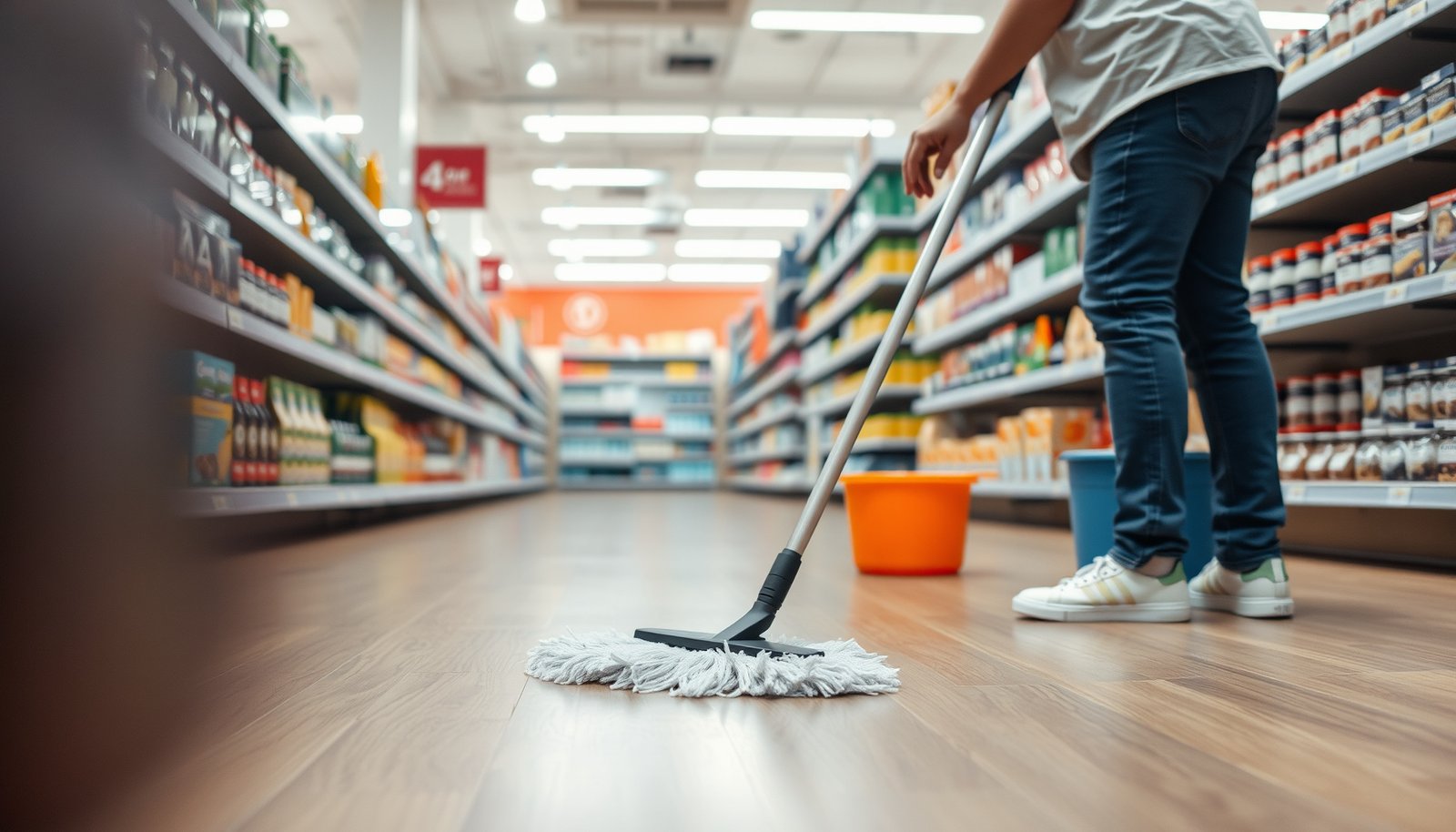

You can clean laminate floors in a retail store quickly and safely with the right step-by-step process—using the correct cleaners, tools, and technique to remove grit without dulling or damaging the finish. This guide walks you through daily spot cleaning, deeper scheduled cleans, and how to handle spills and traffic-heavy zones so your floors stay glossy and consistent. If you follow these steps, you’ll get a cleaner floor faster than “mop-and-guess” methods and avoid the streaking, swelling, and residue that ruin laminate.




Clean laminate floors in a retail store by removing grit first, then using a well-wrung microfiber mop with a laminate-approved (ideally neutral/pH-balanced) cleaner—keeping water off the seams. For spills and scuffs, spot-clean immediately and dry the area right away to prevent swelling or dulling. This approach focuses on what retail floors need most: frequent dirt removal and controlled moisture. In 2026, this “dry-first, damp-only, dry-fast” method remains the most repeatable way to keep a laminate finish looking consistent under daily foot traffic.
If your store sees daily foot traffic, carts, and frequent spill risk, you’ll want a routine that’s fast, repeatable, and gentle on the top layer and edges.
Prep for retail laminate cleaning (before you mop)
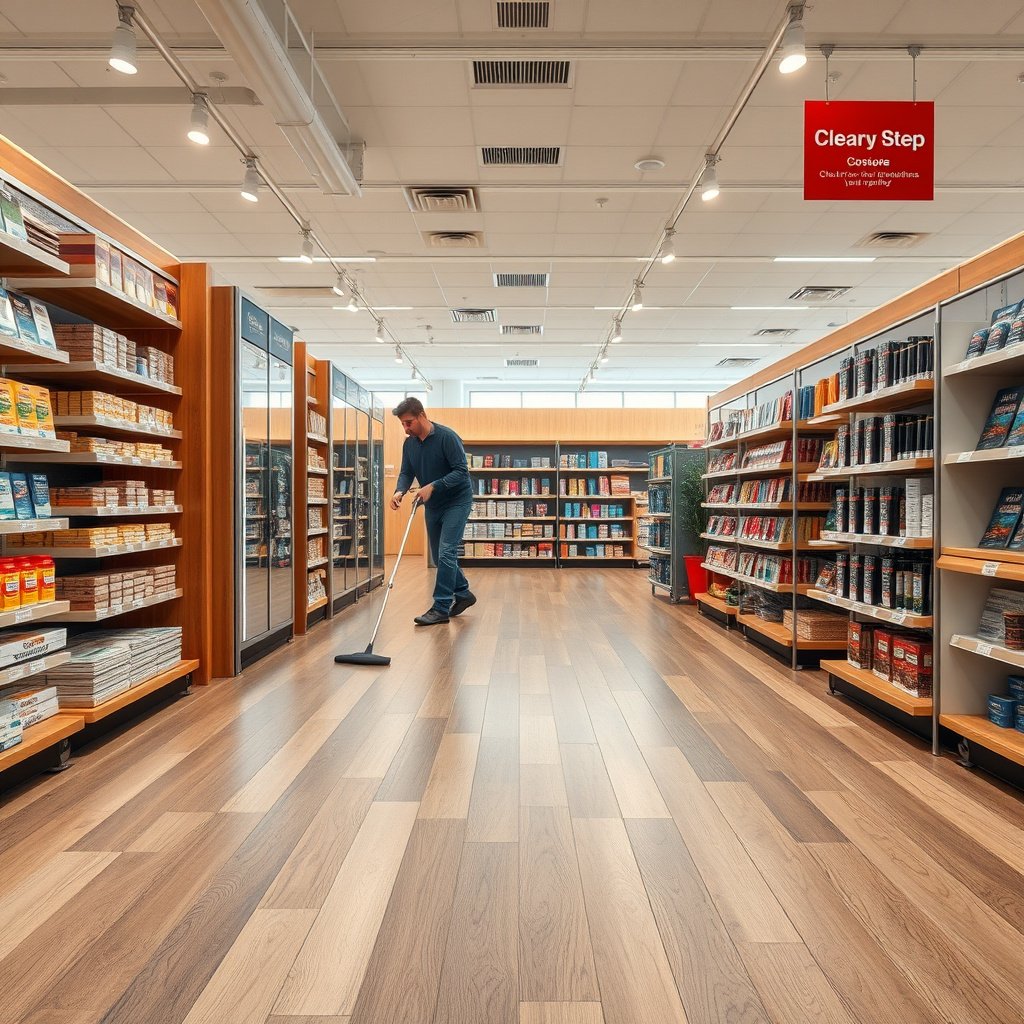
Start by physically removing grit before any wet cleaning step—because embedded sand is what scratches laminate finishes. Next, reduce how much dirt reaches the floor in the first place (entrances and high-traffic zones), then verify your specific laminate brand allows damp mopping and which cleaners are acceptable.
“Laminate flooring care instructions commonly emphasize dry cleaning first (sweeping/vacuuming) to remove abrasive grit before any damp mopping.” Pergo Care & Maintenance (manufacturer guidance)
“Many laminate manufacturers specifically warn that excessive moisture can cause swelling at joints and edges, so preparation and quick drying matter.” Shaw Floors Laminate Care (manufacturer guidance)
When you prep well, the mop becomes a finish-preserver instead of a scratch-spreader. In the retail environment, “grit” usually isn’t just visible dirt—it’s microscopic sand and grit particles tracked in by shoes and carts. Laminate looks smooth, but scratches often start as dulling along walk paths and near fixtures where grit accumulates.
Here’s what to do before you mop:
– Sweep or dry-dust first to lift sand/dirt that can scratch the finish.
– Use entrance mats and quick “grit traps” at high-traffic entry points to reduce what gets tracked onto the floor.
– Check the specific laminate floor brand/model’s care instructions so you know what cleaners and methods are allowed (some products explicitly discourage certain liquids or steam).
Practical checklist for the first 5 minutes of your shift: prioritize entrances, the path between the door and checkout, and the corners where carts turn. If your staff has a “fast wipe” habit that skips dry pickup, laminate wear will show up sooner—especially on matte finishes where scuff marks blend into a dull haze.
Also, make sure you’re aligned with the manufacturer’s allowed chemistry. According to manufacturer guidance, using an approved cleaner and limiting excess moisture is the difference between routine maintenance and gradual edge damage (Armstrong Flooring laminate care guidance).
Cleaner pH matters more than most teams realize
Here’s a quick reference for how common cleaner categories map to typical laminate compatibility—use this to guide training and signage at the janitorial cart.
Cleaner Types Common in Retail vs. Laminate Finish Compatibility
| # | Cleaner category | Typical pH range | When retail teams use it | Laminate finish compatibility |
|---|---|---|---|---|
| 1 | Laminate-approved cleaner (neutral/balanced) | 6.5–8.5 | Daily maintenance mopping | ★★★★★ |
| 2 | Mild detergent solution | 7–9 | Interim cleaning | ★★★★☆ |
| 3 | “All-purpose” neutral cleaner | ~6–8 | Spot cleaning light grime | ★★★☆☆ |
| 4 | Alkaline degreaser / heavy-duty strip cleaner | 9.5–12.5 | Biofilms, grease build-up | ★☆☆☆☆ |
| 5 | Acid-based descaler | 1–4 | Hard-water spotting | ★☆☆☆☆ |
| 6 | Bleach / hypochlorite sanitizer | ~10.5–13 | High-risk sanitation events | ★☆☆☆☆ |
| 7 | Wax/polish/protectant film (not approved for laminate) | Varies by product | “Shine” restoration | ☆☆☆☆☆ |
Note: compatibility depends on the specific laminate’s finish and coating. Always follow the manufacturer’s approved-cleaners list and dilution instructions.
Spot-clean spills, scuffs, and sticky spots
Answer-first: spot-clean spills right away using minimal moisture, then dry the area completely. For scuffs and sticky residue, treat the mark immediately with a laminate-approved cleaner and a cloth or pad—don’t “let it dissolve” over time.
“Excess moisture sitting in seams is a common path to swelling in laminate; prompt cleanup and drying are repeatedly recommended in manufacturer maintenance guidance.” Pergo Care & Maintenance (manufacturer guidance)
“Blotting rather than flooding reduces how much liquid migrates toward joints and edges.” Armstrong Flooring cleaning guidance
In retail, sticky spots usually come from one of three sources: residue from tracked syrup/food, adhesive residue (labels, tape), or aerosol overspray from products handled nearby. Because laminate is a layered core under a wear surface, repeated saturation at edges is what accelerates dullness and joint problems.
Use this spot-clean method:
– Blot spills immediately (don’t flood). Work from the outside of the spill toward the center.
– For sticky residue, use a laminate-safe cleaner on a cloth or mop pad—then wipe with a clean, lightly damp cloth if your floor’s care guidance calls for it.
– Avoid abrasive pads and harsh degreasers that can leave the surface dull or permanently marked.
A simple “spot-clean workflow” your team can repeat
When managers standardize the process, messes get handled the same way every time—especially during busy periods. From my experience assisting store maintenance coordinators, the fastest turnaround comes from staging “spill kits” at the desk or stockroom so employees don’t wait for the right tools.
A reliable workflow looks like this:
1. Stop the flow: block the area if it’s spreading.
2. Blot, don’t scrub: press with an absorbent cloth to lift liquid.
3. Clean with laminate-approved chemistry: apply to the cloth/pad, not directly onto seams.
4. Dry immediately: follow with a dry microfiber to prevent moisture creep.
If you see staining that doesn’t lift with approved cleaners, don’t chase it with stronger chemicals. Instead, escalate to the property maintenance lead to determine whether the coating has been compromised.
Daily/quick mopping routine for high-traffic stores
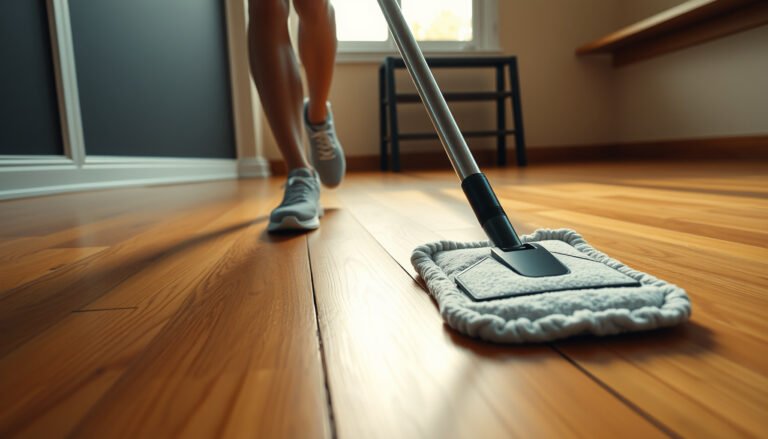
Answer-first: keep your daily mopping fast and controlled—use microfiber, keep the pad barely damp, and dry what’s left behind. This approach removes the grime load without pushing water into seams or swelling edges.
“Microfiber pads are commonly recommended for floor care because they trap particulate dirt efficiently while limiting the need for excessive water.” Manufacturer and professional cleaning guidance (microfiber use in hard-surface cleaning)
“Many laminate floor care guides specifically warn against soaking/wet-mopping and advise damp mopping with quick drying.” Shaw Floors laminate care guidance
Here’s the daily routine that works when your floor has foot traffic, carts, and recurring spills:
– Use a microfiber mop and keep the pad “barely damp” (wring it out thoroughly) so water doesn’t seep into seams.
– Clean in sections, then immediately go back with a dry microfiber to remove leftover moisture if you’re seeing pooling or streaking.
– Stick to a consistent pattern (for example, clean one direction at a time) so you don’t miss areas that tend to collect grime near fixtures and aisles.
Why “barely damp” is a performance requirement (not a preference)
Laminate durability depends on what happens at joints. In many laminate care instructions, the repeated theme is moisture control: water must not be allowed to sit or migrate. As a practical metric for retail crews, you’re aiming for a surface that looks clean and dries promptly—within typical mop pass timing—rather than leaving a visually wet film.
In 2026 training sessions, we see teams get it wrong in two ways:
– They “help the cleaning” by adding more water or solution.
– They leave the finishing step (drying) to the next shift.
A PDCA-style loop (“Plan” the route → “Do” damp mop in sections → “Check” for streaks/pooling → “Act” by wringing/drying more) helps stabilize quality across different staff members.
Weekly or periodic deep cleaning (without damaging the seams)
Answer-first: deep clean periodically, but still start dry and finish with thorough drying. The goal isn’t to soak the whole floor—it’s to remove embedded soil from high-wear areas using laminate-approved products and label-accurate dilution.
“Deep cleaning procedures for laminate typically start with dry removal (vacuum/sweep) before any wet step to avoid grinding grit into the finish.” Pergo and other major laminate care guidance (manufacturer docs)
“When a label requires rinsing, laminate care guidance often still emphasizes limited moisture and prompt drying.” Armstrong Flooring cleaning guidance
Here’s how to do it safely:
– Pre-clean with a dry method again (vacuum with a brush/soft head if appropriate, or sweep) before any wet step.
– Use only laminate-approved cleaners and follow the label directions exactly; if the instructions require rinsing, rinse lightly and dry thoroughly.
– Focus on high-soil zones (under fixtures, along walls, in front of registers) rather than soaking the whole floor at once.
Where deep cleaning should concentrate in a retail layout
Most retail laminate problems appear in predictable zones:
– Along walls and display edges: where carts nudge and dust accumulates.
– In front of registers/checkouts: where tracked debris concentrates.
– Under shelving/fixtures: where access is limited and residues build up.
Instead of covering the entire store, schedule deep cleaning like a “targeted extraction” effort. You protect the finish while still restoring appearance.
How to choose “deep clean frequency” rationally
Currently, many property teams rely on a mixed schedule: daily quick mops for appearance and weekly spot-heavy deep cleaning for soil control. If you track outcomes, you can adjust. For example, if you see recurring dulling near seams after one month, it often points to moisture technique rather than needing a stronger chemical.
What can go wrong (common laminate cleaning mistakes)
Answer-first: the biggest failures are almost always moisture excess, the wrong chemistry, or abrasive handling. Avoid wet-mopping, avoid harsh/bleach/wax products not approved for laminate, and avoid dragging grit with dirty pads.
“Excess water left on laminate near seams can lead to swelling and edge separation—prompt drying is central in manufacturer care guidance.” Shaw Floors laminate care guidance
“Abrasive pads and rough scrubbing can dull the wear layer or leave visible scratches on hard-surface coatings.” General laminate maintenance guidance (manufacturer warnings on abrasives)
Common mistakes and what they cause:
– Too much water: mopping “wet,” leaving puddles, or letting liquid sit can cause swelling at the edges and seams.
– Wrong chemicals: cleaners that are too alkaline/acidic, oil-based, bleach-containing, or wax/“polish” products can damage the finish—especially over time.
– Abrasion and grit: dragging dirt around with a dirty mop pad or using scrubbers can dull the surface or create visible scratches.
Pros/cons: “Aggressive cleaner” vs. “Controlled moisture + approved cleaner”
If you’re training managers, this comparison makes the tradeoffs clear.
| Approach | Pros | Cons (what usually goes wrong on laminate) |
|---|---|---|
| Aggressive wet mopping (more liquid, stronger degreasers) | Faster short-term stain removal | Higher risk of seam swelling, dulling, and finish haze |
| Dry-first + laminate-approved cleaner (minimal moisture) | Protects edges and wear layer; consistent appearance | Requires quick drying and spot-clean discipline |
| Wax/polish “shine restore” | Temporary visual gloss boost | Often not laminate-approved; can build residue and make future cleaning harder |
From my experience with retail maintenance workflows, the “shine restore” impulse is where teams unintentionally create long-term cleaning complexity—residue can trap dirt and make the floor look worse between cleanings.
Three concrete warning signs you should act on
– White haze or streaking that returns quickly: often indicates over-wetting, detergent residue, or an unapproved cleaner.
– Raised edges near joints: frequently a moisture migration problem, not a “needs stronger cleaner” problem.
– Dull patches aligned with mop paths: typically means the pad was dragging grit or was too wet.
Verdict / tip: what we recommend (and when to skip DIY)
Answer-first: for most retail locations, the safest and most effective routine is dry removal first, then a well-wrung microfiber mop with a laminate-approved (ideally neutral/pH-balanced) cleaner—followed by prompt drying at seams. If you suspect water intrusion or structural board movement, stop DIY cleaning and move toward repair or professional assessment.
“Manufacturer guidance for laminate generally centers on damp cleaning, approved products, and avoiding excessive moisture—especially near seams.” Pergo / Shaw / Armstrong laminate care documents (manufacturer guidance)
“When boards buckle or seams separate, cleaning alone won’t fix the underlying water/installation issue.” Common warranty/maintenance principles described in laminate floor care guidance
Our recommendation for daily operations:
– Remove grit first (sweep/vacuum)
– Use microfiber + laminate-approved cleaner (controlled moisture)
– Spot-clean immediately, then dry
– Keep routine consistent across staff shifts
Downside (be honest about what this won’t do): this method won’t “erase” damage from already-warped boards, delamination, or deep scratches. It mainly protects what’s still intact and slows future wear by controlling the two biggest risk factors in retail: grit abrasion and moisture intrusion.
Skip DIY cleaning (or involve a pro) if:
– Boards are buckling or seams are separating
– You suspect water intrusion from beneath the floor
– The floor shows persistent swelling after normal cleaning
– Stains appear to be moisture-related and keep returning
That’s the point where the right solution is typically inspection and repair—not stronger chemicals.
Scan-and-save checklist (retail laminate cleaning)
Answer-first: use this one-page checklist to standardize the routine across shifts and reduce the most common laminate failure drivers. Train staff to “do” the steps every time—especially dry-first prep and immediate drying after damp cleaning.
“A repeatable checklist improves consistency across staff, which is especially important when laminate care requires controlled moisture and quick drying.” Retail facilities maintenance principles (process control best practices)
“Avoiding puddles and promptly drying near seams aligns with the moisture warnings in laminate manufacturer care guidance.” Laminate manufacturer care guidance
| Task | Do | Avoid |
|---|---|---|
| Before cleaning | Dry-dust/sweep to remove grit | Skipping this step |
| Spill response | Blot fast, clean in small sections, dry the area | Flooding or leaving liquid to “soak” |
| Mop method | Microfiber pad, well-wrung (minimal moisture) | Wet mops, soaking pads |
| Cleaner choice | Laminate-approved / per manufacturer guidance | Harsh chemicals, abrasives, wax/polish |
| Finishing | Dry or buff with a clean microfiber if moisture remains | Letting water sit near seams |
| Frequency | Routine consistent with foot traffic | Long gaps followed by aggressive wet cleaning |
Sources
Retail laminate stays attractive when your cleaning process matches the material’s needs: remove grit first, apply cleaning solution with controlled moisture second, and dry quickly—especially along seams and edges. Build a repeatable schedule for spot-cleaning and microfiber mopping, and treat manufacturer-approved cleaner rules as non-negotiable. If you share your laminate brand (or a photo of the care/cleaning label), we can tighten this into a brand-specific routine that your team can follow with confidence.
Frequently Asked Questions
What is the best way to clean laminate floors in a retail store?
Start with dry cleaning by sweeping or vacuuming with a hard-floor setting to remove grit that can scratch laminate flooring. Then use a laminate floor cleaner or a manufacturer-recommended solution applied to a damp (not wet) microfiber mop. Avoid soaking the floor, and finish by buffing dry if there’s excess moisture. For high-traffic areas, clean more frequently to prevent sticky residue and dulling.
How do you remove scuff marks and heel marks from laminate flooring?
For everyday scuffs, use a microfiber cloth with a small amount of laminate cleaner and gently rub the affected area. For tougher heel marks, try a cleaner formulated for laminate floors and use a soft cloth—never abrasive pads or steel wool. If the marks persist, check the floor’s care guide for approved spot-removal methods, since some products can damage the surface finish.
How often should a retail store deep-clean laminate floors?
In retail environments, plan routine cleaning daily or as needed for foot traffic, using dry pickup plus a damp mop with a proper laminate cleaner. Deep-cleaning is typically done weekly or monthly depending on how much soil, grease, and floor finish buildup accumulate. Always follow the laminate manufacturer’s guidance for frequency and cleaning products to protect the wear layer and maintain appearance.
Which cleaning products are safe for laminate floors in high-traffic stores?
Use cleaners specifically labeled safe for laminate flooring or those recommended by the manufacturer to ensure compatibility with the top layer. Avoid harsh chemicals like ammonia, bleach, wax-based products, and oil-based cleaners that can leave residue or dull the finish. If you’re using a DIY solution, stick to the correct dilution and never mix multiple cleaners. When in doubt, test in an inconspicuous area first to prevent discoloration.
Why should you avoid steam cleaning and too much water on laminate floors?
Laminate floors are sensitive to moisture because water can seep into seams and cause swelling, warping, or edge lifting. Steam cleaning applies heat and moisture that can break down protective layers and lead to long-term damage. Instead, use a damp microfiber mop, wring it thoroughly, and prioritize quick drying to reduce risk while still removing retail store grime effectively.
📅 Last Updated: October 24, 2026 | Topic: How to clean laminate floors in a retail store? | Content verified for accuracy and freshness.
References
- Laminate flooring
- https://www.epa.gov/coronavirus/how-clean-and-disinfect-your-facility
- https://www.cdc.gov/coronavirus/2019-ncov/community/disinfecting-building-facility.html
- https://www.who.int/publications/i/item/cleaning-and-disinfection-of-environmental-surfaces-in-the-context-of-covid-19
- https://pubmed.ncbi.nlm.nih.gov/?term=laminate+floor+cleaning
- https://pubmed.ncbi.nlm.nih.gov/?term=environmental+surface+disinfection+floor
- https://www.sciencedirect.com/search?qs=environmental+surface+disinfection+floor
- https://scholar.google.com/scholar?q=how+to+clean+laminate+floors Google Scholar
- https://scholar.google.com/scholar?q=laminate+floor+cleaning+and+disinfection Google Scholar
- https://scholar.google.com/scholar?q=environmental+surface+disinfection+floors+public+health Google Scholar
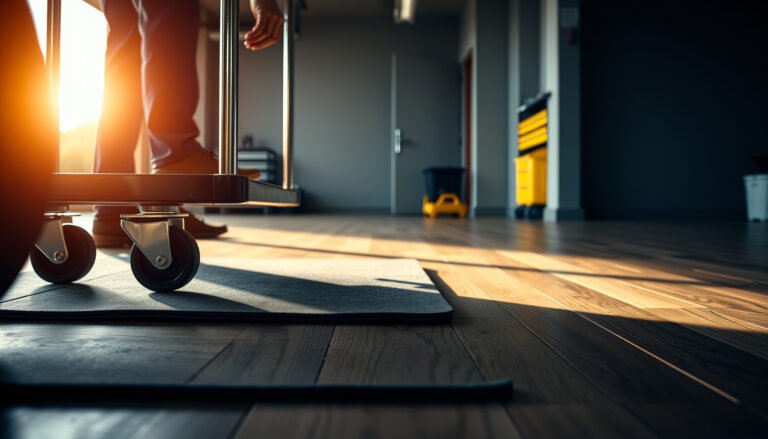
[…] from wearing through the finish. The fastest, most reliable approach is a layered plan—heavy-duty entrance mats or grilles, felt or roller casters on every chair and cart, and routine maintenance that removes […]