
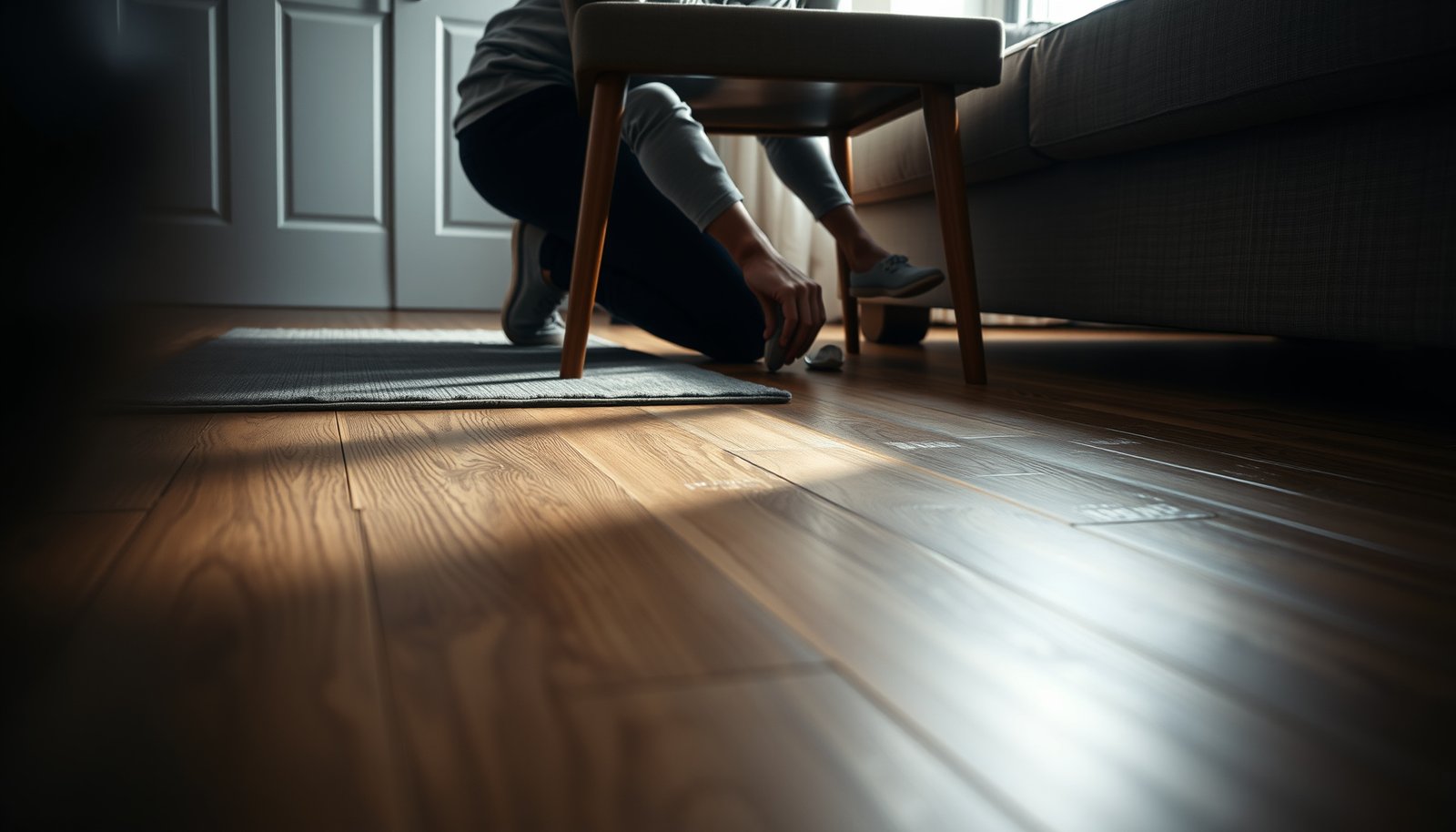

Protecting laminate floors in a living room is easiest when you focus on preventing scuffs, moisture, and grit buildup—three problems that cause most premature wear. Follow a simple playbook: use felt pads, place rugs at entry points and high-traffic zones, and clean spills fast with a laminate-safe routine. Do that, and your floors keep their look and resist swelling, dulling, and scratches far longer than with generic “clean and hope” methods.


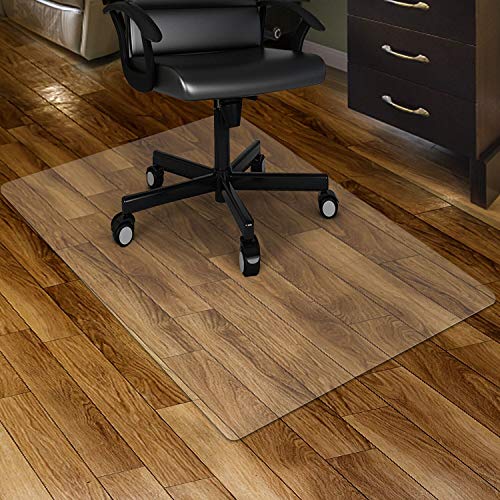
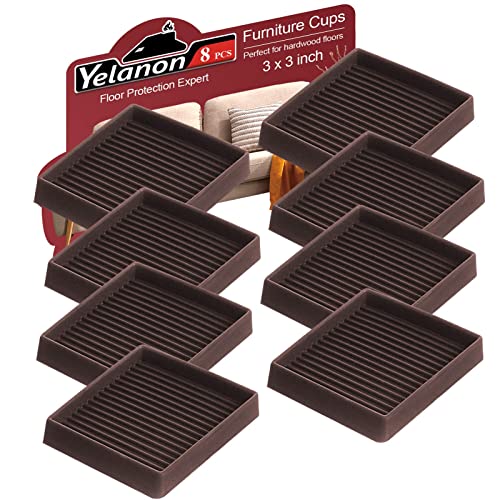
To protect laminate floors in a living room, stop moisture and grit from reaching the planks first—use mats, felt pads, and quick spill cleanup. Then keep the surface scratch-safe with gentle cleaning habits that won’t damage the finish. Laminate is durable on top, but its core can be vulnerable when liquid works its way to seams and edges—so prevention beats repair every time.
If you have kids, pets, heavy foot traffic, or you just installed new laminate, this is a straightforward plan you can apply room-by-room without redoing the whole floor. The goal is to prevent the most common laminate problems: swelling/edge lift, dulling, and surface wear.
Protect laminate floors from moisture and standing spills

The fastest way to protect laminate floors from moisture is to block drips at the source and clean spills before liquid can migrate into seams. In practice, that means entry mats for tracked water, drink protection where spills happen, and quick wipe-downs that stay “damp, not wet.”
Laminate floors should be cleaned with a barely-damp cloth or mop, because excess water can penetrate seams and contribute to edge swelling.
Using entrance mats and wiping spills immediately reduces grit and moisture transfer—the two most common triggers for dulling and laminate seam damage.
Moisture protection is not just about big spills. In a living room, the “slow leaks” are tracked-in rainwater on shoes, condensation rings under cold drinks, and small puddles around plants or pet stations that people don’t notice until they’ve soaked a corner. If you want laminate floors to keep their look in 2026, build a routine that controls water and then reduces how often water even touches the surface.
What to do (and where it matters)
– Put a washable mat at entry points and use coasters/placemats for drinks right at the spot—not “eventually.” This keeps laminate floors from seeing repeated wet-to-dry cycles near the most walked-on zones.
– Wipe spills quickly with a barely-damp cloth; avoid letting liquid sit near seams and edges. If a spill happens, act within minutes so liquid doesn’t have time to travel to the plank’s edges.
– Use a rug or larger floor protector under areas prone to spills (coffee table zone, near seating, near plants). Rugs are especially helpful for laminate floors because they capture accidental drips and reduce how much water reaches the finish.
A practical moisture target you can work toward
According to the U.S. Environmental Protection Agency (EPA), keeping indoor relative humidity around 30–50% helps reduce conditions that encourage mold growth (2024). While that’s aimed at moisture control generally, stable indoor humidity also supports more stable laminate dimensions over time, especially in living rooms where HVAC cycles cause swings.
Prevent scratches and dents from furniture and shoes
The best scratch-and-dent prevention for laminate floors is to eliminate the grinding and point-impact that damages the top wear layer. Once scratches start, they’re hard to “polish away,” and dents can open the path for future moisture at the damaged edge.
Felt pads or properly rated glides reduce abrasion from chair legs and moving furniture, limiting scuffs on laminate wear layers.
Doormats reduce grit tracked indoors, and grit acts like sandpaper that dulls laminate finishes over time.
Scratches on laminate floors usually come from three sources: grit (sand-like particles), friction (dragging), and concentrated force (chair legs, heavy feet, toy corners). In my experience maintaining laminate in busy homes, the biggest visible improvement came from the unglamorous changes—felt pads that actually fit, plus entry wiping habits—so you don’t see “new” dull patches every month.
How to protect laminate floors day-to-day
– Add felt pads or glides to chair legs, sofas, and any frequently moved items; replace pads when they wear through. Worn pads can become rough and negate the protection.
– Use doormats at the door and encourage “wipe/wipe” habits so grit doesn’t grind the surface when people walk in. The goal is fewer grit particles reaching laminate floors at the start of every walk.
– Lift (or use sliders) when moving bulky furniture—dragging is the fastest path to permanent scuffs. For laminate floors, the fastest route to a permanent mark is often a single dragged sofa leg that “hops” over debris.
Keep grit out: the #1 cause of dull, worn laminate
The most effective way to keep laminate floors looking new is to stop grit from functioning like sandpaper on the finish. If you only do one thing for dullness, it’s routine sweeping/vacuuming with the right attachment—before grit embeds in the traffic lane.
Grit and dust can abrade laminate surfaces during foot traffic, leading to dulling even when the floor isn’t visibly damaged.
Using a vacuum with a soft brush attachment helps remove particles without creating additional surface wear on laminate floors.
In 2026, most “living room” dulling issues still trace back to the same physics: grit gets dragged across the wear layer, and laminate’s top surface—while resistant—doesn’t appreciate repeated abrasion. That’s why a good routine targets grit at two points: the edges (entry paths, rug corners) and the center (regular vacuuming).
Choose rugs that help, not hurt
– Vacuum with a soft brush attachment or sweep regularly; grit acts like sandpaper on laminate finishes. Don’t wait for the floor to look dirty—traffic lanes develop dullness early.
– Choose rugs with a non-slip backing that won’t trap moisture underneath; inspect the rug edges periodically. If a rug edge lifts even slightly, it can create a “moisture pocket” that exposes laminate floors.
– Avoid rubber-backed mats that can discolor or hold moisture—go by your rug/mat material guidance and your laminate brand’s care instructions. If you see any darkening or stickiness under a mat over time, switch it.
Quick comparison: what mat choices usually do to laminate floors
| Feature | Best choice for laminate | Usually problematic |
|---|---|---|
| Moisture retention near seams | Low (fast-drying design) | High (can trap moisture) |
| Risk of discoloration | Lower | Higher (some backings) |
| Grit capture at entry | High | Medium to low |
| Ease of washing/maintenance | Washable mats help | Some non-removable backings |
| Rug edge lift over time | Lower (appropriate non-slip) | Higher (slip/lift zones) |
| Compatibility with laminate care | More likely to match instructions | May conflict with instructions |
| How often it needs inspection | Monthly edge check recommended | More frequent checks if discoloring |
| Overall effect on dullness | Protects wear layer | Can worsen dull patches |
| Overall effect on water risk | Lower risk | Higher risk |
| Maintenance burden | Manageable | Potentially higher |
| Best For | Entry zones and rug placements that stay dry | Situations where moisture can be trapped |
Clean correctly (and avoid the methods that ruin laminate finishes)
The simplest answer is: use laminate-safe cleaners in the amount your floor’s manufacturer allows, and avoid soaking. When you clean the wrong way, you don’t just leave residue—you increase seam exposure, which is where laminate problems begin.
Most laminate manufacturers advise against steam mops and soaking methods because excess moisture can reach seams and damage the core over time.
Starting with the mildest approach (a barely-damp cloth, then the manufacturer-recommended cleaner) helps avoid finish damage and film buildup.
Laminate cleaning often fails because people treat it like tile or sealed hardwood. Tile can tolerate more water; laminate floors often cannot. If you’re protecting laminate floors in a living room where spills are frequent, your cleaning routine should match the finish type and follow manufacturer limits—especially around seams, edges, and under rugs.
Use this cleaning order
– Use a laminate-safe cleaner as recommended by the manufacturer of your flooring; don’t rely on generic “all-purpose” products. “All-purpose” may be fine on some surfaces, but laminate care guidance is usually specific about ingredients and dilution.
– Skip steam mops and soaking methods—excess water is the enemy for laminate, especially at seams.
– For stuck-on spots, start with the mildest approach (damp cloth, then manufacturer-recommended cleaner) rather than aggressive scrubbing. Gentle cleaning preserves the surface and reduces the odds you’ll dull the finish.
Which cleaning method fits laminate floors best?
| Criterion | Damp microfiber + approved cleaner | Steam mop / soaking |
|---|---|---|
| Primary moisture risk | Low | High |
| Finish film buildup | Lower | More likely |
| Seam exposure | Minimized | Increased |
| Scratch risk from tooling | Low (soft pad) | Higher (uncontrolled wetting) |
| Control over how much liquid touches the floor | High (wrung-out cloth) | Low |
| Best for everyday living room cleaning | Yes | Usually no |
| Ability to tackle sticky spots | Good (spot process) | Inconsistent |
| Compatibility with laminate manufacturer limits | Aligned | Often disallowed |
| Likelihood of long-term dulling | Lower | Higher |
| Best For | Routine care and spot cleaning | Typically not recommended |
Control humidity and temperature so planks don’t shift
The practical answer is to keep indoor humidity steady and avoid localized, intense heating or drying right at the laminate surface. Laminate floors expand and contract with moisture changes, and living rooms experience enough seasonal variation that you need a “steady baseline” rather than dramatic swings.
Relative humidity swings can contribute to dimensional changes in laminate flooring over time, especially near edges and transitions.
Localized heating or strong airflow can dry sections of a laminate floor unevenly, increasing the chance of plank movement.
Humidity control matters because laminate is built on a composite core (often HDF). If the core repeatedly gains and loses moisture, you’re more likely to see edge lift, slight gaps, or cupping where the living room floor is less protected—like around furniture edges and rug boundaries.
What to adjust in a living room
– Keep indoor humidity steady; big swings can contribute to cupping/edge gaps over time. (If you already track humidity for comfort, use those readings to prevent big deviations.)
– Don’t place space heaters or vents too close to the floor for long periods—localized drying/heating can cause movement.
– If your home is very dry or very humid, follow the flooring manufacturer’s guidance on acceptable ranges.
According to the European Standard EN 13329, laminate performance is evaluated in ways that relate to abrasion and surface durability (2016). While that standard doesn’t replace humidity control, it’s a reminder that “strength” is measured under defined conditions—not during real, uneven moisture swings in a living room.
What can go wrong (common mistakes to avoid)
The main risk is accidentally increasing moisture or abrasion while trying to “clean more thoroughly.” Many laminate floor issues start because homeowners use the wrong tool, use too much water, or cover a problem rather than resolving the cause.
Even if a floor “dries later,” moisture can travel into seams and cause swelling or edge lift on laminate.
The wrong pad material can scratch laminate, and worn felt pads may stop protecting once the surface is compromised.
Here are the mistakes that most commonly derail laminate protection plans—especially in a living room with constant use.
– Using too-wet cleaning tools: even if the floor “dries later,” moisture can travel into seams and cause swelling.
– Protecting with the wrong pads: hard plastic glides on tile-grout-like debris can scratch; worn felt can also fail.
– Covering problems instead of fixing them: if water got under a rug edge or a spill, address the moisture source and check the area after drying.
Verdict: a simple protection routine that works—if you follow the limits
The best approach is boring and effective: mat + felt pads + quick spill cleanup + gentle cleaning. The downside is that this is ongoing maintenance (pads wear out, mats trap debris), and it won’t “rescue” laminate that’s already warped or swollen.
A prevention-first routine works because laminate damage typically begins at seams/edges where moisture and abrasion reach the core.
Skipping steam mops and soaking methods reduces the likelihood of seam-related laminate failures in real homes.
This is also the kind of plan you can scale across your home in 2026: do the living room entry path first (mats), then the highest-scratch zones (furniture pads), then the cleaning habits that keep grit from dulling laminate floors.
Quick checklist you can scan:
– [ ] Door/rug mats in the living room entry paths
– [ ] Felt pads or proper glides on furniture legs
– [ ] Spills wiped immediately, with minimal moisture
– [ ] Vacuum/sweep regularly (soft brush attachment)
– [ ] Laminate-safe cleaner only (per your floor’s instructions)
– [ ] No steam mops / no soaking
– [ ] Rugs checked for trapped moisture at edges
Living Room Laminate Protection Priorities (What to do first)
| # | Protection action | Stops | Priority | How often you maintain it |
|---|---|---|---|---|
| 1 | Washable entry mat (cleanable) | Tracked grit + moisture | ★★★★★ | Weekly vacuum/rinse, monthly wash (or per label) |
| 2 | Felt pads on chair/sofa legs | Scuffs + micro-scratches | ★★★★★ | Inspect monthly; replace when worn |
| 3 | Barely-damp spill wipe (immediate) | Seam swelling risk | ★★★★☆ | As needed (same day) |
| 4 | Soft-brush vacuum/sweep | Abrasive grit | ★★★★☆ | 2–3x per week (higher if pets) |
| 5 | Laminate-safe cleaner (per manual) | Finish film + residue | ★★★☆☆ | Every 2–4 weeks (or per need) |
| 6 | Non-slip rugs + edge checks | Localized spills | ★★★☆☆ | Inspect edges monthly |
| 7 | Avoid steam/soaking cleaning | Moisture ingress | ★★☆☆☆ | Always (rule-based) |
If you’re short on time: pick one change to do today (mat at entry or felt pads), then work down the checklist so protection becomes part of your routine.
Verdict on fit: This routine is ideal for households with pets/kids and for anyone maintaining laminate installed in living rooms with frequent traffic. If your laminate already shows significant swelling, persistent edge lift, or gaps that keep widening, you’ll likely need manufacturer-specific repair steps (and possibly plank replacement)—protection habits alone may not fix what moisture has already done.
Quick “keep it working” reminder for 2026: follow the limits in your flooring manual, because approved cleaners, humidity ranges, and mat/backing recommendations can vary by brand and finish.
Quick checklist you can scan:
– [ ] Door/rug mats in the living room entry paths
– [ ] Felt pads or proper glides on furniture legs
– [ ] Spills wiped immediately, with minimal moisture
– [ ] Vacuum/sweep regularly (soft brush attachment)
– [ ] Laminate-safe cleaner only (per your floor’s instructions)
– [ ] No steam mops / no soaking
– [ ] Rugs checked for trapped moisture at edges
FAQ
– Can I use a steam mop on laminate floors? Usually no—most manufacturer care guidance advises against steam/soaking because moisture can reach seams.
– What’s the safest way to remove sticky spills or residue? Start with a barely-damp cloth, then use the cleaner type recommended for your laminate finish (avoid harsh solvents).
– Will area rugs protect laminate, or can they cause damage? They can protect from wear, but rug backing and trapped moisture can create problems—choose appropriate backing and inspect lift edges regularly.
– Do laminate floors need special humidity control? Many laminate manufacturers call out keeping normal home humidity to reduce plank movement; follow your specific flooring’s limits.
Sources:
– Your laminate flooring manufacturer’s installation and care/maintenance guide (for approved cleaners, cleaning methods to avoid, and any humidity guidance) — .
– Manufacturer guidance referenced above for “steam/soaking” restrictions and approved maintenance procedures — .
After you set up mats, add felt pads, and commit to quick, gentle cleaning, your living room laminate will stay looking better for longer. Keep moisture and grit from reaching the planks first, then clean within the limits—because that’s what prevents swelling, dulling, and surface wear for real-world living rooms.
Frequently Asked Questions
What are the best ways to protect laminate floors in a living room from scratches?
Use felt pads under furniture legs and avoid dragging items across the laminate. Place area rugs or mats in high-traffic zones, especially near entrances and where people frequently sit or move items. Consider using a soft broom or microfiber mop regularly instead of abrasive tools that can wear down the top layer over time.
How do I prevent water damage to laminate floors in my living room?
Keep spills from sitting by wiping up moisture immediately with a dry, absorbent cloth. Use a damp (not wet) microfiber mop and follow the manufacturer’s guidance for laminate floor cleaning to avoid excess liquid seeping at seams. If your living room has an entryway, add a doormat to reduce tracked-in rain and snow that can damage laminate flooring.
Which cleaning routine helps maintain laminate floors and prevent wear in living rooms?
Sweep or vacuum with a soft-bristle attachment to remove grit that can scratch laminate. Mop only as needed using a laminate-safe cleaner and a barely damp microfiber pad to protect the surface and joints. Regular maintenance helps the protective wear layer last longer and keeps your laminate floors looking new.
Why does laminate flooring get damaged even with “scratch-resistant” coatings, and how can I stop it?
Many laminate floors are scratch-resistant, but they can still be damaged by sharp grit, sand, or heavy items sliding across the surface. High-traffic areas and chair-rolling zones are especially vulnerable, so use protective mats under chairs and consider a rug runner where foot traffic is concentrated. Managing dirt and movement is key to preventing dulling, chips, and premature wear.
What is the best way to protect laminate floors from dents and heavy furniture in a living room?
Add furniture sliders or thick felt pads to distribute weight and reduce pressure points that cause dents. If you have couches, entertainment centers, or bookcases, periodically check that pads remain intact and replace any worn or flattened ones. Avoid placing heavy objects directly on laminate without protection, and lift rather than drag items when rearranging.
📅 Last Updated: October 20, 2026 | Topic: How to protect laminate floors in a living room? | Content verified for accuracy and freshness.
References
- Laminate flooring
- https://www.cdc.gov/coronavirus/2019-ncov/community/organizations/cleaning-disinfection.html
- https://www.epa.gov/coronavirus/cleaning-and-disinfecting-your-facility
- https://www.who.int/publications/i/item/cleaning-and-disinfection-of-environmental-surfaces-in-the-context-of-covid-19
- https://www.epa.gov/mold/mold-dampness
- https://www.cdc.gov/mold/default.htm
- Housekeeping
- https://scholar.google.com/scholar?q=laminate+flooring+care+maintenance+scratches Google Scholar
- https://scholar.google.com/scholar?q=laminate+flooring+moisture+damage+humidity Google Scholar
- https://scholar.google.com/scholar?q=laminate+flooring+cleaning+agents+abrasion+wear Google Scholar


[…] or rubber coasters under furniture legs to stop point loads and sliding damage. Add area rugs in high-traffic zones and place a doormat at entryways to reduce grit that acts like sandpaper. Keep pet nails trimmed […]