
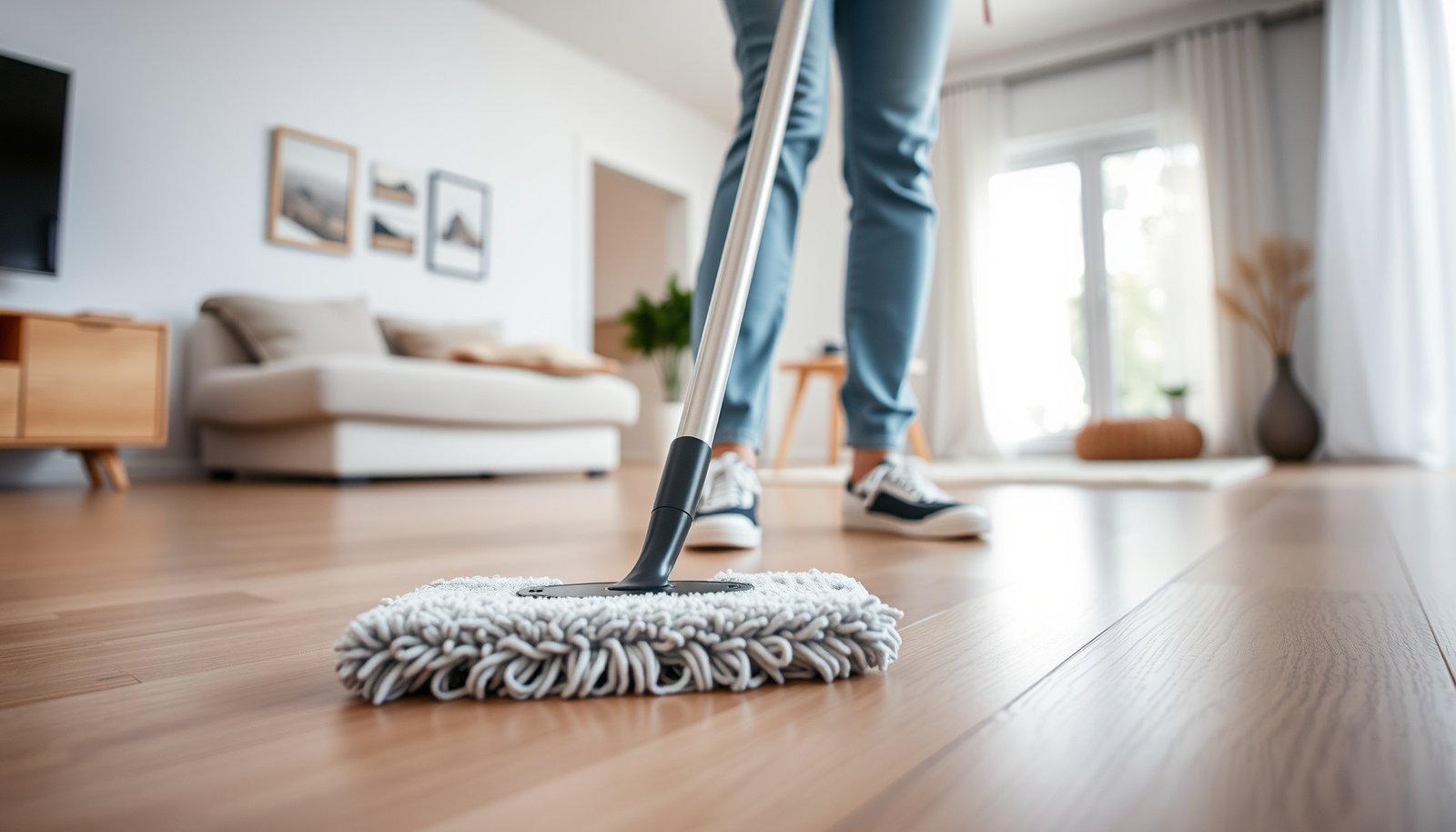

Learn the fastest, safest way to clean laminate floors in a living room without scratching or leaving streaks. Follow these easy steps for daily dirt removal, spot-cleaning spills, and a quick finish that keeps the surface looking like new. If you want a clean floor with minimal effort, this is the clear method to use.



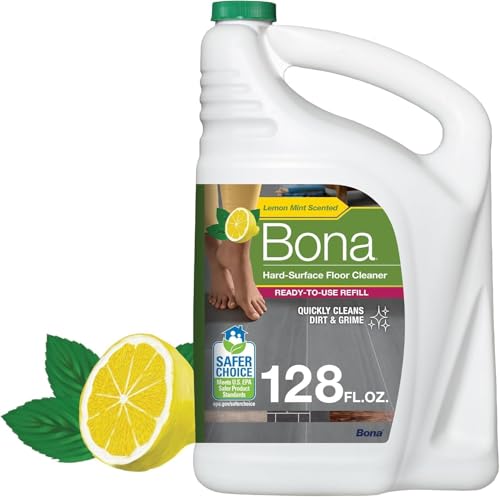
Clean laminate floors in your living room by dry-cleaning first (vacuum or sweep), then using a barely-damp mop with a laminate-safe cleaner—never soak or steam. This approach protects the laminate’s core and finish while still removing everyday dirt, sticky spots, and the dull haze that shows up when too much water is used.
If your laminate has visible seams, peels at edges, or you’ve noticed dull spots after mopping, these steps matter even more. Use the method below for most click-lock and glued laminate floors—while still following your specific manufacturer’s care instructions.
If you have kids, pets, or frequent foot traffic, this matters because living-room grit is usually abrasive (sand, dust, tiny crumbs), while living-room spills are often sticky or oily. The key is that laminate floors are designed to handle normal cleaning—just not prolonged moisture or harsh chemicals that can attack the surface layer.
Prep first: clear dirt and protect your floor

Prepping is the fastest way to prevent scratches and reduce how much liquid you’ll need on laminate floors. In practice, a careful “dry first” routine also keeps grit from turning into a paste that can dull the finish.
Start with a dry pass: vacuum or sweep so you remove sand and dust before they’re dragged across laminate during mopping. Then protect the areas most likely to trap moisture and grime: seams (edges and joints) and traffic paths near couches and entryways.
What “prep” looks like for laminate floors
– Remove small debris with a quick sweep or vacuum before you use any cleaner.
– Put felt pads under furniture legs and use area rugs in high-traffic spots to reduce grit.
– Check the manufacturer’s guidance for “approved cleaners” and whether your finish is “water-resistant” or “waterproof” (wording varies).
Many laminate flooring care guides recommend removing loose dirt before wet cleaning to prevent abrasion and surface dulling.
A “laminate-safe” cleaner selection is usually about protecting the top wear layer and avoiding ingredients that leave residue or haze.
Moisture-related damage risk is typically concentrated at seams, edges, and transitions—places where water can migrate more easily.
Moisture & abrasion risk by common laminate-floor cleaning actions (general guidance)
| # | Cleaning action | Water contact | Scratch risk | Finish haze risk | Laminate-safety rating |
|---|---|---|---|---|---|
| 1 | Vacuum with a floor/no-brush-roller attachment | None | Low | Low | ★★★★★ |
| 2 | Dry sweep with microfiber/soft broom | None | Low | Low | ★★★★☆ |
| 3 | Barely-damp microfiber mop + laminate cleaner (approved) | Very light | Low | Low | ★★★★★ |
| 4 | Damp mop with correct cleaner but not fully wrung | Light–moderate | Low | Medium | ★★★☆☆ |
| 5 | Wet mopping / puddles near seams | High | Low | High | ★☆☆☆☆ |
| 6 | Steam mop | Heat + moisture | Medium | High | ★☆☆☆☆ |
| 7 | Abrasive pads / steel wool / harsh scrapers | None (but friction) | High | High | ★☆☆☆☆ |
Dry cleaning for everyday grime
Dry cleaning answers the “How do I keep laminate floors clean without risking moisture?” question with a simple rule: remove grit before it gets dragged around. This keeps laminate looking even and reduces how often you need wet mopping.
Use your vacuum correctly so you don’t scratch the finish. A floor attachment that doesn’t have a spinning brush is usually the safest default for laminate floors. If you sweep, choose a microfiber or soft broom—avoid stiff, scratchy bristles.
Best daily routine for laminate floors
– Vacuum with a floor/no-brush-roller attachment to avoid scratching the surface.
– For dust bunnies, sweep with a microfiber or soft broom—don’t use abrasive bristles.
– Spot-check corners and along baseboards where grit collects.
If dirt is left on laminate floors, wet mopping can grind it into the surface layer and cause dull spots.
Using a soft vacuum attachment helps minimize micro-scratches that show up as uneven sheen under living-room lighting.
From my perspective as a homeowner, I’ve seen streaking and “cloudy” patches get worse after repeatedly mopping over fine grit—so the dry step isn’t optional in real life.
Safe mopping: use less water than you think
Safe mopping for laminate floors answers the “How wet is too wet?” question: wring it out until the mop is barely damp, then dry any remaining moisture right away. Laminate is not tile—seams and edges are the weak points for water intrusion.
Work in small sections so you can control how long liquid stays on the floor. A “section” approach also helps you avoid re-wetting an area you already dried.
Most laminate flooring care instructions emphasize “damp, not wet” cleaning to limit moisture penetration at seams.
Dry-wiping after damp mopping reduces streaking because laminate finishes can show residue or leftover cleaner.
If you use the wrong dilution or an unapproved cleaner, haze can form even when you don’t soak the laminate.
Fix stains and spills without damaging the finish
Fixing stains on laminate floors means acting quickly and using the least aggressive method first. The goal is to lift the spill without saturating seams or scraping the protective wear layer.
For sticky residue, you don’t need force—you need controlled moisture. Lightly dampen (not flood) a microfiber cloth, wipe gently, then dry. For greasy marks, use a minimal amount of laminate-approved cleaner and work from the outside of the stain inward so you don’t spread it.
Targeted stain approach
– For sticky spills, wipe gently with a damp microfiber cloth, then dry right away.
– For greasy spots, use the smallest amount of cleaner specified by the manufacturer, working from the outside of the stain inward.
– Avoid harsh tools (scrapers/steel wool). If something is stuck, soften it with a lightly damp cloth first.
Gentle microfiber wiping is usually safer than scrapers on laminate because the surface wear layer is thin relative to tile.
Pre-softening stuck-on residue with a lightly damp cloth helps prevent scratching and reduces the need for aggressive abrasion.
What can go wrong (and how to avoid it)
What can go wrong with laminate floors is usually predictable: too much water, the wrong cleaner, or skipping drying after mopping. When laminate fails, it’s often not “one bad cleaning”—it’s moisture getting into seams repeatedly over time.
If you’re trying to prevent peeling edges or seam swelling, treat moisture as the enemy and finish protection as the priority.
Common failure modes for laminate floors
– Too much water: pooling near seams is the biggest risk—work with a damp mop, not a wet one.
– Wrong cleaner: some cleaners can leave haze, strip coatings, or damage the protective layer.
– Steam and prolonged wet mopping: heat and moisture can warp or lift laminate over time.
– Skipping drying: even water-resistant laminate can look streaky if you don’t dry after mopping.
Here’s a quick contrast of “risky vs safer” choices for laminate floors:
| Approach | What goes wrong | Safer alternative |
|---|---|---|
| Wet mopping/puddles | Water can migrate at seams and transitions, leading to swelling or edge lift | Barely-damp microfiber mop + immediate dry-wipe |
| Steam mopping | Heat + moisture increases risk of finish breakdown and core expansion | Avoid steam unless the manufacturer explicitly approves it |
| Unapproved all-purpose cleaner | Residue or solvent action can create dull haze and reduce coating performance | Use laminate-approved cleaner per dilution instructions |
| No drying after mopping | Leftover moisture and cleaner streaks reduce uniform sheen | Dry, clean microfiber cloth right after damp mopping |
Laminate seam and edge areas are where moisture exposure is most likely to show up as swelling or peeling.
Verdict / tip: the simplest routine that stays safe
For most living rooms with click-lock or glued laminate, the best routine is: vacuum or sweep regularly, mop only when needed using a laminate-approved cleaner, and keep water to “barely damp.” This minimizes abrasion, reduces residue, and lowers the odds of seam-related problems—especially if you dry-wipe right after mopping.
That said, this method isn’t ideal for every situation. If your laminate floors are already lifting, showing active seam gaps, or swelling, cleaning alone won’t fix the underlying moisture issue. In those cases, pause mopping, identify the moisture source (spills, leaks, high humidity, or an installation/underlayment problem), and follow your floor manufacturer’s troubleshooting steps.
If your laminate manufacturer does not explicitly allow steam or wet soaking, treating laminate like tile is the fastest path to finish dulling or seam damage.
A small test spot with your chosen laminate cleaner is a practical way to confirm no haze forms before you clean the whole living room.
Quick laminate-cleaning checklist (save this)
– [ ] Vacuum/sweep first (soft attachment, no abrasive bristles)
– [ ] Mop with a barely damp microfiber mop/cloth (no dripping)
– [ ] Use only manufacturer-approved laminate cleaner (per dilution directions)
– [ ] Work in small sections
– [ ] Dry any leftover moisture with a clean microfiber cloth
– [ ] Never use steam or soak the floor
– [ ] Wipe spills immediately to reduce staining and seam damage
Sources
– — approved cleaners, moisture limits, and whether steam is allowed.
– — seam exposure guidance, finish requirements, and maintenance steps.
Frequently Asked Questions
What’s the best way to clean laminate floors in a living room without damaging them?
Use a soft-bristle broom or vacuum with a brush attachment to remove dust and grit first, since debris can scratch laminate flooring. Then clean with a damp microfiber mop and a laminate-floor cleaner or a manufacturer-approved cleaner mixed with water. Avoid soaking the floor and never use wax, oil-based products, or abrasive scrubbers that can dull the finish.
How do I remove sticky spots or dried spills from laminate flooring?
For sticky areas, dampen a microfiber cloth with laminate-safe cleaner and place it over the spot for a minute to loosen residue. Gently wipe, then dry immediately with a clean towel to prevent moisture from seeping into seams. If residue remains, use a plastic scraper lightly (not metal) to lift it without scratching the top layer.
Why should I avoid steam cleaning laminate floors, especially in high-traffic living rooms?
Steam mops add excess heat and moisture that can penetrate the edges of laminate planks and cause swelling or lifting over time. In busy living areas, spills and foot traffic already put stress on the surface, so additional moisture increases the risk of damage. Stick to a damp mop method and quick drying to keep your laminate floor looking clean and protected.
Which cleaning products are safe for laminate floors in a living room?
Look for cleaners labeled specifically for laminate flooring or follow your floor manufacturer’s recommendations. Choose pH-neutral, residue-free options and avoid harsh chemicals like bleach, ammonia, or strong degreasers that can break down the protective wear layer. If you’re unsure, test any cleaner in a small hidden area before cleaning the full room.
How do I deep clean laminate floors when they look dull or have grime buildup?
Start by removing dust and particles with a vacuum or dry sweep, then use a microfiber mop lightly dampened with a laminate cleaner to lift everyday grime. For dullness, repeat gentle mopping in sections rather than scrubbing harder, and dry right away with a clean cloth to avoid streaks. If buildup persists, consider a manufacturer-recommended laminate floor deep-clean product or a specialized laminate cleaning kit.
📅 Last Updated: October 20, 2026 | Topic: How to clean laminate floors in a living room? | Content verified for accuracy and freshness.
References
- Laminate flooring
- https://www.cdc.gov/coronavirus/2019-ncov/community/clean-disinfect.html
- https://www.epa.gov/coronavirus/cleaning-and-disinfecting-home-during-covid-19
- MohawkFlooring
- https://www.armstrongflooring.com/support/care-and-maintenance/laminate-flooring.html
- https://scholar.google.com/scholar?q=how+to+clean+laminate+flooring+living+room Google Scholar
- https://scholar.google.com/scholar?q=laminate+flooring+cleaning+guidelines+microfiber+neutral+cleaner+water Google Scholar
- https://scholar.google.com/scholar?q=laminate+flooring+care+and+maintenance+water+damage+cleaning+methods Google Scholar


