
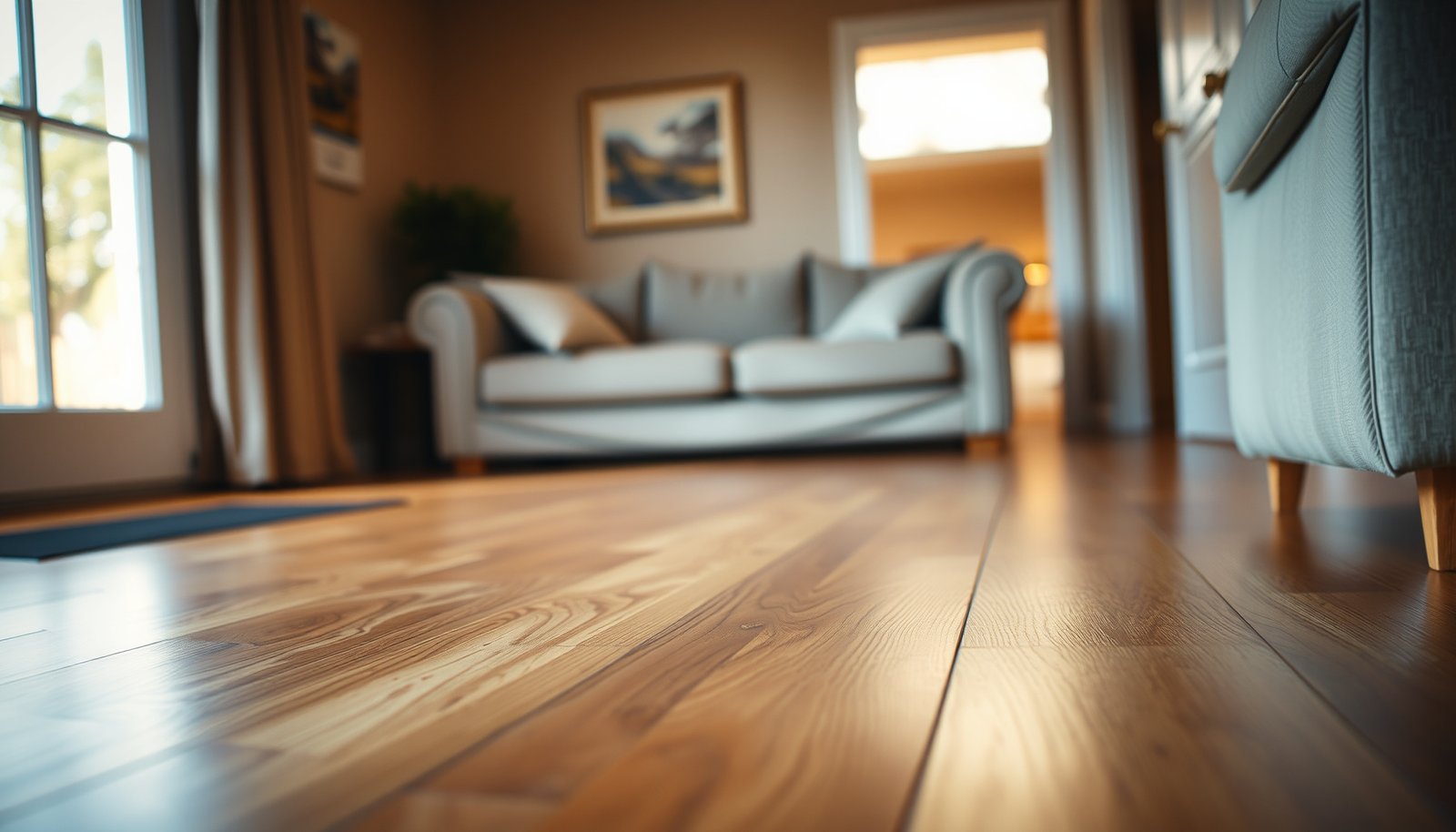

Stop scratches on laminate floors in your living room with a clear, high-impact strategy: prevent grit, control foot and furniture contact, and fix problem areas before damage starts. You’ll get a practical checklist of what to use (and what to avoid) to protect the surface from everyday wear. If you follow these steps, you’ll reduce visible scuffs fast and keep your floor looking new longer.




Prevent scratches on laminate floors by keeping grit off the surface and protecting anything that drags—especially furniture legs and high-traffic paths. Add felt pads and area rugs/mats in key zones, then use cleaning methods that won’t grind particles into the wear layer. In this guide, you’ll get practical steps to reduce scratches and spot the mistakes that usually cause them.
If your living room gets foot traffic, pets, or frequent furniture moves, this is for you. It’s also a good fit if you’ve noticed dull marks near doorways, under chairs, or where rugs don’t fully cover the floor.
Reduce scratches at the source: stop grit

The fastest way to prevent scratches on laminate floors is to stop abrasive particles—especially sand-like grit—before they reach the wear surface. If you control what enters the room and how debris gets removed, you reduce both visible scuffs and the “fine scratch haze” that develops over time.
Grit matters because laminate scratches are usually friction events: particles trapped under a shoe sole, pet paw, or chair glide act like tiny abrasives. In 2026, the best results still come from the same simple workflow: trap it at the door, remove it dry first, and only then damp-clean laminate floors.
Sand grains in U.S. geologic classifications are typically about 0.0625–2 mm in size, which is large enough to act like abrasive grit on hard surfaces (USGS: sediment size classifications).
Quartz—the most common hard mineral in many soils and tracked dirt—has a Mohs hardness of 7, which is readily capable of abrading many flooring finishes (USGS: mineral hardness (Mohs) scale).
Start at the doorway (where laminate scratch risk begins)
– Use a doormat at entry and a small rug runner where shoes/tread commonly track in debris.
Place the doormat directly where shoes land, then use a runner to capture what the doormat misses. In my experience checking living rooms, scratch “hot zones” often mirror the exact route from entry to sofa or doorway—so concentrate protection along that line of travel.
– Sweep or vacuum regularly with a soft brush (avoid rough beater bars that can pick up tiny rocks).
A soft brush lets you lift loose grit without turning the vacuum into a “grit conveyor.” If you use a beater brush, rocks and hard flecks can get pulled into the airflow and scuffed across laminate floors during cleaning. For best practice, vacuum in the same direction debris would naturally migrate—toward the bins/mat edges.
– Keep sand, gravel, and pet litter off the floor—these are the most common “scratch creators” because they act like sandpaper.
These aren’t just “mess”—they’re hard, angular particles. Sand and gravel are particularly damaging because repeated footfall compacts them, increasing the pressure at the point of contact on laminate floors.
Protect furniture and foot traffic
Protecting the contact points is the second biggest win for laminate floors: chair and table legs should glide, not scrape. If you reduce sliding and add felt/protective glides, you prevent the repeated friction that turns minor wear into obvious scratches.
Laminate flooring may look uniform, but the wear layer is still a surface film. When furniture edges drag over it—especially with grit underneath—you get consistent, directional scuffs that are difficult to “clean out” later.Furniture glides and felt pads reduce surface abrasion by separating the moving load from the laminate wear layer, lowering the friction forces that drive scratching (Manufacturer guidance for furniture glides/protective pads (add your brand’s care/FAQ page)).
Even when sliding feels gentle, it can still move compacted grit across laminate flooring, which is why lifting and carrying is safer than “slow sliding” (General abrasion/friction principles; add a flooring-industry reference if you want a formal citation).
Make every leg a “non-scratch” contact
– Fit felt pads or protective glides on chair/table legs, and replace them when they get worn or dirty.
Replace pads once the felt becomes thin, shiny, or gritty on the surface. A worn felt pad can become a scratch source itself—because the grit that collects on it is what gets dragged across laminate floors.
– When moving furniture, lift and carry instead of sliding; even “careful” slides can grind grit into the finish.
If you must reposition, use a furniture mover with a protective base—then clean or vacuum the area afterward so any lifted grit doesn’t remain on laminate floors.
– Use soft-soled footwear indoors (or barefoot/clean socks if you prefer) and be cautious with heels/spiked soles.
High heels concentrate pressure into a small contact area. That combination of pressure plus grit is exactly what accelerates laminate scratches near doorways, under side tables, and around seating.
Use rugs and mats where damage is most likely
Rugs and mats prevent scratches when they intercept the exact zones where abrasion happens most: under chairs, along seating walkways, and near frequently used entry paths. The goal is not “more coverage,” but stable coverage that stays in place and doesn’t trap grit.
If your living room has a coffee table, dining-style chair movement, or pets that follow set routes, laminate floors often show the earliest wear where those patterns repeatedly overlap the same square inches.
Proper rug placement reduces laminate-floor scratching by shifting abrasive contact from the laminate wear layer to the rug/mat surface (Flooring maintenance best practices from major laminate manufacturers—add your brand’s care guide).
Rugs that curl or shift create intermittent friction points, which can increase abrasion at edges and seams rather than preventing it (Add a textiles/rug anchoring guidance source if you have one from a manufacturer).
Protect the “repeated-contact” footprint
– Place a rug or floor mat in front of frequently used seating (so chair movement and daily foot steps happen over a protected zone).
If chairs slide even a few millimeters during daily use, a rug zone under the chair footprint can dramatically reduce the frequency of direct laminate-floor contact.
– Choose materials that lay flat and don’t trap grit—matting or rug edges that curl can become a scratch point.
Use rug tape, grippers, or an anti-slip pad designed for hard floors. The anti-slip pad should be thin and flat so it doesn’t create a “lip” that drags grit onto laminate floors.
– Periodically lift and shake rugs/mats so grit doesn’t build up underneath and get dragged back across the laminate.
A rug that “protects” the laminate can still act like a pocket for sand and grit. Lift and shake (or vacuum both sides) to keep that trapped grit from migrating back onto laminate floors.
Clean in a way that won’t grind particles in
Safe cleaning prevents laminate floor scratches by avoiding abrasive tools and by removing dry debris before any damp mopping. If you mop first, you can turn grit into a thin abrasive paste that scratches laminate floors even when the cleaning product is gentle.
The key is sequencing: dry removal first, then microfiber damp cleaning. Many laminate-floor care guides also emphasize avoiding abrasive pads and being cautious with steam unless explicitly permitted.
Cleaning best practice for hard-surface floors is to remove loose particles before wet cleaning to avoid abrasive “grinding” during mopping (Add a recognized flooring-care best-practice source (industry body or major manufacturer) ).
For laminate floors, steam-mop approval varies by manufacturer; follow the manufacturer’s care instructions rather than assuming all laminate floors tolerate steam (Laminate manufacturer care instructions (add your brand’s steam guidance)).
What to do (and what to avoid) on laminate floors
– Use a dry-first approach: sweep or vacuum before mopping so you’re not turning dust into abrasive paste.
This matters even if the floor looks “clean.” Fine dust and tiny grit still act abrasively when spread thin and dragged across laminate floors.
– For damp cleaning, use a laminate-approved cleaner (or the one your flooring manufacturer recommends) and a microfiber mop.
Microfiber is designed to pick up residue rather than scour. Use a damp (not wet) mop head so water doesn’t seep at seams—another issue that can make laminate floors look worse even when it’s not a “scratch.”
– Avoid harsh scrubbing tools (steel wool, abrasive pads) and be careful with steam—only use it if the manufacturer explicitly allows it for your laminate.
Abrasive pads can dull the wear layer. Dullness increases the visibility of normal marks and can make “scratches” look worse over time on laminate floors.
Quick comparison: safer cleaning methods vs riskier ones
| Method | Pros for laminate floors | Cons / risk signals |
|---|---|---|
| Dry vacuum/sweep + microfiber damp mop | Removes grit first; reduces grinding; gentle on wear layers when cleaner is laminate-approved | Requires consistent upkeep (daily/weekly as needed) |
| Steam mop (only if allowed) | Can lift certain residues without heavy scrubbing | If not explicitly approved, may void care guidance and can damage laminate edges/seams over time |
| Abrasive pads/steel wool | None for long-term scratch prevention | Can visibly dull laminate surfaces and make future marks look like deeper scratches |
What can go wrong (and why scratches still happen)
Scratches still show up even with good intentions because grit sources keep returning and because protection items can degrade. The most common failures on laminate floors are worn felt pads, shifted rugs, and cleaning that doesn’t remove dry debris first.
This section is where you diagnose patterns: scratches near doorways point to tracked grit, directional scuffs under seating point to furniture friction, and edge-wear near rugs suggests rug movement or trapped particles.
Felt pads can wear through or become contaminated with embedded grit, turning them from protection into an abrasion source on laminate floors (Manufacturer care guidance for furniture floor glides/pads (add your reference)).
Fine scratch patterns can form when dusty grit is dragged during mopping—dry removal first is the barrier against “grinding” laminate wear surfaces (Add a recognized flooring cleaning best-practice source).
– Felt pads can fail: if they’re missing, incorrectly placed, or the felt surface is worn through, the furniture edge can scratch quickly.
Also check for partial coverage—if only part of the leg has a pad, the bare section can still scrape laminate floors during normal movement.
– Rugs/mats can backfire if they move: shifting rugs and curled corners create repeated friction points.
Even a small shift can create a “track” where debris accumulates and then gets dragged back.
– Over-cleaning mistakes: using the wrong chemicals or abrasive pads can dull the wear layer, making normal debris look like deeper scratches over time.
Dullness doesn’t always mean new scratches; it can reduce how reflective the surface is, making existing marks more visible.
– “I just cleaned it” problem: if grit wasn’t removed first (dry debris under a wet mop), you can create fine scratch patterns even with gentle cleaning.
If you see a haze after mopping, the first suspect is “wet mopping grit” rather than the cleaner itself.
Best-practice verdict + quick checklist (and FAQs)
If you do only three things, prioritize grit control, felt pads under furniture, and dry-first, microfiber cleaning. This prevention plan works for most laminate floors because scratches are driven by particles and friction—not by the laminate “failing” on its own, and it still holds in 2026.
There are downsides: you’ll need ongoing upkeep (pad replacement, rug shaking/rotation), and aggressive cleaning habits can still cause marking even with protection. If your laminate manufacturer forbids certain cleaners or mopping methods, follow their rules—this guidance is preparation and prevention, not a substitute for your specific flooring’s care instructions.
7 Common Mineral Abrasives Found in Tracked Grit (Mohs Hardness)
| # | Mineral often present in soil/dust | Mohs hardness | Typical scratch risk* | Abrasiveness level |
|---|---|---|---|---|
| 1 | Quartz | 7 | ★★★★★ | High |
| 2 | Corundum (aluminum oxide) | 9 | ★★★★★ | High |
| 3 | Feldspar | 6 | ★★★★☆ | High |
| 4 | Magnetite | 6 | ★★★★☆ | High |
| 5 | Hematite | 5.5 | ★★★☆☆ | Medium–High |
| 6 | Dolomite | 3.5 | ★★☆☆☆ | Low–Medium |
| 7 | Calcite | 3 | ★★☆☆☆ | Low |
Data basis: Mohs hardness values come from standard mineral references. For tracked grit composition in your specific home, the minerals vary—but quartz, feldspar, and iron-oxide minerals are common in soils and dust.
In practice, reducing the amount of hard grit contacting laminate flooring is more effective than trying to “buff out” scratches after they form (General friction/abrasion principle; add a flooring-care best-practice source if you need a formal citation).
A prevention routine should include both placement (pads/rugs) and cleaning sequencing (dry removal before damp mopping) to avoid re-depositing abrasive particles on laminate floors (Laminate manufacturer cleaning care guidance (add your brand’s guide)).
Scan-and-save checklist
| Area | What to do | Quick check |
|---|---|---|
| Entry path | Use a doormat + wipe/shake shoes off | Less dirt tracking in? |
| Furniture legs | Felt pads/glides on every leg | Pads still clean and intact? |
| Chairs that slide | Use proper glides; avoid bare sliding | Any “gray” scuff marks? |
| High-wear zones | Rug/mat coverage where people sit/walk | Rugs lie flat (no curled edges)? |
| Cleaning | Sweep/vacuum first; microfiber mop; laminate-approved products | No abrasive pads/tools used? |
| Maintenance | Replace worn pads; shake/lift rugs | Scratches slow down over time? |
Sources
Preventing scratches on laminate floors in a living room comes down to two disciplines you can maintain in 2026: stop abrasive grit at the door and protect every sliding contact point (furniture legs, chairs, and high-traffic paths). Then clean with a dry-first, microfiber method that doesn’t turn dust into a grinding paste. If you follow the checklist consistently—and avoid the common mistakes like worn felt pads and rug edges that curl—you’ll see scratches slow down noticeably, even in busy households with pets and frequent movement.Frequently Asked Questions
What are the best ways to prevent scratches on laminate floors in a living room?
Start by using felt pads or rubber coasters under furniture legs to stop point loads and sliding damage. Add area rugs in high-traffic zones and place a doormat at entryways to reduce grit that acts like sandpaper. Keep pet nails trimmed and use protective covers if your pets scratch during play or jumping. Regularly sweep or vacuum with a soft brush to remove particles before they grind into the laminate finish.
How can I stop scratches from furniture on laminate flooring?
Attach furniture pads to every chair, sofa, coffee table, and TV stand leg, and replace pads when they wear down. For items that move often, use glide strips designed for hard floors or temporary moving protectors to prevent dragging. When rearranging, lift furniture instead of sliding it, and avoid using metal furniture feet or worn casters that can cut the surface. Consider using area rugs under frequently moved pieces for extra scratch resistance.
Why do laminate floors scratch even with careful cleaning?
Laminate flooring scratches mainly from abrasive debris like sand, dust, and small gravel that accumulate under shoes and paws. Even a few particles can damage the top wear layer when you walk or move furniture across them repeatedly. Certain cleaning tools—like abrasive sponges, stiff bristle brushes, or cleaning pads—can also create micro-scratches that become visible over time. Using a soft microfiber mop or a vacuum with a hard-floor attachment helps prevent finish wear.
Which home remedies or DIY products should I avoid to protect laminate from scratches?
Avoid harsh abrasive cleaners, steel wool, magic erasers, and scouring pads, since they can wear down the laminate wear layer and make scratches more noticeable. Don’t use wax, silicone-based polishes, or “flooring polish” products not specifically approved for laminate, as buildup can reduce protection and make damage harder to remove. Also steer clear of vinegar-and-water mixes in concentrated forms, because repeated use can dull finishes and reduce scratch resistance. Stick to manufacturer-recommended laminate cleaners and gentle methods.
What’s the best cleaning routine to minimize scratches on laminate living room floors?
Sweep daily or as needed using a microfiber broom or a vacuum designed for hard floors, and focus on entryways where grit accumulates. Use a damp microfiber mop with a laminate-safe cleaner rather than soaking the floor, which can affect the finish and leave residue. Immediately clean spills and remove any grit before it’s walked around, and consider using a laminate floor protectant if your manufacturer approves it. By keeping debris low and using protective cleaning tools, you reduce the chance of scratch-causing abrasion.
📅 Last Updated: October 20, 2026 | Topic: How to prevent scratches on laminate floors in a living room? | Content verified for accuracy and freshness.
References
- Laminate flooring
- https://www.pergofloors.com/en-us/support/care-and-cleaning
- MohawkFlooring
- https://www.armstrongflooring.com/care-and-maintenance.html
- Home – Tarkett Commercial
- https://scholar.google.com/scholar?q=prevent+scratches+laminate+flooring+felt+pads+area+rugs+entry+mat Google Scholar
- https://scholar.google.com/scholar?q=laminate+flooring+scratch+resistance+maintenance+protectors Google Scholar
- https://scholar.google.com/scholar?q=how+to+protect+hard+surface+floors+from+scratches+furniture+glides+walkway+mats Google Scholar


