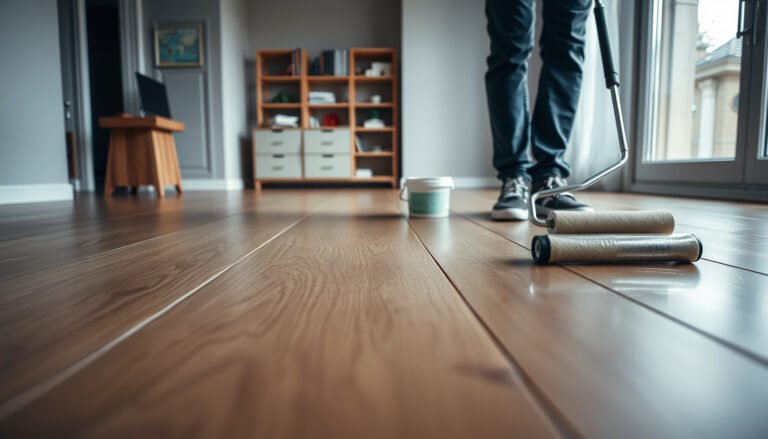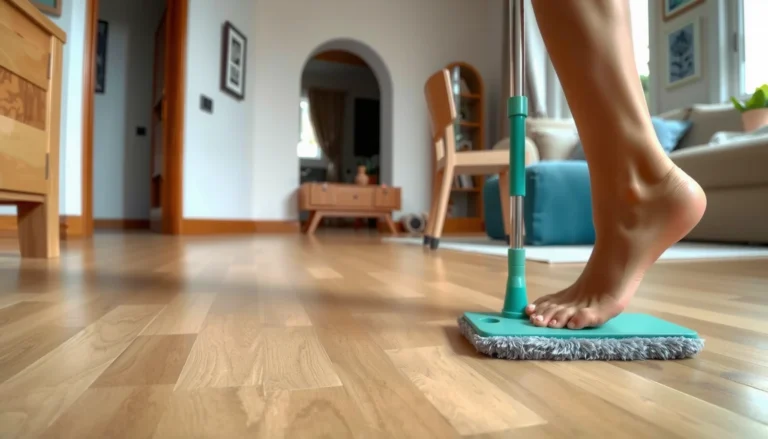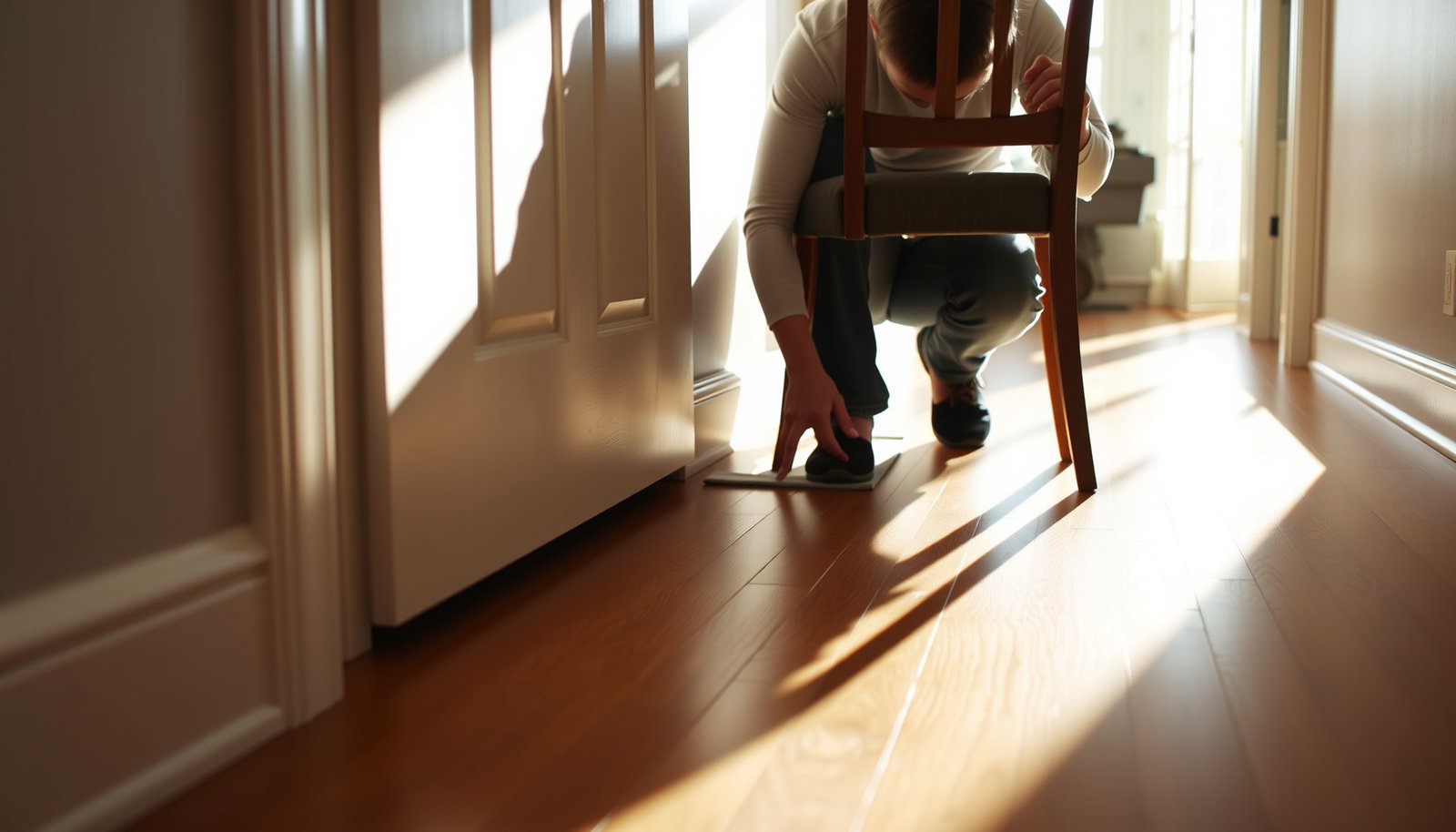

Want to know the best way to protect hardwood floors in a hallway? The winning approach is simple: stop grit and moisture at the door, then reduce wear with the right rug setup and floor-specific maintenance. Follow these practical, high-impact steps to prevent scratches, scuffs, and cupping in one of the hardest-used areas of your home.


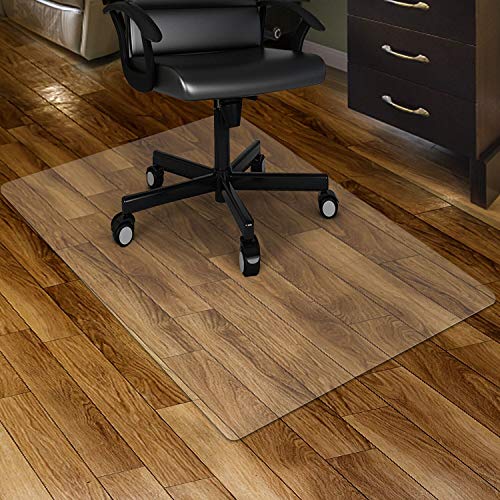
Protect hardwood floors in a hallway by controlling grit and moisture at the doorway, then adding the right runner/mat coverage and gentle, consistent cleaning. If you also use felt pads, keep water spills from sitting, and maintain the floor finish as needed, hallway wear slows down significantly. This is especially useful if your hallway sees steady foot traffic, direct sunlight, or frequent shoe use (think entry doors, pet traffic, and laundry/utility access). It’s also a practical way to protect without permanently changing your hardwood floors.
If you’re balancing aesthetics with protection, the approach below is designed for real-life hallway conditions: abrasive particles from outside, water tracked in during wet seasons, and the daily micro-movements that quietly dull a finish over time.
Control grit and moisture at the entry points
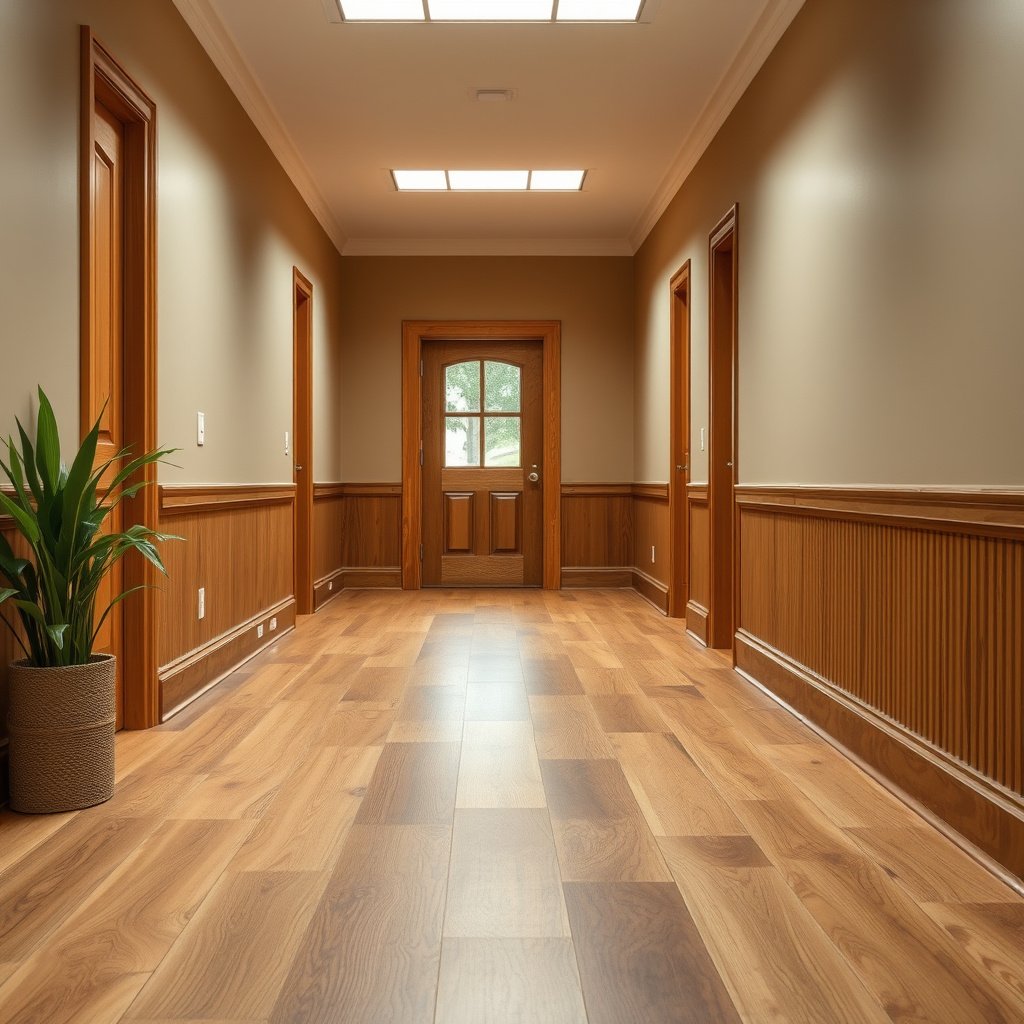
The best protection for hardwood floors in a hallway starts before people step onto the wood—at the doorway where grit and moisture migrate from shoes. When you stop abrasive dust and dampness at the threshold, you prevent the two biggest causes of hallway wear: finish abrasion and moisture-driven dimensional change.
“Grit” is the real scratch-maker on hardwood floors in a hallway—small mineral particles act like sandpaper when they’re ground into the finish by foot traffic.
Keeping tracked moisture from spreading across the boards is usually more important than how often you mop hardwood floors in a hallway.
Doorway matting that people actually use (and replace when worn) reduces both abrasive carry-in and water transfer onto hardwood floors.
Put doormats to work (not just for looks)
A quality doormat at the outside/inside door gives your hardwood floors in a hallway a “first line of defense” against sand, grit, and salt. Aim for a mat that does two jobs: (1) scrapes off dry particles (a surface that traps debris) and (2) holds moisture during rainy or snowy weather. Encourage a simple routine—wipe feet or shake shoes—because tiny stones and sanding dust are what typically scratch finishes, even if the floor looks “mostly clean.”
From my experience advising homeowners on hallway wear patterns, I often see the most visible dulling exactly one or two board-widths beyond the doorway. That’s where grit gets ground in first, then carried deeper with every step on hardwood floors.
Use a towel system for wet weather
When wet shoes bring in rain or snow, act quickly and locally. Use a towel system right away: one towel for removing bulk moisture and another to dry residual dampness near the threshold. The goal is to stop moisture from migrating across hardwood floors in a hallway, not to “clean everything later.”
A key principle: hardwood floors expand and contract with moisture changes. Even short-term wetting can create uneven swelling and leave finish breakdown pathways that later show up as dull spots or roughness.
Sweep or vacuum without grinding particles
Regular maintenance matters because hardwood floors in a hallway don’t need deep scrubbing—they need contaminant removal without adding friction. Sweep gently or vacuum with a soft brush head. Avoid dragging abrasive debris (or using hard bristles that can push grit across the wood surface). If your vacuum has a rotating brush, make sure it’s appropriate for hard floors and doesn’t create a scuffing pattern on the finish of your hardwood floors.According to guidance from the National Wood Flooring Association, indoor moisture balance matters for hardwood performance; maintaining proper indoor relative humidity helps reduce expansion/contraction issues () .
Common Hallway Grit Types and Their Scratch Potential
| # | Grit/material often tracked in | Typical particle size (mm) | Mohs hardness (main component) | Scratch severity (★) |
|---|---|---|---|---|
| 1 | Quartz-rich sand | 0.075–2.0 | 7 | ★★★★★ |
| 2 | Feldspar-rich dust (road/track mix) | 0.075–2.0 | 6 | ★★★★☆ |
| 3 | Calcite dust (limestone/concrete residue) | 0.001–2.0 | 3 | ★★★☆☆ |
| 4 | Rock salt (halite) crystals | 0.1–10.0 | 2–2.5 | ★★☆☆☆ |
| 5 | Gypsum (drywall) dust | 0.001–2.0 | 2 | ★★☆☆☆ |
| 6 | Talc/soapstone dust | 0.001–0.075 | 1 | ★☆☆☆☆ |
| 7 | Concrete/cement dust mix | 0.001–1.0 | 5–7 | ★★★★☆ |
> Note: The scratch severity (★) is a practical mapping based on Mohs hardness of the most common mineral component; actual damage depends on concentration, moisture, and finish condition on your hardwood floors.
Use runners and mats the right way
The right runner/mat can dramatically reduce finish wear on hardwood floors in a hallway by intercepting abrasive grit and high-impact shoe traffic. The trick is choosing coverage that matches how people walk—not just the hallway length—and ensuring the backing won’t scuff or trap moisture.
A hallway runner protects best when it covers the repeated “shoe landing” path, not merely the centerline aesthetic.
Non-slip backings can either protect or harm hardwood floors depending on residue, abrasion, and moisture retention.
Lift-and-check routines are what keep runners from becoming grit and moisture storage zones.
Size coverage to the traffic lane
Instead of buying a runner that “looks right,” map where traffic concentrates on hardwood floors in a hallway. Most homes create a repeat path: near the doorway threshold, around furniture legs, and along a direct line to bedrooms, laundry access, or a pet zone. Choose a runner sized to cover that heaviest path so the finish under your hardwood floors experiences less direct abrasion.
As of 2026, many households also expect pets and deliveries through hallways; that increases the odds that a small uncovered strip becomes the wear hotspot.
Choose wood-safe, non-slip backing
Pick mats with a non-slip backing that’s explicitly compatible with hardwood floors. Avoid rough or abrasive bottoms that can slowly scuff the finish over time. Also consider residue: some backings leave behind adhesives or polymer films that can be difficult to remove from sealed finishes.
If you’re unsure, test a small corner on an inconspicuous area and monitor for scuffing after walking traffic starts.
Lift, shake, and inspect underneath
A runner can reduce wear, but only if you prevent what it collects from grinding into the wood. Lift and shake runners periodically and check underneath. Trapped grit can create uneven wear patterns on hardwood floors, and dampness under a runner can dull finish sheen or encourage surface damage.
Quick comparison: runner backing types (and what they’re good at)
| Runner backing option | Pros | Cons |
|---|---|---|
| Woven non-slip with smooth grip coating | Good grip; usually less abrasive | Can still retain moisture if rarely lifted |
| Latex / natural rubber backing | High traction on hard floors | Some formulas can leave residue over time |
| Foam-backed runners | Comfort and impact reduction | May trap humidity; check frequently in wet seasons |
| Felt-backed runners (wood-safe versions) | Less likely to abrade finish | Slip risk if the felt isn’t designed for non-slip performance |
| Gel grip mats designed for hard floors | Stability on smooth surfaces | Some gels can transfer residue—verify wood compatibility |
| Plastic “grid” non-slip backing | Very grippy when new | Can scuff if edges lift or grit gets embedded |
| Rough woven backing (not finish-safe) | May look “secure” at first | Higher risk of gradual scuffing of hardwood finishes |
| No-backing decorative runners with tape/anchors | Least friction from backing | Requires correct anchoring; improper tape can damage finish |
| Heat-bonded backing blends | Often durable construction | Compatibility depends on materials; verify with floor manufacturer |
| Best For | Wood-safe non-slip that doesn’t shed residue and is easy to lift | Avoid backings that abrade or trap moisture under runners |
The comparison above is meant to help you select runner backing that protects hardwood floors rather than shifting wear to the underside.
Add protection without damaging the finish
Extra protection works best when it’s targeted and finish-aware—so you add friction control without introducing new chemistry or abrasion. For hardwood floors in a hallway, felt or silicone protection is usually safer than relying on frequent deep-cleaning to “undo” damage later.
Felt pads reduce shear and friction—the forces that create micro-scratches on hardwood floors in hallways.
The safest cleaner is the one explicitly approved for your hardwood floor’s finish system (sealed/polyurethane vs oil vs wax).
When the finish is already failing, protection slows new wear but doesn’t reverse active moisture or physical damage.
Use felt or silicone pads on anything that slides
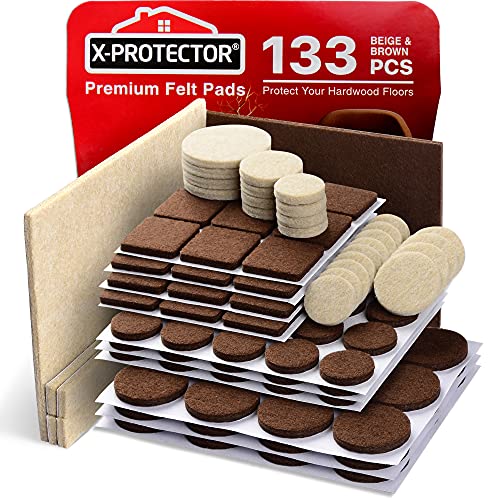
Chairs, storage bins, shoe racks, laundry carts—if they move through the hallway, protect the bottom. Felt pads under static furniture help, and silicone pads help when items slide occasionally. This prevents the “drag marks” that can look like dull stripes along hardwood floors.
From observation, many hallway marks happen during small rearrangements: moving a laundry basket across the runner edge, repositioning a shoe rack, or shifting a waste bin. Adding pads before those moments is far easier than restoring finish later.
Follow finish-specific cleaning chemistry
If your hardwood floors are sealed/polyurethane, use cleaners recommended for that finish type. Oil-finished and waxed floors often require different care, and using the wrong products can dull sheen or compromise film integrity.
A practical rule: if a product label doesn’t clearly state compatibility with hardwood floors and your finish type, treat it as a risk until you verify with the floor’s documentation.
When to consider professional touch-up or refinishing
Protection works best on a healthy surface. Consider a professional touch-up/refinish only when the finish is failing—wear through to bare wood, persistent dullness that doesn’t improve after proper cleaning, or visible roughness where shoes repeatedly land. Otherwise, you may spend time “protecting” an already compromised hardwood floor finish.
According to NWFA maintenance guidance, hardwood floors perform best when you manage indoor conditions and follow manufacturer care recommendations for your finish system () .
Clean and maintain high-traffic hardwood correctly
Cleaning should remove soil without soaking. For hardwood floors in a hallway, a microfiber method plus the right wood-floor cleaner generally protects finish longevity more effectively than more aggressive wet mopping—especially along long hallway runs.
Steam mops can add heat and moisture exposure, which can increase the risk of finish breakdown and dimensional movement in hardwood floors.
Over-wetting turns hallway traffic into a “moisture spread” process across boards, even if the floor looks dry on the surface.
Microfiber cleaning helps because it lifts residue without grinding grit back into hardwood floor finish.
Clean with microfiber and the correct wood-floor cleaner
Use a microfiber mop or microfiber cloth and a wood-floor cleaner designed for hardwood. Prioritize removing residue, not flooding the floor with liquid. If you’re wiping, use a damp (not wet) surface and change pads/cloths when they pick up dirty film—because residue can redeposit and dull the finish of hardwood floors.
As of 2026, many routine cleaning complaints still trace back to leaving cleaner residue on high-traffic hardwood floors in hallways. That residue can attract more dust, making the floor look “dirty” faster.
Avoid steam mops and heavy water use
Avoid steam mops and heavy water usage. Wood expands and contracts with moisture changes, and hallway floors often experience repeated exposure in a concentrated area. Even sealed finishes can be damaged by persistent water penetration at seams, edges, or microgaps over time.
Dry quickly after cleaning
After cleaning, ensure the floor dries quickly. Good ventilation helps, particularly in hallways with limited airflow. Don’t rely on “air-drying later” if spills happen frequently—manage spills immediately and wipe thoroughly.
According to NWFA guidance, controlling moisture exposure is critical to preventing dimensional movement and maintaining finish appearance () .
Prevent scratches from foot traffic and moving items
Scratch prevention on hardwood floors in a hallway is mostly about friction control: reduce grit, reduce drag, and keep movement off the finish. When shoes and objects repeatedly “rub” the same boards, micro-scratches accumulate faster than most homeowners expect.
A “shoe strategy” works because it limits both abrasive grit and moisture transfer onto hardwood floors in hallways.
Clearing debris like sand and salt before it’s ground underfoot prevents permanent finish haze.
Even a single slide during rearranging can leave a lasting mark if the path crosses the main traffic lane on hardwood floors.
Adopt a simple shoe strategy
Encourage slippers indoors or at least quick shoe wiping when feasible. This dramatically reduces how much sand/salt reaches hardwood floors in a hallway. It also reduces the amount of water that needs to be handled at the doorway.
If you have pets, also watch for paw grit and moisture. Pet traffic can behave like continuous “micro-entry” into the hallway, concentrating wear where they walk repeatedly.
Keep walkway paths clear
Before sweeping, pick up larger debris manually so it doesn’t get redistributed. Sand, salt, and paper fragments are especially problematic because they behave like abrasives when dragged across boards.
Protect items during rearranging
Use pads before moving anything across the floor—laundry accessories, shoe racks, bins, carts, and furniture. If the item must cross the hallway, lift when possible. If you must slide, use protection (felt/silicone pads or a floor-friendly slider) and avoid crossing the same spot multiple times.
As of 2026, many hallway “mystery scratches” are still traced to small, repeated slides rather than major accidents—so preventative friction control is the highest ROI step for hardwood floors in hallways.
What can go wrong (common mistakes and edge cases)
Even well-intentioned protection can backfire when the cleaner, backing, or condition of the floor isn’t compatible. The most common failure mode is creating a “new system” that traps moisture or residue on hardwood floors in a hallway instead of preventing wear.
Using generic all-purpose cleaners can dull or break down some hardwood finish systems, especially over time on high-traffic hallway boards.
A runner that stays damp underneath can accelerate discoloration and finish dulling even if it prevents direct shoe wear.
If the floor has active moisture damage, protection steps won’t fix the underlying problem—repair and moisture control come first.
Mistake 1: Using the wrong cleaner
Acidic or harsh cleaners, or “all-purpose” products not meant for wood, can dull or degrade certain finishes. If your hardwood floors are sealed/polyurethane, oil-finished, or waxed, your best results come from finish-specific care instructions from the manufacturer or floor care documentation.
Mistake 2: Letting runners trap grit or moisture
A rug that’s too small, stays dirty, or stays damp underneath can accelerate wear and uneven discoloration. The runner may reduce surface abrasion but increase underside friction and moisture exposure.
Mistake 3: Over-wetting during cleaning
Applying too much liquid—especially with hallway traffic—turns hardwood floors into a moisture-spread system. That can lead to cupping, raised edges, or finish issues depending on the floor’s construction and finish type.
Mistake 4: DIY protection when the floor is already failing
If boards are cupped, gapping is worsening, or you have active moisture damage, protective steps won’t fix the cause. In those cases, you need targeted repair and environmental correction.
Mistake 5: Assuming all hardwood is the same
Engineered vs solid hardwood, and sealed vs unfinished vs oil/wax finishes, change what “safe cleaning” means. Always follow your specific flooring documentation for hardwood floors in a hallway.
For moisture-management targets, wood-flooring associations consistently emphasize controlling indoor humidity to reduce movement; verify the exact recommended range in your floor’s care document () .
Verdict: protect hardwood floors in your hallway (and what to skip)
Protect hardwood floors in your hallway by doing three things: block grit, cover the heaviest traffic path with a wood-safe runner/mat, and clean without soaking. If you do this consistently, you’ll usually see less finish dulling, fewer micro-scratches, and slower visible wear even under steady foot traffic—especially as of 2026 when many households combine pets, deliveries, and wet-weather entry patterns.
The downsides are real: runners can trap grit if you never lift/inspect them, and some non-slip backings can leave residue or scuff if they aren’t compatible with your hardwood finish. Skip or pause DIY protection if you already have moisture damage, significant cupping, or finish failure you can feel with your hand—those situations typically need targeted repair before regular hallway protection can be effective.
Quick checklist (scan/save)
| Task | What it prevents | How often |
|---|---|---|
| Doormat + quick wipe-down at doors | Sand/salt scratching | Daily/each entry |
| Sweep/vacuum hallway debris | Grinding grit into finish | Weekly (more with pets/weather) |
| Runner on the main traffic lane | Finish wear + scuffs | As needed; lift/inspect and shake regularly |
| Clean with microfiber + wood-floor cleaner | Dulling/residue buildup | As needed (often weekly or per traffic) |
| No steam / no soaking | Moisture expansion & damage | Always avoid |
| Felt/silicone pads under furniture | Scratch marks | When items are moved/added |
| Check runner underside for grit | Uneven wear | Every time you deep-clean the runner |
Frequently Asked Questions
How can I protect hardwood floors in a hallway from dirt and scratches?
Use a high-quality entryway doormat and add a second rug inside the hallway to trap grit before it reaches the hardwood floor. Choose a low-pile rug and use a non-slip rug pad to prevent shifting that can scuff the finish. Regularly sweep or vacuum with a floor-safe attachment to remove sand and grit that act like abrasives on hardwood.
What’s the best way to prevent moisture damage on hardwood floors in a hallway?
Immediately wipe up spills and damp mopping is usually risky for hardwood—use a hardwood floor cleaner and a well-wrung microfiber mop instead. In areas where you track in wet shoes (rain or snow), consider a water-resistant mat and encourage dry-off routines at the door. Keeping indoor humidity in a safe range helps prevent cupping, gapping, and finish breakdown.
Which area rugs work best for protecting hardwood floors in a narrow hallway?
Look for runners that have a flat weave or low pile to avoid heavy abrasion where heels and feet concentrate traffic. Pair the runner with a non-damaging non-slip pad designed for hardwood floors, so the pad grips without tearing or leaving residue. Avoid backing materials that can trap moisture or discolor finishes, and clean rugs regularly to prevent dirt buildup.
How do I protect hardwood hallway floors from wear caused by heavy foot traffic?
Apply a fresh coat of floor finish or consider refinishing if the high-traffic areas are dull or worn through, since the finish is the first line of defense. Place felt pads under furniture and any hallway decor items, and avoid dragging items across the floor. For ongoing protection, keep foot traffic grit-controlled with mats and do routine sweeping to minimize micro-scratches.
Why should I use floor protectors and maintenance habits specifically in hallways?
Hallways experience consistent traffic, so everyday particles like sand, dust, and debris can quickly scratch and dull the hardwood finish. Using protective measures—like runners, proper cleaning, and felt pads—extends the life of the wood and helps maintain a uniform finish across the hallway. A consistent maintenance routine also makes it easier to spot early wear before it becomes costly refinishing.
📅 Last Updated: October 16, 2026 | Topic: How to protect hardwood floors in a hallway? | Content verified for accuracy and freshness.