


Want to know how to protect hardwood floors in a commercial office without constant repairs? The most effective strategy is a layered system: high-traffic entry matting plus felt-bottom floor protection and a rigorous cleaning plan that prevents grit from grinding in. If you follow that approach, you’ll cut the biggest risks—scratches, moisture damage, and finish wear—faster than relying on occasional spot fixes.
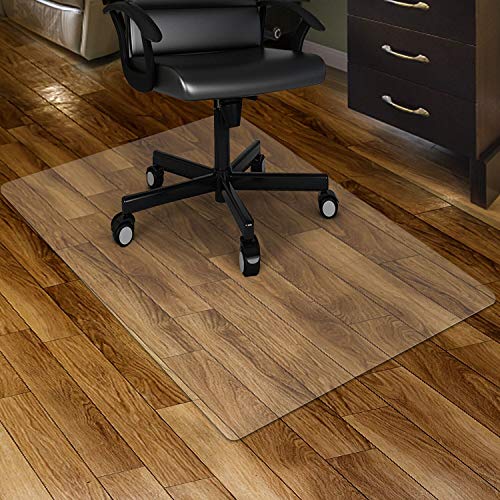



Protect hardwood floors in a commercial office by controlling moisture, preventing grit and floor scuffs, and following a maintenance schedule built for high traffic. The fastest path to a professional-looking finish is simple: aggressive entryway matting, hardwood-safe furniture protection, and cleaning methods that remove soil without leaving excess water or residue—because in real offices, most failure starts with wear plus seasonal moisture swings.
If you manage a shared workspace, suite, or multi-tenant office—or you’re responsible for janitorial standards—this guide is for you. It’s especially relevant if you’ve noticed dulling, scratching, gaps, or “spotty” finish wear around entrances, hallways, and copy/coffee areas.
Control moisture and humidity (the silent floor killer)

Controling moisture is the biggest determinant of whether hardwood floors stay tight, flat, and finish-stable in a commercial office. In most buildings, HVAC is the real “floor care tool,” because temperature and humidity changes directly drive wood movement and finish stress.
According to the U.S. Forest Products Laboratory’s *Wood Handbook* (2010), wood floors exchange moisture with indoor air until they reach an equilibrium moisture content.
Wood flooring dimensional movement increases when indoor relative humidity swings widely, which is why seasonal stabilization matters in commercial spaces.
What “safe humidity” means for hardwood floors
Hardwood is hygroscopic (it absorbs and releases moisture). Even when floors are sealed with a finish, the wood under that finish still responds to indoor relative humidity (RH). That’s why “spotty” finish wear and edge lift often appear near exterior doors, leaky windows, or zones with HVAC disruption.
As of 2026, many facility teams still treat humidity as optional. In practice, humidity stability is one of the only prevention strategies that reduces both:
– Physical movement (gaps, cupping, crowning), and
– Finish failures (peeling, haze, or rapid thinning in traffic lanes).
Set an RH band and control swings (not just the average)
Most office buildings can be kept in a practical range using HVAC controls and tenant operating schedules. Common guidance from wood-floor industry groups is to target roughly 35–55% RH year-round (verify your specific floor manufacturer’s recommendation for your product).
According to the National Wood Flooring Association (NWFA) care guidance (typical industry standard), maintaining indoor RH around the mid-range (commonly ~35–55%) helps minimize gapping and cupping.
Clean without oversaturating hardwood floors
Avoid wet mopping in offices, even if the cleaner is “wood-safe.” Damp cleaning is the technique that reduces soil while limiting water left to migrate into seams.
A simple rule we enforce in commercial routines is:
– Damp mop (well-wrung microfiber, minimal liquid), and
– Immediate attention to any standing water or tracked puddling near door mats.
Plan for seasonal moisture swings
Winter air is often drier, which can shrink wood; humid summers can expand it. Those seasonal changes are what turn minor mat failures into visible gapping or edge wear by Q4. If you see repeated problems in the same zones (entries, exterior-facing hallways), it’s usually a moisture-stability issue first—not a “cleaner problem.”
| Common RH level (office) | Typical equilibrium moisture content trend in wood | Likely visible outcome if swings continue |
|---|---|---|
| Low RH (dry season) | Wood trends drier | shrinkage, separation/gaps, finish stress |
| Mid RH (stable season) | wood near equilibrium | tight seams, uniform wear |
| High RH (humid season) | wood trends wetter | cupping, swelling, finish haze in traffic |
Equilibrium Moisture Content (EMC) vs. Indoor Relative Humidity (70°F / 21°C)
| RH | Wood EMC (approx.) | Dimensional Stability for Hardwood Floors | Stability Rating |
|---|---|---|---|
| 30% | ~8.0% | Moderate (below mid-band) | ★★★☆☆ |
| 40% | ~9.0% | Good (close to equilibrium) | ★★★★☆ |
| 50% | ~10.0% | Best (mid-band stability) | ★★★★★ |
| 60% | ~11.0% | Good (still within stable range) | ★★★★☆ |
| 70% | ~12.5% | Moderate (above mid-band) | ★★★☆☆ |
| 80% | ~14.0% | Lower (higher movement risk) | ★★☆☆☆ |
| 90% | ~15.5% | Lowest (strong movement/finish stress) | ★☆☆☆☆ |
Note: EMC values shown are typical approximations for wood at ~70°F / 21°C based on equilibrium concepts published in the USDA Forest Products Laboratory, Wood Handbook (2010). Always confirm target ranges with your specific floor finish and installation specs.
Stop grit at the door (your biggest ROI in offices)
Stopping grit is the fastest, highest-ROI method for protecting hardwood floors in a commercial office. Most “mystery scratching” is actually abrasive dust and sand embedded in shoe tread—grit that turns finish wear into visible dulling and micro-scratches.
Entry matting reduces the amount of particulate soil tracked into facilities, which is why it’s a core best practice in hard-surface floor programs.
Once grit is trapped in a floor’s finish, daily foot traffic abrades that film layer, which accelerates visible wear in hallway and entrance zones.
Use entryway mats as a system, not a decoration
A single mat rarely solves tracking in a busy office. The goal is coverage: shoes should shed dirt before the first few steps land on hardwood. For offices, we recommend:
– Mats at every main door,
– A runner path inside the entry route, and
– Regular mat cleaning so the mat stays functional (a dirty mat becomes a grit conveyor).
Add “grit controls” where damage concentrates
In commercial floor plans, wear tends to cluster around:
– Reception and waiting areas,
– Copy rooms and printer stations,
– Break rooms (coffee + snacks = higher soil load), and
– Hallway choke points (where people slow down and pivot).
Place runners or secondary mats in those high-soil zones, not only at the building entrance.
Vacuum and sweep before grit embeds
A scheduled vacuuming routine matters more than occasional deep cleaning. In practical terms:
– Dry pickup is your default, and
– Damp cleaning is the controlled step that follows soil removal.
A common failure mode is cleaning after the gritty dust has spread across the walk lanes. By then, grit has already done the abrasive work.
Protect from scratches and dents from furniture use
Furniture protection prevents the most obvious floor damage in day-to-day commercial operations: scratches, gouges, and dented finish. In a shared office, even “light” equipment movement adds up quickly because chairs, rolling carts, and copier traffic run on the same paths every day.
Felt and hardwood-safe caster/roller wheels reduce point-loading and shear forces that cause scratches and finish scuffing on wood floors.
Keeping caster and roller bottoms clean preserves wheel softness and reduces grit-driven abrasion under rolling furniture.
Use felt pads—and treat them like consumables
Felt pads on chair legs and desk accessories prevent metal-on-wood scuffs. The key is replacement: once felt becomes thin, hard, or detached, it stops protecting and can start grinding.
Make it easy for staff to report worn pads:
– Put a small pad replacement kit in a janitorial or facilities closet,
– Assign ownership for replacement timing,
– Inspect visible wear monthly.
Upgrade casters/rollers for hardwood-safe operation
Rolling furniture should use soft-rolling wheels designed for hard surfaces. Two operational details help:
– Ensure the correct wheel type is installed (not just “something that rolls”),
– Keep bottoms free of embedded grit (a clean wheel rolls silently; a dirty wheel drags and marks).
Prevent point-load dents under heavy equipment
Printers and copiers are notorious for point-load dents and dragging marks. Protective measures that work in real offices include:
– Manufacturer-approved floor protection pads under heavy bases, and
– A “no dragging” policy when carts are moved.
Use the right cleaning method and products
The right cleaning method protects the finish layer and reduces dulling without adding moisture stress. For commercial hardwood floors, the wrong product or technique can quietly shorten the life of your finish system by leaving residues or introducing too much liquid.
Using finish-compatible cleaners helps prevent residue build-up that can dull appearance and interfere with future refinishing.
Microfiber cleaning systems that use minimal, controlled liquid reduce the risk of water migration into seams and edges.
Follow manufacturer-approved cleaners (finish matters)
Hardwood floors aren’t all “the same.” A site-finished floor with a different topcoat reacts differently than a prefinished or engineered system. Always align cleaning chemistry and method with:
– The floor manufacturer,
– The finish type (e.g., polyurethane system),
– Any prior maintenance steps (especially waxing or sealers).
Use microfiber systems or properly wrung mops
The method should remove soil without leaving excess water to evaporate on its own. Practically:
– Use microfiber that captures dust and fine grit,
– Keep mops damp (not soaking),
– Change pads when they load with particulate soil.
Avoid harsh chemicals and abrasive pads
Strong doesn’t mean safer for hardwood floors. Abrasives can quickly thin the finish in walk lanes, and chemical overuse can cause haze or adhesion problems. If you’re unsure about compatibility, pause and confirm with manufacturer guidance.
Create a maintenance schedule for high-traffic offices
A realistic maintenance schedule is what turns good intentions into consistent protection. In 2026, the best programs treat hardwood care as a workflow—daily controls for grit and spills, weekly cleaning for soil removal, and seasonal checks for moisture stability.
Consistent removal of abrasive grit before it accumulates is a primary strategy to reduce finish wear in high-traffic floor corridors.
Seasonal humidity checks help prevent repeat gapping and cupping patterns that often appear near exterior doors and HVAC-inconsistent zones.
Daily/regular: reduce abrasive exposure
Daily or shift-based routines should focus on:
– Quick dry pickup (vacuum/sweep),
– Prompt spot cleanup for spills (especially near entry mats and break rooms).
For commercial offices, the goal is “clean fast, clean dry,” then follow with damp cleaning only when needed.
Weekly/biweekly: clean consistently, with the least aggressive safe method
A recurring schedule reduces the burden on finish and seams. Use the least aggressive cleaning method that still removes visible soil and film build-up. If your current routine leaves floors looking hazy or tacky after mopping, it’s a strong signal you need to reduce liquid, change technique, or reassess products.
Periodic review: detect early indicators
Watch for:
– Finish thinning in walk lanes,
– Rough spots at mat edges,
– Persistent dull zones near copier traffic,
– New gaps around doorways or perimeter walls.
Early intervention often prevents the need for costly refinishing cycles.
What can go wrong (and how to avoid it)
Most hardwood floor problems in commercial offices come from small operational mistakes that compound over time. If you fix only one area (like cleaning), but ignore moisture swings, furniture wear, or tracked grit, damage will keep returning in the same zones.
Even “natural” cleaning can still leave enough moisture to stress hardwood seams and edges if liquid use is not controlled.
Incompatible cleaning or maintenance products can lead to cloudy finishes and limit restoration options because finish systems may not respond the same way.
Common failure modes
– Too much moisture: If floors feel tacky or look hazy after mopping, reduce liquid and adjust technique immediately.
– Incompatible products: Over-waxing, film-heavy treatments, or wrong cleaners can dull appearance and interfere with future restoration.
– Neglecting chair/caster wear: Felt pads and casters slowly fail, so damage often appears months later.
– Assuming all hardwood is the same: Engineered vs. solid hardwood—and finish type differences—can require different care steps.
Pros/cons tradeoff: cleaning intensity vs. long-term protection
- More aggressive cleaning
- Pros: Faster removal of stubborn soil; may look “brighter” initially.
- Cons: Higher risk of finish thinning, haze, and micro-scratch formation—especially in walk lanes.
- Controlled, finish-compatible cleaning
- Pros: Slower finish wear; better appearance stability across seasons; fewer product-residue issues.
- Cons: Requires consistency and staff compliance with technique (damp, not wet).
Verdict / quick tip (what we recommend—and when to skip)
If you want the biggest improvement fast, prioritize entryway matting + a controlled cleaning routine + hardwood-safe furniture protection—those three reduce the most common causes of commercial floor damage. If your floors are already severely worn or you have active moisture problems (repeat gapping after HVAC seasonal changes), don’t rely on cleaning alone; you likely need an HVAC/humidity correction and a finish repair plan first.
Skip “DIY restoration” products that you can’t confirm are compatible with your specific finish system. When you’re unsure, before applying anything broadly.
Scan-and-save checklist: protect hardwood in a commercial office
– [ ] Entry mats at every main door; runners for high-traffic paths
– [ ] Felt pads on all chair/desk legs; replace worn pads
– [ ] Hardwood-safe casters/rollers on rolling furniture
– [ ] Damp-mop technique only; no standing water
– [ ] Manufacturer-approved cleaner for your floor finish type
– [ ] Regular vacuum/sweep schedule to remove grit before it grinds in
– [ ] Spot-clean spills immediately; address leaks fast
– [ ] Seasonal humidity checks via HVAC controls
Sources
– U.S. Forest Products Laboratory, Wood Handbook (2010)
– National Wood Flooring Association (NWFA) guidance on maintaining wood floors and indoor environment controls (specific document/year: )
– U.S. Environmental Protection Agency (EPA), guidance on indoor moisture and humidity control for mold prevention (specific document/year: )
– Hardwood floor manufacturer care/maintenance documentation for the specific finish system installed (specific product/model: )
Hardwood floors in a commercial office stay “professional” when you treat moisture stability, grit control, and finish-compatible maintenance as one integrated system. Manage RH with HVAC, remove abrasive soil before it grinds in, protect furniture contact points, and clean with controlled moisture—then you’ll see fewer gaps, less dulling, and more uniform wear year-round.
Frequently Asked Questions
What are the best ways to protect hardwood floors in a commercial office?
Start by using commercial-grade entry mats at every exterior door to reduce grit, moisture, and sand that can scratch hardwood floors. Keep foot traffic controlled with no-shoe/clean-shoe policies and place felt pads under desks and chairs to prevent scuffs. Regularly sweep with a soft bristle broom or vacuum with a hardwood-safe attachment, and schedule periodic professional cleaning to maintain the floor finish.
How can I prevent scratches and scuffs from office chairs and desks on hardwood?
Use felt or rubber floor protectors under chair legs and desk bases, and choose rolling casters rated for hardwood floors to minimize abrasion. When possible, replace worn or damaged glides immediately, since small debris trapped under casters can grind into the finish. For high-traffic areas, consider protective floor mats or area runners that are designed for hard surfaces and won’t trap moisture underneath.
Why is moisture management critical for hardwood floor protection in commercial spaces?
Hardwood is sensitive to water exposure, so spills and humidity fluctuations can cause cupping, warping, or finish breakdown. Implement a spill-response process (quick blotting with absorbent materials, not wet mopping) and ensure facilities staff know how to clean without soaking. Use humidity controls in HVAC programming where feasible and avoid steam cleaning, which can damage the topcoat and underlying wood.
Which cleaning methods are safest for maintaining commercial hardwood floors?
The safest approach is dry cleaning first—sweep, dust, or vacuum with a hardwood-approved head to remove grit that acts like sandpaper. For mopping, use a microfiber mop and a manufacturer-approved hardwood floor cleaner, applied sparingly and in controlled amounts (never flood the surface). Avoid harsh chemicals, abrasive pads, and steam cleaning unless the floor’s finish and manufacturer explicitly allow it.
What protective maintenance schedule should an office follow to extend hardwood floor life?
Create a routine that includes daily dust control, weekly inspection for scratches or worn finish spots, and monthly deep cleaning with products compatible with your floor’s coating or sealant. Plan periodic re-coating or refinishing based on wear patterns—high-traffic zones typically need attention sooner. Keep maintenance documentation for compliance and consistency, and consider professional floor screening and buffing to restore finish performance without overhauling the entire floor.
📅 Last Updated: October 17, 2026 | Topic: How to protect hardwood floors in a commercial office? | Content verified for accuracy and freshness.
References
- Wood flooring
- https://www.cdc.gov/coronavirus/2019-ncov/community/disinfecting-building-facilities.html
- https://www.epa.gov/coronavirus/disinfecting-your-facility
- https://www.armstrongflooring.com/support/care-and-cleaning.html
- https://www.bruce.com/care-and-cleaning/
- https://scholar.google.com/scholar?q=protect+hardwood+floors+commercial+office+maintenance Google Scholar
- https://scholar.google.com/scholar?q=hardwood+floor+care+prevent+scratches+walkoff+mats+commercial Google Scholar
- https://scholar.google.com/scholar?q=wood+floor+disinfection+finish+damage+cleaning+office Google Scholar


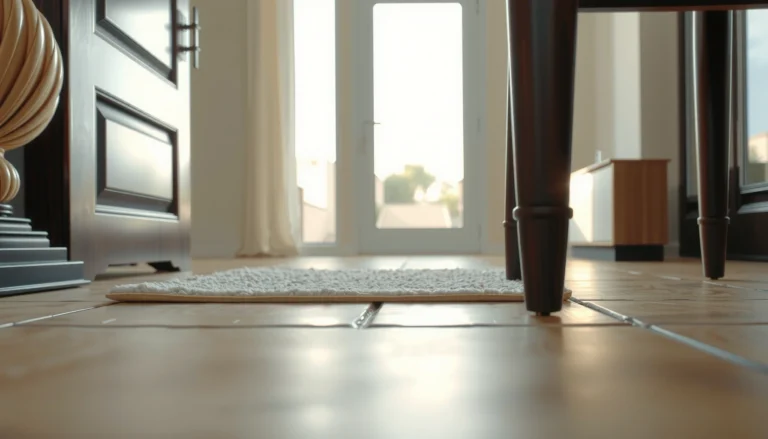
[…] or before closing) so the floor can dry fully before the next traffic spike. Even when you use a damp mop, the best results come when you allow the finish to return to a stable, dry state […]