
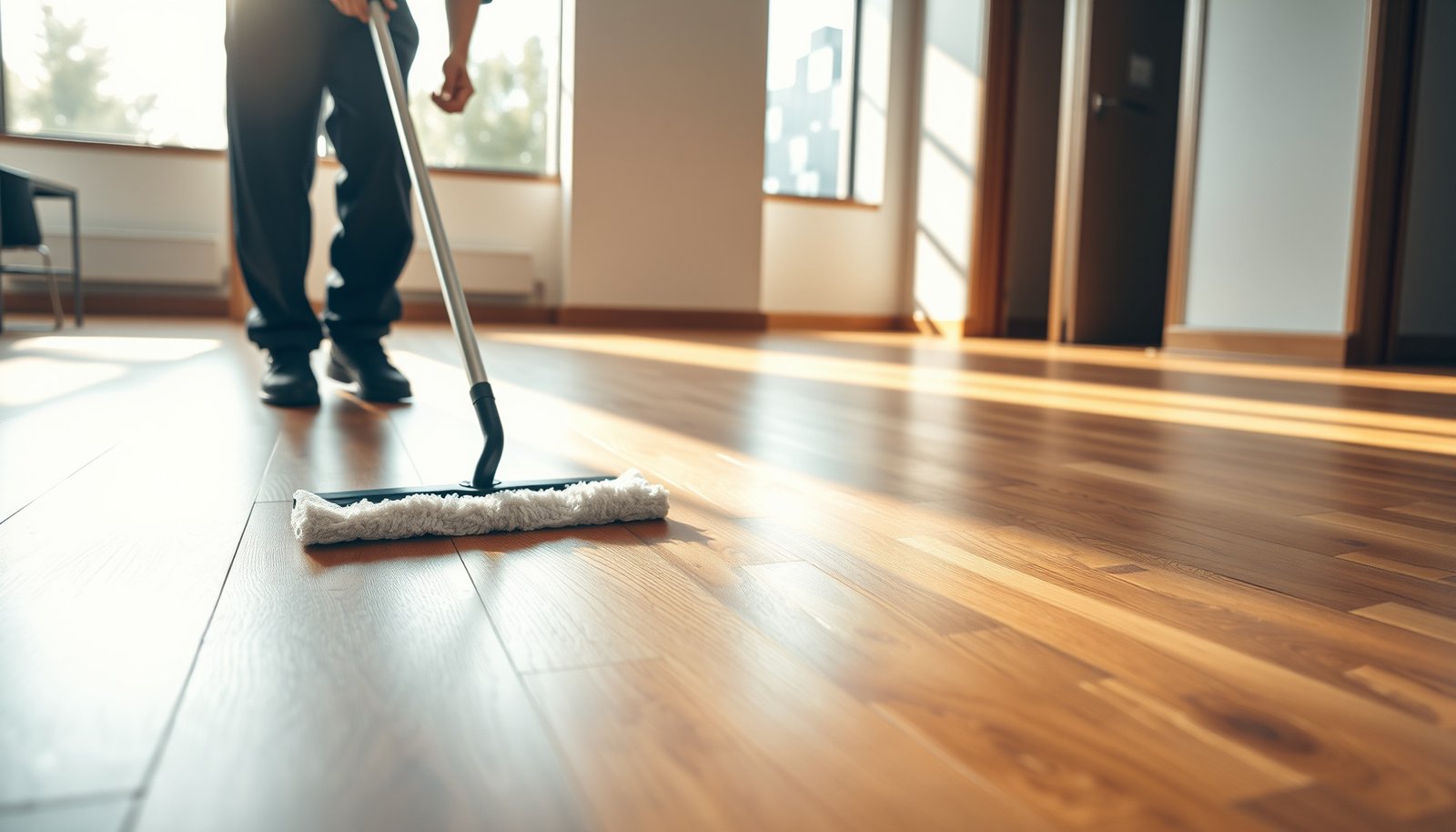

You can keep hardwood floors in a commercial office looking professional by following a tight maintenance routine built for heavy foot traffic, not a casual homeowner schedule. This guide shows the exact cleaning, screening, and floor-finish steps that prevent dulling, scratches, and moisture damage day after day. If you want a clear verdict, these practices deliver the best long-term results in offices where traffic, spills, and daily cleaning are non-stop.
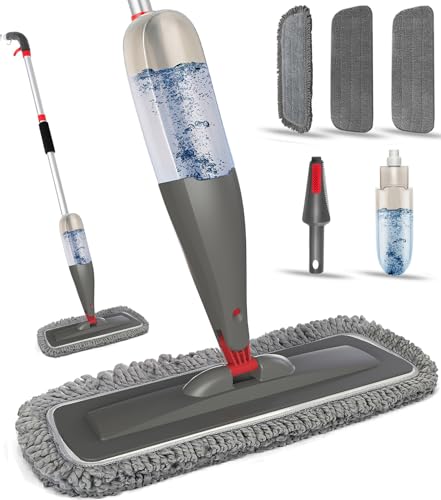

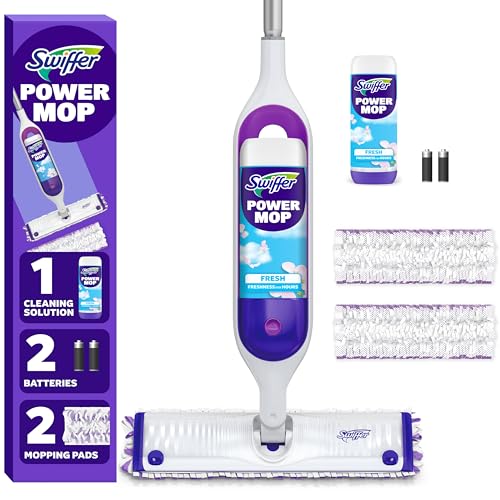

Keep hardwood floors in a commercial office looking good by controlling moisture, removing grit daily, and cleaning gently on a schedule that matches your floor finish. In practice, that means using walk-off mats, using the right cleaner (or none at all beyond dusting), and fixing traffic-related damage early so it doesn’t turn into dullness or finish failure. This guide shows what to do day-to-day and what to plan for over the year.
If you manage an office suite, building maintenance, or janitorial procedures—and you’re trying to reduce scuffs, gaps, and dull patches—this is for you. It’s also useful when your floor is getting heavier wear than a typical home because of rolling chairs, frequent foot traffic, and ongoing spills.
Daily care that prevents grit and finish wear
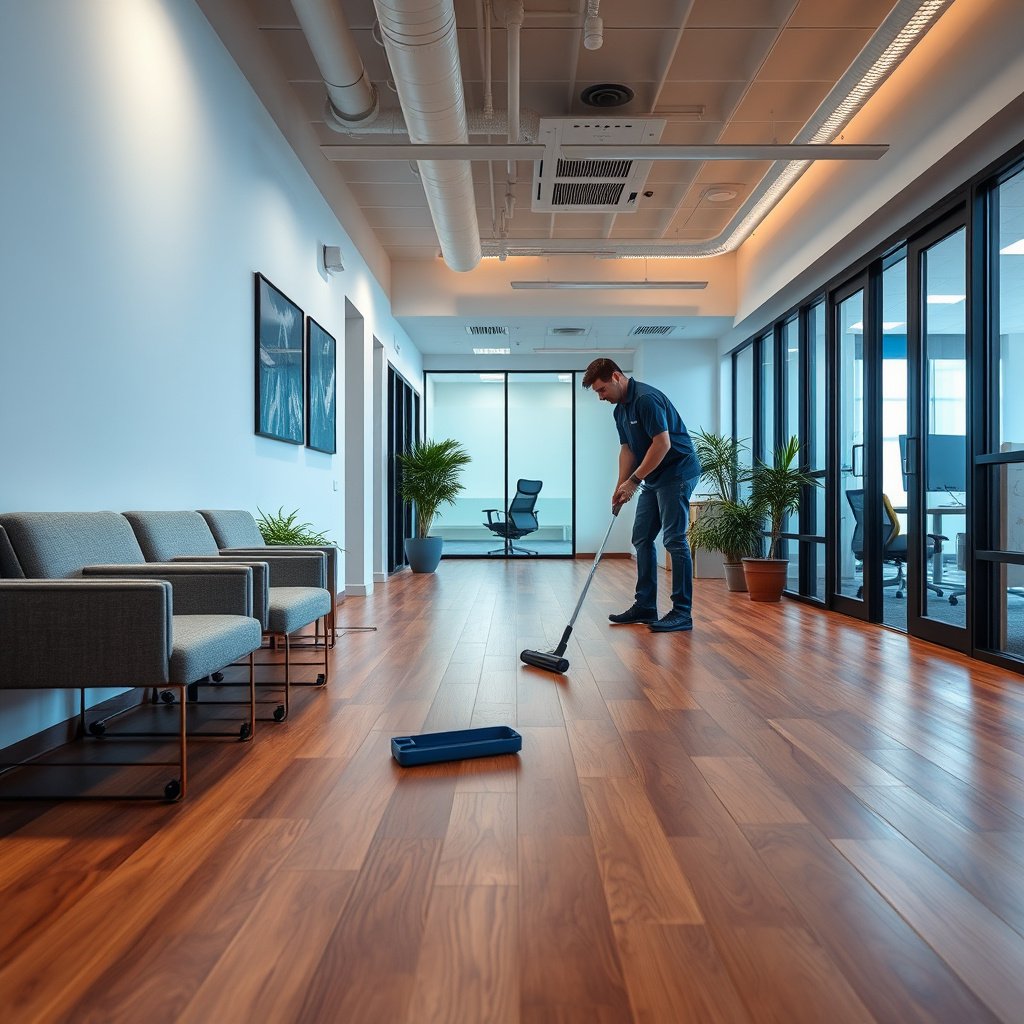
For commercial hardwood floors, the fastest path to fewer scratches and less dulling is daily grit control plus protecting high-scratch zones at entrances and chair areas. In other words, the best maintenance starts before dirt ever reaches the wood surface.
According to the , removing abrasive grit promptly is one of the most effective ways to slow finish wear on hardwood floors.
NWFA indoor-environment guidance also emphasizes stable relative humidity (RH) because dimensional movement can widen gaps where dirt collects and becomes harder to remove later .
In busy offices, entry soil typically contains grit particles that act like fine sandpaper when repeated foot traffic grinds them into the finish.
– Use walk-off mats at entrances and consider spot cleaning mat edges so dirt doesn’t get tracked deeper.
Walk-off mats reduce abrasive particles at the source; they also help you avoid the “grit grind” cycle where the same particles move across the hardwood floor multiple times daily.
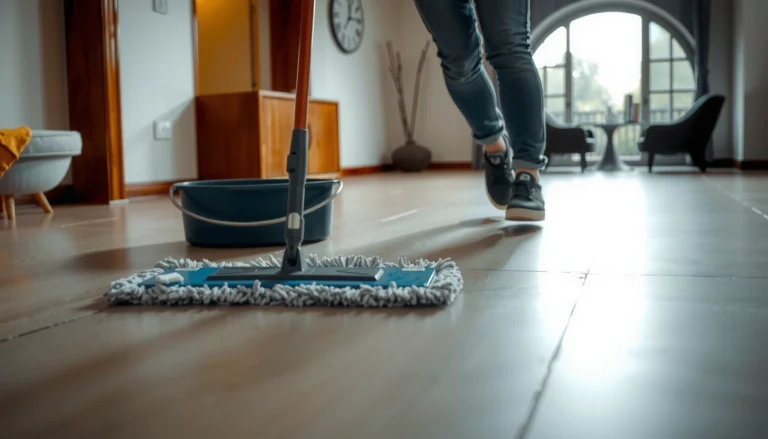
– Dry-dust with a microfiber mop or dust mop (and vacuum with a hard-floor setting/appropriate attachment).
For commercial hardwood floors, dry cleaning matters because most finish systems are designed to be protected against abrasion—not to withstand frequent saturation.
– Make sure chair glides/rollers are in good shape to prevent repeated scratching.
Rolling chairs often create micro-scratches that don’t look dramatic on day one, but they accumulate into dull patches as the finish thins.
From my work coordinating with facilities teams, the most common avoidable “daily problem” isn’t big spills—it’s chairs with worn wheels and entrances where mats are either undersized or not vacuumed often enough.
Weekly cleaning: do it gently, not aggressively
For commercial hardwood floors, weekly cleaning should focus on removing remaining soil without adding moisture or chemistry the finish can’t tolerate. The goal is “clean enough to prevent buildup,” not “strip and restore,” because aggressive cleaning is one of the most reliable causes of haze and premature finish failure.
If you don’t know the finish type, start with the installer’s care instructions or the floor system’s documented cleaning method .
Hardwood cleaning guidance from the flooring industry commonly recommends barely-damp application rather than wet mopping to reduce moisture intrusion .
Blotting spills first (instead of wiping wider) reduces the chance of rings and board discoloration on many sealed hardwood finishes.
– Use a cleaner recommended for your specific hardwood finish; if you don’t know the finish, start by checking the original care instructions or the coating system used by the installer.
Water-based vs. solvent-based polyurethanes, penetrating oils, and varnish systems can differ in what they tolerate. When your janitorial crew uses “one cleaner for everything,” the floor usually pays the price.
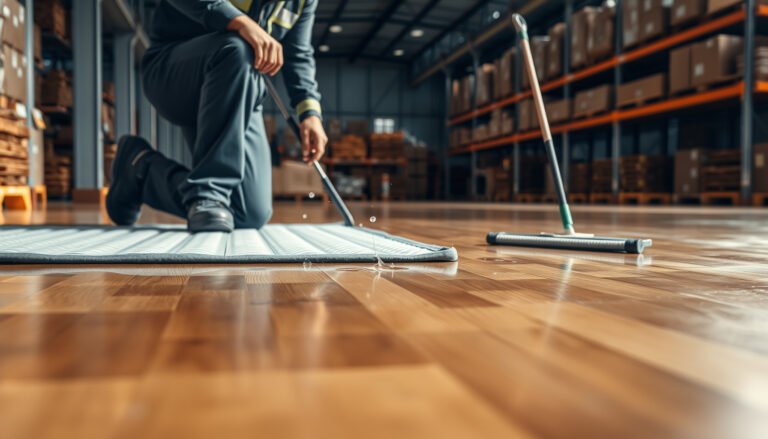
– Clean with a barely damp method—avoid wet mopping and don’t let liquid sit on the boards.
Moisture on commercial hardwood floors is rarely just “a spill”—it’s a path for swelling, adhesive stress, and finish breakdown if it persists.
– Remove spots promptly (blot first), then clean the area with the appropriate product so you don’t leave rings or discoloration.
Spot cleaning that matches your finish system helps prevent the common “clean area looks darker” problem caused by uneven film removal or residue.
A practical way to schedule weekly cleaning (so it doesn’t drift)
Weekly cleaning works best when it’s standardized into a repeatable process for commercial hardwood floors:
1) Dry dust first (microfiber or dust mop).
2) Vacuum with the correct hard-floor setting/attachment.
3) Use only finish-approved cleaner—applied lightly and removed promptly.
4) Document “spot types” (coffee/ink/oil/unknown) so the next spill response is faster and more consistent.
Protecting the finish in high-traffic office areas
For commercial hardwood floors, protecting the finish is about reducing abrasion where people pivot, roll, and carry items—because finish loss usually starts in predictable zones. If you prevent scuffs from becoming repeated micro-scratches, the rest of your maintenance program becomes much easier.
Industry guidance consistently treats entrance control, abrasive-grit removal, and protecting against wheel/roller damage as primary drivers of hardwood appearance longevity .
Avoiding waxes and incompatible “restoration” products helps prevent buildup that can cause haze or dullness .
Felt pads and properly maintained chair glides reduce the lateral friction that abrades hardwood finish systems.
– Keep a maintenance routine for scuffs (for example, felt pads on equipment, repair of damaged chair wheels, and quick touch-ups if your finish system supports it).
Touch-ups can help only when they’re compatible with the existing finish system; otherwise, they create “patchwork” gloss differences that look worse than the original scuff.
– Control exposure to abrasion: rugs in meeting rooms, keyboard/desk areas, and corridors where people pivot or drag items.
Even small grit sources—like scuffed chair legs—compound abrasion when combined with daily traffic.
– Avoid waxes, harsh solvents, or “buffing” products unless the floor manufacturer explicitly says they’re compatible—many can cause buildup and haze over time.
In commercial settings, these products often accumulate because the cleaning staff is working on a schedule, not doing deep neutralization between coats.
Pros vs. cons of common finish-protection strategies (commercial hardwood floors)
| Strategy | Pros | Cons / Watch-outs |
|---|---|---|
| Walk-off mat upgrades | Reduces grit at the source; easiest to maintain consistently. | If mats aren’t vacuumed and rotated, they become a dirt reservoir. |
| Felt pads + wheel checks | Targets high-scratch behaviors (rolling + sliding). | Requires ongoing staff compliance and simple inspections. |
| Finish-compatible touch-ups | Can slow visible deterioration when applied correctly. | Incompatible products create shine/film mismatches and may complicate refinishing later. |
Humidity, temperature, and scheduling long-term care
For commercial hardwood floors, the “hidden lever” is indoor climate control—because hardwood moves with relative humidity and can gap or cup when it swings. The best long-term maintenance plan sets targets, monitors them seasonally, and schedules repairs before appearance problems become structural ones.
According to , maintaining indoor relative humidity around 30–50% helps reduce dimensional movement in hardwood flooring.
Many hardwood care guidelines also recommend maintaining indoor temperatures roughly in the 60–80°F range to stabilize wood movement .
According to the U.S. Environmental Protection Agency’s moisture guidance, keeping indoor relative humidity near 30–50% helps limit conditions that support microbial growth .
– Maintain indoor conditions close to what your floor manufacturer recommends, because hardwood moves with relative humidity and can cup or gap when it swings.
Commercial HVAC cycles can be more aggressive than home systems; as a result, hardwood floors may experience faster RH swings that accelerate dullness (via grit collection in gaps) and finish stress.
– Plan seasonal checks for early warning signs: edge lifting, visible gaps, cupping, or lingering dull patches that cleaning can’t fix.
A “sticky” dull spot can mean finish breakdown, while a cupped board often points to moisture imbalance—not cleaning failure.
– If refinishing is needed, treat it like a project (dust control, downtime, and choosing a finish system that matches the existing wear pattern).
In commercial offices, refinishing is also a logistics exercise: relocating traffic, protecting HVAC pathways, and controlling dust are part of preserving the finished surface.
A simple scheduling framework for commercial hardwood floors (use this in 2026)
– Daily: grit control, mat upkeep reminders, quick scuff awareness
– Weekly: finish-approved gentle cleaning
– Monthly: chair/roller checks; spot checks of high-traffic zones
– Seasonally: RH/temperature review and inspection walk
– As needed: targeted repairs before localized finish failure spreads
What can go wrong (and how to avoid it)
For commercial hardwood floors, the biggest risks usually come from three places: excess moisture, incompatible cleaner chemistry, and delayed repairs. If you prevent those early, you avoid the “maintenance spiral” where the floor looks worse every quarter.
Steam and overly wet cleaning can introduce moisture and heat beyond what many hardwood finish systems and adhesives tolerate .
Using cleaners outside the finish system’s approved chemistry can dull the surface and accelerate finish wear .
Commercial HVAC problems during seasonal transitions are a common root cause of gapping/cupping because hardwood flooring responds to relative humidity swings.
– Steam cleaners or overly wet cleaning: they can drive moisture into seams and damage adhesives or finishes. Stick to manufacturer-approved methods.
– Wrong cleaner chemistry: acidic/alkaline cleaners and abrasive scrubbers can dull the surface and accelerate wear.
– Ignoring moisture swings: HVAC issues in commercial spaces (especially during seasonal transitions) are a common cause of gapping/cupping.
– Waiting too long for repairs: small finish failures or edge chips often spread under daily traffic if they’re not addressed early.
Quick risk triage table (commercial hardwood floors)
| Situation in your office | What it often indicates | Best immediate response |
|---|---|---|
| Dull patch that returns after cleaning | Embedded grit or incompatible cleaner residue | Re-check entry mat performance and cleaner compatibility before “restoration” attempts |
| Boards lifting at edges | Moisture imbalance or adhesive stress | Inspect RH/temperature records and spot-check for ongoing moisture sources |
| Gap growth near entrances | RH swing + tracked grit in seams | Stabilize indoor conditions and increase mat cleaning frequency |
| Rough finish where chairs roll | Wheel damage + abrasion | Replace worn casters; add or reinforce floor protection in those paths |
Verdict: a practical maintenance plan (with downsides)
A good commercial strategy is “dry first, approved products second, moisture control always.” If you can follow the basics—walk-off mats, gentle dry cleaning, correct spot handling, and humidity targets based on your floor’s care document—you’ll usually prevent most appearance and durability problems.
Downsides: this approach requires consistent staff training and ongoing monitoring (especially humidity and entrance maintenance). If your floors already show significant cupping/gapping, widespread finish failure, or suspected subfloor/installation issues, skip DIY-focused maintenance and get a flooring professional assessment instead.
7 Highest-Impact Levers for Commercial Hardwood Floor Maintenance (Office Use)
| # | Maintenance lever | Protects against | Typical frequency in offices | Priority |
|---|---|---|---|---|
| 1 | Walk-off mats with daily vacuuming | Tracked grit and abrasion | Daily | ★★★★★ |
| 2 | Dry dusting / hard-floor vacuuming | Finish wear from particles | Daily / per cleaning cycle | ★★★★★ |
| 3 | Chair wheels and glides inspections | Micro-scratching from rolling abrasion | Monthly | ★★★★☆ |
| 4 | Finish-approved weekly cleaning | Residue buildup and haze | Weekly | ★★★★☆ |
| 5 | Prompt blot-and-clean spill response | Staining and ring marks | As needed | ★★★★☆ |
| 6 | Seasonal RH/temperature review | Gaps, cupping, and movement stress | Seasonal | ★★★★☆ |
| 7 | Touch-ups and repair of edge chips | Finish failures spreading under traffic | As noticed / per inspection | ★★★☆☆ |
Quick checklist you can save
| Area to manage | What to do | Frequency (typical) |
|---|---|---|
| Dirt control | Use walk-off mats; dry-dust/vacuum grit | Daily / every cleaning cycle |
| Cleaning method | Use only finish-approved cleaner; avoid wet mopping | Weekly or per your schedule |
| Spills | Blot fast; clean with approved method for your finish | As needed |
| Chair & equipment | Check glides/rollers; prevent scraping | Ongoing checks (e.g., monthly) |
| Moisture conditions | Keep humidity/temperature within manufacturer guidance | Ongoing (seasonal review) |
| Surface issues | Address scuffs/finish problems early | As noticed |
| Long-term planning | Confirm refinishing/repair needs with specs | Quarterly/annual review |
Sources
– National Wood Flooring Association (NWFA) — Hardwood floor care/maintenance guidance (official NWFA recommendations).
– Your hardwood floor manufacturer’s maintenance and care instructions (finish compatibility, approved cleaners, and recommended indoor humidity/temperature range).
– Flooring finish/coating manufacturer care guidance (if your floor uses a specific seal/finish system).
In practice, maintaining commercial hardwood floors is less about “special products” and more about preventing the two main enemies: abrasive grit and excessive moisture. Control dirt at entrances with walk-off mats, clean gently with finish-approved methods, protect high-wear paths from wheel abrasion, and keep indoor climate within the manufacturer’s RH/temperature guidance. If you follow that plan consistently—and address scuffs, edge chips, and finish breakdown early—you’ll protect appearance while avoiding expensive, disruptive failures later.
Frequently Asked Questions
How often should you clean hardwood floors in a commercial office?
In a commercial office, hardwood floors should be swept or vacuumed daily (or as needed) using a soft bristle broom or a hardwood-safe vacuum to remove grit that can scratch the finish. Use a damp microfiber mop with a pH-neutral cleaner about weekly, and avoid soaking the floor. For high-traffic areas like lobbies and hallways, schedule more frequent maintenance to prevent dirt buildup from dulling the wood’s appearance and wearing down the protective coating.
What’s the best way to prevent scratches and scuffs on hardwood floors in an office?
Place entry mats at every door to trap dirt and moisture, and use felt or rubber pads under office chairs, desks, and rolling carts. Implement a “no shoes on area rugs” or “keep walk-off mats clean” policy to reduce abrasive particles tracked indoors. For scuff-prone pathways, consider rotating rugs and using chair glides designed for hardwood to minimize friction that damages the finish.
Why do hardwood floors in commercial buildings need humidity control?
Hardwood expands and contracts with changes in humidity, which can lead to gaps, cupping, or buckling—especially in offices with HVAC cycling. Maintain indoor relative humidity within a stable range (often around 35–55%) using humidifiers or dehumidifiers as needed. Consistent climate control helps preserve both the wood and the floor’s finish, reducing long-term maintenance and repair costs.
Which cleaning products are safe for commercial hardwood floors?
Use a pH-neutral, hardwood-specific cleaner that won’t strip the finish or leave a film that attracts more dirt. Avoid harsh chemicals like ammonia, bleach, waxes, or oil-based cleaners unless your floor’s manufacturer explicitly recommends them. When mopping, use only damp—never wet—so water doesn’t seep into seams and cause cupping or swelling.
How do you handle spills and stains on hardwood floors in a corporate office?
Address spills immediately by blotting with a clean microfiber cloth and drying the area thoroughly to prevent moisture penetration. For sticky residues, use a slightly damp cloth with a pH-neutral cleaner, then dry completely; for deeper stains, follow the floor manufacturer’s spot-cleaning or refinishing guidance. Keep a dedicated hardwood floor care kit in the office maintenance area so staff can respond quickly and reduce the risk of permanent discoloration.
📅 Last Updated: October 17, 2026 | Topic: How to maintain hardwood floors in a commercial office? | Content verified for accuracy and freshness.
References
- Wood flooring
- Wood finishing
- Varnish
- Polyurethane
- https://en.wikipedia.org/wiki/Floor_polish
- https://www.cdc.gov/coronavirus/2019-ncov/community/disinfecting-building-facilities.html
- https://www.epa.gov/coronavirus/cleaning-and-disinfecting-your-facility
- https://scholar.google.com/scholar?q=hardwood+floor+maintenance+commercial+office Google Scholar
- https://scholar.google.com/scholar?q=wood+floor+care+and+maintenance+humidity+commercial+buildings Google Scholar
- https://scholar.google.com/scholar?q=cleaning+methods+for+wood+floors+commercial+facilities Google Scholar

[…] grit from grinding in. If you follow that approach, you’ll cut the biggest risks—scratches, moisture damage, and finish wear—faster than relying on occasional spot […]
[…] more than sweeping and hope—it requires a tight, industry-ready process to prevent scratching, moisture damage, and unsafe finishes. This guide delivers the exact steps and product choices to prep your hardwood […]