
Prevent scratches on hardwood floors in an apartment by taking control of the three biggest triggers: abrasive grit, moving furniture, and pet or footwear traffic. The fastest path to visible scratch prevention is to keep dirt out with entry mats and floor-safe cleaning, then add felt pads, area rugs in high-walk zones, and protective covers under chairs and carts. Follow these steps and you’ll stop most new damage before it ever makes it past the finish.




Block grit before it reaches the wood and keep anything that moves from rubbing the finish—those two actions prevent most apartment hardwood scratches. Hardwood floors scratch when abrasive sand/dirt is dragged across the surface or when chair/furniture legs contact and rub the finish during everyday movement, and the fastest wins are entry mats plus soft felt pads/glides and a non-abrasive cleaning routine.
If you’re renting, moving furniture often, have pets, or you’re seeing scuffs near doorways, this plan is for you. It’s especially useful when you can’t refinish the floor right away and need prevention that actually fits daily apartment life, including high-traffic entry paths and quick cleanups in between.
Block grit at the door (your #1 scratch cause)
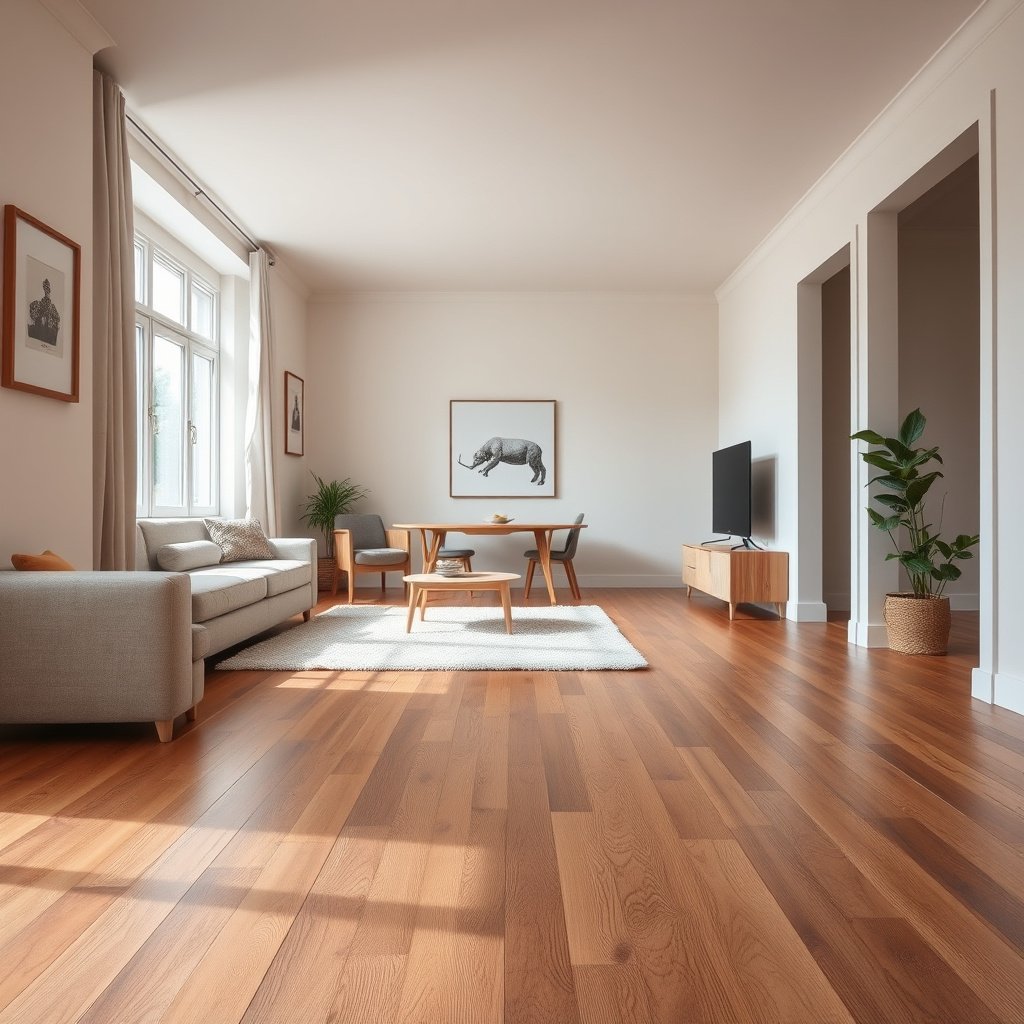
The fastest way to stop scratches is to prevent tracked grit from ever touching the hardwood—your entryway is the “control point” that matters most. In apartment buildings (including 2026 setups with more deliveries and heavier foot traffic), grit is still the #1 driver because once abrasive particles are embedded in shoe treads or paws, they behave like microscopic sandpaper.
According to the U.S. EPA, PM10 refers to airborne particles with diameters of 10 micrometers or less (≤0.01 mm), which fall into the same general size range as many tracked dust particles that can abrade finishes.
The U.S. Geological Survey’s soil texture size classes define sand as larger particles than silt, and clay as the smallest fraction, and that particle-size difference strongly affects how “grindy” tracked dirt can be on floors.
The National Wood Flooring Association (NWFA) recommends cleaning finished hardwood with methods that avoid grinding debris and avoid excess water, because both can accelerate surface wear and future scuffing.
– Put a doormat inside + outside the building entry so people remove loose dirt before it reaches the hardwood. If you only add one upgrade, make it this—outdoor mats stop the big stuff (grit), while indoor mats catch what’s already on the sole.
– Use a non-scratch rug pad under any area rugs to keep edges from sliding and rubbing. A sliding rug edge can create consistent abrasion bands that look like “mystery” scratches, especially in hallways.
– Sweep/spot-clean high-traffic paths frequently (especially right after windy or rainy weather when grit tracks in). If you can, sweep in the same direction (toward you, not back-and-forth) so you’re removing debris rather than redistributing it.
Tracked Grit Particle Size Classes Linked to Floor Abrasion
| Particle Class | Typical Upper-Bound Diameter | How Scratchy It Can Be | Why It Matters on Wood | Abrasive Potential (Higher = More) |
|---|---|---|---|---|
| Coarse sand | ≤ 1.0 mm | ★★★★★ | Big particles act like coarse grit | 1.0 mm |
| Medium sand | ≤ 0.5 mm | ★★★★☆ | Can leave visible scratch lines | 0.5 mm |
| Fine sand | ≤ 0.25 mm | ★★★☆☆ | Still abrasive under foot traffic | 0.25 mm |
| Silt | ≤ 0.05 mm | ★★☆☆☆ | Fine particles grind over time | 0.05 mm |
| Clay | < 0.002 mm | ★☆☆☆☆ | Smaller, but can still abrade | 0.002 mm |
| PM10 dust | ≤ 0.01 mm | ★★☆☆☆ | Tracks in from outdoors/air | 0.01 mm |
| Ultrafine particles | < 0.001 mm | ★☆☆☆☆ | Less “grindy,” but persistent wear adds up | 0.001 mm |
Why this helps: these size classes matter because scratches aren’t usually caused by “random dust”—they’re caused by abrasive particles pressed into a finish and dragged across it. The engineering-controls framing (a “do this to stop the hazard at the source” mindset) applies well here: mats and vacuum routines reduce the grit concentration before it reaches the wood.
Protect furniture legs and common scratch spots
The most effective apartment fix is simple: stop hard material from touching the floor directly. Furniture movement is a close second to grit because even small repeated rubs can wear down a topcoat, especially near high-use paths like between rooms and under kitchen stools.
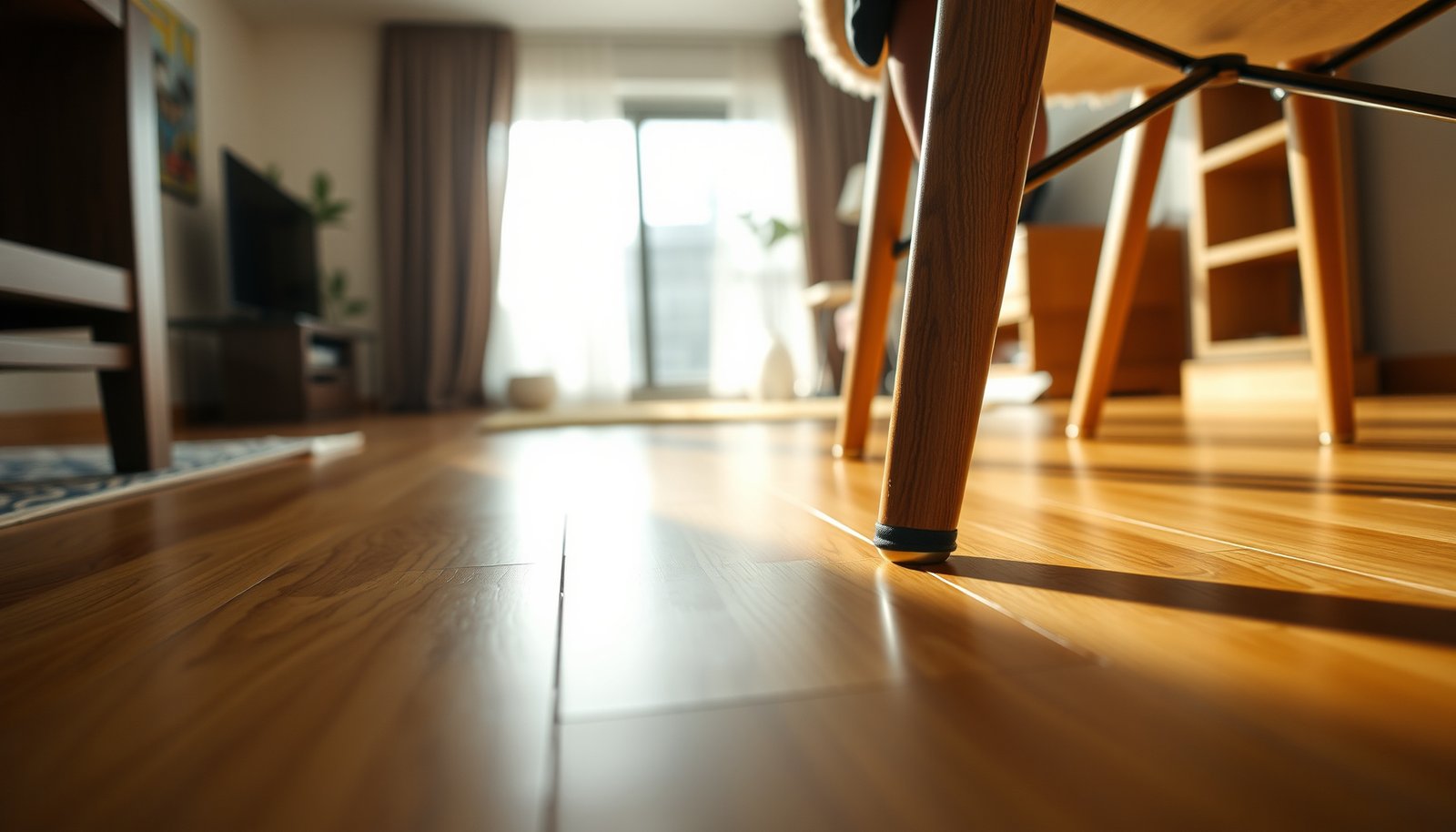
Hardwood-finish wear accelerates when rigid edges repeatedly contact the surface; felt pads and hardwood-safe glides are designed specifically to prevent direct abrasion on finished wood.
If you use rolling chairs, wheel material matters: hardwood-safe casters are formulated to reduce scuffing compared with hard, non-compliant wheel types.
The NWFA’s maintenance guidance emphasizes preventing finish wear by avoiding abrasive contact and using proper cleaning methods rather than “scrubbing it back.” National Wood Flooring Association (NWFA) guidance on caring for finished hardwood
– Add felt pads or furniture glides to chair legs, tables, and anything that’s moved—then replace them when they wear thin. In my own apartment setups and relocations, the scratch pattern typically starts where pads thin out first (usually near the front legs of chairs and stool bases); .
– For chairs with wheels, switch to hardwood-safe casters (soft/roller style made for hard floors) or consider a chair mat. A chair mat also spreads load and reduces point contact under rolling chairs.
– Keep “scratch zones” in mind: entryways, under kitchen stools, and the path between rooms tend to collect the most abrasion. Mark these zones mentally and inspect them monthly—spot repairs to pads prevent hundreds of future micro-scratches.
Practical tip for renters: when your lease layout forces frequent rearranging, treat pads/glides as disposable consumables rather than “set-and-forget” parts. You’ll get more scratch prevention per minute by replacing worn felt than by trying to polish scuffs out.
Quick comparison: how different “floor-contact” solutions behave
| Option | Pros | Cons / Watch-outs |
|---|---|---|
| Felt pads | Low-friction, excellent for legs and small furniture | Wears down; can collect grit and become scratchy |
| Hardwood glides | Designed for smoother sliding with better durability | May need size/shape matching; replace when edges chip |
| Chair mats / rolling protectors | Protects a wider zone under wheels | Some mats shed or shift; keep edges anchored |
| “No-pad” furniture dragging | Fastest in the moment | Creates visible scratches and finish loss quickly—especially near edges |
Choose cleaning tools that won’t grind the finish
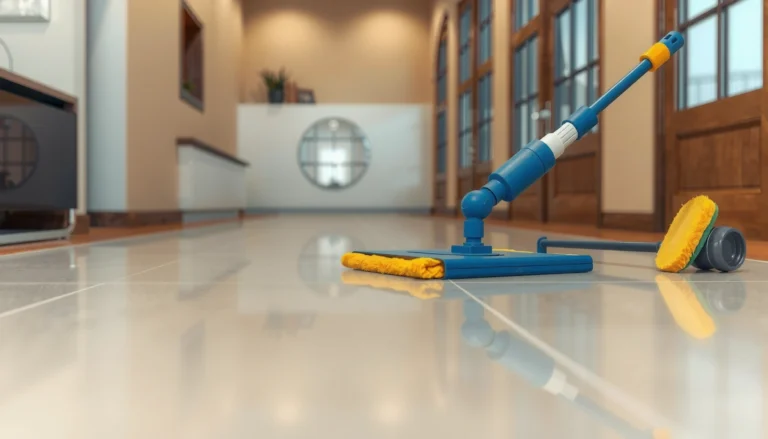
The safest cleaning approach is “remove grit first, then clean with minimal moisture.” For finished hardwood in apartments, grinding happens when the tool is too abrasive (hard bristles, rough pads) or when you use excess water that softens grime and redistributes it into micro-abrasions.
NWFA maintenance guidance for finished hardwood emphasizes cleaning methods that avoid soaking; excess water can damage finishes and increase surface wear.
Using a vacuum with a hardwood setting and a non-scraping brush head reduces the risk of dragging debris across the floor compared with hard bristles.
Dry dusting with microfiber tools helps lift abrasive particles before they’re moved by mopping or spot cleaning. NWFA and manufacturer care guidance for finished hardwood
– Dry-dust or sweep with a soft broom/microfiber mop designed for finished hardwood, then follow with a barely-damp cleaner only when needed. If you’re cleaning a kitchen path, do a dry sweep first so you’re not turning grit into paste.
– Vacuum using a hardwood setting and a brush head that doesn’t scrape; avoid hard bristles. If your vacuum has adjustable height, set it so the head glides without rubbing the finish.
– Skip abrasive pads/brushes and avoid soaking the floor—excess water can damage finishes and make future scuffing worse. As of 2026, manufacturers still commonly warn against steam and over-wetting for many finished floors because it can compromise adhesion and accelerate finish deterioration.
If you’re choosing cleaners, align with your floor’s finish type (polyurethane vs. oil/wax vs. penetrating sealer). Since many apartment floors are prefinished, start with the manufacturer-recommended product—Bona-style “hardwood floor cleaner” categories are often formulated to be low-residue and finish-compatible, but you should still follow the specific care instructions for your flooring.
Manage pets, shoes, and everyday habits
The surest reduction in scratches comes from controlling the “abrasive delivery system”: nails and shoe treads. In 2026 apartment reality, pets and shoes are constant—so you need habits that work even when you’re busy.
Keeping pet nails trimmed reduces the chance of “claw micro-scrapes” that create visible scuffing on finish surfaces.
Shoe friction acts like controlled sanding when gritty soles are allowed indoors; soft-soled indoor footwear reduces abrasive transfer compared with street shoes.
Lifting instead of dragging prevents instant surface scoring, which is more difficult to “clean away” than haze or superficial grime.
– Trim pet nails regularly, and consider nail caps if your pet is prone to sudden floor-scraping. If you hear a sharp “click” sound on hardwood, that’s often your cue that nails are due for trimming.
– Encourage “no shoes” indoors or use soft-soled indoor footwear so sand can’t act like sandpaper. This is especially important in winter and after rain when grit is damp and sticks.
– Don’t drag items across the floor—lift when possible, or use a protective moving pad for temporary moves. For short moves (like sliding a vacuum, moving a basket, or repositioning a laundry hamper), a moving pad can prevent a scratch in seconds.
One often-missed detail: chair legs and pet traffic overlap. If your pet runs around chairs, the scratch risk concentrates where pads are already thinning. Combine nail trimming with pad replacement for the best results.
What can go wrong (and when to adjust)
Even with good habits, a few edge cases can still cause scratches—usually through pad failure, wrong mat materials, or moisture/heat damage. When prevention starts “working,” you’ll still want a feedback loop so you catch new problems early.
Felt pads can harden, compress, or wear through; if you hear scraping or see new streaks, replacing pads often stops the abrasion immediately.
Some “rubber” mats and pads can grip or shed material; testing on a hidden area helps confirm they won’t leave residue or scratch.
Steam cleaning and harsh chemicals can be risky on many finished hardwood floors; follow your flooring manufacturer’s care guidance instead of guessing. Manufacturer care documentation for finished hardwood flooring
– Felt pads can harden or wear down—if you hear or feel scraping, replace them (and check chair legs for sharp edges). Worn pads can behave like a hard abrasive, especially when grit gets trapped under them.
– Some “rubber” mats or pads can leave residue or grab the finish; test a small hidden area first. If you notice discoloration, streaking, or tackiness after placement, remove and switch to a hardwood-safe rug pad.
– Steam cleaning and harsh chemicals can be risky on many finished hardwood floors—follow your floor’s care guidance rather than guessing. Also remember humidity control: wood is sensitive to indoor conditions, and dramatic swings can stress finishes and increase vulnerability to scuffing.
A final apartment-specific point: if your unit has HVAC vents that blast directly at the floor, surface wear can concentrate near the airflow path. NWFA-style guidance typically recommends maintaining stable indoor relative humidity (often in the 35–55% range) to reduce wood/finish stress National Wood Flooring Association (NWFA) indoor humidity guidance. As of 2026, stable conditions remain one of the most reliable “long-game” scratch prevention strategies.
Verdict + quick checklist (save this)
If you do only two things—mat at entrances + soft protection on furniture legs—you’ll prevent most everyday scratches. This prevention approach is realistic for renters because it doesn’t require refinishing right away; however, it does require small ongoing upkeep (pad replacement, mat cleaning, and nail trims), and it won’t prevent deep gouges from major impacts or large debris that still gets tracked in.
Entry mats reduce the abrasive grit load reaching finished hardwood, which is why they consistently outperform “aggressive cleaning” as a scratch-prevention strategy.
Soft pads/glides prevent rigid contact during chair and furniture movement, which reduces finish wear and the formation of repeated scratch bands.
Stable indoor humidity helps protect wood and finishes; wide swings can increase susceptibility to wear and surface damage over time. NWFA guidance on indoor relative humidity
| Do this | Why it helps | Quick check |
|---|---|---|
| Entry mats inside/outside | Stops grit before it hits the floor | Replace/clean mats often |
| Felt pads/glides on legs | Prevents hard contact and rubbing | Press a leg lightly—shouldn’t scrape |
| Hardwood-safe vacuum/sweep | Avoids grinding the finish | Use soft heads only |
| Trim pet nails | Reduces claw scuffs | Look for nail “clicking” |
| Lift, don’t drag | Prevents instant surface damage | If it won’t slide easily, lift |
Who should skip parts of this plan: if your hardwood has unknown finish chemistry (or you don’t know whether it’s sealed/polyurethane vs. oil-finished), be cautious with cleaners and adhesives around mats. Stick to the flooring manufacturer’s care instructions and consider consulting your landlord/flooring installer before changing pad materials.
Frequently Asked Questions
What are the best ways to prevent scratches on hardwood floors in an apartment?
Start by adding protective floor coverings where wear is highest, such as area rugs in entryways and near couches, and use felt pads under furniture legs. Keep pet nails trimmed and consider claw caps to reduce hardwood scratch risk from everyday movement. Also use a soft-bristle broom or vacuum with a hardwood brush attachment to avoid grit-driven scratches from dust and debris.
How can I stop my furniture from scratching hardwood floors in my apartment?
Install felt or rubber furniture pads on every chair, table, and sofa leg, and replace them when they thin out. For items that move frequently, use anti-scratch sliders or castor wheels designed for hardwood flooring. When rearranging, lift heavy furniture instead of dragging it—dragging is one of the fastest ways to create visible scratches on wood.
Why do hardwood floors get scratched even when I’m careful, and how can I prevent it?
Many apartment floor scratches come from abrasive particles like sand that get tracked in from shoes or fall off pet paws, acting like sandpaper. Use a doormat at each entrance, wipe or vacuum entry rugs regularly, and establish a “shoes-off” or “soft-soled shoes only” rule if possible. Routine cleaning with a microfiber mop or hardwood-safe cleaner helps remove grit before it can scratch the surface.
Which rug type and placement helps protect hardwood floors from scratches without damaging the wood?
Choose low-pile area rugs with a non-slip rug pad that’s specifically safe for hardwood floors, such as felt or thin rubber pads without harsh adhesives. Place rugs in high-traffic zones like hallways, living rooms, and under dining chairs to reduce scuffing and scratching from foot traffic. Avoid rugs with backing that can trap moisture or stain the finish, and lift rugs occasionally to clean underneath.
How do I protect hardwood floors from pet scratches and claw damage in an apartment?
Keep your pet’s nails trimmed regularly and smooth any sharp edges with a nail file to reduce gouges in hardwood flooring. Consider using nail caps or scratching deterrent training, and provide an appropriate scratching surface elsewhere so claws aren’t driven to the floor. For added protection, use a durable pet-friendly rug in their favorite area and replace worn rug pads or furniture pads as they lose grip.
📅 Last Updated: October 17, 2026 | Topic: How to prevent scratches on hardwood floors in a apartment? | Content verified for accuracy and freshness.
References
- wood floor finish abrasion resistance – Search Results – PubMed
- wood coating scratch resistance – Search Results – PubMed
- https://www.sciencedirect.com/search?qs=hardwood%20floor%20scratch%20resistance%20coating
- wood floor scratching | Nature Search Results
- Home | National Wood Flooring Association | NWFA
- https://www.bruce.com/support/
- https://www.armstrongflooring.com/support/
- https://scholar.google.com/scholar?q=prevent+scratches+hardwood+floor+furniture+pads+apartment Google Scholar
- https://scholar.google.com/scholar?q=hardwood+floor+finish+abrasion+resistance+wear Google Scholar
- https://scholar.google.com/scholar?q=impact+of+shoe+traffic+on+wood+floor+surface+scratching Google Scholar