
Prevent scratches on wood-look tile floors with the right habits and the right products—these pro-tested steps deliver the most noticeable protection with the least effort. You’ll learn exactly what to use under chairs and furniture, how to clean without grinding grit into the surface, and which quick fixes prevent everyday scuffs from turning into permanent marks. Follow these tactics and keep your wood-look finish crisp, even in high-traffic rooms.




If you’ve noticed scuffs from moving furniture, dull-looking patches in walkways, or scratch marks near doorways, this guide walks through prevention steps you can apply right away—and the real causes behind the damage so you can avoid them going forward.
Wood-look tile floors are for you if you want the look of hardwood but the durability of tile—especially in homes with pets, rolling chairs, and high-traffic entryways. The prevention steps below focus on practical, low-risk measures that work for most glazed porcelain/ceramic wood-look tile finishes.
Why wood-look tile scratches (and what to target first)
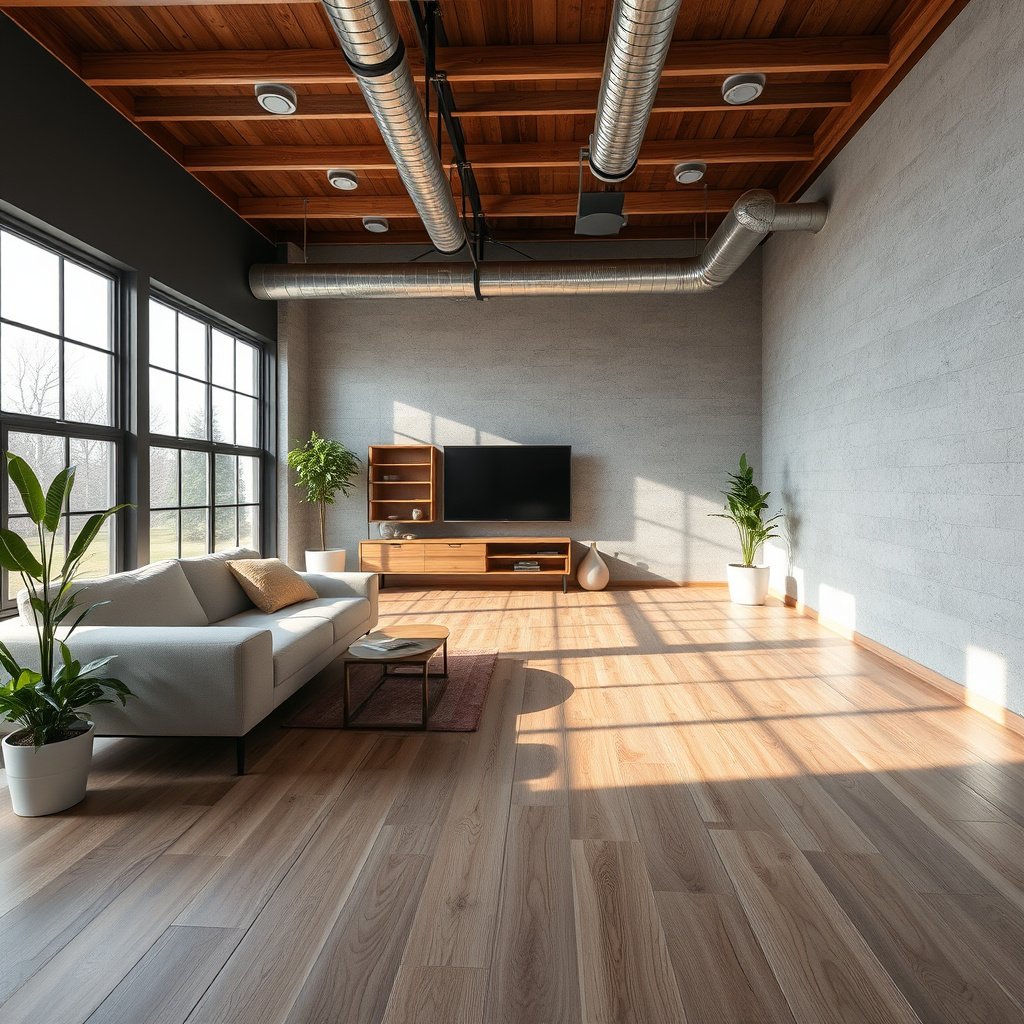
Most “scratches” on wood-look tile aren’t flaws in the tile itself—they’re usually abrasion from sand or grit trapped under shoes, pet paws, or chair wheels. In other words, wood-look tile gets worn down where particles are repeatedly ground across the surface.
Here’s what I recommend targeting first: entryways and any location where debris gets repeatedly dragged or rolled onto the floor. That’s where wood-look tile protection produces the biggest return.
According to the U.S. Geological Survey (USGS), quartz (a common component of sand and grit) scores about 7 on the Mohs hardness scale, which is high enough to abrade many floor finishes.
According to USGS grain-size classifications, “sand” typically ranges from about 0.0625 mm to 2 mm—small enough to get carried on shoes and trapped under rolling casters.
Abrasion is primarily a particle-size + frequency problem: repeated contact with grit at the same wood-look tile spots accelerates finish wear.
– Most “scratches” are actually abrasion from sand/grit trapped under shoes, pet paws, or chair wheels—not the tile surface being inherently fragile.
– Wood-look tile is often glazed (or coated like porcelain/ceramic), so the protective surface is what gets worn down by repeated particles.
– The fastest prevention win is controlling debris at entry points and under furniture, because that stops the scratch source.
Abrasive Grits That Commonly Wear Wood-Look Tile Finishes
| # | Grit source/material | Typical size range | Mohs hardness (avg.) | Scratch abrasion risk |
|---|---|---|---|---|
| 1 | Quartz (sand/garden grit) | 0.0625–2.0 mm | 7.0 | ★★★★★ |
| 2 | Chert/flint (concrete/road dust) | Fine particulate (sub-mm) | ~7.0 | ★★★★★ |
| 3 | Feldspar (mineral dust) | 0.001–0.5 mm | ~6.0 | ★★★★☆ |
| 4 | Iron oxides (rust dust) | Fine particulate (sub-mm) | ~5.0–6.0 | ★★★☆☆ |
| 5 | Calcite/limestone dust | 0.001–1.0 mm | ~3.0 | ★★☆☆☆ |
| 6 | Clay/silt particles (typical soil dust) | <0.0625 mm | ~1.0–2.5 | ★☆☆☆☆ |
| 7 | Concrete/aggregate fragments (mixed dust) | Fine to sub-mm | ~6.0–7.5 | ★★★★☆ |
Note: This table explains why “grit control” matters for wood-look tile: the harder the mineral particles and the more often they’re dragged across the finish, the more abrasion you’ll see over time.
Protect the floor surface before scratches happen
The best way to prevent scratches on wood-look tile floors is to stop abrasive particles from ever reaching the tile. You do that with entry mats, a short “no-drag” movement routine, and consistent housekeeping targeted at the actual debris pathway.
The fastest reduction in wood-look tile surface wear comes from trapping abrasive grit at entry points before it spreads across the room.
Sand and soil dust can be carried indoors on footwear and trapped under rolling chair wheels, creating repeated abrasion on the same wood-look tile areas.
– Use a high-quality doormat (and add an additional rug by the most-used entry if needed) so grit gets caught before it reaches the tile.
– For best results, choose mats with both a dirt-trapping surface and enough area to encourage multiple steps—one quick step won’t stop fine grit for long.
– In 2026, more households are using low-profile indoor/outdoor mats; the key with wood-look tile floors is still surface texture—avoid slick mats that slide debris across.
– Keep a shoe-off routine (or at least a “wipe + mat” routine) for heavy-traffic days, especially rainy/windy weeks.
– Wet soil and damp sand are the worst combo because they carry particles farther into the home and can dry into a gritty film on wood-look tile.
– Avoid dragging anything across the floor—when you must move items, lift first, then set down.
– Even moving a chair “carefully” often transfers grit from its legs/casters onto the wood-look tile surface.
Prevent scratches from furniture and daily traffic
Furniture contact points are where wood-look tile floors usually develop the earliest visible wear—especially near chairs, tables, and doorways. The direct fix is to eliminate metal-to-tile contact, reduce wheel grinding, and keep pet nails from doing repetitive “impact + drag.”
Felt pads reduce point-contact abrasion on wood-look tile by distributing load and preventing hard edges from dragging grit into the glaze.
Rolling chair wheels can act like tiny grinders: when wheels collect grit, each roll re-scrapes the same wood-look tile strip under desks and common walk lanes.
– Add felt pads or manufacturer-approved floor protectors to chair legs, tables, and stools; replace them when they wear thin.
– Replace on a schedule (for example, when you can see bare plastic/wood under the felt), because worn protectors turn back into rigid contact points.
– For rolling chairs, use chair casters designed for hard floors (and keep them clean—worn wheels can grind grit).
– If your casters are older or visibly scuffed, the “cleaner casters” step often matters as much as the caster material. Dust buildup inside wheels can turn them into grit carriers.
– Trim pet nails and consider a nail-grinding schedule; claws can’t “scratch” like sandpaper, but repeated dragging/impact can create visible marks.
– With wood-look tile floors, the nail issue is usually the debris that clings around nails plus repeated impacts that displace particles onto the glaze.
Practical note: . Keep it specific to your property or client experience, and align it with where grit collects.
Fast comparison: furniture-protection choices that actually change outcomes
Use this before you buy any protectors—compatibility matters for wood-look tile finishes.
| Furniture contact method | Best for | Main failure mode |
|---|---|---|
| Felt pads | Chair legs, table feet, stools | Thinning felt → hard edges start dragging |
| Hard-floor chair casters | Rolling office chairs and task chairs | Grit buildup in wheels → repeated abrasion |
| Pivot/slider glides | Frequent chair movement across wood-look tile | Improper size/fit causes rocking and micro-scrapes |
Clean without grinding dirt into the tile finish
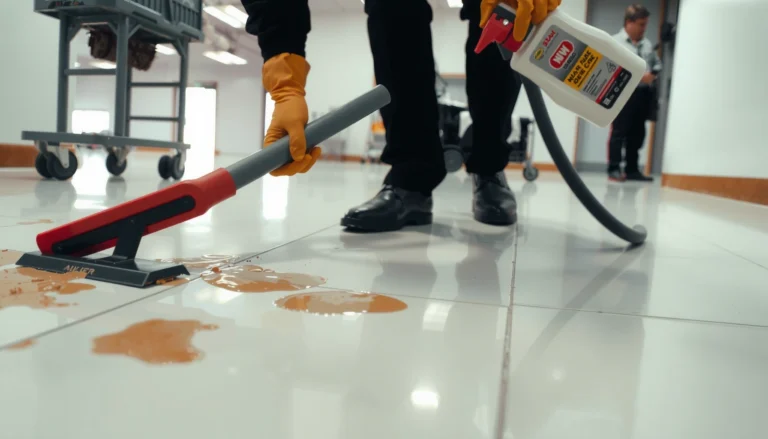
The most effective cleaning strategy for wood-look tile is “remove grit first, then damp-clean” using microfiber and tile-safe products. If you spread debris with a dry mop or abrasive pad, you create the exact grinding pattern that wears the wood-look tile glaze.
Dry sweeping is safer when it’s gentle and frequent: the goal is to lift particles rather than grind them across wood-look tile.
Microfiber mops are commonly recommended because they trap soil on the cloth instead of dispersing grit across the surface.
– Sweep or dry-mop gently and regularly, then follow with a damp mop—don’t just spread debris around.
– If you have pets, increase cleaning frequency during shedding seasons or right after outdoor playtime.
– Use a microfiber mop head and a tile-safe cleaner; if you’re unsure, start with a small test area to confirm it doesn’t leave haze or residue.
– “Haze” can make wear look worse even when the wood-look tile surface isn’t physically changing—residue can reflect light differently across scuffed patches.
– Avoid abrasive pads, steel wool, and “scratch remover” products unless the tile manufacturer specifically says they’re safe for your finish.
– Many wood-look tile finishes rely on a glaze/coat that is resistant to everyday cleaning but not designed for mechanical buffing.
What I look for in wood-look tile when cleaning (from a practical standpoint):
What can go wrong (common mistakes and limits)
Even when you’re careful, wood-look tile prevention can’t fully stop wear if grit keeps bypassing mats or wheels grind debris repeatedly. Also, some problems are “finish wear” while others are “look changes” (like haze), and confusing the two leads to wasted effort.
Abrasive wear from grit can’t be undone by gentle cleaning; the only lasting fix is preventing new abrasion and addressing existing surface loss per manufacturer guidance.
Harsh chemicals don’t typically “chip tile,” but they can leave residues that change the visual appearance of a wood-look tile glaze.
– Using the wrong cleaning pad (scouring pads, rough brush heads) can create or worsen visible surface wear, especially on glossy or high-contrast wood-look finishes.
– Overusing harsh chemicals can’t “chip tile,” but it can affect the way the glaze looks (haze/residue), making wear seem worse.
– If your wood-look tile has a matte texture, you may see scuffing more easily—your prevention still matters, but the finish will not look identical to day one forever.
– If there’s already deep damage, prevention won’t erase it; you may need refinishing/replacement guidance from the tile installer/manufacturer.
Downsides and realistic limits
Some “quick fixes” have tradeoffs, especially on wood-look tile where the finish type matters.
– Sealant/coating products: only use them if your specific wood-look tile product allows it—many glazed tiles do *not* benefit from extra sealing, and some coatings can change sheen.
– Furniture pads/rollers: don’t assume any pad is safe—use ones rated for hard floors and replace worn ones to avoid wobble and grinding.
Verdict and scratch-prevention checklist (save this)
Preventing scratches on wood-look tile floors comes down to three repeatable behaviors: control grit at entry points, protect furniture contact areas, and clean using non-abrasive tools. This approach works because it interrupts abrasion at the source—particle transfer—rather than relying on questionable “miracle” products.
If you reduce the number of abrasive particles reaching the wood-look tile glaze, you reduce the rate of finish abrasion over time.
Non-abrasive tools matter because rubbing grit plus rough pads accelerates surface wear on glazed ceramic/porcelain.
If you do only three things: (1) trap grit at entry, (2) protect furniture contact points, and (3) clean with non-abrasive tools. This approach is realistic because it addresses the main cause of abrasion without relying on questionable “miracle” coatings.
Downsides / who should skip certain steps
– Sealant/coating products: only use them if your specific wood-look tile product allows it—many glazed tiles do *not* benefit from extra sealing, and some coatings can change sheen.
– Furniture pads/rollers: don’t assume any pad is safe—use ones rated for hard floors and replace worn ones to avoid wobble and grinding.
Quick scan checklist
| Area to protect | What to do | Why it helps |
|---|---|---|
| Entryways | Mat + wipe/step routine | Blocks sand/grit from reaching the tile |
| Chair legs/tables | Felt pads / floor protectors | Stops abrasion from hard contact |
| Rolling chairs | Hard-floor casters + clean wheels | Reduces grinding and buildup |
| Pets | Nail trimming / grinding | Less drag/impact marking |
| Daily cleaning | Microfiber mop + gentle sweeping | Avoids spreading abrasive particles |
| Scrubbers | No abrasive pads / steel wool | Prevents added surface wear |
Frequently Asked Questions
What are the best ways to prevent scratches on wood-look tile floors?
Use protective floor pads under furniture legs and avoid dragging items across the surface. Sweep or vacuum regularly with a soft brush attachment to remove grit that can cause micro-scratches in wood-look tile. For high-traffic areas, place area rugs with a non-slip backing to reduce abrasion and wear.
How can I protect my wood-look tile floors from everyday wear and grit?
Add a doormat at every entryway and use felt protectors or rubber caps on chairs, stools, and tables to minimize scuffing. Clean sand and dust promptly—grit is the most common cause of scratches on tile with a wood-look finish. When mopping, use a gentle pH-neutral cleaner and a microfiber mop to avoid particles that can act like sandpaper.
Why do wood-look tile floors still scratch even though they look like wood?
Wood-look tile is durable, but the printed glaze or topcoat can still be marred by abrasive debris, pet claws, or rough footwear. Scratches often happen when small stones, sand, or grit get trapped and then moved during foot traffic. Protective measures like regular sweeping and protective pads help keep the surface finish intact.
Which furniture pads and floor protectors work best on wood-look tile?
Choose felt pads or high-quality felt sliders for light furniture, and use thicker protectors for heavier pieces to prevent rocking that can scratch. For rolling furniture, use rubber or polyurethane wheel covers that are labeled safe for hard floors. Replace worn pads regularly—compressed or missing felt is a common reason wood-look tile becomes scratched.
How do I remove minor scratches or scuffs on wood-look tile floors without making it worse?
Start by cleaning the area thoroughly to remove dirt that can hide or worsen visible scuffs. If the scratch is only on the surface, try a wood-look tile–safe repair product made for glazed tile finishes, following the manufacturer’s instructions carefully. Avoid harsh abrasives or “DIY sanding” unless the product specifically targets tile glaze, because aggressive methods can dull the wood-look texture and create more noticeable damage.
📅 Last Updated: October 16, 2026 | Topic: How to prevent scratches on wood-look tile floors? | Content verified for accuracy and freshness.