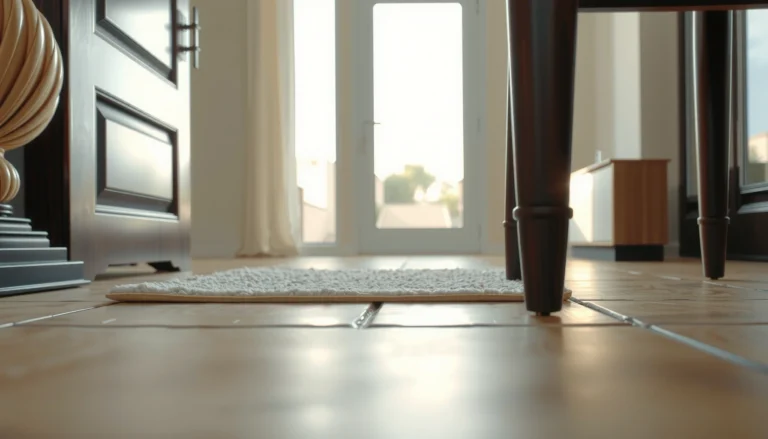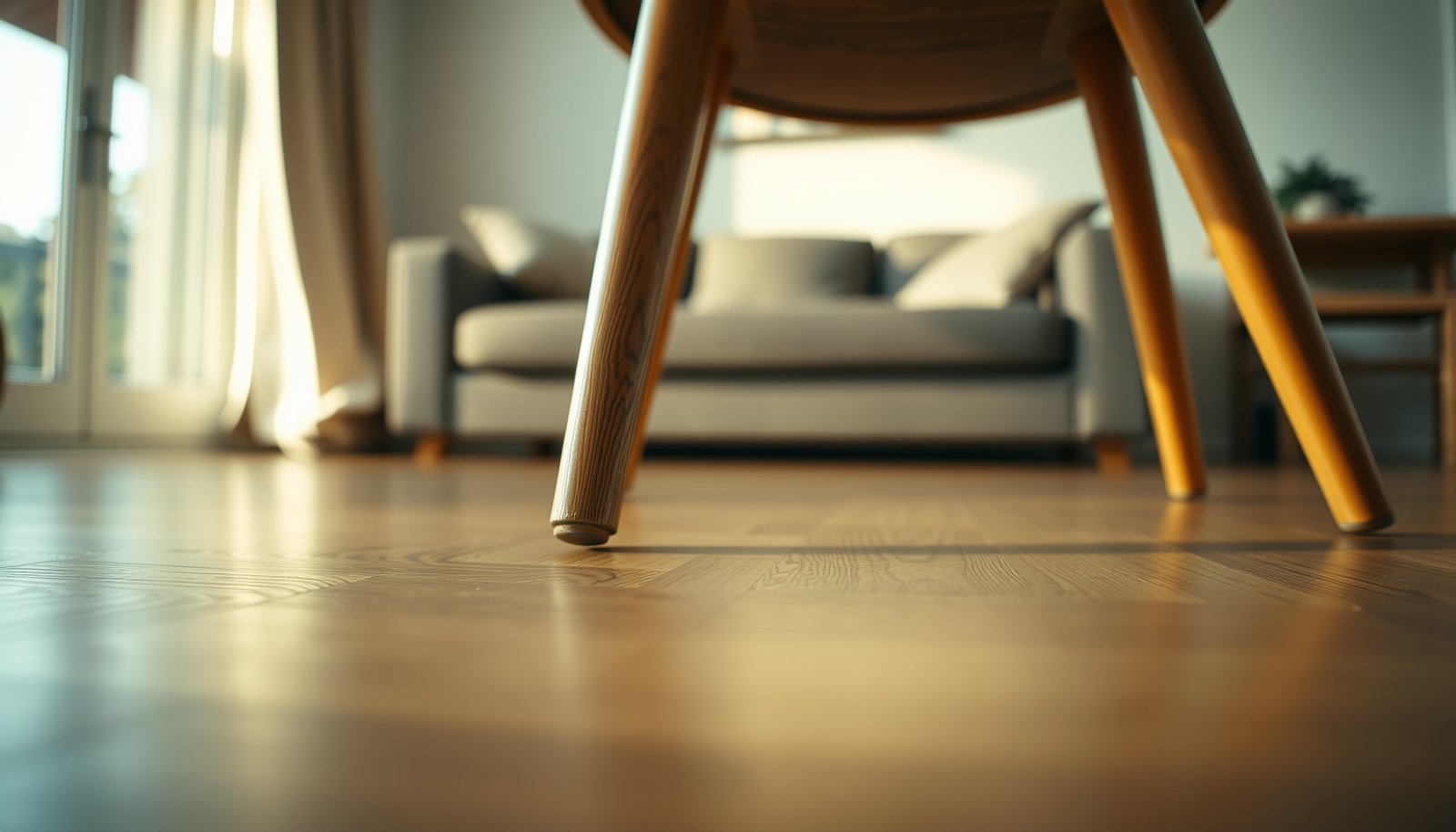

If you want to prevent scratches on hardwood floors in a rental property, block grit at entry, protect furniture feet, and control what touches the floor (shoes, pets, tools). Start with an “anti-sand” setup—doormats and felt pads—then use careful cleaning so small particles don’t act like sandpaper.




This matters most in rentals because tenant turnover and shared entrances increase foot traffic, shoes, and furniture movement. The good news: most scratch prevention is low-cost and easy to communicate to whoever’s using the space.
If you manage or occupy a rental with hardwood floors—especially with multiple tenants, kids, pets, or rotating furniture—this guide is built for the realities of real foot traffic in 2026: faster wear patterns, inconsistent cleaning habits, and “unknowns” about what gets tracked in.
Start with an anti-grit entry setup
You prevent most hardwood scratches by stopping abrasive particles (grit) before they reach the finish. The simplest approach is to build an “anti-sand” zone at the entry and reduce what’s tracked in during daily use.
Why entry grit is the real scratch starter
Hardwood scratches are often not caused by “impact” but by abrasion—tiny particles acting like sandpaper as people walk. Sand-grain size matters because even very small debris can be abrasive; in geologic terms, “sand” typically ranges from about 0.0625 to 2 mm in diameter. USGS (particle size classification for sand) In a rental, repeated walk-in traffic multiplies the abrasion cycles, so your entry strategy is the highest ROI.
A walk-off system works because it physically removes loose particles before they get ground into a hardwood finish by foot traffic.
The most common “mystery scratches” in rentals cluster near entry paths—because debris follows the same routes again and again.
– Use a quality doormat both inside and outside the doorway to catch dirt before it reaches the hardwood.
– Encourage “no shoes” (or at least shoe-free entry) to reduce debris being tracked across the floor.
– Add an area rug in the highest-traffic path (entryway to living areas) to reduce wear where people naturally walk.
What to choose: mat materials that trap grit without scuffing
A rental entry gets wet and dirty, so you need a mat that handles both moisture and solids. In practice, “best” mat setups combine: (1) scrape at the threshold, (2) absorb and trap in the indoor section, and (3) keep the mat surface rough enough to catch debris but not abrasive enough to damage hardwood when shoes drag.
Grit-Capturing Mat Components Commonly Used on Hardwood Entries
| # | Mat Component (Material) | Primary Grit Mechanism | Where It Helps Most | Scratch-Reduction Potential |
|---|---|---|---|---|
| 1 | Coir (coconut fiber) | Scrapes shoe soles and captures larger, gritty particles | Outdoor threshold / first landing zone | ★★★★★ |
| 2 | Rubber ribbed scraper | Wipes and channels debris away from the walking surface | Outside entry in wet/muddy conditions | ★★★★☆ |
| 3 | Nylon bristle brush mat | Agitates and lifts embedded grit from shoe tread | Inside entry (after the threshold scrape) | ★★★★☆ |
| 4 | Polypropylene grid or weave | Traps fine soil in a structured surface | High-traffic indoor entry corridors | ★★★☆☆ |
| 5 | Indoor fabric “absorb + trap” mats | Holds moisture and captures dust that otherwise abrades the finish | Dry-weather dust + tracked micro-debris | ★★★☆☆ |
| 6 | Natural fiber runners (e.g., coir blends) | Scrapes lightly while creating a “sacrificial” wear path | Living-room approach to couch/entry | ★★★☆☆ |
| 7 | Two-stage mat system (outdoor + indoor) | Combines scrape + trap to reduce grit carried onto hardwood | Shared entrances and multi-tenant buildings | ★★★★★ |
Practical tip you can enforce in a lease culture
A no-shoes policy works best when it’s paired with an easy, low-friction entry routine. The Carpet and Rug Institute commonly emphasizes that properly designed walk-off mat systems can remove a large share of tracked soil before it reaches interior surfaces (often cited up to ~80%). Carpet and Rug Institute (CRI) walk-off mat guidance In rentals, that means you’re not just protecting “your” floor—you’re protecting the floor from the next tenant’s shoes too.
Protect furniture and high-contact zones
You prevent scratch damage faster by treating furniture legs and equipment points as “wear interfaces.” The moment a chair leg drags or a rolling caster bumps, abrasion and gouging begin—especially where grit already accumulates.
Felt pads and chair wheels: the micro-damage culprits
Furniture doesn’t have to look careless to cause damage. Even clean furniture can carry grit on its feet, and repeated light contact builds scuff patterns. From a maintenance standpoint, you want contact points that either (1) glide smoothly or (2) avoid hard contact materials against the finish.
Hard plastics and unprotected metal feet can convert tiny particles into repeated abrasion marks on hardwood finishes.
Replace worn felt pads—once felt thins or becomes rough, it can stop acting like a cushion and start acting like an abrasive.
– Apply felt pads (not bare plastic) to chair/table legs and replace them when they wear thin.
– Use floor protectors under desk chairs (especially if wheels are used) to prevent tiny bumps and dragging damage.
– When moving furniture, lift it—avoid sliding, even “carefully,” because hardwood scratches often start from one corner or grit trapped under a leg.
Desk chairs and casters: choose “floor-safe,” not “chair-safe”
Many rentals have rolling office chairs in kitchens, home offices, and common areas. If wheels are used on hardwood, even occasional micro-dragging can create visible wear paths. A floor protector can spread the load and reduce edge impacts—but only if the protector is intended for hardwood floors and lies flat without grit under its edges.
If you’re drafting a tenant guide, add a one-line rule: lift to relocate; don’t “micro-slide”. Tenants interpret “be careful” differently, but “lift, then set down” is specific enough to follow.
Clean the right way to avoid abrasive scratches
You stop most abrasion during cleaning by removing grit first and avoiding tools that grind debris into the finish. In rentals, this matters because cleaning habits vary and a single wrong step can create a widening “dull trail.”
The correct order: remove particles before you polish
First you remove grit—then you clean. When a microfiber mop or cloth spreads sand-like debris, it effectively turns the floor into an abrasive surface.
Abrasive wear on hardwood is driven by grit between the surface and footwear or cleaning tools, not by “light dirt” alone.
Wet cleaning left on the surface can also increase vulnerability to later abrasion by impacting how the finish performs.
– Sweep or dry-dust with a soft broom or microfiber mop to remove grit before it gets ground in by walking.
– Vacuum using a floor-friendly setting and attachments with soft bristles (avoid aggressive beater bars on hardwood).
– Skip harsh cleaners and avoid soaking the floor—water left on hardwood can damage the finish and make the surface more vulnerable to later scratching.
Moisture control is scratch prevention by another name
While scratches are abrasion events, wood and its finish can behave differently when conditions are outside normal indoor climate. The National Wood Flooring Association (NWFA) commonly recommends maintaining indoor relative humidity in the 35%–55% range for stability. National Wood Flooring Association (NWFA) indoor climate guidance When indoor conditions are too dry or too humid, wood moves and finishes can be stressed—making the surface more sensitive to day-to-day abrasion.
Reduce scratching from pets, kids, and everyday wear
You reduce claw and drop-related scratches by moving the “scratch energy” onto washable or replaceable surfaces. In rentals, the goal isn’t perfection—it’s to reduce how often the bare finish takes direct contact.
Pets: nails are sharp, but routing is what makes it repetitive
Claw marks usually become visible where pets repeatedly walk, sit, or scratch. Trimming nails reduces sharp tips, but repeated traversal still creates micro-abrasion if the floor is exposed.
Pet nail trimming reduces the depth of cuts when claws contact a finish during normal movement.
Using pet-safe mats on recurring routes shifts abrasion away from the bare finish.
– Keep pet nails trimmed and discourage them from using the same scratchy routes (corners and couch-adjacent paths).
– Put washable covers on pet/favorite areas (rugs or mats) so claws don’t rake bare finish repeatedly.
– Move toys, strollers, and small furniture carefully—small hard items dragging across hardwood can create visible lines quickly.
Kids and “small hard items” are a predictable scratch pattern
Rental floors often show streaks and arcs near play zones—not because kids mean harm, but because repeated tiny impacts add up. Strollers with small wheels, toy trucks, remote controllers, and dropped metal items can all leave finish scuffs that later look like “wear.” The most effective mitigation is creating a controlled play path with rugs/mats and setting an expectation that items are carried across the floor, not dragged.
Rental-property rules: align expectations with the landlord
You prevent disputes and missed maintenance by documenting the floor condition and getting written approval for protective changes. In a rental, scratches are inevitable—your job is to prevent unreasonable blame and reduce preventable damage.
Move-in/move-out documentation protects everyone
Photographs and videos taken at move-in and move-out provide objective evidence for when scratches likely occurred.
Clear rules about mats, pads, and cleaning tools reduce accidental finish damage during tenant turnover.
– Take photos/videos of the floor condition at move-in and move-out so “new scratches” can be traced to the right time period.
– Ask the landlord what’s allowed for floor protection (rugs/mats, pads, cleaning method) before you apply anything adhesive or store-bought.
– Keep a simple maintenance log (what you cleaned with, when you replaced pads, when you trimmed nails) to reduce disputes.
Maintenance logs make routine accountability real
A short log (date + what you did) matters in rentals because multiple tenants or roommates often share responsibility. Also, logs help you catch patterns early: for example, if the floor starts dulling in one area every winter, you can tighten mats and shoe rules at entry.
What can go wrong (and how to avoid it)
Even with good intentions, a few common choices increase abrasion or create new damage points. The fix is to match materials to hardwood, keep grit out, and avoid “quick fixes” that transfer abrasives or residue.
Common missteps that backfire
Not all rug pads protect hardwood—some trap grit, shed residue, or abrade the finish underneath.
Aggressive cleaning tools can grind debris and create a worn-looking sheen that resembles scratches.
– Using the wrong pad type: some rubber or rough pads can leave residue or increase abrasion; stick with smooth, non-scratching protectors and confirm they’re intended for hardwood.
– Skipping door mats: even a “clean-looking” home can still track microscopic grit that causes dull, widespread micro-scratches.
– Over-cleaning with the wrong tools: abrasive pads, sand-like dust, and stiff bristles can create scratches that look like wear lines over time.
– Over-wetting during cleaning: excess moisture can haze the finish and make future scratches more noticeable—always follow the floor finish/manufacturer guidance.
– Temporary fixes that cause new issues: tape, hard foam blocks, or thin “scratchy” rug underlayers can shift or scuff finishes.
Correct vs. risky choices (quick comparison)
- Felt pads made for wood floors
- Pros: Cushions contact points; reduces hard abrasion. Cons: Must be replaced when worn thin.
- Unrated adhesive pads or rough rubber
- Pros: Quick install. Cons: Can leave residue or increase abrasion; may violate landlord rules.
- Soft-bristle vacuum attachments
- Pros: Removes grit without grinding. Cons: Still requires proper vacuum settings and clean filters.
- Beater-bar vacuums / stiff scrub pads
- Pros: Strong surface agitation. Cons: Can grind debris and worsen scratch appearance.
Verdict / tip: do the basics consistently (and don’t overcomplicate)
If you do three things consistently—(1) trap grit at entry, (2) protect furniture feet, and (3) clean gently—you’ll prevent most scratches in a rental without needing major repairs. Downsides: you still may get minor scuffs (especially from wheels, dropped items, or sand tracked in despite mats), and some landlords may have preferences about cleaning products or pad types—so check first. Skip this approach if you have major finish failure already (peeling/wearing through) and you’re hoping scratches can be “fully prevented” until refinishing is done.
To keep the plan realistic for 2026 tenant turnover: treat scratch prevention like a shared routine. Make it simple enough that the next person can follow it without asking, and document what was done so expectations stay aligned.
Quick scan checklist (save this):
| Area | Do this | What it prevents |
|---|---|---|
| Entryway | Inside/outside mat + shoe control | Sand/grit tracking |
| Chair/desk legs | Felt pads; replace when worn | Dragging scratches |
| Rugs | Rug + non-abrasive underlayer | Wear at traffic lines |
| Cleaning | Soft broom/microfiber + gentle vacuum | Grinding grit |
| Pets | Trim nails + add pet mats/rugs | Claw rake marks |
| Furniture moves | Lift to reposition | One-corner gouges |
Sources
– National Wood Flooring Association (NWFA) indoor climate guidance (recommended relative humidity range)
– USGS sand grain size classification (particle size range for sand)
– Carpet and Rug Institute (CRI) walk-off mat guidance (soil removal effectiveness concepts)
Scratches in a rental aren’t just a “floor problem”—they’re the predictable result of grit, contact points, and cleaning behavior. If you standardize the entry anti-grit setup, protect furniture feet, and clean in a non-abrasive way, you’ll prevent the majority of visible damage while keeping expectations aligned across tenants and landlords.
Frequently Asked Questions
What are the best ways to prevent scratches on hardwood floors in a rental property?
Use protective measures like felt floor protectors under furniture legs, area rugs in high-traffic zones, and doormats at every entry to reduce grit and sand that cause micro-scratches. Encourage tenants to use socks or soft-soled shoes and avoid dragging chairs, tables, or appliances across the floor. For extra protection, apply a proper finish maintenance routine (as allowed by your lease and flooring specs) to keep the hardwood’s protective top layer strong.
How can tenants stop furniture from scratching hardwood floors?
Tenants should add felt or rubber pads to chair legs, bed frames, and any movable furniture, and replace them immediately if they wear down. Use furniture glides for heavier items and lift instead of dragging when rearranging. For dining areas, consider adding a clear protective mat under chairs to reduce point loads and scuffs.
Why do hardwood floors get scratched in rentals, even when floors look “protected”?
Many rental scratches come from abrasive debris like sand, small rocks, and dust that residents track in, which acts like sandpaper on the finish. Another common cause is everyday movement—chair legs, rolling carts, and vacuum brushes can wear down the topcoat over time. If the floor finish is worn or not compatible with specific cleaners, scratches and dull spots can appear more easily.
Which vacuum and cleaning methods are safest for preventing scratches on hardwood floors?
Choose vacuums with soft bristle attachments or bare-floor settings, and avoid using beater bars that can scratch the finish. Sweep or dust with a microfiber mop designed for hardwood before deeper cleaning, and use a cleaner approved for your specific hardwood finish. Avoid harsh abrasive tools, steam mops, and “scratch remover” products unless they’re recommended for your floor type, since improper products can damage the topcoat.
Best practices: How should landlords set up a rental to reduce hardwood floor scratches from day one?
Provide clear tenant guidelines and supplies such as felt protectors, entry mats, and rug pads, and consider periodic inspections to ensure pads remain intact. If the property has high-traffic areas or pets, use area rugs with non-slip backing that won’t trap grit and consider a more durable finish as recommended by the installer. Also document the floor’s current condition with photos at move-in and move-out to support wear-and-tear communication and maintenance planning.
📅 Last Updated: October 17, 2026 | Topic: How to prevent scratches on hardwood floors in a rental property? | Content verified for accuracy and freshness.
References
- Wood flooring
- 404 Error
- https://scholar.google.com/scholar?q=prevent+scratches+hardwood+floors Google Scholar
- https://scholar.google.com/scholar?q=wood+floor+scratch+prevention+felt+pads+maintenance Google Scholar
- https://scholar.google.com/scholar?q=hardwood+floor+damage+prevention+entry+mats+rental+property Google Scholar