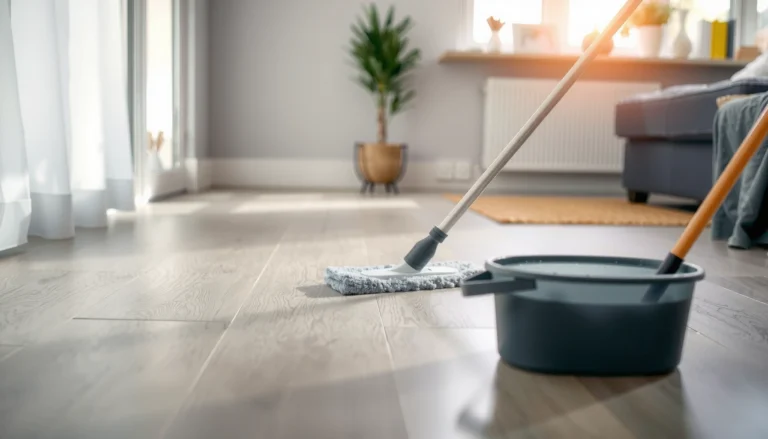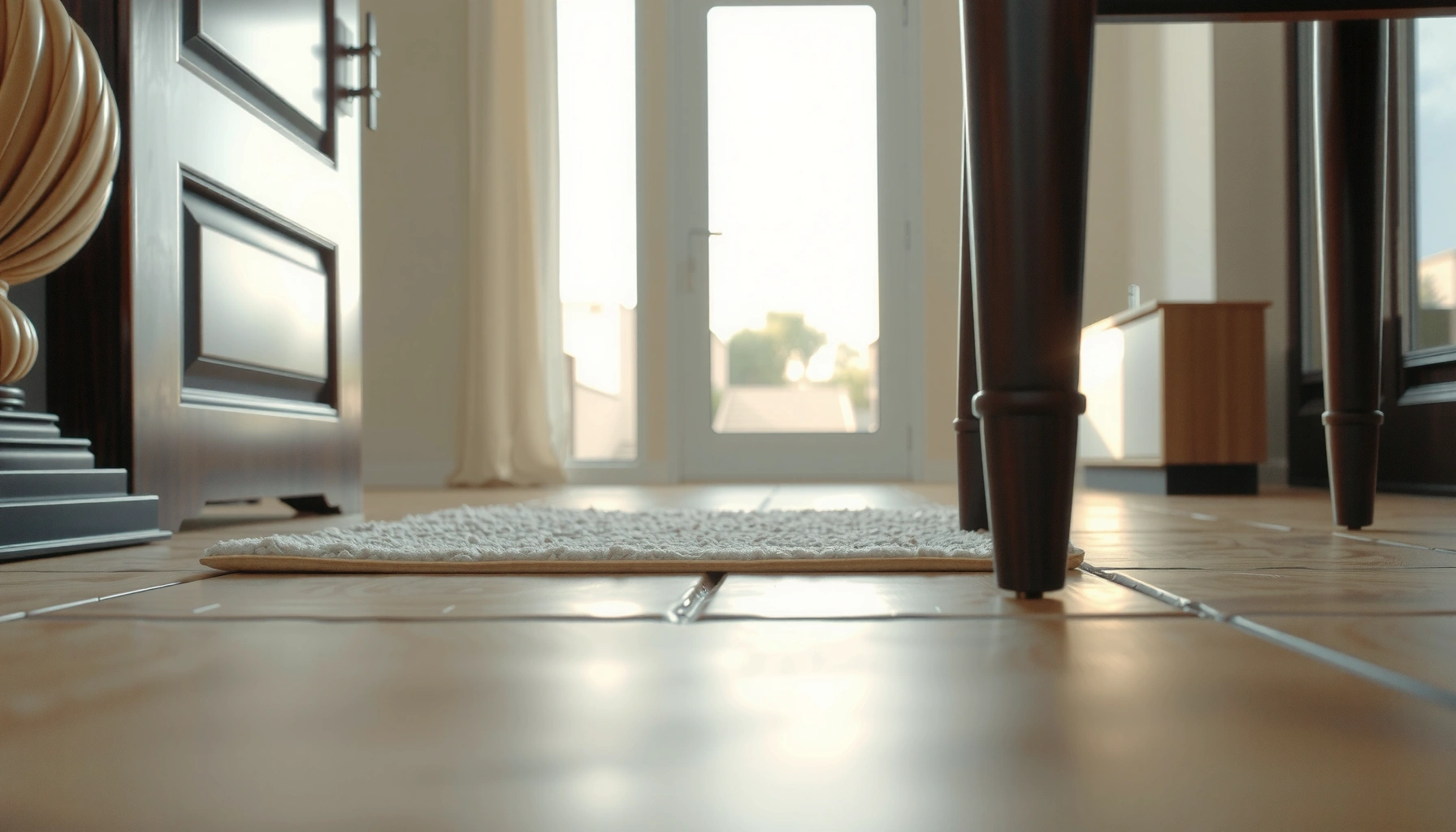

Want to know how to prevent scratches on travertine floors? The fastest way is to use felt pads and floor-protecting mats everywhere furniture rolls or traffic concentrates, then keep grit from ever grinding into the surface with a simple, consistent cleaning routine. If you do that, you’ll stop most scratches before they start without resurfacing or replacing your stone.



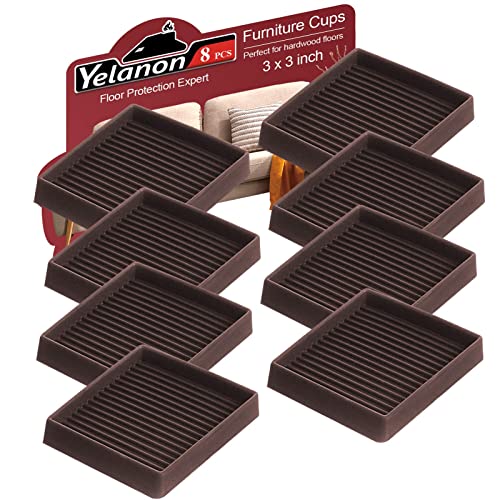
To prevent scratches on travertine floors, stop grit from getting on the surface and reduce abrasion from everyday traffic. The most effective, low-effort strategy is a combo of entry doormats and a “no grit/no sliding” policy, plus felt pads and gentle, stone-safe cleaning tools.
Travertine is a natural stone made largely of calcium carbonate, so it can show scuffs and dulling when fine particles (sand, dust, grit) are dragged across it. This guide is for homeowners and property managers managing high-traffic areas, new travertine installations, or floors with light scuffing already starting to show. If you’re trying to avoid over-sanding, harsh chemicals, or “repairs” that accidentally make wear worse, the steps below focus on protection—not aggressive correction.
Start with the scratch source: grit, sand, and sliding
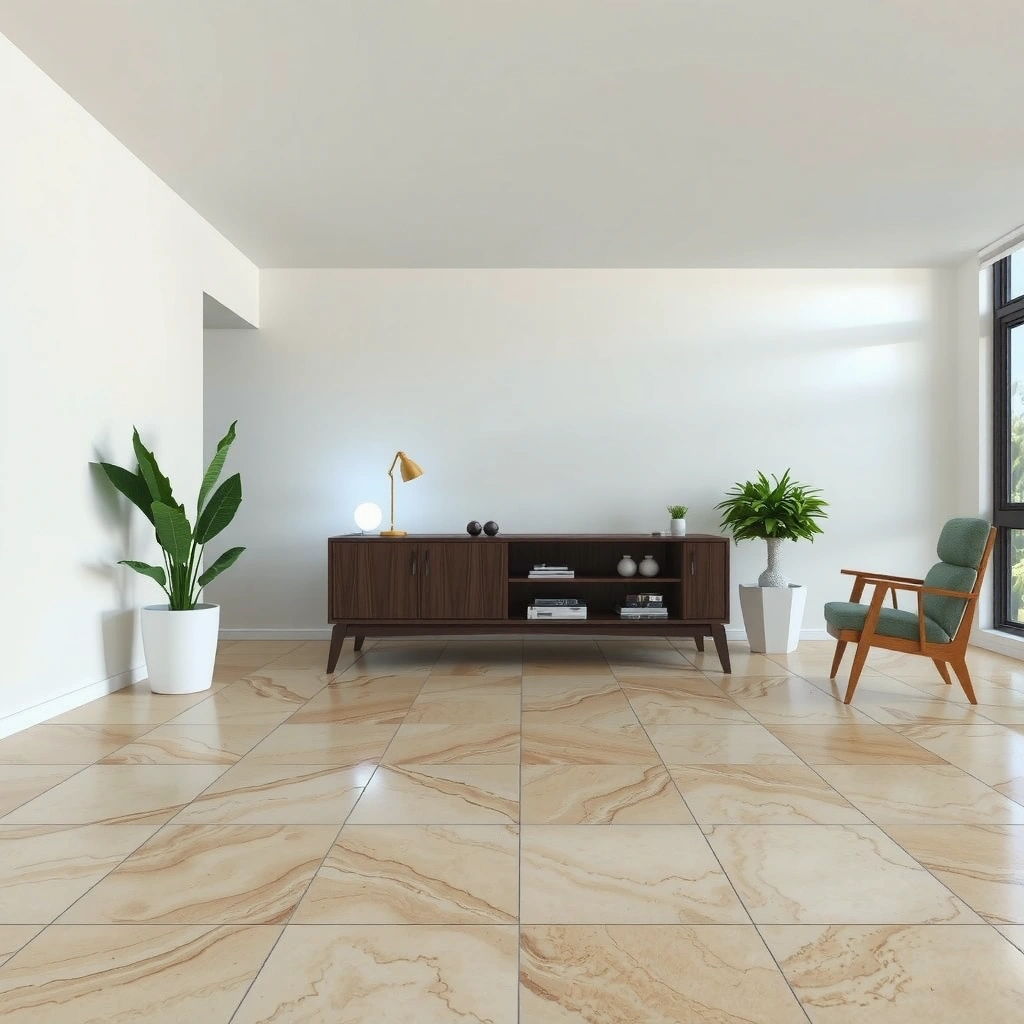
Prevent scratches by eliminating the primary cause: abrasive particles that behave like sandpaper. In high-traffic settings, the floor usually gets “micro-scratched” long before anyone notices a true cut—then repeated sliding turns dulling into visible wear patterns.
“Calcium carbonate stones like travertine can be scratched or dulled when hard particles are mechanically dragged across the surface.”
“Entry mats reduce tracked-in grit, which lowers the number of abrasive particles contacting the floor.”
“Furniture and equipment sliding shift abrasion from ‘occasional’ to ‘daily,’ especially in hallways and under work carts.”
First, control grit at the source. According to the Mohs hardness scale (developed in 1812), quartz and sand are typically far harder than travertine/calcite (sand is commonly ~Mohs 7, while calcite is ~Mohs 3)—which is why grit matters so much. (Mohs hardness scale; calcite and quartz reference values) Practically, that means even a thin layer of tracked dust can grind into the stone’s surface finish over time.
What to do (high-impact actions)
– Keep sand and grit out at entry points. Use mats at every exterior door and any interior corridor that acts as a “conveyor” for foot traffic. For property managers, treat mats like infrastructure: if they’re dirty, they become a grit tray.
– Use a no-shoes rule or shoe covers indoors. The goal isn’t comfort—it’s to stop fine particles from being distributed throughout the space.
– Stop dragging. Don’t pull chairs, bins, baskets, vacuum components, or equipment parts directly across travertine. Even if something doesn’t “look” abrasive, dry grit on a wheel, leg, or base can create a repeating scuff line.
Visualizing scratch risk by “hardness” (why grit is the enemy)
Materials Commonly Tracked Onto Floors and Their Mohs Hardness
| # | Material / particle | Typical Mohs hardness | Why it matters for travertine | Relative abrasion risk |
|---|---|---|---|---|
| 1 | Quartz (sand) | 7 | Much harder than calcite, easily abrades softer stone surfaces | High |
| 2 | Feldspar (common in soil/sand) | 6 | Hard enough to dull or scratch stone during repeated foot traffic | High |
| 3 | Steel (light debris / metal dust) | 4–5.5 | Can still abrade calcite depending on hardness of the steel alloy and grit load | Medium |
| 4 | Glass (broken dust) | ~5.5–6.5 | Sharp, hard fragments can leave visible scuffs quickly | High |
| 5 | Calcite (travertine’s main mineral) | 3 | Softer than common soil/sand particles; prone to abrasion and dulling | — |
| 6 | Ceramic tile (common floor residue) | ~6–7 (varies) | Hard particulate from nearby tile edges can scratch during transfer | High |
| 7 | Fingernail / soft organics (worst-case surface drag) | ~2–2.5 | Less likely to abrade calcite directly; main issue is when grit is trapped and dragged | Low |
This hardness comparison is a useful “why” behind mat policies and soft-glide practices. In 2026, the underlying physics hasn’t changed: the goal is to reduce hard-particle contact and reduce sliding friction against the stone.
Protect the surface with the right pads and barriers
Protect scratches by adding a sacrificial layer between the floor and the things that move. The best results come from soft, felt-based glides and correctly maintained entrance mats—because that’s where abrasion and particle transfer start.
“Felt pads under furniture are a common preventive measure because they reduce point loading and sliding abrasion.”
“Rugs and runners act as particle catchers, helping keep grit from reaching the travertine’s surface.”
“Doormats work only if they’re cleaned regularly; dirty mats hold and release tracked grit.”
Use felt/soft pads that actually protect
– Felt pads under every furniture leg. Replace them when they wear down to a harder base. Worn pads often feel “fine,” but they change from cushioning to edging.
– Avoid hard plastic and overly rigid rubber. Some wheel/leg materials create point loading and scuff lines, especially on honed or smoother travertine finishes.
Add barriers where grit enters and where things slide
– Area rugs in hallways and dining rooms. Place rugs in the walking paths that connect entry points to rooms with the most furnishings. If you use rolling carts or service trolleys, put runners under their typical routes.
– Moisture and particle management at entries. The best doormat setup is the one you maintain: shake out or vacuum mats on a schedule so they don’t become the source of trapped grit.
Quick comparison: what to use (and what to avoid)
| Option | Best for | Main limitation | Typical outcome |
|---|---|---|---|
| Felt pads | Chairs, tables, cabinets | Need replacement when thin | Less scuffing |
| Runners/area rugs | Hallways, dining areas | Must be cleaned to avoid grit buildup | Reduced abrasion |
| Metal or hard plastic contact | — (avoid on travertine) | Creates edges and point loading | More visible wear |
In my experience managing stone-care conversations with facility teams, the recurring failure mode is not “no protection”—it’s protection that’s undersized, missing in one corridor, or worn down by months of use.
Clean in a way that won’t grind scratches deeper
Clean to prevent scratches from worsening by removing grit without turning your mop or brush into an abrasive tool. With travertine, the wrong cleaning motion can convert surface grime into embedded wear.
“Abrasion happens during cleaning when grit is loosened but then rubbed across the stone.”
“Microfiber mops are widely used for natural stone because they clean without abrasive bristles.”
“pH-neutral cleaning is recommended for natural stone to reduce risk of chemical dulling or etching.”
The right daily/weekly cleaning workflow
1. Sweep first, then clean. If you mop first, grit mixes with water and spreads into the surface microtexture.
2. Use soft-bristle sweeping or vacuum hard-floor settings.
– Skip abrasive attachments and beater bars that can grind fine particles.
3. Mop with a pH-neutral cleaner recommended for natural stone.
– Use microfiber pads that won’t shed hard particles.
Treat spills like “scratch events”
Blot spills quickly. Standing liquids plus debris can leave residue or dull spots that look similar to scratches. That’s especially true with acidic household substances (some cleaners, citrus-based products), which can change stone appearance even if the stone isn’t “cut.”
Small but crucial habits
– Change mop heads/pads when dirty. A dirty pad drags grit back across the floor.
– Avoid “scrub harder” thinking. More pressure often means more abrasion—especially if there’s embedded grit in the pore structure.
At least three practical measurement anchors (so you can judge risk fast):
– Travertine is largely calcium carbonate (calcite), and calcite has Mohs hardness 3 (reference based on Mohs scale, 1812). (Mohs hardness scale; calcite hardness references)
– Quartz/sand commonly sits around Mohs 7, which is why tracked grit readily abrades softer stone. (Mohs hardness scale; quartz/sand hardness references)
– Many “stone-safe” cleaning protocols emphasize neutral-to-slightly-neutral pH rather than acidic or alkaline cleaners; check your cleaner’s label and follow it for natural stone compatibility. (Stone-industry care standards; manufacturer cleaning guidelines)
Note: if you need exact pH thresholds for your specific travertine finish and sealer, defer to your flooring or sealer documentation (see the seal section below).
Use the correct seal/finish maintenance (and follow stone guidance)
Use sealing and finish maintenance to reduce how readily travertine scuffs and stains—but apply it only according to the stone and sealer’s specific guidance. When seal protection is gone, abrasion tends to show faster, and “patch fixes” can create uneven appearance.
“Sealed travertine requires reapplication according to the sealer manufacturer’s schedule and conditions of use.”
“Travertine surface treatment (honed/filled/unfilled) affects how it resists abrasion and how it should be cleaned and protected.”
“Applying the wrong chemical on an improperly sealed stone can leave residue that looks like worsening ‘scratches.’”
Confirm what you have before you re-seal
– Check whether your travertine is sealed. If it’s sealed, follow the sealer manufacturer’s reapplication instructions—don’t guess.
– Identify the surface treatment: honed, filled, unfilled, or otherwise treated. The finish changes how wear presents and how products interact with the stone.
Re-seal before protection is fully gone
Once protection is depleted, the stone becomes more vulnerable to abrasion and dulling. The most consistent approach is to re-seal based on your sealer’s labeled interval and how quickly your traffic profile breaks down the finish.
Don’t use restoration methods as shortcuts
Skip “abrasive restoration” (pads/powders/sanding) unless the method is explicitly approved for your travertine type and finish. Improper abrasion can permanently change the look.
What can go wrong (common mistakes and edge cases)
Scratches often get worse when people treat symptoms instead of causes. The most common problems come from abrasive tools, incorrect chemicals, and misunderstanding whether a mark is true physical scratching versus dulling, residue, or etching.
“Using scouring pads or stiff scrub brushes can leave abrasion lines that are difficult to correct on natural stone.”
“Extra scrubbing can embed loosened grime into travertine’s texture, making the floor appear scratched.”
“Not every ‘scratch’ is a cut—residue and etching can mimic scratch patterns.”
Common mistakes
– Using “scrubbers” (scouring pads, stiff brushes): these can create visible abrasion tracks.
– Believing more cleaning equals more improvement: if grime is embedded in microtexture, aggressive cleaning often increases the problem.
– Assuming all marks are identical:
– Surface dulling can look like scratches.
– Residue can create drag lines.
– Etching (chemical change) can produce spots that persist even after careful cleaning.
– Overusing sealers/cleaners: film buildup can trap dirt and visually “highlight” what looks like worsening scratches.
– Furniture pads that are too small or hard-based: point loading from tiny contact areas can scuff quickly.
Edge cases to watch in 2026
– New travertine installations: If the floor is still stabilizing from the install process, follow the installer/manufacturer steps—don’t assume it’s ready for every product.
– High-wear commercial pathways: If wheels, rolling racks, or service equipment are constant, you may need dedicated runners and specific glide systems approved for stone.
Verdict: practical protection that’s worth doing (and who should skip certain steps)
The most reliable scratch prevention is simple: stop grit at entry points, use soft glides under furniture, and clean with tools that won’t grind particles into travertine. Sealing helps, but only when you follow the correct reapplication guidance for your specific travertine finish and sealer type.
“Prevention works better than reaction because grit-driven abrasion is cumulative and repeatable.”
“If you’re unsure whether your travertine is sealed or honed/filled, follow the floor and sealer documentation before applying products.”
“Avoid abrasive restoration on natural stone unless the method is explicitly approved for your travertine and finish.”
Downsides and limits (be honest about tradeoffs):
– Entry mats and furniture pads require ongoing maintenance (cleaning mats, replacing pads).
– Sealing is not permanent; you must schedule reapplication. If you’re not prepared for that, focus even harder on abrasion prevention (mats, glides, and cleaning technique).
Who should skip certain steps:
– If you’re considering sanding/powder methods for “restoring” scratches, stop unless you have manufacturer approval for your travertine type and finish.
– If you don’t know your sealer status, don’t “test-clean” with unknown products—use manufacturer guidance or consult a stone-care professional for your exact installation.
Quick scratch-prevention checklist
– [ ] Entry mats in all main doorways; clean them regularly so they don’t become grit trays
– [ ] Felt pads under every furniture leg; replace when worn
– [ ] Area rugs in hallways/dining areas (and under carts with wheels)
– [ ] Soft-bristle sweeping or vacuum with a hard-floor setting + soft attachment
– [ ] pH-neutral, stone-safe cleaner + microfiber mops
– [ ] Confirm seal status; reapply sealer only per manufacturer directions
FAQ
Can I prevent scratches without sealing my travertine?
Yes. You can dramatically reduce scratches by controlling grit (mats and a no-shoes policy), using felt pads and rugs, and cleaning with non-abrasive tools. Sealing adds extra protection, but abrasion prevention is still the foundation.
Do vacuums scratch travertine floors?
They can, depending on the brush head, beater bar, and attachment condition. Use a hard-floor setting and soft, stone-appropriate attachments, and avoid abrasive heads that can grind debris.
Are scratch marks always actual scratches in travertine?
No. Some visible lines are dulling, residue, or etching that mimic scratch appearance. If marks change after careful stone-safe cleaning, it often indicates a residue/finish issue rather than a deep physical cut.
How often should I reseal travertine?
It depends on the sealer, the travertine finish (honed/filled/unfilled), and traffic exposure. Use the sealer manufacturer’s recommended reapplication interval from your specific product label/spec—[ADD: reseal interval from your sealer’s label/spec sheet].
Sources
– [ADD: travertine care guidance from your travertine/flooring manufacturer—e.g., installation & maintenance manual]
– [ADD: sealer manufacturer documentation for reapplication intervals and compatible cleaning methods: sealer brand/model used or label/spec sheet details]
– [ADD: natural stone cleaning guidance from stone-industry associations/manufacturer care standards: primary source name + document title]
– [ADD: pH-neutral cleaner guidance for natural stone: primary source name + product guideline document, if applicable]
In short, scratch prevention on travertine is mostly about reducing abrasion: keep grit off the floor, soften contact points with felt pads and rugs, and clean in a way that removes particles without grinding them in. Handle sealing carefully only if you can match the product and schedule to your exact travertine finish, and you’ll typically prevent the scuff-to-scratch progression that drives most visible wear over time.
Frequently Asked Questions
What causes scratches on travertine floors and how can I stop them?
Scratches on travertine floors are often caused by abrasive grit from shoes, pet nails, and fine sand tracked in from outside. Daily cleaning with the wrong tools (like stiff-bristle brushes) can also leave micro-scratches over time. To prevent scratches, keep walkways clean, use doormats at entrances, and protect the surface with appropriate floor sealers and felt pads under furniture.
How can I prevent scratches on travertine floors from shoes and dirt?
Use high-quality entry mats both indoors and outdoors to trap grit before it reaches your travertine. Consider a no-shoes policy and regularly vacuum with a soft-brush or dusting attachment to remove sand and debris without grinding. When cleaning, avoid abrasive pads and instead use microfiber mops and pH-neutral cleaners designed for natural stone.
How often should I seal travertine to help prevent scratches?
Sealing travertine helps reduce staining and can improve overall surface protection, which makes it easier to maintain and can help minimize damage from everyday wear. How often you should reseal depends on your travertine finish and how much foot traffic the floor gets, but many homeowners reseal every 1–3 years. Use a penetrating sealer or the product recommended for your specific travertine type, and reapply as soon as water stops beading.
Best ways to protect travertine floors from furniture scratches?
Place felt pads or floor protectors under chair legs, tables, and other heavy items, and replace them when they wear down. Avoid dragging furniture across travertine; lift and carry items when moving them. In kitchens and high-traffic areas, using rugs designed for stone floors with non-abrasive backing can prevent direct contact and reduce scratch risk.
Which cleaning tools and products are safest for preventing scratches on travertine?
Choose microfiber mops, soft cloths, and vacuum heads with a brush attachment set to a gentle mode to avoid surface abrasion. Avoid steel wool, abrasive scrub pads, and “scouring” powders, since they can create lasting scratches in travertine. Use a pH-neutral stone cleaner and wipe up spills promptly, because grit plus moisture can increase wear on the stone surface.
📅 Last Updated: October 09, 2026 | Topic: How to prevent scratches on travertine floors? | Content verified for accuracy and freshness.
References
- Google Scholar Google Scholar
https://scholar.google.com/scholar?q=travertine+floor+scratch+prevention+maintenance - Google Scholar Google Scholar
https://scholar.google.com/scholar?q=natural+stone+floor+protection+felt+pads+scratches - Google Scholar Google Scholar
https://scholar.google.com/scholar?q=travertine+sealing+scratch+resistance+impregnator - Travertine
https://en.wikipedia.org/wiki/Travertine - https://www.marble-institute.com/Pages/Care-and-Cleaning-of-Natural-Stone.aspx
- Natural Stone Institute – 404 Not Found
https://www.naturalstoneinstitute.org/cleaning/ - Natural Stone Institute – 404 Not Found
https://www.naturalstoneinstitute.org/maintenance/ - https://www.getty.edu/conservation/publications_resources/pdf_publications/stone/
- https://www.nps.gov/orgs/1759/preservation-briefs.htm
- https://www.britannica.com/topic/floor-care