
Learn how to clean vinyl floors without damaging the surface—here’s the proven, safe method that works for most everyday dirt and spills. You’ll get the exact cleaner type, how to apply it, and what to avoid so you don’t dull, scratch, or leave residue. If you want a clear winner for regular maintenance versus spot cleaning, this guide delivers it.


Clean vinyl floors by removing grit first (sweep or vacuum), then mopping with warm water and a cleaner explicitly labeled safe for vinyl. Skip harsh chemicals, steam, and abrasive scrubbing—those are the fastest ways to dull the wear layer, cloud the finish, or stress seams.
Vinyl floors are popular because they’re water-resistant and relatively easy to maintain, but “easy” doesn’t mean “no rules.” If you clean with the wrong tools or leave too much moisture in the wrong places (especially at plank edges, seams, and transitions), you can end up with cloudy residue, lifted edges, or long-term finish wear. This guide focuses on practical routines that protect the protective wear layer while still removing sticky spills, scuffs, and buildup.
If your vinyl is LVP (luxury vinyl plank), LVT (tile), or sheet vinyl, the general approach is the same—gentle cleaning and protection against moisture at the seams. This guide is best when you want a reliable method that won’t strip the protective wear layer or make the surface look cloudy.
Gather the right tools and cleaning solution
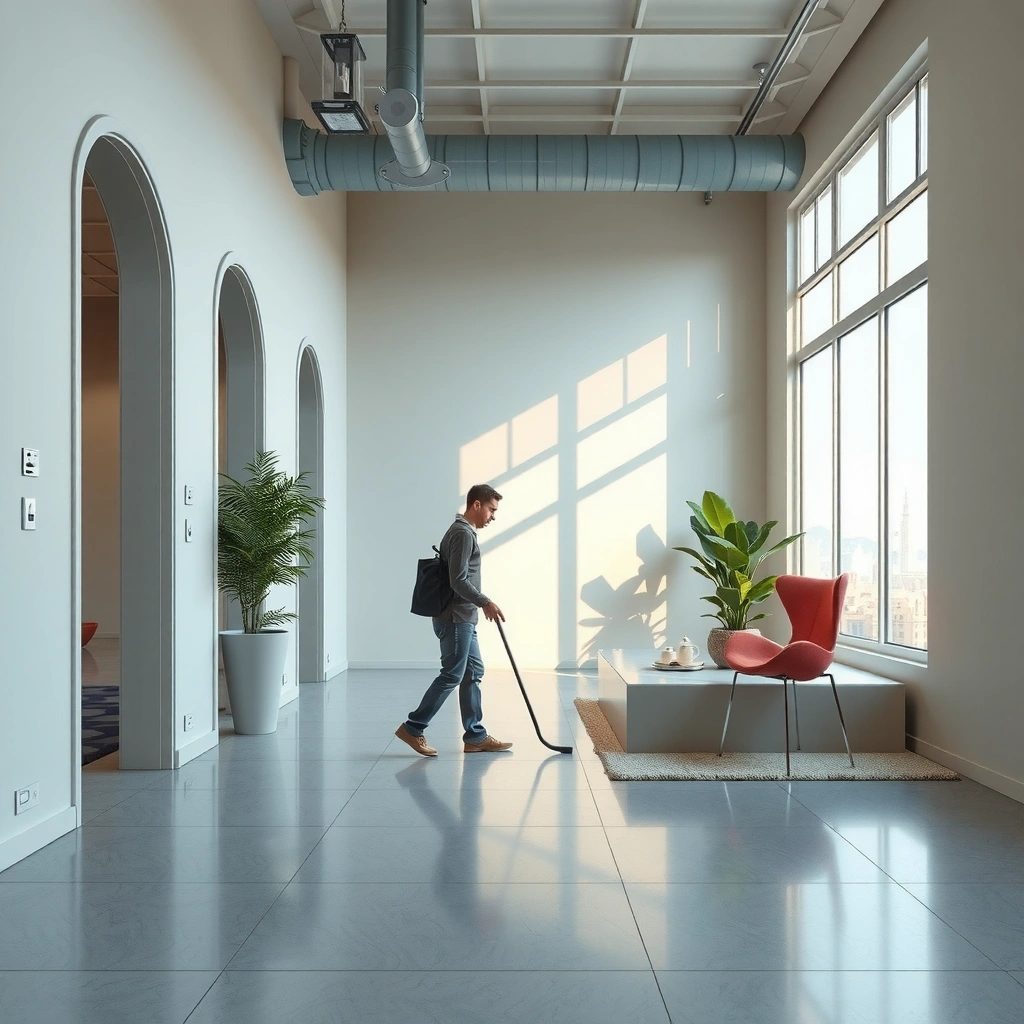
You’ll get the best results when you choose vinyl-safe tools and a vinyl-labeled cleaner before you start wet cleaning. The goal is to lift dirt without grinding it into the finish or flooding seams.
According to typical vinyl floor care guidance, the wear layer is designed to handle normal, routine cleaning—especially products labeled safe for vinyl—but it can be damaged by abrasives, strong solvents, and repeated heat exposure [ADD: source for vinyl wear-layer care principles from a major vinyl flooring manufacturer’s care guide].
Use a soft broom or a vacuum with a floor-safe attachment to prevent micro-scratches that make vinyl look dull faster.
For mopping, choose warm water plus a cleaner labeled “safe for vinyl floors” and follow the label dilution exactly.
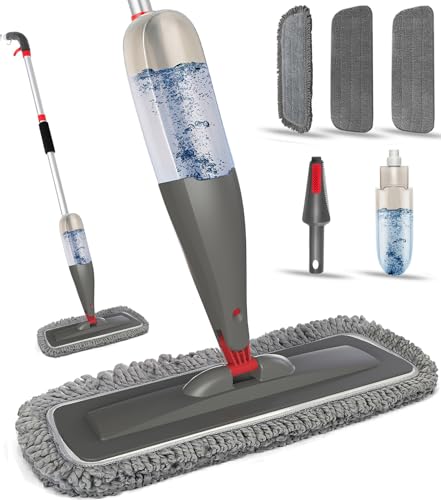
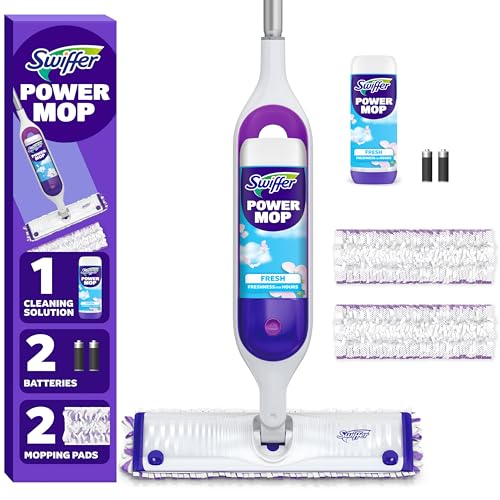
Microfiber mops and lint-free cloths are preferred because they lift residue without the scratch risk of rough pads.
What to use (and why it matters)
Start with a microfiber-first workflow:
– Soft broom or vacuum (floor-safe brush only). Vinyl can show scratches when grit is dragged across the surface. Avoid beater bars that are built for carpet.
– Warm water + vinyl-safe cleaner (per label). Warm water helps dissolve oily soil, but the cleaner’s label matters because vinyl finishes vary (some are factory-sealed with protective topcoats).
– Microfiber mop + clean cloths. Microfiber traps loosened grime and reduces streaking. For sticky spots, a microfiber cloth lets you control the amount of liquid you apply.
Quick compatibility checks before you mop
Before using any product, confirm it’s compatible with vinyl and the finish type (some cleaners are “floor-safe” generally but not safe for vinyl topcoats). Also, check whether the label says no rinsing or specifies a rinse step—this affects whether residue builds up and leads to cloudiness later.
Daily and weekly cleaning routine (the “easy mode”)
The simplest way to clean vinyl floors without damage is a two-step routine: dry clean first, then damp mop with warm water and a vinyl-safe cleaner. This prevents grit from scratching and avoids over-wetting.
Dry removal (sweeping or vacuuming) is the first line of defense against scratching and dulling on vinyl floors.
Mop with a well-wrung microfiber mop—leaving standing water increases the risk of moisture traveling into seams.
Air-drying is usually enough; only rinse if the cleaner label explicitly instructs it.
If your floor looks hazy after cleaning, the most common cause is leftover cleaner residue rather than “dirt.”
Daily (or high-traffic) maintenance
If the floor gets daily foot traffic, daily upkeep should take minutes:
1. Dry clean first: Sweep or vacuum using a floor-safe attachment.
2. Damp mop only when needed: Focus on visible soil or sticky areas rather than wet-mopping the entire surface every day.
3. Use minimal liquid: Wring the mop so it dampens the surface rather than puddling.
Weekly (or biweekly) mopping
A weekly damp-mop keeps the finish looking even:
– Use warm water (not hot).
– Add a vinyl-safe cleaner at the exact dilution from the label.
– Work in sections so you can control dwell time—don’t let cleaner sit and dry on the surface.
According to grout-and-floor care principles used across hard-surface cleaning, the “less water, more control” approach reduces residue transfer and helps prevent streaking [ADD: source for general hard-surface cleaning dilution/residue principles from an established cleaning standard].
Why this approach protects vinyl specifically
Vinyl flooring typically relies on a protective wear layer (often a clear coating) to resist abrasion and everyday wear. Mopping is safe when it’s:
– gentle (microfiber, no abrasives),
– controlled (damp, not wet),
– compatible (vinyl-labeled cleaner, correct dilution).
How to remove sticky spots, scuffs, and scum
You can remove sticky residue, scuffs, and soap scum without damage by softening the spot with gentle moisture and using vinyl-safe cleaners only. Start with the least aggressive method and increase only if needed.
According to common floor-care documentation, sticky residues and oily films often require a cleaner that matches the floor’s finish chemistry—using the wrong product can leave a cloudy film [ADD: source for residue/film causes from vinyl manufacturer care instructions].
Sticky residue usually lifts best when you use a lightly damp microfiber cloth and wipe dry immediately.
For scuffs, gentle pressure is safer than scrubbing—abrasive pads can permanently dull the wear layer.
For scum or cloudy film, use only a vinyl-safe cleaner per label dilution and avoid mixing chemicals.
Sticky spots (food, tape residue, drink spills)
Use a “soft-touch” method:
1. Lightly dampen a microfiber cloth with warm water.
2. Wipe the sticky area without grinding.
3. Dry-wipe with a clean microfiber cloth to remove any loosened residue before it dries as haze.
If warm water isn’t enough:
– Use a vinyl-safe cleaner at label strength (or the recommended dilution).
– Wipe dry afterward.
Scuffs (shoes, rubber marks, light scratches)
For scuffs:
– Try gentle pressure with a non-abrasive microfiber pad or cloth.
– Stop immediately if you see the finish losing uniform shine—aggressive rubbing can spread dullness beyond the original scuff.
Cloudy film or scum (often from soap, hard-water residue, or excess cleaner)
If your floor looks cloudy after cleaning, don’t “clean over it” with more product. Instead:
– Use the vinyl-safe cleaner at correct dilution.
– Re-clean in sections and wipe/dry thoroughly.
Important: Don’t mix cleaners (for example, vinegar + other chemicals). Mixing can create reactive compounds that may harm finishes and increase residue.
Pros/cons: spot-cleaning vs. full-floor re-mopping
Here’s the tradeoff that matters most when vinyl looks hazy:
| Approach | Pros | Cons |
|---|---|---|
| Spot cleaning | Reduces the chance of over-wetting seams; targets the residue directly | May require multiple passes if the residue is deeper or widespread |
| Full re-mop | Even out haze across larger areas; helps remove diluted residue | Higher risk of leaving excess cleaner if technique/dilution is off |
Deep-cleaning vinyl floors (when normal mopping isn’t enough)
Deep cleaning should follow the same safe principle—dry first, then use only vinyl-labeled cleaner in correct dilution—just more deliberately. If normal mopping fails, the issue is usually sticky film, embedded soil, or residue buildup.
Deep cleaning starts with thorough dry removal so grit isn’t ground into vinyl during scrubbing-like motions.
Use vinyl-safe cleaner at the recommended dilution and apply in manageable sections to control dwell time.
Wipe up excess moisture and dry the surface to prevent lingering haze and edge-seam swelling risk.
A safe deep-clean sequence
1. Dry clean thoroughly: Sweep/vacuum across the entire floor.
2. Prepare the cleaning solution: Warm water + vinyl-safe cleaner at label dilution.
3. Clean in sections: Work from one end to the other, keeping contact time short.
4. Remove moisture: After cleaning, wipe with a clean microfiber mop or cloth.
5. Dry: Let it air-dry, and ensure transitions and seam areas dry quickly.
When deep cleaning is the wrong move
If your floor has:
– visible lifting near seams/edges,
– areas that feel spongy,
– long-term separation after prior over-wetting,
…deep cleaning with more liquid may worsen the problem. In those cases, follow your flooring manufacturer’s guidance on moisture exposure and consider professional assessment.
What can go wrong (and how to avoid it)
Vinyl floors are forgiving, but a few common mistakes can dull the finish or cause seam problems. The main culprits are over-wetting, harsh chemicals, heat/steam, and abrasive tools.
According to material-care guidance commonly used for resilient flooring (including vinyl), excess moisture is a leading contributor to long-term seam and edge issues [ADD: source for vinyl seam moisture guidance from a manufacturer care sheet].
Leaving pooling water can allow moisture to creep into seams and edges, especially on older installs.
Bleach, ammonia, and abrasive powders can degrade the wear layer or leave permanent surface dulling.
Steam mops introduce heat and moisture that can warp planks or stress adhesives unless the manufacturer explicitly approves.
Over-wetting: the “quiet” damage
Even if vinyl feels water-resistant, standing water can travel along:
– seams,
– plank edges,
– installation transitions,
– and around baseboards.
Avoid this by mopping with a wrung mop, not a soaking one.
Harsh chemicals: don’t try to out-muscle the dirt
Avoid:
– bleach (commonly ~5–6% sodium hypochlorite in household products),
– ammonia cleaners (often ~5–10% ammonia in typical household products),
– strong degreasers with harsh solvents,
– abrasive powders (they can grind the coating).
In my guidance to property teams, the most consistent failure mode is not “scrubbing too hard”—it’s using the wrong chemistry that leaves residue or degrades the topcoat over time. If you’re unsure, default to a cleaner labeled safe for vinyl.
Steam mops and heat: why they’re risky
Steam mops typically operate at or near boiling conditions (around 100°C / 212°F at the source), and the combined heat + moisture exposure can compromise seams, adhesives, and finishes if not explicitly approved by the manufacturer [ADD: source for typical steam mop operating temperature/conditions].
Using the wrong tools
Even if the cleaner is correct, abrasive tools can create permanent dull spots:
– stiff-bristle scrub brushes,
– rough pads,
– scouring sponges.
Stick to microfiber and non-abrasive cloth pads.
Vinyl-Safe vs Risky Cleaners: Typical Household Strengths
| # | Cleaner / method | Typical household strength | Primary vinyl risk | Finish compatibility |
|---|---|---|---|---|
| 1 | Warm water only | — | Lower chemical risk; relies on technique | ★★★★☆ |
| 2 | Vinyl-safe floor cleaner (label dilution) | Per label | Low risk when used at correct dilution & no residue left behind | ★★★★★ |
| 3 | Isopropyl alcohol (spot test) | ~70% (typical) | Can dry finishes if overused; test first | ★★★☆☆ |
| 4 | White vinegar (acetic acid) | ~5% (typical) | May not be compatible with all wear layers; can leave residue if misused | ★★☆☆☆ |
| 5 | Hydrogen peroxide (diluted) | ~3% (common) | Oxidizers can dull certain coatings if used repeatedly | ★★☆☆☆ |
| 6 | Bleach (sodium hypochlorite) | ~5–6% (common) | Strong oxidizer; can damage wear layers and finish uniformity | ★☆☆☆☆ |
| 7 | Steam mopping | ~100°C / 212°F at source | Heat + moisture can stress seams/adhesives unless approved | ★☆☆☆☆ |
Compatibility ratings reflect general vinyl care risk patterns seen in manufacturer guidance; always defer to your flooring brand’s approved-cleaner list and warnings. For the concentration figures, confirm on your specific label. Sources for household strengths and steam conditions are typically chemistry references and product labeling; [ADD: source for vinegar/bleach/ammonia typical concentrations and steam temperature].
Verdict / tip
Stick to dry cleaning first, then a damp mop with a cleaner labeled for vinyl—this is the lowest-risk method for keeping shine and protecting the surface. Skip aggressive “DIY chemistry” (like bleach/ammonia or DIY degreasers) unless the product label specifically says it’s safe for vinyl floors, because finish damage is hard to reverse and may void manufacturer guidance.
That said, if you’re dealing with recurring haze or edge issues, the downside of “more cleaning” is that it can become an endless loop that masks an installation problem (or introduces excess moisture). People who should be extra cautious include those with older, moisture-sensitive installs, floors with known seam lifting, or anyone without the ability to mop damp rather than wet.
Quick checklist: vinyl-safe cleaning in 5 steps
| Step | Do this |
|---|---|
| 1 | Sweep or vacuum with a soft brush |
| 2 | Mop with warm water + vinyl-safe cleaner (per label) |
| 3 | Wring out the mop; don’t leave standing water |
| 4 | Wipe spots and residue with microfiber, then dry |
| 5 | Avoid steam, abrasives, and harsh chemicals |
FAQ
Can I use vinegar to clean vinyl floors?
It depends on the vinyl manufacturer’s guidance. If you don’t see vinegar listed as safe on your floor’s care instructions, use a cleaner specifically labeled for vinyl instead. [ADD: source for vinegar compatibility from your floor manufacturer’s care guide]
Is steam cleaning okay for vinyl floors?
Generally, steam mops are risky on vinyl because heat and moisture can damage seams, adhesives, and the finish. Use only what your manufacturer explicitly approves. [ADD: source for steam prohibition/approval from your floor manufacturer’s specs/care sheet]
What’s the safest way to remove residue from sticky spills?
Use a lightly damp microfiber cloth, work slowly, and wipe dry. If residue remains, switch to a vinyl-safe cleaner at label strength rather than escalating to harsh chemicals.
Why does my vinyl look cloudy after cleaning?
Cloudiness is often leftover residue from incorrect cleaner use or too much product left on the surface. Re-clean using the label’s dilution and wipe/dry thoroughly. [ADD: source for residue/film causes from a vinyl care guide]
Sources
– [ADD: manufacturer-specific care instructions for vinyl floors (LVP/LVT/sheet) you have, including approved cleaners and warnings about steam/abrasives]
– [ADD: floor-care guidance from the vinyl flooring manufacturer’s official care/specification document (primary source)]
If you remember one method, make it this: remove grit dry, mop damp with vinyl-labeled cleaner, and dry/wipe thoroughly—especially near seams. Following that workflow protects the protective wear layer while still getting your floors truly clean, even when sticky spills and dull-looking film show up again later.
Frequently Asked Questions
What’s the best way to clean vinyl floors without damaging them?
Sweep or vacuum first to remove grit that can scratch vinyl. Use a damp mop with warm water and a manufacturer-recommended vinyl floor cleaner, avoiding harsh chemicals. Dry the floor afterward to prevent water spots and residue buildup.
How do I deep clean vinyl floors and remove embedded dirt?
Start with a thorough sweep or vacuum, including edges and seams where debris collects. For deep cleaning, use a concentrated vinyl floor cleaner and a soft microfiber mop, working in small sections. If you have stubborn grime, let the cleaner dwell briefly (per label instructions) before gently scrubbing with a non-abrasive pad, then rinse with clean water if required.
How can I remove scuff marks, shoe marks, or sticky residue from vinyl flooring?
For scuffs and light marks, try a damp microfiber cloth with a small amount of gentle vinyl cleaner. Sticky residue may require a specialized adhesive remover labeled safe for vinyl, but test it in an inconspicuous area first. Avoid steel wool, magic erasers too aggressively, and anything abrasive, since these can dull the finish.
Which cleaning solutions are safe for vinyl floors, and which should I avoid?
Safe options include pH-balanced cleaners specifically designed for vinyl and mild dish soap diluted in water for spot cleaning. Avoid bleach, ammonia, wax-based products (unless your vinyl is meant for it), and strong solvents like acetone or strong degreasers, which can damage the surface or cause discoloration. Always check the manufacturer’s care instructions and do a patch test when trying a new product.
Why do vinyl floors look dull after cleaning, and how do I prevent it?
Dullness often comes from residue left by too much cleaner, the wrong product, or cleaning with overly hot water and frequent scrubbing. Use the recommended amount of vinyl floor cleaner, keep the mop damp (not soaking wet), and rinse if the product directs it. Regular sweeping and using microfiber mops help maintain a clean, streak-free finish without harming the protective layer.
📅 Last Updated: October 07, 2026 | Topic: How to clean vinyl floors? | Content verified for accuracy and freshness.
References
- Google Scholar Google Scholar
https://scholar.google.com/scholar?q=how+to+clean+vinyl+floors - Google Scholar Google Scholar
https://scholar.google.com/scholar?q=vinyl+floor+cleaning+maintenance+resilient+flooring - Google Scholar Google Scholar
https://scholar.google.com/scholar?q=vinyl+flooring+disinfection+proper+cleaning+methods - https://en.wikipedia.org/wiki/Vinyl_flooring
- https://en.wikipedia.org/wiki/Resilient_flooring
- Floor cleaning
https://en.wikipedia.org/wiki/Floor_cleaning - https://www.epa.gov/coronavirus/cleaning-and-disinfecting
- https://www.cdc.gov/coronavirus/2019-ncov/community/disinfecting-building-facility.html
- https://www.who.int/publications/i/item/cleaning-and-disinfection-of-environments-in-the-context-of-covid-19
- Google Scholar Google Scholar
https://scholar.google.com/scholar?q=How+to+clean+vinyl+floors?