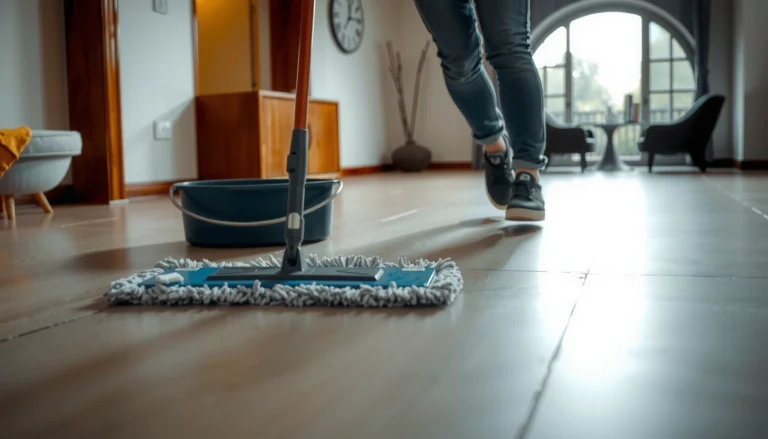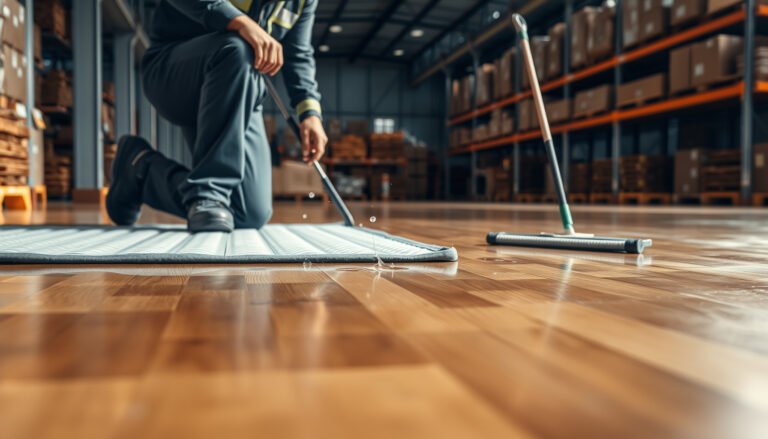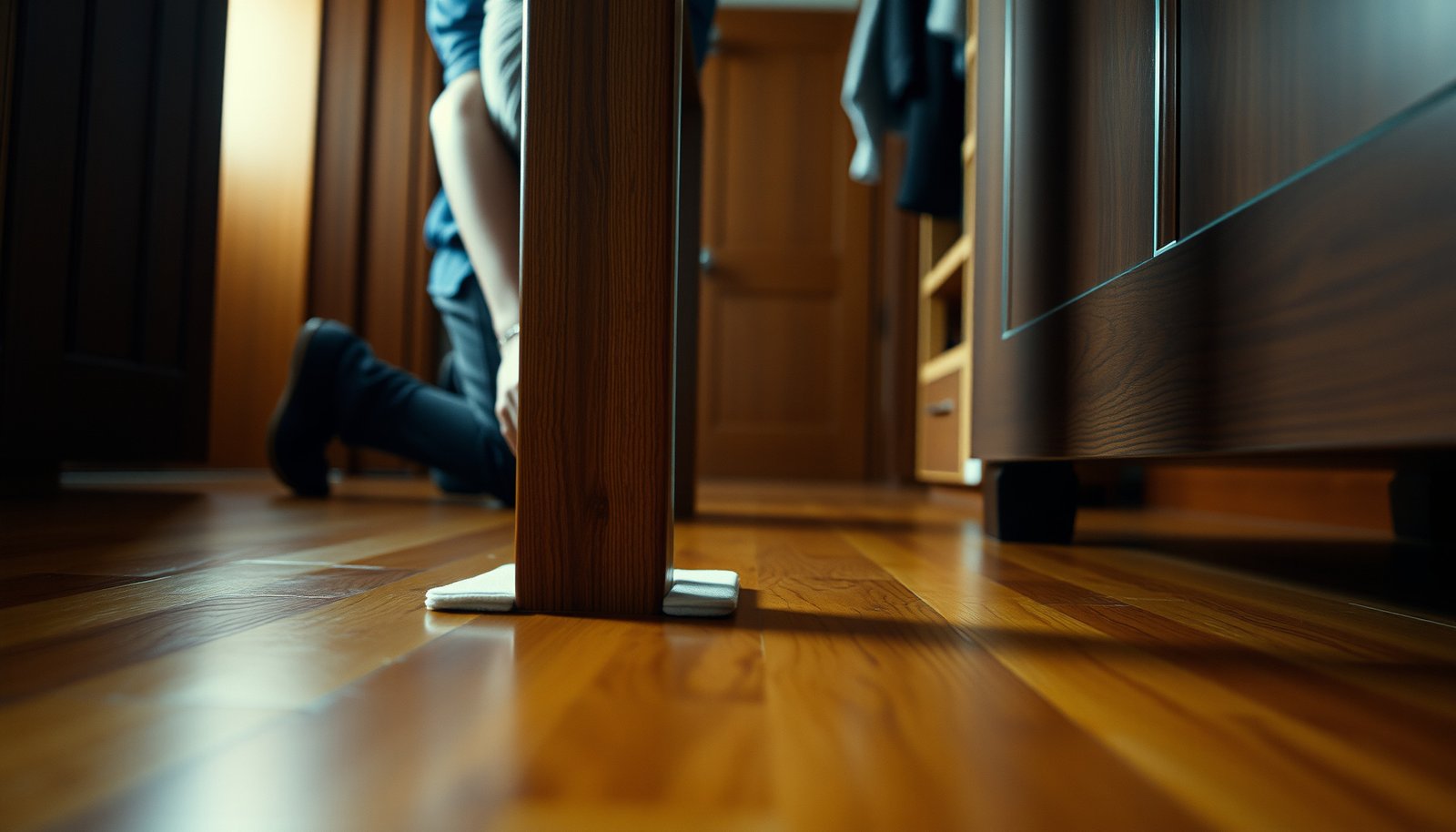

Prevent scratches on hardwood floors in a closet with a simple, high-impact strategy: control friction at every contact point. Use felt or rubber pads on all shelving, hangers, and storage items, then add a low-lint runner or mat only where shoes and movement happen. Do it this way and you’ll stop most scuffs before they start—especially in high-traffic closets where grit grinds into the finish.
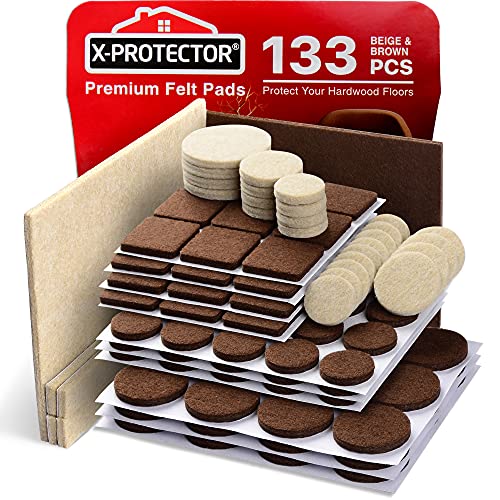

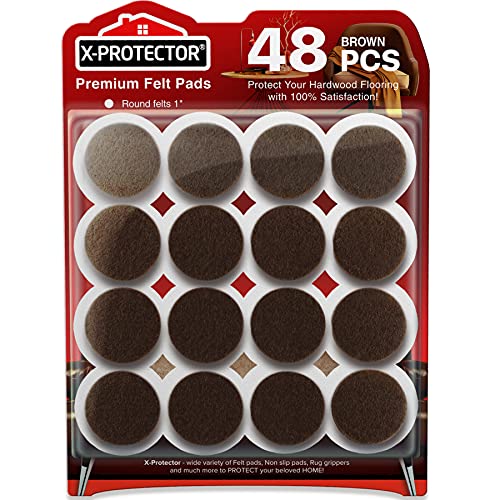
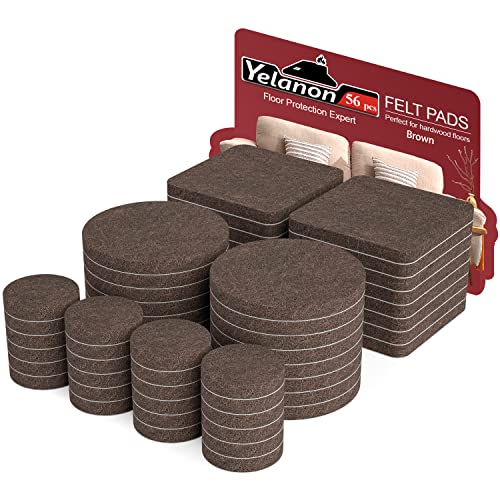
Hardwood floors in closets scratch mostly from grit and friction—so stop dirt from migrating in and reduce contact between the floor and anything that slides. Start with a rug or mat system at the closet entrance, then protect the exact spots where shoes, baskets, or shelving contact the wood finish. This guide walks through practical setup and maintenance so your closet floor stays smooth and looks newer longer.
If your closet has high-traffic foot traffic, heavy items stored on the floor, or sliding baskets/boxes, these steps apply right away. The advice is aimed at common closet scenarios: entry/traffic at the door, items that get moved occasionally, and furniture hardware that can abrade wood.
Block grit before it hits the floor
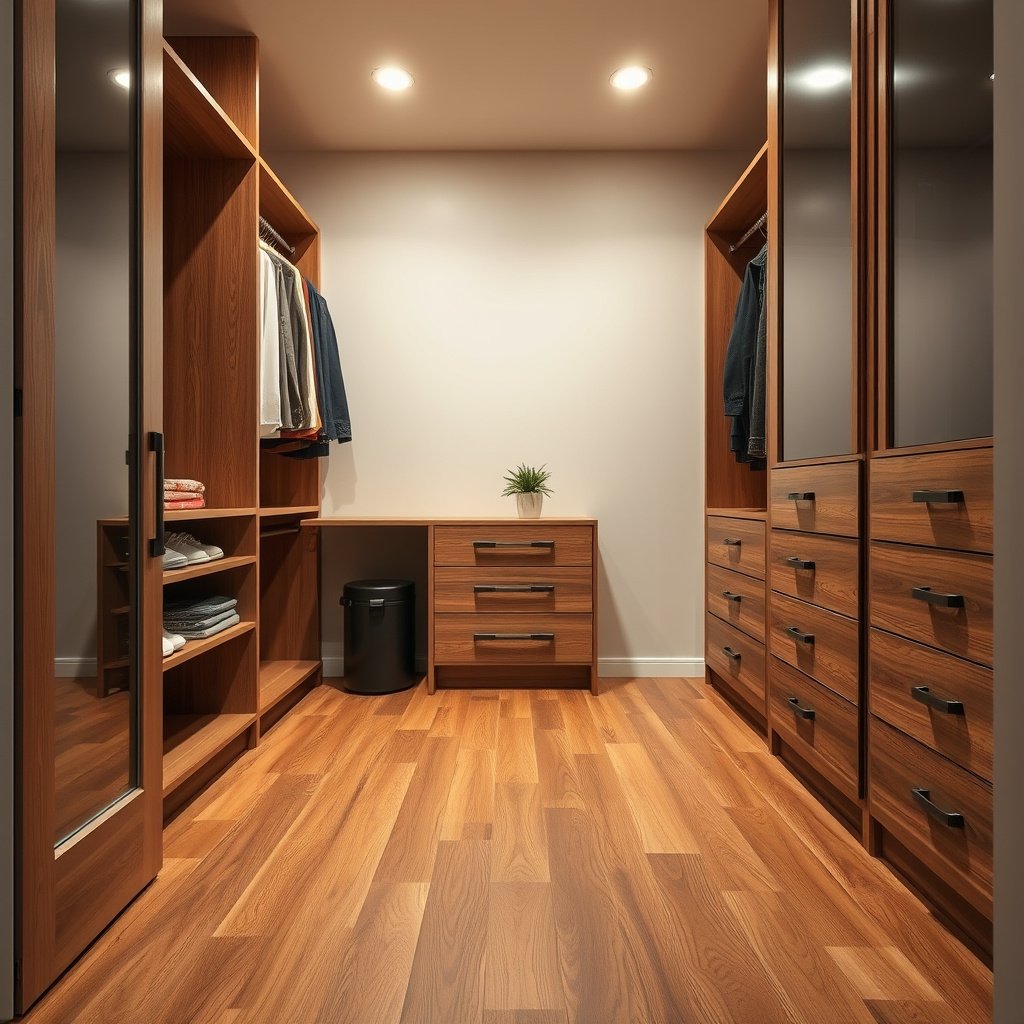
Stop scratches by preventing abrasive particles from reaching your hardwood closet floors in the first place. Here the goal is simple: capture grit at the closet threshold and remove it quickly before it “acts like sandpaper” on the finish.
Walk-off mats are designed to intercept soil and particles before they transfer onto hard surfaces, which is why they’re a first-line defense in grit-driven scratch scenarios.
Quartz—the main component of common sand—is rated at Mohs hardness 7, meaning sharp particles can abrade many wood finishes if they’re repeatedly dragged.
The National Wood Flooring Association recommends routine dry cleaning (e.g., vacuuming or sweeping with appropriate tools) and advises avoiding practices that can damage finishes through excess moisture or harsh abrasion (National Wood Flooring Association, care/maintenance guidance).
– Use a properly sized entrance mat or low-pile runner inside/just beyond the closet opening to catch dust and grit before it grinds into the finish.
– Keep the closet floor clean with a soft broom and routine vacuuming (ideally with a floor-brush attachment) to prevent abrasive particles from acting like sandpaper.
– If you store outdoor-worn shoes there, consider a “shoe landing zone” mat so the floor isn’t exposed to grit during quick grabs.
What “block grit” looks like in a real closet
For hardwood closet floors, grit control is about both location and frequency. Place your mat far enough inside that shoes land fully on it—not half on wood, half on fabric. Then vacuum on a schedule that matches your household’s traffic; even a “light” closet can accumulate sand-like dust at the threshold.
Use measurements to pick the mat strategy
As of 2026, most mat recommendations in real homes come down to two measurable behaviors: (1) how many steps happen on bare wood before the mat is fully engaged, and (2) whether the mat stays flat under foot traffic. If your runner edge curls up, you’ve essentially created a friction ramp that can scuff your hardwood closet floors where people pivot.
Why particle hardness matters
Different “gunk” entering closets behaves very differently on finished hardwood. Hard mineral particles are more likely to cut and dull coatings when repeatedly dragged by shoes, rolling bin feet, or the underside of storage bins.
Common Abrasive Grit Types Tracked Into Closets (Mineral Hardness)
| # | Tracked grit type | Where it shows up in closets | How it scratches hardwood | Mohs hardness (higher = more abrasive) |
|---|---|---|---|---|
| 1 | Quartz (sand dust) | Shoe treads, outdoor soil | Sharp particles abrade finish | 7.0 |
| 2 | Feldspar | Rock dust, gravel tracked in | Cuts and dulls surface coating | 6.0 |
| 3 | Window glass grit | Broken items, stored cleaning gear | Hard abrasives scour finish | 5.5 |
| 4 | Calcite (limestone dust) | Concrete dust, construction storage | Abrasive grit accelerates wear | 3.0 |
| 5 | Gypsum (plaster dust) | Remodeling/repair storage | Fine dust can still abrade coatings | 2.0 |
| 6 | Talc (chalk-like dust) | Craft material, some pet areas | Lower hardness, but repeated drag matters | 1.0 |
| 7 | Aluminum oxide grit | Sandpaper/abrasive storage | Very hard particles quickly dull finishes | 9.0 |
Protect friction points (especially under shelves and items)
Stop new scratch lines by treating the “contact locations” on your hardwood closet floors like wear points, not random scuffs. Once grit is controlled, friction reduction is what prevents everyday movement from turning into visible abrasion.
Furniture sliders and felt pads reduce direct surface-to-surface abrasion by increasing compliance and lowering shear forces where objects contact hardwood finishes.
The most persistent closet scratch zones are typically under shelving feet, bin corners, and the “pivot area” where people rotate items rather than lift them.
Carpet and Rug Institute–style walk-off guidance emphasizes soil capture first, because even protective underlayers can drag debris if they shift on hard floors.
– Add felt pads or furniture sliders to the bottoms of baskets, storage bins, and anything that rests directly on the floor.
– For shelving units, place a protective layer where metal or wood supports could rub (and re-check periodically after you move or re-level the unit).
– Avoid pulling items straight across unfinished or worn spots—lift and set down when possible to reduce scuffing.
Which friction points matter most in closets?
In a closet, scratches rarely happen everywhere at once. They concentrate where hardwood closet floors repeatedly experience one of these conditions:
– Static contact: a bin corner stays in place, but grit under it slowly grinds the finish every time the bin shifts a millimeter.
– Micro-dragging: shelves and organizers don’t “slide” visibly, but they move enough to scuff finish in a repeating pattern.
– Pivot contact: people rotate baskets or shoe boxes, creating short, repeated abrasion marks.
A practical choice: felt pads vs sliders (and when each fails)
Felt helps most when it’s clean and intact; sliders help most when you need consistent movement with less drag. The key is preventing felt from becoming a grit reservoir.
| Feature | Felt pads | Low-friction sliders |
|---|---|---|
| Primary goal | Reduce abrasion | Reduce sliding shear |
| Best for | Bins that stay mostly put | Bins moved for seasonal changes |
| Maintenance risk | Can trap grit if never cleaned/replaced | Less grit-capture, but can scratch if contaminated |
| Noise when moving | Often quieter | Can be smoother/less drag |
| Load tolerance | Works if pads are sized/attached correctly | Works when slider material is compatible |
| Behavior on hardwood | Reduces friction but can compress | Maintains glide if kept clean and dry |
| Most common failure | Dirty, flattened felt | Shift + debris buildup under the slider |
| When to inspect | After reorganizing or floor cleaning | After every reconfiguration and re-leveling |
| Scratch prevention level | High when clean and intact | High when debris-free and aligned |
| Best use style | Lift, then set; avoid scraping | Slide only on clean/protected surfaces |
| Best For | Closet items that rarely move | Items you reorganize seasonally |
Compatibility note for hardwood closet floors
If you use sliders, prioritize materials recommended for finished hardwood in the manufacturer’s guidance (especially if your floor uses a polyurethane or urethane-based topcoat). If you’re unsure, start by testing a small hidden area and then inspect after a few moves.
Use the right floor cover (and keep it aligned)
Choose a floor cover that stays flat, stays clean, and doesn’t create new friction lines on your hardwood closet floors. The cover should reduce impact and abrasion while preventing grit from migrating beneath it.
A runner with curled edges increases localized friction and can create repeating scuff lines on adjacent hardwood.
Grit trapped under a mat still abrades hardwood when the mat shifts, which is why mat cleanliness and stability are as important as mat presence.
Most hardwood care guidance emphasizes dry or manufacturer-approved cleaning methods to protect finishes from dulling or damage (National Wood Flooring Association, care/maintenance guidance).
– Choose a runner or mat that stays flat and doesn’t shift; curled edges can increase friction and create scratch lines.
– Keep it clean and dry—grit trapped under a rug can still scratch as the mat moves or as you walk over it.
– Replace worn mats/runners when padding gets thin, because “stiff” coverings can transfer more impact to the finish.
How to set up your cover system for real closets
A good cover system typically has two layers:
1. Entrance capture layer: a low-pile mat that your shoes fully land on.
2. Contact-zone protection layer: additional protection where baskets and shelving feet rest.
In 2026, the most common setup failure we see in closets is alignment drift—people install a runner, then it shifts a fraction after months of traffic. When that happens, your hardwood closet floors start seeing the exact grit pathway the mat was meant to block.
Maintenance routine for cover performance
– Shake or vacuum mats regularly (treat them as a filter, not decoration).
– If the mat has a non-slip backing, make sure it’s intact and not shedding debris onto the floor.
– After deep cleaning your closet, inspect under the runner edge: if you see a “darker stripe,” grit is likely migrating there.
Move items the scratch-resistant way
Move items in a way that eliminates drag, even when you’re using pads or sliders on your hardwood closet floors. Lifting during reorganizing is the single easiest way to stop micro-scraping that accumulates into visible finish wear.
Dragging bins, shoe boxes, or storage baskets—even briefly—can create linear scuff patterns that match the object footprint.
Microfiber cloths remove fine dust without the abrasion associated with stiff scrubbers, aligning with typical hardwood care recommendations (National Wood Flooring Association, care/maintenance guidance).
Relative humidity control matters for long-term wood stability; NWFA guidance often targets indoor humidity around 35–55% to reduce seasonal movement that can widen wear patterns (National Wood Flooring Association, humidity guidance).
– When you reorganize, don’t drag hangers, bins, or shoe boxes across the floor; lift slightly and carry or slide only with a smooth, protected surface underneath.
– If you frequently move items, consider clear plastic protectors under lightweight storage—but be careful: some plastics can trap grit or scuff if they’re not clean.
– Build a routine: after vacuuming, wipe the floor with a barely-damp microfiber cloth so you’re removing the grit that can hide on top.
A movement workflow that reduces scratches
For hardwood closet floors, think “reset and re-place,” not “rearrange and drag.” A simple workflow helps:
– Clear one zone at a time (door area first).
– Lift items off the floor instead of pulling across bare wood.
– Place items back onto the same protected zones (don’t let feet re-contact new bare spots).
– Re-check after you finish—closet owners often spot the scratch pattern only after the final pass.
What can go wrong (common mistakes and edge cases)
Avoid the common traps that undo the grit-and-friction work on your hardwood closet floors. Even good mats and pads fail when they move, get dirty, or aren’t compatible with the floor finish.
Hard vacuum wheels and metal attachments can scratch hardwood finishes, so using soft floor attachments is a critical part of scratch prevention (National Wood Flooring Association, care/maintenance guidance).
A “dirty mat” can become the scratch source by grinding debris into wood when the mat slides underfoot.
– Using the wrong vacuum head: hard wheels or metal attachments can scratch finishes—use soft floor attachments when you can.
– “Rug solves everything” thinking: a dirty mat can grind debris into the wood, especially if it slides when you walk.
– Wet cleaning that damages finishes: excess moisture can dull or damage some hardwood finishes; stick to manufacturer-approved cleaning methods and avoid soaking.
– Felt pads that accumulate grit: felt helps friction, but it can also trap particles—inspect and clean or replace pads regularly.
– High-impact items: dropping tools, moving heavy shoe racks, or sliding full bins can dent or scratch regardless of mats—use lifting and staging to prevent impact.
Edge cases worth planning for
– Finished vs. unfinished surfaces: If your hardwood closet floor is already deeply worn, surface abrasion may be harder to hide even with protection layers.
– Seasonal storage: Holiday decorations and winter boots get moved less often but can introduce more grit (snow, salt, sand). Your hardwood closet floors may need tighter mat discipline during these periods.
– Shelf re-leveling: When you move shelving, even slightly, metal feet can re-contact the same spot repeatedly before you notice—check after re-leveling.
Verdict / tip (what’s worth doing first)
If you want the fastest improvement with the least hassle, prioritize (1) grit control (mat + routine cleaning) and (2) friction protection (felt pads under bins and protective coverage at contact zones). The downside is that mats and pads require upkeep—if you never clean or replace them, they can become a grit trap instead of a safeguard.
If your closet already has deeply worn finish or widespread scratches, consider before relying on covers alone.
Cutting off abrasive particles at the threshold plus reducing drag at contact points addresses the two dominant drivers of hardwood closet scratches: grit and friction.
Routine dry cleaning and finish-safe spot care are consistent with manufacturer and industry guidance for protecting hardwood coatings over time (National Wood Flooring Association, care/maintenance guidance).
Quick scan checklist (save this)
– [ ] Put a low-pile mat/runner at the closet entrance area
– [ ] Vacuum/soft-broom the closet floor regularly (soft attachment only)
– [ ] Add felt pads to bottoms of bins, baskets, and organizers
– [ ] Ensure the runner/mat lies flat and doesn’t shift
– [ ] Lift items during reorganization (don’t drag across bare spots)
– [ ] Inspect/replace worn pads and mats on a schedule
A checklist turns “good intentions” into repeatable maintenance, which is essential because grit and friction are ongoing, not one-time problems.
Inspecting protected zones on a schedule helps you catch mat shift, pad wear, or debris buildup before it transitions into visible scratching.
Sources
– National Wood Flooring Association (NWFA): hardwood floor care and maintenance guidance for cleaning methods and finish protection
– US Geological Survey (USGS): Mohs hardness references for common minerals (e.g., quartz, calcite, gypsum, talc, aluminum oxide)
– If you’re using felt pads or sliders:
With grit contained at the entrance and friction controlled at contact points, scratches on hardwood closet floors become far less likely. Build your system around mat stability, clean underlayers, and lift-before-place movement, and your closet floor will stay smoother—and look newer—for years rather than months.
Frequently Asked Questions
How can I prevent scratches on hardwood floors in a closet?
Start by keeping all foot traffic and items off the bare floor by using a high-quality entry mat or runner at the closet opening. Add felt or rubber protective pads under hangers, shoe racks, baskets, and any storage bins that touch the wood. Regularly inspect the closet floor for grit or sand and sweep with a soft broom or vacuum with a floor-friendly brush to avoid abrasive scratching.
What is the best floor protection for hardwood inside a closet?
The best option is a non-slip rug pad paired with a low-shed area rug or runner designed for hard floors. Choose products labeled safe for hardwood so the backing won’t damage the finish, and ensure the rug edges are secured to prevent friction. If you need a more permanent solution, consider a clear, floor-safe protective film in high-scratch zones under shelves and shoe storage.
Which furniture pads work best to stop scuff marks on hardwood?
Use felt pads for most closet furniture and storage pieces because they provide cushioning and reduce direct contact. For heavier items like shelving brackets, opt for thicker felt or small rubber/composite pads that won’t compress too quickly. Avoid hard plastic glides and ensure pads are the correct size—small pads can concentrate pressure and increase the chance of scratches when items shift.
How do I stop shoes and boots from scratching hardwood in a closet?
Keep a dedicated shoe mat or tray near the entrance of the closet area so dirt and grit are trapped before they reach the hardwood. Store shoes on racks with padded contact points or place them in boxes/bins with smooth bases to prevent scuffs from soles. Clean the floor regularly and wipe the rack feet and bin bottoms so abrasive particles don’t grind into the finish when you pull items out.
Why do hardwood floors scratch more in closets, and how can I prevent it?
Closets often cause scratches because items are moved frequently, floors can accumulate sand and dust, and there’s limited space that encourages rubbing against the wood. Use a soft floor-cleaning routine, such as sweeping or vacuuming with a brush attachment, and keep the closet organized so you don’t slide heavy bins or racks across the floor. Applying a compatible hardwood floor polish or refresher in non-hidden areas can also improve scratch resistance over time.
📅 Last Updated: October 17, 2026 | Topic: How to prevent scratches on hardwood floors in a closet? | Content verified for accuracy and freshness.
References
- Wood flooring
- 404 Error
- https://www.armstrongflooring.com/customer-care/floor-care.html
- MohawkFlooring
- https://extension.psu.edu/caring-for-hardwood-floors
- https://extension.umn.edu/maintenance-and-repairs/hardwood-floors
- https://scholar.google.com/scholar?q=hardwood+floor+scratch+prevention+felt+pads+rugs Google Scholar
- https://scholar.google.com/scholar?q=wood+floor+care+prevent+surface+scratches+abrasion Google Scholar
- https://scholar.google.com/scholar?q=hardwood+floor+maintenance+protect+against+scratches+furniture+moving Google Scholar