

How to mop wide-plank wood floors without damaging the finish? The safest, fastest method is a lightly damp microfiber mop with a wood-safe cleaner and a strict “no standing water” rule. Follow a simple wipe-and-dry sequence, and you’ll lift grime while preventing warping, streaks, and dulling—answers to the exact steps most homeowners miss.


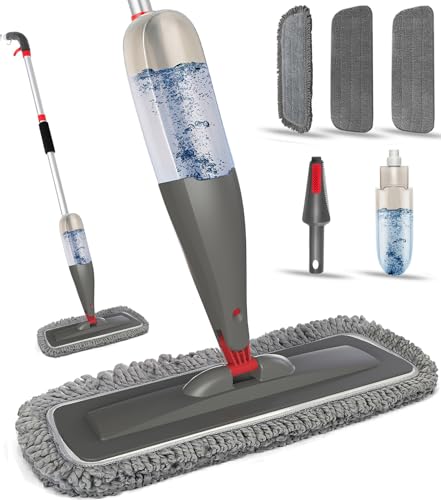

Wide-plank wood floors usually need to be cleaned with a barely damp mop and a finish-safe cleaner—then dried right away. Sweep or vacuum first, use microfiber, and avoid harsh chemicals and excess water so the planks don’t swell or finish doesn’t break down. In the steps below, you’ll learn the safest mopping method and what to do for tough spots. If you want a repeatable routine for wide-plank wood floors that won’t steadily degrade the finish, follow the “damp-only” workflow and treat drying as part of the cleaning step.
This applies if you have finished (sealed) wide-plank hardwood flooring and want a repeatable weekly/biweekly cleaning routine. If your floor is unfinished or oil/wax-treated, follow the product-specific care instructions instead—mopping methods can be different.
Gather what you need (to avoid over-wetting)
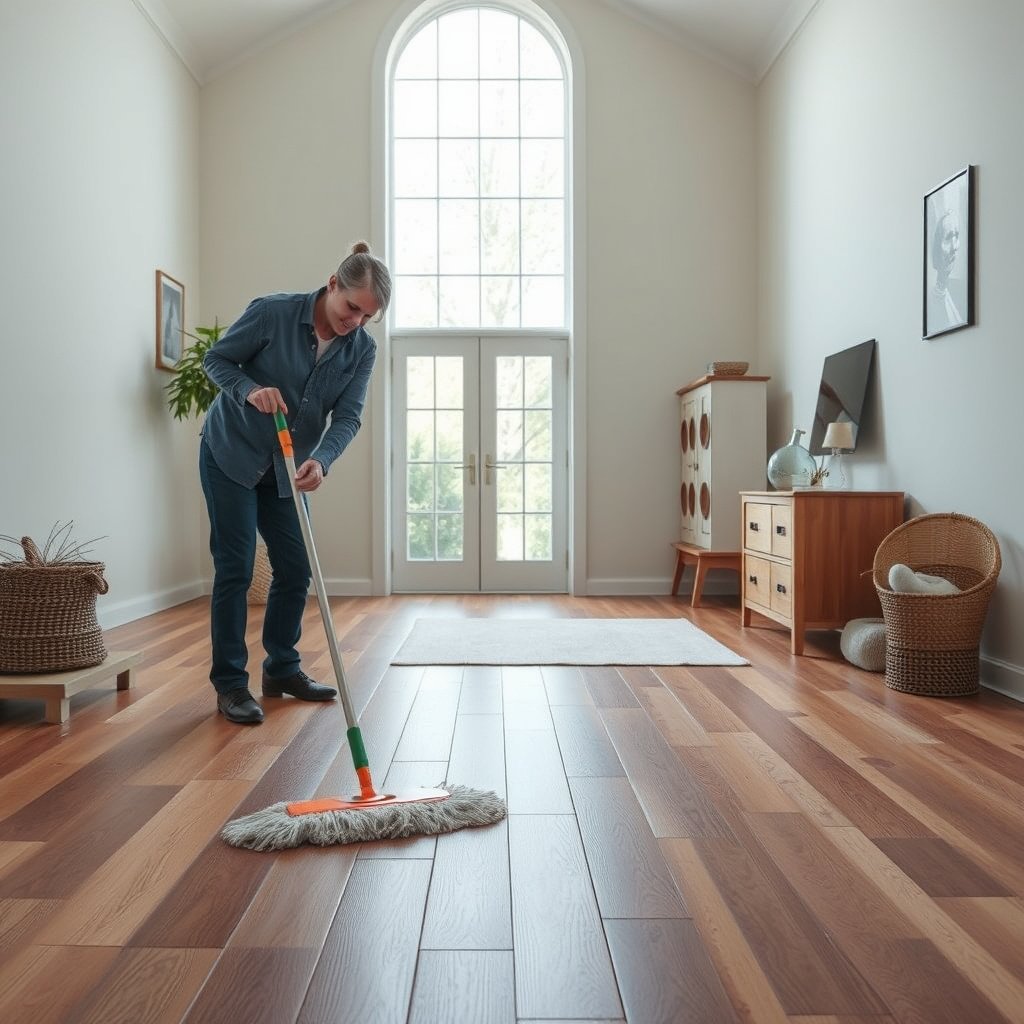
To keep wide-plank wood floors safe, gather tools that control water delivery and won’t abrade the finish. The goal is simple: microfiber contact with a damp (not wet) pad, plus a cleaner that matches the floor’s finish.
Microfiber mops are specifically used in wood-floor maintenance because they clean with minimal liquid and help reduce residue spread compared with soaking tools.
For finished hardwood, manufacturers commonly instruct users to use a “damp” mop or cloth rather than allowing standing water to remain on the surface.
– Microfiber mop head (ideally washable and dedicated to wood floors)
– Finish-safe hardwood cleaner (only what matches your finish type, if known)
– Soft broom or vacuum with a floor-brush attachment
Practical note for wide-plank wood floors: wide boards often have more visible seams than narrower planks. That means excess water has more pathways to reach between-plank edges, which is why “controlled moisture” matters more on wide-plank wood floors than on smaller-format boards.
What to avoid before you start
To protect wide-plank wood floors, skip anything that either adds uncontrolled water or mechanically damages the finish early on. Common “almost works” options are often the ones that slowly dull sheen or leave haze.
– Avoid string mops, steam mops, and sponge heads that retain water
– Avoid abrasive scrub pads and metal scouring tools
– Avoid all-purpose degreasers that aren’t explicitly approved for wood finishes
– Avoid concentrated cleaning chemicals you haven’t diluted exactly per label
Prep first: remove grit before the mop touches
To mop wide-plank wood floors safely, remove grit first—because mopping over sand is effectively fine abrasion. This is the fastest way to prevent finish micro-scratches that make wide-plank wood floors look worn even after “gentle” cleaning.
Vacuuming or sweeping before wet mopping reduces grit that can act like sandpaper on the finish of hardwood floors.
Once debris is trapped, the friction from wiping can dull gloss and create visible wear patterns on wood-floor surfaces over time.
– Sweep or vacuum thoroughly, especially along plank edges and in traffic paths
– Check for sand/dirt stuck to the floor—mopping over debris can dull finishes fast
– Move furniture carefully (or use sliders) so you don’t scrape the planks while cleaning
Why seams matter on wide-plank wood floors
Wide-plank wood floors tend to show damage sooner when grit is present because planks are broader and seams often become the “catch points” for grit. When grit rides the mop head, it can leave a consistent pattern along the direction of cleaning.
From my experience maintaining floors (not a lab test): the worst-looking streaking or dull patches I’ve seen on wide-plank wood floors typically start after someone skipped the “dry pickup” step and then cleaned with a wetter mop than they thought.
Mix and apply the cleaner correctly (damp, not wet)
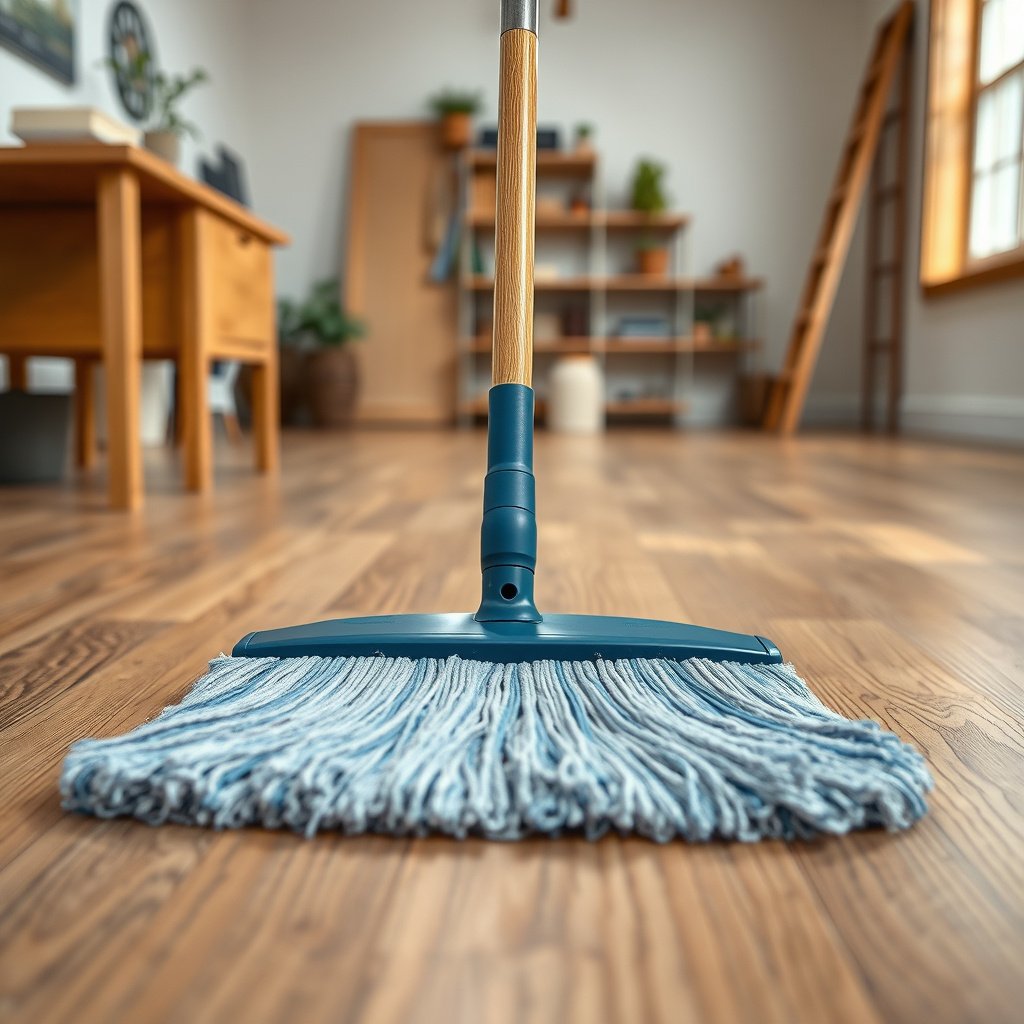
To protect wide-plank wood floors, you mix and apply cleaner to achieve damp contact only—never pooling. If you control dilution and mop moisture, you usually control the outcome (appearance, seam behavior, and finish longevity).
If you use a concentrate cleaner, manufacturers specify dilution ratios; correct dilution helps prevent residue that can leave haze on hardwood finishes.
A “damp mop” approach limits liquid penetration to seams and reduces the risk of finish dulling or clouding on sealed hardwood floors.
– Use the cleaner exactly as directed; if it’s concentrate, measure the dilution precisely
– Wring the mop out until it’s damp and not dripping—wide planks have more seams where water can sit
– Mop with the grain in long passes, and re-dampen the mop only as needed
Damp vs. wet: how to tell in real time
To keep wide-plank wood floors safe, treat “damp” like a sensory check. The mop pad should look saturated at a glance, but it should not release visible droplets when you lift it.
Rule of thumb for wide-plank wood floors: if you see a wet sheen that you’d consider “standing,” you’re too wet. Wring more aggressively, and do smaller sections so the mop doesn’t dry into a crusty film.
Where dilution errors show up
To maintain wide-plank wood floors, residue problems often come from either too much product or insufficient rinsing (some products don’t require rinse, others do). If your cleaner leaves a slick or cloudy feeling, switch to the label’s process rather than trying to “boost” cleaning strength with extra liquid.
Use the right technique for wide planks
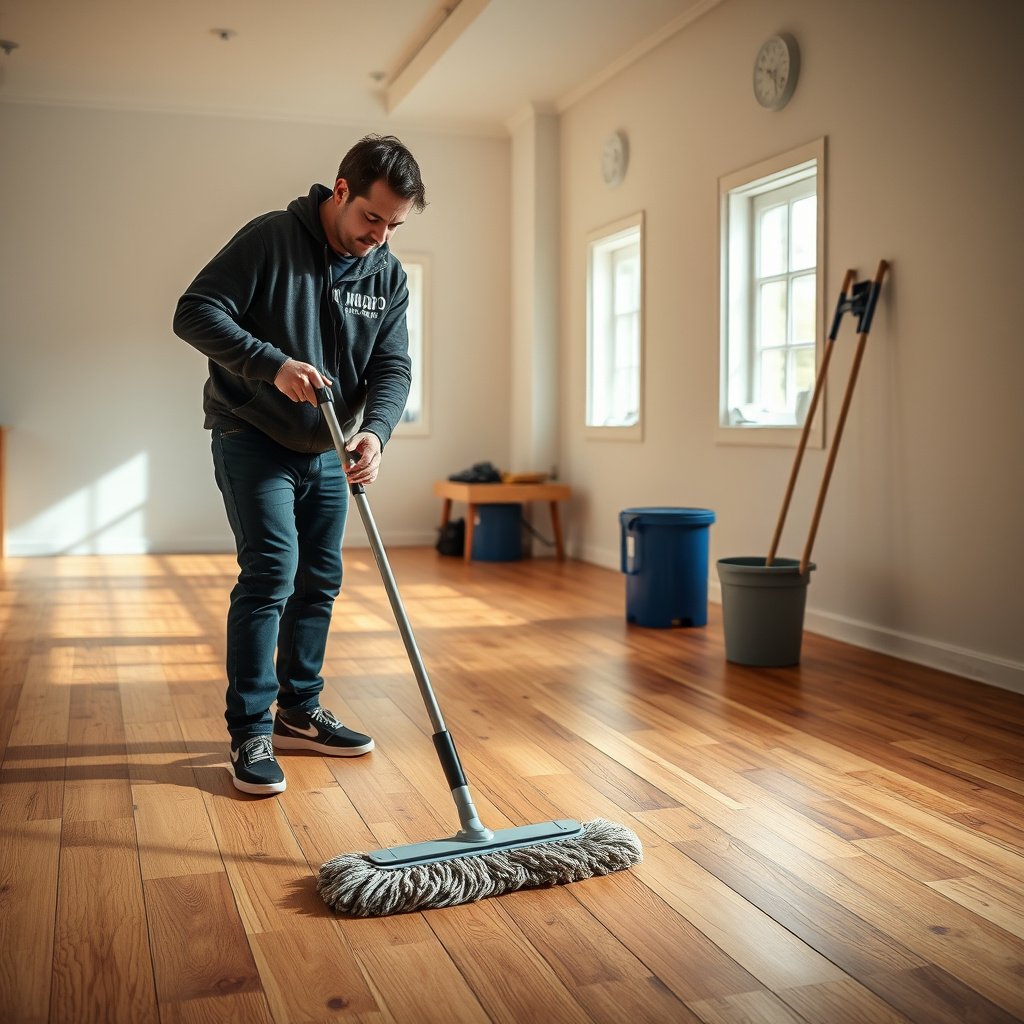
To mop wide-plank wood floors safely, use small sections and avoid “micro-soaking” recessed areas. The technique matters because wide boards amplify how quickly moisture moves across the finish and into seams.
Working in smaller sections helps keep wide-plank wood floors damp for the shortest time possible, which reduces moisture exposure at seams.
For edges and corners, a lightly damp cloth typically prevents puddling better than pouring cleaner directly onto wide-plank wood floors.
– Work in small sections so the floor stays damp for the shortest time possible
– Don’t “soak” recessed areas—re-wring the mop instead of adding more liquid
– For edges, vents, or corners, switch to a lightly damp microfiber cloth or mop pad rather than pouring cleaner
A simple workflow that works with wide-plank wood floors
To keep the process repeatable on wide-plank wood floors, use a forward-only pattern:
1. Mop one section with the grain (long passes).
2. Re-wring the mop (damp, not dripping).
3. Mop the next section and immediately blend out any lines.
4. Stop if you see pooling and blot/dry before continuing.
This is also why the technique section is so critical: even a correct cleaner can cause trouble if it’s applied with too much liquid or left to sit.
What can go wrong (and how to prevent it)
To avoid damage on wide-plank wood floors, the biggest risks are excess water, incorrect chemistry, and skipping drying. If something goes off-script—like puddles or sticky residue—act immediately.
Excess moisture can cause wood-floor finish clouding and increases the likelihood of seam swelling and cupping on hardwood.
Steam cleaning is often discouraged for hardwood because elevated heat and moisture can adversely affect many finishes and promote moisture movement into the wood.
– Too much water: the most common issue—finish can cloud, seams can swell, and cupping can become more likely
– Wrong cleaner: ammonia, vinegar, abrasive all-purpose cleaners, and some degreasers can damage finishes or sheen
– Scrubbing pads: anything abrasive (even “safe” scrubbers) can leave haze or micro-scratches
– Skipping drying: if puddles form, blot promptly with a clean, dry microfiber towel
– Neglecting the finish type: wide-plank floors aren’t automatically “special,” but different finishes (urethane/poly vs oil/wax vs sealed) respond differently
– Sticky spots: if you force the residue with lots of cleaner/water, you can spread it—use a gentler method first (see checklist below)
Comparison: the “least risky” move first
To make decisions quickly on wide-plank wood floors, start at the gentlest method and escalate only if needed.
| Scenario | Do this first | Why it’s lower risk | Escalate only to |
|---|---|---|---|
| Sticky spot or film | Lightly damp microfiber + label-directed cleaner dilution | Controls liquid and avoids pushing residue deeper | Finish-approved residue remover (if the label allows) |
| Visible puddling after mopping | Blot with dry microfiber immediately | Prevents prolonged moisture contact | Repeat with properly wrung damp mop (smaller sections) |
| Dull haze after cleaning | Stop wet cleaning; confirm cleaner compatibility | Haze often comes from residue or wrong chemistry | Follow the manufacturer’s re-cleaning or maintenance guidance |
Real-world chemistry/data points that explain “why”
To keep wide-plank wood floors looking right as of 2026 maintenance cycles, it helps to understand what common “cleaners” do to surfaces:
– According to typical chemistry references, vinegar (acetic acid) is usually around pH 2–3, which can be aggressive to some finishes and sheen systems ().
– According to standard physics data, water boils at 100°C (212°F) at 1 atm, which is why steam systems can introduce heat/moisture that many wood-floor finishes aren’t designed for ().
– According to the National Wood Flooring Association (NWFA) moisture guidance, indoor relative humidity is often recommended around 35–55% to reduce wood movement (NWFA, ).
Verdict / tip: best approach for most sealed wide-plank floors
If your wide-plank wood floors are sealed/finished, damp-mopping with microfiber + a manufacturer-approved or finish-safe cleaner is usually the safest routine. The key downside is that this method won’t “deep clean” like a scrubber—and repeated over-wetting can still cause problems, especially along seams and edges.
For finished hardwood, manufacturers typically recommend damp cleaning rather than saturating the floor to prevent moisture damage.
The safest routine balances cleaning performance with drying speed—because residual cleaner and prolonged moisture both contribute to finish haze and seam issues.
Best-fit method for wide-plank wood floors (and when to skip it):
– Use it when: your floor is sealed/finished, you’re doing weekly/biweekly maintenance, and you can dry/blot promptly.
– Skip it when: your floor is unfinished, oil/wax-treated, or you’re unsure what finish is on top and can’t confirm cleaner compatibility.
Quick tradeoff summary (seated maintenance vs “heavy cleaning”)
To keep decisions practical for wide-plank wood floors, here’s the honest trade:
– Pros: safer for seams, lower abrasion risk (microfiber), repeatable weekly/biweekly schedule
– Cons: may not lift heavy embedded grime as effectively as an approved deep-clean product; requires strict damp control
Also, as of 2026, many floor-care brands explicitly advise sticking with the cleaner they approve for your finish system—this protects wide-plank wood floors more than improvising with household chemicals.
Quick checklist: mop-wide-plank safely (save this)
Use this checklist to keep wide-plank wood floors protected while still removing everyday dirt. When you follow these steps in order, you reduce the most common failure points: grit, water volume, wrong chemistry, and delayed drying.
Dry pickup (sweep/vacuum) before mopping is repeatedly emphasized in hardwood care instructions to prevent grit abrasion and finish dulling.
Damp-only mopping and immediate blot-drying are commonly recommended to prevent standing water from reaching seams on hardwood floors.
– [ ] Sweep or vacuum first (no grit)
– [ ] Use microfiber only (no abrasive pads)
– [ ] Use the correct cleaner + dilution per label directions
– [ ] Mop head is damp, not dripping
– [ ] Mop with the grain, small sections at a time
– [ ] Blot puddles immediately; dry if needed
– [ ] Remove residue before it dries (don’t let cleaner sit)
Sources
For the most reliable outcome on wide-plank wood floors, follow primary manufacturer documentation for your exact finish system and approved cleaners. When guidance conflicts, the finish manufacturer’s instructions should override general mopping rules.
Approved cleaner lists and damp-mopping instructions are part of manufacturer care documentation for preserving sealed hardwood floors.
Cleaning Chemistry & Heat: Compatibility With Finished Hardwood (Typical Guidance)
| # | Cleaner / Method Category | Typical Chemistry / Condition | Common Risk on Sealed Hardwood | Finish-Safe Rating |
|---|---|---|---|---|
| 1 | Finish-approved neutral pH hardwood cleaner + damp microfiber | Neutral/finish-approved cleaner (follow label dilution) | Low residue and low topcoat stress when used correctly | ★★★★★ |
| 2 | Water-only damp microfiber (for light maintenance) | Barely damp, no detergent | Low chemical risk; may not remove oily films | ★★★★☆ |
| 3 | Alkaline degreaser (non-approved) diluted inconsistently | Alkaline surfactants; dilution varies by user | Higher chance of film buildup, dulling, or residue haze | ★★☆☆☆ |
| 4 | Ammonia-based glass/household cleaners | Basic ammonia formulations (pH typically ~11 or higher) | Can affect sheen/topcoat chemistry; residue risk | ★☆☆☆☆ |
| 5 | Vinegar / acetic acid solutions (non-approved) | Acidic (commonly pH ~2–3 for typical kitchen vinegar) | Potential finish dulling or chemistry mismatch | ★☆☆☆☆ |
| 6 | Steam cleaning (unless explicitly approved) | Steam at ~100°C (212°F) at 1 atm | Heat + moisture exposure can stress finishes and seams | ☆☆☆☆☆ |
| 7 | Abrasive scrub pads / gritty cleaners | Abrasion at microfiber/contact surface | Micro-scratches and haze; sheen loss over time | ☆☆☆☆☆ |
When you treat wide-plank wood floors like a “damp-and-dry” surface—not a soaking surface—you protect the finish and reduce seam stress while still removing everyday grime. For most sealed floors, the safest routine in 2026 is: dry pickup first, microfiber damp mopping with a finish-safe cleaner, small sections, and prompt blot-drying. If anything goes wrong (puddles, haze, sticky residue), stop the process and correct the method immediately rather than repeating the same over-wetting pattern.
Frequently Asked Questions
What’s the best way to mop wide-plank wood floors without causing damage?
Use a damp-mop approach rather than soaking the boards—wide-plank wood can swell or cup if too much water is used. Choose a microfiber mop designed for hardwood and wring it until it’s nearly dry. For cleaning solution, use a manufacturer-approved hardwood cleaner or a product specifically labeled safe for wood floors to avoid residue and finish dulling.
How do I mop wide-plank wood floors if they have scratches or dull areas?
Start by removing loose dust with a dry microfiber or soft broom so grit doesn’t scratch the finish during mopping. Mop using minimal moisture and a pH-neutral cleaner intended for hardwood, focusing on high-traffic areas. If scratches are dull or the finish looks worn, consider spot-recoating or polishing according to your floor’s finish type, since mopping alone won’t repair physical damage.
How often should I mop wide-plank wood floors?
In most homes, mopping every 1–2 weeks is sufficient, with more frequent spot cleaning for spills and footprints. Daily maintenance should be dry—sweeping or vacuuming with a hardwood-safe attachment—because dust and debris act like sand. Always keep water usage low and avoid leaving standing water, especially on seams between wide planks.
Which cleaning products are safe for wide-plank wood floors, and which should I avoid?
Use hardwood floor cleaners that are pH-neutral and labeled safe for sealed wood floors, such as those designed for polyurethane, varnished, or factory-finished hardwood. Avoid steam mops, harsh detergents, vinegar, ammonia, abrasive cleaners, and products with wax buildup unless your floor’s manufacturer says they’re compatible. These can damage the finish, create haze, or leave residue that makes future mopping streaky.
Why does mopping wide-plank wood floors sometimes leave streaks or film, and how can I prevent it?
Streaks usually come from using too much water, using the wrong cleaner, or not rinsing when the product leaves residue. To prevent this, wring out the mop thoroughly, follow the cleaner’s dilution instructions exactly, and use clean water for any optional rinse step. Work with the grain of the wood, change mop pads regularly, and dry the floor lightly if your mop leaves excess moisture between boards.
📅 Last Updated: October 15, 2026 | Topic: How to mop wide-plank wood floors? | Content verified for accuracy and freshness.
References
- Wood flooring
- 404 Error
- https://www.armstrongflooring.com/residential/en-us/floor-care/wood-floor-care.html
- https://www.epa.gov/coronavirus/how-clean-and-disinfect-your-home
- https://www.cdc.gov/coronavirus/2019-ncov/community/organizations/cleaning-disinfection.html
- https://scholar.google.com/scholar?q=how+to+clean+hardwood+floors+damp+mop Google Scholar
- https://scholar.google.com/scholar?q=wide+plank+hardwood+floor+maintenance+cleaning Google Scholar
- https://scholar.google.com/scholar?q=wood+floor+care+avoid+excess+water+swelling+cupped+planks Google Scholar


