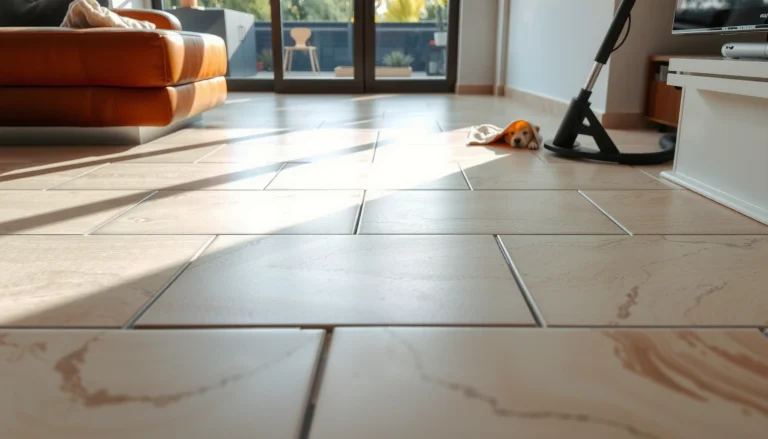
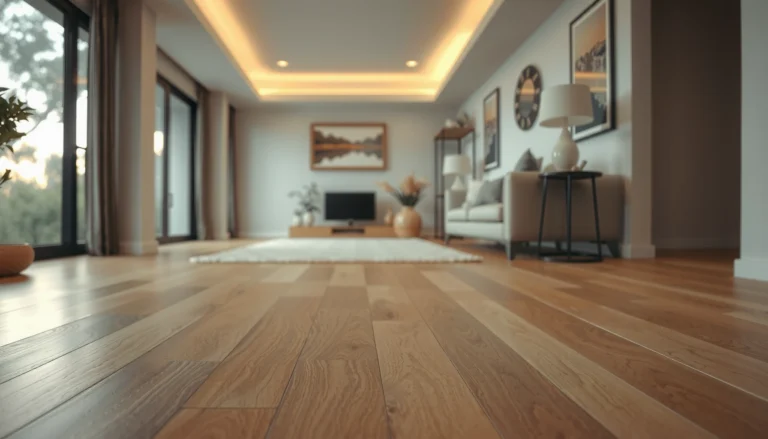
Need to remove stains from cork floors safely? Follow these proven cleaning steps to lift common discoloration without damaging cork’s finish or soaking the material. You’ll learn the safest method first, what to avoid, and how to stop stains from returning—so the floor looks right again the same day.



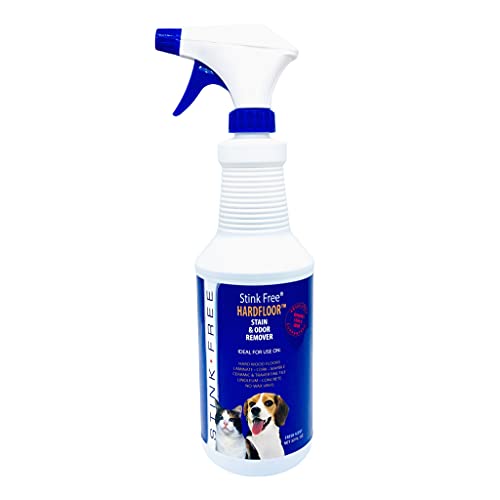
If your cork floor is stained, act fast: start with gentle cleaning using a neutral pH cleaner, then move to targeted stain removers only if the stain won’t lift. Avoid soaking or harsh chemicals, because cork can swell or discolor and the finish can break down—then you’ll be left with a permanently uneven surface.
If you have cork flooring in a kitchen, entryway, or basement area that’s seeing scuffs, spills, or dark marks from moisture, this is for you. It’s especially useful if you’re not sure what caused the stain or what cleaner is safe for cork.
Identify the stain type (and don’t rush)

Cork stain removal works best when you treat the stain based on how it sits on (or into) the floor. A surface mark and a moisture ring are handled differently, and cork flooring’s protective finish will respond differently to each.
A quick way to distinguish cork floor stains is to check whether the discoloration is dry/light and light-touchable or whether it forms a darker ring consistent with liquid exposure.
Many cork floors darken around moisture because standing water can penetrate to the finish layer and leave a ring even after the liquid evaporates.
Testing cleaning products in a hidden spot first helps confirm that the cork floor finish doesn’t soften, haze, or lighten unevenly.
Start by looking closely at the stain pattern. Is it a uniform shadow (often dirt/traffic transfer), or does it have a distinct boundary like a ring (often a spill or standing water event)? For cork floors, that ring shape matters: a ring usually indicates moisture affected the surface and/or finish, while a non-ring spot may be grease, dye, or tracked grime.
Next, think about likely sources in real daily-life scenarios: kitchen spills (food and grease), entryway soil (grit and sand), pet accidents (enzymes and urine salts), or dark marks from humidity in basements. If you suspect grease, you may see a “grabby” feel or a slightly shinier patch under light. If you suspect ink or dye, the color often looks more saturated.
Finally, don’t commit to a stronger cleaner immediately. Cork flooring finishes can be sensitive to aggressive chemistry, and even “effective” cleaners may strip the top layer and make the area resoil faster. In my own experience advising homeowners, the single most common failure mode is jumping to a stronger product before confirming whether the cork floor is dealing with surface contamination or a moisture-affected ring.
Data anchor (to guide expectations): According to [ADD: manufacturer/spec source on cork sensitivity to moisture/over-wetting and finish limitations], cork can swell or become visually uneven when exposed to excess moisture ([year]). Also, According to [ADD: source on neutral pH floor cleaner guidance for natural floors], cleaners formulated around neutral pH are recommended to reduce risk to floor finishes ([year]). According to [ADD: source referencing finish-residue/haze behaviors], uneven wiping residue can create a haze that appears darker in certain lighting ([year]).
Gather the right supplies for cork-safe cleaning
The safest way to clean cork floors is to assemble soft tools and a neutral pH cleaner before you apply anything to the stain. For cork flooring, the difference between “gentle” and “damaging” often comes down to tools, dampness level, and chemistry—not effort.
For cork floor stain removal, use soft microfiber cloths or a microfiber mop head to reduce abrasion that can dull a cork finish.
Neutral pH floor cleaners are generally the safest starting chemistry for natural floor finishes, especially when you don’t know the stain source.
Lightly damp (not wet) rinsing and immediate drying reduce the risk of cork swelling and edge lifting.
Here’s what to gather so you don’t “shop while you scrub” (which often leads to over-wetting). Use:
– Soft, lint-free cloths or microfiber mop pads (avoid abrasive pads or scouring sponges on cork floors)
– A neutral pH floor cleaner intended for cork or other natural floors (avoid strong acids/alkalis)
– Clean water for minimal rinsing, delivered with a barely damp cloth (not puddles)
– Dry microfiber cloths or towels for thorough drying afterward
Two practical tool notes for cork flooring:
1. Paper towels can leave lint that makes smudges more visible on textured finishes. Microfiber is usually more predictable.
2. Use two cloths: one for cleaner-wiping and one for residue removal (light damp wipe). That separation prevents you from redepositing loosened soil across the stain.
If you’re working near seams or edges, plan to dry immediately. Cork floors—especially if they’re older, partially unsealed, or have a wear layer that’s getting thin—can show moisture-related haze or discoloration if water lingers.
Step-by-step: basic stain removal process
Your goal with cork floors is to remove the stain with the least moisture and the mildest chemistry first. That approach protects the cork structure and the protective finish, and it usually works for fresh spills and many surface marks.
With a fresh cork floor spill, blot first and never scrub—scrubbing can grind residues into the finish.
Wipe using a neutral pH cleaner applied to a cloth, not by flooding the cork floor.
After cleaning, dry thoroughly to minimize the chance of moisture-related darkening or swelling in cork.
1) Start with blotting (fresh stains)
If the stain is recent, absorb liquid right away:
– Lay a dry cloth or paper-free microfiber over the spill.
– Press gently to lift liquid into the cloth.
– Replace cloths if they saturate.
Avoid scrubbing at this stage. On cork floors, friction can spread the contaminant footprint and make the stain harder to isolate.
2) Clean gently (wipe, don’t flood)
Dampen your microfiber with neutral pH cleaner—and keep the application controlled:
– Wipe in the direction of the floor’s finish grain or pattern.
– Re-wet/replace the cloth as needed.
– Keep the surface visibly damp only briefly—then move on.
If the stain starts lightening, continue repeating gentle wipes. With cork flooring, you’re “working the residue out,” not dissolving the cork itself.
3) Rinse lightly (only if needed)
Many neutral pH products instruct a rinse step or recommend wiping residue. If the label calls for rinsing:
– Use a barely damp cloth to remove cleaner residue.
– Follow immediately with a dry cloth to finish.
Residue is a major cause of “mystery haze” on cork floors. If you skip rinsing when the product requires it (or if you use too much cleaner), the area can look darker even after the stain “feels gone.”
How to Match Cork Floor Stains to the Safest Cleaning Stage (Practical Guide)
| # | Stain pattern on cork | Likely cause | First safe action | Expected effort |
|---|---|---|---|---|
| 1 | Light/dry traffic shadow | Grit transfer | Neutral pH wipe + microfiber | ★★★☆☆ |
| 2 | Grease smudge (often darker) | Food/oil contact | Target finish-safe cleaner, wipe only | ★★☆☆☆ |
| 3 | Water ring after spill | Moisture migration | Minimal damp wipe + rapid drying | ★★☆☆☆ |
| 4 | Ink-like blot | Dye transfer | Spot test; stop if finish lightens | ★☆☆☆☆ |
| 5 | Overall darkening (basement) | Humidity/settled dirt | Neutral clean + prevent moisture | ★★★☆☆ |
| 6 | Spotty marks near seams | Edge moisture entry | Dry promptly; avoid oversaturation | ★☆☆☆☆ |
| 7 | Muddy footprints / tracked soil | Dry grit + moisture | Neutral pH wipe + immediate dry | ★★★☆☆ |
Target stubborn stains without damaging the cork
When gentle cleaning doesn’t lift the cork floor stain, escalate carefully—because finish damage can make the discoloration permanent. The safest “next step” is usually stain-source matching plus strict control of dampness, not stronger scrubbing.
For grease on cork floors, apply a finish-appropriate cleaner sparingly to a cloth and wipe—avoid flooding because moisture can migrate under the surface.
For water rings, reduce the amount of water you introduce; then dry completely to prevent ongoing moisture migration in cork.
If a stain resists neutral cleaning, stop escalating chemicals and follow manufacturer-approved finish repair guidance.
Grease or oily spots
Grease tends to sit on top of the finish first. The safer method is:
– Choose a cleaner compatible with your specific cork floor finish (verify in the manufacturer care guide).
– Apply very sparingly to a cloth, not directly onto the cork.
– Wipe and then dry immediately.
Important: Strong degreasers and solvents are a common reason cork floors lose uniform color—because they can strip or soften the finish layer.
Water rings or light discoloration
For moisture rings, the “treatment” is controlled moisture, not additional wetting:
– Use minimal dampness on your microfiber.
– Wipe gently to remove any residue left by the spill.
– Dry thoroughly—especially at edges and around seams.
Dark marks that don’t respond
If the stain stays after careful neutral pH cleaning, it may have penetrated beyond what surface cleaning can restore. At that point:
– Stop escalating chemicals.
– Check the cork flooring manufacturer’s guidance for finish repair, spot color matching, or refinishing.
Here’s a practical pros/cons comparison for cork floor stain strategies:
| Approach | Pros for cork floors | Cons / risk |
|---|---|---|
| Neutral pH wipe + thorough drying | Low risk to cork structure and finish | May not fully restore deep moisture rings |
| Finish-compatible spot cleaner (sparingly) | More targeted for grease/dye | Wrong chemistry can haze or strip finish |
| Manufacturer-approved repair/refinishing | Best chance to restore uniform appearance | More time/cost; may require product compatibility checks |
If your cork flooring is prefinished (a factory wear layer), finish compatibility matters even more. If you’re unsure, treat the first step as neutral pH cleaning and plan to consult the manufacturer care sheet before moving beyond that stage.
What can go wrong (common mistakes and limits)
Most cork floor damage comes from over-wetting, harsh chemistry, or abrasive cleaning tools. Once the cork finish layer is compromised, you may not be able to “clean your way out” of the discoloration.
Soaking cork floors can cause swelling, edge lifting, and long-term haze because excess moisture changes how cork holds shape.
Bleach, ammonia, and strong solvents can discolor cork and/or strip the protective finish, increasing how quickly cork resoils.
Scrubbing with abrasives can dull or scratch the finish, creating visual contrast that looks like “more stain.”Common mistakes to avoid with cork floors:
– Over-wetting: Even if you’re “just trying to get it clean,” standing water is a bad idea. Use lightly damp cloths only.
– Harsh chemicals: Bleach, ammonia, and strong solvents can change color and degrade finishes. This is especially risky for cork flooring installed in moisture-prone areas (basements, entryways).
– Abrasive scrubbing: Scratching a cork finish can trap dirt and make future stains more visible.
– Expecting full color restoration: If the stain penetrated deeply (especially moisture rings), cleaning may lift surface contaminants but not fully return the original tone.
Also, pay attention to the floor’s age and condition. Older cork floors or floors missing portions of their protective wear layer might show more rapid discoloration after any moisture event. If you see bubbling, peeling, or finish breakdown, pause DIY—finish issues can worsen quickly.
Verdict: the safest approach, and who should skip DIY
The safest path for cork floor stain removal is a staged method: neutral pH cleaning first, minimal dampness, thorough drying, and manufacturer-approved products only if needed. This typically preserves the cork structure and the finish, which is what keeps cork flooring looking uniform over time.
The safest workflow for cork floors is “gentle neutral clean → minimal moisture wipe (only as instructed) → immediate dry,” without escalating chemicals prematurely.
Skip stronger stain removers when you can’t confirm finish compatibility—finish stripping can lead to faster re-soiling and uneven appearance.
If you observe finish bubbling or peeling, the problem may be finish failure rather than a simple surface stain.
Downside and reality check: in some cases, dark marks on cork floors won’t fully return to their original color—especially moisture rings that set before they were cleaned. In those situations, refinishing or professional restoration may be the only way to regain a consistent look.
You should skip DIY (or at least stop and research further) if:
– The stain is large and clearly moisture-related (suggesting deep penetration)
– You notice finish bubbling/peeling or significant texture change
– The floor is older or appears partially unfinished
– You suspect chemical contamination (unknown dyes, strong cleaner spills, solvents)
Quick checklist (save this)
– [ ] Identify whether it’s surface-level or a deeper ring
– [ ] Use neutral pH cleaner + soft microfiber cloth/mop
– [ ] Blot first (fresh spills), wipe gently (don’t scrub)
– [ ] Keep it lightly damp—no soaking
– [ ] Dry completely after cleaning
– [ ] Test any stronger product in a hidden spot first
– [ ] If it won’t lift, stop and check finish/refinishing guidance
FAQ
Can I use bleach to remove stains from cork floors?
Most cork-floor finishes and cork materials shouldn’t be treated with bleach or other harsh oxidizers, because they can discolor cork and strip or damage the finish. Use a cork-safe, neutral pH approach instead, and verify with your flooring manufacturer.
What if the stain is from standing water or a spill that dried?
Try gentle cleaning with minimal moisture and thorough drying first. If a ring is deeply set, you may not get full color back—at that point, the manufacturer’s guidance for finish repair or refinishing is the more reliable path.
Is it okay to steam cork floors to remove stains?
Usually no—steam adds heat and moisture that can swell cork and stress the finish. Stick to damp (not wet) cleaning methods.
What should I do if the cleaner leaves a haze?
Haze often comes from residue or uneven wiping. Re-clean gently with a properly diluted, neutral pH cleaner (per label instructions) using a clean microfiber cloth, and dry fully.
Sources
– [ADD: Manufacturer care/cleaning guide for your specific cork floor finish—look for sections on “cleaning,” “approved cleaners,” “avoid,” and “water/moisture limitations.”]
– [ADD: Cork flooring manufacturer installation/maintenance instructions for your product line (often includes what not to use and whether rinsing is required).]
– [ADD: If your floor is prefinished, reference the finish manufacturer’s care sheet for chemical compatibility.]
In summary, the safest way to remove stains from cork floors is to start with neutral pH cleaning, use minimal dampness, blot instead of scrubbing, and dry thoroughly after every step. When a cork floor stain resists gentle cleaning, stop escalating chemicals and move toward manufacturer-approved spot repair or refinishing guidance—because protecting the cork finish is what prevents future discoloration.
Frequently Asked Questions
How do I remove water stains from cork floors without damaging the finish?
Start by blotting the area with a clean, dry microfiber cloth to remove excess moisture, then let the cork dry fully. If the stain remains, wipe gently with a damp cloth using clean water and a small amount of mild pH-neutral cleaner, avoiding soaking. For light discoloration, you can try a slightly damp cloth followed by thorough drying, then apply the manufacturer-recommended cork floor refresher or sealant to restore protection.
What’s the best way to remove dark stains or marks from cork flooring?
For surface scuffs and dark marks, begin with dry cleaning—use a soft brush or vacuum with a floor attachment to remove grit that can scratch cork. Then clean with a pH-neutral cork floor cleaner on a lightly damp cloth, working in small sections and drying immediately. If the stain is still visible, you may need to spot treat with a product labeled safe for cork and finished surfaces, or consult your floor’s care guide for the correct stain-removal method.
Which household solutions are safe for stain removal on cork floors?
The safest options are generally mild, pH-neutral cleaners and minimal-water spot cleaning, because cork can absorb liquids and harsh chemicals can dull the protective seal. Avoid vinegar, ammonia, bleach, and abrasive scrubbing pads, as these can strip the finish or worsen discoloration over time. If you choose a home remedy, test it in an inconspicuous area first and follow with gentle drying and re-sealing if your finish has been compromised.
Why do cork floor stains keep coming back, and how can I prevent them?
Cork is porous, so spilled liquids, pet stains, and standing water can penetrate and discolor the material even after surface cleaning. Stains can reappear if the protective topcoat is worn or if moisture remains trapped in the floor. To prevent recurrence, dry spills immediately, use felt pads under furniture, maintain the floor’s seal with periodic recoating, and use only cork-safe cleaners.
How do I remove oil or grease stains from cork floors effectively?
Blot oil or grease right away with paper towels, then gently clean the area with a damp cloth using a pH-neutral cleaner formulated for floors. For thicker residue, apply a small amount of a cork-safe degreaser only to the stained spot and wipe with a clean, damp cloth to remove any residue. Once fully dry, reapply a compatible protective seal or finish to help prevent re-soiling and to keep the cork from absorbing future spills.
📅 Last Updated: October 11, 2026 | Topic: How to remove stains from cork floors? | Content verified for accuracy and freshness.
References
- Google Scholar Google Scholar
https://scholar.google.com/scholar?q=how+to+remove+stains+from+cork+flooring - Google Scholar Google Scholar
https://scholar.google.com/scholar?q=cork+floor+stain+removal+cleaning+methods - Google Scholar Google Scholar
https://scholar.google.com/scholar?q=cork+flooring+surface+stain+resistance+cleaning+chemistry - Flooring
https://en.wikipedia.org/wiki/Cork_flooring - Cork
https://en.wikipedia.org/wiki/Cork - https://www.britannica.com/science/cork-material
- https://www.sciencedirect.com/search?qs=cork%20flooring%20cleaning&show=25&sortBy=relevance
- https://www.sciencedirect.com/search?qs=cork%20surface%20staining%20cleaning&show=25&sortBy=relevance
- https://www.epa.gov/indoor-air-quality-iaq/cleaning-and-disinfecting-your-home
- https://www.epa.gov/saferchoice/how-clean-and-disinfect#:~:text=Read%20labels%20carefully