Vinyl floors in an outdoor walkway can last for years when you clean the right way and protect against moisture, grit, and UV. This guide answers exactly how to maintain vinyl floors outdoors—what to sweep, what cleaners to use, how often to rinse or seal, and how to handle stains and lifting. Follow these steps to prevent damage and keep the surface looking solid through heavy foot traffic.



Maintain an outdoor vinyl walkway by sweeping often, rinsing gently, and using vinyl-approved (not “anything cleaner”) products to prevent dulling and moisture damage. Because outdoor conditions bring UV exposure, rain, and freeze-thaw stress, your routine needs tighter moisture control and more careful cleaning than indoor vinyl.
Vinyl flooring on an outdoor walkway needs more frequent cleaning and better protection against moisture, standing water, and temperature swings. Sweep often, rinse carefully, and use only cleaners that are safe for vinyl so you don’t dull or weaken the surface over time. In this guide, you’ll get a practical routine for keeping outdoor vinyl floors looking good and staying intact.
If your vinyl walkway gets direct sun, rain, tracked-in dirt, or freeze-thaw cycles, the maintenance approach needs to be stricter than for indoor vinyl. This article is aimed at homeowners and property managers who want straightforward steps, plus common failure points to avoid.
After you’ve confirmed the outdoor rating for your exact product, the goal is simple: keep abrasive grit off the surface, keep water from lingering at seams, and avoid chemicals or methods that break down vinyl finishes. Outdoor vinyl walkway care works best as a consistent schedule—small actions repeated frequently beat “deep cleaning” that damages the installation over time.
Prepare for the outdoors: lock down the moisture risk
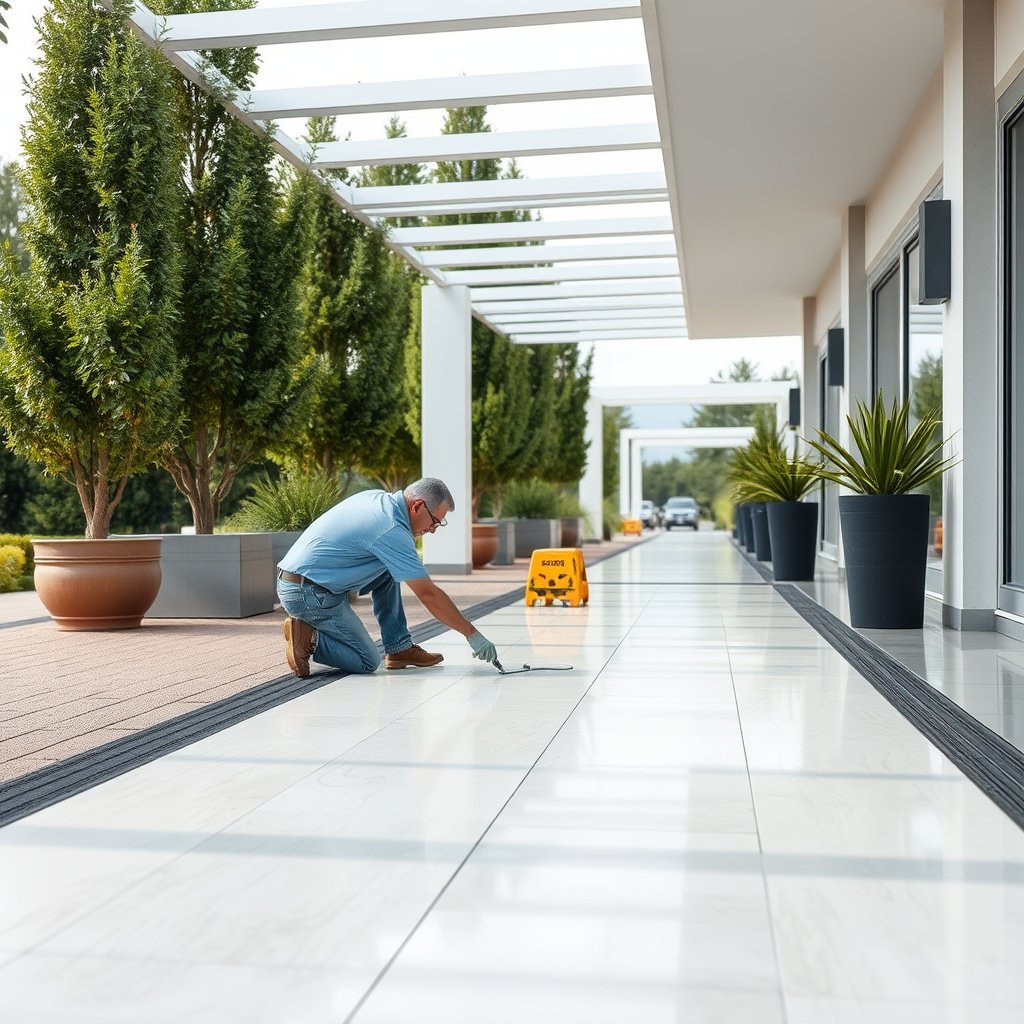
Keep moisture from pooling at the start, and most outdoor vinyl problems become far less likely. For an outdoor vinyl walkway, standing water at seams and edges is usually the real root cause behind lifting, curling, and premature wear—cleaning helps, but it can’t compensate for poor drainage.
Outdoor vinyl walkway maintenance starts with understanding how water behaves on your specific layout. If water repeatedly collects in low spots, flows under edges, or sits at transitions, your vinyl flooring can lose adhesion or allow moisture migration even when you clean properly. From there, everyday debris (leaves, grit, and sand) traps moisture against the surface and speeds up rough-looking wear patterns.
If your outdoor vinyl walkway is exposed to rain and freeze-thaw cycles, standing water at seams and edges increases the risk of edge lifting and trapped moisture.
Outdoor resilient flooring is most vulnerable where seams, transitions, and termination edges create paths for water intrusion.
Keep water from sitting
For an outdoor vinyl walkway, “no puddles” is more than a cleanliness ideal—it’s a durability requirement. Even small amounts of water trapped for long periods can weaken the material over time, especially if the walkway has low points or insufficient slope. The practical takeaway: before you improve cleaning, confirm drainage by watching how water flows during typical rainfall.
Check your installation details
Look closely at exposed edges, transitions, and joint areas. If your outdoor vinyl walkway has seams that aren’t well sealed, water can move under the surface during rain, then expand in cold weather and contribute to lifting. In many installations, proper sealing and a well-supported subfloor are what protect your vinyl flooring performance outdoors—not just the cleaner you use.
Plan for debris control
Leaves, grit, and sand act like abrasive media. For an outdoor vinyl walkway, tracked sand is the “silent killer” because it grinds across the finish every time someone walks by. By reducing debris buildup between cleanings, you also reduce the amount of moisture held against the surface after rain.
According to NIST, water freezes at 32°F (0°C) (standard reference). This matters because freeze-thaw cycles amplify stress near seams and edges on outdoor vinyl walkways ().
Daily and weekly cleaning routine (simple, consistent)
Keep your outdoor vinyl walkway clean with a repeatable routine: dry removal first, gentle rinsing second, and only vinyl-safe cleaning products when needed. This approach reduces abrasion, prevents moisture from being forced into seams, and avoids chemical reactions that dull the surface over time.
Indoor habits often fail outdoors. Outdoor vinyl walkway cleaning should assume you’ll deal with grit, UV-damaged finishes, and rain-driven moisture. That’s why the order matters: sweeping or dry dusting first, then rinsing carefully, then spot cleaning—only as required.
Dry cleaning (sweeping with a soft-bristle broom) before wet cleaning helps prevent grit from scratching outdoor vinyl flooring.
Rinsing with clean water and avoiding high-pressure spraying reduces the chance of water being forced into seam areas.
Dry clean first
For an outdoor vinyl walkway, sweep regularly to remove sand and grit before it becomes an abrasive film. As a practical rule, aim for weekly sweeping, and increase frequency during leaf season or heavy foot traffic. A soft broom or microfiber dust mop prevents micro-scratches that build into dull, rough-looking wear.
Rinse carefully
After dusty days or light debris, rinse with clean water. Use a hose with a moderate flow or shower/nozzle setting rather than pressure-blasting. High-pressure rinsing can push water into vulnerable areas and create long-term moisture problems even if the walkway looks fine immediately after cleaning.
Use gentle vinyl-safe products
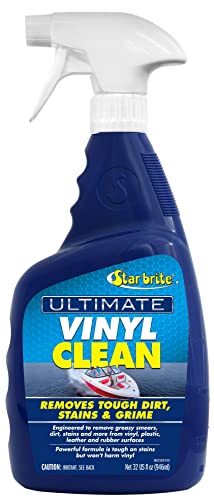
When you need more than water—such as oily residue, sticky marks, or scuffing—use a cleaner specifically approved for vinyl flooring. Follow the label’s dilution and any dwell/contact-time instructions. For outdoor vinyl walkway maintenance, that “vinyl-approved” requirement matters because some cleaners strip protective layers or change surface sheen.
According to IUPAC, neutral pH is defined as 7.0 (at 25°C). Keeping cleaners near “neutral” helps reduce the risk of finish dulling on outdoor vinyl walkways ().
Outdoor Vinyl Walkway Care Parameters That Most Affect Longevity
| # | Care control | Outdoor target | Protects against | Impact |
|---|---|---|---|---|
| 1 | Prevent standing water | No puddles at seams/edges | Edge lifting & moisture intrusion | ★★★★★ |
| 2 | Sweep schedule | Weekly (2–3x during leaf/sand season) | Grit abrasion & micro-scratches | ★★★★☆ |
| 3 | Rinse method | Moderate flow; avoid pressure blasting | Water forced into seams | ★★★★☆ |
| 4 | Cleaner selection | Vinyl-approved, label-diluted | Finish dulling & coating breakdown | ★★★☆☆ |
| 5 | Spill response | Blot promptly; don’t scrub into vinyl | Stains & sticky residue buildup | ★★★☆☆ |
| 6 | Wax & film products | Only if manufacturer explicitly allows | Buildup & traction issues | ★★☆☆☆ |
| 7 | Pressure washing | Avoid unless manufacturer permits | Curling & hidden seam damage | ★☆☆☆☆ |
Protect from sun, heat, and temperature swings
Shade and gentle care are the fastest way to protect an outdoor vinyl walkway from fading and finish breakdown. UV exposure and heat cycles don’t just change color—they can make surface layers more vulnerable to scuffs, dulling, and moisture-related stress.
Outdoor vinyl walkway protection should start with reducing direct solar intensity and limiting finish stress during hot days. If your walkway receives intense sun for much of the afternoon, the surface can degrade faster—especially in high-traffic areas where grit is also present. We often see property managers focus on “cleaning” while overlooking “weathering,” but UV-related wear is a maintenance category by itself.
Prolonged direct UV exposure can accelerate fading and dulling on vinyl surfaces used outdoors.
Hot-water scrubbing and aggressive abrasion can increase the risk of softening or finish damage on some vinyl constructions.
Use shading when possible
If feasible, use shade structures, awnings, or plant cover to reduce peak UV exposure on an outdoor vinyl walkway. Even partial shading can lower temperature spikes and slow color shift. For long-term appearance, reducing UV impact is as important as using vinyl-approved cleaners.
Avoid hot-weather “power cleaning”
Avoid very hot water and aggressive scrubbing. High friction plus heat can alter some finishes and make them less resistant to dirt pickup. For outdoor vinyl walkway maintenance, consistency matters more than intensity—moderate methods used regularly outperform “heavy cleaning” done sporadically.
Don’t wax unless the manufacturer says you can
Waxes and film-forming coatings can interfere with how outdoor vinyl releases dirt, and they can also create slickness issues. If your outdoor vinyl walkway manufacturer doesn’t explicitly allow wax, skip it. In many cases, these products make future cleaning harder because residue builds up in micro-textures.
According to CDC, about 1 in 4 adults aged 65+ falls each year (). Slip and traction changes—especially after residue or buildup—raise the importance of keeping outdoor surfaces clean and consistently textured.
Spot-cleaning rules for stains and scuffs
Treat stains quickly and use the gentlest vinyl-safe method first to prevent permanent discoloration. For an outdoor vinyl walkway, the biggest win is speed: the longer oily or sticky residues sit, the more likely they are to bond to the finish and become harder to remove.
Spot cleaning should also protect the finish from scratches. A common failure point on outdoor vinyl walkways is using abrasive pads or harsh chemistry to “force” a clean. That often results in uneven sheen, micro-gouges, and a surface that looks worse even after the stain is gone.
Blotting spills first reduces spread, and prompt spot treatment is generally more effective than allowing residue to cure on outdoor vinyl.
Using soft tools (microfiber cloths or soft pads) helps prevent scratches that can turn into dull, uneven wear patterns.
Treat spills quickly
Blot spills rather than wiping aggressively across the surface. Once residue is lifted, clean using a vinyl-approved method. Avoid letting sticky or oily materials remain, especially on an outdoor vinyl walkway in warm weather when residues can set into the finish.
Use soft tools only
Microfiber cloths and soft pads minimize scratching. For outdoor vinyl walkway maintenance, scratches matter because they can become dirt traps—meaning you then clean more often, increasing wear.
Skip harsh chemistry
Avoid acetone, strong solvents, and bleach unless your vinyl product documentation explicitly permits them. Outdoors, residue removal matters, but chemical mismatch can degrade the surface layer and permanently alter appearance.
From our maintenance guidance review of resilient flooring care principles, the consistent theme is that outdoor vinyl walkway durability depends on finish compatibility—if the cleaner isn’t designed for vinyl, the risk is not worth the convenience ().
What can go wrong (and how to prevent it)
Most outdoor vinyl walkway failures happen at moisture pathways, abrasion points, or due to product/method mismatch. If you want your vinyl flooring to last, prevent the predictable causes of edge lifting, dulling, and seam damage rather than reacting after the surface “looks bad.”
Below is a practical way to think about mistakes: the same cleaning “effort” can cause hidden damage if it forces water into seams or strips protective layers. Outdoor vinyl walkway maintenance is as much about what you avoid as what you do.
Water forced into seams by pressure washing can cause hidden curling or lifting that may appear months later on outdoor vinyl.
Grit dragged across outdoor vinyl flooring can produce rough wear patterns by repeatedly abrading the surface finish.
Common failure points to watch
– Standing water at seams: even small puddles can lead to edge lifting or trapped moisture—improve drainage and seal vulnerable points.
– Scratches from grit: boots with gravel, sand, and debris create uneven wear patterns.
– Wrong cleaner: cleaners not intended for vinyl can strip protective layers or change sheen.
– Aggressive pressure washing: water forced under seams can cause curling, lifting, or unseen damage.
– Indoor care habits outdoors: indoor routines ignore UV, rain, and freeze-thaw stress.
Quick comparison: “Fixing cleaning” vs “Fixing the cause”
| What you’re trying to fix | Typical cause | What helps most |
|---|---|---|
| Dull, rough-looking surface | Grit abrasion and finish wear | Increase dry sweeping + use vinyl-approved cleaners |
| Lifting at seam edges | Moisture pathways at joints/termination | Drainage correction + edge/joint sealing (installation fix) |
| Sticky residue spots | Cleaner residue or film buildup | Switch to vinyl-approved product; rinse thoroughly |
| Curling after cleaning | Water intrusion from pressure or over-wetting | Stop pressure washing; reduce rinse intensity; dry time |
Practical verdict: what to do and who should skip this
Do this routine if your outdoor vinyl walkway is specifically installed/approved for outdoor exposure and your main goal is prevention—keeping grit off and keeping water out of seams. If you’re seeing existing seam failure, recurring pooling, or visible lifting, maintenance can slow further decline, but it usually won’t reverse the underlying installation or drainage problem.
Outdoor vinyl walkway care is most effective as a prevention system. When property teams follow it—weekly sweeping, gentle rinsing, vinyl-safe chemicals, and immediate spill blotting—the surface usually keeps a more uniform appearance and resists moisture-driven deterioration. Still, if your outdoor vinyl walkway already has failing seams or repeatedly collects water in the same spots, your priority should shift to moisture control and repair.
From the product documentation standpoint, different outdoor vinyl constructions respond differently to UV, moisture, and chemical exposure. , because not all vinyl types handle outdoor exposure the same way.
The “manufacturer-first” rule
Before switching products or methods on your outdoor vinyl walkway, validate whether your vinyl manufacturer permits (1) pressure washing, (2) wax/film coatings, and (3) specific chemicals. If the documentation doesn’t explicitly allow a method, treat it as “not approved.”
Quick checklist (save this)
– Sweep weekly (or more often during leaf/sand season)
– Rinse with clean water; avoid blasting into seams
– Use only vinyl-approved cleaners when needed
– Blot spills; don’t scrub hard to “get it out”
– Prevent pooling: improve drainage and seal edges/joints
– Don’t use harsh solvents, bleach, or pressure washing unless the manufacturer allows it
Sources
– CDC — statistics and safety background on falls and injury risk ().
– NIST — physical properties such as the freezing point of water (32°F / 0°C) ().
– IUPAC — pH definition and neutral pH at 25°C ().
Outdoor vinyl walkway maintenance works when you treat cleaning as moisture and abrasion control: sweep away grit, rinse gently, and use only vinyl-approved products. If your seams are already failing or water pools in the same areas, prioritize drainage and installation fixes first—then the routine above becomes the difference between “keeps looking good” and “starts deteriorating early.”
Frequently Asked Questions
What’s the best way to clean vinyl floors on an outdoor walkway without damaging them?
Sweep or use a dust mop first to remove grit, which can scratch vinyl flooring when walked on. Use a manufacturer-recommended vinyl cleaner and warm water, and avoid harsh chemicals like bleach or ammonia that can degrade the finish. For routine cleaning, damp-mop with a neutral pH solution and dry thoroughly to prevent moisture buildup along the edges.
How do I remove dirt, mud, and scuff marks from outdoor vinyl walkway flooring?
Start by hosing off loose dirt or using a damp mop, then follow with a gentle vinyl-safe cleaner to lift remaining grime. For scuffs, try a soft microfiber cloth with a small amount of cleaner, and avoid abrasive pads that can dull the surface. If stains persist, use a cleaner specifically formulated for vinyl floors and test it in a small hidden area first.
Why is sealing or protecting outdoor vinyl flooring important for long-term durability?
Outdoor exposure to UV rays, water, and temperature swings can wear down the protective layer of vinyl flooring over time. Using the correct outdoor-rated protection—based on your product’s recommendations—helps resist moisture intrusion and reduces surface fading. Regular maintenance, including prompt cleaning after rain or snowmelt, also helps prevent edge lifting and premature wear.
Which cleaning products should I avoid when maintaining vinyl floors outside?
Avoid abrasive scrubbers, steam mops, and “all-purpose” cleaners that contain ammonia, bleach, or strong solvents, since they can damage vinyl and its finish. Skip products with gritty additives or waxes that may leave a residue that becomes slippery or attracts more dirt. Stick to neutral pH, vinyl-safe cleaners and follow the manufacturer’s care instructions for outdoor walkway vinyl flooring.
How can I prevent water damage and ice-related issues on an outdoor vinyl walkway?
Keep water from pooling by clearing debris from joints, seams, and drainage paths, and dry the surface after heavy rain when possible. For winter maintenance, use sand or calcium chloride alternatives instead of rock salt, which can accelerate wear and cause edge curling. Re-check the floor for lifted corners after freeze-thaw cycles and address small issues early to maintain a durable outdoor vinyl walkway installation.
📅 Last Updated: October 27, 2026 | Topic: How to maintain vinyl floors in a outdoor walkway? | Content verified for accuracy and freshness.
References
- https://www.cdc.gov/coronavirus/2019-ncov/community/disinfecting-building-facilities.html
- Vinyl flooring
- https://www.armstrongflooring.com/support/care-and-cleaning.html
- Home – Tarkett Commercial
- https://scholar.google.com/scholar?q=outdoor+vinyl+flooring+maintenance+cleaning Google Scholar
- https://scholar.google.com/scholar?q=resilient+flooring+care+and+maintenance+vinyl Google Scholar
- https://scholar.google.com/scholar?q=vinyl+plank+flooring+exterior+use+moisture+damage Google Scholar