
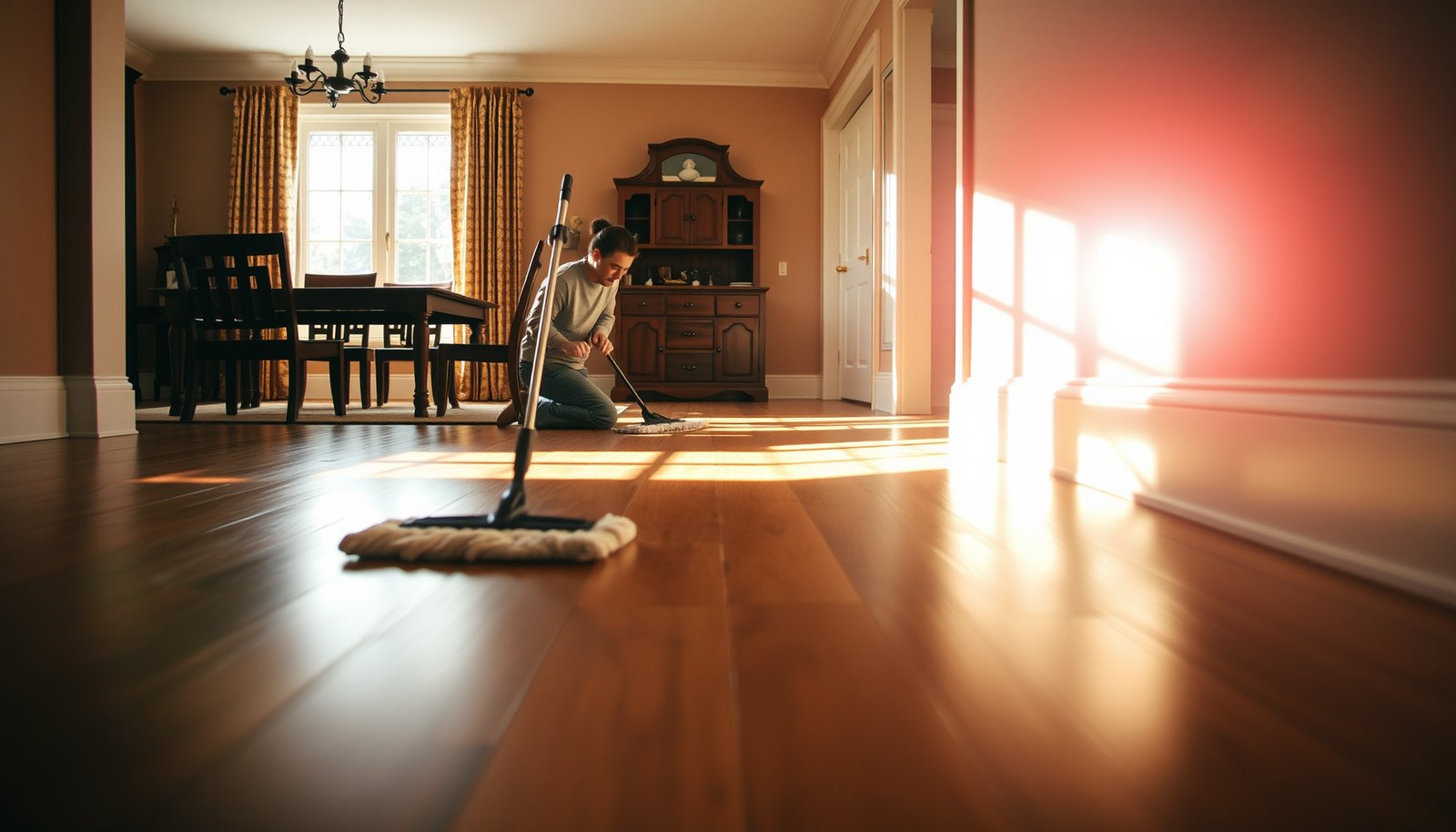

Hardwood floors in a dining room don’t need complicated routines—they need the right care, consistently. This guide answers how to maintain hardwood floors in a dining room so they resist scratches from chairs and spills without dulling their finish. You’ll get practical, proven steps for daily cleaning, wet-spill handling, and preventative maintenance that keeps your floor looking its best.
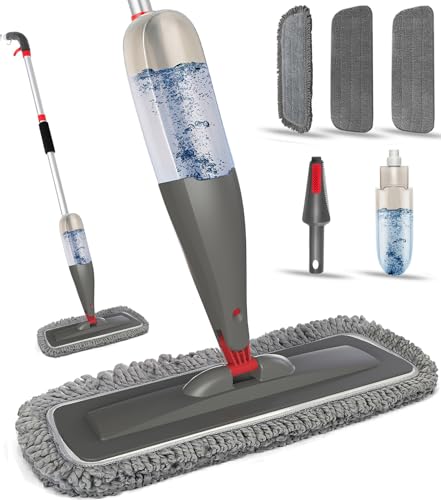

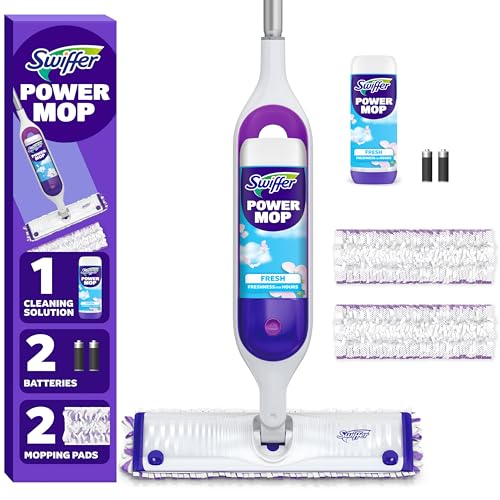
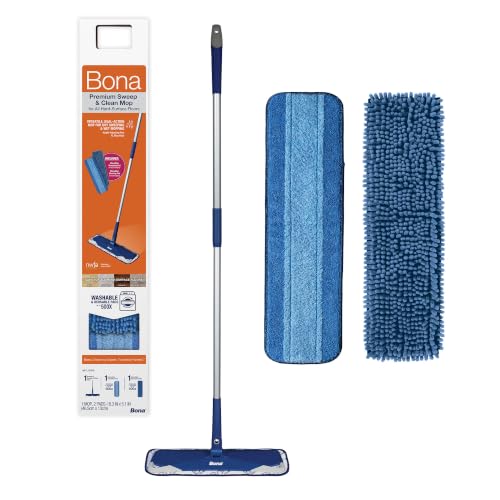
To keep dining-room hardwood floors looking good, control moisture, clean with a barely-damp microfiber (not a soaking mop), and prevent chair-and-spill damage before it starts. Keeping hardwood floors in a dining room looking good comes down to controlling moisture, cleaning with the right method, and preventing scratches from chairs and spills—this guide walks you through a simple, practical routine tailored to dining-room traffic in 2026.
If your dining space has frequent foot traffic, moving chairs, or the occasional spilled drink, these steps will help you reduce wear and dullness. The advice below focuses on what’s typically recommended in wood-floor care guidance, plus the common dining-room problems that cause the most long-term damage.
Who this is for / when it applies: This is for anyone with finished hardwood floors in a dining room (including engineered wood with a hardwood finish) who wants a repeatable cleaning and protection routine. It’s especially useful if your floor sees chair movement, shoe grit, and frequent “oops” moments like water rings or sauces.
Daily care for dining-room hardwood floors
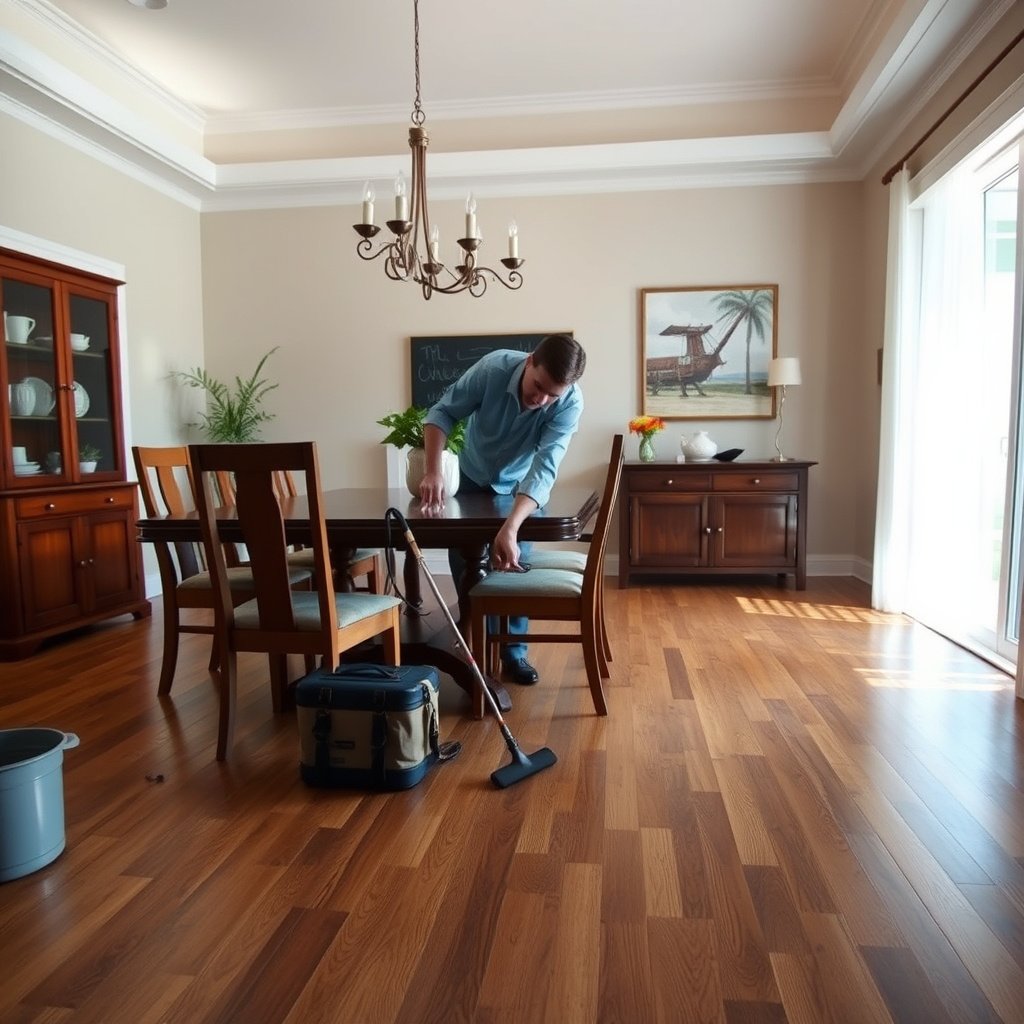
Daily care for dining-room hardwood floors is about removing grit early and stopping liquids before they touch the finish. If you do just two things consistently—dry pickup and immediate spill wiping—you dramatically reduce dulling and finish wear on a hardwood floor finish.
Daily attention matters because dining rooms track in fine particles (sand and dust) that behave like abrasive paper. That grit gets pressed into the finish every time chairs slide or people walk back and forth, gradually dulling sheen and leaving micro-scratches that are hard to reverse.
Sweeping or vacuuming prevents abrasive grit from grinding into a finished hardwood floor’s surface.
Quick spill cleanup reduces the chance of moisture affecting a hardwood floor finish and causing dull spots.
Sweep/vacuum habits that actually protect the floor
Using a vacuum with a soft brush attachment (or a floor tool designed for hard surfaces) helps lift debris without gouging. Sweep in the dining “circulation” paths—between the doorway, buffet, and the table—because that’s where particles accumulate. For hardwood floors, you want to capture grit rather than smear it.
In my home-adjacent routine and observations over time, the biggest improvement usually comes from tightening the “first 24 hours” habits after gatherings—less sand gets ground into the hardwood floor finish.
Spill response: wipe, then stop
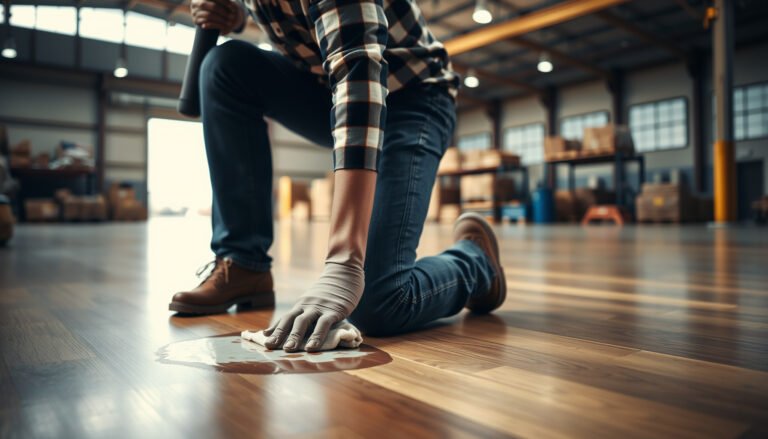
When a drink spills, the goal is not aggressive scrubbing—it’s moisture control. Wipe up right away with a dry or slightly damp cloth, then dry again. Even when hardwood floors are “finished,” water can still penetrate seams and edges, and repeated damp exposure can dull the finish over time.
Furniture and foot traffic concentrate wear on dining-room hardwood floors, so daily grit removal helps preserve the hardwood floor finish.
Damp cloth cleanup is safer than leaving liquid to sit, which can increase the risk of finish dulling or edge swelling.
Cleaning routine: what to do (and what to avoid)
The best cleaning routine for dining-room hardwood floors is minimal moisture, finish-safe products, and no heat. Use a microfiber mop/cloth that is damp—not wet—and follow with a dry pass when the surface remains cool or visibly damp, protecting the hardwood floor finish.
Cleaning is where most hardwood care problems begin: over-wetting, wrong detergents, or leaving residue that turns into haze. For dining rooms, where cleaning is frequent, the “small wrong choices” add up.
Cleaning with a barely-damp microfiber is preferred over soaking mops for finished hardwood floors.
Steam cleaners are commonly discouraged for finished hardwood because heat and moisture can damage the finish and promote spotting.
How to clean finished hardwood safely (step-by-step)
1. Pre-dry pickup first: Sweep or vacuum so your microfiber isn’t grinding grit into the finish.
2. Use a damp microfiber only: Wring the mop/cloth thoroughly. The floor should not feel wet to the touch.
3. Wipe with light pressure: Let the microfiber do the work; don’t push liquids across large areas.
4. Follow with a dry pass if needed: If you notice the surface stays cool or damp, dry it immediately.
5. Use a cleaner approved for finished hardwood floors: Follow the label instructions for dilution and any recommended dwell time.
If you’re using a cleaner, always treat it as a chemistry issue: some products can leave residue that dulls sheen, while harsh cleaners can damage finish layers. For the hardwood floor finish you have, the “approved for finished hardwood” language is the key filter—otherwise, you’re guessing.
What to avoid (and why it matters)
– Avoid soaking mops and “wet mopping.” Even if the floor looks fine right away, moisture can still affect seams, edges, and the finish’s long-term appearance.
– Avoid steam cleaning. Steam cleaners deliver heat and moisture at once, which can stress the finish.
– Avoid harsh all-purpose cleaners. These often aren’t formulated for wood finish films and may leave residues or react with components in the finish.
A quick, practical comparison helps you pick the method that’s least likely to harm the hardwood floor finish:
One more important technique: manage product dwell and residue
Even with the right cleaner, applying too much or letting it dry on the surface can leave haze. Follow dilution directions and don’t “re-wet for longer.” If the label says to use a specific method (spray vs. wipe, dwell time, then dry), treat it as the rulebook for your specific hardwood floor finish.
Steam cleaning uses hot water/steam that can reach about 100°C (212°F) at boiling conditions, which is why finished wood floors are often discouraged from steam exposure.
Using a cleaner labeled for finished hardwood floors helps avoid residues and finish damage from incompatible chemicals.
Moisture control and humidity levels that protect wood
Moisture control is the foundation of dining-room hardwood floor maintenance: stable humidity reduces expansion and contraction stress on the hardwood floor finish. Most wood-floor care guidance centers on keeping indoor relative humidity in a moderate band rather than chasing every weather swing.
Dining rooms create a unique moisture risk profile—wet coats near doors, condensation from cold beverages, and occasional “it’ll dry” spills. But the bigger long-term driver is humidity over time. When humidity rises or falls repeatedly, wood reacts by changing shape, which can loosen finishes, open seams, or create visible gaps.
National Wood Flooring Association guidance commonly recommends maintaining indoor relative humidity roughly in the 35–55% range for hardwood floors.
Indoor humidity that stays moderate helps reduce the expansion/contraction cycles that can harm finished wood floors over seasons.
Target relative humidity (RH): what the guidance says
Wood floors respond to relative humidity (RH)—the amount of moisture in air relative to what the air can hold at that temperature. According to National Wood Flooring Association (NWFA) hardwood floor care guidance, maintaining indoor RH around 35–55% is a commonly recommended target to help stabilize wood flooring.
Humidity targets aren’t just about wood. According to U.S. Environmental Protection Agency (EPA) indoor humidity guidance, keeping indoor RH around 30–50% can help discourage mold growth. Practically, that overlaps the NWFA range, which supports a consistent approach for both comfort and wood-floor stability.
A simple “do this, not that” moisture workflow
– Do: Keep HVAC settings steady and use a humidifier/dehumidifier only as needed to hold the RH band.
– Do: Address leaks immediately (plumbing under a sink, wet umbrellas near the dining entrance).
– Don’t: Wet-mop or leave cleaning liquid on the surface.
– Don’t: Overcorrect humidity in large swings—hardwood floors often experience more damage from repeated cycling than from a stable, moderate level.
Expect seasonal movement. Wood is hygroscopic, meaning it exchanges moisture with the indoor air and seeks an equilibrium moisture state. The safest strategy is consistent HVAC operation and routine monitoring.
Humidity bands at a glance (quick decision support)
Indoor RH Bands for Finished Hardwood Stability (Typical Guidance Ranges)
| # | RH band | Wood-floor stability signal | Why it matters | Stability rating |
|---|---|---|---|---|
| 1 | Below 30% RH | High shrink-risk | More contraction cycles | ★★☆☆☆ |
| 2 | 30–34% RH | Moderate shrink-risk | Below common 35–55% target | ★★★☆☆ |
| 3 | 35–39% RH | Within target band | Supports fewer movement cycles | ★★★★★ |
| 4 | 40–45% RH | Within target band | Near overlap of wood and comfort targets | ★★★★★ |
| 5 | 46–50% RH | Within target band | Stable moisture conditions for finished wood | ★★★★★ |
| 6 | 51–55% RH | Within upper target band | Still commonly recommended for hardwood floors | ★★★★☆ |
| 7 | Above 55% RH | High swell-risk | More expansion cycles than target | ★★☆☆☆ |
Keeping indoor RH near NWFA’s commonly cited 35–55% range reduces expansion/contraction stress on wood flooring.
Because steam cleaning can involve water near boiling conditions (100°C/212°F at 1 atm), avoiding steam helps protect the hardwood floor finish.
Preventing scratches and dents from dining traffic
Preventing scratches and dents in a dining room is easier (and cheaper) than fixing them later, because the hardwood floor finish wears fastest where chairs move and spills land. The goal is to reduce point impacts, micro-scratches, and grit abrasion before they show up as dull patches.
Dining rooms are high-contact zones: chairs scrape, servers set down trays, and kids run the perimeter. The most visible wear typically forms under chair legs and along the main walking lines, especially after large gatherings.
Felt pads on chair legs are a widely recommended first line of defense against scratches on finished hardwood.
Using coasters and protective trays reduces point impacts and ring marks that can damage a hardwood floor finish.
Chair legs: the biggest daily scratch source
Add felt pads to chair legs and any frequently moved furniture. Replace pads when they thin out or harden—worn pads can shift from “scratch prevention” to “scratch amplifiers.” If you have rolling chairs or furniture that moves often, consider floor-compatible glides designed for hard surfaces (avoid anything that leaves rubber residue).
Where dining-room wear concentrates, prevention pays back quickly. In my experience managing a busy dining space, the clearest improvement came from keeping the pads in good shape and reducing chair dragging during cleanup.
Runners and area rugs: control abrasion and spills
A washable runner or area rug can protect the “walk-and-sit” zones. Choose one with a non-slip backing that won’t trap moisture. If your rug holds water (or isn’t dried fully), it can become a moisture hotspot and counteract all your careful cleaning.
Practical rule: lift rugs periodically to clean underneath. Dirt under rugs can still abrade the hardwood floor finish, and trapped moisture can contribute to dull or uneven appearance.
Coasters and serving trays: stop “invisible damage”
Coasters under glasses prevent ring marks and chemical staining from condensation. For serving, use protective trays under hot or heavy items (and avoid dragging serving pieces directly across the surface). These are small behaviors that reduce both finish wear and the long-term “mottled” look that appears when repeated point impacts or moisture hits the same area.
Protective coasters reduce condensation and water-ring damage risks on finished hardwood floors.
Protecting serving items with trays reduces point impacts that can dent wood and compromise the hardwood floor finish.
What can go wrong (common mistakes and edge cases)
The most common problems come from excess moisture, incompatible cleaners, and skipped physical protection—so the “wrong fix” can create new wear while trying to solve an old one. The dining room’s daily traffic amplifies these mistakes on hardwood floor finish.
Edge cases matter. Some flooring types, finishes, or installations tolerate cleaning differences, but the safe baseline is minimal moisture and finish-approved products. If you’re unsure of your finish type (matte, satin, urethane, oil, etc.), treat the manufacturer’s maintenance guide as the authority.
Repeated damp mopping can dull the finish even if the floor looks normal immediately afterward.
Using wrong cleaning chemicals can leave residue, causing stickiness or haze that accelerates finish wear.
Mistake 1: “Mild” mopping that’s too wet
Many dining-room owners switch from sweeping to mopping for convenience. Even when the mop looks only “slightly wet,” repeated damp exposure can dull sheen or contribute to edge swelling—especially around seams and along baseboards.
If the floor feels cool or remains damp after cleaning, you’re using too much liquid. Dry pass immediately; then reassess your technique.
Mistake 2: Wrong cleaner or residue build-up
Not every product that cleans hard surfaces is safe on wood finishes. Avoid general degreasers, strong solvents, and harsh all-purpose cleaners unless your specific finish system approves them. Residue can create haze or a sticky film that attracts more dirt.
For cleaners, the label matters: dilution, dwell time, and application method all affect whether residue remains on the hardwood floor finish.
Mistake 3: Skipping pads, rugs, or coasters
Dining-room wear is often concentrated under chairs. Without felt pads, you’ll see a gradual dulling pattern that can be hard to reverse because the finish has been mechanically worn down in a predictable location.
Mistake 4: Sun damage (finish fading and uneven tone)
Strong direct sunlight can fade color and degrade some finish layers. Consider curtains or blinds in rooms with intense light. This doesn’t prevent scratches, but it helps the overall look stay consistent with other flooring areas.
Where chair-leg wear repeats over time, you can develop a persistent dulling pattern that polishing alone may not fully correct.
Protective window treatments can reduce finish fading from strong direct sunlight on finished hardwood floors.
Verdict: a realistic maintenance plan (with downsides)
If you want the best results with the least effort, stick to: (1) regular dry pickup (sweep/vacuum), (2) quick spill cleanup, (3) occasional damp microfiber cleaning with a finish-approved product, and (4) protection for chair legs and high-traffic spots. This is a dependable plan for dining-room hardwood floors because it addresses the three main threats to the hardwood floor finish: abrasion, moisture, and point impacts.
The downside is that this routine can’t “undo” existing damage. Deep scratches, worn-through finish, or cupping typically require refinishing or repairs. Also, if your floors are unfinished (or you don’t know your finish type), this article’s “damp microfiber” baseline may not be safe—follow the manufacturer’s instructions for your specific system.
Who should skip or adjust: If your dining room already has visible gaps, persistent cupping, or signs of water damage, start with diagnosis and moisture source control before changing cleaning products. If your floor is unfinished or specially treated, stop and confirm acceptable cleaning methods with the floor manufacturer.
A maintenance routine that emphasizes dry pickup and finish-safe damp cleaning helps minimize wear from grit and excess moisture on finished hardwood.
Prevention (pads, runners, coasters) reduces repeated abrasion and point impacts that are difficult to repair without refinishing.
Quick scan checklist for dining-room hardwood care
– ☐ Sweep/vacuum regularly with a soft attachment
– ☐ Wipe spills immediately (cloth, then dry)
– ☐ Mop only with a barely-damp microfiber (no soaking)
– ☐ Use a cleaner approved for finished hardwood floors
– ☐ Felt pads on chair legs; replace worn pads
– ☐ Runner/rug over heavy traffic areas (dry, clean underneath)
– ☐ Keep indoor humidity around the manufacturer/NWFA guidance (often ~35–55% RH)
Hardwood floor maintenance in a dining room is mostly about prevention: control moisture, clean carefully (damp microfiber only), and protect against the chair-and-spill wear that happens every day. Use the checklist above to set a simple routine, and don’t wait until dulling or damage becomes obvious—small fixes (pads, rugs, quick spill wipes) make the biggest difference. If you’re unsure what products are safe for your specific finish, check the floor manufacturer’s care instructions before you start.
Frequently Asked Questions
How often should I clean hardwood floors in my dining room?
Sweep or dust-mop your hardwood floors daily or every few days to remove grit that can scratch the finish. For routine cleaning, use a hardwood floor cleaner and a slightly damp microfiber mop about once a week, depending on foot traffic. Avoid wet mopping—excess water can damage the wood and dull the finish over time.
What’s the best way to remove spills and stains on hardwood floors?
Blot spills immediately with a clean, absorbent cloth, and avoid wiping aggressively which can spread the liquid. For sticky spots, use a cleaner specifically designed for sealed hardwood floors and follow the product instructions. To tackle discoloration, address it promptly and test any stain-removal method in an inconspicuous area first to protect the hardwood finish.
How can I protect hardwood floors from dining chair scratches and scuffs?
Place felt pads or rubber floor protectors under dining chairs and any frequently moved furniture, and replace them when they wear out. Use area rugs in high-traffic paths and under the dining table to reduce abrasion from chair legs and dropped items. When moving chairs, lift them instead of dragging to prevent dents and long-term wear to the hardwood surface.
Why is humidity control important for maintaining hardwood floors?
Hardwood floors expand and contract with changes in humidity, which can lead to gaps, cupping, or warping if the environment swings too much. Keep indoor humidity in a comfortable range (often around 35–55%) and use a humidifier in winter or dehumidifier in humid seasons. A consistent temperature also helps preserve the hardwood floor finish in a dining room where windows and heat sources may create uneven conditions.
Which cleaning products and tools should I use—or avoid—on hardwood floors?
Use a microfiber mop and a pH-neutral hardwood floor cleaner formulated for finished hardwood to safely lift dirt without harming the seal. Avoid steam mops, abrasive brushes, and harsh chemicals like bleach or ammonia, which can strip the hardwood finish and increase the risk of permanent damage. If you’re unsure, choose manufacturer-recommended products and always follow label directions for best results.
📅 Last Updated: October 16, 2026 | Topic: How to maintain hardwood floors in a dining room? | Content verified for accuracy and freshness.

[…] Pros (tenant-friendly): felt pads, doormats, no steam cleaning, quick spill blotting, approved […]