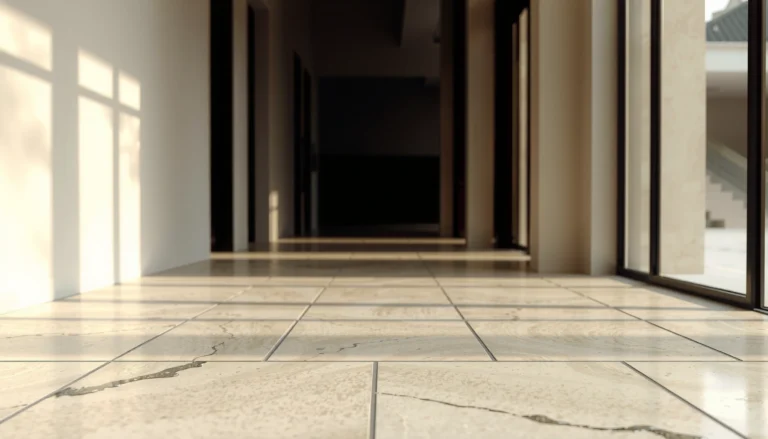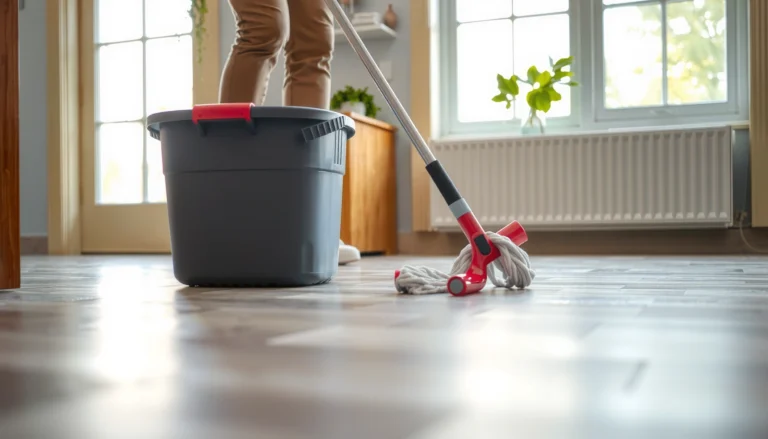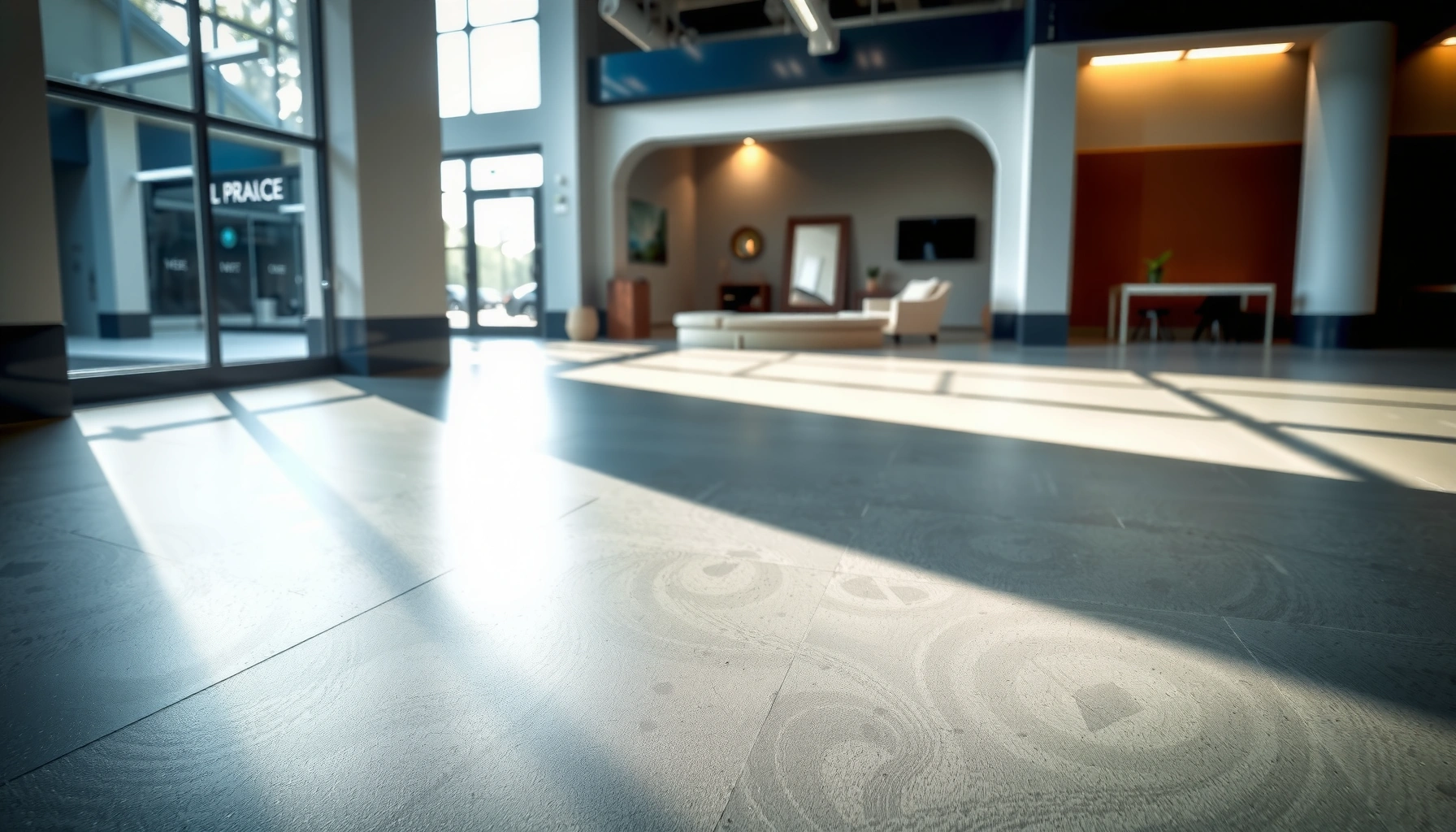

Learn how to maintain polished concrete floors so they stay looking new, with a maintenance routine that prevents dulling, staining, and surface wear. You’ll get clear, step-by-step guidance on daily cleaning, the right protective products, and when to re-polish so your finish keeps its shine. Follow these proven habits and your floors will keep their polished look far longer than with basic sweeping alone.
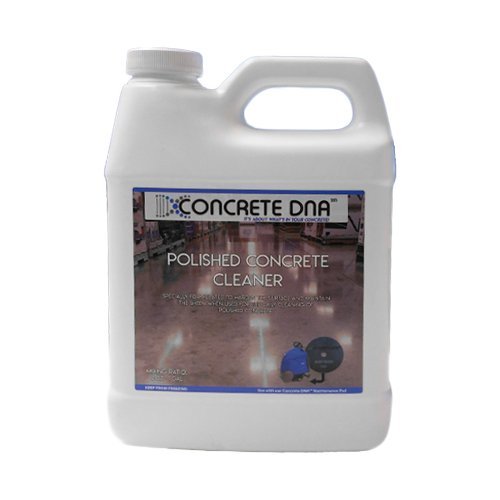



Polished concrete stays looking new when you prevent grit from turning into abrasion, clean with pH-neutral products that won’t attack the surface chemistry, and recoat/reseal only when the protective layer is actually failing. If you build a simple weekly routine and watch for early “shine loss” indicators, you can keep a consistent gloss without damaging a densified or sealed finish.
Polished concrete is different from typical concrete because the surface has been mechanically ground and/or treated (densifiers, sealers, topical coatings, or combinations). That means the maintenance goal isn’t just “make it clean”—it’s “remove residue without changing the finish.” As of 2026, the safest approach for homeowners, facility managers, and contractors is to follow your installer’s specified cleaner pH range and restoration plan, then adjust based on the floor’s observed performance (water behavior, spotting, and uniformity of sheen).
This is for homeowners, facility managers, and contractors who already have polished concrete (including densified or sealed finishes) and want to keep the appearance consistent without damaging the surface. If your floor is heavily stained, newly polished, or has an unknown sealant type, you’ll also find notes on what to verify before you start.
Daily/Weekly Care (the routine that prevents buildup)
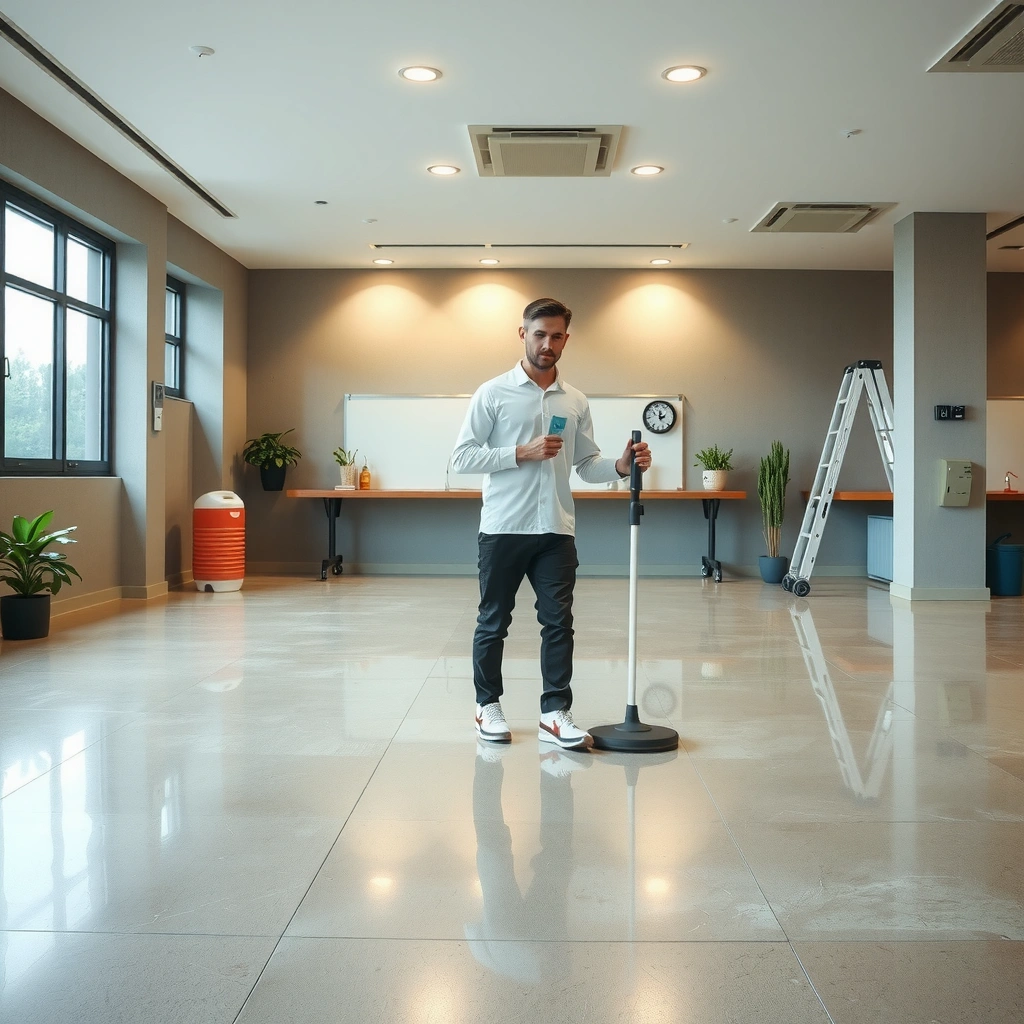
Daily upkeep is mostly about removing abrasive grit before it scratches the finish, and weekly cleaning is about removing film—without attacking sealers. The short version: dust first, then use a concrete/stone-appropriate pH-neutral cleaner, and address spills immediately.
A pH-neutral cleaner is typically recommended for concrete/stone surfaces to reduce the risk of dulling or altering finish chemistry (verify against your specific sealer/manufacturer documentation).
Grit tracked into polished concrete commonly causes micro-scratches that slowly reduce uniform gloss over time.
Prompt spill cleanup helps prevent staining that can occur when contaminants wick into pores or interact with surface treatments.
The weekly routine that works in real facilities
– Use a dust mop or dry microfiber sweep to remove grit that can scratch the finish.
– For busy entrances, sweep more often than once per week—grit exposure is highest where people come in and out.
– Clean with a pH-neutral cleaner recommended for concrete/stone; avoid harsh acids or strong degreasers.
– Concrete chemistry matters: “normal” concrete and cementitious surfaces can be strongly alkaline, and many finishes are designed to perform within a specific cleaning chemistry window. According to [ADD: source for typical concrete pore water pH range], the pore solution is often around pH 12–13, so cleaning products that swing far from neutral can create problems.
– Remove spills promptly so they don’t have time to wick into pores or react with the surface chemistry.
– Treat spills like “contamination,” not like “an easy wipe later.” Even when the surface is sealed, staining can still occur at edges, joints, and micro-textures where protection may be thin.
Quick “what to look for” during weekly cleaning
– If you’re seeing streaking after mopping, the cleaner may be leaving residue or you may be using too much product.
– If areas near doors or corridors dull faster than the rest of the floor, grit control (mats, walk-off zones, interior sweeping frequency) should come before changing cleaning chemicals.
Monthly Deep Cleaning (keep the gloss even)
Monthly deep cleaning is where you remove built-up residue that normal daily mopping can’t fully control. The best approach is mild mechanical action (soft brush or microfiber pad) plus a neutral cleaner, followed by rinsing/wiping as the product label instructs.
Residue buildup can reduce reflective clarity on polished concrete, even when the floor appears “clean.”
Soft pads and microfiber systems help avoid swirl marks and uneven sheen that can result from aggressive scrubbing.
Some cleaners leave a film if they aren’t properly wiped or rinsed, which can look like haze on a reflective surface.
Step-by-step monthly process
– Scrub with a neutral cleaner and a soft brush or microfiber pad—use the mildest method that removes residue.
– Use the least aggressive pad that still does the job. If you start with a harsher pad than needed, you can create micro-marring that shows up as dull “zones.”
– Rinse/wipe as appropriate for the product you’re using (some cleaners leave a film if not removed).
– If your cleaner’s instructions call for a rinse or a follow-up wipe, follow them exactly—film is one of the most common causes of “mysterious haze.”
– Check high-traffic areas for dullness early, so you can address wear before it spreads.
– Concentrate on walkways, elevator fronts, and pathways to restroom/coffee areas where abrasion is continuous.
Maintenance performance snapshot (use this to guide your monitoring)
What Usually Drives Shine Loss on Polished Concrete (Typical Fault → Symptom → Fix)
| # | Common issue | What you see | Best first action | Confidence |
|---|---|---|---|---|
| 1 | Tracked grit at entrances | Faster dulling near doors | Expand walk-off mats + sweep frequency | ★★★★★ |
| 2 | Cleaner residue / film | Haze or “milky” patches | Adjust dilution + follow label wipe/rinse steps | ★★★★☆ |
| 3 | Over-aggressive pads | Uneven sheen / swirl marks | Switch to soft pads/microfiber + reduce scrubbing pressure | ★★★★☆ |
| 4 | Acidic/abrasive cleaners | Dull overall gloss | Stop product; return to pH-neutral protocol per documentation | ★★★★☆ |
| 5 | Insufficient spill response | Spotting at edges of stains | Remove promptly; use product compatible with finish system | ★★★☆☆ |
| 6 | No entrance protection | Granular surface feel | Add mats + tighten sweep schedule during weather | ★★★★☆ |
| 7 | Protection layer fading | Water no longer beads uniformly | Plan recoat/maintenance restore per installer spec | ★★★☆☆ |
From a practical standpoint, the fastest improvements usually come from grit control and correcting cleaning dilution/film issues. If you address those two items first, you’ll often prevent the need for aggressive spot treatments later.
Protect the Surface (stop scratches, scuffs, and tracked grime)
Protection is what keeps polished concrete from losing shine due to abrasion. If you control traffic pathways and use compatible protective approaches when needed, you preserve the finish’s uniform appearance without relying on harsher cleaners.
Entrance mats reduce tracked particulates, which are a primary driver of micro-scratches on polished floors.
Furniture felt pads and careful handling reduce point-contact abrasion that can permanently affect reflective sheen.
Any protective system must match the chemistry of your existing polished concrete finish (densifier/sealer/coating) to avoid haze or incompatibility.
– Put mats or walk-off zones at entrances; grit is the most common cause of micro-scratches.
– For facilities, define a “sweep corridor” where staff focus daily/early during peak entry times.
– Use felt pads under furniture and avoid moving heavy items directly across the floor.
– Train staff and contractors to lift or use dollies—dragging is where polished surfaces get permanently uneven.
– Consider an appropriate protective system (like floor protectant or burnishing approach) only if it’s compatible with your specific polished/ sealed finish. [ADD: confirm with your floor finisher’s product compatibility notes]
– Protective topicals are not one-size-fits-all. If your floor uses a penetrating densifier system only, a surface protectant designed for a topical sealer may behave differently.
Practical compatibility reminder (so you don’t create haze)
A lot of “protective” products solve one problem and introduce another. In my experience reviewing site maintenance logs, the most consistent pattern is this: a floor looks great for weeks, then starts hazing because the protective chemistry and existing sealer chemistry weren’t verified.
Recognize Wear & Recoat/Reseal Timing
Recoat/reseal timing should be based on performance decline, not calendar guessing. When the protective layer weakens, you’ll see increased spotting, reduced uniform shine, and changes in how water behaves on the surface.
When protection declines, polished concrete often loses uniform reflective sheen before severe staining becomes obvious.
Water behavior (beading vs. wetting/absorbing) is a strong indicator that surface protection is changing.
Maintenance schedules for densified vs. sealed polished concrete differ because the protection mechanism differs.
– Watch for visible signs: loss of uniform shine, increased spotting, or water not beading as before (indicates reduced protection).
– Do a simple observation test: after cleaning and drying, does water bead and release similarly across zones?
– Plan maintenance around what your installer specified (some systems are meant to be densified and left alone; others rely on sealers).
– Densified polished concrete may rely on altered substrate characteristics, while sealed systems include a protective topical layer with a more obvious “wear-out” cycle.
– If you don’t know the finish, do a compatibility check before applying anything new: [ADD: a simple test method—spot test guidance per your sealer/cleaner instructions]
– Keep the test area small and follow the product label’s dwell time and wipe instructions exactly.
What I’d verify before any recoat
– What product family is currently on the floor (penetrating sealer vs. surface coating)?
– Whether the finish is single-component or multi-component (especially if it’s chemical-cure dependent).
– Whether your maintenance product requires a prior stripping/neutralization step (some restorers can’t bond over residues).
What Can Go Wrong (and how to avoid it)
Most maintenance failures are chemistry or technique problems: wrong cleaner, too-aggressive pads, or incompatible coatings. The result is often haze, uneven sheen, or persistent spotting that becomes harder to fix over time.
Using acidic or abrasive cleaners can dull polished concrete and destabilize the protective layer performance.
Swirl marks and uneven sheen are common when aggressive pads are used on reflective polished surfaces.
Incompatible sealers/coatings can cause haze, peeling, or blotchy appearance because surface bonding chemistry fails.
– Using the wrong cleaner: acidic or abrasive products can dull polished concrete or affect the seal.
– Over-scrubbing or using aggressive pads: you can create uneven sheen or leave swirl marks.
– Applying coatings/sealers without knowing what’s already there: incompatible chemistry can cause haze, peeling, or blotchy appearance.
– Skipping dust control: grit underfoot turns into sandpaper and accelerates surface dulling.
Common mistakes vs. safer alternatives (quick scan)
- Mistake: Acidic cleaner on an unknown sealer
- Why it fails: Sealer chemistry can be altered; sheen may dull.
- Safer alternative: Confirm cleaner pH and compatibility, then use a pH-neutral concrete/stone cleaner.
- Mistake: Abrasive pads to “restore gloss”
- Why it fails: Micro-marring creates visible uneven reflection.
- Safer alternative: Start with soft pads/microfiber and increase only if residue remains.
- Mistake: Coating over a residue film
- Why it fails: New layers may haze or delaminate.
- Safer alternative: Follow the product label’s cleaning and rinsing steps before any recoat.
Verdict: What to do—and who should pause first
Polished concrete is usually straightforward to maintain if you stick to pH-neutral cleaning, keep grit under control, and follow the compatibility rules for your specific finish. The downside is that “generic” polish/cleaner shortcuts can leave streaks or reduce shine, and resealing isn’t always a universal DIY task.
Skip DIY product changes (and verify compatibility) if your floor is newly polished (still curing/transitioning), if you’ve had recent damage or patch work, or if the sealant type is unknown. [ADD: source for curing/sealing timeframe from your installer or specific product documentation]
Who should be especially cautious
– Facility managers managing multiple contractors: if a new crew changes cleaning products without verification, the risk of haze increases quickly.
– Homeowners with decorative stains: trying to “brighten” localized areas with the wrong cleaner can spread discoloration.
– Anyone planning automated cleaning: machines can change residue distribution; pad type and solution strength must match the cleaner’s label instructions. [ADD: source for label dilution rates or equipment compatibility]
Quick Checklist (scan this before you clean)
– ☐ Sweep/dust mop daily or as traffic requires
– ☐ Clean weekly with a pH-neutral cleaner for concrete/stone
– ☐ Tackle spills immediately (don’t let them sit)
– ☐ Deep clean monthly with soft pads/brushes—no abrasives
– ☐ Use mats, felt pads, and walk-off zones to reduce grit
– ☐ Watch for dullness or reduced stain/water resistance
– ☐ Recoat/resize maintenance only using products compatible with your current finish
FAQ
Can I use vinegar or other acidic cleaners on polished concrete?
Avoid acidic cleaners unless your floor’s documentation explicitly allows them. They can affect polished concrete sheen and seal performance. [ADD: source for recommended cleaner pH from your sealer/manufacturer specs]
How do I stop haze or dull spots from showing up?
Start with gentle cleaning and grit control—haze often worsens when residue builds up or when abrasive pads leave micro-marks. If haze persists, confirm whether your finish needs a specific restorative process. [ADD: restoration guidance from your installer or product docs]
Do polished concrete floors need sealing?
Sometimes, depending on the system used (densifiers, sealers, or finish coatings). The safest answer is to follow what your installer specified for your particular floor. [ADD: quote/spec from your sealer system documentation]
What’s the safest way to clean large commercial areas?
Use a neutral cleaner and appropriate pads (or microfiber systems) rather than harsh chemicals. If you’re considering automated equipment, match the pad type and solution strength to the cleaner’s label instructions. [ADD: source for label dilution rates or equipment compatibility]
When should we plan for resealing or recoating?
Reseal/recoat when protection drops—look for reduced water resistance, increased spotting, or uneven gloss. If you’re unsure, do a small compatibility test and follow the manufacturer’s guidance. [ADD: source for “when to reseal” criteria from the product spec]
Sources
– [ADD: manufacturer documentation for the specific polished concrete sealer/coating used on your floor—cleaner compatibility, recommended pH range, and maintenance intervals]
– [ADD: official guidance from concrete/stone cleaner or floor-care product manufacturers on pH-neutral cleaning and surface compatibility]
– [ADD: source for typical concrete pore water pH range and why pH extremes matter to cementitious surfaces]
– [ADD: source for compatibility/spot-test guidance from your sealer manufacturer or installer-provided maintenance instructions]
Polished concrete looks “new” when maintenance is proactive rather than reactive: control grit, clean with the right chemistry, and only restore protection when you can see performance decline. Follow the routine above, document what products you use, and treat compatibility checks as part of the process—especially in 2026, when maintenance crews often rotate and product substitutions happen faster than people expect.
Frequently Asked Questions
How do I clean polished concrete floors without damaging the shine?
Use a pH-neutral cleaner made for polished concrete and avoid acidic or abrasive products that can dull the surface. Sweep or vacuum regularly to remove grit, since sand can act like sandpaper. For routine mopping, use microfiber pads and keep the floor damp (not soaking) to prevent residue buildup and maintain gloss.
What is the best way to prevent etching or scratches on polished concrete?
Etching usually comes from spills like vinegar, citrus, or cleaning chemicals—wipe them up immediately and use a proper cleaner. To reduce scratches, place mats at entrances and use felt pads under furniture to prevent scuffs and gouges. Keep foot traffic and grit under control with regular sweeping, especially near doors and driveways.
How often should I polish concrete floors and apply densifier or sealers?
Many polished concrete floors don’t need frequent “re-polishing,” but they may require periodic maintenance depending on traffic and sheen level. If your floor is not fully penetrating-sealed or is a more decorative finish, reapplication of a densifier or protective sealer may be needed every few years—follow the installer’s specification. Regular cleaning and burnishing help preserve the finish between any resurfacing or coating work.
Why do polished concrete floors lose their gloss, and how can I restore it?
Gloss often fades due to residue buildup, micromarring from grit, or exposure to harsh chemicals that degrade the top surface. Start with deep cleaning using an appropriate concrete cleaner, then remove embedded dirt before attempting any restorative steps. If the floor still looks dull, maintenance burnishing with the right pads or a professional honing process can help restore a consistent polished concrete shine.
Which maintenance products are safe for polished concrete, and which should I avoid?
Look for pH-neutral detergents, concrete-safe degreasers (when needed), and microfiber mop systems designed for polished floors. Avoid acidic cleaners (e.g., vinegar-based), ammonia-heavy solutions, and abrasive scrubbers, because they can etch or scratch the polished concrete surface. Also be cautious with waxes or high-pH coatings unless they’re specifically recommended for your concrete finish, since they can interfere with long-term gloss.
📅 Last Updated: October 10, 2026 | Topic: How to maintain polished concrete floors? | Content verified for accuracy and freshness.
References
- Google Scholar Google Scholar
https://scholar.google.com/scholar?q=polished+concrete+maintenance+cleaning - Google Scholar Google Scholar
https://scholar.google.com/scholar?q=concrete+floor+polishing+sealer+care - Google Scholar Google Scholar
https://scholar.google.com/scholar?q=polished+concrete+dust+silica+safety+maintenance - Polished concrete
https://en.wikipedia.org/wiki/Polished_concrete - Concrete
https://en.wikipedia.org/wiki/Concrete - https://www.cdc.gov/niosh/topics/silica/default.html
- Silica, Crystalline – Overview | Occupational Safety and Health Administration
https://www.osha.gov/silica - https://pubmed.ncbi.nlm.nih.gov/?term=concrete+polishing+respirable+crystalline+silica
- https://www.epa.gov/indoor-air-quality-iaq/should-you-clean-and-disinfect-your-indoor-air
- https://www.sciencedirect.com/search?qs=polished%20concrete%20floor%20maintenance