
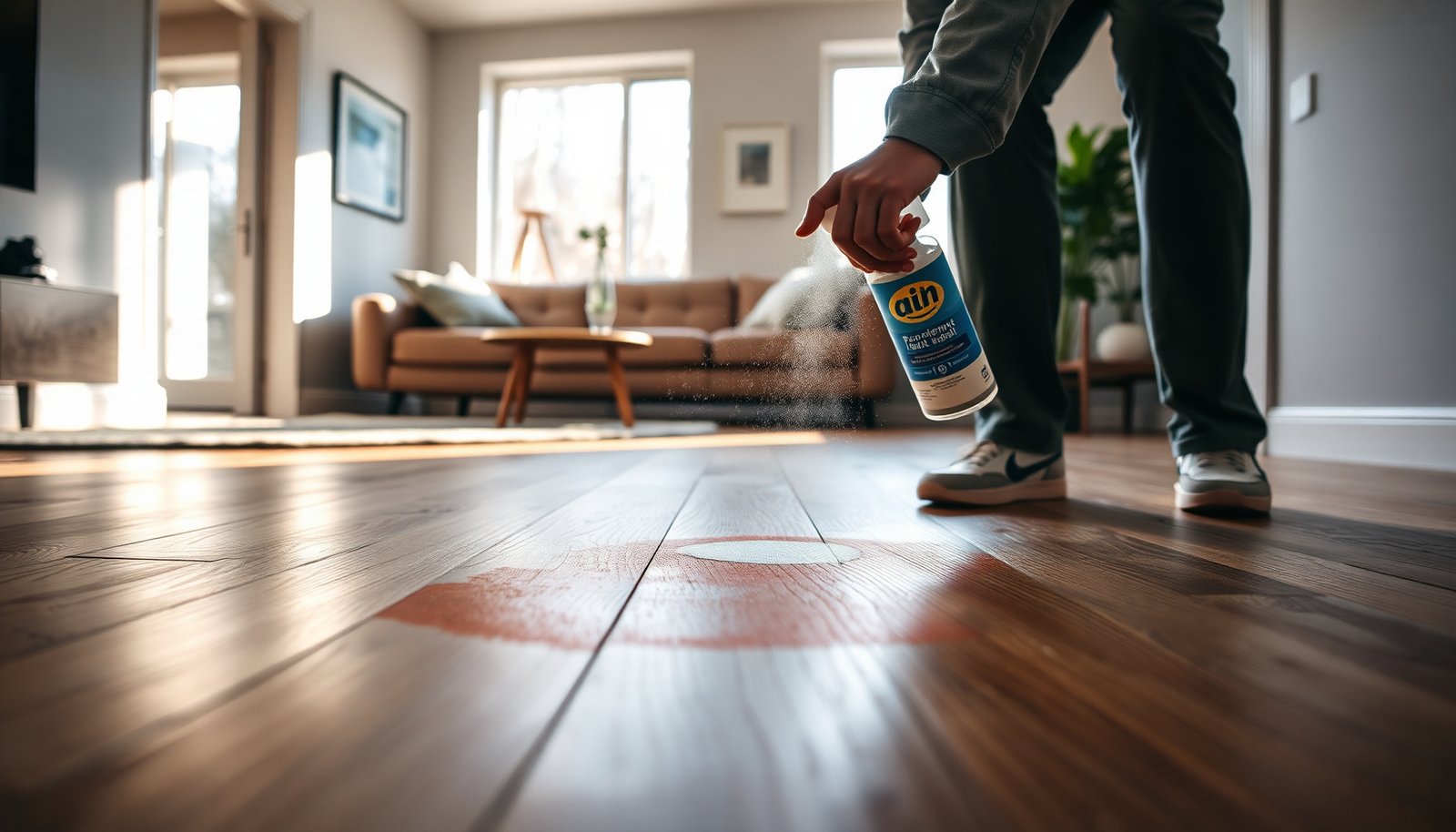

That stubborn oil spot on engineered wood planks can feel impossible to lift without harming the finish. You want the floor to look clean again, not cloudy or damaged, and you deserve a method that works on the first attempt. With a few supplies—soft microfiber cloths, a pH-neutral cleaner (or mild dish soap solution), and a careful blot-and-rub routine—you can tackle most stains in about 30 to 60 minutes.



If oil has soaked into your engineered wood, the fastest safe approach is to blot first, then use a degreasing cleaner that’s approved for sealed wood, finishing with a damp (not wet) rinse and thorough drying. For stubborn spots, you’ll usually need a repeated, gentle degreaser wipe—not harsh solvents that can damage the finish or layers.
This guide is for homeowners dealing with cooking oil, motor oil residue, or greasy film on engineered wood flooring (especially when regular mopping just spreads the stain). If your planks are finished/sealed, you can typically use the steps below; if they’re unfinished or you’re unsure, pause and check the manufacturer’s care instructions.
Start With Safe Prep (So You Don’t Spread the Oil)
You get the best outcome by treating the spill like contamination control: stop migration immediately, then clean only what’s safely reachable. The goal in 2026 is to avoid turning a localized oil spot into a wider, harder-to-rinse film.
– Blot immediately with paper towels or a clean, dry microfiber cloth—don’t scrub and grind the oil in.
Oil smears because it’s viscous and spreads under friction, especially on glossy urethane finishes.
– Ventilate the room and keep pets/kids off the floor until you’re done cleaning.
Even “wood-safe” degreasers can have strong odors; ventilation also helps the floor dry faster afterward.
– Test in a hidden spot with your chosen cleaner, then wait for any color change or dulling before treating the whole area.
If the finish dulls or lightens in the test patch, stop—switch products before you scale up.
Practical tip: if the spill is fresh, focus on “removal first.” If it’s older, focus on “lift and rinse,” because oil residue can remain slick even when the surface looks dry.
Choose the Right Cleaner for Oil on Engineered Wood
The right cleaner matters more than scrubbing: sealed engineered wood needs oil-dissolving surfactants (a cleaning chemistry that breaks oils apart) without excess moisture or finish-damaging solvents. In other words, you’re choosing between “finish-safe degreasing” and “finish-risk chemistry.”
– Use a wood-floor-safe degreaser or a cleaner specifically labeled for sealed/finished floors (not “heavy-duty” degreasers meant for concrete).
– Avoid common risky options like acetone, paint thinner, gasoline, or oven cleaner, since they can soften or strip the protective coating.
– If the residue is mostly surface film, start with warm water + a small amount of pH-neutral cleaner; if it’s still slick, step up to a gentle degreaser approved for wood finishes.
A few factual anchors help you choose safely. According to SAE J300, many common motor oils (for example, grades used in 10W-30 formulations) are designed to maintain viscosity across temperature ranges—meaning water alone typically can’t lift them reliably (SAE J300). Also, modern wood finishes are often urethane systems that can haze or dull when exposed to strong solvents (National Wood Flooring Association (NWFA) care guidance). Finally, pH-neutral detergents are generally defined around neutral range (approximately pH 6.5–8.5), which is far less likely to react with finishes than strongly acidic or alkaline cleaners (standard pH-neutral definitions in cleaning chemistry references).
Oil-Removal Cleaner Types for Sealed Engineered Wood (Finish-Safety Snapshot)
| # | Cleaner type | Typical pH range | Oil-cut strength | Finish-safety | Best for | Recommendation |
|---|---|---|---|---|---|---|
| 1 | Warm water (well-damp cloth) | ~Neutral (≈7) | ★★☆☆☆ | ★★★★★ | Light haze / fresh film | Use |
| 2 | pH-neutral cleaner (concentrate diluted) | 6.5–8.5 | ★★★☆☆ | ★★★★★ | General grease film | Use |
| 3 | Non-ionic surfactant degreaser (wood-floor safe) | ≈7–9 | ★★★★☆ | ★★★★☆ | Slick spots after blotting | Use |
| 4 | Enzyme-based cleaner (lipase-type) | Typically ~6–8.5 | ★★★☆☆ | ★★★★☆ | Cooking oil residues | Use |
| 5 | General-purpose alkaline degreaser (not wood-specific) | ~9–12 | ★★★★☆ | ★★☆☆☆ | Concrete-only grime | Avoid |
| 6 | Citrus solvent / limonene degreaser (check wood label) | Varies (often ~neutral to mild) | ★★★☆☆ | ★★★☆☆ | Adhesive-like grease film | Caution |
| 7 | Strong solvents (acetone/paint thinner/gasoline) | N/A (solvent chemistry) | ★★★★★ | ★☆☆☆☆ | Not for finish floors | Avoid |
If you’re unsure, follow a “risk ladder” approach: start with warm water + pH-neutral, then move to a wood-floor-safe degreaser only if the floor remains slick.
Step-by-Step: Remove Stubborn Oil Without Damaging the Finish
You remove stubborn oil most safely by using the cleanser on the cloth, not blasting it onto the floor, then rinsing with a damp (not wet) water wipe and drying immediately. This reduces the chance of cleaner residue attracting more dirt.
– Blot → lift → wipe: Apply your degreasing cleaner to a cloth (not directly onto the floor), then wipe in sections until the cloth stops picking up oil.
Working in sections prevents the floor from staying wet long enough to migrate into seams.
– Rinse correctly: After oil removal, wipe with a cloth dampened with clean water to remove cleaner residue (residue can attract more dirt).
Residue is the “invisible problem” that often makes the area feel grimy again within days.
– Dry thoroughly: Use a dry microfiber towel to remove moisture, especially along seams and edges.
Engineered wood still has joints; drying right away is how you avoid swelling, edge darkening, and uneven sheen.
A note on chemistry and mechanics: many oil-removal failures happen because people either (1) scrub before lifting, or (2) use too much liquid and spread oil deeper. Instead, you’re combining controlled surfactant action with controlled moisture exposure.
For Lingering Spots: Repeat, Don’t Rush
You usually fix stubborn oil by repeating a gentle degreaser wipe cycle—because many sealed finishes respond better to multiple short treatments than one aggressive exposure. As of 2026, this “repeat but control contact time” method is the most reliable homeowner-friendly strategy.
– If a spot remains greasy, repeat the degreaser-wipe cycle rather than increasing strength—many finishes respond better to multiple gentle treatments.
– For light haze or remaining discoloration, follow up with the manufacturer’s recommended spot-care method (often a specific cleaner or diluted product).
This matters because the discoloration may be trapped under a cured coating layer.
– Keep contact time controlled: don’t leave strong degreasers sitting; work it in, wipe, rinse, and dry.
If you’re dealing with motor oil specifically, expect higher persistence than with cooking oil. Motor oil contains additives that can cling to surfaces; even when it stops feeling slick, a darker “ghost” can remain in the finish. That’s when repetition helps for residue removal, but color restoration may be limited.
Pros/cons comparison for the “repeat vs stronger chemistry” choice:
| Approach | Pros | Cons | When to stop |
|---|---|---|---|
| Repeat gentle degreaser wipes | Safer for finish; less risk of haze | Takes more time; may require multiple rounds | When the cloth stops transferring oil and the spot feels non-greasy |
| Escalate to harsher solvents | Faster chemical lift (sometimes) | Higher risk of stripping or dulling finish; potential uneven sheen | Immediately after any test patch shows dulling/lightening |
What Can Go Wrong (And How to Avoid It)
You avoid damage by steering around three common failure points: harsh solvents, over-wetting, and abrasive scrubbing. Many engineered wood floors look fine right after cleaning, then dull or swell days later—so prevention is everything.
– Using harsh solvents: These can cloud the finish, strip the top layer, or cause uneven sheen. If you see dull patches after testing, stop and switch to a wood-safe degreaser.
– Over-wetting engineered wood: Too much liquid can seep into seams and edges. Use damp cloths and dry promptly.
– Scrubbing with abrasive tools: Scotch-Brite pads, stiff brushes, and magic erasers can wear the finish—especially on high-traffic areas.
– Oil that’s already penetrated: If the stain persists even after degreasing (no longer greasy but still dark), it may be deep discoloration—future spot treatments may not fully restore the original color.
Edge case to consider: if the oil is near an entryway seam, repeated wetting can create a visible “tide line” where moisture moved differently across boards. That’s why the rinse step must be a controlled damp wipe, followed by thorough drying.
Also check finish type. While many engineered floors use factory-applied urethane, some use other coating systems; the care instructions can change what’s “safe.” If you have the product label or manufacturer care sheet, use it as your authority—especially in 2026 when formulations and finish technologies vary.
Verdict: What Usually Works (And When to Stop)
Most stubborn oil messes come off with a wood-floor-safe degreaser applied via cloth, followed by a clean-water wipe and fast drying. The downside is that you may need multiple rounds, and you might not fully erase deep staining if the oil has penetrated long enough.
Skip or get professional help if:
– Your floor is unfinished, heavily distressed, or you can’t confirm it’s sealed/finished.
– You’ve already tried solvents or strong chemicals and the finish looks changed.
– The oil is widespread and you’re worried about uneven sheen or seam damage.
If you’re seeing persistent discoloration that’s no longer greasy, treat the goal as “remove residue first, then assess the stain.” At that point, the remaining issue may be color transfer within the finish stack, not removable oil. Professional refinishing or spot refinishing may be the only way to restore uniform appearance.
Quick Checklist (Save This)
– ☐ Blot oil (no scrubbing)
– ☐ Test cleaner in a hidden spot
– ☐ Use wood-floor-safe degreaser (applied to cloth)
– ☐ Wipe in sections; replace cloths as they load up
– ☐ Rinse with clean-water wipe (remove cleaner residue)
– ☐ Dry thoroughly, especially edges/seams
– ☐ Repeat gently for remaining slickness (don’t jump to harsh chemicals)
Frequently Asked Questions
What is the best way to remove stubborn oil stains from engineered wood floors without damaging the finish?
Start by blotting up as much oil as possible with clean paper towels, then let the area sit for a few minutes to absorb residual oil. Use a pH-neutral cleaner designed for hardwood or laminate, and apply it with a soft microfiber cloth rather than soaking the planks. If the stain remains, use a manufacturer-recommended wood-safe degreaser in small amounts, rinse with a lightly damp cloth, and dry immediately to protect the engineered wood from water damage.
How do you clean old, baked-on oil from engineered wood floors when simple mopping doesn’t work?
For older oil residue, you’ll typically need a degreasing approach rather than just detergent. Apply a small amount of a wood-safe degreaser to the stain and gently work it in with a microfiber cloth, keeping the area damp but not wet. After the grease lifts, wipe with a cloth dampened with clean water (or a minimal amount of cleaner per label), then dry thoroughly; repeating the process is safer than using stronger solvents right away.
Which household products are safest for cutting grease on engineered wood floors?
The safest options are those that are pH-neutral and specifically labeled safe for finished wood floors, such as hardwood floor cleaners or gentle degreasers. You can also use a small amount of dish soap diluted with water only if the label allows it for finished wood, then follow up with a clean-water wipe and immediate drying. Avoid harsh solvents, ammonia, or scouring pads because engineered wood’s top veneer and finish can soften, dull, or lift.
How can you spot-treat stubborn oil spots on engineered wood without leaving a haze or discoloration?
First, test any cleaner in a hidden area because engineered wood floors vary by finish type and coating. Work with a soft cloth and apply the product to the oil stain only, using light circular motions to lift the grease. After treatment, wipe off residue with a damp cloth and dry completely; if a slight sheen difference remains, allow the floor to dry fully before deciding whether a refinishing touch-up is needed.
Why is immediate oil cleanup important for engineered wood, and what should you do if the oil has already penetrated?
Oil can seep into grout-like seams, edges, and micro-gaps in engineered wood flooring and spread the stain beyond the original spot. If the oil has penetrated, you may need to repeat gentle degreasing steps rather than using stronger chemicals that could damage the wood finish. Focus on controlled moisture, wood-safe products, thorough wiping and drying, and stop if you see finish lifting—then consider contacting the flooring manufacturer or a professional for the safest next step.
📅 Last Updated: November 14, 2026 | Topic: How to clean stubborn oil from engineered wood floors? | Content verified for accuracy and freshness.
References
- https://pubmed.ncbi.nlm.nih.gov/?term=oil+stain+wood+surface+cleaning
- https://www.sciencedirect.com/search?qs=oil+stain+wood+surface+cleaning
- https://www.epa.gov/oil-spills/oil-spill-cleanup-what-you-can-do
- Wood flooring
- Engineered wood
- Oil spill
- https://scholar.google.com/scholar?q=engineered+wood+floor+oil+stain+cleaning Google Scholar
- https://scholar.google.com/scholar?q=hardwood+floor+finish+oil+stain+removal+solvent+detergent Google Scholar
- https://scholar.google.com/scholar?q=wood+surface+staining+oil+penetration+cleaning+methods Google Scholar
- https://scholar.google.com/scholar?q=engineered+wood+floor+care+maintenance+grease+oil Google Scholar

[…] the coffee immediately, then clean the spot with a lightly damp cloth and a small amount of mild dish soap—never soak the plank joints. If a shadow remains, treat it gently with a finish-safe method (spot […]
[…] without harming the top finish? The key is speed and control: blot up excess oil, then clean with a wood-floor-safe degreaser (or a small amount of diluted dish soap) using only a barely damp microfiber cloth, not water. You […]