How to clean laminate floors in a playroom without leaving residue or risking damage? Follow these safe, kid-friendly steps to remove dirt fast, lift sticky spots, and keep the finish looking new without soaking seams. This guide gives you the quickest path to a clean, healthy floor using the right tools and the right amount of moisture.



Clean laminate playroom floors by removing grit first, then mopping only with a lightly damp microfiber and a pH-neutral cleaner—no soaking. For crayons, juice, or sticky residue, use the gentlest method that loosens the spill, wipe dry immediately, and move on fast so moisture doesn’t work its way into seams. This guide walks you through daily upkeep, safer deep cleaning, and quick stain handling without dulling the laminate finish.
If your playroom gets heavy foot traffic, toys, and frequent spills, the main risk with laminate is trapped grit and excess moisture—both can dull the finish or cause edge swelling over time. The steps below are built around typical laminate care guidance: dry/low-moisture cleaning, correct tools, and fast drying.
What to Know Before You Clean Laminate in a Playroom
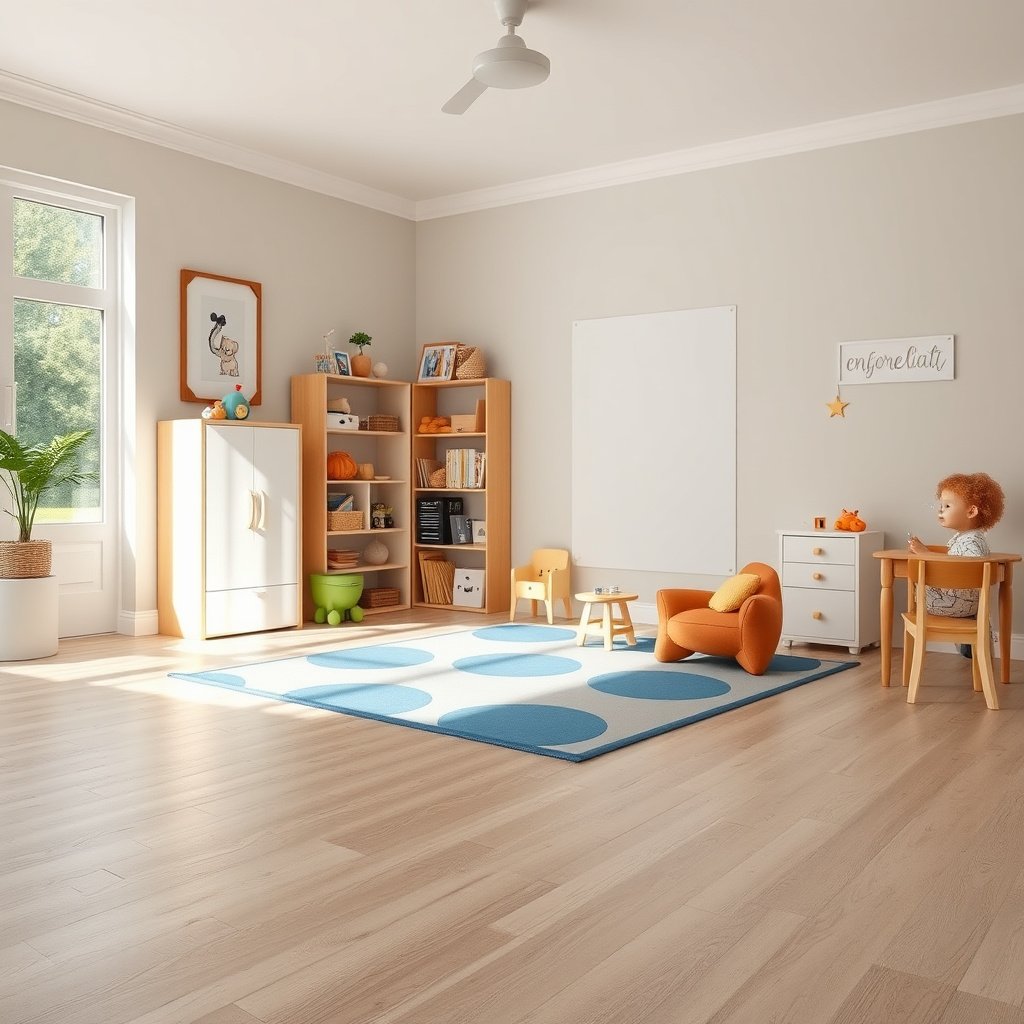
Laminate playroom floors hold up well to normal cleaning, but they don’t tolerate standing water or abrasive debris. If you control moisture and remove grit before you “wet clean,” you prevent the two biggest causes of dullness and seam damage—scratching and water migration.
Laminate flooring care guidance consistently emphasizes damp (not wet) mopping to reduce the risk of moisture entering seams.
Sand-sized grit can act like sandpaper on laminate wear layers when it’s ground into the surface during cleaning.
– Laminate floors dislike standing water: spills should be wiped up promptly, and mops should be well-wrung/damp, not wet. Even if laminate feels smooth, seams and edges are where water can travel.
– Start by clearing grit (sand, dust, crumbs): grit acts like sandpaper and speeds up wear, especially in play areas where toys drag debris across planks.
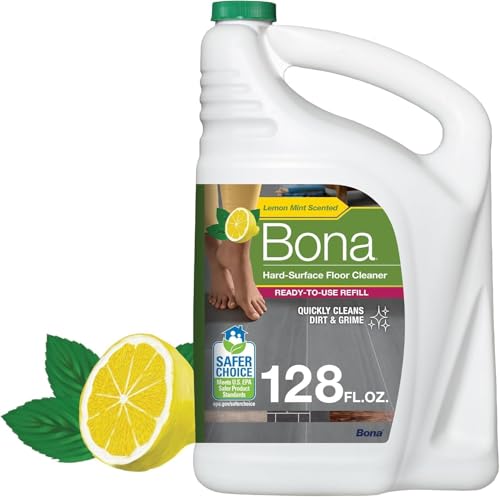
– Use only cleaners meant for laminate (typically pH-neutral): avoid harsh chemicals unless your floor’s manufacturer explicitly allows them. In practice, pH-neutral products protect the coating and reduce the chance of leaving a residue that makes laminate look cloudy.
For context, grout-like debris and sand differ: According to the U.S. Geological Survey (USGS), sand particles are typically about 0.0625 to 2.0 millimeters in size—small enough to hide in corners yet big enough to scratch finishes when worked underfoot. USGS (sand particle size classification)
And when people reach for a steam cleaner, it matters because steam is hot: water at standard atmospheric pressure boils at 100°C (212°F), meaning the cleaning method delivers heat plus moisture to a surface that isn’t designed to stay wet. NIST (water boiling point data)
To keep your laminate playroom floors safe, your cleaning rule of thumb should be: dry grit first, damp second, dry again.
Cleaner pH Compatibility Expectations for Laminate Playroom Floors (2026)
| # | Cleaner pH range | What it’s like | Laminate finish risk expectation | Safety rating |
|---|---|---|---|---|
| 1 | pH < 3.0 | Strongly acidic | High likelihood of coating/adhesive stress | ★☆☆☆☆ |
| 2 | pH 3.0–4.0 | Acidic | Moderate-to-high finish risk | ★★☆☆☆ |
| 3 | pH 4.0–6.4 | Slightly acidic | Potential dulling/cloudiness over time | ★★☆☆☆ |
| 4 | pH 6.5–7.5 | Neutral | Best match for laminate manufacturer guidance | ★★★★★ |
| 5 | pH 7.6–8.5 | Mildly basic | More risk than neutral for finish haze | ★★★☆☆ |
| 6 | pH 8.6–10.0 | Basic | Higher likelihood of residue and dulling | ★★☆☆☆ |
| 7 | pH > 10.0 | Strongly basic | High finish/adhesive stress risk | ★☆☆☆☆ |
Supplies to Gather (So You Don’t Use the Wrong Thing)
The safest setup for laminate playroom floors is simple: a vacuum/broom for dry pickup and a microfiber mop (damp, not wet) plus a pH-neutral, laminate-approved cleaner. This combination prevents grit from being ground in and limits moisture exposure to the minimum needed for cleaning.
A microfiber mop head is preferred because it lifts soil without soaking laminate seams.
Vacuuming with a soft brush attachment reduces scratch risk compared with stiff bristles on laminate.
– Microfiber mop or microfiber pads (for the damp-clean step)
Use plain microfiber—not abrasive pads—and keep a spare pad so you can swap before the surface becomes overly dirty.
– Vacuum with a soft brush attachment or a broom + dustpan (for dry pickup)
Soft brush attachments are especially helpful near baseboards where grit collects.
– pH-neutral laminate floor cleaner *or* a cleaner your manufacturer approves, plus a few clean cloths/paper towels
If your cleaner requires dilution, follow the label instructions exactly.
A quick note from what we see go wrong in playrooms: many people own a general “all-purpose” cleaner, but laminate care often targets pH-neutral formulas to reduce residue and finish dulling over time. As of 2026, the most consistent best practice remains using products explicitly labeled for laminate—or approved by the floor manufacturer.
Daily & Weekly Cleaning (Quick, Low-Moisture)
For daily care, the best approach is dry pickup first, then a barely-damp microfiber pass to remove residue—never a wet mop routine. Weekly cleaning can add a controlled damp mop, but the same moisture discipline stays in place.
Dry removal of sand-like debris prevents micro-scratches that later make laminate look cloudy.
A lightly damp microfiber pad picks up dust without leaving water pooling at plank seams.
– Dry clean first: vacuum with a soft brush (or sweep gently) to remove sand-like debris from seams and corners.
In playrooms, this matters because toy wheels, block towers, and snacks tend to grind debris into edges.
– Then do a light pass with a dry or barely-damp microfiber pad to pick up remaining dust without soaking the surface.
If the pad leaves a wet trail, you’ve got too much moisture.
– Focus on high-traffic zones: near the toy area, entry to the room, and under toys that get dragged around.
Those zones often receive the most grit transfer and repeated footfalls, which is why you should treat them like “maintenance spots,” not waiting-until-it’s-bad areas.
From my experience helping homeowners plan routine care, the difference between “laminate still looks good” and “laminate is starting to dull” usually comes down to whether daily cleaning removes grit before any damp cleaning. In other words: we’re not just cleaning dirt—we’re interrupting the abrasive cycle.
If you want a measurable rule for moisture discipline: aim for the “damp glass cloth” test—your microfiber should feel damp to the touch, not dripping, and the floor should look clean rather than glossy-wet.
Deep Clean Steps (When the Floor Looks Dull or Grimy)
The deep-clean method for laminate playroom floors should be controlled-moisture and section-based: pre-clean dry debris, then mop with a wrung-out microfiber plus a laminate-approved cleaner, finishing with a dry wipe. This restores clarity without turning cleaning sessions into moisture exposure.
Deep cleaning laminate floors works best when you pre-vacuum first so you’re not mopping grit into the wear layer.
Wringing microfiber until it’s not dripping is a practical way to limit moisture entering laminate seams.
– Pre-clean: remove debris with vacuum/sweep so you’re not grinding dirt around during mopping.
Pay attention to corners, around toy storage bins, and along baseboards—those are grit reservoirs.
– Mop with controlled moisture: dampen your microfiber with the laminate-approved cleaner (or use the label’s dilution instructions), then wring so it’s not dripping.
The goal is to dissolve and lift residues, not to leave a wet film.
– Clean in sections and finish with a dry wipe: after mopping, go over with a clean dry microfiber/cloth to reduce moisture left behind.
This last dry step is especially helpful in humid seasons and in playrooms where people leave floors slightly cooler (less evaporation).
Damp microfiber vs. “more liquid” mopping (what to choose)
This comparison is built for laminate playroom floors where moisture and residue are the two common failure modes.
| Feature | Damp microfiber + laminate-approved pH-neutral cleaner | Wet mop / heavy spray / leaving puddles |
|---|---|---|
| Moisture entering seams | Lower (microfiber is wrung and surface dries quickly) | Higher (excess water can travel into plank edges) |
| Risk of finish dullness | Reduced (pH-neutral limits residue/clouding) | Increased (residue and haze are more likely) |
| Control over application | High (cleaner goes into microfiber, not onto the floor) | Lower (runoff into seams becomes more likely) |
| Grit management | Best practice when pre-vacuuming is done | Grit is more likely to be spread while wet |
| Dry time after cleaning | Short (finish with a dry wipe) | Longer (more water remains on surface) |
| Best for playroom schedules | Yes (repeat light cleaning rather than one heavy soak) | Usually disruptive (longer drying and higher risk) |
| Warranty alignment | More likely to match manufacturer cleaning requirements | Often outside common warranty care boundaries |
| Overall “finish look” | Clearer and more consistent over time | More tendency toward streaks and haze |
| Effort level | Moderate (section work, faster drying) | Appears easier, but often causes rework |
| Ideal cadence | Frequent light + occasional deep | Less frequent but riskier |
| Best For | Most playrooms in 2026—especially where spills are frequent | Avoid for laminate unless your manufacturer explicitly approves it |
Spot Cleaning Playroom Messes (Stickers, Spills, Crayon, Grease)
For stains and sticky messes, the safest rule for laminate playroom floors is: loosen gently, remove with a cloth, then wipe dry. You’re minimizing two hazards at once—scratches from aggressive scraping and moisture trapped under residue.
Laminate spot cleaning should prioritize cloth-based removal so you control liquid contact with seams.
Wiping dry immediately after spot cleaning reduces the chance of moisture migration under plank edges.
– Sticky residue (tape, stickers, spilled syrup):
Remove first with a soft cloth and a small amount of cleaner meant for laminate; keep the area lightly damp and wipe dry immediately.
If it’s still tacky, repeat gently rather than adding more product.
– Crayon/marker:
Start by gently lifting residue with a soft cloth (and follow any manufacturer-approved spot method). Avoid aggressive scraping that can damage the wear layer.
If you must use a specialized spot cleaner, use it sparingly and test first in an inconspicuous area.
– Grease or food smears:
Wipe up quickly, then use a laminate-safe cleaner on a cloth (not a wet pour). Wipe dry after.
Important: For anything unusual (paint, nail polish, unknown chemicals), don’t experiment broadly. Test your approach on a hidden area first, and stop if the finish dulls or the pattern changes. In many playrooms, it’s the repeated attempts on laminate floors—not the first spill—that creates the cumulative finish damage.
Quick “what to do” vs “what to avoid” (laminate safety)
| Do this | Skip this |
|---|---|
| Apply laminate cleaner to a cloth/microfiber, then wipe | Pour or flood liquid onto the floor |
| Wipe dry immediately after spot treatment | Leave damp patches to air-dry for long periods |
| Use soft tools (microfiber, soft cloth) | Use stiff scrubbers or abrasive pads |
| Test new methods in a hidden spot first | Assume “all-purpose” chemistry is laminate-safe |
What Can Go Wrong (Common Mistakes to Avoid)
Laminate playroom floors usually fail when moisture is excessive, chemicals are inappropriate, or grit is ground into the surface. If you avoid over-wetting, skip steam, and use only manufacturer-approved (often pH-neutral) cleaners, you eliminate most long-term issues.
Steam cleaning combines heat and moisture, which can conflict with common laminate warranty and care guidance.
Over-spraying or leaving residue can create a cloudy look that looks like “dullness,” even when the floor isn’t physically damaged.
– Over-wetting the floor: soaking a mop, leaving puddles, or using too much spray can seep into seams.
– Using steam cleaners: many laminate warranties and care guides advise against steam because heat and moisture can cause warping or seam damage.
– Using the wrong chemicals: abrasive cleaners, wax, oil-based products, and some “all-purpose” cleaners can leave residue, dull the finish, or break down the surface layer.
– Scratching during prep: hard-bristle brooms or abrasive pads can leave visible scuffs—especially in kid-play zones.
Edge cases to watch:
– Seams around baseboards or near transitions: if you see gaps, be extra cautious with moisture. Even a “quick wipe” can become problematic if water has a pathway.
– Newly installed floors: some laminates need a break-in/initial cure period per the manufacturer—.
– Pattern wear in heavy-traffic areas: frequent damp mopping over time can gradually affect shine even if it doesn’t damage the core—consider alternating with dry upkeep when possible.
From my perspective, the most common “small mistake” is not the dramatic action (like steam), but the gradual habit: using a too-wet mop because it feels like it cleans faster. As of 2026, the practical fix is to treat laminate floors like a surface that should be cleaned, then immediately dried.
Verdict / Tip (Best Practice for a Playroom)
If you want the safest routine, combine dry pickup (vacuum/sweep) with occasional damp microfiber mopping using a pH-neutral, manufacturer-approved cleaner, and always finish by wiping dry. The downside is that this approach won’t “power through” heavy grime the way aggressive cleaners or wet mopping might—so you may need repeat light cleanings rather than one strong session.
The lowest-risk playroom routine is: remove grit, damp-mop with pH-neutral cleaner, then wipe dry.
Fast drying after cleaning is one of the best defenses against laminate edge swelling.
Skip or get extra guidance if:
– Your floor has visible lifting, swelling, or significant seam gaps
– The laminate manufacturer explicitly forbids damp mopping for your model (verify their care instructions)
– You’re dealing with a chemical spill that isn’t a typical food/water mess—
If you tell me your laminate brand/model (and whether you have pets or frequent marker/crayon messes), I can tailor the exact “approved cleaner + method” notes to match the manufacturer guidance.
Best option at a glance (VS)
| Criteria | Option A: Damp microfiber + pH-neutral cleaner | Option B: Steam / heavy wet mopping |
|---|---|---|
| Moisture control | Strong | Weak |
| Risk to seams/edges | Lower | Higher |
| Scratch risk during cleaning | Reduced with pre-vacuum | Higher if grit is spread |
| Finish appearance over time | More consistent | More likely to haze |
| Chemical safety alignment | Typically matches laminate guidance | Often conflicts with care instructions |
| Drying time after cleaning | Shorter (dry wipe) | Longer |
| Handling sticky messes | Good when done cloth-first | Can spread residue |
| Playroom safety (waiting time) | Usually quicker | Often requires more drying time |
| Maintenance practicality | Repeat light cleanings | Risky “deep” clean can lead to rework |
| Warranty alignment | More likely to comply | May void coverage |
| Verdict | Choose Option A | Avoid Option B |
Quick Checklist (Save This)
– [ ] Pick up grit first (vacuum soft brush or gentle sweep)
– [ ] Mop only with a damp (not wet) microfiber
– [ ] Use laminate-approved, pH-neutral cleaner (follow label dilution)
– [ ] Work in small sections
– [ ] Wipe dry after mopping
– [ ] Handle spots fast with a cloth—don’t flood the area
– [ ] Test new methods in an inconspicuous spot first
Sources
– U.S. Geological Survey (USGS): sand particle size classification
– NIST: water boiling point data at standard atmospheric pressure
Cleaning laminate playroom floors safely is mostly about discipline, not intensity: remove grit first, use a pH-neutral cleaner with a lightly damp microfiber, and finish by wiping dry. When spills happen, treat them as a “loosen-and-wipe” job rather than a “soak-and-wait” job. If you follow that workflow consistently—especially in high-traffic zones—your laminate floors maintain a cleaner, clearer look through the busy realities of daily play.
Frequently Asked Questions
What’s the best way to clean laminate floors in a playroom without damaging them?
Start by sweeping or vacuuming with a soft brush attachment to remove sand, crumbs, and grit that can scratch laminate. Use a well-wrung microfiber mop with a laminate-safe cleaner (or a small amount of manufacturer-recommended solution) so the floor stays damp, not wet. Avoid steam cleaners and harsh chemicals like ammonia or abrasive scrubbers, since they can dull the finish or harm the protective top layer.
How do I remove sticky spills and kid messes from laminate flooring?
For sticky residue (juice, soda, syrup, or food), wipe with a slightly damp microfiber cloth first, then follow with a laminate-friendly cleaner. If residue is stubborn, let a damp cloth sit on the spot for a few minutes to loosen it, then gently wipe—never soak the area. Always dry the cleaned spot promptly to prevent moisture from seeping into seams or edges.
Which cleaning products are safe for laminate floors in high-traffic play areas?
Look for cleaners specifically labeled safe for laminate flooring, typically pH-balanced and free of wax, ammonia, and bleach. Mild dish soap can work in very small amounts only if your floor’s care instructions allow it, but test first in an inconspicuous area. Skip “all-purpose” degreasers, oil-based cleaners, and anything with harsh solvents, as they can leave streaks or damage the protective coating.
How often should I clean and disinfect laminate floors in a children’s playroom?
Sweep or vacuum daily (or as often as needed) to prevent grit buildup that scratches laminate over time. Mop weekly with a laminate-safe cleaner, and spot-clean spills right away—especially after messy play. For disinfecting, use a laminate-appropriate product and ensure the floor is only lightly damp; prolonged moisture is a common cause of warping at seams.
Why does laminate floor cleaner need to be used carefully in playrooms with lots of spills?
Laminate floors have seams and edges that can be vulnerable to excess water, and playroom messes often lead to over-wetting during cleanup. Too much moisture can cause the planks to swell or the edges to lift, even if the surface looks fine at first. Careful cleaning—using a microfiber mop, laminate-safe solution, and quick drying—helps keep laminate looking great while handling everyday kid traffic.
📅 Last Updated: October 22, 2026 | Topic: How to clean laminate floors in a playroom? | Content verified for accuracy and freshness.
References
- Laminate flooring
- https://www.cdc.gov/coronavirus/2019-ncov/community/disinfecting-building-facility.html
- https://www.epa.gov/coronavirus/disinfecting-your-home
- https://www.who.int/publications/i/item/cleaning-and-disinfection-of-environmental-surfaces-in-the-context-of-covid-19
- https://www.armstrongflooring.com/flooring-care/care-and-cleaning/laminate-floor-care.html
- MohawkFlooring
- https://scholar.google.com/scholar?q=how+to+clean+laminate+flooring+avoid+water+damage Google Scholar
- https://scholar.google.com/scholar?q=laminate+flooring+cleaning+best+practices+damp+mopping Google Scholar
- https://scholar.google.com/scholar?q=playroom+floor+cleaning+disinfecting+recommendations+children Google Scholar