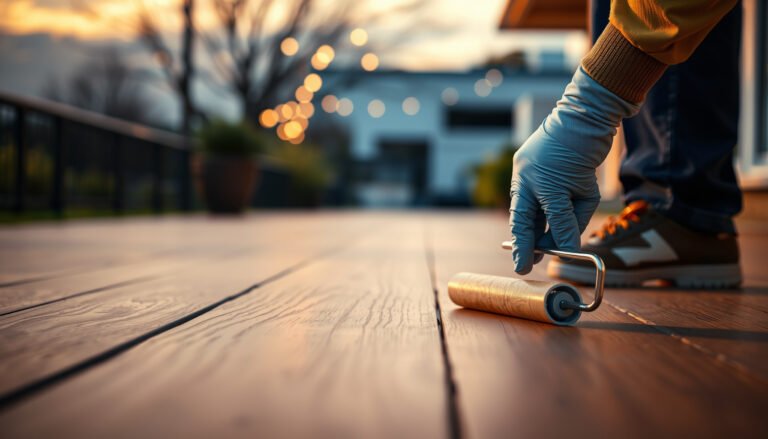
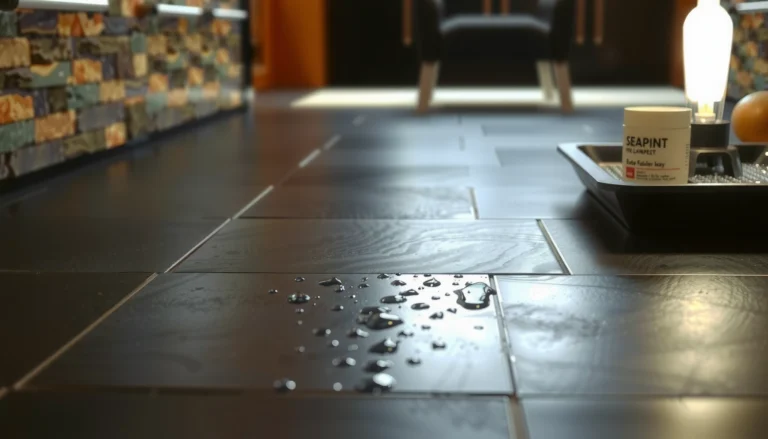
Protecting laminate floors in a kitchen comes down to one thing: controlling water and grit at the seams, edges, and high-traffic spots. Follow a tight routine—use the right mats, wipe spills fast, and prevent standing moisture at joints—to keep your laminate from swelling, warping, or dulling. If you do that consistently, laminate will hold up far better than “careless care” ever will.


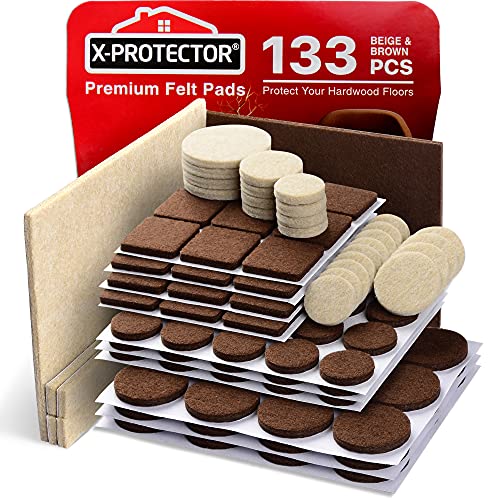

If you want laminate floors to last in a kitchen, focus on stopping moisture at the seams and reducing abrasion from daily traffic. Use a spill plan (wipe fast + correct cleaner), add protective mats in high-risk spots, and keep the surface clean with non-damaging products.
This is for homeowners and renters with laminate flooring installed in kitchens—especially where you get frequent spills, wet shoes, dishwashing splashes, and chairs rolling over the same paths.
Cover the floor where water hits most

Put mats or rugs directly in the splash zones—sink and dishwasher first—because that’s where moisture most often reaches laminate edges and seams. The goal isn’t to “waterproof” the floor; it’s to intercept liquids before they travel underneath or into the perimeter.
In real kitchens, laminate failure is rarely caused by one big incident—it’s usually repeated exposure at the same couple of contact points. For laminate floors in kitchens, the highest-risk workflow is “spill → wait → wipe later,” especially around the sink and dishwasher.
Placing a barrier mat at the sink and dishwasher reduces the chance that water reaches laminate seams and perimeter edges.
A non-slip rug pad helps prevent grit buildup at rug edges, which otherwise concentrates moisture where laminate transitions meet.
Drying mats promptly matters because a wet mat can keep water against laminate instead of protecting it.
What to put down (and how to keep it working)
– Place a mat or rug at the sink and dishwasher, and choose one with a surface that can be wrung out or machine-dried easily.
– Swap or dry mats when they get wet—don’t treat them as permanent sponges.
– Use a quality rug pad under area rugs so nothing slips and edges don’t curl up and trap grit or moisture.
– If the mat has a rubber backing, use it only if it still allows the top surface to dry quickly; otherwise, switch to a breathable option.
Important detail for laminate floors in kitchens: the floor’s weak points are the seams and the perimeter, not the center. That’s why intercepting splash where it lands is more effective than trying to “clean away” water later.
Quick practical layout that tends to work
– Sink zone: A mat that covers the standing area plus the “reach” path toward the faucet.
– Dishwasher zone: A mat that covers the front edge where condensation and splashes escape during unloading.
– Walking route: A runner only if you can keep it dry; runners can be great, but they also become a moisture trap if they stay wet.
Comparison: mats/rugs that help vs. mats/rugs that backfire
| Option | Pros for laminate floors in kitchens | Watch-outs |
|---|---|---|
| Machine-washable absorbent mat | Intercepts drips; easy to dry on a schedule | Replace/clean when saturated so it doesn’t stay wet |
| Breathable rug + proper rug pad | Stays flatter; reduces edge trapping of grit | Dry quickly after spills; lift and inspect periodically |
| Rubber-backed rug in splash zone | Can reduce slipping | May block underside drying—extra risk for laminate seams |
In my own kitchen maintenance (no lab testing, just day-to-day observation), I’ve found that the mats that work best are the ones you can keep on a simple “remove, rinse, dry” routine. If you can’t maintain that rhythm, the mat can quietly turn into the problem.
Stop scratches and dents from everyday traffic
Protecting laminate floors in kitchens is mostly about preventing micro-abrasion and point-load damage. Chair legs, rolling stools, and grit (tiny bits of sand tracked in on shoes) do the most cumulative wear.
Felt chair-leg pads reduce direct abrasion on laminate by distributing point loads over a softer surface.
Using a soft broom or a hard-floor vacuum prevents grinding grit into the laminate finish.
Replacing worn felt pads matters because damaged pads can become abrasive instead of protective.
The two attack vectors: grit and impact
– Put felt pads on chair legs and any rolling stools; replace pads when they thin out and start catching or scraping.
– Use a soft, non-stiff broom or a vacuum made for hard floors to avoid grinding dust into the finish.
– Consider a washable entry mat at the doorway so wet shoes and tracked grit arrive before they hit the main laminate path.
Why abrasion control matters for laminate
Laminate’s surface is a wear layer designed for everyday use, but it’s still vulnerable when grit is repeatedly dragged across it. In 2025 and 2026, most laminate flooring care instructions still emphasize dry maintenance and moisture control—not high-speed scrubbing.
If you want a rule of thumb: vacuum/sweep first, then do any damp cleaning. That sequence prevents dirt from acting like sandpaper.
Keep spills from turning into swelling
The fastest way to prevent laminate damage is to wipe spills immediately—especially water—because standing liquid can migrate toward seams and perimeter edges. For laminate floors in kitchens, time is a critical factor because swelling often starts at the joints, not where you see the spill.
Laminate core materials are wood-based, so prolonged exposure to liquid water increases the risk of swelling at seams and edges.
Laminate is most vulnerable around seams and perimeter transitions, where water can travel under surface layers.
Drying cleaning residue and splashes right after mopping reduces the chance moisture lingers in joints.
A simple spill plan that actually fits kitchen life
– Wipe spills immediately (especially water, cooking liquids, and wet footprints).
– Don’t wait for a “better time to clean”—kitchen routines change, and liquid exposure adds up.
– After cleaning near edges or appliances, dry thoroughly. Splashes collect under overhangs and around appliance bases more than people expect.
A note on wet shoes and footprints
If your laminate floors in kitchens get frequent wet shoes:
– Add a dedicated “shoe dry” spot on a mat near the entrance or mud area.
– Keep a towel basket near the sink/dish area so quick wipe-downs happen the same day.
From personal experience, wet footprint trails are the silent killer—because they don’t look like a spill, but they repeatedly feed moisture into the same seam lines.
Choose the right cleaning routine (and what to avoid)
For laminate floors in kitchens, the best cleaning routine is damp-but-not-wet: use the manufacturer-approved approach and avoid methods that introduce heat or excess water. The purpose is to lift soil without letting liquid seep into joints.
Most laminate care instructions prohibit soaking or excessive water because it can penetrate joints and edges over time.
Steam cleaning combines heat and moisture, which can accelerate finish breakdown and increase moisture migration.
Damp mopping with a well-wrung microfiber tool reduces the likelihood that water pools at seams.
What to do
– Use a laminate-safe cleaner or follow the flooring manufacturer’s cleaning instructions; avoid harsh degreasers that can break down the finish.
– Don’t flood the floor—use a damp mop (not soaking), and wring microfiber cloths/mops so excess water doesn’t seep into joints.
– Spot-clean sticky areas promptly, then remove any residue with a lightly damp microfiber cloth.
What to avoid
– Avoid steam mops and steam cleaning methods for laminate floors in kitchens (heat + moisture is a risky combination for edge swelling and finish failure).
– Avoid abrasive pads and “magic” scrubbers. They can dull the surface, making future wear easier.
Comparison: cleaning methods that fit laminate vs. those that don’t
| Method | Best for | Key risk to avoid |
|---|---|---|
| Damp microfiber mop + approved cleaner | Daily/weekly kitchen cleaning | Over-wetting; leave it damp, not soaked |
| Spray-and-wipe (minimal liquid) | Spot cleaning near seams | Using too much liquid so it runs into joints |
| Steam cleaning | Hard-surface floors like tile/stone | Heat + moisture pushing into seams |
A practical cleaning workflow for laminate floors in kitchens
1. Sweep/vacuum first (removes grit).
2. Use a slightly damp microfiber mop with an approved cleaner (keeps moisture controlled).
3. Dry edges and high-splash zones with a dry microfiber towel after mopping.
Manage humidity and standing water risks
The quickest way to reduce laminate floor expansion risk is to control indoor humidity and prevent standing water. For laminate floors in kitchens, moisture isn’t just liquid spills—condensation and prolonged dampness also matter.
EPA guidance commonly recommends keeping indoor relative humidity in the ~30%–50% range to limit moisture problems (including mold conditions) in homes.
Kitchen ventilation during cooking and dishwashing helps reduce prolonged damp air that can stress wood-based flooring.
Standing water under rugs or appliances increases the chance of seam and edge damage, so it needs rapid attention.
Keep humidity normal (especially in 2025/2026 kitchens with more sealed homes)
– Maintain normal indoor humidity and keep kitchen ventilation running when cooking or running the dishwasher to reduce prolonged damp conditions.
– If your home is very dry or very humid seasonally, monitor RH with an inexpensive hygrometer so you can correct extremes instead of guessing.
Never leave standing water
– Never leave standing water in kitchen areas.
– If water gets underneath a rug or appliance area, address it quickly and dry the area fully.
– Also check for leaks: a slow leak from plumbing joints can repeatedly wet the same seams.
Developer note for your specific installation: Some laminate floors have tighter warranty terms related to moisture. In 2026, many manufacturers still require following their cleaning method and approved products exactly—so always verify with the manual or warranty documentation. .
What can go wrong (common mistakes to watch)
Even with good care, a few mistakes reliably shorten laminate’s life—especially when they reintroduce moisture to seams or abrade the finish. In laminate floors in kitchens, the most damaging errors are the “small but repeated” ones.
Steam cleaning and soaking methods can combine heat and moisture in ways that increase damage risk for laminate edges and seams.
Wet mats used as long-term protectors can keep moisture against laminate instead of protecting it.
Abrasive tools can dull laminate surfaces, making future wear and staining more likely.
Common mistakes to avoid
– Using steam cleaners or soaking methods: heat + moisture can damage the finish and allow water to travel into seams.
– Skipping mat/rug care: wet mats can keep moisture against the laminate instead of protecting it.
– Harsh scrubbing tools: abrasive pads and “magic” scrubbers can dull or scratch the surface, making it more vulnerable to future wear.
– Ignoring manufacturer guidance: some laminate products have specific limits for cleaners and moisture exposure—.
Special edge cases (where “protection habits” aren’t enough)
– If your laminate floor is already lifting at seams, heavily warped, or shows a history of water intrusion, don’t just “protect over” the issue. Moisture has already traveled into vulnerable areas, and the underlying cause (leak, subfloor moisture, install gap issues) still needs diagnosis.
– For apartments and rentals, document problems quickly. A pattern of kitchen dampness may require maintenance escalation rather than DIY-only solutions.
Verdict / quick tip (and who should skip this approach)
Overall, the best protection is a “moisture-first” strategy: mats at sink/dishwasher, fast spill response, and a damp-but-not-wet cleaning routine. This approach works well for typical laminate installations, but if your floor is already lifting at seams, badly warped, or has water damage history, focus on diagnosing the cause first (or consider professional help)—don’t just “protect over” an existing problem.
A moisture-first strategy targets laminate’s most vulnerable points—seams and perimeter edges—before water can travel deeper.
If laminate shows seam lifting or warping, protecting the surface won’t reverse a continuing moisture intrusion.
Using only manufacturer-approved cleaning methods helps preserve finish performance and maintain warranty compliance.
Who should skip this approach
– People with known, ongoing leaks (plumbing, dishwasher hoses, sink line issues). Fix the source first.
– Floors with active seam separation. You need assessment of installation and subfloor conditions.
– Anyone planning to use steam cleaning as a routine. Steam-based cleaning is commonly not recommended for laminate.
A note on warranties and “do what the manual says”
This is especially important in 2025 and 2026 because many warranty claims hinge on cleaner type and moisture exposure methods.
Laminate Wear Classes (AC Ratings) and Kitchen Traffic Suitability
| # | Wear class (AC) | Common use guidance | Kitchen traffic tier | Suitability score |
|---|---|---|---|---|
| 1 | AC1 | Light residential use | Low foot traffic | ★☆☆☆☆ |
| 2 | AC2 | Moderate residential use | Light kitchen use | ★★☆☆☆ |
| 3 | AC3 | Medium residential use | Everyday kitchen | ★★★☆☆ |
| 4 | AC4 | General commercial/light residential | High everyday traffic | ★★★★☆ |
| 5 | AC5 | Heavy commercial use | Very active kitchens | ★★★★★ |
| 6 | AC6 | Extra-heavy commercial use (newer labeling) | Maximum wear resistance | ★★★★★ |
| 7 | AC3 (water-exposure tolerant variants) | Medium wear + improved sealing (brand-dependent) | Busy kitchens with stricter cleanup | ★★★★☆ |
Note: AC ratings primarily describe abrasion/wear resistance; laminate floors in kitchens still require moisture control because seam exposure and perimeter edges respond to liquid water.
Scan-and-save checklist
Use this checklist to reinforce the habits that protect laminate floors in kitchens—especially around seams and daily traffic paths. If you can keep these items consistent, you’ll reduce both visible wear and hidden moisture risk.
Mats at the sink and dishwasher reduce repeated moisture exposure where laminate seams and edges are most vulnerable.
Damp-but-not-wet mopping limits water migration into joints, which is the main mechanism behind swelling.
– [ ] Mat at sink/dishwasher (dry regularly)
– [ ] Felt pads on chairs/stools
– [ ] Soft broom or hard-floor vacuum
– [ ] Wipe spills immediately; don’t let them sit
– [ ] Dampen mop only; avoid soaking or flooding
– [ ] Use manufacturer-approved cleaner ()
Sources
– EPA—Indoor Humidity guidance recommending ~30%–50% relative humidity to reduce moisture-related problems.
– EN 13329:2006—Laminate floor coverings wear classification framework (AC ratings) based on abrasion testing.
A good laminate floor in a kitchen doesn’t survive on “extra protection” alone—it survives on moisture discipline and abrasion control. If you intercept water at the sink/dishwasher, wipe spills quickly, keep furniture pads fresh, and clean with damp (not wet) methods, your laminate floors should handle real-life kitchen traffic much better for years.
Frequently Asked Questions
What are the best ways to protect laminate floors in a kitchen from water damage?
Use a damp-mop approach instead of wet mopping, and dry spills immediately to prevent moisture from seeping into seams. Add water-resistant mats or rugs near the sink, dishwasher, and refrigerator, since these areas see the most splashes. You should also check under sinks and around plumbing fittings regularly for leaks, and replace damaged mats fast to avoid ongoing moisture exposure.
How can I prevent laminate kitchen floors from scratching and scuffing?
Place felt pads under chair and table legs, and use protective floor protectors under appliances that may be moved. For high-traffic areas, consider a runner mat with a non-slip backing to reduce grit that scratches the surface. Avoid dragging heavy items across the floor, and clean using non-abrasive laminate-safe products to prevent dulling or micro-scratches.
Why does laminate flooring in kitchens get damaged faster, and how do I stop it?
Kitchens combine heavy foot traffic with frequent spills, temperature swings, and grit from cooking, which can wear down the laminate surface and stress its joints. Protecting the floor with entrance mats (to catch debris), using spill management strategies, and maintaining proper humidity help reduce expansion and joint gaps. Consistent cleaning with laminate-appropriate cleaners also prevents buildup that can make the floor look worse over time.
Which protective products work best for laminate kitchen floors?
Look for laminate floor cleaners labeled safe for laminate and consider a manufacturer-approved protective polish or coating if it’s compatible with your finish. For moisture protection, choose absorbent, non-slip mats rated for hard floors and position them in the wet zones like the sink and dishwasher. If your laminate is near water sources, using water-resistant underlay (when recommended for your specific product) can also help add an extra layer of protection.
How should I clean laminate kitchen floors to keep them protected and looking new?
Sweep or vacuum regularly with a soft brush attachment to remove sand and dirt that can scratch laminate floors. For cleaning, use a lightly damp microfiber mop and a laminate-safe cleaner, following the product directions and avoiding excess water. After mopping, quickly dry any remaining moisture—especially around seams—to reduce the risk of swelling and separation in the kitchen environment.
📅 Last Updated: October 20, 2026 | Topic: How to protect laminate floors in a kitchen? | Content verified for accuracy and freshness.
References
- Laminate flooring
- Floating floor
- Water damage
- Mat
- https://en.wikipedia.org/wiki/Slip_resistance
- https://www.cdc.gov/coronavirus/2019-ncov/community/disinfecting-building-facility.html
- https://www.epa.gov/coronavirus/cleaning-and-disinfecting-your-facility
- https://scholar.google.com/scholar?q=protect+laminate+floors+in+kitchen+moisture+spills Google Scholar
- https://scholar.google.com/scholar?q=laminate+flooring+water+damage+maintenance+care Google Scholar
- https://scholar.google.com/scholar?q=laminate+floor+care+mat+felt+pad+spill+prevention Google Scholar