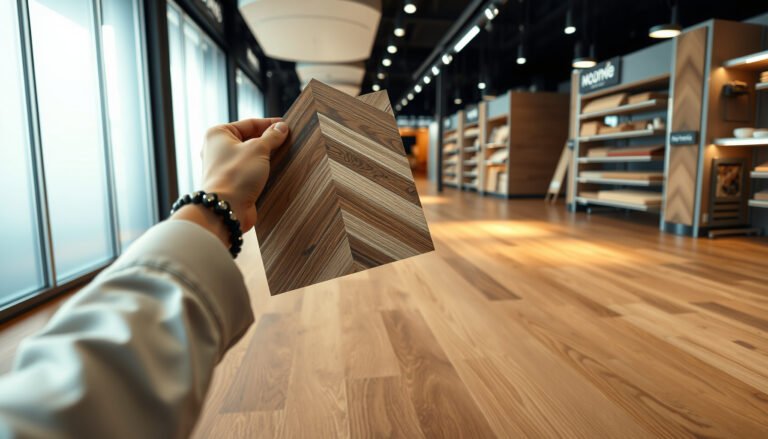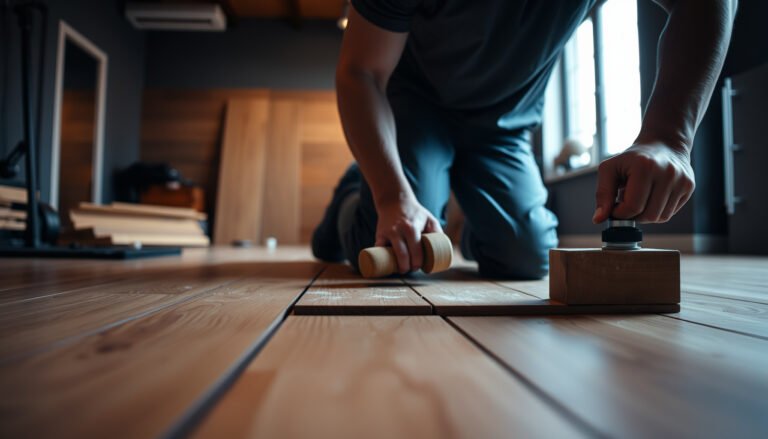

Make laminate floors safer in a dining room by focusing on three high-impact fixes: stop slips, reduce trip hazards, and improve impact resistance. Start with proper underlayment and a moisture-sealed installation to prevent slick spots and floor joint gaps. Then add anti-slip stair-style transition strips at doorways and chair-rolling mats under traffic areas for a dining room that’s both safer and easier to maintain.



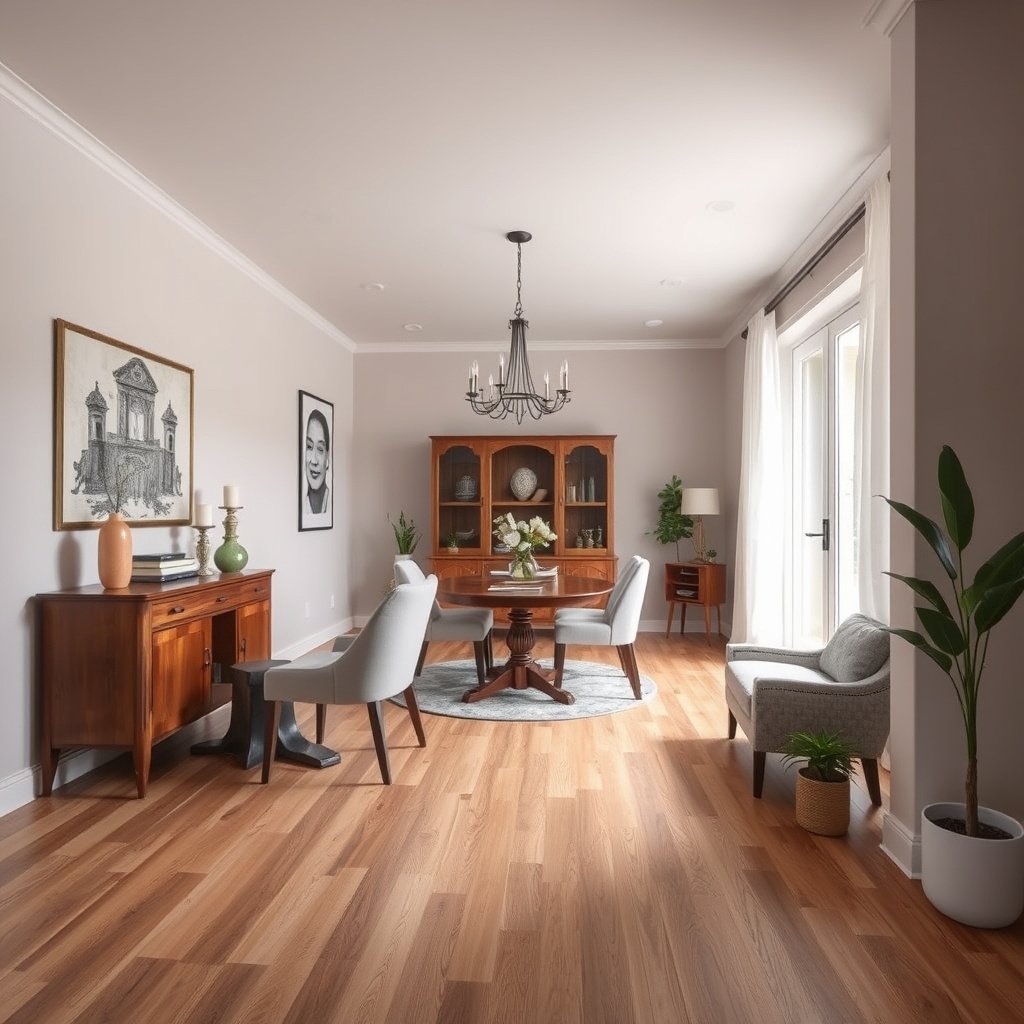
Laminate floors are safest in a dining room when you improve traction (especially around rugs and chair traffic), protect the surface from chips and gaps, and prevent moisture from loosening planks. Start by adding the right underlays/rug pads, using floor protectors on chairs, and cleaning up spills fast without soaking. This guide walks you through practical, laminate-friendly changes that reduce slip, trip, and damage risks.
If your dining room gets lots of chair movement, occasional spills, or high foot traffic, these steps are worth doing. They’re also a good fit if your laminate is already installed and you’re looking to make it safer without replacing the whole floor.
Start with slip resistance and traction
– Use the manufacturer-recommended underlayment (wrong thickness/type can change how the floor feels and holds up under load).
– Add an area rug with a non-slip rug pad so the rug won’t slide during meals.
– Keep the floor clean with a well-wrung microfiber mop—avoid wet mopping that leaves a film or seeps at seams.
Slip incidents usually come from two places: reduced friction (polish/film/worn finishes) and surface movement (rugs sliding out from chair traffic). In a dining room, this matters because chairs roll or scrape repeatedly, and dinner spills happen more often than you think—especially sauces, water glasses, and condensation from beverages. In 2026, the safest approach is to tune the traction system around how laminate is actually layered: subfloor → underlayment → locking planks → finish.
How underlayment affects traction and “feel”
Underlayment isn’t just comfort—it changes how the plank sits and how it responds to load. If the underlayment is thicker than spec, the click/locking joints can bear more stress, which can lead to slight movement at seams over time. If it’s too thin (or the wrong material), the floor can feel “hard” and less stable under footfall, which can also make you notice—then avoid—certain areas.
According to the installation guide, you should use the manufacturer-recommended underlayment type and thickness because it directly supports the locking system and floor performance.
When laminate is not installed flat within the manufacturer’s tolerances, seams can flex more under chair movement, increasing the chance of small edge gaps that catch a shoe.
If you’re unsure what you’re working with, check the original install paperwork or the bag/box label of the underlayment. If the underlayment was a “universal” foam pad, consider verifying whether your laminate manufacturer allows it in writing.
Rug pads: the quickest traction upgrade in a dining zone
A dining rug is often the safest compromise—until it becomes a moving target. A non-slip rug pad stops the rug from migrating under chair legs and foot traffic, which reduces both slipping and “step-off” tripping when the rug edge drifts.
A rug pad that’s designed for hard floors reduces lateral rug movement under repeated chair traffic, lowering slip risk during normal dining activity.
Avoid thick, squishy pads under laminate-adjacent rugs because uneven rug height can create a consistent toe-catch at the rug boundary.
Quick fit guidance: choose a pad that grips the floor and stays flat. If your rug pad has a strongly rubbery backing, verify it’s approved for hard-surface floors and won’t off-gas residues (residues can create film-like slipperiness over time).
Cleaning habits that preserve friction
Even if you never “wax” a laminate floor, residue can still build from soaps, cleaners used too frequently, and leftover moisture at seams. In my view, the biggest day-to-day traction threat isn’t laminate itself—it’s the thin, invisible film that forms when floors aren’t rinsed or are over-wet.
According to care and maintenance document, laminate mopping should avoid excess water because moisture can penetrate seams and undermine locking joints.
Microfiber mops reduce dirt and dust abrasion, which helps maintain consistent traction compared with dry sweeping that grinds grit into the finish.
Safety Impact of Common Laminate Dining-Room Upgrades (2026)
| # | Upgrade | Most Relevant Risk | Typical “Should Match” Spec | Impact |
|---|---|---|---|---|
| 1 | Non-slip rug pad for hard floors | Rug creep | Grip + low profile (typically ≤ 6 mm) | ★★★★★ |
| 2 | Manufacturer-approved underlayment | Seam flex | Exact thickness/type per install guide | ★★★★☆ |
| 3 | Soft chair glides/felt pads | Chips & edge damage | Replace when worn (no exposed hard plastic) | ★★★★☆ |
| 4 | Immediate spill wipe-up | Moisture at seams | Absorb → wipe dry; don’t soak | ★★★★☆ |
| 5 | Damp microfiber cleaning (no wet mopping) | Film residue | Damp cloth/mop; quick dry if needed | ★★★☆☆ |
| 6 | Approved laminate cleaner only | Reduced traction | Per manufacturer’s cleaner list | ★★☆☆☆ |
| 7 | Humidity control within install spec | Warp & gapping | Target RH per guide (commonly ~35–55%) | ★★★☆☆ |
Protect against scratches, chips, and trips
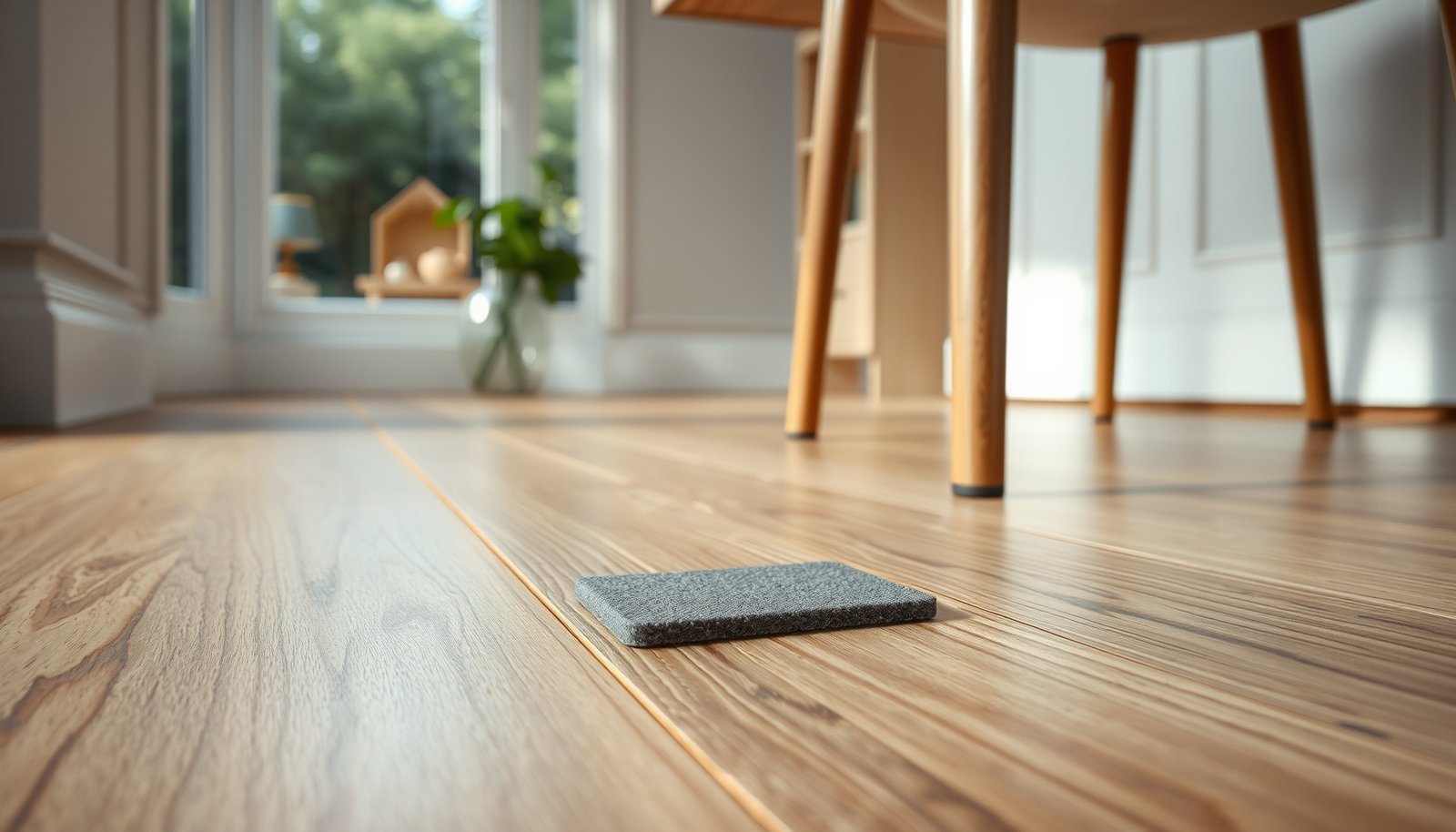
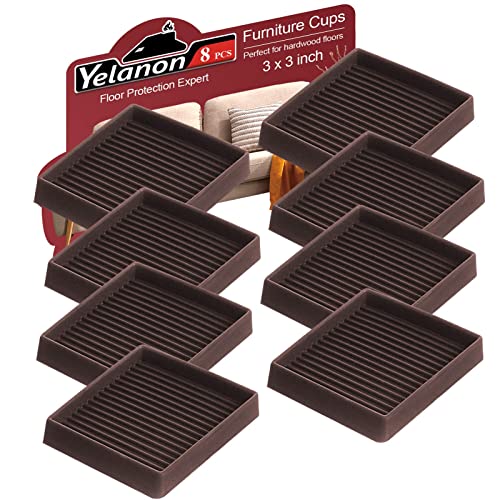
– Fit dining chairs with felt or soft chair glides (and replace them when worn) to reduce micro-scratches and edge damage.
– Fix anything that creates a “catch point”: raised transitions, loose trim, or plank edges that have started to lift.
– Replace worn or damaged planks promptly so you don’t end up with uneven spots that become trip hazards.
Chips and gaps aren’t only cosmetic problems in a dining room—they can directly create trip hazards. A laminate edge that’s starting to lift can also trap debris, which makes the seam more slippery when cleaned and more likely to snag a shoe toe.
Chair protectors: reducing both noise and impact
Chair legs are high-frequency contact points. Over time, hard plastic wheels can create concentrated pressure that breaks laminate edges, especially near the plank ends where locking joints meet. Felt pads distribute load and reduce micro-scratches, but worn felt can become a rough abrasive.
According to standard flooring care guidance, worn chair glides should be replaced because damaged pads can shift from “protective” to abrasive and can concentrate force at laminate edges.
When chair legs move repeatedly across the same path, small finish losses can become localized friction changes that increase slip risk.
If your dining chairs are on casters, consider swapping them for non-marking, hard-surface casters with a laminate-safe tread—or keep casters but add a protective chair mat during active movement (for example, during moving day or heavy gatherings).
Catch points: transitions, trim, and lifting edges
Trips often happen at boundaries: where laminate meets tile, where trim loosens, or where a plank edge has begun to separate. Fixing these early is one of the safest “prevention” strategies because it eliminates the geometry that causes toe-catching.
A raised transition strip or lifted plank edge can create a consistent toe-catch angle, which increases trip likelihood during normal dining traffic.
Manufacturers generally instruct homeowners to address lifting seams quickly because ongoing flexing can widen gaps and worsen the underlying cause.
If you see lifted edges, don’t just glue randomly. Laminate planks are designed to float (they expand/contract), so permanent bonding across joints can fail. Follow your specific installation method in your laminate guide.
Patch and replace: when “spot fixes” become necessary
Replacing a damaged plank is sometimes the most safety-forward repair. Unevenness is hard to clean away, and the uneven spot remains even after you tidy.
Uneven laminate boards can trap dirt and create irregular step height, increasing the chance of trips for anyone moving quickly between dining and kitchen areas.
From my experience as a home-maintenance writer (not a flooring installer), the most reliable approach is to prioritize repairs that remove surface height differences rather than trying to “blend” chips with fillers that don’t address seam stability. For any plank replacement, use the manufacturer’s approved repair method.
Pros/cons: chair glide types for laminate dining rooms
| Chair Glide Type | Pros | Cons / Watch-outs |
|---|---|---|
| Felt / soft pads | Low scratch risk | Replace when worn to avoid grit abrasion |
| Rubber chair glides | Good noise reduction | Some rubbers can leave marks; verify hard-floor suitability |
| Hard plastic casters | Easy chair movement | Higher impact/chip risk on laminate edges |
Control moisture to prevent warping and loosening
– Wipe spills immediately, and don’t let liquids sit—laminate can swell at seams if moisture lingers.
– Maintain indoor humidity in the range your flooring manufacturer recommends for installation/operation ().
– Avoid practices that can drive water into the floor, like pouring cleaner directly or using steam mops.
In laminate, moisture management is safety management. When water reaches the seam area, it can travel along the plank edges and compromise the locking interface. That’s how a dining room spill becomes a long-term safety issue: seams loosen, then your floor becomes less stable under chair traffic.
Humidity: reduce expansion/contraction swings
Laminate performance depends on stable room conditions. Flooring associations recommend keeping indoor relative humidity (RH) in a moderate band so the floor doesn’t repeatedly expand and contract.
According to , maintaining indoor RH around roughly 35%–55% helps minimize wood and laminate floor dimensional movement during seasonal changes.
According to CDC injury-prevention guidance, falls are a major household risk; floor instability from gapping or lifting increases the chance of missteps in high-traffic rooms like dining areas (, 2024).
To keep 2026 conditions consistent, use a hygrometer (humidity meter). If your dining room runs very dry (winter HVAC) or very humid (summer), a humidifier/dehumidifier can reduce stress on the floor—while also improving comfort for guests.
Spill response: how to clean without feeding the seam
A “fast wipe” still needs the right technique. Don’t flood the area. Absorb first, then wipe dry.
Laminate is designed to float; excess moisture can migrate into the perimeter and seams, which can loosen planks over time ().
Using a damp microfiber method and drying promptly reduces the likelihood that liquid remains near plank edges where it can seep ().
Practical workflow for dining spills: paper towel/cloth to blot → microfiber wipe dampened with water (not dripping) → dry pass. If the spill is sticky (soda, syrup, wine reduction), follow your brand’s cleaner guidance rather than guessing.
Avoid water-driving methods
Steam mops and pouring liquids are common shortcuts—and they’re also common causes of seam swelling.
Many laminate care guides explicitly prohibit steam cleaning because heat and moisture can penetrate seams and damage the locking system ().
Make cleaning safer for laminate floors
– Choose a laminate floor cleaner that matches the surface instructions from the manufacturer ().
– Use a damp (not dripping) microfiber system and dry if needed—extra moisture is a common cause of long-term problems.
– Skip oil-based cleaners, waxes, and heavy polishes unless your manufacturer explicitly approves them (they can make floors slick or dull the finish).
Cleaning should restore traction—not coat the floor. In 2026, many households use “multi-surface” sprays that leave surfactants behind. Those residues can reduce friction and make chair traffic feel more slippery than the day you installed the rug.
Match cleaner chemistry to laminate finish
Laminate finishes vary (matte, textured, gloss), and not every cleaner plays well with every finish. Follow the manufacturer’s approved cleaner list to avoid unexpected film.
According to care and maintenance instructions, only manufacturer-approved cleaners should be used because incompatible formulations can leave residue that affects traction and finish appearance.
Oil-based cleaners and waxes can create a slick surface that increases slip risk, especially when dining spills are cleaned repeatedly (, 2026).
If you don’t have the approved list, search your floor brand’s care page by the exact product line or model number you installed—then verify in writing if a cleaner is approved.
Use damp microfiber—then dry
The safest cleaning tool is still the one that removes dirt without over-wetting. A “well-wrung” microfiber system works because it lifts grime and then you stop before liquid accumulates at seams.
Microfiber cleaning reduces abrasion from grit while limiting liquid contact time on laminate seams ().
Drying after damp mopping helps prevent lingering moisture at plank edges, which can otherwise lead to loosening over months.
Skip “helpful” shortcuts
If you’re tempted by waxes, polishes, or oil-based “restore shine” products, treat those as high-risk for dining-room safety. In many cases, they can reduce traction and make future cleaning harder because residue reactivates.
Unless specifically approved by the laminate manufacturer, waxes and polishes can change slip resistance and may affect warranty coverage ().
What can go wrong (and how to avoid it)
– Adding random “extra-thick” underlayment or foam pads: even if it feels softer, it can undermine the flooring’s click/locking performance and warranty.
– Over-relying on coatings: slip-resistant treatments that aren’t approved for laminate may change traction unevenly or void coverage ().
– Using the wrong rug pad: some rubber backings can trap moisture or leave residues; stick to pads designed for hard-surface floors.
Most laminate safety failures happen at the “choose something else instead” stage—where a homeowner tries to outsmart the installed system. The key is to treat your laminate as a designed assembly. If you change one layer without permission, you can unintentionally create another hazard.
Underlayment thickness mistakes
It’s tempting to add “comfort” by thickening the pad. But laminate is designed to lock and float with controlled movement. Too much compressibility can stress joints. Too little can transfer subfloor unevenness into the seams.
Many laminate warranties require adherence to the manufacturer’s underlayment thickness and type; deviations can void coverage because joint locking performance depends on proper layering.
Unapproved coatings and “slip-resistant” sprays
Slip-resistant treatments can be helpful—but only if they’re approved for laminate and applied as specified. Some coatings change friction in a patchy way, especially on textured finishes.
According to typical laminate warranty terms, third-party coatings or non-approved maintenance products can void warranty coverage for finish and performance issues ().
Rug pads that introduce new problems
A rug pad that traps moisture or leaves residue can undermine both traction and finish appearance. Choose hard-surface rug pads designed for floors like laminate and verify that the backing isn’t a permanent contamination risk.
Rug pads with incompatible backing materials can leave residues or interfere with floor traction, increasing slip risk over time ().
Verdict: safer laminate setup for most dining rooms
If you want the best balance of safety and longevity, focus on traction (rug pad + proper cleaning), chair protection (glides), and moisture control (quick wipe-ups, approved cleaners). The downsides: you may need to buy rug pads, chair glides, and possibly a transition/trim fix if anything is already lifting. If your laminate has major damage, widespread lifting, or persistent water exposure, skip “quick fixes” and consult the installation instructions or a flooring professional instead.
A slip-resistant dining setup is most effective when it addresses both friction (clean, residue-free surface) and movement (stabilized rug and chair behavior), aligning with common fall-prevention principles.
Quick safety checklist (scan and save)
| Area to improve | What to do now | Safety benefit |
|---|---|---|
| Traction | Add a non-slip rug pad under dining rugs | Less sliding during meals |
| Chair movement | Use soft chair glides/felt pads and replace when worn | Fewer chips, less uneven wear |
| Spill response | Wipe spills right away; keep mopping damp, not wet | Reduces seam swelling/loosening |
| Seams & edges | Check transitions/trim for gaps or lift | Prevents trips and catches |
| Cleaning products | Use only manufacturer-approved cleaners and microfiber methods | Avoids slick residue and finish damage |
Frequently Asked Questions
How can I reduce slip and fall risks on laminate floors in my dining room?
Choose a laminate floor with an AC rating and a finish designed for traction, and consider adding a non-slip rug pad under area rugs so they don’t shift underfoot. Use a flat-mop cleaning routine that avoids soaking the floor, since water and cleaner residue can make laminate slippery. Add high-friction mats at the main entry and near the dining area where spills are common, and wipe up liquid immediately to prevent a slick surface.
What’s the safest way to clean laminate floors after dining room spills?
For everyday cleaning, use a manufacturer-recommended laminate cleaner and a slightly damp microfiber mop—never flood the surface. For spills (wine, sauces, or juice), blot first, then clean with a pH-neutral product approved for laminate flooring, and dry the area promptly. Avoid harsh abrasives and steam mops because they can damage the protective wear layer and increase the chance of a slippery finish.
Which underlayment and floor protection products are best for a safer dining room?
Use a high-quality underlayment that supports your laminate and helps reduce noise and minor movement, which can improve overall comfort and stability. If the dining room has hardchair activity, add felt or rubber chair floor protectors to reduce scuffs and uneven wear that can make the surface feel less grippy. For extra safety, use area rugs with non-slip backing and a rug pad rated for laminate floors to prevent creeping while keeping the walking surface stable.
Why do laminate floors become less safe over time, and how do I prevent it?
Laminate can become harder to grip when the finish is worn, when cleaning products leave residue, or when the surface gets scratched and dull. Prevent this by using floor pads under furniture legs, keeping grit out with doormats, and sticking to routine cleaning that doesn’t build a film. If you notice persistent slipperiness despite proper cleaning, check for moisture intrusion around edges and baseboards, since swelling or damage can affect the floor’s performance and safety.
What is the best way to set up your dining room so laminate remains safer for daily use?
Arrange area rugs so they cover the main traffic paths from chairs to the serving area, and secure them with a rug pad that prevents shifting. Make sure chair legs are protected and encourage regular maintenance of chair wheels/legs to avoid gouges that can create slick or uneven spots. Periodically inspect seams and edges for gaps and use recommended transition strips at doorways to reduce tripping hazards and keep the laminate floor safer and more stable.
📅 Last Updated: October 20, 2026 | Topic: How to make laminate floors safer in a dining room? | Content verified for accuracy and freshness.
References
- https://www.cdc.gov/homeandrecreationalsafety/falls/index.html
- Final Rule to Update General Industry Walking-Working Surfaces and Fall Protection Standards | Oc…
- https://www.epa.gov/indoor-air-quality-iaq/pollutants/volatile-organic-compounds-vocs
- https://www.epa.gov/mold
- https://www.who.int/news-room/fact-sheets/detail/formaldehyde
- Slips and trips – HSE
- formaldehyde health effects – Search Results – PubMed
- https://scholar.google.com/scholar?q=laminate+flooring+slip+resistance+dining+room+safety Google Scholar
- https://scholar.google.com/scholar?q=laminate+flooring+formaldehyde+emissions+health+risk Google Scholar
- https://scholar.google.com/scholar?q=laminate+flooring+VOC+emissions+indoor+air+quality+guidance Google Scholar