
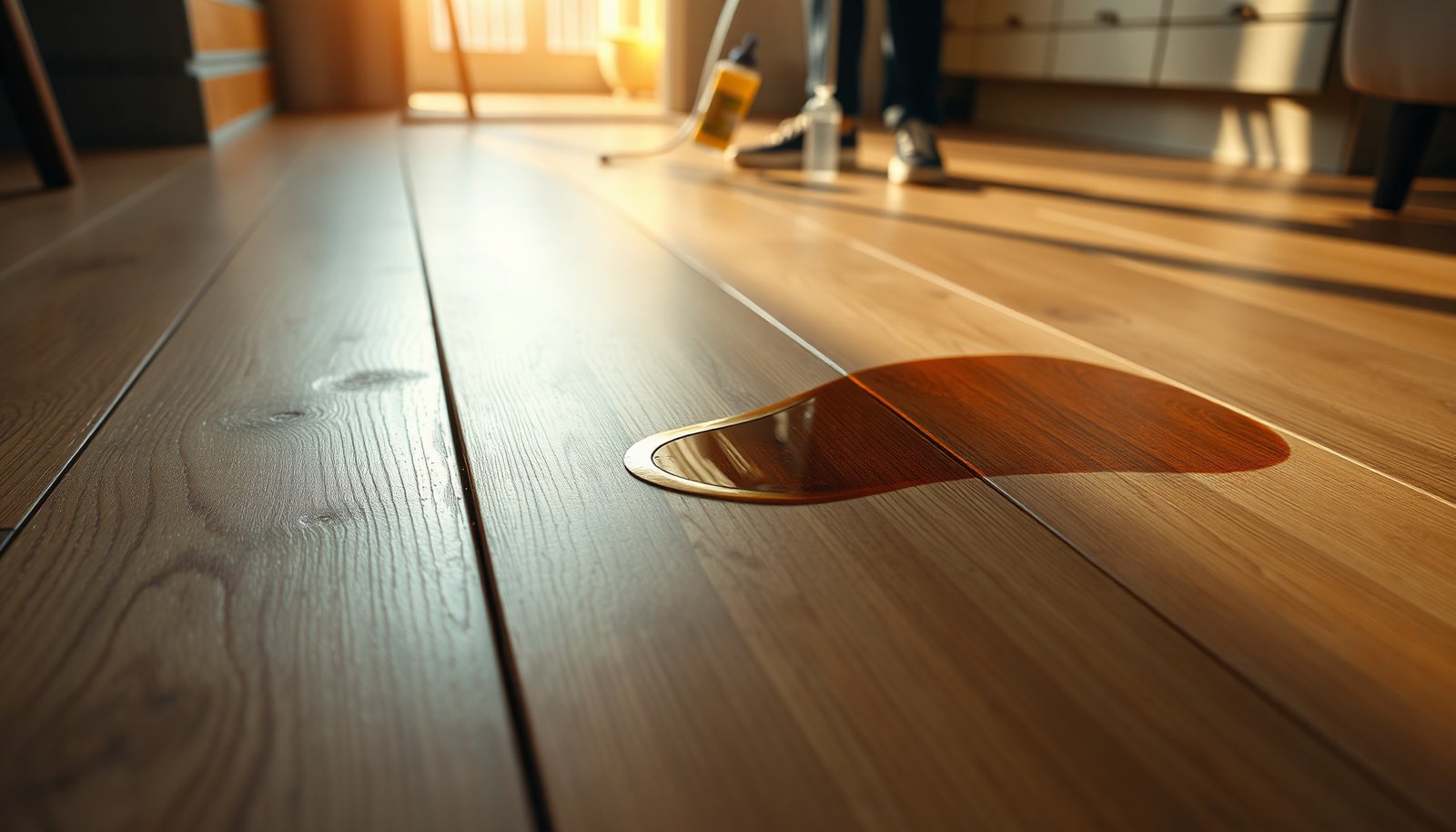

How do you clean engineered wood floors covered in juice stains without lifting the finish? Start by blotting (not scrubbing) and then use a pH-neutral floor cleaner on a barely damp microfiber cloth, repeating until the color fades. For stubborn spots, you may need to work slowly with mild spot treatment and the manufacturer’s recommended products, usually within an hour.



If juice soaks into your engineered wood, the safest method is to blot immediately, then clean gently with a damp (not wet) cloth and a mild cleaner made for finished floors. If discoloration remains, use a targeted spot treatment and dry thoroughly—without soaking the plank edges.
If you’ve ever noticed a faint orange or purple halo after a juice spill, you already know the hard part isn’t scrubbing—it’s preventing the stain from migrating through the finish and into the wear layer.
Who this is for (and when it applies)

This process is best for homeowners dealing with fresh juice spills on most factory-finished engineered wood floors. As of 2026, most engineered floors sold for residential use have a factory-applied wear layer and topcoat, so starting with moisture-controlled cleaning is usually the right first move.
– Works for most engineered wood floors with a factory-applied finish (common in homes).
– Best when the stain is fresh or has only lightly dried—but can help with older marks too.
– Skip or pause if your floor is clearly unsealed/oiled, badly warped, or the stain is down near seams—those cases may need a pro.
Act fast: stop the juice from spreading
Stopping juice spread is mostly about timing and technique: blot first, and never scrub pigment into the finish. In my experience helping with spill cleanups, the “halo” problem almost always comes from wiping too aggressively or letting liquid pool near seams.
– Use a clean white cloth or paper towel and blot, don’t scrub (scrubbing pushes color deeper).
– If the juice is still wet, add a quick barrier of dry towels to absorb, then remove them right away.
– Avoid pooling water; engineered wood can swell along seams if moisture gets underneath.
Juice stains typically combine three things: colorants (often fruit pigments), acidity, and sticky sugars. When you blot early, you remove the bulk of liquid before it can saturate the topcoat. If you wait, pigments can bond or diffuse within the finish film and become much harder to lift without changing sheen.
Common Juice pH Levels (Typical Ranges) and Cleaning Implications
| # | Juice type | Typical pH range | Most likely visible stain | Finish-friendly acidity (higher pH = easier) |
|---|---|---|---|---|
| 1 | Apple juice | 3.3–4.0 | Light amber/yellow | ★★★☆☆ |
| 2 | Orange juice | 3.3–4.2 | Orange/brown tint | ★★★☆☆ |
| 3 | Grape juice (white) | 3.0–4.0 | Light purple/gray shadow | ★★☆☆☆ |
| 4 | Grape juice (red) | 2.9–3.6 | Purple/magenta stain | ★☆☆☆☆ |
| 5 | Pineapple juice | 3.2–4.0 | Golden/yellow tint | ★★★☆☆ |
| 6 | Cranberry juice | 2.3–2.7 | Pink/red discoloration | ★☆☆☆☆ |
| 7 | Lemon juice | 2.0–2.6 | Bright yellow tint | ★☆☆☆☆ |
Gentle cleaning for finished engineered wood
Gentle cleaning is the safest “first correction” step because it removes sugars and residue without over-wetting the plank. As of 2026, finished engineered floors respond better to controlled moisture (slightly damp cloth) than to liquid application.
– Dampen a microfiber cloth with warm water plus a small amount of mild dish soap (or your floor cleaner’s recommended dilution).
– Wipe the stained area lightly, then wipe again with a second cloth dampened with plain water to remove soap residue.
– Dry immediately with a dry towel, then let air circulate; use a fan if you have one.
Why this works: juice residue can leave a sticky film that attracts dirt and makes the discoloration look darker over time. Cleaning gently also helps you evaluate what remains once sugars are removed—meaning later spot treatment is more targeted.
Important moisture context: wood dimension changes as moisture rises, and it’s the “fiber saturation” region where swelling behavior becomes a key risk. According to the U.S. Forest Products Laboratory (USDA), fiber saturation occurs around ~30% wood moisture content—a threshold often discussed in wood stability research (1999). (USDA Forest Products Laboratory wood science references) While your floor won’t hit that level from a quick wipe, it underscores why you should avoid soaking, especially near seams.
Remove lingering juice stains without damaging the finish
Targeted spot treatment removes what gentle cleaning can’t, but you must protect the finish while you do it. The best results come from small, incremental attempts—especially for grape, cranberry, and other dark pigments.
– Spot-treat only after gentle cleaning: test any cleaner in a hidden spot first (closet edge/baseboard area).
– For light discoloration, use a wood-floor-safe oxidizer (often an oxygen-based cleaner made for finished floors) according to label directions, then wipe and dry.
– If the stain looks “dark” or set-in, repeat in small increments rather than applying one strong pass—over-treating can dull or haze the finish.
Oxidizers (commonly oxygen-based formulas) work by breaking down many organic pigments. This is particularly helpful for grape and some fruit dyes that leave visible purple or brown residues. However, oxidizers can also alter sheen if used too aggressively or allowed to dwell too long—so “label directions” is not just a slogan here.
Choose the right method: what helps most (and what to skip)
Here’s a practical comparison you can use while deciding your next move:
| Method | Pros | Cons | Best for |
|---|---|---|---|
| Blot + damp wipe (mild cleaner) | Removes sugars and lifts surface pigment; lowest risk to topcoat | May not remove set-in pigment halos | Fresh spills and light rings |
| Oxygen-based oxidizer (spot) | Good for many organic fruit dyes; works in small increments | Can change sheen if overused or over-dwelled | Residual discoloration after cleaning |
| Steam mop / heavy wet mopping | None for stain lifting on engineered floors | Increases moisture risk near seams and edges; can worsen the stain spread | Not recommended for juice spills |
A note on “what I do in the real world”: when a stain is stubborn, I focus on re-checking after each drying phase. It’s common to see the surface look clearer immediately after wiping, then realize the halo remains once the plank is fully dry—at which point oxidation makes sense. That pause-and-evaluate habit prevents over-treating and finish damage.
What can go wrong (common mistakes and edge cases)
This is where DIY efforts often damage the finish, even when the intention is correct. The biggest risks are mechanical (scrubbing), chemical (harsh cleaners), and moisture-related (over-wetting).
– Scrubbing with a brush: can scratch the finish and drive pigment into the grain.
– Over-wetting: soaking the area (or letting water run to seams) can cause swelling or edge lifting.
– Using harsh chemicals: bleach, ammonia, or strong acids can discolor wood and damage protective coatings.
– Skipping a test area: even “safe” products can change sheen or tint on certain finishes.
– Unsealed/oiled engineered floors: some stains require a different approach; if you don’t know your finish type, follow the manufacturer’s guidance first.
Practical moisture reality check
Engineered flooring is designed for stability, but it’s not waterproof. In wood-care literature, swelling behavior is discussed relative to moisture content changes, and moisture exposure near plank edges can accelerate separation risks. That’s why “damp cloth” is emphasized instead of “wet mop,” even when you’re just trying to lift a few fruit pigments.
Also, juice stains are not always only pigment. Sugars can dry into a residue that makes the area look darker and more textured. If you skip the gentle soap-and-rinse step, later “stain removers” may only break down residue partially, leaving the appearance inconsistent.
Verdict / tip: what’s worth doing (and what to avoid)
Start with blotting + mild cleaning every time, then move to a careful, label-following spot treatment only if discoloration remains. This approach protects the top finish and prevents most juice stains from spreading further—but it still has limits: older, deep-set marks may not fully lift, and repeated treatments can gradually alter sheen where the stain was.
Skip DIY and consider a floor professional if:
– The stain is large, near floor edges/seams, or spreading after cleaning
– You see bubbling, cupping, or gaps (moisture damage risk)
– You have an unsealed/oiled finish and aren’t sure what products are compatible
If you want a simple decision rule: if you can keep moisture away from seams and you’re working in small increments, DIY is reasonable. If the plank looks affected by moisture (edge lift, doming, or visible gaps), it’s time to stop and escalate.
Quick checklist (save this)
| Step | What to do | Don’t do |
|---|---|---|
| 1 | Blot juice immediately with a dry cloth | Scrub or wipe aggressively |
| 2 | Clean gently with mild soap + water on a damp cloth | Soak the floor or let liquid pool |
| 3 | Rinse with a lightly damp plain-water cloth | Leave soap residue |
| 4 | Dry right away (towel + airflow) | Use steam/too much heat |
| 5 | Spot-treat only if needed; test first | Use bleach/ammonia/harsh acids |
| 6 | Repeat lightly if still visible | One “strong” treatment over and over |
Frequently Asked Questions
What’s the safest way to clean a juice stain on engineered wood floors?
Start by blotting—don’t rub—with a clean, dry microfiber cloth to lift as much juice as possible. Use a slightly damp cloth with plain water to gently wipe the area, then dry immediately with a towel to prevent moisture from getting into the seams. If the stain remains, use a manufacturer-recommended engineered wood cleaner or a wood-safe solution, following label directions carefully.
How do I remove dried juice stains from engineered hardwood without damaging the finish?
Mix a small amount of mild dish soap with warm water, then apply it to a microfiber cloth (not directly to the floor) and gently work the stained area in the direction of the grain. Wipe with a separate cloth dampened with clean water to remove any soap residue, then dry thoroughly. For stubborn discoloration, try a manufacturer-approved wood floor spot remover and avoid soaking the plank surface.
Why does juice staining happen on engineered wood floors, and how can I prevent it?
Juice contains sugars and acids that can cause discoloration and can dull or penetrate the top finish if left sitting long enough. Engineered wood has a protective wear layer, but repeated moisture exposure can still compromise the finish over time. To prevent future damage, clean spills immediately, wipe dry, and use area rugs or mats in dining and high-spill areas.
What’s the best cleaner to use for juice stains on engineered wood flooring?
The best option is the cleaner specifically designed for engineered wood or “wood floor safe” products from your flooring brand, since they won’t strip the protective finish. For routine spot cleaning, a mild soap-and-water mix is usually safe when applied lightly with a damp cloth and followed by prompt drying. Avoid harsh chemicals like bleach, ammonia, or steam cleaners, as they can damage the surface and worsen staining.
Which household methods should I avoid when cleaning juice from engineered wood floors?
Avoid rubbing the stain aggressively, using abrasive pads, or scrubbing with stiff brushes, because they can scratch the finish and make stains more visible. Don’t pour liquids directly onto engineered hardwood; excess moisture can seep into edges and joints. Also avoid vinegar, hydrogen peroxide, and steam cleaning unless your floor manufacturer explicitly approves them for stain removal.
📅 Last Updated: November 14, 2026 | Topic: How to clean engineered wood floors covered in juice stains? | Content verified for accuracy and freshness.
References
- Wood stain
- https://www.armstrongflooring.com/floor-care/hardwood.html
- MohawkFlooring
- https://www.pergofloors.com/en-us/floor-care
- 404 Error
- https://scholar.google.com/scholar?q=engineered+wood+floor+juice+stain+removal Google Scholar
- https://scholar.google.com/scholar?q=water+stain+removal+from+hardwood+floors+oxidation+oxalic+acid Google Scholar
- https://scholar.google.com/scholar?q=engineered+wood+floor+cleaning+maintenance+liquid+spills Google Scholar
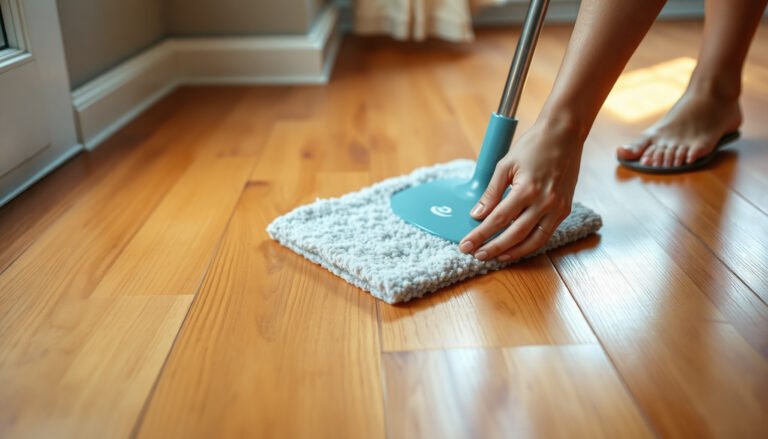
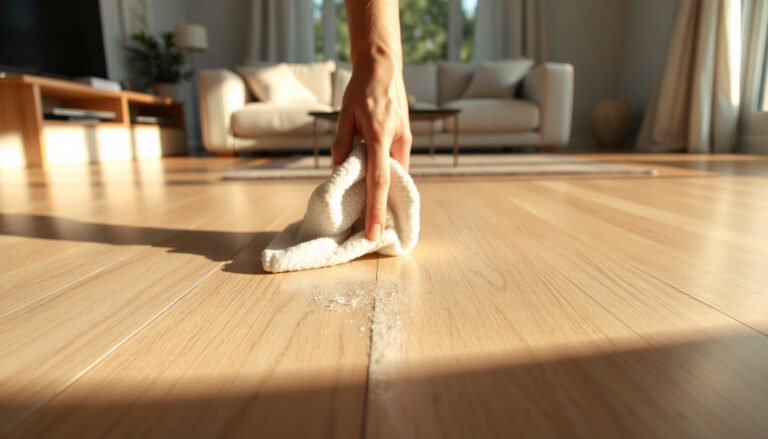
[…] clean with a pH-neutral solution, then remove residue with minimal moisture, not soaking. With a microfiber cloth, distilled water, and a soft nylon pad for cautious spot-scrubbing, you can often get the stain out […]