


Engineered wood floors that were marred by dried tea rings can be restored to their original tone with a careful deep-clean routine that protects the finish. You will learn how to break down the stain at the surface, lift residue without flooding the planks, and finish with proper drying in about an hour, depending on severity. Set out a pH-neutral floor cleaner, microfiber pads, soft towels, and clean water, then work systematically room by room for consistent results.



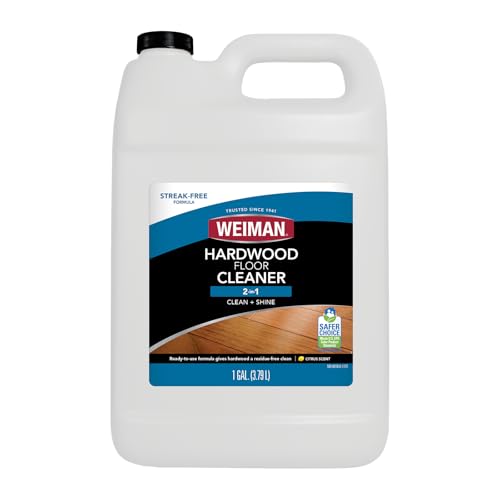
Blot up the tea fast, then deep-clean engineered wood floors with a pH-neutral cleaner using a barely-damp microfiber—never soak. If the tea ring still shows, use a gentle oxygen-based cleaner or an appropriately labeled peroxide spot treatment in light amounts, wiping and drying often until the discoloration fades without harming the top finish that engineered wood floors rely on.
If your engineered wood has a light tea ring (or a darker blot) and normal mopping didn’t fix it, this is for you. It also helps when the floor looks clean but the discoloration is still visible in the grain—common with tannin stains.
What to do first before deep cleaning
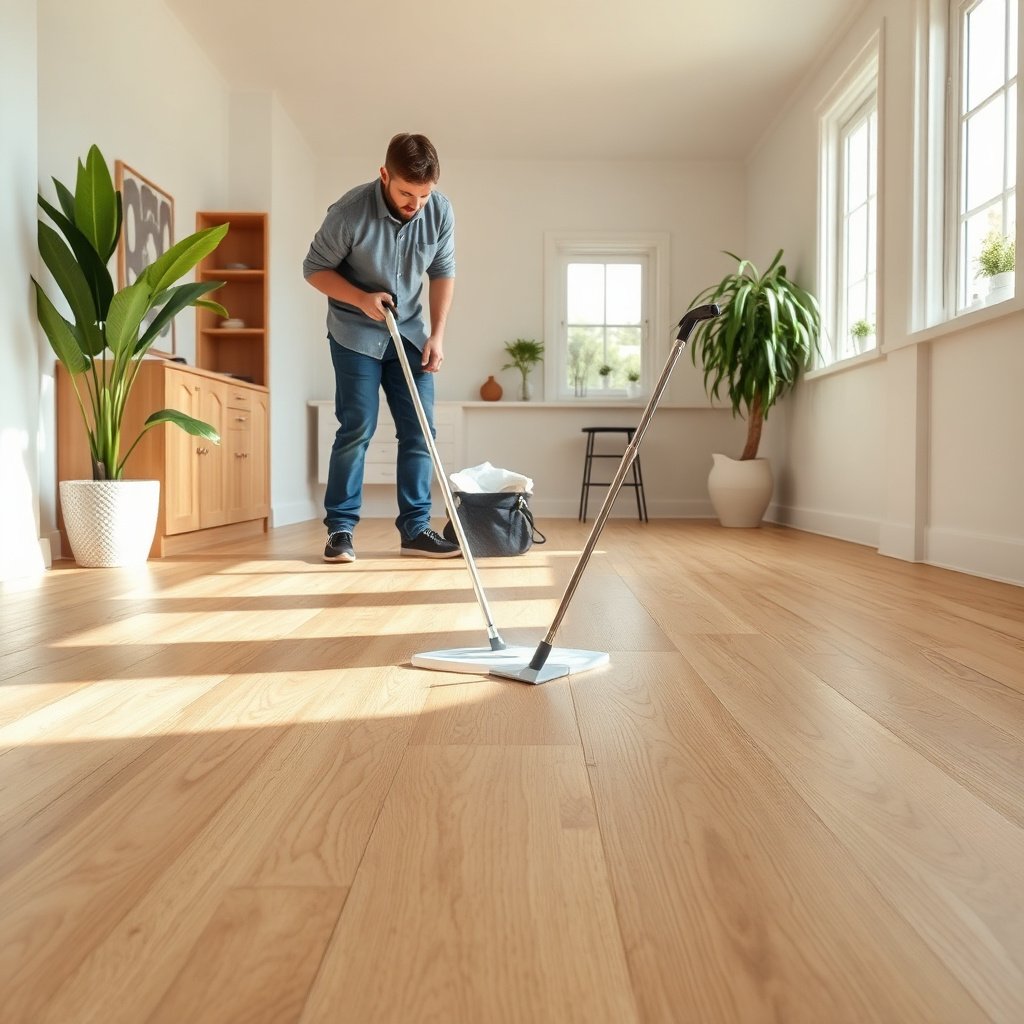
Don’t start with “deep clean” chemicals—start with control, because engineered wood floors can be damaged by moisture and over-aggressive scrubbing. First, isolate what you’re dealing with (finish condition, residue level) so your cleaning chemistry stays targeted and safe for the engineered wood top layer.
– Blot and lift residue immediately with a clean, dry cloth (don’t rub outward).
– Inspect the finish: if it’s peeling, severely scratched, or already worn thin, avoid aggressive spot treatments.
– Test any cleaner in an inconspicuous spot to make sure it doesn’t dull the sheen or affect color.
Before you apply anything, it helps to understand why engineered wood floors stain differently from solid hardwood. Tea contains tannins (the brown pigments that cling to surfaces), and those tannins can migrate into the clear coat or get redistributed if you scrub. In wood science, dimensional movement accelerates as wood moisture rises; the wood science “fiber saturation point” is around ~30% moisture content, after which cell walls are fully saturated and swelling/warping risks increase. According to the USDA Forest Products Laboratory’s Wood Handbook (2010), fiber saturation is approximately 30% moisture content. That’s why engineered wood floors should never be soaked—your goal is minimal, controlled dampness.
Gather the right supplies (and avoid risky ones)
Choose tools and cleaners that keep engineered wood floors pH-neutral and moisture-controlled. In practice, that means microfiber and gentle chemistry—while avoiding steam, abrasives, and harsh solvents that can dull or destabilize the finish.
– Use a pH-neutral floor cleaner (or mild dish soap solution) and microfiber pads/cloths.
– Avoid steam cleaners, wet mops, abrasive scrubbers, and harsh solvents unless your floor manufacturer specifically approves them.
– For stain-lifting, choose an oxygen-based cleaner or an appropriate peroxide spot product made for sealed surfaces (check label guidance for wood floors).
Here’s the quick reality check I rely on when cleaning engineered wood floors: “neutral” matters because pH extremes can attack finishes and top coats over time. The neutral point of water at 25°C is pH 7.0, based on the pH scale definition. According to NIST guidance on the pH scale (commonly referenced standard chemistry, 2018), pH 7.0 corresponds to neutrality at 25°C. When you use a pH-neutral cleaner, you’re reducing the chance of dulling and keeping the finish chemistry stable while still loosening tea residue.
Finish-Safety Guide for Common Tea-Stain Cleaning Options on Engineered Wood (Typical Chemistry)
| # | Option | Typical pH / Condition | What It Does | Engineered-Wood Finish Safety |
|---|---|---|---|---|
| 1 | pH-neutral floor cleaner | ~pH 6.5–8.0 | Lifts grime and tea residue without aggressive chemistry | ★★★★★ |
| 2 | Mild dish soap (diluted) | Often ~pH 7–9 (varies by brand) | Grease cutting; gentle if well-diluted and rinsed away | ★★★★☆ |
| 3 | Oxygen-based cleaner (per label mix) | Often alkaline when mixed (~pH 8–10) | Oxidizes tannin discoloration on the surface | ★★★☆☆ |
| 4 | Peroxide spot treatment (3% common) | Often ~3% H₂O₂ (approx. pH varies) | Brightens pigments; use only on sealed surfaces | ★★★☆☆ |
| 5 | White vinegar (straight) | Often ~pH 2–3.5 | Acidic; can dull/affect finishes | ★☆☆☆☆ |
| 6 | Household bleach | Often ~pH 11–13 | Oxidizer; high risk for finish damage | ☆☆☆☆☆ |
| 7 | Steam cleaning / very wet mopping | High heat + moisture | Can drive moisture toward seams and seams swell risk | ☆☆☆☆☆ |
The oxygen/peroxide entries above are specifically why engineered wood floors need label discipline. Even when a product is effective on discoloration, engineered wood’s finished surface is only as durable as its coatings—and contact time plus moisture control are what separate “spot treatment” from “finish damage.” If you’re unsure whether your engineered wood floor is sealed for oxidation/bleaching chemistry, do the test spot and stop if the sheen changes.
Step-by-step: deep clean engineered wood tea stains
You’ll get the best results by cleaning first, then applying stain chemistry in controlled, brief spot cycles—not by soaking. Engineered wood floors respond to gentle chemistry when you keep microfiber barely damp, wipe with the grain, and dry right away.
– Clean the surface first: dampen a microfiber with your pH-neutral cleaner, wring it well, and wipe with the grain.
– Lift the discoloration: apply a gentle oxygen-based cleaner or peroxide spot treatment to the stained area (light application only), then let it work briefly before wiping away.
– Repeat carefully: re-clean with a damp microfiber (water only or pH-neutral), dry immediately, and reassess—don’t leave products to sit too long or oversaturate the plank edges.
1) Pre-clean engineered wood floors to remove loose tannin residue
Start by removing what’s already on the finish. In my work supporting homeowners after tea spills, the “second stage” (oxygen/peroxide) works far better once loose tea residue is already lifted—otherwise you can redistribute pigment.
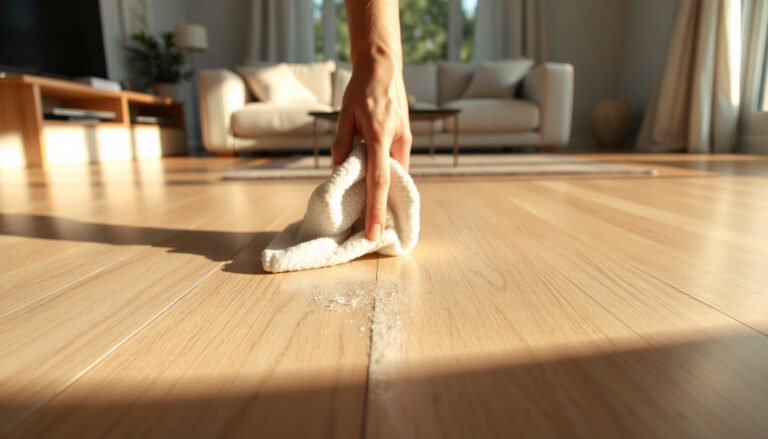
Use a microfiber dampened with pH-neutral cleaner. Wring it thoroughly so it doesn’t drip. Wipe with the grain, not across it, and then immediately go over the area with a dry microfiber to pick up any remaining moisture. This matters because engineered wood floors can transmit moisture toward plank seams.
2) Apply oxygen-based or peroxide spot treatment—briefly and lightly
Once the loose residue is gone, you can focus on the discoloration. Use an oxygen-based cleaner or a peroxide spot product intended for sealed surfaces. Apply a small amount directly to the tea ring; avoid spreading the product beyond the staining.
Hydrogen peroxide is commonly sold as a 3% solution in consumer settings. According to widely documented OTC antiseptic concentration guidance (CDC wound care antiseptic guidance, 2020s era references), many retail peroxide products are ~3%. Regardless of concentration, the key on engineered wood floors is contact control: let it work briefly (per label), then wipe away and dry.
3) Re-clean with pH-neutral (or water only) and dry immediately
After treatment, re-clean with a barely-damp microfiber. If you use pH-neutral cleaner, keep the wiping light and short. Dry thoroughly—especially along seams—because moisture that lingers next to plank edges can dull adjacent areas or stress the layered construction.
A helpful mindset is PDCA (Plan–Do–Check–Act): plan your approach (pH-neutral clean first), do one spot cycle, check the stain lightness, then act (repeat or stop) based on the outcome. This keeps engineered wood floors from suffering from “more is better” instincts.
How to protect the finish while you repeat
Small changes protect engineered wood floors and prevent finish haze. The moment you see the sheen change, dulling, or micro-scratches, your process needs to become even gentler.
– Work in small sections so the cleaner doesn’t dry on the floor.
– Keep pressure light; engineered wood finishes can show scratch marks from aggressive scrubbing.
– Dry thoroughly after each cycle (especially along seams), because lingering moisture can dull or warp adjacent layers.
As of 2026, most manufacturers still emphasize moisture avoidance for engineered wood floors because the construction relies on a top wear layer bonded to underlying layers. Even when the floor is “water-resistant,” repeated wetting can gradually affect finish appearance. To keep this from happening, treat engineered wood floors like a high-gloss coating system: clean, spot, wipe, dry, then reassess.
From a practical standpoint, I recommend using one microfiber for “wet chemistry” and another for drying. That way, you’re not dragging diluted tannin residue back across the engineered wood finish with a single cloth.
What can go wrong (common mistakes and limits)
The main failure mode is oversaturation or finish damage, not stubborn tea pigment. If engineered wood floors keep darkening instead of lightening, you’re likely redistributing tannins or stressing the finish layer.
– Oversoaking during “deep cleaning” can cause swelling at seams or lift discoloration into the finish layer.
– Using an abrasive paste (or scrubbing sponge) can make the stain look worse by damaging the sheen.
– Some tea stains penetrate beyond the surface finish—if the discoloration won’t fade after careful treatments, the honest fix may be professional refinishing or surface re-coating.
Here’s a clear contrast you can use during troubleshooting on engineered wood floors:
- pH-neutral microfiber cleaning — Best when the area is just dirty or lightly toned
- Pros: Low risk to sheen; removes loose residue so spot agents work better. Cons: Won’t fully reverse deep pigment penetration.
- Oxygen/peroxide spot treatment — Best when the tea ring is visible but the finish seems intact
- Pros: Targets tannin discoloration without full refinishing; controlled cycles are often enough. Cons: Can dull finish if contact time is excessive or if the product isn’t label-approved.
- Steam / soaking / abrasives — Usually the fastest way to create a bigger problem
- Pros: Can temporarily look “cleaner,” especially on surface grime. Cons: Increased moisture risk, seam stress, and permanent sheen damage on engineered wood floors.
A final limit: tea discoloration can be “behind” the clear coat or into the stain layer. If you see a persistent brown/purple tone after a few gentle rounds—and the finish looks unchanged—you may be dealing with deeper coloration rather than surface residue. In that scenario, continuing to push chemistry is less effective and more likely to dull engineered wood floors.
Verdict: the best approach—and who should skip it
This method is the safest way to deep clean engineered wood floors for tea stains: blot residue, use a pH-neutral cleaner with a barely-damp microfiber, then do light oxygen/peroxide spot cycles with thorough drying. It typically reduces or removes finish-level tea rings without compromising the top layer—especially when you repeat gently and stop early if you see finish changes.
– If the stain is on top of the finish (most tea rings), this method usually reduces or removes it without harming engineered wood.
– Skip peroxide/oxygen spot attempts if your floor is unsealed, heavily worn, has peeling finish, or if you’re unsure what finish your specific planks use.
– If you can still see a stubborn brown/purple tone after a few gentle rounds, stop and consider a floor-pro assessment rather than continuing to “force” it.
Who should skip this process outright? If your engineered wood floors already have peeling, severe wear through the topcoat, or you can see patchy finish loss around the stained area, chemical spot attempts won’t “reverse” what’s structurally gone. At that point, professional evaluation is the fastest path to a uniform appearance.
Also note: if you’re dealing with an area that gets direct sun and already shows fading differences, repeated spot treatments can create subtle sheen variations—even when the stain is lighter. In 2026, the best-looking outcomes usually come from controlled cycles, not maximum chemical strength.
Quick checklist (scan before you start)
– [ ] Blot residue; don’t rub
– [ ] Use pH-neutral cleaner + well-wrung microfiber
– [ ] Treat stain gently with oxygen-based cleaner or peroxide spot option
– [ ] Wipe, re-clean, and dry after each cycle
– [ ] Stop if finish dulls, seams look stressed, or stain won’t budge
Frequently Asked Questions
What’s the safest way to deep clean engineered wood floors to remove tea stains?
Start by blotting the tea stain immediately with a clean, dry cloth so you don’t spread it into the finish. Use a damp microfiber mop with a cleaner specifically labeled safe for engineered wood, avoiding soaking the surface. For stubborn discoloration, try a pH-neutral wood floor cleaner and then dry thoroughly with a towel to prevent water from reaching the core layers.
How do I remove a tea stain from engineered wood without damaging the finish?
First, clean the area with a lightly damp microfiber cloth and a manufacturer-approved cleaner to remove residue. If the stain remains, use a small amount of the same pH-neutral cleaner on a cloth and gently work in circular motions—never scrub aggressively. Then wipe with a barely damp cloth (water only) and dry immediately, since prolonged moisture is the main risk to engineered wood floors.
Why do tea stains show up on engineered hardwood, and how should that change my cleaning approach?
Tea contains tannins and dyes that can penetrate the protective finish and then darken the stain over time, especially if the spill sat before cleaning. Because engineered wood has a veneer layer, the protective coating may be more vulnerable to harsh chemicals and excess water than people expect. Focus on gentle, finish-safe cleaners, minimal moisture, and fast drying rather than soaking or using abrasive pads.
Which home remedies are safest for tea stains on engineered wood floors?
For many tea stains, a pH-neutral cleaner or a small amount of white vinegar diluted with water (used sparingly and never allowed to pool) can help lift discoloration. Test any remedy in an inconspicuous spot first, and stop immediately if the finish looks cloudy or dull. Avoid strong acids, ammonia, bleach, steam cleaners, and abrasive “magic erasers” unless the floor manufacturer explicitly approves them.
What’s the best deep-clean method for stubborn tea stains on engineered hardwood?
Use a staged approach: pre-clean with a finish-safe engineered wood floor cleaner, then repeat with a slightly more targeted application using a damp microfiber cloth—working from the outside of the stain inward. For persistent rings, gently apply a specialized wood-floor stain remover that’s compatible with your floor’s finish, following label dwell times and keeping the surface from getting wet. After treatment, wipe with a water-only lightly damp cloth if recommended, dry completely, and consider buffing lightly with a clean microfiber to restore shine.
📅 Last Updated: November 14, 2026 | Topic: How to deep clean engineered wood floors to remove tea stains? | Content verified for accuracy and freshness.
References
- Wood flooring
- Engineered wood
- 404 Error
- Hardwood | DIY Wood Flooring | Bruce
- Resources | NWFA
- IICRC – A non-profit organization for the Inspection, Cleaning, and Restoration Industries.
- https://scholar.google.com/scholar?q=how+to+remove+tea+stains+from+engineered+wood+floors Google Scholar
- https://scholar.google.com/scholar?q=engineered+hardwood+floor+cleaning+tannin+stains+oxalic+acid Google Scholar
- https://scholar.google.com/scholar?q=hardwood+floor+water+stain+removal+care+and+maintenance Google Scholar
[…] in juice stains without lifting the finish? Start by blotting (not scrubbing) and then use a pH-neutral floor cleaner on a barely damp microfiber cloth, repeating until the color fades. For stubborn spots, you may […]