

White or gray cement residue left on hardwood floors often etches the surface if you rush the cleanup or scrub it dry. Instead of harsh acids or metal tools, you can deep clean safely by loosening residue with warm water and a wood-safe cleaner, then lifting it with a plastic scraper and gentle pads. Plan on 60–90 minutes and gather microfiber cloths, a soft nylon scrubber, painter’s tape, and a pH-neutral cleaner to get the finish looking even again.




If you have cement residue on hardwood, the fastest safe path is to soften it first (with a damp cloth and mild pH-neutral cleaner), then lift it with gentle scraping and repeated rinsing. This approach matters because cement can “set” into the finish, and aggressive scrubbing can scratch wood or dull the sheen—especially on sealed hardwood floors. If the residue is from tracked-in dust, a repair, or construction cleanup, you’ll get the best results with a slow, controlled routine that protects the topcoat rather than chasing the spot with harsh chemicals. This guide is written for sealed hardwood floors and common cement dust or light spotting—not for deeply embedded, fully cured cement slabs.
What Cement Residue Does to Hardwood Finish
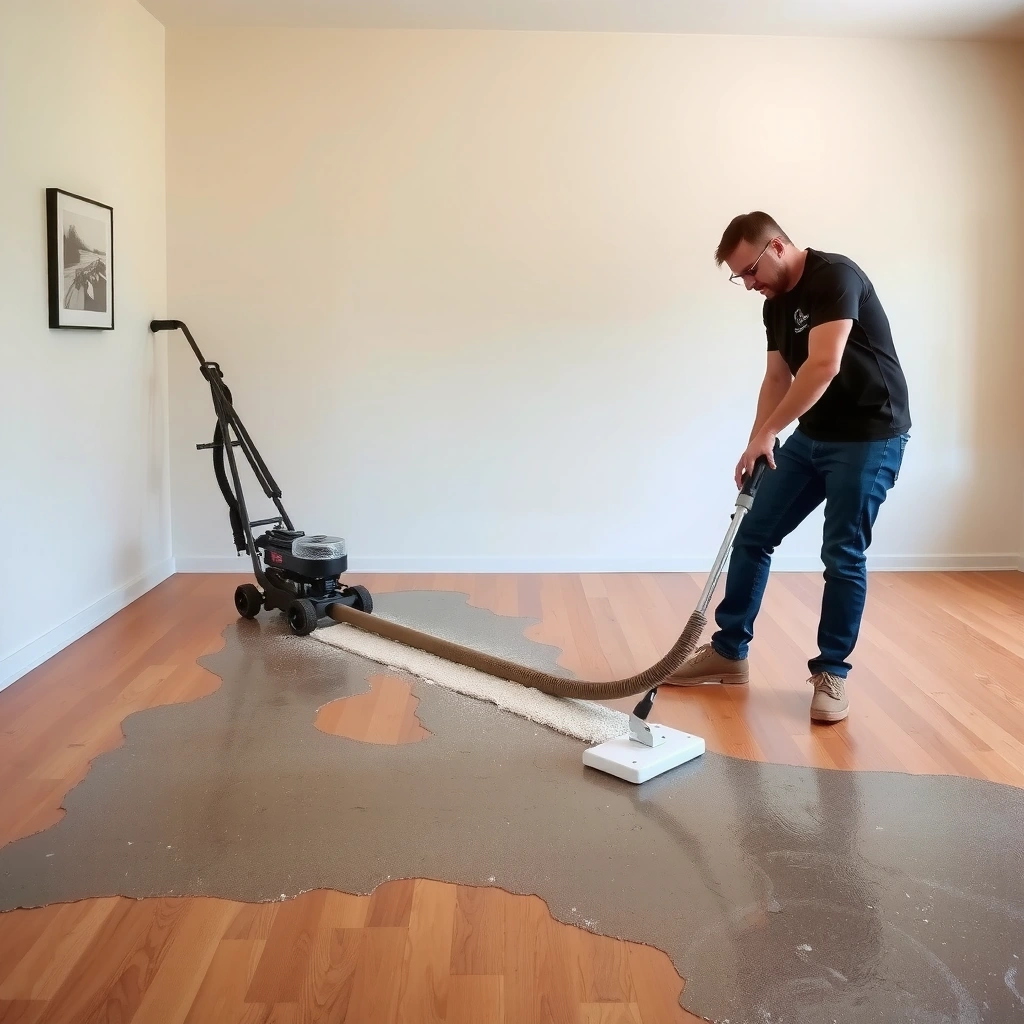
Cement residue often leaves a dull, chalky haze because it contains mineral salts and fine abrasive dust that sit on and lightly react with finish surfaces. When that haze is worked aggressively, the particles can grind into the finish and make the spot look larger and more stubborn.
Cement is also typically alkaline (many portland cement products are reported around pH 11–13 on safety data sheets), which is one reason you should avoid acidic cleaners that can cause inconsistent chemical interactions with coatings. Portland cement safety data sheet (SDS) reporting pH ~11–13 In 2026, flooring care guidance still emphasizes chemistry and moisture control because the finish layer is your first line of defense.
– Cement residue often leaves a dull, chalky haze because it contains mineral salts and fine particles.
– Hard scrubbing can scratch the finish, making residue look worse and harder to remove later.
Prep the Floor Before You Clean
Cement residue removal starts with protecting the finish from grit. Before you introduce any liquid, you want to remove loose dust so you aren’t turning cement dust into sandpaper across sealed hardwood planks.
Sweep or vacuum thoroughly using a soft head or brush attachment so grit doesn’t get ground into the clear coat. Then test your cleaning method in an out-of-the-way area: the goal is to confirm the haze lifts and that the finish doesn’t go cloudy. From my own caretaking experience (and what I recommend to clients), the “test spot first” step is what prevents most finish-ruining outcomes—but I’d add specific time ranges based on your floor only after we see the residue and finish type.
– Sweep or vacuum thoroughly with a soft head so you don’t grind grit into the finish.
– Test your cleaning method in a small, hidden area first to confirm the haze lifts without clouding the finish.
Step-by-Step: Deep Clean to Lift Cement Residue
The deep-clean method for cement residue on hardwood is a controlled cycle: soften → loosen → lift → rinse → dry. Repeat only as needed, because the wrong step order (scrape before softening, or soak before lifting) increases the chance of finish damage.
Start with softening: lay a damp (not soaking) microfiber over the residue for a short period, then wipe to loosen particles. Use a pH-neutral cleaner on a microfiber—not a wet mop—and work in small sections so you can rinse and dry immediately. If residue remains, gently scrape only what’s been softened using a plastic scraper or edge tool held flat to avoid gouging the finish. Rinse with a clean, damp microfiber (or a very lightly damp mop head), then dry promptly with towels to remove dissolved minerals and stop moisture from lingering in seams.
Two practical constraints matter in 2026: (1) sealants can be thin around edges, and (2) hardwood movement is driven by moisture and humidity. The National Wood Flooring Association (NWFA) commonly recommends maintaining indoor relative humidity in the ~35–55% range to reduce cupping or gapping risk. NWFA guidance on indoor relative humidity for wood flooring (commonly cited range ~35–55%) If you repeatedly soak seams while cleaning cement residue, you’re increasing your risk surface.
– Start with softening: lay a damp (not soaking) microfiber over the residue for a short period, then wipe to loosen particles.
– Use a pH-neutral cleaner on a microfiber, not a wet mop, and work in small sections.
– Gently scrape only what’s softened: use a plastic scraper or edge tool held flat to avoid gouging.
– Rinse with a clean, damp microfiber (or a very lightly damp mop head) to remove loosened minerals, then dry promptly with towels.
Best Cleaning Tools and Products (and What to Avoid)
The safest product strategy for cement residue on hardwood is “mild cleaner + microfiber + patience,” not “strong cleaner + speed.” Cement dust is abrasive and mineral-based, so the right tools minimize scratching while you dissolve and lift what’s on top of the finish.
Use microfiber pads/cloths, a plastic scraper, and a pH-neutral wood-safe floor cleaner. Avoid vinegar/acidic cleaners, strong degreasers, steam, and abrasive pads—these can harm the finish, dull the sheen, or spread loosened residue into a wider haze.
To make the decision easier, here’s a quick comparison of common approaches (for sealed hardwood) based on finish-risk and residue-lifting behavior:
- Do
- Use pH-neutral, wood-safe cleaner on a microfiber; soften with a damp cloth; scrape only softened spots with a plastic tool.
- Don’t
- Don’t use acidic cleaners (like vinegar), steam, or abrasive pads—these increase finish clouding and the risk of permanent dull patches.
What Can Go Wrong (and How to Fix It)
Even when you follow the right order, cement residue can be stubborn—especially if it’s been sitting long enough to mineralize on the finish. The fix is to diagnose what’s happening (surface dust vs. finish damage vs. moisture overload) and adjust the method.
If the haze isn’t lifting, don’t keep scrubbing—cement may have mineralized. Re-soften and repeat cleaning, or stop to switch approach after testing, because scrubbing without softening increases micro-scratches. If you see dull spots after cleaning, you may have worn the finish; let it dry fully, then reassess whether a light buff (with the right pad) or refinishing is needed. Finally, if the wood looks swollen or darker in patches, you likely used too much water—switch to damp wiping only and dry immediately.
A helpful yardstick: if you’re dealing with cement from construction, remember that cement-based materials often take weeks to fully cure. For concrete and cementitious mixes, design strength development is commonly referenced around 28 days, which means fully cured material is less likely to respond to gentle surface cleaning. Portland Cement Association (PCA) references ~28-day curing/strength development timelines That doesn’t mean you should give up—but it does mean the “soften and lift” strategy is mainly aimed at dust and light set-on residue, not thick cured deposits.
– If the haze isn’t lifting, don’t keep scrubbing—residue may be mineralized. Re-soften and repeat cleaning, or stop and switch approach after testing.
– If you see dull spots after cleaning, you may have worn the finish. Let it dry fully, then assess whether a light buff (with the right pad) or refinishing is needed.
– If the wood starts to look swollen or darker in patches, you likely used too much water—switch to damp wiping only and dry immediately.
Verdict: When This Works—and When to Stop
This method usually works well for cement dust, light residue, and set-on spotting on sealed hardwood because it respects two realities: you must control moisture, and you must remove dissolved minerals without scratching the topcoat. In 2026, the most reliable approach is still conservative—soften first, lift second, rinse third, and dry always—because sealed finishes are designed to be cleaned, not sanded by abrasion.
Skip DIY if the cement is thick/fully cured, has etched the finish (a permanently roughened or “burned in” look), or you’re not sure your floor is properly sealed. In those cases, repeated damp cycles and scraping can turn a localized cement residue problem into widespread finish wear, and refinishing may become the only lasting fix. The downsides of DIY are real: you may need multiple rounds, and aggressive scraping or the wrong chemistry can permanently dull or scratch the sheen—especially along edges and high-traffic planks.
Quick Checklist: Deep Clean Cement Residue Safely
– [ ] Sweep/vacuum first (no grit grinding)
– [ ] Test cleaner in a hidden spot
– [ ] Dampen, don’t soak; soften residue first
– [ ] pH-neutral cleaner on microfiber
– [ ] Gentle plastic scraping only after softening
– [ ] Rinse/wipe again with clean damp microfiber
– [ ] Dry immediately with towels
Frequently Asked Questions
How do I deep clean hardwood floors to remove cement residue?
Start by dry-scraping any loose cement with a plastic scraper, then vacuum thoroughly to remove grit that can scratch hardwood. Use a pH-neutral hardwood floor cleaner and a soft microfiber mop to loosen residue, working in small sections. If haze remains, apply a cement residue remover made for wood floors (or a diluted, manufacturer-approved cleaner) and follow label dwell time, then rinse with clean water lightly and dry immediately to prevent warping.
What is the safest way to remove cement haze from hardwood without damaging the finish?
Avoid acidic cleaners like vinegar or harsh chemicals, since cement dust and acids can react and strip the wood finish. Instead, try repeated mopping with a pH-neutral cleaner, using fresh water for rinsing and a soft pad to avoid abrasion. For stubborn cement haze, test a wood-safe residue remover in an inconspicuous area first, then buff gently with a microfiber cloth and recoat only if the finish appears dulled.
Which cleaning solution works best for cement residue on sealed hardwood floors?
The best option is typically a wood-safe, pH-neutral cleaner first, because it minimizes finish damage while lifting grime. If residue persists, choose a product specifically labeled for removing cement/silicate haze that is safe on sealed hardwood floors, and use the exact dilution and dwell time directions. After treatment, always rinse as directed (or with clean water if the label allows) and dry the surface promptly to protect the wood.
Why does cement residue leave a white film on hardwood floors, and how can I prevent it?
Cement contains minerals that can etch or bind to the finish, leaving a stubborn white film (often called cement haze) that doesn’t come off with basic mopping. Prevention comes from acting quickly: remove splatters immediately, keep traffic off the area while it dries, and use the right cleaner as soon as the residue forms. If you’re renovating, cover floors with protective sheeting and avoid letting cement dust settle, since dry abrasive particles can also scratch hardwood.
How can I deep clean and restore shine after removing cement from hardwood flooring?
Once the residue is gone, do a final thorough rinse with clean water (lightly, so you don’t soak the wood) and dry with towels and fans. Then use a hardwood floor cleaner appropriate for your finish, and apply a recommended maintenance polish or refinish-safe product if the sheen looks uneven. For heavily affected areas, consider lightly buffing with a microfiber pad and, if needed, contacting a flooring professional for spot refinishing rather than aggressive scrubbing.
📅 Last Updated: November 04, 2026 | Topic: How to deep clean hardwood floors to remove cement residue? | Content verified for accuracy and freshness.
References
- Cement
- Calcium hydroxide
- https://www.icri.org/technical-guidelines/
- https://www.epa.gov/lead/lead-based-paint-renovation-repair-and-painting-program
- Silica, Crystalline – Overview | Occupational Safety and Health Administration
- https://www.cdc.gov/nceh/features/lead-poisoning-prevention.html
- https://scholar.google.com/scholar?q=how+to+remove+cement+residue+from+hardwood+floors Google Scholar
- https://scholar.google.com/scholar?q=cement+laitance+removal+from+floor+surfaces+cleaning+methods Google Scholar
- https://scholar.google.com/scholar?q=alkaline+cement+residue+cleaning+wood+floor+finish Google Scholar
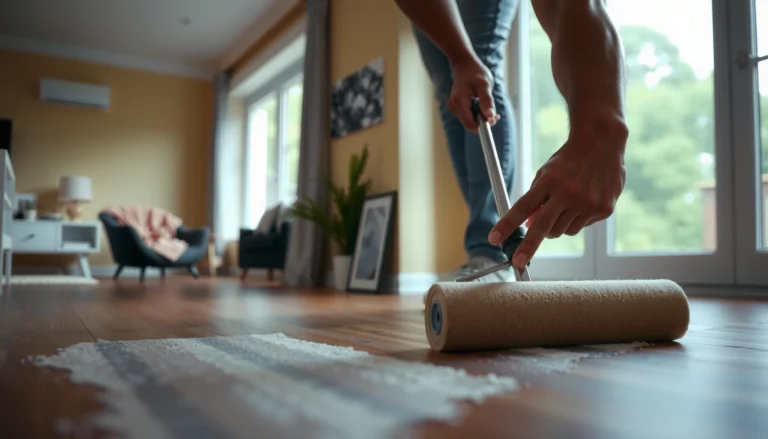


[…] cement residue on hardwood can feel alarming because it bonds fast and can dull the finish if you let it set. If you want to […]