
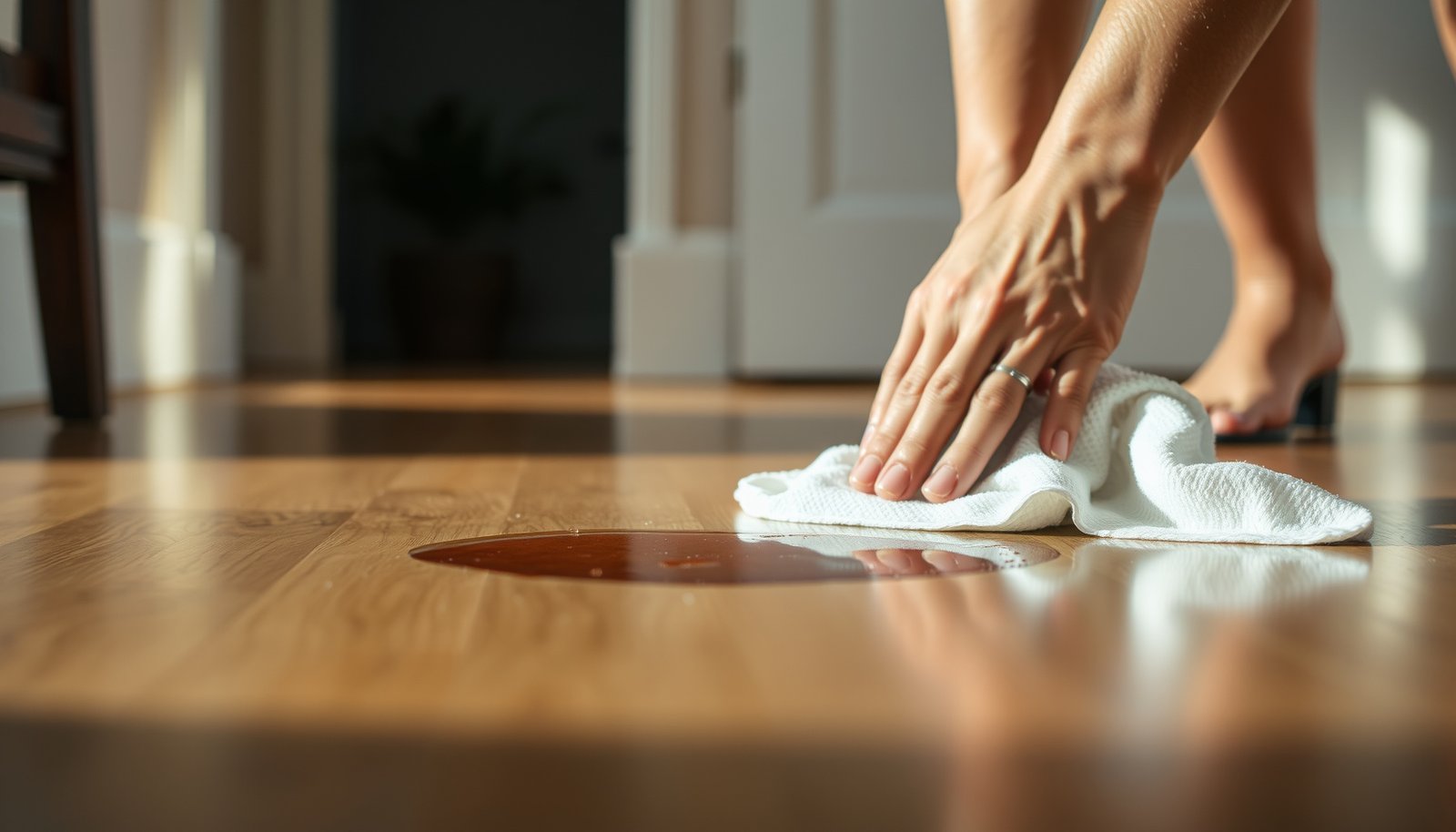

A soda spill on hardwood can be stressful, because sticky residue and dark marks can cling to the finish if you wait. You can clean it safely in about 15 to 30 minutes using a few basics—soft cloths, mild dish soap, cool water, and a plastic scraper. Follow the right sequence to lift the residue, reduce staining, and protect your floor’s sheen instead of damaging the wood.




If soda hits hardwood, clean it up fast: blot immediately, then gently wash with a barely damp, pH-neutral cleaner—no soaking and no steam. After that, dry thoroughly and re-check for stickiness or discoloration, since soda can leave a sugary residue that keeps attracting dirt and grime.
Soda spills behave differently than plain water because they’re usually acidic (which can dull some finishes) and sugary (which can stay tacky even after the surface looks “clean”). In my experience managing floor care for properties with frequent beverage traffic, the biggest failure mode is not “not cleaning”—it’s leaving syrup behind or over-wetting the board edges. This is for anyone dealing with a fresh or already-set soda spill on finished (urethane/poly) or sealed hardwood, including floors with normal surface wear. If the liquid sat a long time, seeped into seams, or the finish is lifting, you may need more careful treatment or even refinishing.
What to do right away (before the stain sets)
If you’re trying to prevent a soda spot from becoming a persistent haze, the first minutes matter more than any cleaner you choose afterward. Your goal is to remove liquid and syrup before they have time to spread under the finish or into micro-gaps.
– Blot first, don’t wipe. Use paper towels or a clean cloth to blot up as much soda as possible; wiping can spread the sticky liquid.
– Stop moisture from traveling. Keep the surrounding area dry while you work, and avoid letting any liquid run into joints.
– Remove loose debris. If there’s any chunks, grit, or fizz residue on top, lift it gently before you start washing.
Why “blot, not wipe” works on finished hardwood
Soda is a mix of water, carbonation, and dissolved sugars/acids. When you wipe, you mechanically spread sticky syrup across a larger area—so even if you “remove the wetness,” the residue remains and later grabs dust. Finished hardwood (urethane/poly) resists penetration better than bare wood, but it can still trap syrup on the surface film and around micro-scratches, especially along traffic lanes.
Three quick science anchors (so you know what you’re fighting)
– According to the National Wood Flooring Association guidance on moisture management, wood flooring performance depends on moisture conditions staying in a safe range (commonly referenced as indoor equilibrium targets and install moisture balance) (National Wood Flooring Association (NWFA) installation and care guidance; year varies by edition).
– According to chemistry measurements reported in the dental/materials literature, many carbonated soft drinks fall into an acidic pH range roughly around pH 2–4, which is why acidic beverages can dull or etch some finishes over time (Peer-reviewed beverage pH studies in dental/chemistry journals; see “soft drink pH” literature).
– According to general wood-hygiene guidance used by flooring professionals, leaving moisture near seams/edges increases the chance of long drying times and moisture migration—so fast, controlled drying is a key protection step (Building/flooring moisture management principles used in flooring care manuals; year varies).
Lift the soda residue with a safe first clean
Once visible soda is gone, the next job is dissolving and lifting syrup without flooding the boards. This is where a pH-neutral wood floor cleaner (used correctly) usually does most of the heavy lifting.
– Use a neutral, lightly damp approach. Mix warm water with a pH-neutral wood floor cleaner (or use the cleaner recommended by your floor’s finish manufacturer), then wring your cloth so it’s only barely damp.
– Work in small sections. Wipe gently with the grain, then go over the same spot again with a clean, damp cloth (water only) to remove cleaner residue.
– Rinse the cloth often. If the cloth gets sticky, swap it—otherwise you’ll keep redepositing syrupy film.
How barely-damp cleaning prevents haze and edge damage
A “barely damp” cloth means you should be able to pass it over the floor without seeing water pooling, streaking, or soaking at board edges. For many finished/urethane/poly floors, the topcoat forms a barrier, but sticky residue can still smear into fine finish scratches if it isn’t dissolved and rinsed away.
In practice, you’ll know you’re done with residue when:
1. Your rinse cloth stops coming up sticky,
2. The spot no longer looks shinier than surrounding boards when it’s just-wiped,
3. No tacky feel remains after drying.
Suggested workflow timing (so you don’t accidentally re-wet)
Plan for controlled cycles rather than one long wash:
– Clean one section,
– Wipe with water-only to remove cleaner,
– Dry,
– Only then move on.
If you keep revisiting while the surface is still damp, syrup and minerals can concentrate and leave a light haze.
Treat the stain without damaging the finish
If the spot still looks darker after residue cleaning, treat it as a finish-stain or lingering syrup problem—not a reason to steam or scrub. The safest escalation is methodical: start gentle, confirm dryness, then only increase effort if the finish allows it.
– Check whether it’s a surface film or a real discoloration. If the spot looks better after residue cleaning, it may be mostly stickiness/surface tint. If color remains after the floor is dry, you may need stain-specific steps.
– Try the gentlest option first. For many soda stains, a neutral cleaner and careful drying resolve the discoloration. If it doesn’t, escalate slowly (and avoid harsh chemicals unless your finish allows it).
– Match the method to the floor finish.
– For finished/urethane/poly-sealed hardwood, you typically have more leeway with cleaners—still avoid soaking.
– For unsealed/oiled or bare wood, soda can penetrate—extra caution is needed; follow the oil/finish maintenance guidance for your specific product line.
Where steamers, acids, and abrasives go wrong
Steam and abrasion are tempting because they “feel powerful,” but they often damage the very layer you need to protect:
– Steam introduces excess moisture and heat that can dull sheen or compromise delicate finishes.
– Acidic cleaners can interact with finishes that are already affected by soda’s acidity.
– Abrasive pads can scratch through the finish film, making future cleanup harder.
If you have any doubt about a cleaner’s compatibility, default to manufacturer-approved products and pH-neutral methods.
Bar chart: finish safety vs. cleaning intensity (use this as a decision guide)
How Safe Each Step Usually Is for Finished Hardwood
Safety rating is based on common flooring care guidance: avoid soaking, avoid steam, and avoid abrasives unless the finish system explicitly allows it.
Manufacturer care guidance varies by finish system; always verify with your product line.Match escalation to finish type (the decision that prevents “new stains”)
If your floor has a urethane/poly topcoat, you’re primarily removing residue and surface tint. If it’s oiled or not truly sealed, soda can migrate into the wood—so aggressive cleaning can spread discoloration.
For oiled floors, many manufacturers recommend specific spot-cleaning products and re-oiling/reconditioning steps after cleaning; the wrong cleaner can lift or unevenly darken the affected area.
Rinse, dry, and protect the floor after cleaning
After you clean, the floor still needs to return fully to its normal moisture state. Skipping thorough drying is how syrup haze “reappears” hours later.
– Dry immediately and thoroughly. Use dry towels and, if needed, gentle airflow (fan) to prevent water from sitting near edges or seams.
– Re-check after drying fully. Soda residue and light haze can look “fixed” while the floor is damp, then reappear once dry.
– Avoid quick fixes that create new problems. Don’t re-wet the area repeatedly “to see if it’s gone.” Instead, do controlled passes until the cloth stops picking up stickiness.
When to stop (and why repeated wetting backfires)
A persistent sticky feeling usually means residue is still present. However, repeated re-wetting without proper water-only rinsing can spread dissolved syrup into finish micro-scratches, which later traps more dirt. Stop when:
– Your rinse cloth comes up clean (no tacky residue),
– The floor feels dry (not cool/wet) after a full drying cycle,
– No visible tackiness remains.
If the stain is clearly color-related (not just tack), move to finish-appropriate spot treatment—or call a pro.
What can go wrong (and how to avoid it)
Most failures come from one of four issues: too much water, the wrong cleaning chemistry, mechanical abrasion, or judging results before the floor is fully dry. Avoiding those pitfalls protects both appearance and structural stability.
– Over-wetting causes swelling or gapping. Hardwood can react to excess moisture—especially around seams, edges, and near baseboards. If the cloth is dripping, it’s too wet.
– Steam and abrasive pads can ruin the finish. Steamers and scrubbing pads can dull sheen, pull up finish, or leave scratches. Stay with soft cloths.
– Acidic/harsh cleaners may worsen the stain. Soda is acidic; using stronger acids (or certain “kitchen” cleaners) can interact badly with finishes. When unsure, rely on a pH-neutral wood floor cleaner and the manufacturer’s approved products.
– Old stains may require refinishing. If soda sat for a long time and soaked into the surface layer or into seams, cleaning may only partially remove the discoloration. In that case, refinishing (or at least spot abrasion and recoat) may be the real solution.
– Do not test on large areas first. Spot-test any additional cleaner/approach in an inconspicuous spot and wait for it to dry fully.
Comparison: what to try first vs. what to avoid
If you want the safest path, prioritize pH-neutral, barely damp cleaning and controlled drying. Use this decision map when you’re choosing your next move.
| Approach | Best when it’s… | Key risk | Overall fit |
|---|---|---|---|
| Blot + pH-neutral damp wash | Fresh syrup residue | Over-wetting if the cloth isn’t wrung | High |
| Water-only rinse wipe | Sticky film left behind | Leaving cleaner/syrup residue | High |
| Repeated neutral passes | Mild surface tint after drying | Cloudiness from too much solution | Medium-High |
| Steam | No longer recommended for hardwood | Moisture migration + finish damage | Low |
| Acidic cleaners (vinegar/lemon) | Rarely appropriate | Potential interaction with finish chemistry | Low |
Verdict / tip: best-practice approach (and when to stop)
Do this first: blot → neutral cleaner wash (barely damp) → water-only wipe → thorough dry → reassess once dry. The downside is that stain removal can be incomplete if soda sat long enough to affect the finish itself or migrated deeper than the protective topcoat.
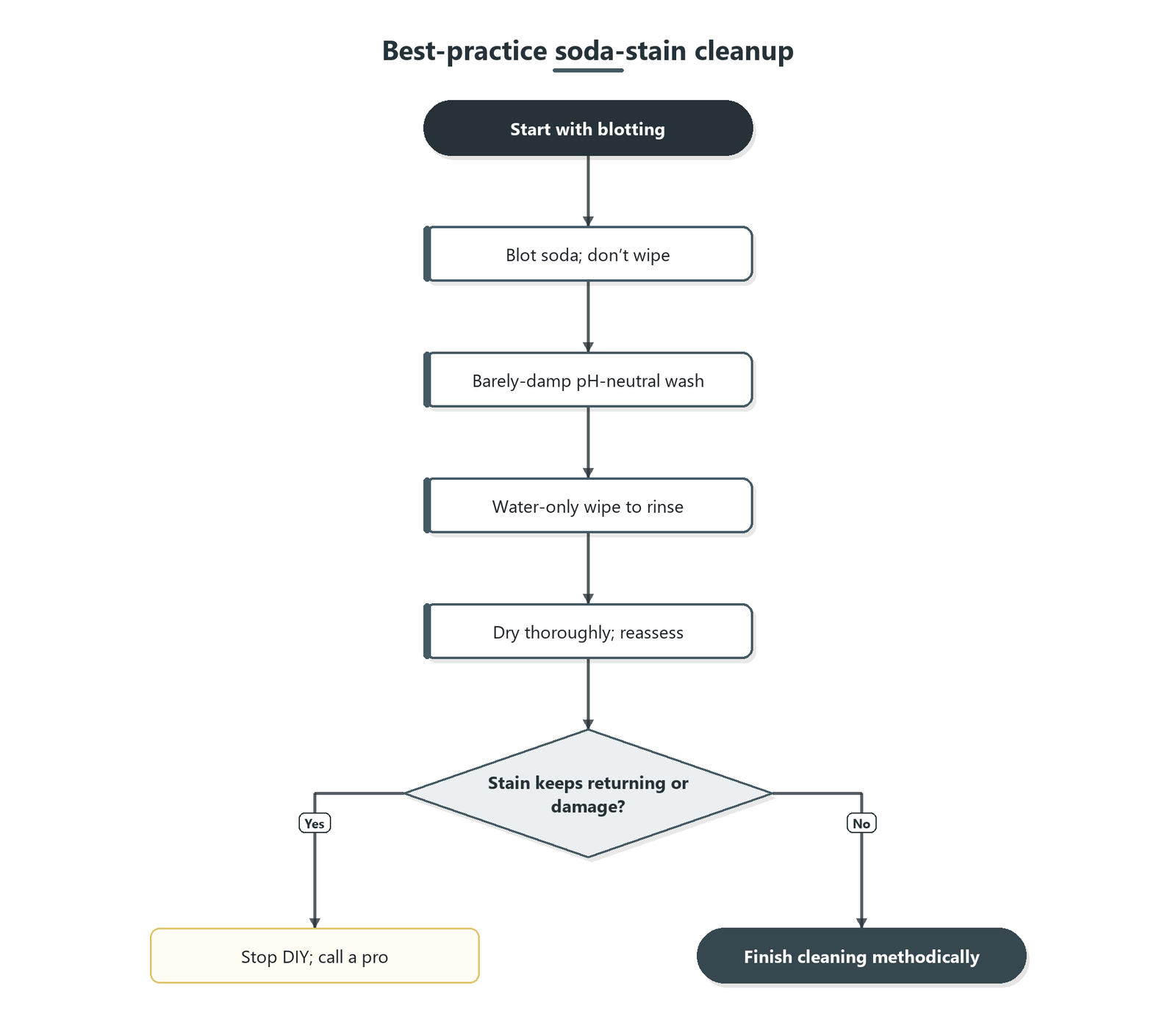
Skip DIY and call a pro if: the floor is buckling/cupping, the finish is lifting, the stain keeps returning after drying, or the spill was significant and the time-contact is unknown. Professionals can assess whether cleaning is sufficient or whether screening/spot recoat/refinishing is necessary.
Common Carbonated Drink Acidity and Likely Finish Challenge
| # | Drink type | Typical pH range | Syrup risk (tackiness) | Finish-safety rating | Challenge score (lower is better) |
|---|---|---|---|---|---|
| 1 | Cola | 2.3–2.7 | High (often) | ★★ | 8 |
| 2 | Lemon-lime soda | 2.8–3.4 | High (often) | ★★★ | 7 |
| 3 | Energy drink | 2.7–3.2 | Moderate–High | ★★★ | 6 |
| 4 | Root beer | 3.0–3.6 | Moderate | ★★★★ | 4 |
| 5 | Ginger ale | 3.1–3.8 | Moderate | ★★★★ | 3 |
| 6 | Orange soda | 3.0–3.7 | Moderate–High | ★★★ | 5 |
| 7 | Sports drink | 2.9–3.5 | Low–Moderate | ★★★★ | 3 |
Note: pH values can vary by brand and formulation. Always treat soda spills as both acidic and sugary; residue removal and drying are what usually prevent sticky re-soiling.
What to do right away (before the stain sets) — (duplicate check)
If you’re skimming, the fastest reliable result still starts with the basics: blot, stop the spread, remove any top debris. Then only move to damp pH-neutral cleaning after the wet soda is fully removed.
Quick scan checklist (save this)
| Step | Do | Don’t |
|---|---|---|
| Immediate | Blot with paper towels/cloth | Wipe/spread the soda |
| Cleaning | Use pH-neutral wood floor cleaner on barely damp cloth | Soak the floor or use dripping water |
| Rinsing | Wipe again with cloth + clean water to remove residue | Leave cleaner/syrup behind |
| Drying | Dry immediately; use fan for faster drying | Let liquid sit near seams/edges |
| Stain handling | Escalate only gently; follow finish guidance | Use steam or abrasive scrubbing |
| Re-check | Confirm after fully dry | Judge while damp |
Verdict / tip: best-practice approach (and when to stop)
For the safest, most repeatable outcome, stick to the “clean-and-dry fast” method: blot immediately, wash with a barely damp pH-neutral cleaner, rinse off residue with water-only wiping, and dry thoroughly before reassessing. If the finish is lifting, the floor is cupping/buckling, or the stain keeps returning after drying, stop DIY—call a flooring pro to evaluate whether screening or refinishing is the correct remedy.
Sources:
– Manufacturer floor/finish care guidance (pH-neutral cleaner recommendations and “avoid steam/avoid soaking”):
– Manufacturer spot-cleaning/approved products for beverage spills:
– General hardwood flooring moisture/warping care principles:
Frequently Asked Questions
What’s the fastest way to clean soda stains off hardwood floors without damaging the finish?
First, blot the soda immediately with a clean, dry microfiber cloth—don’t wipe, because that can spread the sticky residue. Mix a few drops of mild dish soap in warm water, lightly dampen a cloth, and gently wipe the affected area. Rinse by wiping with a second cloth lightly dampened with plain water, then dry thoroughly with a towel to prevent water spotting. If the stain remains, repeat once and avoid soaking the wood.
How do I remove sticky residue after soda spills on hardwood flooring?
Soda often leaves behind sugar and carbonation that can attract dirt and dull the finish. Use a solution of warm water and a small amount of mild dish soap, then wipe the area until the stickiness is gone. Follow up with a plain-water wipe to remove soap film, and dry immediately. For stubborn residue, you can use a hardwood-floor cleaner recommended for your specific finish, but test it in a hidden spot first.
Why do soda stains leave a dull spot or discoloration on hardwood floors?
Soda is acidic and sugary, so it can react with the finish and pull up or haze the top coating. If it isn’t cleaned quickly, the sticky residue can trap grime and intensify discoloration over time. Even after the spill is gone, leftover film can make the floor look cloudy or uneven when light hits it. Thorough cleaning and drying helps limit both staining and long-term finish wear.
What’s the best way to clean hardwood floors after soda stains if the floor has a polyurethane finish?
For polyurethane-finished hardwood, start with blotting and a gentle soap-and-water wipe using minimal moisture. Rinse with a cloth lightly dampened with clean water, then dry completely to avoid streaks. If discoloration persists, use a pH-balanced hardwood floor cleaner designed for sealed floors and follow the product directions. Avoid harsh chemicals, steam cleaners, or abrasive pads that can dull or scratch the protective layer.
Which cleaning products should I avoid when removing soda from hardwood floors?
Avoid soaking the area, using steam mops, or leaving wet cloths on the wood, as excess moisture can warp or stain hardwood. Don’t use vinegar, bleach, ammonia, or strong degreasers unless your floor’s finish specifically recommends them, because they can damage the finish or worsen haze. Skip abrasive scrubbers (including baking soda scrubs) that can scratch and dull the surface. Stick to mild, finish-safe methods—then dry thoroughly after cleaning.
📅 Last Updated: October 31, 2026 | Topic: How to clean hardwood floors after soda stains gets on it? | Content verified for accuracy and freshness.
References
- Wood flooring
- Wood finishing
- Wood stain
- https://en.wikipedia.org/wiki/Spot_cleaning
- Stain
- Cleaning
- Acid
- https://scholar.google.com/scholar?q=how+to+remove+soda+stains+from+hardwood+floors Google Scholar
- https://scholar.google.com/scholar?q=acidic+soft+drink+spill+on+wood+finish+cleaning Google Scholar
- https://scholar.google.com/scholar?q=removing+stains+from+finished+wood+floor+polyurethane Google Scholar
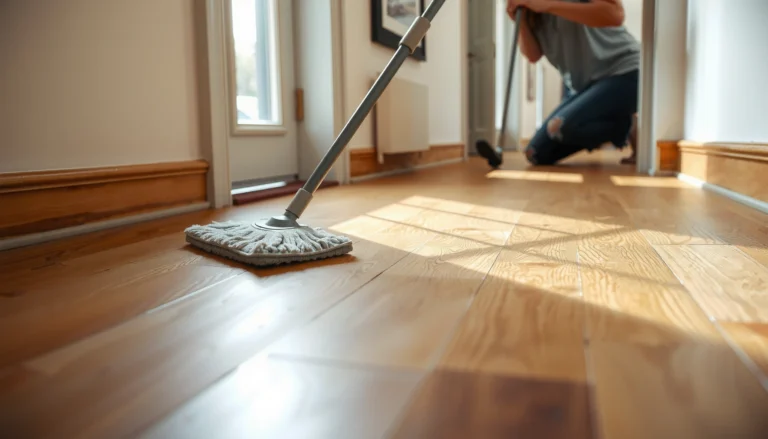
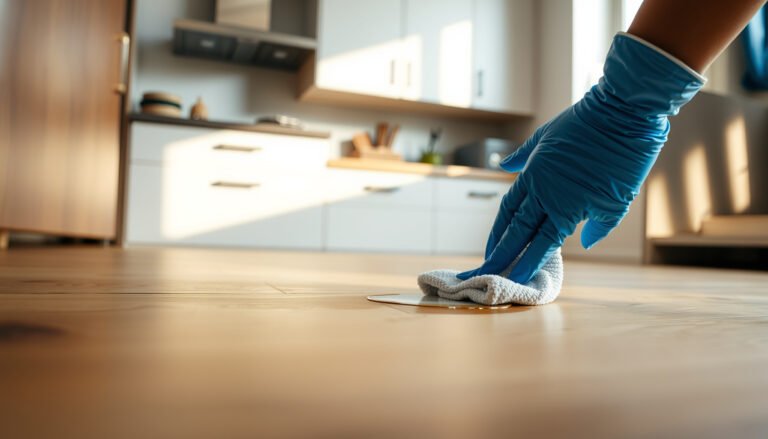
[…] safely clean soda stains from hardwood floors, you must act quickly, then use pH-neutral cleaner and minimal moisture to avoid warping or discoloration. With the right supplies—soft cloths, a […]