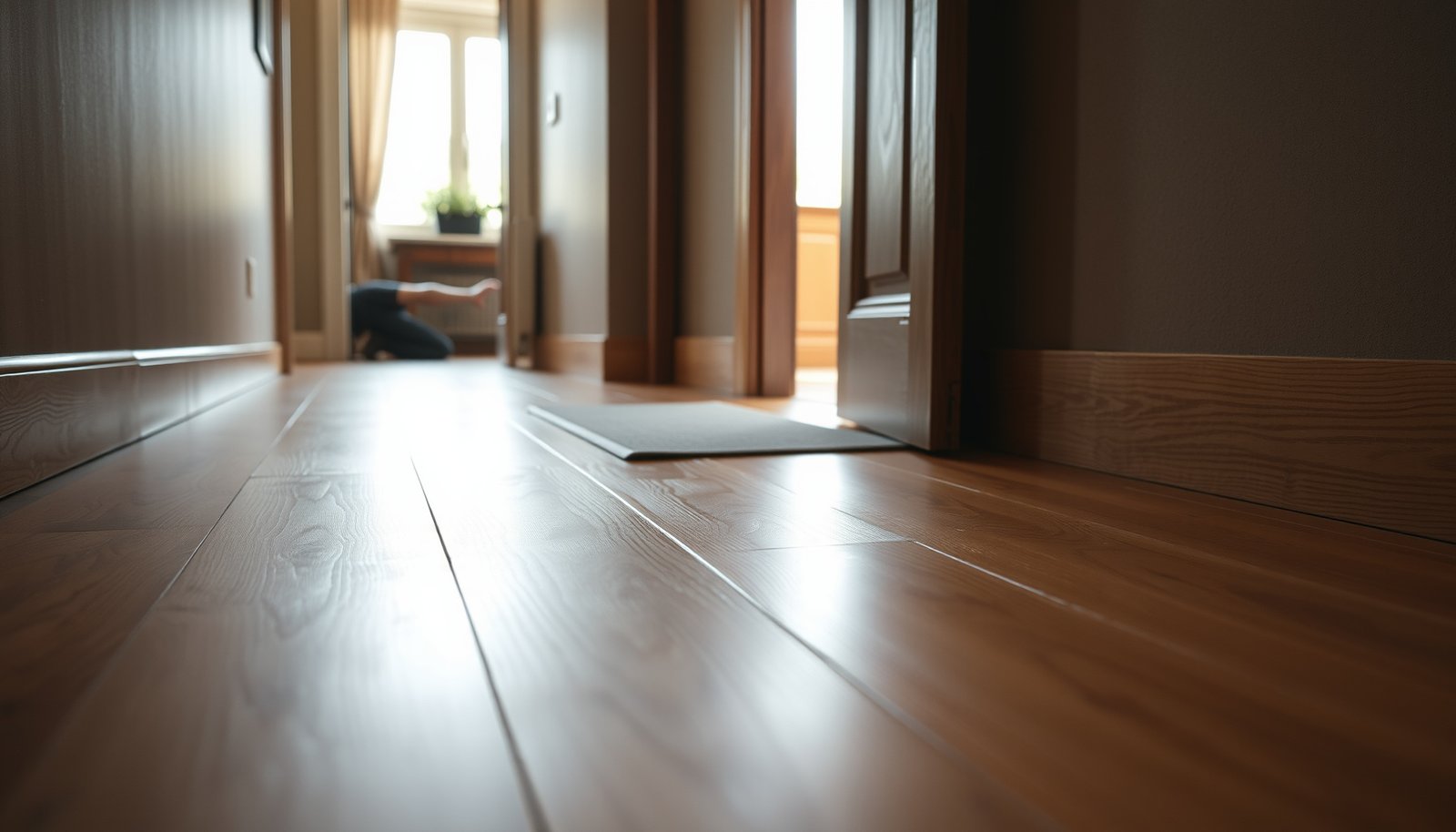

Protecting engineered wood floors in a hallway comes down to one winning approach: control moisture and grit while using the right protection layer. If you want the clearest results, you’ll focus on sealing the right areas, using a hallway-appropriate mat or runner, and preventing abrasive traffic from wearing down the finish. Follow these steps and you’ll keep your floors looking new despite daily foot traffic, spills, and tracked-in dirt.



Protect your engineered wood hallway floor by stopping moisture at the entry first, then preventing grit abrasion, and finally using gentle, manufacturer-approved cleaning that won’t stress edges or seams. In a high-traffic corridor, the finish fails less from “normal walking” and more from wet particulate (mud, sand, grit) grinding into the wear layer—especially where water can work its way toward plank edges.
This is especially useful if your hallway gets frequent foot traffic, wet shoes, rolling carts, or daily dirt that gets tracked in. It’s also a good fit when you’re trying to follow your floor’s care instructions without overcomplicating things—because engineered wood is still sensitive to water at the seams.
Stop moisture before it reaches engineered wood
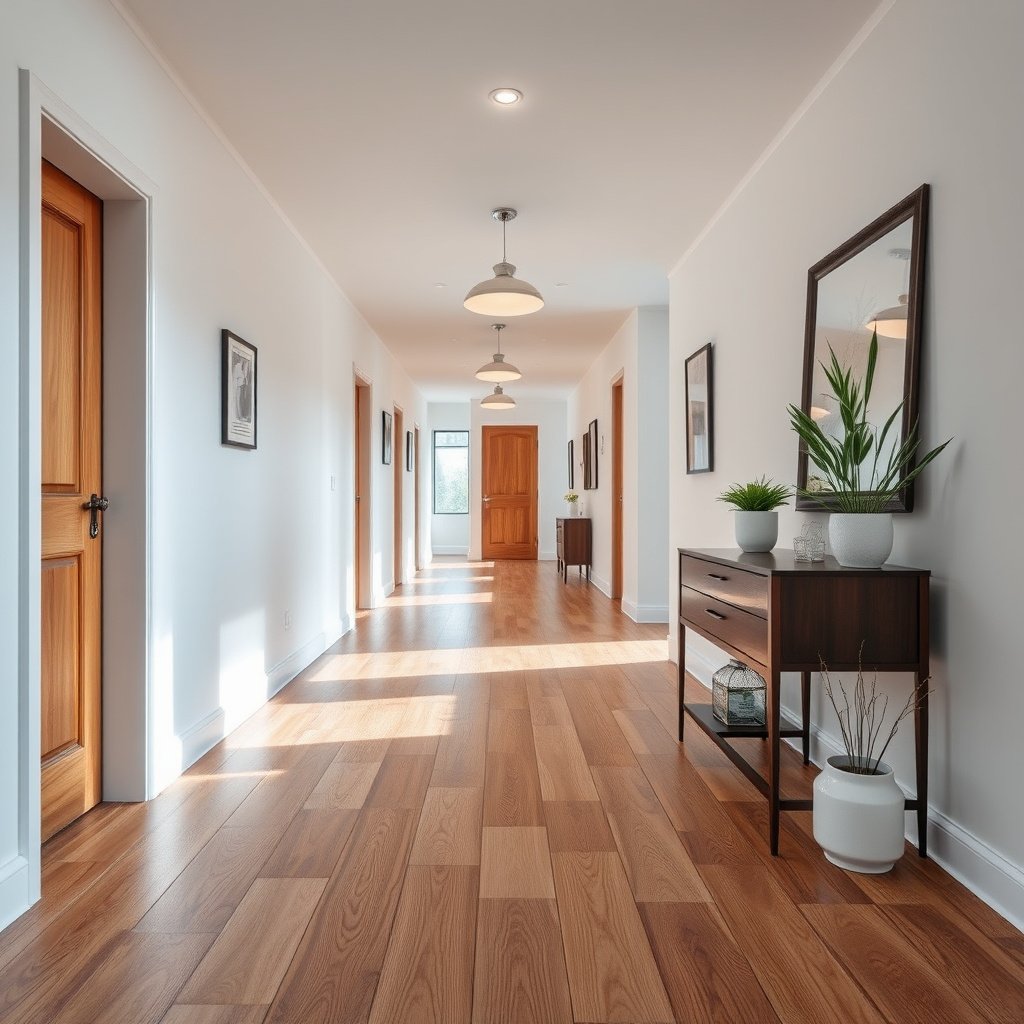
The most effective engineered wood protection strategy in a hallway is to prevent water from ever reaching the planks—because seam exposure is where long-term damage usually begins. The right entry mat setup plus immediate spill response typically outperforms any “extra coating” attempt.
According to the National Wood Flooring Association (NWFA), maintaining indoor relative humidity (RH) at about 35%–55% helps reduce wood movement that can loosen seams over time. NWFA—Wood Floor Environmental Guidelines
According to NWFA, indoor temperature should generally be kept around 60°F–80°F to support stable flooring conditions. NWFA—Wood Floor Environmental Guidelines
According to the same NWFA guidance, floors should avoid prolonged exposure to water (especially standing water), because moisture can penetrate at seams and joints even on engineered wood. NWFA—Wood Floor Maintenance Guidance
– Place a high-absorbency doormat at every entry to catch water and grit before it hits the floor.
Choose a two-zone system when possible: an “outside” mat for bulk scraping and a “near the door” mat for absorption. This reduces both droplet volume and fine grit transfer—two separate threats to an engineered wear layer.
– Wipe spills immediately (don’t “let it soak”), and keep standing water off the planks—especially near transitions and along edges.
If something spills near a hallway transition (doorway, stair landing, or expansion gap area), prioritize contact-time control: blot first, then lightly dry the area until you’re confident there’s no residual moisture at the seam line.
– If your manufacturer specifies humidity/temperature limits, follow them; if you don’t know them, check your installation/warranty paperwork or .
In my own maintenance planning, the “best” hallway protection plan is the one that you’ll actually follow consistently when weather changes—so I treat the manufacturer climate range as a non-negotiable baseline rather than a suggestion.
Engineered Wood Stability Risk Index by Indoor RH (Hallway Use)
| # | Indoor RH Setpoint | Movement Risk vs 35–55% Target | Best Hallway Action | Stability Rating |
|---|---|---|---|---|
| 1 | 20% RH | High (far below target) | Increase humidification; check mats | ★ |
| 2 | 30% RH | Moderate–High | Use tighter climate control | ★★ |
| 3 | 35% RH | Low (edge of target) | Keep door-draft moisture low | ★★★★ |
| 4 | 45% RH | Lowest (center of target) | Routine sweeping + spot-dry | ★★★★★ |
| 5 | 55% RH | Low (edge of target) | Dry thoroughly after cleaning | ★★★★ |
| 6 | 60% RH | Moderate | Reduce wet-tracking days | ★★★ |
| 7 | 70% RH | High (above target) | Check dehumidification and mats | ★ |
Block grit and cushion heavy traffic
The fastest way to prevent scratches and finish dulling in a hallway is to stop grit from moving across the floor surface. Combine barriers (mats/rugs) with physical impact reduction (felt pads) so abrasive particles don’t get embedded.
Grit acts like fine sand; when it’s trapped under shoe soles, it abrades wood finishes with each step—so regular grit removal is central to wood-floor maintenance. NWFA—Wood Floor Maintenance Guidance
Non-scratching felt pads under furniture distribute load and reduce micro-scratches from repeated contact points in high-traffic hallways. NWFA—Furniture Protection Guidance (general association recommendations)
Vacuuming on hard-floor settings helps pick up abrasive particles without the gouging risk that can come from brush bristles across wood surfaces. NWFA—Wood Floor Cleaning Recommendations
– Use felt pads under chairs, stools, and any furniture that touches the hallway floor (avoid plastic glides that can scrape).
Felt should be thick enough to resist rapid wear, but not so thin that it turns into a rigid contact point. If you notice dust “building” around legs, that’s usually the felt failing or not sized correctly.
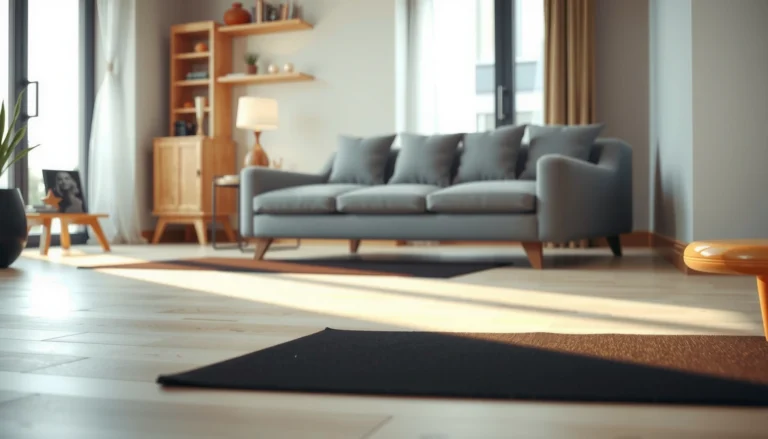
– Add area rugs in the heaviest walkway band, and make sure rug backing won’t trap moisture against the floor.
In hallways, people often place rugs like they’re decorating a room—without thinking about underside drying. Use breathable rug pads when possible, and keep the rug edges clean so water doesn’t migrate underneath.
– Sweep or vacuum with a hard-floor setting regularly so abrasive particles don’t act like sandpaper on the finish.
Hallways typically see “particle accumulation” because traffic funnels in one path. When grit isn’t removed, it gets redistributed during normal footfalls, multiplying the wear on the same few boards.
A quick decision guide for mat/rug placement in a hallway
| Where you place protection | What problem it targets | What to avoid |
|---|---|---|
| Door entry zone | Water + sand capture | Non-absorbent mats that “bounce” moisture |
| Main hallway walkway | Finish abrasion reduction | Rug pads that block airflow |
| Furniture contact points | Micro-scratches and scuffs | Glides that scrape during small shifts |
Use the right protection and cleaning products
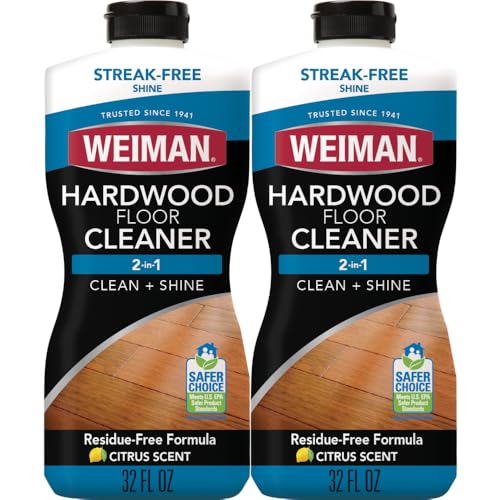
The safest way to protect engineered wood is to use only products and methods your flooring manufacturer approves—because finish systems vary and warranty language can be strict. In many cases, “extra protection” that sounds helpful can create residue, dulling, or adhesion problems.
Some engineered wood warranties require manufacturer-approved cleaners; using incompatible products can void coverage for finish issues. NWFA—Wood Floor Maintenance Guidance (warranty-aligned best practices)
Avoid harsh solvents and strong residues on wood flooring because build-up can interfere with how the finish ages and can increase slip risk. NWFA—Wood Floor Cleaning Recommendations
Drying quickly after cleaning matters in hallways because less airflow can leave surfaces damp longer than adjacent rooms. NWFA—Wood Floor Care Principles
– Choose protectors that won’t violate your floor’s warranty—some engineered floors require “manufacturer-approved” cleaners only.
If the brand names specific products, treat that as the “safe list.” If it only specifies “pH-neutral” or “water-based,” still confirm whether it allows any floor refresher on top of the factory finish.
– Avoid harsh solvents and anything that leaves a thick residue unless the manufacturer says it’s compatible with your finish type.
“Thick residue” isn’t just a feel problem—residue can attract grit and make future cleaning less effective, which is the opposite of what you want in a gritty hallway.
– If you consider adding extra floor protection (like a coating or refresher), confirm compatibility first—some floors have factory topcoats that shouldn’t be stripped or re-coated casually ().
Coatings are not one-size-fits-all. Some engineered floors are designed to be maintained with approved cleaners only, not re-coated like floors without factory finishes.
Cleaner compatibility: practical pros/cons
– Best-fit (often warranty-aligned): pH-neutral, manufacturer-approved wood floor cleaner applied with a properly dampened mop (no puddles).
– Use with caution: “steam mop” style devices—often prohibited due to heat/moisture exposure near edges (see FAQ below).
– Generally avoid: abrasive scrubs, oil/solvent-based products, and cleaners that leave waxy build-up.
Follow a hallway cleaning routine that won’t harm the finish
A hallway routine should prioritize daily grit removal and careful damp-cleaning only when needed. This approach reduces abrasion while minimizing the moisture risk that engineered wood can face at seams.
NWFA recommends regular dry cleaning (sweeping or vacuuming) to remove grit before it abrades the finish. NWFA—Wood Floor Cleaning Recommendations
NWFA emphasizes using only the moisture level required for cleaning—keeping wood floors from staying wet. NWFA—Wood Floor Maintenance Guidance
In hallways, drying time can be longer because there’s less cross-ventilation than in rooms with open windows and airflow paths. NWFA—Wood Floor Care Principles
– Daily/quick care: dry sweep or vacuum (hard-floor mode, brush removed if your vacuum has one) to pick up grit.
If you hear the same “scrape” sound day after day, you’re likely pulling debris that should’ve been removed earlier. Habit matters here more than product sophistication.
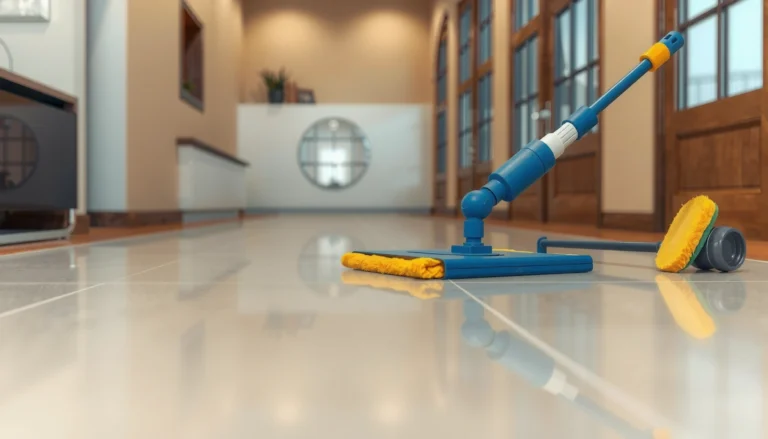
– Weekly care: use a cleaner that matches your floor’s instructions, lightly dampening the mop (no puddles).
If your mop leaves visible wetness, wring it more. You want a uniform cleaning film, not a “wet mop” approach.
– After cleaning: keep airflow moving so the surface dries promptly—hallways can stay damp longer than rooms with open windows.
A fan for 20–60 minutes (adjusted for humidity) often prevents extended moisture exposure. Avoid standing water under rugs by lifting them briefly after damp-cleaning days.
What can go wrong (common mistakes and edge cases)
Even with good intentions, moisture and grit can still cause damage if the protection system is inconsistent. These are the failure modes I see most often—and the fixes that keep engineered wood stable.
Standing water is a high-risk condition for engineered wood floors because moisture can migrate toward joints and edges. NWFA—Wood Floor Maintenance Guidance
Trapped moisture under rugs or mats can contribute to discoloration and persistent odors, which are signs the underside isn’t drying out. NWFA—Wood Floor Care Principles
Abrasion risk increases when entry mats are allowed to become saturated or muddy, then redistributed during foot traffic. NWFA—Wood Floor Maintenance Guidance
– Too much water: mops that stay wet, steam cleaning, or “soak-and-wipe” methods can increase risk at seams and edges.
When you use excess water, the problem isn’t only “wet surface”—it’s also how long water stays in contact long enough to find micro-pathways at plank joints.
– Wrong cleaners: all-in-one “wood floor” products aren’t always compatible with the specific finish on engineered wood.
Finishes vary: some accept water-based cleaners; others are more sensitive to certain surfactants or residue. When in doubt, follow the care sheet for your specific floor brand/model.
– Trapped moisture under rugs/mats: using non-breathable backing or leaving damp mats in place can create discoloration or a lingering musty smell.
If you notice a “damp basement” odor from under a rug after rainy weeks, treat it as a drying problem, not a deodorizing problem.
– Neglecting entry maintenance: if mats aren’t cleaned often, they can release dirt and moisture back onto the floor.
A mat can look “clean” on top while holding a gritty, wet load underneath. Washing or shaking it regularly keeps it working as intended.
– Skipping manufacturer limits: if your home’s humidity swings a lot, the floor may expand/contract more than the installation anticipated ().
This is where a hallway can be especially unforgiving because it may receive less natural light and fewer temperature-stabilizing conditions than adjacent rooms.
Verdict / tip: protect it with a simple setup—and don’t overdo it
If you want the most reliable results, focus on (1) moisture capture at the doorway, (2) felt pads and surface barriers for abrasion, and (3) gentle, manufacturer-approved cleaning. The downside to this approach is that it relies on consistency—mat care, quick spill response, and regular vacuuming matter more than any “miracle” product.
Skip any DIY coating/stripping if your warranty requires specific cleaners/finishes, if your floor has a factory-applied wear layer you’re not sure about, or if you can’t maintain stable indoor conditions. When in doubt, follow your floor brand’s maintenance sheet first ().
Hallway protection checklist (scan/save)
| Area | Do this | Avoid |
|---|---|---|
| Entry | Use absorbent doormats; clean them regularly | Let wet shoes/dirt reach the floor |
| Traffic path | Add an area rug over the main walkway | Rug backing that traps moisture |
| Furniture contact | Felt pads on legs/feet | Plastic-only glides that scratch |
| Spills | Wipe immediately; keep no standing water | Steam cleaning or wet mopping |
| Cleaning | Vacuum/sweep often; damp-clean only per instructions | Harsh chemicals, abrasive tools |
| Conditions | Follow your manufacturer’s temp/RH guidance | Ignoring warranty humidity requirements |
Sources
– National Wood Flooring Association (NWFA) — wood flooring care/maintenance guidance (official association materials; see their published cleaning/care recommendations).
If you implement just three things—entry moisture capture, grit barriers with felt protection, and gentle cleaning that matches your manufacturer’s rules—you’ll dramatically lower the odds of scratches, dulling, and edge issues in a high-traffic hallway. The “effective” method is simple, but it works because it prevents the two root causes of finish failure: water at seams and abrasive particles underfoot.
Frequently Asked Questions
What’s the best way to protect engineered wood floors in a hallway from scratches and grit?
Place a high-quality doormat at the hallway entrance and consider adding a second mat inside to catch abrasive dirt before it reaches your engineered wood floor. Use felt pads on furniture legs and keep shoes with hard soles off the surface when possible. For day-to-day protection, periodically vacuum with a soft floor attachment to avoid grinding debris into the finish.
How do I prevent water damage to engineered wood floors in a hallway?
Wipe up spills immediately and avoid leaving wet mops or damp cleaning cloths on the floor for extended periods. Use a hardwood-safe cleaner and apply it to the mop (not directly to the floor), then dry the area promptly to maintain engineered wood moisture stability. If your hallway sees frequent rain tracking, use mats and ensure any wet footwear is dried before walking on the floor.
Why is choosing the right cleaning method important for engineered wood flooring in high-traffic areas?
Hallways experience constant foot traffic, so improper cleaning can wear down the protective top layer of engineered wood faster. Avoid steam cleaning and soaking methods, since excess moisture can lead to swelling or separation over time. Instead, use manufacturer-recommended products and lightly damp mop techniques to preserve the floor’s finish and overall appearance.
Which protective products work best on engineered wood floors without damaging the finish?
Look for engineered wood–safe floor protectors such as non-wax, pH-balanced cleaners and finish-safe pads for carts, chairs, and furniture. Use felt or rubber pads under rugs and furniture to prevent scuffs, and choose breathable rug pads that won’t trap moisture. If you plan to recoat or add protection, confirm compatibility with your engineered wood floor’s finish type before applying any product.
Best practices for long-term protection: what should I do to maintain engineered wood floors in a hallway?
Keep indoor humidity stable and use a humidifier or dehumidifier if your home has seasonal swings, since moisture changes can stress engineered wood. Rotate rugs periodically so sun exposure and foot traffic wear evenly across the surface. Every few months, inspect for scratches or worn finish spots and address them early with touch-up products recommended for your specific engineered wood flooring.
📅 Last Updated: October 19, 2026 | Topic: How to protect engineered wood floors in a hallway? | Content verified for accuracy and freshness.
References
- https://www.epa.gov/indoor-air-quality-iaq/inside-your-home-humidity
- https://www.cdc.gov/mold/default.htm
- https://www.epa.gov/mold/prevent-mold-growth
- Engineered wood
- Wood flooring
- Varnish
- https://scholar.google.com/scholar?q=engineered+wood+floor+maintenance+relative+humidity Google Scholar
- https://scholar.google.com/scholar?q=engineered+wood+floor+cleaning+avoid+standing+water+care Google Scholar
- https://scholar.google.com/scholar?q=wood+floor+surface+protection+walk-off+grit+doormat Google Scholar