
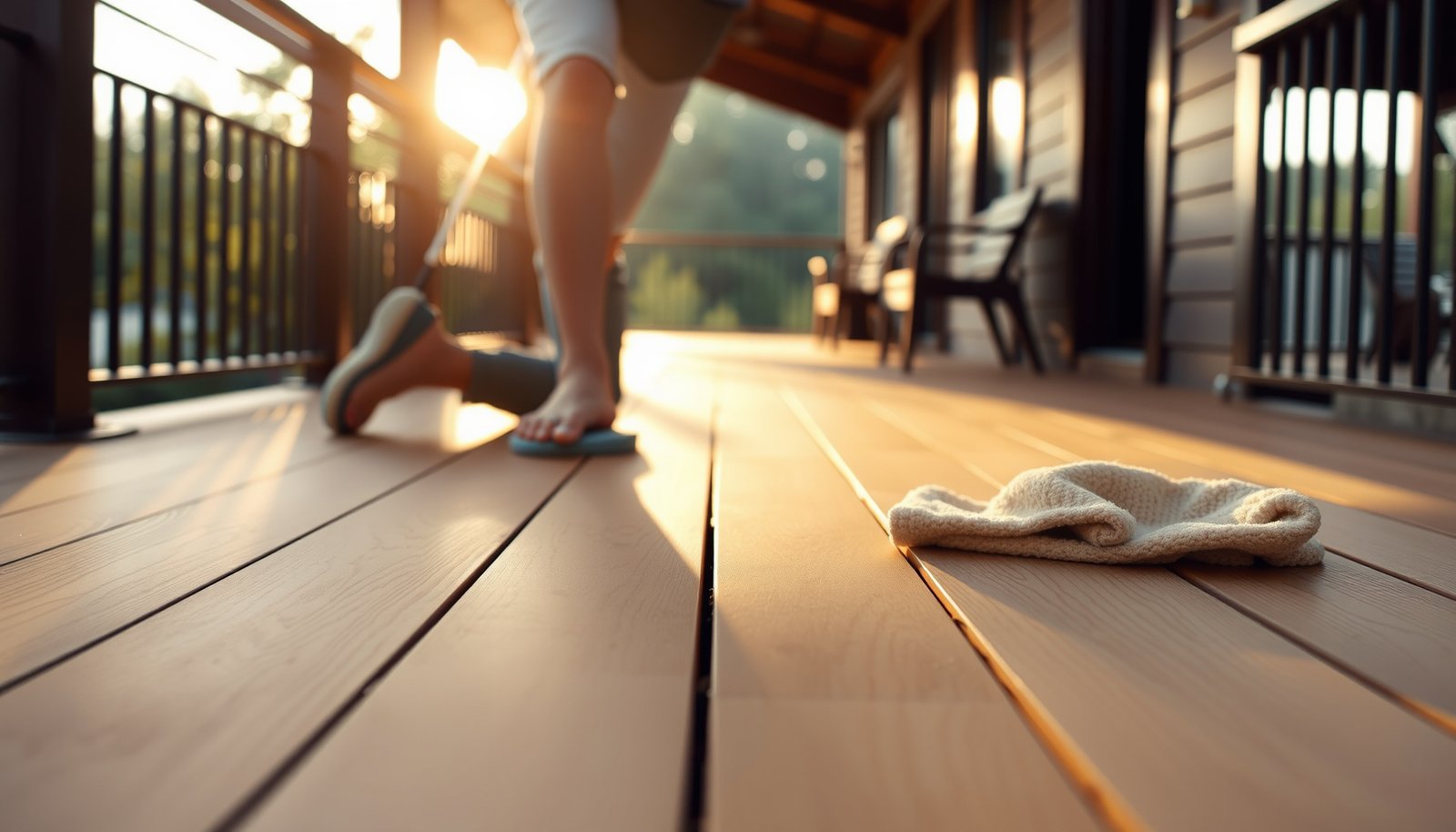

Want to know how to maintain engineered wood floors in a balcony without warping, swelling, or dulling the finish? The best approach is simple: protect them from constant moisture and sun, wipe up spills immediately, and use balcony-safe cleaning and preventive mats. Follow these rules, and your engineered boards can stay stable and looking finished for years despite daily outdoor exposure.



Keep engineered wood floors on a balcony performing well by prioritizing moisture control (no standing water), using gentle, non-flooding cleaning, and planning for UV + humidity swings. When you pair quick drying with routine seam/edge inspections, you greatly reduce the risk of cupping, gapping, and finish failure—problems that typically start at the edges.
Who this is for / when it applies
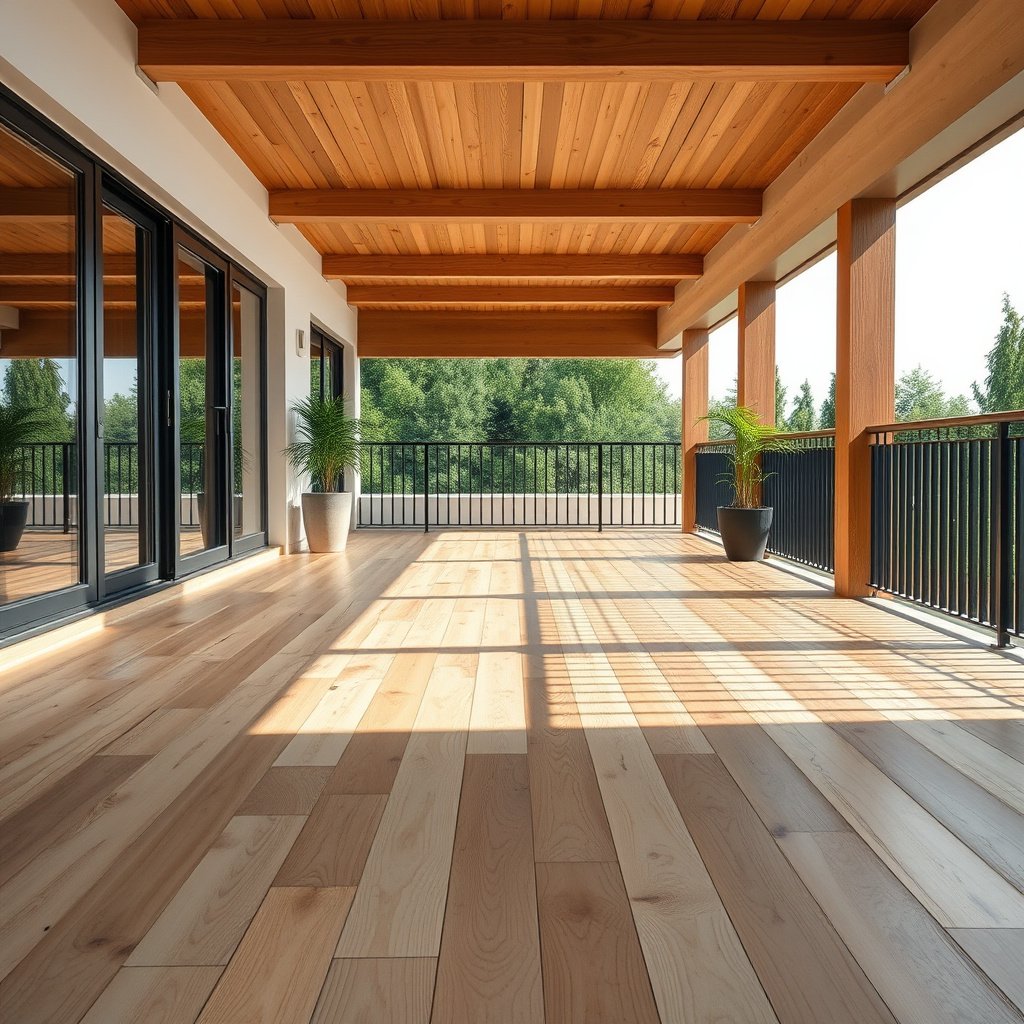
Engineered wood can work on a balcony only if you can reliably prevent standing water and follow the manufacturer’s exterior limits. This guidance is designed for balconies with at least some weather exposure where you can control how rainwater, mopping, and ventilation interact with the floor.
– Best for balconies that get some weather exposure but where you can prevent standing water and control cleaning methods.
– Not a fit if your specific engineered wood manufacturer prohibits exterior use (always check the product’s installation/maintenance instructions).
Engineered wood still contains real wood veneers, so it changes dimensions with moisture exposure rather than behaving like fully waterproof materials.
Wood’s moisture response is commonly tracked as equilibrium moisture content (EMC), which rises as relative humidity rises.
If a manufacturer prohibits exterior/balcony installation in its care instructions, warranty coverage and safe performance assumptions may not apply—verify before proceeding.
From a practical standpoint, “balcony-safe” engineered wood is about system design, not just the material label. Even if your floor is installed correctly, repeated wetting (rain puddles, wet mopping, snowmelt) can push water into seams and along edges, especially where airflow is limited. As of 2026, many flooring care sheets increasingly emphasize pH-neutral cleaning and “no standing water,” because those are the conditions most linked to edge swelling and finish breakdown.
Protect engineered wood from moisture, pooling, and UV
The single most important protection strategy for engineered wood floors on a balcony is to keep water moving—no puddles, no damp residue, and no flooding during cleaning. After moisture control, the next driver of long-term wear is UV and temperature/humidity cycling that stress the topcoat and the wood core.
According to the USDA Forest Products Laboratory’s Wood Handbook, equilibrium moisture content (EMC) increases meaningfully as relative humidity increases (a key driver of wood movement). USDA Forest Products Laboratory, Wood Handbook (EMC vs. RH chart)
According to the CDC, mold can grow when moisture conditions are present, and indoor guidance commonly references relative humidity of around 60% as a control target (you should assume balconies can exceed this locally after rain or poor drying). CDC guidance on mold and moisture / relative humidity targets
According to ASTM D4442, moisture content is typically measured relative to oven-dry wood mass, reflecting how moisture exposure changes wood structure and dimensions. ASTM D4442 (Standard Test Methods for Direct Moisture Content Measurement of Wood and Wood-Based Materials)
Moisture control that actually stops edge damage
Engineered wood floors fail on balconies less from “rain touching the surface” and more from rain touching the surface long enough to seep into seams. So focus on three behaviors: drainage, immediate wipe-up, and limiting wet cleaning.
1. Eliminate puddling paths
– Keep a clear drainage route so water can run off instead of pooling at joints or around planters.
– If your balcony uses planters, avoid direct contact where soil can wick moisture onto the floor for hours after watering.
2. Wipe before moisture spreads
– When rain overspray lands on the floor, wipe with a dry microfiber cloth or absorbent towel rather than waiting.
– If you must hose or rinse, do it lightly and ensure rapid runoff—do not leave a “wet wash film” to dry overnight.
3. Use barriers that don’t trap water
– Outdoor-rated floor mats or temporary covers help in high-risk areas (under grills, near door thresholds, and splash zones).
– The goal is to block direct wetting while still allowing airflow; a tightly sealed rubber layer can create a damp microclimate if water sits underneath.
UV and humidity cycling: the second-order problem that becomes first-order
Even if you prevent standing water, balconies introduce sun exposure and repeated humidity swings. UV can degrade many polyurethane/acrylic finishes over time, while temperature changes cause expansion/contraction that reveals weaknesses at seams first.
Practical UV controls for engineered wood floors:
– Limit direct sun with outdoor curtains/blinds, or place UV-blocking awnings over the brightest sections.
– Avoid reflective heat traps: glossy outdoor furniture feet or metal planters can create hot spots that accelerate finish wear.
– Prefer consistent airflow: if your balcony is enclosed, open vents or doors after rain (where safe) to increase evaporation from the floor surface and from underneath transitions.
Equilibrium Moisture Content (EMC) vs. Balcony Relative Humidity (≈70°F)
| # | Relative Humidity (RH) | Approx. EMC | Dry Stability Index* | Moisture Stability Rating |
|---|---|---|---|---|
| 1 | 30% RH | ~6.0% | 9.2 | ★★★★★ |
| 2 | 40% RH | ~7.5% | 8.1 | ★★★★☆ |
| 3 | 50% RH | ~9.1% | 6.9 | ★★★★☆ |
| 4 | 60% RH | ~10.8% | 5.7 | ★★★☆☆ |
| 5 | 70% RH | ~12.8% | 4.4 | ★★☆☆☆ |
| 6 | 80% RH | ~15.0% | 3.0 | ★★☆☆☆ |
| 7 | 90% RH | ~17.3% | 1.7 | ★☆☆☆☆ |
\*Dry Stability Index here is a relative indicator computed from EMC (lower EMC → higher index). EMC values are based on EMC/RH guidance commonly published in the USDA Forest Products Laboratory Wood Handbook for wood at around room temperature conditions. USDA Forest Products Laboratory, Wood Handbook (EMC/RH chart)
This data matters because it translates balcony humidity into the “movement pressure” your engineered wood floors will experience—even when there’s no direct rainfall.
Clean engineered wood safely (no steam, no harsh chemicals)
The best cleaning approach for engineered wood floors on a balcony is gentle removal of grit first, then a slightly damp mop using manufacturer-approved (or pH-neutral) cleaner—never a soaking wet process. The reason is simple: excess water plus time is what defeats the topcoat at seams and edges.
Many flooring failures on wood surfaces begin at edges and seams because water has pathways into construction layers and under-laminate zones.
Steam cleaning can introduce liquid-like moisture and heat that accelerates finish and seam stress; follow “no steam” guidance when it appears in your engineered wood manufacturer’s care sheet.
For wood-based products, cleaning residue matters: leaving films on the surface can interfere with finish chemistry and change gloss/traction.
A balcony-safe cleaning workflow (daily + weekly)
As of 2026, most manufacturer care guidance for engineered wood still aligns on a few core principles you can standardize:
1. Sweep or vacuum daily
– Use a soft broom or a vacuum with a brush attachment to remove sand/grit.
– Grit acts like sandpaper, wearing the finish and making it easier for water to penetrate later.
2. Damp-clean weekly
– Use a mop that you can control tightly—wring it well so it’s damp, not wet.
– Use a cleaner recommended by your floor manufacturer; if none is specified, choose a pH-neutral cleaner only if your manufacturer allows it.
3. Never “flood to rinse”
– If your balcony has high splash exposure, do targeted cleaning rather than washing broad areas.
Avoid these shortcuts
– No steam mops: they can push moisture into seams and accelerate finish softening.
– No abrasive pads: they can remove the protective topcoat and expose more vulnerable layers to moisture.
– No harsh degreasers: these often leave residues or degrade finish chemistry, especially in outdoor exposure.
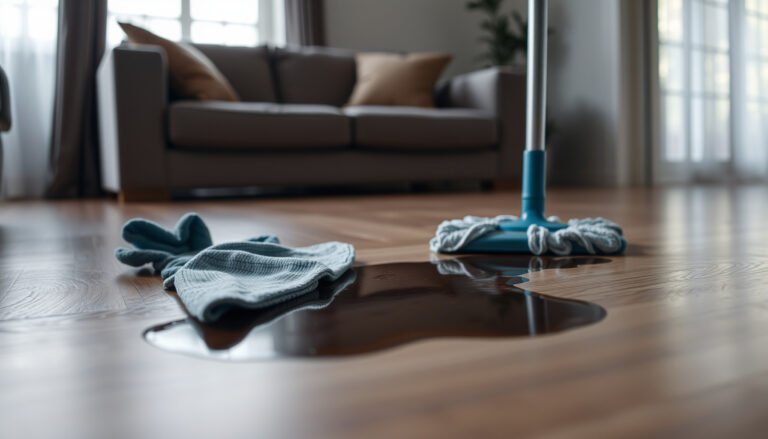
Quick reality check: if you can see droplets sitting on engineered wood floors after mopping, the mop is too wet.
Drying, ventilation, and seasonal checks
Drying quickly and inspecting early is what keeps engineered wood floors on a balcony from becoming an expensive repair. You want airflow and you want a habit of checking seams, edges, and transitions before movement becomes visible damage.
If engineered wood is left damp after rain or cleaning, the increased moisture content can lead to dimensional changes (swelling/cupping) that become harder to reverse.
Balcony enclosed areas can trap humidity; improving cross-ventilation after rain reduces the time engineered wood spends near higher EMC conditions.
Routine seam and edge inspection catches early gaps or lifted boards before water reaches construction layers beneath the finish.
After rain or spills: the “first 30 minutes” mindset
Build an “immediate response” habit. After rain or any splashes:
– Wipe the surface with a clean, dry cloth.
– Check for wet pockets near door thresholds, corners, or around planters.
– If your balcony is sheltered from wind, add ventilation by opening nearby doors/vents when possible and safe.
This is where engineered wood floors benefit most from consistency: moisture exposure is not just how wet the floor gets, but how long it remains wet enough to drive moisture movement.
Seasonal inspection routine (what to look for)
Every season—especially before summer sun peaks and before winter wet cycles—walk the balcony and inspect:
– Seams and joints: look for widening gaps, raised edges, or separation.
– Transitions: where engineered wood meets tile, metal, or thresholds, check for lifting or swelling.
– Cupping indicators: edges that stay “higher” or feel warmer/harder in one direction.
– Underside exposure (if accessible): verify that airflow isn’t blocked by stored items or landscaping.
If you notice early movement on engineered wood floors, address it promptly. The longer the issue persists, the more moisture can repeatedly attack the same pathways.
Touch-ups, repairs, and refinishing limits
For minor issues on engineered wood floors on a balcony, start with compatible touch-up products and stop before water reaches the core layers. For deeper swelling or board-edge failure, replacement is often the realistic path—and refinishing depends heavily on the engineered wood wear layer.
Touch-ups must match the floor’s topcoat and finish system; incompatible products can cause uneven sheen or adhesion failure.
When water swelling reaches joints/edges, board-level replacement may be necessary because trapped moisture can continue to expand the wood even after the surface looks dry.
Refinishing engineered wood floors is limited by wear-layer thickness—many engineered products cannot be sanded aggressively without damaging the decorative layer.
Touch-ups: do them only when the damage is shallow
For surface scuffs or minor finish wear:
– Use the repair/finish product compatible with your floor’s topcoat system.
– Avoid “any wood polish” assumptions—outdoor exposure + finish chemistry makes this a common failure point.
Repairs: when you should plan on replacement
If you see:
– persistent lifting at seams,
– cupping that doesn’t flatten after drying/seasonal stabilization,
– swelling near thresholds after rain,
then repairs may expand beyond surface-level fixes. In many real-world balcony conditions, engineered wood floors can’t be “patched” indefinitely because the moisture pathway keeps reactivating.
Refinishing: confirm wear-layer limits first
Refinishing ability is a spec, not a guess. Check the manufacturer’s spec sheet for:
– wear layer thickness,
– allowable sanding depth or sanding cycles,
– whether outdoor exposure changes warranty terms.
If you don’t have those specs, treat “refinishing” as unverified.
What can go wrong (common mistakes on balconies)
Most balcony problems with engineered wood floors come from moisture left to sit, cleaning methods that introduce too much water, and finish-product incompatibility. These mistakes don’t just cause immediate cosmetic damage—they can permanently change how boards expand and lock into place.
Leaving damp residue after mopping increases the likelihood that engineered wood floors spend time at higher EMC, which raises movement risk.
Using solvent-heavy or finish-incompatible cleaners can cause peeling, haze, or uneven sheen—especially after repeated UV exposure.
Ignoring manufacturer warranty/exterior-use limits can mean repairs are denied even if the installation “looked fine” at the start.
Common mistakes to avoid
– Wet cleaning habits
– Leaving damp residue, using overly wet mops, or allowing puddles to sit.
– Typical symptom: edge swelling near seams and persistent haze where water sat.
– Skipping finish compatibility
– Using the wrong cleaner or coating can break adhesion over time.
– Typical symptom: finish patchiness after rain cycles.
– Ignoring warranty rules
– Some engineered wood is intended for interior-only conditions.
– Typical symptom: denial of replacement/refinishing claims after outdoor performance issues.
A grounded alternative viewpoint
Some homeowners treat balconies like patios under furniture—meaning they accept periodic wetting. But with engineered wood floors, “tolerating wet weather” is not the same as “preventing moisture pathways.” If you can’t guarantee quick drying and low puddling risk, the probability of long-term problems is higher, regardless of how carefully you clean.
Verdict / tip (and who should skip this)
If you can prevent standing water, use damp-only cleaning, and follow your manufacturer’s balcony/exterior limits, a routine maintenance plan can keep engineered wood floors stable longer. If your manufacturer doesn’t explicitly approve exterior/balcony use—or if rain is frequent and runoff is unreliable—consider skipping engineered wood on that balcony and choosing a flooring system designed for wet exposure.
The engineered wood balcony “make-or-break” variable is time-in-moisture at seams and edges, not just whether water touches the surface once.
As of 2026, care documentation across many wood flooring lines increasingly emphasizes “no steam” and “no standing water,” reflecting the moisture-seam failure mechanism.
When outdoor use is not approved, even correct maintenance may not align with the engineered wood’s warranty assumptions and safe operating conditions.
Quick decision: routine vs. alternative flooring
If you follow the routine below, you’re building a defense against the most common failure mechanism: repeated moisture exposure working into seams. Still, the downsides are real—temperature swings and rain cycling can eventually lead to cupping, gaps, or finish failure over time. In 2026, the most defensible approach is to confirm exterior approval and wear-layer limits first, then maintain proactively.
Quick scan checklist (save this)
| When | What to do | Why it matters |
|---|---|---|
| After rain or splashes | Wipe/dry surface; check seams | Prevents moisture from working into edges |
| Weekly | Sweep/vacuum; damp-clean lightly (well-wrung) | Removes grit that can scratch the finish |
| Monthly | Inspect gaps/edges; move rugs/mats to check underneath | Early spotting reduces long-term warping |
| Seasonal | Review sun exposure, drainage, and ventilation; refresh protection mats | UV + humidity swings accelerate wear |
| As-needed | Touch up scuffs with compatible products | Stops minor wear from becoming finish failure |
Frequently Asked Questions
How do I protect engineered wood floors on a balcony from moisture and rain?
Engineered wood can handle humidity better than solid hardwood, but balcony exposure still requires protection from direct rain and standing water. Use a waterproofing underlayment and apply a compatible water-resistant finish or sealer to improve resistance to spills. Keep floor mats in high-splash zones and ensure proper drainage so water doesn’t pool on the balcony surface.
What’s the best way to clean engineered wood floors outdoors without damaging the finish?
Sweep or vacuum with a soft brush attachment to remove grit, since sand and dust can scratch the top layer. Clean with a lightly damp microfiber mop using a manufacturer-recommended cleaner; avoid soaking the surface with water. Never use harsh chemicals or steam cleaners, because they can break down the protective sealant and lead to warping or cupping over time.
How can I prevent cupping or gaps in engineered wood floors when balcony temperatures change?
Temperature swings and humidity changes can cause engineered wood to expand and contract, leading to gaps or slight cupping. Maintain stable moisture levels by avoiding prolonged exposure to wet conditions and using floor protection during rainy seasons. If your balcony is very exposed, consider additional shielding like windbreaks or a covered terrace area and regularly inspect for early signs of movement.
Which maintenance routine should I follow for engineered wood balcony flooring throughout the year?
Start with weekly dry cleaning (sweeping/vacuuming) and spot-clean spills promptly to prevent moisture from penetrating seams. Every few months, inspect caulking and joints (if applicable) and re-check that drainage channels stay clear. Depending on foot traffic and sun exposure, you may need periodic reapplication of a UV- and water-resistant topcoat to keep engineered wood balcony floors looking uniform.
Why is using the right underlayment important for engineered wood floors on balconies?
The underlayment helps control moisture, improves dimensional stability, and supports the floor’s performance under outdoor-like conditions. A moisture barrier plus a suitable underlayment can reduce the risk of moisture migration from below, which is a common cause of swelling and edge lifting. Always choose an underlayment designed for engineered wood flooring and outdoor/condensation-prone installations to maximize longevity.
📅 Last Updated: October 20, 2026 | Topic: How to maintain engineered wood floors in a balcony? | Content verified for accuracy and freshness.
References
- Engineered wood
- Wood flooring
- 404 Error
- Home – Tarkett Commercial
- Page Not Found – PERGO® Flooring
- https://scholar.google.com/scholar?q=engineered+wood+flooring+maintenance+moisture+humidity Google Scholar
- https://scholar.google.com/scholar?q=engineered+wood+floor+outdoor+balcony+moisture+performance Google Scholar
- https://scholar.google.com/scholar?q=wood+flooring+care+cleaning+steam+mop+damage+delamination Google Scholar
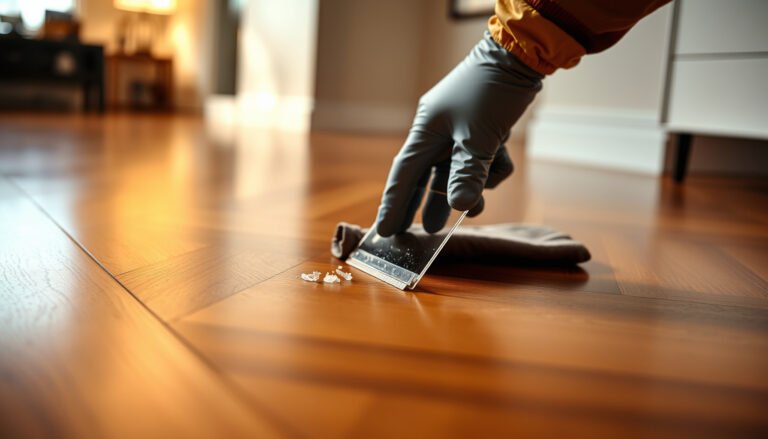
[…] No standing water; edge sealing intact […]