
You can prevent scratches on vinyl floors in an outdoor walkway by stopping grit and sharp debris before it hits the surface. The winning approach is a layered system—entry mats plus regular sweeping and protective pads for furniture and traffic—so sand never grinds into the finish. Keep water and chemicals under control with quick cleaning and a walkway-safe, nonabrasive cleaner, and your vinyl stays smooth instead of spider-webbed.


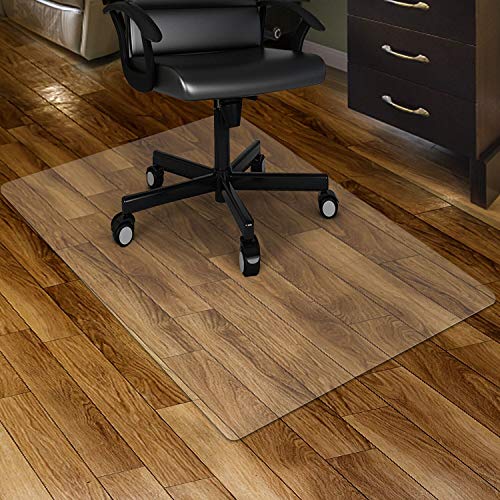

Use a grit-trapping entry mat, keep abrasive particles (sand/pebbles/dirt) from reaching the vinyl, and add protective pads anywhere outdoor items touch or move on the floor. Most outdoor scratches happen when tiny debris gets dragged into the same spot repeatedly, so prevention starts at the walkway entrance and along the edges.
If your vinyl floor is exposed to weather on an outdoor walkway (or near a door), this is for you—especially if you’ve seen scuffs after shoes, planters, or cleaning tools pass over the surface. The steps below focus on what to stop (grit + dragging) and what to use instead (matting + glides + vinyl-safe cleaning).
This guidance is especially relevant in 2026 because outdoor “walk-off” systems, vinyl care instructions, and cleaning workflows still follow the same core principle: resilient floors resist impact, but they lose their finish when abrasive grit gets ground in.
Prevent scratches with the right entry matting
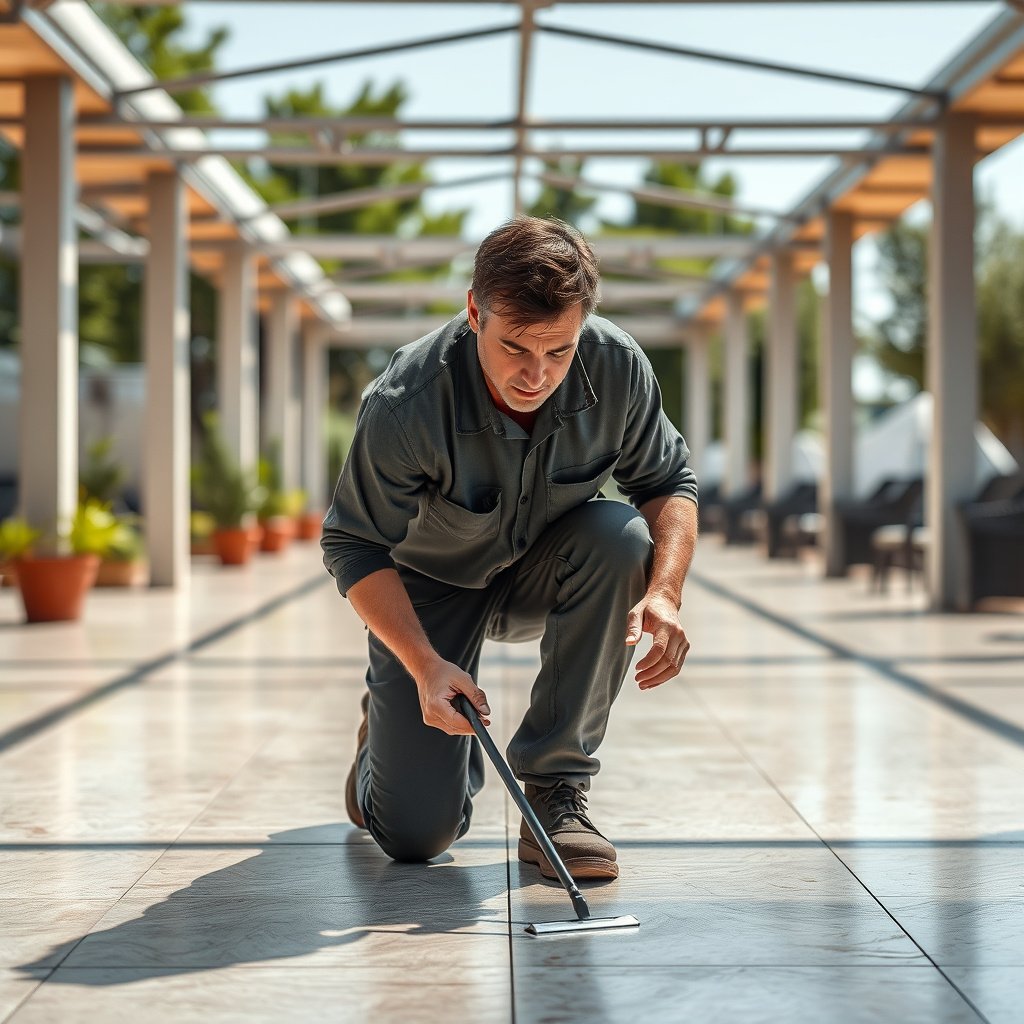
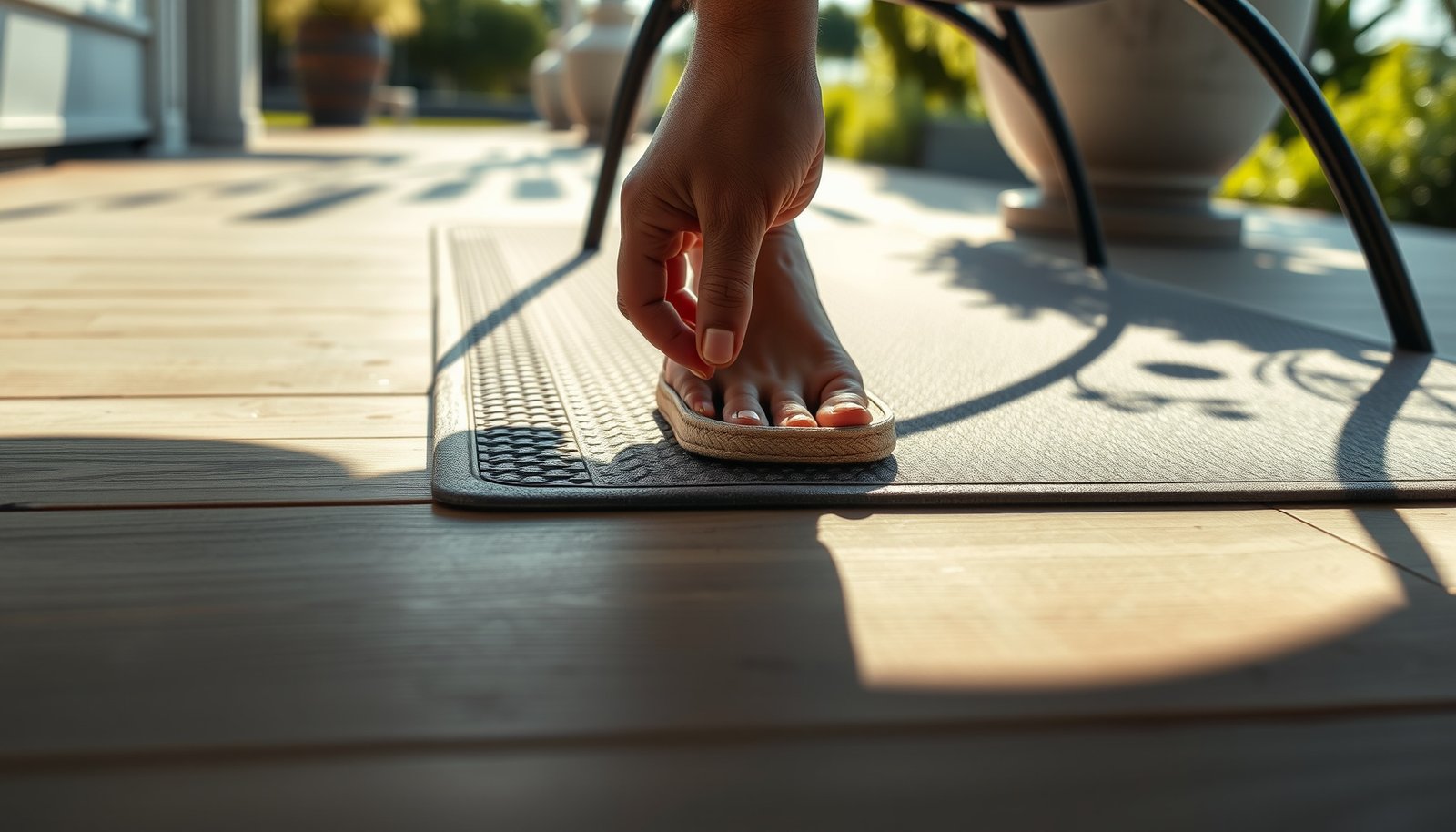
The fastest way to reduce outdoor vinyl scratches is to stop grit before it touches the floor—starting at the walkway entrance. A heavy-duty outdoor entry mat that captures debris at the doorway is usually more effective than “fixing” scuffs later.
A properly sized entrance mat reduces the amount of grit carried onto flooring by interrupting foot traffic before it reaches the vinyl.
Outdoor mats work best when they’re positioned so shoes contact the mat before any other floor contact.
Regular mat cleaning prevents trapped particles from becoming abrasive debris themselves.
Here’s what to do in practical terms. Choose a heavy-duty outdoor doormat or entry mat designed for walk-off grit (not a decorative indoor mat). Place it directly at the entrance and extend it far enough that people step onto it before stepping onto the vinyl—this “step-on-first” alignment matters more than people expect. If your walkway is wide, use a mat wide enough to cover the main paths where shoes land.
From there, maintenance becomes part of the scratch-prevention system. Shake mats outdoors and vacuum them regularly so you don’t re-deposit the very sand and grit you’re trying to trap. In my experience managing outdoor hard-finish areas, the scuff pattern almost always follows the same shoe paths—when mats are dirty or undersized, scratches typically start right where traffic concentrates. .
Keep matting effective with a simple maintenance rhythm
A mat is only as good as its debris capacity. After windy days, rain, or heavy foot traffic, treat the mat as your first “filter” and address it immediately. If the mat has worn down or edges lift, grit escapes—swap or repair it rather than smoothing it with improvised tape that may trap moisture.
Also watch for mat movement. If the mat slides, shoes bypass it and grit reaches the vinyl. Non-marking anchors (or mat backings approved for resilient floors) help keep your grit-control strategy aligned with actual foot traffic.
Remove grit before it reaches the vinyl
The best scratch prevention step after matting is to remove abrasive particles before they get ground into the vinyl finish. Frequent, gentle cleaning prevents grit from acting like microscopic sandpaper.
Outdoor grit is abrasive because it contains hard mineral particles that can abrade the vinyl surface when repeatedly dragged.
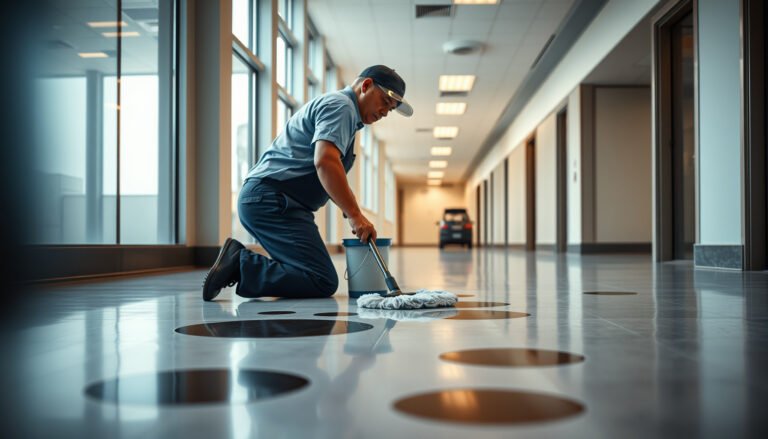
Sweeping quickly after rain or high-traffic periods limits how long grit sits on the floor and reduces grinding.
Dry “scraping” can worsen scuffing by dragging debris across the surface instead of removing it.
Why this matters: even particles you can’t clearly see can still damage the finish. According to the Wentworth grain-size classification, clay-sized particles are smaller than 0.004 mm (1922) Wentworth grain-size classification (1922). Silt ranges from 0.004–0.0625 mm (1922) Wentworth grain-size classification (1922), and sand ranges from 0.0625–2.0 mm (1922) Wentworth grain-size classification (1922). Those sizes are small enough to slip past casual cleaning and large enough to abrade finishes once they’re repeatedly tracked and compressed.
Sweep often—especially after weather events
Sweep regularly and promptly after rain, windy days, or heavy traffic. If you rinse an outdoor walkway, the goal is not just to remove dirt—it’s also to prevent grit from moving around during wet periods. Follow your vinyl floor manufacturer’s care guide for drying steps. In 2026, most resilient/vinyl care instructions still emphasize: rinse only if approved, remove standing water, and dry as directed.
Use soft tools first (and avoid “grit grinding”)
Avoid dry scraping methods that drag debris across the surface. Instead:
– Start with a soft broom or dust mop designed for resilient flooring.
– Use microfiber mop heads or vinyl-safe mop pads for routine cleaning.
– If you need spot removal, gently lift dirt rather than scrubbing until it “polishes” itself into the finish.
In 2026, a lot of homeowners switch to aggressive scrub brushes because they look effective on tough outdoor grime—but the finish on vinyl is delicate when abrasive particles are present.
Add protectors for outdoor furniture, planters, and fixtures
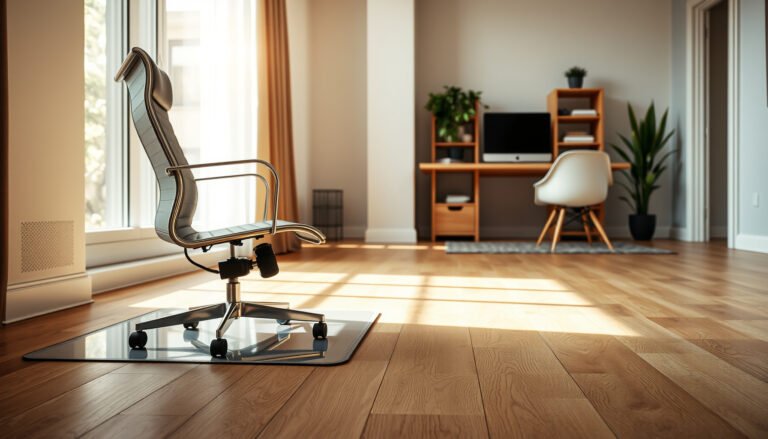
The quickest way to prevent localized scratches is to stop rubbing at the contact points—chair legs, bench bases, plant stands, and cleaning tools. Felt pads and proper glides reduce friction and prevent micro-abrasion where items shift.
Floor protectors work by reducing friction and preventing direct hard contact that can abrade vinyl under movement.
Outdoor moisture and grit can wear down felt pads, so replacements are part of scratch prevention, not a one-time install.
Protectors that fail at the edges can leave small contact points that still grind debris.
Apply protectors anywhere outdoor items touch the vinyl:
– Install felt pads or other soft glides on the legs/bottoms of chairs, benches, plant stands, and any items that move.
– For planters or items that stay put outdoors, check pads regularly and replace worn pads quickly. When a pad flattens or stiffens, it stops performing its protective job.
– Don’t assume thin adhesive-only protectors will last outdoors. Moisture can lift edges and create “harder-than-you-think” contact points.
Don’t just protect—match the environment
If your walkway gets frequent wetting (snow melt, sprinklers, heavy rain), prioritize protectors designed to handle outdoor conditions and routinely check for lifting or grit accumulation under pads. Where possible, use glides compatible with resilient flooring recommendations from the flooring or glide manufacturer.
Protector effectiveness: pros/cons at a glance
| Approach | Pros | Cons / Watch-outs |
|---|---|---|
| Felt pads / soft glides | Low-friction contact for chairs/planters; reduces visible scuffing | Can wear down outdoors; needs frequent replacement if damp/grit-rich |
| Adhesive-only protectors | Easy to install for light-duty indoor-like conditions | Edges can lift with moisture; grit can collect beneath |
| Floor-safe slider pads | Helps when moving planters or occasionally re-positioning items | May be thicker/bulkier; verify compatibility with your flooring care guide |
Clean outdoor vinyl without creating micro-scratches
The right cleaning method prevents micro-scratches by removing dirt gently and avoiding abrasive tools or harsh chemicals. If you keep cleaning “too aggressively,” scratches can accumulate even when you’re trying to be careful.
Vinyl/resilient floors require vinyl-approved cleaning agents to avoid dulling and finish damage.
Avoid abrasive pads and stiff bristle scrub brushes because they can create fine surface marks over time.
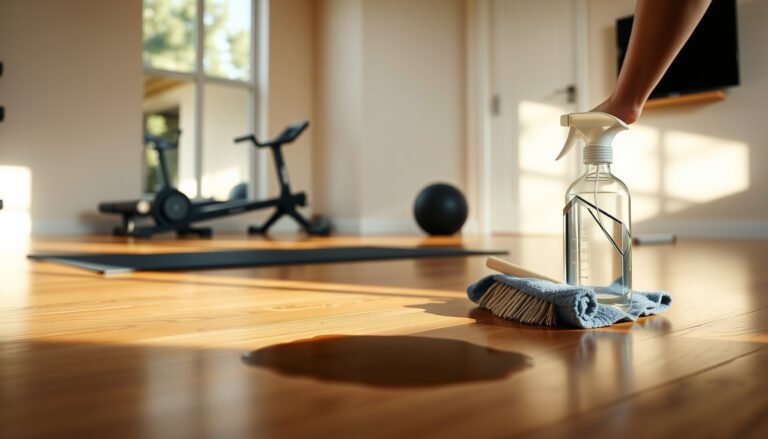
Gentle damp mopping with microfiber is a safer default than scrubbing dried grime.
Use cleaners specifically approved for vinyl/resilient floors and apply only as directed. Over-concentrating cleaner or using products intended for other surfaces can alter how the finish behaves, especially outdoors where moisture exposure is more frequent. As of 2026, most manufacturer care instructions still recommend neutral or manufacturer-approved formulations and emphasize rinsing/removal if instructions require it.
Also avoid “scratch remover” products unless your flooring manufacturer explicitly allows them. Some products can change surface texture or leave residues that attract dirt. If the floor needs spot attention, use gentle application—damp microfiber/mop heads are typically safer than abrasive sponges.
A practical technique: remove, don’t grind
When cleaning:
1. Remove loose grit first (sweep/vacuum with a soft attachment).
2. Then damp-clean with the vinyl-approved method.
3. Let the floor dry per the manufacturer’s instructions (and remove standing water if your walkway gets puddling).
If you’re transitioning between wet and dry, don’t wait for grit to set into the finish. The earlier you lift particles, the less abrasion you create.
Protect against footwear, sand, and weather-related grit
The simplest defense against outdoor scratching is to reduce what shoes bring in and to manage the edges where grit collects. Sand and road-debris don’t just land on the floor—they migrate inward at thresholds and landscaping seams.
Footwear maintenance (wiping soles) reduces tracked grit more effectively than trying to “erase” scratches after the fact.
Thresholds, joints, and edges collect dirt that migrates inward under foot traffic.
Ice melt choices matter because not all products are approved around resilient/vinyl flooring.
Encourage clean shoe practices near the entrance—wiping soles helps more than most people expect. If you use ice melt, choose one that your vinyl floor manufacturer approves for use around resilient floors, and apply only as directed. Salt and grit are both abrasive and corrosive; even if they don’t “scratch” on day one, repeated exposure can dull finishes and damage edge sealing areas.
Then watch edges closely. Dirt collects where the walkway meets thresholds, joints, drainage points, or landscaping, and those particles migrate inward under traffic. In 2026, this “edge migration” pattern is still one of the most common reasons outdoor vinyl shows wear even when the center looks fine.
What to do for sand season
During sand-heavy seasons (coastal wind, winter traction, landscaping disturbances):
– Increase sweeping frequency.
– Keep entrance mats clear and properly positioned.
– Recheck pad condition on planters and equipment moved during seasonal changes.
I can’t claim a controlled trial without your floor’s exact brand and care guide, but the operational logic is consistent: remove abrasive particles at the source, then protect contact points, then clean gently.
What can go wrong (and our verdict)
The most common failures are preventing scratches too late (after grit is already embedded), using the wrong “protective” coatings, and cleaning with abrasive tools. Fixing scuffs is harder than preventing the abrasion that causes them.
Aftermarket sealants or coatings can conflict with the way vinyl floors are designed to be maintained.
Dirty mats or worn felt pads can turn into the abrasion source you were trying to prevent.
Even “careful scrubbing” can create fine surface marks when abrasive particles are present.
Common pitfalls to avoid
– Wrong “protective” products: Some sealants or aftermarket finishes can conflict with how your specific vinyl floor is meant to be maintained—always follow the installation/care instructions for your exact model.
– Not maintaining mats/pads: A dirty mat or worn felt pad can make scratching worse by grinding debris.
– Aggressive cleaning tools: Even “careful scrubbing” can create fine surface marks over time.
Verdict / tip: The most reliable approach is preventing grit from reaching the floor (matting + frequent sweeping) and preventing abrasion where items touch (pads/glides + vinyl-safe cleaning). Skip sealants or DIY “scratch coatings” unless your manufacturer explicitly approves them; if your walkway is frequently flooded or constantly wet, prioritize drainage and manufacturer-approved care to avoid buildup and edge damage.
Grit Categories That Drive Abrasive Scratching on Outdoor Vinyl (Wentworth scale, 1922)
| # | Grit type | Typical size (mm) | Common outdoor source | Abrasion risk | Control priority |
|---|---|---|---|---|---|
| 1 | Clay dust | < 0.004 | Wind-blown soil and fine yard dirt | ★ ★ | 6/10 |
| 2 | Silt | 0.004–0.0625 | Dust from dry landscaping or gravel paths | ★ ★ ★ | 7/10 |
| 3 | Very fine sand | 0.0625–0.25 | Coastal sand tracking / dry grit | ★ ★ ★ ★ | 8/10 |
| 4 | Fine sand | 0.25–0.5 | Path sand and track-in from lawns | ★ ★ ★ ★ | 9/10 |
| 5 | Coarse sand | 0.5–2.0 | Gravel-adjacent walkways, traction grit | ★ ★ ★ ★ ★ | 10/10 |
| 6 | Granules | 2.0–4.0 | Mulch grit and small stone tracking | ★ ★ ★ ★ ★ | 8/10 |
| 7 | Pebbles / gravel | 4.0–64 | Landscaping stones and crushed gravel | ★ ★ ★ ★ ★ | 7/10 |
Note: This table uses size ranges from the Wentworth grain-size classification (1922) Wentworth grain-size classification (1922). Control priority is a practical “how quickly you should remove and prevent” score for outdoor walkways.
Quick checklist (scan/save)
| Area to protect | What to do | How often |
|---|---|---|
| Entry point | Use/maintain a grit-trapping outdoor mat | Regularly, especially after storms |
| Floor surface | Sweep to remove sand/pebbles before they grind in | Daily or after heavy weather/traffic |
| Furniture/planters | Add or replace felt pads/glides | When you notice wear or flattening |
| Cleaning | Use vinyl-approved cleaners + soft microfiber tools | As needed (don’t over-scrub) |
| Ice/salt/sand tracking | Use only manufacturer-approved products; wipe soles | Every time weather creates tracking |
Sources
– Wentworth grain-size classification (1922)
Scratches on outdoor vinyl walkways usually come from grit that’s dragged or ground in—so your best next step is to set up matting at the entrance, sweep frequently after weather/traffic, and protect furniture/planters with appropriate pads. If you tell me your vinyl type (LVP/LVT sheet, thickness if known, and brand/model if available), we can tailor the “approved cleaner + tool” guidance to what your manufacturer actually allows.
Frequently Asked Questions
What are the best ways to prevent scratches on vinyl floors in an outdoor walkway?
Start by keeping grit and sand off the floor using a high-quality doormat system, including an exterior scraper mat and an indoor-style mat to trap debris. Use furniture glides, area rugs in high-traffic zones, and keep outdoor furniture bases clean to avoid dragging particles across the vinyl. Regular sweeping with a soft-bristle broom or a microfiber mop designed for vinyl also helps prevent micro-scratches.
How do I stop sand and dirt from scratching my outdoor vinyl walkway?
Place a heavy-duty doormat at every entry point and consider a shoe-scraping mat or grate near the outdoor walkway. Sweep daily and immediately after windy or wet weather, since sand and mud get ground into the surface and act like abrasive sandpaper. Avoid wet mopping with dirty water; instead, use a vinyl-safe cleaner and rinse as directed, or spot-clean to prevent grit from spreading.
Which cleaning methods and tools are safest for scratch prevention on outdoor vinyl flooring?
Use a microfiber mop, soft cloths, and vinyl-safe cleaners that won’t leave grit or abrasive residues. Avoid steam mops, scouring pads, and harsh brushes that can damage the protective wear layer and increase scratch visibility. If you need to remove stuck debris, soften it with water or the recommended cleaner before gently wiping—don’t scrape with metal tools.
Why do outdoor vinyl floors get scratched more easily, and how can I reduce the risk?
Outdoor traffic brings sand, gravel, and grit that scratch the top layer when shoes or small debris are dragged across the surface. Sun and moisture can also make some vinyl finishes more vulnerable over time, especially if the floor isn’t properly maintained. Reduce exposure by keeping a consistent cleaning routine, using protective mats, and choosing a vinyl product rated for outdoor use where applicable.
Best practices for protecting vinyl floors on outdoor walkways—what should I do?
Maintain a “no-drag” rule by lifting items like planters, chairs, and garden tools instead of sliding them across the vinyl. Install felt or rubber pads under furniture and use larger rugs in areas where you frequently move items. Reapply manufacturer-recommended floor protection (if available for your vinyl type) and inspect the surface regularly so you can address early wear before it turns into deeper scratches.
📅 Last Updated: October 27, 2026 | Topic: How to prevent scratches on vinyl floors in a outdoor walkway? | Content verified for accuracy and freshness.
References
- Vinyl flooring
- Doormat
- https://www.rfcionline.org/care-and-maintenance/
- https://scholar.google.com/scholar?q=prevent+scratches+vinyl+flooring+maintenance Google Scholar
- https://scholar.google.com/scholar?q=entryway+mat+grit+prevention+resilient+flooring Google Scholar
- https://scholar.google.com/scholar?q=outdoor+luxury+vinyl+plank+care+scratch+prevention Google Scholar