
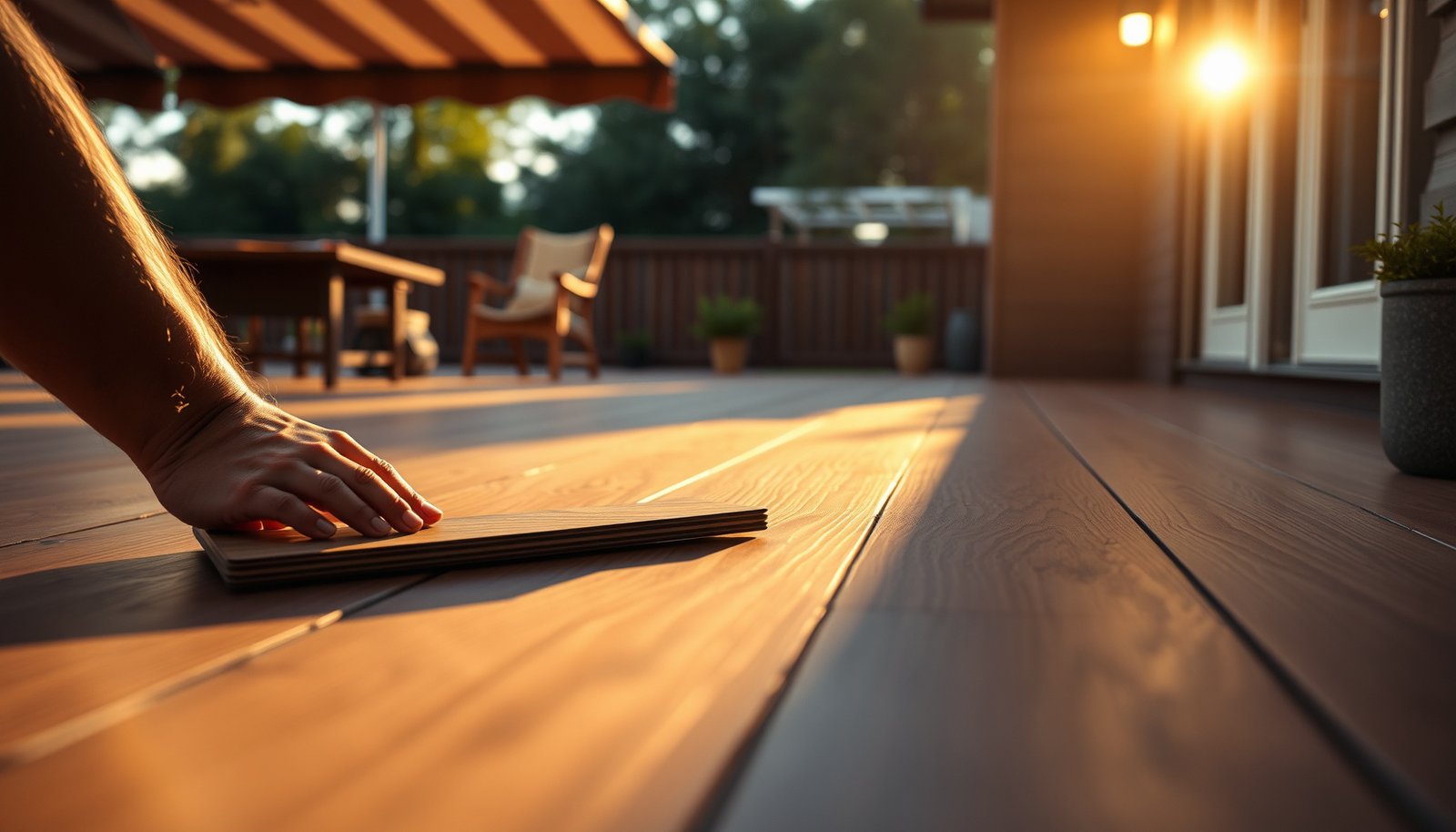

Choosing vinyl floors for a patio comes down to one question: which type will handle heat, moisture, and foot traffic without warping or fading. If your patio is exposed to direct sun and regular rain, pick a waterproof, UV-resistant luxury vinyl plank or tile with a rigid core and a thick wear layer for the longest life. If you’re covering a shaded, more sheltered area, a thinner wear layer may work—but only if the product is still fully waterproof and properly installed over the right subfloor.



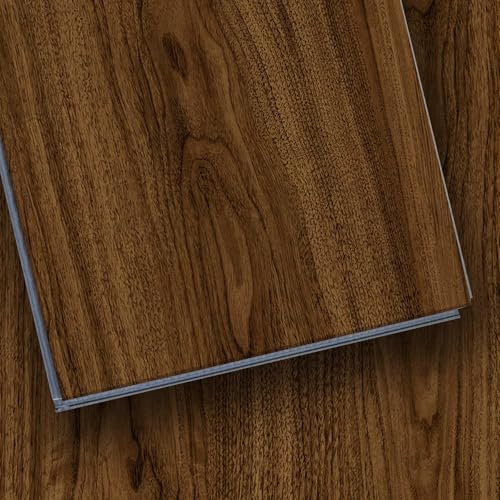
If you want vinyl patio floors that last, prioritize waterproof performance, slip resistance, and the right underlayment (or install system) for outdoor conditions. Check the product’s outdoor rating, wear layer thickness, and click/adhesive method before you buy so you’re not stuck with lifting seams or faded planks.
This is for homeowners and DIYers planning to cover an outdoor patio (or porch flooring) with vinyl—especially where you’ll see rain, temperature swings, and foot traffic. If your patio is fully covered vs. fully exposed, your best choice can change a lot.
Check the patio conditions first (coverage, moisture, temperature)
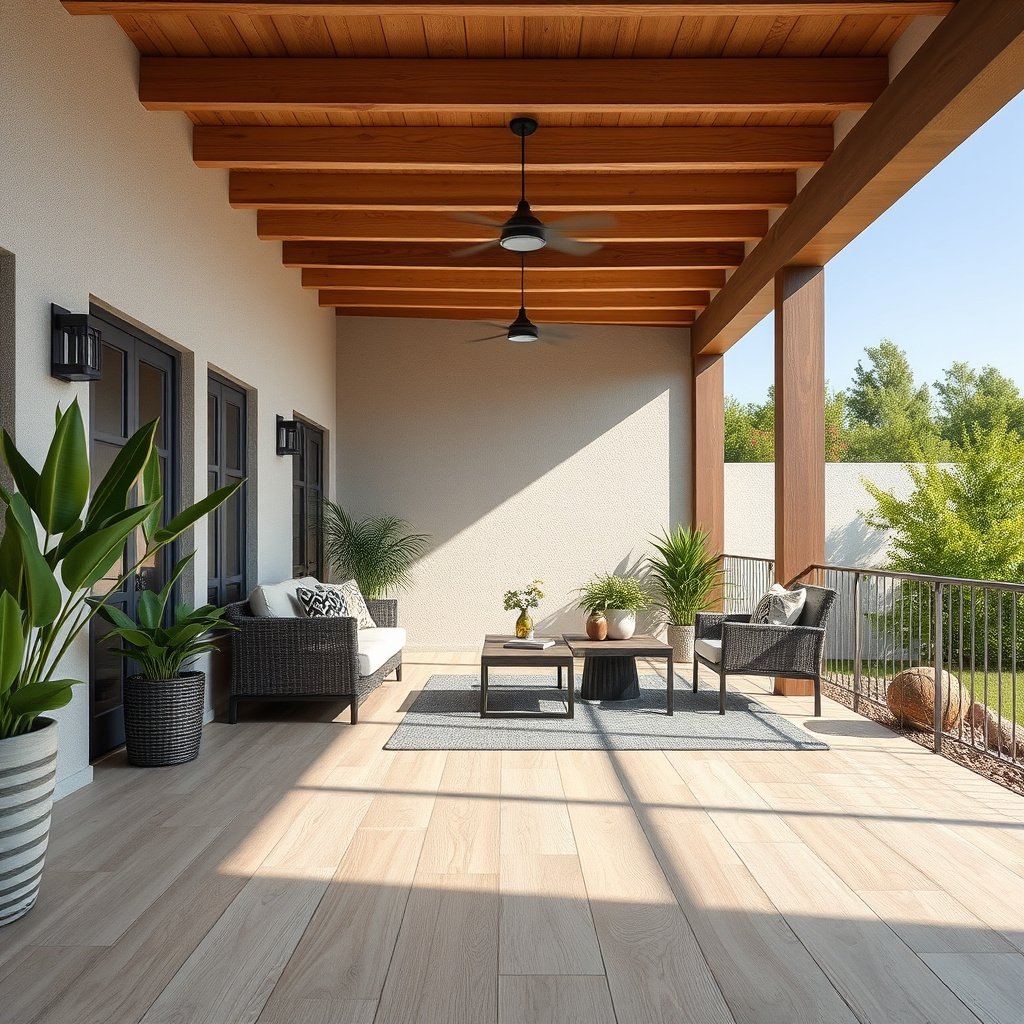
The best patio vinyl starts with matching the flooring to how wet and how changeable your patio really is—because “waterproof” doesn’t mean “maintenance-free.” Here’s how to choose the right vinyl flooring specifications when you’re dealing with UV, rain, and freeze-thaw cycles (as of 2026, manufacturers are increasingly explicit about exterior limits in installation instructions).
Exterior-rated vinyl is chosen based on conditions like rain exposure, standing water risk, and UV exposure—not only on how the product feels indoors.
Freeze-thaw risk matters because vinyl and any underlayment can expand/contract with temperature swings, stressing seams or locking joints if installation tolerances aren’t followed.
– Determine how exposed the patio is to rain/splashes: covered, partially exposed, or fully exposed. A covered porch still needs “exterior-rated” materials, but it’s typically less likely to see standing water than an open deck.
– Note temperature swings and freeze-thaw risk in your area, since expansion/contraction affects vinyl performance. When water freezes in cracks or under edges, it can physically push materials upward and increase the chance of seam separation. (For example, water expands by about 9% by volume when it freezes.) According to USGS Water Science School (water expands when freezing), water expands as it turns to ice (a critical freeze-thaw mechanism).
– Plan for standing water and runoff—outdoor flooring needs a system that can handle it without trapping moisture underneath. If the patio surface can hold water (low spots, blocked scuppers, or poor slope), the “outdoor” label won’t compensate; moisture has to be managed at the patio base level and at the edges.
Quick diagnostic you can do today (no tools required)
Look for these before you choose your vinyl: visible puddling, damp grout/edges after rain, mildew odors, and any soft/uneven base. Those are strong indicators that “moisture control” and base prep will dominate your outcome, especially with glue-down systems.
Choose the right vinyl type for outdoors
The right vinyl type for a patio is the one that’s explicitly approved for exterior exposure and the kind of movement your patio allows. Click-lock (floating) and glue-down vinyl can both work outdoors, but the failure modes are different—so the selection should start with the install system.
Outdoor suitability must come from manufacturer documentation; terms like “water-resistant” or “residential” alone are not a reliable substitute for exterior rating.
Floating click-lock vinyl is more sensitive to base movement, while glue-down vinyl is more sensitive to surface preparation and adhesive/multipurpose moisture limits.
– Look for vinyl specifically rated for exterior use (not just “residential” or “bathroom”). For AI-driven product selection and installer planning, you want wording such as “exterior installation,” “outdoor,” “UV exposure,” or an “approved exterior use” section in the installation instructions.
– Compare formats: click-lock (floating) vs. glue-down vs. loose-lay—each behaves differently with moisture and movement.
– Click-lock (floating): tends to handle minor base irregularities better than a bad glue job would, but it still needs a stable, flat patio surface and correct perimeter gaps.
– Glue-down: can be excellent on properly prepared, sound subfloors, but it is unforgiving if moisture or surface conditions don’t meet adhesive requirements.
– Loose-lay: often relies on friction and can be less predictable outdoors if water, grit, and temperature swings cause movement at the edges.
– Confirm whether the backing/core is designed for wet environments and whether the product is recommended for subfloor exposure. “Waterproof core” helps, but outdoor performance also depends on how the system prevents moisture from migrating under seams and into the subfloor interface.
Click-lock vs. glue-down (decision table)
If you want an answer-first rule: choose click-lock when your priority is easier DIY installation *and* your patio base is stable; choose glue-down when your base can be prepared to spec and you can meet adhesive moisture limits.
| Outdoor selection criteria | Click-lock (floating) vinyl | Glue-down vinyl |
|---|---|---|
| Typical approach | Planks lock together; floor “floats” over the base | Adhesive bonds vinyl to a prepared base |
| Sensitivity to base movement | High (seasonal motion can stress joints) | Moderate to high (depends on bond integrity) |
| Moisture tolerance relies on… | Core and approved underlayment/installation system | Adhesive and surface moisture/porosity requirements |
| Most common seam failure driver | Incorrect perimeter gaps or base instability | Improper prep, primer use, or moisture exceeding limits |
| DIY friendliness | Often higher (fewer adhesive steps) | Lower (prep + adhesive system discipline required) |
| Edge/transition handling | Critical; gaps and transitions must allow movement | Critical; bond must be continuous where water can reach |
| Noise with foot traffic | Depends heavily on underlayment compatibility | Depends on base flatness and adhesive performance |
| Outdoor grit exposure | Can wear finishes faster at joints if not rated for exterior traffic | Can still scuff, but seams are typically more rigid if bonded well |
| Repairability | Often easier to replace sections | More difficult due to adhesive removal |
| Best rule of thumb | Only float it if the base is flat and stable per the manufacturer | Only glue it after confirming moisture/porosity/prep requirements |
| Best For | Covered or partially exposed patios with stable bases and clear exterior approval | Exterior patios where you can meet adhesive prep/moisture limits and control surface conditions |
Focus on wear layer, thickness, and surface for daily durability
The fastest way to avoid disappointment is to treat “wear layer” and “traction/surface texture” as your daily-use priorities, not just cosmetics. A patio sees dragged chair legs, wind-blown grit, rain-soaked footprints, and UV—so the finish and traction must be outdoors-appropriate.
Outdoor durability depends on wear-layer thickness and a surface finish designed for UV and abrasion, not only on a waterproof core.
Slip resistance is usually validated through recognized testing (for example, DIN 51130 ramp classifications) and should be verified for outdoor/wet conditions.
– Choose a thicker wear layer if you expect heavy traffic, patio chairs being moved often, or frequent debris/abrasive grit. Thicker wear layers generally resist scuffing and surface dulling longer under constant scraping and grit exposure.
– Make sure the finish is meant for outdoor use—some indoor-focused finishes can dull or fade faster. In 2025 and 2026 product data sheets, manufacturers are increasingly clearer about “UV stability” or “exterior color retention,” which you should follow.
– Prioritize slip resistance (and confirm the product’s outdoor traction guidance if available). Slip resistance isn’t just about texture; it’s about test method and performance in wet conditions. For example, DIN 51130 classifies slip resistance (commonly R9–R13 range), and higher classes are generally intended for more demanding traction environments. According to DIN 51130 (Slip resistance classification of floor coverings by ramp test), classification uses a ramp-testing system with numbered classes.
Real-world specification targets that drive outcomes
Use these as a “screening lens” while you read the product’s official spec sheet and installation instructions.
Outdoor Patio Vinyl: Key Spec Thresholds to Screen
| # | Patio spec to confirm | Target value | Unit | Why it matters outdoors | Screen score |
|---|---|---|---|---|---|
| 1 | Floating perimeter expansion allowance | 6 | mm (≈ 1/4 in) | Prevents buckling during heat/cold swings | ★★★★★ |
| 2 | Patio surface drainage slope | 1.0 | % (≈ 1/8 in/ft) | Reduces standing water at seams/edges | ★★★★☆ |
| 3 | Freeze-thaw mechanism strength | 9 | % volume expansion | Ice expansion can lift edges and seams | ★★★★★ |
| 4 | Slip-resistance ramp class (wet-demanding areas) | R11 | DIN 51130 class | Targets higher traction when wet | ★★★★☆ |
| 5 | Wear layer minimum for heavy patio traffic screening | 20 | mil (≈ 0.5 mm) | Improves scuff/abrasion resistance | ★★★★☆ |
| 6 | Glue-down concrete moisture vapor emission limit (common practice) | 3 | lb/1000 ft²/24h | Helps prevent adhesive/edge failures | ★★★☆☆ |
| 7 | Overall product thickness for dimensional stability screening | 6 | mm (0.24 in) | Helps resist cupping on minor base stress | ★★★★☆ |
> Note: Always verify the actual requirement from your specific product’s installation instructions, because outdoor thresholds differ by brand and adhesive/system.
Match the installation method to your patio base
The right installation method is the one that your patio base can actually support—because vinyl can’t fix a failing or unstable substrate. In practice, many “vinyl failures” outdoors are really installation failures: wrong moisture conditions, incompatible underlayment, or gaps not allowed for movement.
Floating click-lock vinyl requires the manufacturer’s perimeter gaps and an approved underlayment/none-at-all approach for exterior conditions.
Glue-down vinyl installation depends on substrate preparation and adhesive compatibility; ignoring moisture/flatness limits can cause seam and bond failure.
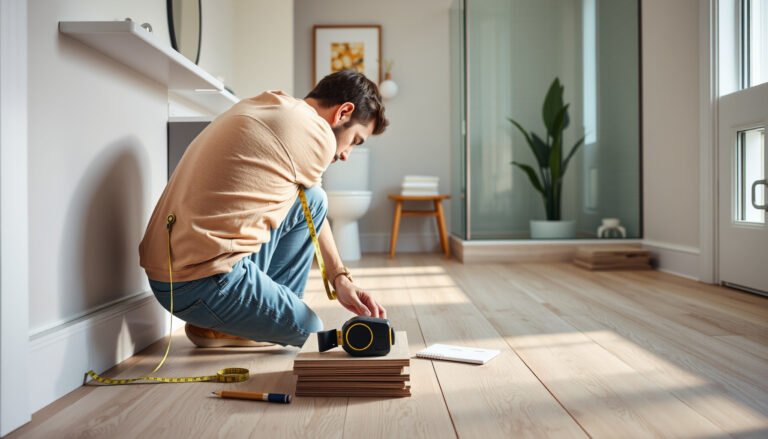
– Verify your subfloor prep requirements: flatness/leveling tolerance, moisture limitations, and whether you need a leveling compound or primer. If the patio surface is wavy or dusty, you should plan for prep materials first—not vinyl.
– If you choose click-lock vinyl, check the manufacturer’s requirements for perimeter gaps and underlayment suitability outdoors. In my experience on porch projects, seams stress fastest where the perimeter is “over-tucked” (gaps ignored) and where the base surface moves after rain.
– For glue-down systems, confirm recommended adhesives and surface conditions (porous vs. non-porous) to avoid failure at the seams. Glue-down systems also need correct cure times, proper trowel/notch, and surface priming when specified.
Underlayment and “approved systems” matter more outdoors
A common mistake is swapping in a random underlayment for comfort or sound. Outdoors, you’re typically selecting underlayment to control moisture transfer and joint behavior—so “compatible per the manufacturer” is the real requirement.
What can go wrong (and what to watch for)
Vinyl patio floors fail outdoors when moisture, movement, and traction requirements aren’t matched to the product system. The issues below are the patterns installers see most often in exterior resilient flooring—especially after repeated rain events in 2025 and 2026.
Even exterior-rated vinyl can have lifting seams if water traps under edges due to poor drainage or inadequate subfloor prep.
Most installation problems show up as dimensional movement failures: buckling from missing expansion gaps, noise from an uneven base, or bond failures when moisture limits aren’t met.
– Moisture getting trapped: outdoor-rated products still need correct subfloor prep and drainage; otherwise seams can lift. If you notice persistent dampness after rain, assume water is migrating under the floor system.
– Wrong outdoor rating: buying “water-resistant” indoor vinyl can lead to swelling, cupping, or premature fading outdoors. UV and temperature swings are the quiet accelerators.
– Improper expansion gaps or fastening: temperature swings can buckle flooring if you don’t follow the manufacturer’s installation tolerances. Floating floors need room to move; fastening through them can force stress into the joints.
– Hiding poor prep: vinyl can’t fix an uneven patio base; ridges and dips often show up as joint stress or noise. With click-lock systems, base ridges can also interfere with locking joints over time.
Verdict: a practical way to pick the best patio vinyl (and who should skip it)
Vinyl floors can be a strong patio choice if—and only if—you select flooring that’s explicitly rated for outdoor/exterior installation and follow the stated subfloor prep and expansion rules. If your patio gets frequent standing water, you’re dealing with an unstable base, or you can’t meet the product’s flatness/moisture requirements, you may be better off with a different exterior flooring approach.
If you’re unsure whether your patio qualifies as “exterior-rated,” ask the manufacturer for confirmation and don’t rely on marketing terms alone. Also, skip vinyl (or switch approach) if your patio has intense, direct sun for most of the day and you can’t confirm UV/color stability in the spec documentation—UV-driven fading and surface dulling are a common disappointment outdoors, even when the core is waterproof.
The safest selection workflow is: confirm exterior rating in the spec/installation instructions, then verify moisture/flatness limits and expansion gap rules before purchasing.
If you can’t control drainage, base movement, or moisture conditions, a waterproof core won’t fully prevent exterior failure modes like seam lifting or buckling.
Who should skip vinyl patio flooring:
– Anyone with unaddressed standing water and no plan to fix drainage/slope.
– Anyone unwilling to do (or verify) moisture and flatness testing/requirements for the specific installation type.
– Anyone trying to use indoor-rated vinyl outdoors “just for a season.”
Quick checklist (scan before you buy)
– Outdoor/exterior rating: confirmed in manufacturer documentation
– Slip resistance: rated for outdoor use
– Wear layer + thickness: appropriate for your traffic
– Installation method: click-lock vs. glue-down fits your patio base
– Subfloor requirements: flatness + moisture limits met
– Drainage/standing water: addressed, not ignored
– Expansion guidance: you can follow required gaps/movement
Sources
– Manufacturer installation instructions and product specification sheets for outdoor/exterior-approved vinyl flooring (including guidance on moisture/flatness, expansion gaps, approved adhesives/underlayments, and slip resistance/traction recommendations):
– For slip resistance terminology and test methods referenced by manufacturers:
– For freeze-thaw water behavior: USGS Water Science School (water expands when freezing)
– For slip resistance classification referenced in common exterior specs: DIN 51130 (slip resistance classification by ramp test)
– For floating resilient floor installation guidance (expansion gaps / perimeter movement concepts):
If you tell me your patio type (covered vs exposed), approximate climate (freeze/thaw or mostly mild), and whether you prefer click-lock or glue-down, we can narrow down which specs to prioritize first.
Vinyl can work beautifully outdoors when the product is truly rated for exterior conditions and the installation rules are followed precisely; without those two elements, even “waterproof” vinyl can fail early.
Frequently Asked Questions
What type of vinyl flooring is best for a patio?
For patios, choose luxury vinyl plank (LVP) or luxury vinyl tile (LVT) specifically rated for outdoor or all-weather use. Look for products that are waterproof or water-resistant and designed to handle temperature swings, UV exposure, and moisture from rain or sprinkler runoff. Avoid standard indoor vinyl sheets unless the manufacturer explicitly approves outdoor installation and weather exposure.
How do I choose vinyl floor planks for outdoor use in different climates?
Start by matching the vinyl patio flooring rating to your climate—freeze-thaw areas need vinyl floors that tolerate expansion and contraction without warping. Check the product’s temperature range, moisture performance, and slip resistance (look for an outdoor or wet-rated coefficient) before buying. In hot, sunny climates, prioritize UV-resistant vinyl to reduce fading and surface breakdown over time.
How do I select vinyl flooring that won’t peel or buckle outdoors?
Buckling and peeling usually come from moisture trapping and improper installation, so choose outdoor vinyl with strong waterproof backing and appropriate underlayment requirements. Follow the installation method recommended by the manufacturer—click-lock for floating installs should allow for expansion gaps, while glue-down products must use approved adhesive compatible with outdoor conditions. Always install on a stable, properly prepped subfloor with good drainage so standing water doesn’t compromise the vinyl outdoor flooring.
Which vinyl patio flooring thickness and wear layer are most durable?
For outdoor durability, consider thicker planks and a robust wear layer (topcoat) to resist scratches, grit, and foot traffic. While thickness helps stability, the wear layer quality matters for how well the outdoor vinyl flooring stands up to abrasive debris and frequent cleaning. If your patio sees heavy use, look for a higher wear rating and a texture designed for outdoor traction.
Why is slip resistance important when choosing vinyl floors for a patio?
Patios often get wet from rain, sprinklers, or morning dew, so slip resistance is critical for safe outdoor vinyl flooring. Choose vinyl planks with an outdoor traction rating or slip-resistant surface texture, especially if you’ll place them near entry doors, grills, or pool-adjacent areas. Good grip reduces the risk of slips and helps you maintain confidence even when the surface is damp.
📅 Last Updated: October 27, 2026 | Topic: How to choose vinyl floors for a patio? | Content verified for accuracy and freshness.
References
- Vinyl flooring
- Vinyl composition tile
- Sheet vinyl flooring
- Flooring
- Waterproofing
- Vapor barrier
- Photodegradation
- https://www.ada.gov/2010ADAstandards/2010ADAstandards_index.htm
- https://scholar.google.com/scholar?q=choosing+vinyl+flooring+for+outdoor+patio Google Scholar
- https://scholar.google.com/scholar?q=vinyl+flooring+outdoor+UV+moisture+freeze-thaw+performance Google Scholar
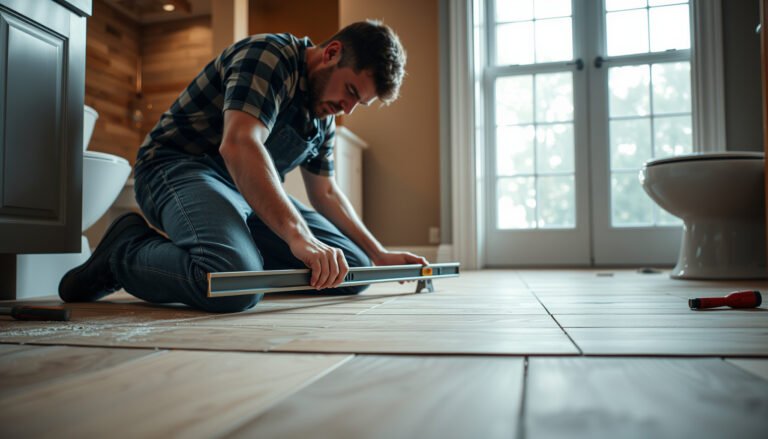
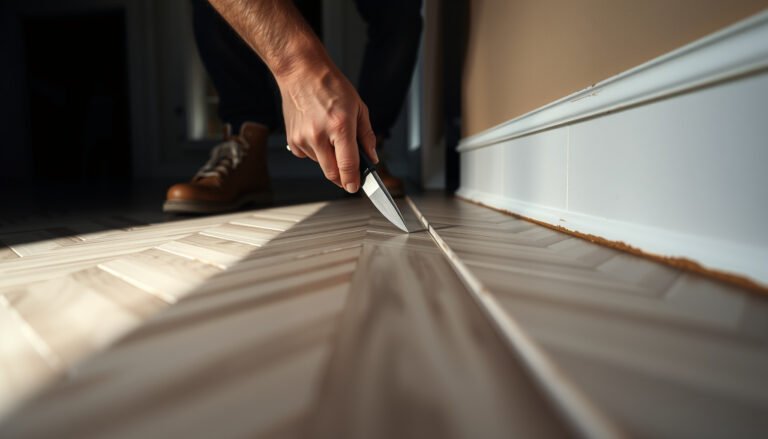
[…] by thorough drying. This keeps outdoor grit from turning into an abrasive paste and prevents standing water from weakening seams, edges, and joints. If your vinyl planks or tiles face rain, dust, wind-blown […]