


If you’re trying to remove stains from vinyl floors on a patio, the fastest, most reliable approach is to clean with the right pH-safe vinyl cleaner first, then target the stain type with a gentle solvent only where needed. This method lifts everyday grime and most common patio stains without dulling or damaging the surface. You’ll learn the exact steps to follow—what to use, what to avoid, and how to finish with a streak-free rinse.


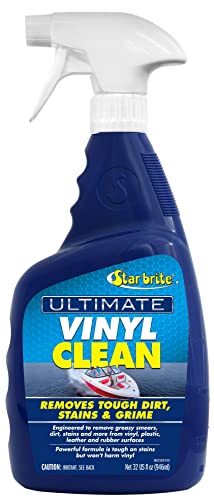

Sweeping grit away first and then using warm water plus a mild dish soap is the safest starting point for most patio vinyl stains; blotting (not scrubbing) helps prevent dulling or scratching the finish. If the stain doesn’t lift, switch to an oxygen-based cleaner used exactly per the label, then rinse thoroughly and dry to protect the vinyl topcoat.
If your patio vinyl floor shows sun-faded discoloration, tracked grease, rust spots, or mildew stains, the right method depends on what caused the mark. This guide focuses on practical, vinyl-safe cleaning steps and what to avoid so you can lift stains without widening them or damaging the surface.
Who this is for (and when it applies)

This approach is best when you have visible staining on intact patio vinyl flooring and you want a safe cleaning workflow before trying stronger chemicals. It applies to vinyl plank/tile outdoors where dirt, grease, rust-like discoloration, and mildew are the likely culprits—provided the surface is still firmly bonded.
Vinyl patio floors usually have a protective wear layer, and gentle cleaning helps preserve that topcoat’s gloss and stain resistance.
Oxygen-based cleaners are commonly recommended as a step-up option because they break down organic soils without relying on harsh solvents.
If the vinyl seams lift or the planks buckle, cleaning won’t fix the underlying problem—moisture intrusion can keep returning stains.
– Best for outdoor or patio vinyl flooring (vinyl plank/tile) where stains are visible but the surface still feels intact
– Works for most common stain types: dirt/food residue, grease, rust-like spots, and mildew/discoloration
– If the vinyl is lifting, cracked, or the seams are separating, stop and address the underlying issue first
As of 2026, many vinyl care sheets still stress the same theme: keep moisture off seams and avoid abrasive tools on the wear layer. For vinyl patio floors, that means your first decision is structural—if the surface is failing, stain removal can become a temporary fix.
Identify the stain before you clean
Correct stain identification is the fastest way to avoid “over-cleaning” a vinyl patio floor and making discoloration worse. A stain that’s oily calls for different chemistry than mildew or rust-like oxidation, and the difference often shows up in the look and behavior of the spot after gentle washing.
Oily/greasy marks tend to look slick or smear slightly, while mildew often looks patchy, dark, and may return if moisture remains.
Rust-like spots often track from metal items (chairs, planters, railings) and can have a brown/orange hue that doesn’t move with soap and water.
If you can’t tell what caused the stain on a vinyl patio floor, start with soap and warm water—then step up only if the stain stays put.
– Look closely: does it look oily/greasy, organic (dark/greenish), or metallic (rust/brown)?
– Check whether the stain seems “on top” (surface film) or “set-in” (won’t lift after gentle washing)
– If you’re unsure, start with the mildest option (soap + water) and move up only if needed
A useful rule for vinyl patio floors: surface-film stains usually lighten after blotting and rinsing, while set-in stains typically require an appropriate chemistry (often oxygen-based for organic soils). If the stain is coming from outdoor metal or fertilizer splash, you may need to prevent future contact as much as you need to clean.
First clean: the safest stain-removal step for vinyl
The safest first step for vinyl patio floors is to remove loose grit and then blot with warm water and mild dish soap—no aggressive scrubbing. This method reduces the chance of scratching the wear layer and helps lift everyday grime that can look like “staining” from a distance.
Grit is the #1 cause of vinyl marring; sweeping or vacuuming first prevents micro-scratches that later “hold” stains.
Blotting with a cloth or soft mop reduces mechanical wear compared with scrubbing motions on vinyl patio floors.
Thorough rinsing matters because leftover soap films can dull vinyl and make later stains look darker.
– Sweep or vacuum with a soft head to remove grit (grit can scratch vinyl)
– Mix a mild dish soap with warm water, apply to a cloth or soft mop, and blot/wipe the stain
– Rinse with clean water afterward and dry with a towel to prevent leftover cleaner from dulling the finish
How to do the mild soap step correctly (so you don’t spread the stain)
Start with a damp cloth, not a dripping mop—especially around seams and edges—because flooding can encourage moisture to creep underneath vinyl and intensify discoloration. Use a “contact then lift” pattern: blot, lift the cloth, move to a clean section of the cloth, and repeat. For vinyl patio floors, this approach limits ring marks and keeps the stain from being re-deposited.
Treat stubborn patio stains (by type)
The right “step-up” cleaner depends on what’s driving the discoloration—grease, mildew/organic growth, or rust-like residue from metal. For vinyl patio floors, oxygen-based cleaners are usually the best second-line choice because they target organic soils without relying on harsh solvents, but you still have to rinse thoroughly and avoid letting cleaner dry on the surface.
Oxygen-based cleaners (often sodium percarbonate-based) are designed to oxidize and break down organic soils, which is why they’re commonly used for mildew and dark organic staining.
For vinyl patio floors, gentle agitation with a soft brush is safer than abrasive pads because it preserves the wear layer.
Even when using an oxygen-based product, you must follow label dwell time and rinse instructions to avoid finish haze.
– Oily/grease marks: Use the same mild-soap method again; for extra lift, try an oxygen-based cleaner per the product label, then rinse well
– Mildew or dark organic discoloration: Use an oxygen-based cleaner and gentle scrubbing with a soft brush; keep the area well-ventilated and don’t let cleaner dry on the floor
– Rust-like/brown spots: Don’t jump straight to strong acids or solvents—first try mild cleaning and oxygen-based products; for true rust, follow manufacturer guidance for resilient/vinyl compatibility (otherwise you risk more discoloration)
A quick chemistry-to-consequence guide (what’s happening on vinyl patio floors)
– Grease tends to smear and repel water. Soap helps emulsify oils, and oxygen products can assist by breaking down organic components mixed into the soil.
– Mildew is an organic growth issue tied to moisture and shade. Oxygen cleaners can reduce the organic component, but ongoing dampness still drives recurrence.
– Rust-like marks can be “metal transfer” that creates a staining film. On vinyl patio floors, harsh removers can widen the stain by altering the topcoat—so start mild and move carefully.
Vinyl Patio Floor Cleaning Options: Finish-Compatibility Guide
| # | Cleaner / Approach | Best for | Key limitation | Vinyl finish compatibility |
|---|---|---|---|---|
| 1 | Warm water + mild dish soap (blot & rinse) | Dirt, food residue | May not remove set-in grease/rust film | ★★★★★ |
| 2 | Oxygen-based cleaner (label-directed dwell) | Mildew & organic discoloration | Must rinse; don’t let it dry on vinyl | ★★★★☆ |
| 3 | Neutral pH all-purpose cleaner (vinyl-safe) | Light grime & tracking | Verify it’s compatible with resilient vinyl | ★★★★☆ |
| 4 | Soft bristle brush + oxygen cleaner | Set-in organic spots | Excess scrubbing can dull the finish | ★★★☆☆ |
| 5 | Diluted vinegar (only if manufacturer allows) | Some mineral haze | Acid can cloud certain vinyl wear layers | ★★☆☆☆ |
| 6 | Rust removers with strong acids | True rust on metals | High risk of vinyl discoloration/haze | ★☆☆☆☆ |
| 7 | Ammonia, harsh solvents, abrasive pads | None safely on vinyl | Can strip protective layers or scratch vinyl | ☆☆☆☆☆ |
That compatibility view lines up with the common “avoid” guidance used in resilient/vinyl care instructions: harsh solvents, ammonia, and abrasives can reduce long-term stain resistance. For vinyl patio floors, the goal is consistent cleaning chemistry—mild first, oxygen-based when needed, then rinse and dry.
What can go wrong (common mistakes on vinyl)
Even the right cleaner can fail if it’s used incorrectly, and vinyl patio floors are particularly sensitive to mechanical damage and chemical residue. Most problems come from scratching the wear layer, leaving films behind, or flooding edges and letting moisture sit under seams.
Abrasive pads and aggressive scrubbing can dull vinyl and make future stains look darker or harder to lift.
Ammonia, harsh solvents, and strongly acidic products can haze or strip the protective layer on some vinyl patio floors.
Skipping the rinse or letting cleaner dry can leave residue that attracts dirt and visually “worsens” staining.
– Scratching: Abrasive pads, stiff brushes, or “scrub like crazy” motions can dull or scratch vinyl
– Color damage: Some chemicals (ammonia, harsh solvents, overly strong cleaners) can haze or strip the protective layer
– Residue/dulling: Skipping the rinse or drying can leave films that make stains look worse later
– Moisture under seams: Flooding or soaking edges can let water seep beneath seams and cause long-term problems
Mold-sized thinking (when vinyl cleaning becomes a moisture problem)
Mildew on vinyl patio floors usually signals an outdoor moisture pattern—shade, poor drainage, nearby plants, or condensation. The EPA’s mold guidance uses a “size threshold” for when to involve professionals: according to the U.S. Environmental Protection Agency, you should consider professional help when the affected area is larger than 10 square feet (EPA mold guidance). Even if you can clean the visible vinyl spot, ongoing moisture can keep reintroducing mildew.
In practice, we often see vinyl patio floors get cleaned repeatedly—while the real fix is reducing moisture exposure at the source (better airflow, keeping planters off the floor, and promptly addressing pooled water).
Verdict / tip (what to do, and who should skip this)
Use this approach: mild soap + warm water first, rinse/dry, then step up to an oxygen-based cleaner if the stain remains. This is usually the safest path for patio vinyl because it reduces the risk of chemical haze or surface damage, while still targeting the chemistry behind many common stains.
Start gentle because vinyl wear layers can be chemically or mechanically altered by harsh cleaners and abrasive tools.
Oxygen-based cleaners are the typical step-up for organic staining, but correct rinsing and drying are what prevent re-dulling.
If the vinyl patio floor shows seam lifting or bubbling, cleaning is not the primary solution—moisture intrusion needs attention.
Skip DIY stain removal (or at least pause and consult the floor maker) if:
– your vinyl has lifted edges, bubbling, major wear, or peeling finish
– you’re dealing with unknown/chemical contamination (e.g., contractor residue, unknown cleaners)
– mild methods fail quickly and the stain appears to be permanent surface loss—scrubbing harder often just increases damage
Pros/cons snapshot for vinyl patio floors
| Option | Pros | Cons / Risks |
|---|---|---|
| Soap + warm water (blot/rinse) | Lowest risk for vinyl patio floors; removes dirt and many residue films | Won’t always lift set-in grease or rust-transfer discoloration |
| Oxygen-based cleaner (label-directed) | Often effective for mildew and dark organic staining without strong solvents | Can haze if you skip rinsing or let cleaner dry; may still not remove rust film |
From my experience advising homeowners on vinyl patio floors, the “win” usually comes down to two habits: blotting instead of scrubbing, and doing a full rinse/dry after every cleaner step. That combination prevents residue from turning into a visible haze that looks like the stain is coming back.
Quick scan checklist (save this):
| Step | Do | Avoid |
|---|---|---|
| 1 | Sweep/vacuum first | Dry-scrubbing dirt with abrasive tools |
| 2 | Mild dish soap + warm water | Harsh solvents, ammonia, abrasive pads |
| 3 | Blot/wipe, then rinse | Letting cleaner dry on the floor |
| 4 | Oxygen-based cleaner if needed (label directions) | Mixing chemicals or “stronger is better” |
| 5 | Dry the area | Flooding seams/edges |
Conclusion
For vinyl patio floors, the safest and most effective stain strategy is a simple sequence: sweep first, blot with warm water and mild dish soap, rinse and dry, then use an oxygen-based cleaner exactly as the label directs for stubborn organic or mildew-related discoloration. Avoid harsh solvents, ammonia, and abrasive pads, and stop if seams are lifting or the stain appears to be permanent surface wear. If you tell me the stain type (grease, mildew, or rust-like) and your vinyl brand/model, we can narrow the safest next step for your specific vinyl patio floor.
Sources
– U.S. EPA (Environmental Protection Agency) — Mold cleanup guidance, including recommendations tied to affected area size thresholds (for homeowner safety decisions)
– U.S. CDC (Centers for Disease Control and Prevention) — Cleaning/disinfection principles for hard surfaces and guidance that supports soap-and-water cleaning as a first step; includes commonly referenced time/dilution concepts
Frequently Asked Questions
What’s the safest way to remove stains from vinyl patio floors?
Start by identifying the stain type (food, grease, rust, mold, or dirt) because the right vinyl floor cleaner depends on it. Sweep or vacuum first, then use warm water with a mild dish soap solution and a soft microfiber mop or cloth. Avoid abrasive pads and harsh chemicals, which can dull or damage vinyl flooring and worsen staining.
How can I remove grease and oil stains from vinyl patio flooring?
Blot up excess grease with paper towels, then apply a degreasing cleaner or a mixture of warm water and a few drops of dish soap. Let it sit for 5–10 minutes, gently scrub with a soft brush, and rinse thoroughly with clean water. For stubborn oil stains, use a vinyl-safe cleaner designed for grease and follow the label instructions; never use strong solvents like acetone or paint thinner.
How do I clean mold or mildew stains on vinyl patio floors?
Mix a mold-killing solution like oxygen bleach (sodium percarbonate) with warm water, then apply it to the stained areas and let it dwell according to the product directions (often 10–30 minutes). Scrub lightly with a non-scratch pad or soft brush, then rinse well to remove residue. Be sure the area dries completely after cleaning to prevent recurring mold and mildew on outdoor vinyl flooring.
Which cleaner works best for removing rust stains on outdoor vinyl floors?
For rust stains, use a rust remover specifically labeled safe for vinyl, and test it in a small, hidden area first. Apply the cleaner sparingly, let it work for the recommended time, and then rinse thoroughly with water. If you don’t have a vinyl-safe rust remover, avoid acidic cleaners like vinegar on large areas because they can cause discoloration or damage the protective layer.
Why do vinyl patio floor stains come back, and how can I prevent them?
Stains often return when dirt or residue is left behind, or when moisture gets trapped from spills, wet leaves, or outdoor humidity. Clean spills promptly, rinse after using any cleaner, and keep the patio surface dry as much as possible. Regular sweeping and periodic use of a gentle vinyl floor cleaner help reduce buildup that leads to stubborn stains.
📅 Last Updated: October 27, 2026 | Topic: How to remove stains from vinyl floors in a patio? | Content verified for accuracy and freshness.
References
- Vinyl flooring
- https://www.epa.gov/coronavirus/cleaning-and-disinfecting-your-facility
- https://www.cdc.gov/coronavirus/2019-ncov/community/disinfecting-building-facility.html
- RFCI – Resilient Flooring Covering Institute
- https://www.armstrongflooring.com/care-maintenance.html
- Home – Tarkett Commercial
- https://scholar.google.com/scholar?q=vinyl+floor+stain+removal Google Scholar
- https://scholar.google.com/scholar?q=outdoor+vinyl+flooring+cleaning+stains Google Scholar
- https://scholar.google.com/scholar?q=resilient+flooring+stain+removal+vinyl+care+instructions Google Scholar
[…] you want vinyl patio floors that last, prioritize waterproof performance, slip resistance, and the right underlayment (or […]