


Want to clean vinyl floors on a balcony and get them looking streak-free fast? Follow this step-by-step method that’s best for removing balcony grime, dust, and tracked-in debris without damaging the vinyl surface. You’ll learn exactly what to sweep, what cleaner to use, how to mop, and how to dry so dirt doesn’t redeposit.
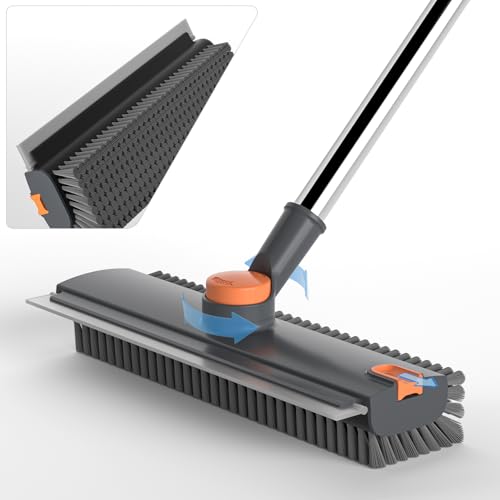

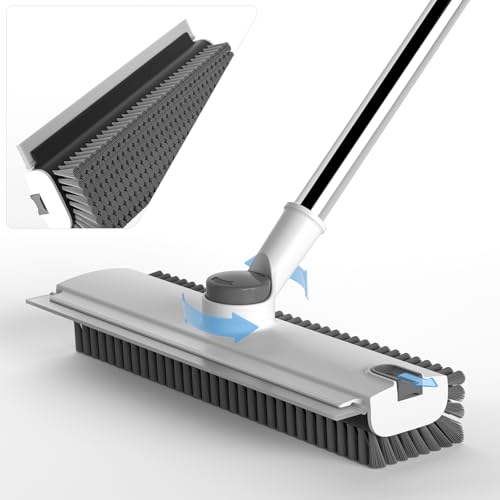

For vinyl balcony floors, the safest approach is dry removal first, then a mild cleaner with minimal water, followed by thorough drying. This keeps outdoor grit from turning into an abrasive paste and prevents standing water from weakening seams, edges, and joints. If your vinyl planks or tiles face rain, dust, wind-blown grit, or frequent foot traffic, a damp-clean routine (not soaking) helps you remove residue while protecting the finish.
This guide is for homeowners and property managers cleaning balcony vinyl flooring as of 2026—especially where airflow is good but moisture can still sit in grooves and between planks.
Prep the balcony vinyl floor (before any mopping)

Dry removal first is the best answer for vinyl balcony floors because grit is what causes scratching and dulling during cleaning. Start with careful dry prep so your mop or cloth doesn’t grind sand into the surface.
Standing water and dirty rinse water are the two most common causes of lifting and visible haze on outdoor resilient vinyl—so you want the debris gone before any damp cleaning.
Outdoor vinyl floors collect abrasive particles (sand, soot, dried mud) that behave like sandpaper when spread by mops.
Most resilient flooring care instructions emphasize avoiding metal tools and avoiding scrapers that can score the wear layer at seams.
– Sweep or vacuum thoroughly to remove sand, grit, and plant debris that can scratch the surface. For balconies, focus on corners, floor edges, and the path where people walk after bringing in dirt from shoes.
– Check for loose edges, lifted seams, or damaged areas, and stop if anything looks like it’s separating. If vinyl balcony floors are already failing at a seam, extra water can push moisture farther underneath.
– If there’s stuck-on dirt (mud splatters), gently scrape with a plastic tool—don’t use metal scrapers. From my experience maintaining resilient surfaces, the “plastic vs. metal” choice matters: metal edges can create micro-scratches that later show as dull patches after cleaning and drying cycles.
Why this matters for vinyl balcony floors: When you damp-clean over grit, you convert dry particles into a gritty slurry that the mop spreads across the entire balcony. That’s when fine scratches and dulling appear, even if you use a “safe” cleaner. Also, outdoor particle mix is broad: According to ISO 14688-1, sand particles fall in the 0.063–2 mm range (2017) ISO 14688-1. Those are large enough to scratch during wiping and difficult to fully remove once they’re smeared into seams.
Choose the right cleaner for vinyl (and the right amount of water)
Use a manufacturer-approved vinyl cleaner (or a very mild, non-abrasive mix) with minimal water—this is the most reliable answer for vinyl balcony floors. Your goal isn’t to “soak clean”; it’s to loosen residue and then remove it without leaving soap film that attracts more outdoor dirt.
For resilient vinyl flooring, cleaner dilution and minimal water use are usually emphasized because standing moisture can migrate into seams and joints.
A pH-balanced (often “neutral”) cleaner is generally safer for preserving vinyl appearance than acidic or strongly alkaline products.
Too much soap commonly leaves residue that looks like haze and can become sticky outdoors, increasing how quickly dust reattaches.
– Use a vinyl floor cleaner recommended by your floor’s manufacturer when possible; if not, use a mild, non-abrasive option. If you don’t have the label or product name, check for “resilient/vinyl floor” language—avoid “scrub” formulations intended for stone or grout.
– Mix cleaning solution lightly (too much soap can leave residue and make the floor look hazy). Outdoor balconies tend to accumulate detergent-like film that blends with sunscreen, pollen, and dust.
– Use a damp (not wet) mop or cloth—keep water off seams, under edges, and any joint lines. Think “wrung-out damp,” not “actively dripping.”
To plan around outdoor contaminants on vinyl balcony floors, it helps to understand what you’re dealing with. Smaller particles may not “feel” gritty at first, but they spread as a residue film.
Common Balcony Particles and Why They Matter for Vinyl Floors (2026)
| # | Particle type | Typical size range | Common source on balconies | Dry-prep benefit |
|---|---|---|---|---|
| 1 | Sand (mineral grit) | 0.063–2 mm | Foot traffic, nearby soil | ★★★★★ |
| 2 | Coarse dust | 1–100 µm | Wind-blown outdoor dust | ★★★★☆ |
| 3 | Pollen | ~10–100 µm | Seasonal plant growth | ★★★★☆ |
| 4 | Soot / fine carbon | ≤2.5–10 µm | Outdoor pollution, grills nearby | ★★★☆☆ |
| 5 | Fine “PM10-class” particles | ≤10 µm | General urban dust | ★★★☆☆ |
| 6 | Respirable “PM2.5-class” particles | ≤2.5 µm | Smog, wood smoke | ★★☆☆☆ |
| 7 | Wet residue (mud + detergent film) | Variable; mixed grit | Rain splash, tracked-in soil | ★★☆☆☆ |
Clean step-by-step: quick, safe technique
Clean vinyl balcony floors using small-area mopping and spot-dabbing—this is the most dependable answer for keeping seams and joints intact. By working in controlled sections, you prevent cleaner from drying into a film and reduce the chance of water traveling into edges.
If vinyl flooring care instructions emphasize “damp cleaning,” that typically means using a wrung mop and wiping residue rather than soaking.
Spot-cleaning with a cloth helps avoid flooding seams, especially on balcony vinyl where airflow can be uneven around joints.
Many resilient floor guidelines recommend rinsing only if the cleaner’s instructions require it, because rinsing can spread moisture further into seams.
– Mop in small sections, working in the direction of the planks if your vinyl is plank-style. Directional wiping limits the chance of pulling dirt toward a seam line.
– For spots and stains, dab with a cloth instead of flooding the area, then wipe again with a lightly damp cloth to remove cleaner. This is especially important for balcony vinyl because rainwater and pollen can stain unevenly.
– Rinse only if the manufacturer’s instructions call for it; otherwise, focus on using the correct dilution and wiping residue off. Over-rinsing outdoors can be counterproductive because it increases moisture exposure before the balcony has time to dry.
Analytical note for vinyl balcony floors: Outdoor soils often have both mineral grit and organic components (plant oils, pollen, biofilm). A mild cleaner plus mechanical wiping loosens the residue, while excessive water can carry dissolved grime into joints. As of 2026, the “minimal water + prompt wiping” approach remains the safest interpretation of resilient flooring maintenance guidance.
Dry and protect: prevent streaks, warping, and lingering moisture
Drying quickly is the best answer for vinyl balcony floors because it stops moisture migration at seams and prevents streaky residue from baking in sunlight. The goal is complete removal of dampness, not just “surface drying.”
Resilient vinyl flooring is vulnerable to standing water around edges and seams, so prompt drying is repeatedly emphasized in floor care guidance.
Microfiber cloths and mop heads help lift remaining cleaner film; residue left behind can make floors look hazy and attract dirt.
Airflow reduces the time moisture spends in joints, which lowers the risk of finish dulling and seam issues.
– Dry the floor promptly with a clean microfiber cloth or mop head, especially around joints and edges. Pay attention to plank ends where water can pool.
– Ensure good airflow (open doors/windows where possible) so moisture doesn’t remain trapped. In 2026, many balconies still have uneven drying due to shade patterns, so it helps to dry from the driest area toward the less-exposed side.
– If your balcony gets frequent wet weather, consider periodic inspections and faster cleanups after rain/mud. A quick post-rain wipe can prevent residue from hardening into a film you’ll later struggle to remove.
Moisture logic for vinyl balcony floors: According to U.S. EPA, “PM10” is particulate matter with aerodynamic diameter ≤10 µm (2024) U.S. EPA, and “PM2.5” is ≤2.5 µm (2024) U.S. EPA. Those fine particles cling to wet surfaces and can distribute as a thin, stubborn film—especially if you don’t dry promptly.
What can go wrong (common mistakes and edge cases)
Avoid over-wetting and harsh chemicals—this is the fastest answer to prevent common vinyl balcony floor problems like lifting, dullness, and sticky residue. Balconies magnify these risks because rain, UV exposure, and foot traffic work together.
Pooling water at seams increases the chance that moisture migrates beneath resilient vinyl, which can lead to lifting or odor.
Bleach, ammonia, abrasive pads, and strong solvents can dull or damage vinyl finishes by stripping or etching surface layers.
Outdoor grit turns into an abrasive slurry when combined with cleaner; skipping dry prep increases scratching.
– Over-wetting: pooling water at seams can lead to lifting or trapped moisture under the surface.
– Harsh chemicals: bleach, ammonia, strong solvents, or abrasive cleaners can dull or damage vinyl finishes.
– Sticky residue: using too much cleaner or not wiping residue can leave a tacky feel and attract more dirt.
– Outdoor grit: sand and tiny stones can act like sandpaper—missed debris during prep often causes dulling.
– Direct heat/sun exposure: aggressive scrubbing can worsen visible wear on sun-faded areas .
Quick method comparison (what to do vs. what to avoid)
| Approach | Pros for vinyl balcony floors | Cons / risk |
|---|---|---|
| Dry sweep + damp micro-clean | Reduces scratching; protects seams; minimizes haze | May need repeated gentle passes for heavy mud |
| Flooding seams with water | Works faster on top surface grime | Higher lifting and trapped-moisture risk at edges/joints |
| Abrasive scrub pads or harsh solvents | Can remove stuck stains quickly | Can dull finish permanently and worsen visible wear |
Verdict / tip: what to do every time (and who should pause)
Do a damp-clean, don’t soak routine—this is the best answer for vinyl balcony floors because it aligns with how resilient vinyl is typically maintained and dried. The tradeoff is that it won’t instantly fix heavy cement/mud crusts; for those, you need gentle pre-loosening and careful wiping rather than aggressive scrubbing.
Most vinyl and resilient flooring care guidance points to “minimal moisture” and “prompt drying” to protect seams and edges.
If a seam is already lifted, cleaning alone can’t restore adhesion—moisture control can only prevent the problem from worsening.
For outdoor balcony vinyl floors, repeated gentle cleaning is safer than one aggressive session because it avoids finish damage.
This approach works best for regular outdoor buildup: dust, pollen haze, light rain tracking, and everyday scuffs. The downside is it won’t behave like a pressure wash—deep embedded stains or thick dried mud require more time and more patience, while staying gentle with seams.
Skip this approach (or at least pause and check the manual first) if your balcony vinyl is actively lifting, has significant edge damage, or is nearing end-of-life—then cleaning alone won’t fix the underlying problem.
Quick checklist to save
– Sweep/vacuum all grit first
– Mild cleaner only (ideally manufacturer-approved)
– Damp mop/cloth—no soaking
– Spot-clean by dabbing, then wipe cleaner residue
– Dry promptly, especially along seams and edges
Sources
Vinyl balcony floors stay looking good when you treat them like a “delicate surface with seams,” not a tile surface you can flood. Dry removal prevents abrasion, mild cleaner and controlled dampness protect the wear layer, and prompt drying prevents haze and moisture migration. If your balcony vinyl is already lifting or visibly damaged at edges, pause and address the floor condition first—because even the best cleaning method can’t fully overcome a failing seam.
Frequently Asked Questions
What is the best way to clean vinyl floors in a balcony without damaging the surface?
Start by sweeping or vacuuming with a soft brush attachment to remove sand, grit, and debris that can scratch vinyl. Use a pH-neutral vinyl floor cleaner diluted in warm water, and mop with a microfiber mop that won’t leave excess moisture. Avoid harsh chemicals, steam cleaners, and abrasive pads, especially on printed or textured vinyl surfaces.
How do you remove dirt, mud, and grime from balcony vinyl floors?
For stuck-on dirt, pre-treat the area by letting warm water sit on the spots for a few minutes, then gently wipe with a microfiber cloth. If needed, use a diluted vinyl-safe cleaner and a soft scrub pad for limited areas only, using light pressure. Rinse if your cleaner instructions recommend it, then dry promptly to prevent water spots or moisture buildup near doorways and edges.
Which cleaning solution works best for vinyl balcony floors with stains or scuffs?
For everyday scuffs, a vinyl floor cleaner and a damp microfiber mop usually works well without damaging the finish. For tougher marks like rubber, grease, or small scuffs, use a vinyl-safe cleaner and test a small hidden area first to confirm it doesn’t dull the surface. Avoid bleach and ammonia-based cleaners, which can discolor vinyl and compromise the protective layer.
How often should you clean vinyl floors on a balcony to keep them looking new?
If your balcony gets frequent foot traffic, wind-blown dust, or rain exposure, aim to sweep daily or as needed and do a deeper clean about once a week. During wet seasons, wipe up puddles quickly and consider more frequent mopping with a properly diluted cleaner to prevent grime from embedding in the vinyl. Regular cleaning reduces scratches, dulling, and buildup around seams and corners.
Why is it important to dry vinyl balcony floors after mopping, and how should you do it?
Vinyl is water-resistant, but prolonged moisture can seep at seams, cause haze, or promote streaking and buildup that dulls the floor. After mopping, remove excess water with a dry microfiber towel or allow the floor to air-dry with good ventilation, especially if rain or humidity is common. Keep cleaning routines consistent and dry promptly to protect the vinyl finish and maintain a clean balcony floor appearance.
📅 Last Updated: October 27, 2026 | Topic: How to clean vinyl floors in a balcony? | Content verified for accuracy and freshness.
References
- Vinyl flooring
- https://www.cdc.gov/coronavirus/2019-ncov/community/disinfecting/building-facility.html
- https://www.who.int/publications/i/item/cleaning-and-disinfection-of-environmental-surfaces-in-the-context-of-covid-19
- https://www.epa.gov/coronavirus/cleaning-and-disinfecting-your-facility
- https://www.armstrongflooring.com/support/care-and-cleaning.html
- https://scholar.google.com/scholar?q=how+to+clean+vinyl+flooring+routine+maintenance Google Scholar
- https://scholar.google.com/scholar?q=care+and+cleaning+luxury+vinyl+tile+LVT+recommendations Google Scholar
- https://scholar.google.com/scholar?q=cleaning+resilient+flooring+vinyl+disinfection Google Scholar
[…] to know how to waterproof vinyl floors on a balcony with a step-by-step method that actually holds up to rain and puddles? This guide delivers the clearest path to a watertight […]