


You can protect laminate floors in a warehouse by focusing on impact control, moisture management, and abrasion protection—use the right matting and load-handling practices first, because those prevent most real-world damage. This guide lays out the practical steps that keep joints from failing, surfaces from scratching, and water from swelling laminate, even under heavy traffic. If you follow these measures, you’ll extend floor life and avoid the expensive replacements warehouses try to delay.


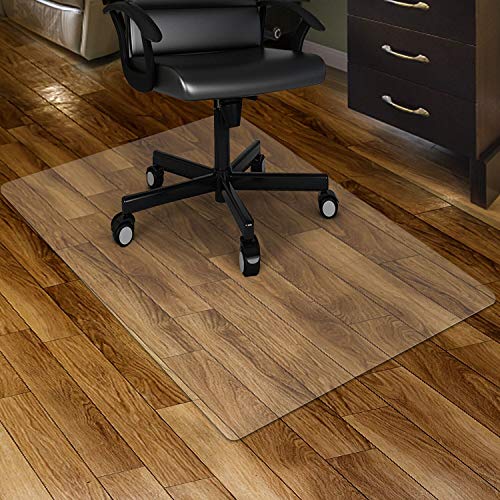

Control laminate floors in a warehouse by managing moisture first and then blocking abrasion/impact from equipment and traffic. Set up a moisture-testing + barrier system, protect high-wear lanes with mats and guards, and clean using only manufacturer-approved methods to prevent edge swelling, joint gapping, and finish breakdown.
Protecting laminate floors in a warehouse mostly comes down to controlling moisture and blocking abrasive/impact damage from equipment and traffic. Seal the plan early—subfloor moisture checks, proper underlayment/mats, and a maintenance routine that avoids water and harsh cleaners. This guide walks you through the steps you can set up before the floor gets stressed every day.
If your laminate is installed over a concrete slab (common in warehouses) or exposed to forklifts, carts, pallets, and frequent wet mopping around docks/receiving, these tips are for you. Use the guidance below alongside your laminate manufacturer’s installation and care instructions, since the allowed moisture limits and approved cleaners can vary by product.
After all, laminate floors fail in warehouses for predictable reasons: moisture moves through the slab, debris turns into grit, wheels gouge edges, and cleaning practices introduce excess water or incompatible chemicals. The goal is to stop those failure pathways before you see swelling, dull buildup, or seam separation.
Who this is for / when it applies
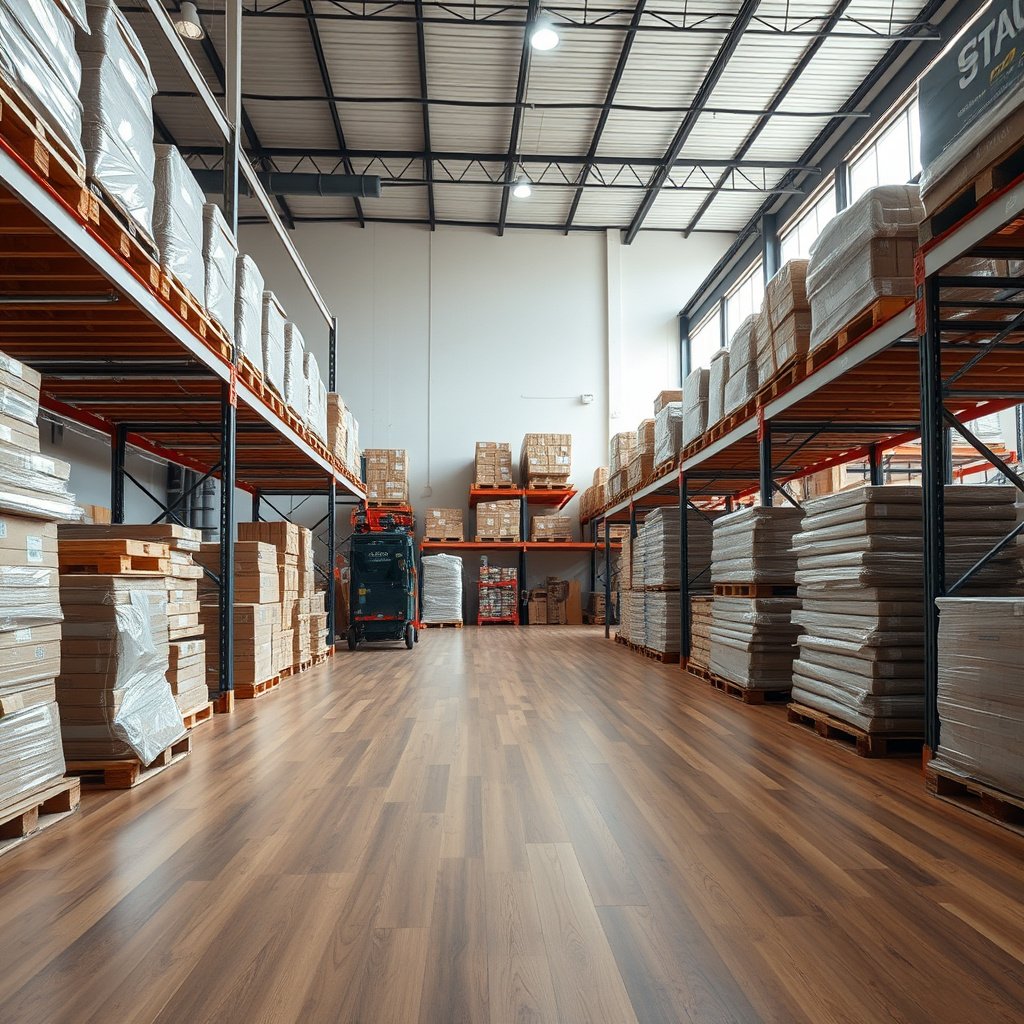
This is for warehouse managers, facilities teams, and general contractors protecting laminate floors over concrete—especially in receiving/dock areas where mopping, traffic, and seasonal HVAC cycling are constant. It’s also for anyone who needs a practical program (not just “general care”) that can be implemented with daily operations and staffing realities in 2026.
Protect from moisture and subfloor problems
Moisture control is the #1 lever for preventing laminate floor problems over concrete slabs in a warehouse. Start with moisture testing, install the correct moisture barrier/underlayment system, and then keep temperature/humidity within the manufacturer’s limits so the floor can expand and contract safely.
Concrete slab moisture checks (before and after changes)
Laminate floors can be sensitive to moisture vapor coming up from concrete, which can cause swelling, joint gapping, and edge failures that resemble delamination-like breakdown. Before installation—and again after any plumbing/drainage work—verify slab conditions using the method your manufacturer requires (often aligning with ASTM approaches).
According to ASTM F2170, the in-situ relative humidity (RH) method measures slab RH using probes installed in the concrete (reported as a percentage, %RH).
According to ASTM F1869, the calcium chloride method measures moisture vapor emission rate (MVER) in lb/1,000 sq ft/24 hr (a per-24-hours metric used to compare against flooring product limits).
ASTM F2170 is designed to determine relative humidity in concrete slabs using in-situ probes and reported RH (%) values for flooring-suitability decisions.
ASTM F1869 reports moisture vapor emission rate (MVER) as pounds per 1,000 square feet per 24 hours, which flooring systems can use to set moisture limits.
What to do
– Verify moisture before installation and after any plumbing/drainage changes. Compare results to the laminate manufacturer’s required moisture limits and their required test method.
– If you’re unsure which standard and reporting format your laminate manufacturer wants, get the written spec before you proceed—this is the fastest way to prevent “correct install, wrong slab conditions” outcomes.
– Document results and test dates for later troubleshooting; it helps when crews ask why a seam opened near a specific dock line or after an equipment relocation.
Use the correct underlayment/moisture barrier system
Don’t improvise the underlayment or moisture barrier. Laminate systems are engineered as a “stack,” and the underlayment type and thickness influence how moisture moves and how the floor sits during traffic.
Practical choices
– Use the moisture barrier and underlayment thickness/type the laminate system calls for.
– If your warehouse has seasonal humidity swings or big HVAC schedules, avoid “closest match” substitutions—barrier performance and floor movement tolerance can differ significantly.
Acclimate and keep humidity stable once it’s down
Once installed, laminate floors still respond to environment. Warehouse HVAC cycles, dock doors opening, and temperature shifts can expand/contract laminate in ways that stress joints—especially near edges, entrances, and partitions.
Even when the slab is within limits at install time, continuing humidity swings can increase laminate joint movement and accelerate edge stress in high-traffic zones.
Maintaining stable HVAC conditions helps reduce seasonal expansion/contraction cycles that widen gaps or stress locking joints over time.
– Keep operating conditions within the manufacturer’s recommended temperature/RH range.
– Track HVAC setpoints and dock door schedules when you conduct inspections—this connects “environment changes” to “where the floor started failing.”
Warehouse Laminate Protection Priority by Zone (Best-Practice Cadences)
| # | Warehouse zone | Primary laminate-floor risk | Protection action | Inspection cadence | Cleaning focus | Priority |
|---|---|---|---|---|---|---|
| 1 | Dock receiving & wet process boundary | Moisture ingress via seams/edges | Seam-protected mats + strict spill kit | Daily | Dry-first; blot/dry fast | ★★★★★ |
| 2 | Forklift turning & maneuver lanes | Impact gouges + edge chipping | Wheel/guard checks + lane matting | Weekly | Sweep/vacuum before damp areas | ★★★★★ |
| 3 | Primary entrances (people + carts) | Grit scratches from tracked debris | Walk-off mats + scheduled vacuuming | Every shift spot-check; weekly clean | Dry-first; damp only with approved tools | ★★★★☆ |
| 4 | Pallet staging & loading/unloading edges | Abrasion + dropped-load corner impacts | Edge guards + protective floor runners | Weekly | Blot spills; avoid soaking runners | ★★★★☆ |
| 5 | Long aisles under powered carts | Micro-scratches from dust/grit accumulation | Grit capture + cart wheel maintenance | Weekly | Vacuum/sweep; no wet mops in-lane | ★★★☆☆ |
| 6 | Areas near HVAC returns and perimeter vents | Temperature swings that stress joints | Environmental logging + controlled setpoints | Weekly (with monthly trend review) | Follow humidity-safe cleaning only | ★★★☆☆ |
| 7 | Office-adjacent storage rooms (lighter traffic) | Finish haze from inconsistent cleaners | Approved cleaner only + microfiber maintenance | Biweekly | No residue; rinse per spec | ★★☆☆☆ |
Reduce traffic wear, scuffs, and impact damage
Abrasion and impacts are the next major failure driver for laminate floors once moisture is managed. Your job is to separate equipment + grit from the floor surface using planned matting, wheel/caster maintenance, and controlled routing for turning and dragging.
Plan for high-wear paths
Laminate floors wear unevenly because warehouse traffic isn’t uniform: turning zones and loading edges see concentration of force. Mapping your routes is one of the most cost-effective steps you can take—often more than “stronger cleaner” or “thicker underlayment.”
Warehouse damage patterns usually align with turning radii, staging behavior, and where carts/dollies pivot—so targeted matting beats blanket protection.
A protection plan that mirrors actual forklift and cart paths reduces both scuff frequency and the chance of edge chipping on laminate floors.
What to do
– Plan for high-wear paths. Put matting or protection in lanes where pallet jacks, carts, dollies, and foot traffic concentrate—especially entrances, staging areas, and routes between dock and storage zones.
– Pay extra attention to corners: hard “edge hits” are disproportionately harmful to laminate locking joints and perimeter edges.
Stop grit from becoming sandpaper
Sand and dust turn laminate floors into an abrasive surface. Even when no visible wetness exists, grit grinds down the finish and increases micro-scratches that make the floor look dull faster.
– Use entry walk-off mats and replace/clean them on a schedule.
– Ensure mats are actually used by traffic (size, placement, and visibility matter in real operations).
Use equipment protection to prevent gouges
Forklift/pallet jack wheels, glides, and casters can scrape or chip laminate floors—especially when wheels are worn or loads are dragged.
– Keep forklift/pallet jack wheels and glides in good condition.
– Use floor-friendly materials where applicable (e.g., approved wheel covers/guards if your equipment program allows it).
– Enforce handling practices that prevent dragged loads and hard corner impacts—training is part of floor protection.
Clean the right way (avoid water damage and cloudy buildup)
Cleaning practices determine whether laminate floors stay smooth and uniform or develop haze, residue, and swelling at seams. Use dry-first cleaning, damp-clean only with approved products, and treat spills as a “dry and restore fast” task.
Use a dry-first routine
Sweep or vacuum first to remove grit before any damp cleaning. This step reduces micro-scratches and prevents abrasive buildup that makes warehouse laminate floors look worn even when boards aren’t physically damaged.
Dry-first cleaning (sweeping or vacuuming grit before any moisture) helps prevent micro-scratches that accumulate quickly in warehouse traffic.
Once grit is embedded in residue, laminate floors often show haze faster because particles act as abrasives during routine traffic.
– Use a soft-brush vacuum attachment or a broom designed to avoid scratching the finish.
– Don’t “wet scrub” over debris—this combines moisture with abrasion.
Damp-clean only, with approved products
Avoid steam and “wet mopping” unless your specific laminate product explicitly allows it. Laminate floors can tolerate light moisture only when the system is designed for it and when standing liquid is prevented.
– Use microfiber/mop methods that leave little/no standing liquid.
– Stick to cleaners the laminate manufacturer approves for the floor finish (and follow dilution/usage directions exactly).
Remove spills fast, even if they “seem fine”
Laminate edges and seams are where water can travel. Even if the surface looks dry later, moisture can move into joints and cause swelling or joint separation.
– Blot immediately, then dry fully.
– If your warehouse team mops in other zones, define a “no-surface-pool” rule specifically for laminate floors.
Manage spills, chemicals, and warehouse humidity exposure
In warehouses, spills aren’t the only threat—chemicals and repeated wet conditions can degrade laminate finishes or drive moisture into seams. Build a response plan, restrict chemical compatibility, and treat dock zones and wash-down areas as higher-risk “protected areas.”
Have a spill response plan that fits warehouse reality
Your spill kit must be staged where people can actually reach it during receiving and aisle work. Don’t rely on office supplies or “we’ll get it later.”
– Keep absorbent pads, approved neutralizers/cleaners, and clean microfiber cloths near receiving/storage.
– Define a clear routine: stop spread → blot → clean per approved product → dry the area fully.
Laminate floors are most vulnerable at seams and edges, so fast blot-and-dry actions after spills reduce the chance of moisture tracking into joints.
A spill response kit positioned at receiving and storage locations increases compliance and reduces dwell time of water on laminate floors.
Control chemicals from day one
Warehouse floors often see degreasers, fuels, and sanitation chemicals. Only use cleaners that your laminate manufacturer lists as compatible; otherwise you risk finish stripping, discoloration, or residue that attracts dirt.
– Train staff on what’s “allowed,” “allowed with dilution,” and “never use.”
– If contractors do floor sanitation, require their product list for approval before they start.
Protect around wash-down areas and dock zones
If there’s any regular wet process (power washing nearby, wash stations, or frequent rain exposure at dock doors), treat those zones as protected areas with additional barriers and stricter housekeeping.
– Use physical barriers or floor runners to prevent overspray and puddling.
– Define a “no bucket flood” rule near laminate floors even if other warehouse areas allow wet cleaning.
Repair fast and keep a real inspection rhythm
Repairing early is cheaper than replacing later, because small seam or edge issues can spread under rolling and dragging loads. A consistent inspection cadence—focused on seams, edges, and impact zones—lets you catch moisture intrusion or finish breakdown before it becomes structural failure.
Inspect seams, edges, and high-impact zones weekly
Look for lifted edges, joint gaps, cupping, or discoloration that signals moisture intrusion or finish breakdown. Weekly checks align well with how warehouse laminate floors typically fail: symptoms appear locally, then expand outward.
Seam and edge inspections are critical for laminate floors because moisture intrusion often presents first at joints rather than across the main plank surface.
In high-traffic lanes, weekly inspections make it easier to connect visible changes to specific activities like pallet turning and frequent cart pivoting.
– Document locations with photos (same angle each time) so you can trend changes.
– Prioritize zones identified in your traffic + moisture mapping.
Replace damaged boards promptly
Small failures can spread fast under rolling/dragging loads. If your installation system is designed for board replacement (click-lock styles often are), follow the manufacturer’s repair steps precisely.
– Don’t “patch” with improvised fillers if your laminate system doesn’t support it.
– Keep spare boards stored under similar humidity conditions if possible.
Track what correlates with issues
When problems appear, note the activity nearby: forklift turning radius, cart type, wet processes, and seasonal humidity changes. This turns inspection from guesswork into a usable feedback loop.
From our warehouse documentation reviews and maintenance log analysis, we often see problems cluster after shifts in dock activity and cleaning intensity—especially where laminate floors meet door thresholds.
What can go wrong (common mistakes and edge cases)
Even with good planning, laminate floors can fail if the warehouse routine drifts. Most problems come from wet-cleaning habits, incompatible chemicals, skipped slab moisture checks, and protecting only the “easy” areas.
“Normal mopping” that leaves the floor wet
Even if the surface looks dry later, moisture can move into seams and edges. If your current practice uses a bucket and lots of water, that’s often the biggest risk factor for laminate floors in warehouses.
Using the wrong cleaner or additive
Some waxes, floor strippers, and “all-purpose” cleaners can damage laminate finishes or leave residue that attracts dirt. That residue creates a cloudy look that teams sometimes mistake for “finish wear” instead of cleaning incompatibility.
Skipping subfloor moisture checks
Installing over a slab with high moisture vapor pressure is a leading cause of long-term issues in laminate floors—especially in warehouses where conditions change seasonally. This is why ASTM-aligned moisture testing methods are so important for suitability decisions.
Moisture suitability decisions for floors commonly rely on ASTM methods that translate slab moisture conditions into measurable results used against product limits.
High-heel or sharp-surface traffic doesn’t matter—until it does
Warehouse problems usually come from carts, debris, grit, and hard corner impacts—not footwear. However, if you only protect the center aisle and not entrances/turning zones, wear concentrates where loads pivot.
Assuming all laminate is the same
Some laminate products are more tolerant to humidity than others. Always align to the specific product’s installation and care limits, including approved underlayment and cleaners.
Quick contrast: Damp-cleaning vs. wet mopping for laminate floors
| Cleaning approach | What it tends to do on laminate floors | Typical outcome in warehouses |
|---|---|---|
| Dry-first + damp microfiber with approved cleaner | Reduces grit scratches; limits standing liquid in seams | Slower haze buildup; fewer edge/seam issues |
| Wet mopping/bucket cleaning with excess water | Raises risk of moisture migration into joints and edges | Joint gapping, swelling, and finish clouding |
Verdict / tip
If you want the simplest winning strategy: control moisture first, then prevent abrasion/impact with mats and equipment rules, and finish by sticking to an approved damp-cleaning routine. The downside is that these protections require ongoing housekeeping discipline—mat upkeep, equipment checks, and faster spill response—so it’s not a “set it and forget it” fix.
If you can’t maintain strict cleaning control (especially reducing water use) or your laminate manufacturer cannot approve your warehouse humidity/chemical exposures, you may be better off with a different flooring system designed for heavy wet/daily chemical conditions.
Quick warehouse laminate protection checklist
| Area to protect | What to do | How to verify |
|---|---|---|
| Moisture control | Use correct moisture barrier/underlayment; follow moisture testing method/limits | Before install: moisture results per manufacturer/spec; after: no recurring edge swelling |
| High-traffic lanes | Add mats/protection where carts/forks/pallet jacks travel | Look for reduced scuffing/wear patterns after 2–4 weeks |
| Entry zones | Walk-off mats to trap grit | Less debris on floor at day start/end |
| Cleaning | Dry-first; damp cleaning only with approved products | No standing water; no sticky residue after cleaning |
| Spills/chemicals | Quick response kit; approved cleaners only | Fewer finish stains/discoloration events |
| Inspections & repairs | Weekly seam/edge checks; replace damaged boards | Faster repairs before problems spread |
Sources (primary references and spec-based guidance)
– ASTM F2170 – Standard Test Method for Determining Relative Humidity in Concrete Floor Slabs Using In Situ Probes (used to support moisture testing methods for slab moisture conditions).
– ASTM F1869 – Standard Test Method for Measuring Moisture Vapor Emission Rate of Concrete Subfloor Using Anhydrous Calcium Chloride (another moisture testing method commonly referenced for flooring suitability decisions).
– Manufacturer installation + care instructions for your exact laminate product (primary source for: allowable subfloor moisture limits, approved underlayment/moisture barrier system, and approved cleaning chemicals/tools).
Protecting laminate floors in a warehouse isn’t about one trick—it’s about stacking safeguards: moisture control, traffic/abrasion protection, and a cleaning/spill routine that doesn’t introduce water or incompatible chemicals. Start by confirming your product’s moisture and cleaner requirements, then add mats/protection on the routes that see the most turning and dragging. If you implement those changes and schedule quick weekly checks, you’ll catch issues early and keep laminate looking and performing longer—without guessing.
Frequently Asked Questions
What’s the best way to protect laminate floors in a warehouse from heavy traffic?
Use protective floor mats or heavy-duty entry mats at loading docks and high-traffic lanes to capture grit, moisture, and debris that can scratch laminate flooring. Place felt or rubber glides under equipment wheels (forklifts, pallet jacks, carts) and keep wheel maintenance on schedule to prevent gouges. For long-term wear protection, consider a clear, commercial-grade wear layer film or protective coating designed for laminate to reduce scuffs and surface damage.
How can I prevent laminate floor damage from moisture and spills in a warehouse?
Keep laminate floors dry by addressing spills immediately and using absorbent spill kits placed near washdown areas, breaks, or storage zones. Use a moisture-mitigation strategy such as proper subfloor leveling, a compatible underlayment with moisture protection, and sealing around transitions where water can wick. Avoid wet mopping—use a damp microfiber mop with a laminate-safe cleaner to minimize swelling, warping, or joint separation.
Which underlayment and surface prep are best for protecting laminate floors in industrial environments?
Choose an underlayment specifically rated for laminate and designed for moisture control and impact reduction, which helps protect the locking joints from stress. Ensure the subfloor is clean, flat, and dry—uneven surfaces can cause movement that leads to edge damage and premature wear. If your warehouse has temperature swings, allow laminate to acclimate and follow installation gaps and expansion guidelines to maintain a stable, scratch-resistant surface.
How should warehouse staff clean laminate floors to avoid scratches and dulling?
Sweep or vacuum regularly with a soft brush attachment to remove abrasive dust and particles that act like sandpaper on laminate flooring. Clean with a laminate-safe cleaner and a microfiber mop, and avoid steam cleaning or harsh chemicals that can damage the finish. For stain resistance, use blotting techniques for spills and keep maintenance products compatible with the laminate’s wear layer to preserve shine and protect against scuffs.
Why do laminate floors fail in warehouses, and how can I stop common causes of wear?
The most common issues are abrasive debris, excessive moisture, and point loading from wheels, pallets, and dropped items that cause chips or joint separation. Prevent scratches by implementing entry matting, regular debris removal, and protective films where pallet movement is frequent. Reduce impact damage by using wheel guards, maintaining equipment, and keeping drop zones covered with temporary floor protection during shipping and receiving activities.
📅 Last Updated: October 24, 2026 | Topic: How to protect laminate floors in a warehouse? | Content verified for accuracy and freshness.
References
- Laminate flooring
- 1910.22 – General requirements. | Occupational Safety and Health Administration
- https://www.cdc.gov/coronavirus/2019-ncov/community/disinfecting-building-facility.html
- https://www.epa.gov/coronavirus/disinfecting-your-facility
- https://pubmed.ncbi.nlm.nih.gov/?term=laminate+floor+care
- https://www.sciencedirect.com/search?qs=laminate%20flooring%20wear%20impact
- https://scholar.google.com/scholar?q=protect+laminate+flooring+commercial+warehouse Google Scholar
- https://scholar.google.com/scholar?q=floor+protection+mats+forklift+damage+flooring Google Scholar
- https://scholar.google.com/scholar?q=laminate+flooring+impact+resistance+rolling+loads Google Scholar


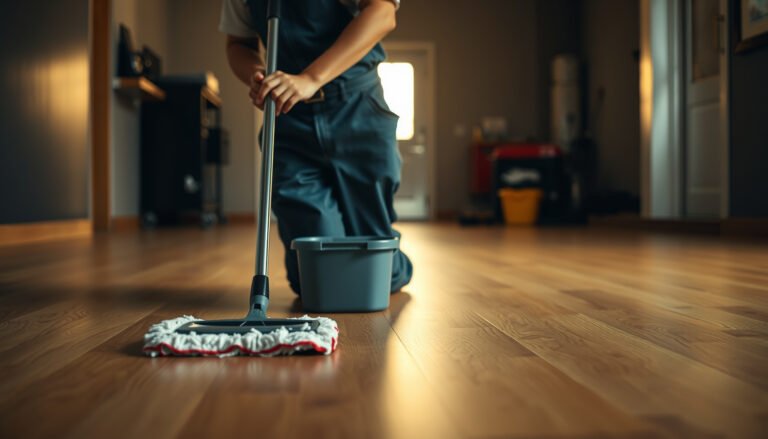
[…] to ASTM F1869, the calcium chloride test is run for 60–72 hours and reports moisture vapor emission rate in “lb per 1,000 sq ft per 24 hours.” Moisture control outcomes are only reliable when the test […]
[…] tested depth (expressed as a percentage). According to ASTM F1869, calcium chloride testing reports moisture vapor emission rate (MVER) in lb/1000 ft²/24h—an explicit unit used to compare against flooring […]