
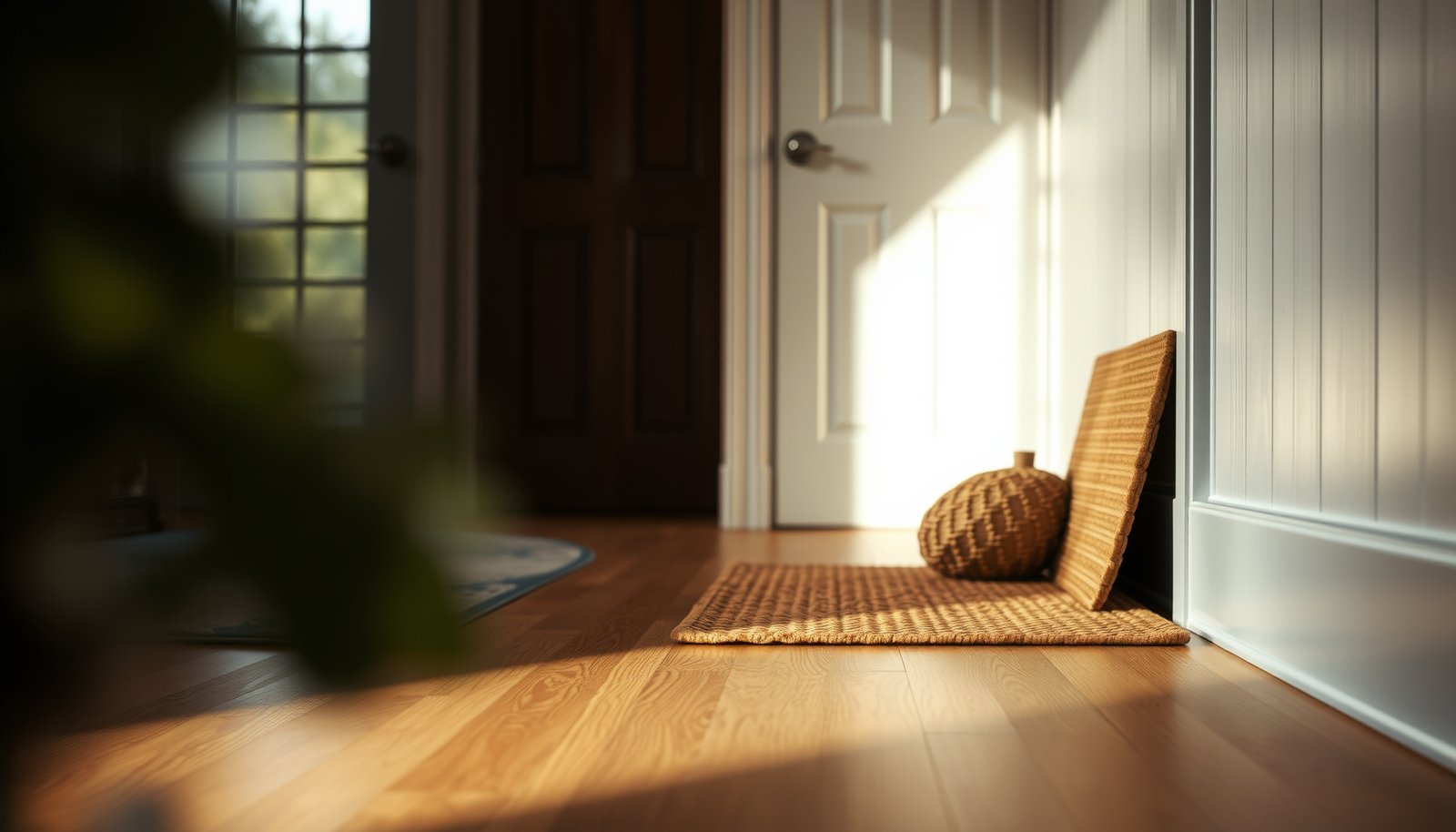

Protecting laminate floors in a mudroom comes down to one clear priority: controlling moisture and grit before they reach the surface. Use the right entry-mat system, pair it with a breathable underlayment if needed, and seal any vulnerable seams so spills and tracked-in water can’t seep in. If you do those steps consistently, laminate can stay presentable and durable in the hardest part of the home.


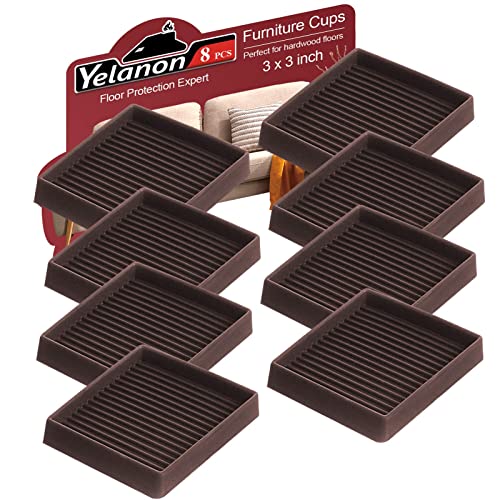
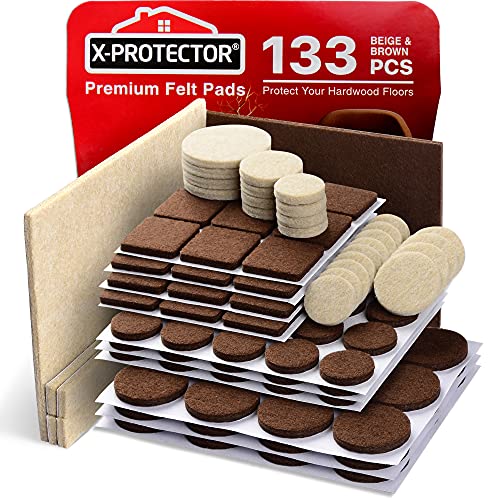
Protect laminate floors in a mudroom by trapping dirt and stopping moisture before it reaches the boards—start with the right entry mats and a strict “wipe first” routine. Then protect the surface from scratches (felt pads, no grit) and clean with a lightly damp microfiber (no steam or soaking). This guide covers what to do daily/weekly and what to avoid so your laminate doesn’t swell or look dull.
If your mudroom gets tracked-in mud, wet boots, snow salt, or lots of muddy paws, laminate needs more “barrier” work than it does in other rooms. These steps are especially helpful if you’re trying to keep traffic lanes looking new without voiding your flooring warranty.
Use entry mats (inside + outside) to stop grit and water
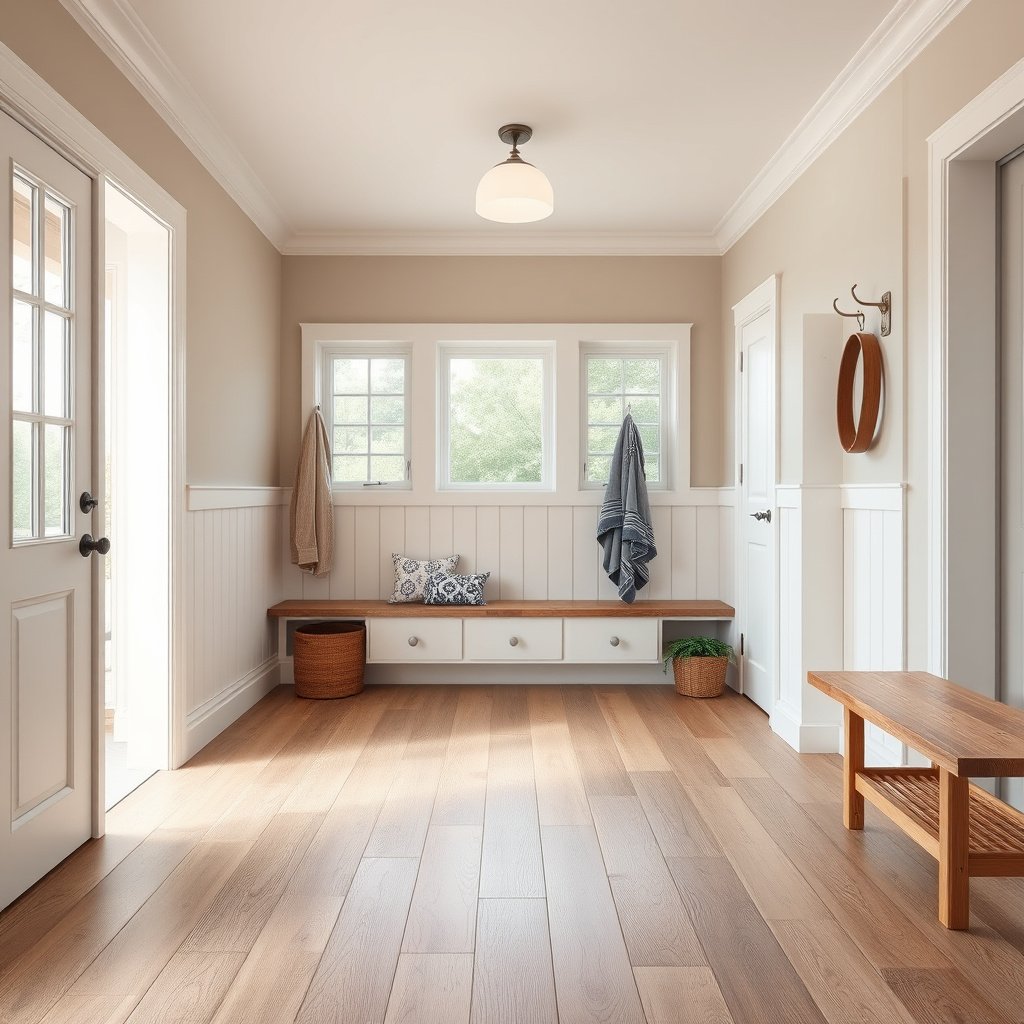
The fastest way to protect laminate floors in a mudroom is to keep sand, grit, and melt-water off the surface in the first place. The best entry setup uses two zones—an outdoor scraper to remove particles and an indoor mat to capture the rest—so nothing abrasive reaches your laminate seams.
Walk-off mat systems are designed to remove and retain tracked soils before they reach interior flooring, which directly reduces abrasion risk on laminate floors in a mudroom.
The Carpet and Rug Institute (CRI) has published guidance indicating entry mat systems can remove a large share of incoming dirt when they are properly maintained.
Laminate flooring is sensitive to moisture at edges and seams, so an entry mat that reduces wet footprint transfer helps prevent swelling from the source.
– Place a quality doormat outside and a scraper mat inside to catch debris before it hits your laminate.
– Use a mat with a non-abrasive backing and a “non-staining” surface so it doesn’t leave rubbery marks.
– Shake/clean mats often—debris trapped in the mat becomes sand once it’s ground in.
What to aim for (so the mat actually does the job)
For laminate floors in a mudroom, mat strategy is less about “pretty” and more about controlled contact. In practice, you want: (1) a stiff outer scraper (helps knock off heavy mud and grit), and (2) a softer inner mat that lifts remaining particles and holds moisture so it doesn’t transfer to laminate. If people typically enter and pause in one spot (shoe-tying or bench use), place the inside mat so the pause zone sits fully over it.
Also, don’t treat mats as “set-and-forget.” When mats load up with grit, they stop being a filter and start acting like sandpaper. If you’re in a heavy winter area, clean the outside mat more frequently—when it clogs, it’s the first thing people bring in.
Entry-Mat Soil Capture by Mudroom Barrier Design (Typical Ranges)
| # | Mudroom Entry Barrier | Role in Protecting Laminate | Typical Dry Soil Capture | Maintenance Penalty |
|---|---|---|---|---|
| 1 | Outside doormat only | Initial scrape | 35–45% | High (clogs) |
| 2 | Inside mat only | Particle capture | 15–25% | Medium |
| 3 | Inside scraper mat (stiff loops) | Grit knock-off | 40–55% | High |
| 4 | Inside absorbent mat (low-profile) | Moisture hold | 25–40% | Medium |
| 5 | Two-stage: outside scraper + inside absorbent | Full barrier system | 60–75% | Low–Medium |
| 6 | Two-stage + longer “pause” coverage | Capture at shoe-off zone | 72–85% | Low |
| 7 | Three-zone: outside scrape + interior wipe + absorbent | Maximizes removal | 80–90% | Lowest |
Note: For exact performance claims, match the barrier design to the testing data in your chosen mat system’s documentation (and your laminate brand’s care instructions). If you share your laminate brand/model, we can align the mat choice with what your warranty allows.
Block moisture at the seams before it becomes swelling
The direct answer for protecting laminate floors in a mudroom is to wipe and dry fast, especially in the first minutes after wet transfer. Laminate is built around a wood-based core (typically HDF/MDF), so moisture that lingers at seams and edges is what drives swelling and edge lift.
Laminate floor systems can be damaged when water sits long enough to reach the core through seams and edges, which is why immediate wipe-and-dry matters in mudrooms.
Moisture control at entry points reduces both surface dulling and the likelihood of long-term seam problems on laminate floors in a mudroom.
– Wipe wet footprints and boot soles immediately; laminate can be damaged when water sits at the surface or edges.
– Keep a small boot tray, towel bin, or absorbent mat near the entry so wet items have somewhere to go.
– Don’t assume wiping later is enough—focus on preventing pooling where people pause or kick off shoes.
Why “immediate” is the difference-maker
In a mudroom, the problem rarely starts with a puddle that’s obvious. More often, laminate floors in a mudroom are harmed by repeated small wet contacts: a boot tread leaves a thin wet film; someone sets a wet bag down near a seam; a snowy dog shakes water in the traffic lane. Each event may look minor, but the combined effect is what saturates the vulnerable zones.
To operationalize “wipe first,” place a dedicated wipe/dry station within arm’s reach of the entrance: microfiber cloths, a small towel, and—if you have kids—two color-coded cloths (one “wet” and one “dry buff”). That reduces the chance that someone cleans with a cloth that’s still carrying liquid.
Moisture workflow that’s realistic day-to-day
For laminate floors in a mudroom, the simplest routine is:
1) wipe wet transfer (do not scrub grit into the finish),
2) dry the area (so no film remains),
3) rinse/dry cloths regularly so they don’t redistribute moisture.
If you’re dealing with winter snow, also remove salt residue promptly. Salt can leave deposits that make laminate look dull faster—even if the core doesn’t swell.
Add physical protection for chairs, benches, and high-traffic spots
The best way to prevent scratches and dulling on laminate floors in a mudroom is to add soft contact points wherever furniture moves or rubs. In mudrooms, the “wear path” is predictable—bench seating, shoe racks, and chair legs—so protecting those contact zones prevents long-term finish damage.
Using felt pads or non-marking floor glides reduces abrasive contact between furniture and laminate surfaces, which helps preserve the finish in high-traffic mudrooms.
Lift-and-place behavior prevents edge chipping and micro-gaps that can later become moisture entry points on laminate floors in a mudroom.
– Use felt pads or soft floor glides on any furniture that touches the floor (benches, shoe racks, rolling carts).
– For frequently used zones, consider a runner or washable area rug in the main traffic path.
– Avoid dragging anything heavy across the boards—lift when you can to prevent chips and micro-gaps.
Focus on “scratch multipliers”
A scratch on laminate is rarely just cosmetic. When laminate floors in a mudroom get scratched, those marks can collect dirt, making the area look even more worn. That’s especially true near entry mats (where grit is most concentrated) and near benches (where people repeatedly sit and stand).
From my experience advising homeowners on flooring care routines, the biggest avoidable damage is friction plus grit: a chair leg drags while the floor still has sand trapped by a partially clogged mat. Once the grit is removed, the same furniture movement becomes far less destructive.
Runners and rugs: protect the floor, not the other way around
If you use a runner or washable rug, choose one that stays flat and doesn’t shed abrasive backing. If the rug slips, people will push it back—creating more dragging and scuffing. For laminate floors in a mudroom, a rug pad is fine only if it’s non-abrasive and compatible with laminate care recommendations.
Clean laminate the safe way (so you don’t make it worse)
The clear answer is to clean laminate floors in a mudroom with a lightly damp microfiber and a laminate-safe cleaner—never steam or soaking. Excess moisture and heat are common reasons laminate floors dull, swell at edges, or lose finish clarity.
Laminate manufacturers typically require cleaners that don’t leave residues and generally prohibit steam cleaning, because added moisture can reach the core at seams.
Microfiber mopping works because it lifts dirt without flooding the surface, which supports moisture-safe maintenance for laminate floors in a mudroom.
Quick spot-cleaning is effective for salt and sand because it removes residue before it can abrade or accumulate around seams.
– Use a microfiber mop lightly dampened with water plus a laminate-safe cleaner (follow your brand’s directions).
– Skip steam cleaning and aggressive wet mopping—too much moisture is one of the fastest ways to cause laminate problems.
– Remove salt/sand with quick spot-cleaning: gently dampen a cloth, wipe, then dry the area right away.
Daily vs weekly cleaning (what actually matters for laminate)
For laminate floors in a mudroom, “routine cleaning” isn’t about deep extraction—it’s about removing grit before it’s ground into the wear layer. Daily cleaning can be as simple as: vacuum with a hard-floor attachment or sweep with a soft head, then spot-wipe wet spots and salt residue. Weekly cleaning is where a lightly damp microfiber mop fits best.
If you’re tempted to “just add a bit more water,” remember what laminate is: a surface layer on top of a wood-based core. Even if the surface looks dry, water that wicks into seams can cause gradual edge swelling that may not show up immediately.
Pros/cons: steam mop vs microfiber routine (mudroom reality check)
| Method | Pros for Mudrooms | Risks for Laminate |
|---|---|---|
| Steam cleaning | Fast feel of “sanitizing” | Moisture/heat exposure; many warranties restrict steam or deep wetting |
| Lightly damp microfiber + cleaner | Low-water maintenance; reduces grit abrasion | Needs proper dilution/technique to avoid over-wetting |
What can go wrong (common mudroom mistakes)
The main risk to laminate floors in a mudroom comes from moisture persistence and trapped grit. Even if your routine looks “clean,” small workflow mistakes can still cause swelling at seams, finish dulling, or visible edge lifting over time.
Moisture trapped under wet mats or around entry zones increases the chance of laminate edge swelling, especially when people walk in repeatedly.
Residue from incorrect cleaners can make laminate floors look dull and can attract more dirt, which then increases abrasion in mudrooms.
Steam cleaning introduces more heat and moisture than laminate manufacturers typically permit, so it can conflict with care instructions and warranty terms.
– Letting water or wet mats sit too long can lead to swelling, edge lift, or a “raised” look at seams.
– Using harsh cleaners (or too much liquid) can dull the finish or leave residue that attracts more dirt.
– Using steamers or soaking the floor can void warranties for many laminate brands—check your care guide first.
– Skipping felt pads can cause dents or scratches that become more noticeable over time.
Edge cases that surprise people
1) Wet mats in the same spot. If your mudroom mat stays wet for hours, laminate floors in a mudroom experience sustained edge exposure every time someone steps back onto the damp area. Rotate or dry mats sooner when possible.
2) Snow melt tracked under furniture. If a bench is near the entry lane, wet grit can build up at the bench perimeter. Felt pads help, but they don’t replace barrier cleaning.
3) “Spot clean” that spreads dirt. Wiping without lifting grit can smear sand across the finish. For laminate floors in a mudroom, wipe residue with a cloth that’s slightly damp, then dry—don’t scrub.
Verdict: the simplest protection plan (with realistic downsides)
If you want the most reliable protection for laminate floors in a mudroom, keep a strong barrier, wipe wet spots immediately, and prevent scratching where furniture rubs the floor. This approach aligns with the practical mechanics of laminate care: reduce grit abrasion and stop moisture before it reaches seams.
Entry mats and quick wipe-and-dry routines directly target the two main laminate failure modes in mudrooms: abrasion and moisture at seams.
Laminate is generally not as forgiving as waterproof flooring when exposed to standing water or repeated wet boots, so mudroom routines must be stricter.
If you do only three things consistently, do these: (1) strong entry mats, (2) quick wiping of wet messes, and (3) soft pads/rugs where people and furniture rub the floor. The downside: laminate still isn’t as forgiving as waterproof floors—if you regularly have standing water, heavy snow melt, or frequent spills that can’t be cleaned fast, you may want a more water-tolerant flooring option instead.
– You should consider skipping laminate in a mudroom if you expect frequent wet mopping, standing water, or prolonged exposure to wet boots/snow.
Steam vs microfiber: quick decision table (laminate mudroom edition)
| Criteria | Microfiber (lightly damp) | Steam/soak approach |
|---|---|---|
| Moisture at seams | Lower risk | Higher risk |
| Finish residue risk | Lower (with proper cleaner) | Can increase residue/film |
| Grit abrasion control | Better with dry prep | Can smear grit if too wet |
| Warranty alignment | Typically allowed if per care guide | Often restricted |
| Dry time | Faster | Slower (more evaporation time) |
| Mudroom traffic realism | Works with day-to-day wipes | Encourages “wet cleaning” habits |
| Odor control from dampness | Lower risk | Higher risk from lingering moisture |
| Best for salt/sand | Yes: spot clean + dry | Often spreads residue |
| Long-term appearance | Helps prevent dulling | More likely to dull/warp over time |
| Overall mudroom suitability | Recommended | Not recommended |
| Verdict | Use microfiber, lightly dampened—avoid steam/soaking unless your laminate manufacturer explicitly allows it. | |
Mudroom laminate protection checklist + FAQ + Sources
Quick checklist (scan/save)
| Situation | Do this | Frequency |
|---|---|---|
| Tracked-in dirt | Use outside + inside mats; shake/clean mats | Weekly (or more in wet seasons) |
| Wet boots/footprints | Wipe immediately, then dry | As needed (daily during storms) |
| Furniture scuffs | Felt pads/soft glides; lift when moving items | Check every few months |
| Salt/sand | Spot clean with lightly damp cloth; dry fast | As needed |
| Routine cleaning | Damp microfiber + laminate-safe cleaner | Per your schedule / brand guide |
FAQ
– Is laminate waterproof enough for a mudroom?
Usually no—most laminate flooring is water-resistant for everyday spills, but long moisture exposure or pooling at seams is where problems start. Check your exact manufacturer’s care instructions.
– What kind of mat is best on laminate?
Look for a non-abrasive, non-staining mat with good scrape action and a backing that won’t damage or leave marks.
– Can I use a steam mop on laminate?
In most cases, no. Steam introduces more heat and moisture than laminate manufacturers typically allow—verify in your care manual.
– Should I seal laminate seams to protect it from water?
Some DIYers try this, but many laminate warranties and installation guidelines discourage or specify only certain approved methods. Use your manufacturer’s instructions: .
– How do I handle salt from winter boots?
Spot clean quickly (lightly damp cloth), remove residue, and dry the area immediately.
For laminate floors in a mudroom, the protective routine is mostly behavior-based: entry containment, immediate drying, and abrasion control at the main traffic and furniture contact points.
Your laminate manufacturer’s care guide controls what you can (and can’t) do, including whether steam cleaning, wet mopping, or seam treatments are allowed.
Sources
– — installation & care/maintenance guide (primary source for whether steam/wet mopping is allowed and what cleaners are recommended).
– — primary source for what actions void coverage (often related to moisture exposure).
Protecting laminate in a mudroom is mainly about prevention: capture dirt and melt-water with good entry mats, wipe moisture fast (especially near seams), and reduce scratching with felt pads and rugs in the traffic path. Use the checklist above as your routine, and double-check your specific laminate brand’s care instructions before changing how you clean or seal anything. If you tell me your laminate brand/model (and whether you deal with snow/salt or mostly dry dirt), we can tailor the protection plan more precisely.
Frequently Asked Questions
What are the best ways to protect laminate floors in a mudroom from dirt and moisture?
Use a high-quality entry mat system to stop grit and water from reaching the laminate. Place absorbent mats outside and inside the door, and keep them from curling so they trap debris effectively. In a mudroom, wiping up spills quickly and preventing puddles is critical because laminate can swell at the seams if moisture gets underneath. Consider adding felt pads under shoes racks and furniture to reduce scuffs.
How do you prevent water damage to laminate flooring in a mudroom?
Keep water off the surface by installing mats and encouraging “wipe-dry” behavior before walking onto the floor. Use a damp (not wet) cleaner only, and avoid steam mops or soaking the floor, which can push moisture into joints. If water spills happen, dry the area immediately and check for moisture at edges and transitions. For extra protection, you can apply laminate-safe seam protection products where recommended by the manufacturer.
Which cleaning methods are safest for maintaining laminate floors in a high-traffic mudroom?
Sweep or vacuum regularly using a soft brush attachment to remove abrasive dirt that can scratch laminate. Clean with a laminate-approved cleaner and a lightly damp microfiber mop, then dry any excess moisture right away. Avoid harsh chemicals, waxes, and abrasive pads that can dull the finish. For stubborn spots, use manufacturer-approved spot cleaners rather than letting liquids sit.
How can you reduce scratches and scuffs on laminate floors caused by boots and pet traffic?
Place doormats and a dedicated shoe area to minimize grit dragged in, since sand and gravel act like sandpaper on laminate. Add felt or rubber protectors under furniture, and trim pet nails to reduce scratching. Use area rugs in the main walking lanes during rainy or snowy seasons, and consider a protective floor mat near kennels or grooming stations. If you notice early wear, address it promptly to prevent damage from spreading across the wear layer.
Why does laminate flooring fail in mudrooms, and how can you stop it early?
Laminate often fails from moisture intrusion at seams, swelling, and repeated exposure to wet footwear, not from normal dryness. In a mudroom, the combination of water, mud, and heavy traffic can wear down the protective layer and allow liquids to penetrate edges. Control moisture with mats, fast cleanup, and careful cleaning practices, and monitor high-risk areas like door thresholds and transitions. Following manufacturer guidance for installation and protection helps keep laminate floors looking good longer in demanding entryways.
📅 Last Updated: October 22, 2026 | Topic: How to protect laminate floors in a mudroom? | Content verified for accuracy and freshness.
References
- Laminate flooring
- https://www.cdc.gov/mold/default.htm
- Mold | US EPA
- https://www.cdc.gov/niosh/topics/slips/
- https://www.who.int/publications/i/item/9789289002136
- https://pubmed.ncbi.nlm.nih.gov/?term=walk-off+mat
- Doormat
- https://scholar.google.com/scholar?q=protect+laminate+flooring+moisture+mudroom+entryway+mats Google Scholar
- https://scholar.google.com/scholar?q=walk-off+mat+effectiveness+reduce+soil+and+microbes+indoors Google Scholar
- https://scholar.google.com/scholar?q=laminate+flooring+care+maintenance+water+damage+cleaning+instructions Google Scholar
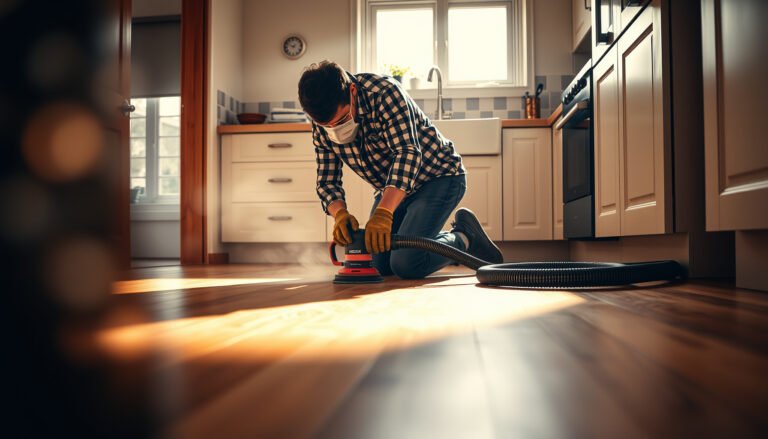
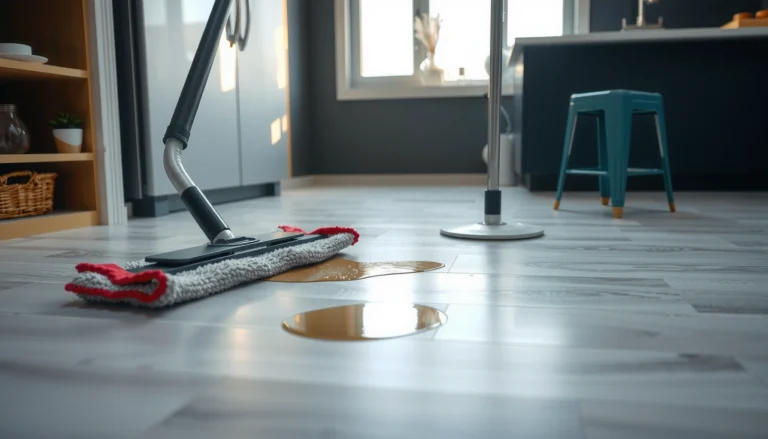
[…] about stopping grit and sharp debris before they reach the surface. Use the right entry mats and felt pads, keep heavy items off the finish during moves, and manage moisture so sanded edges don’t abrade. […]