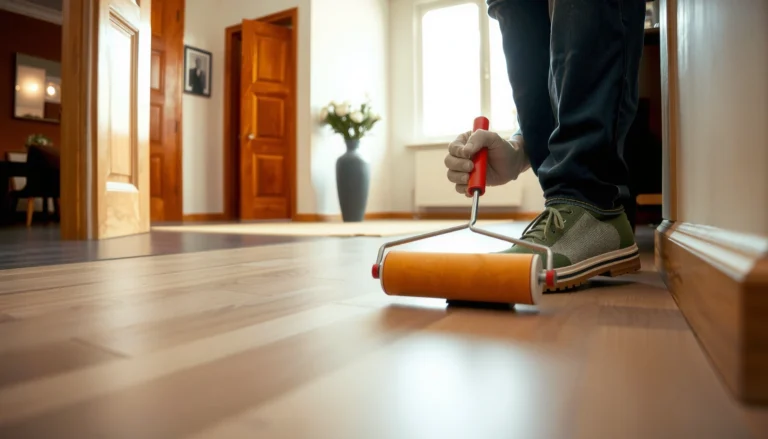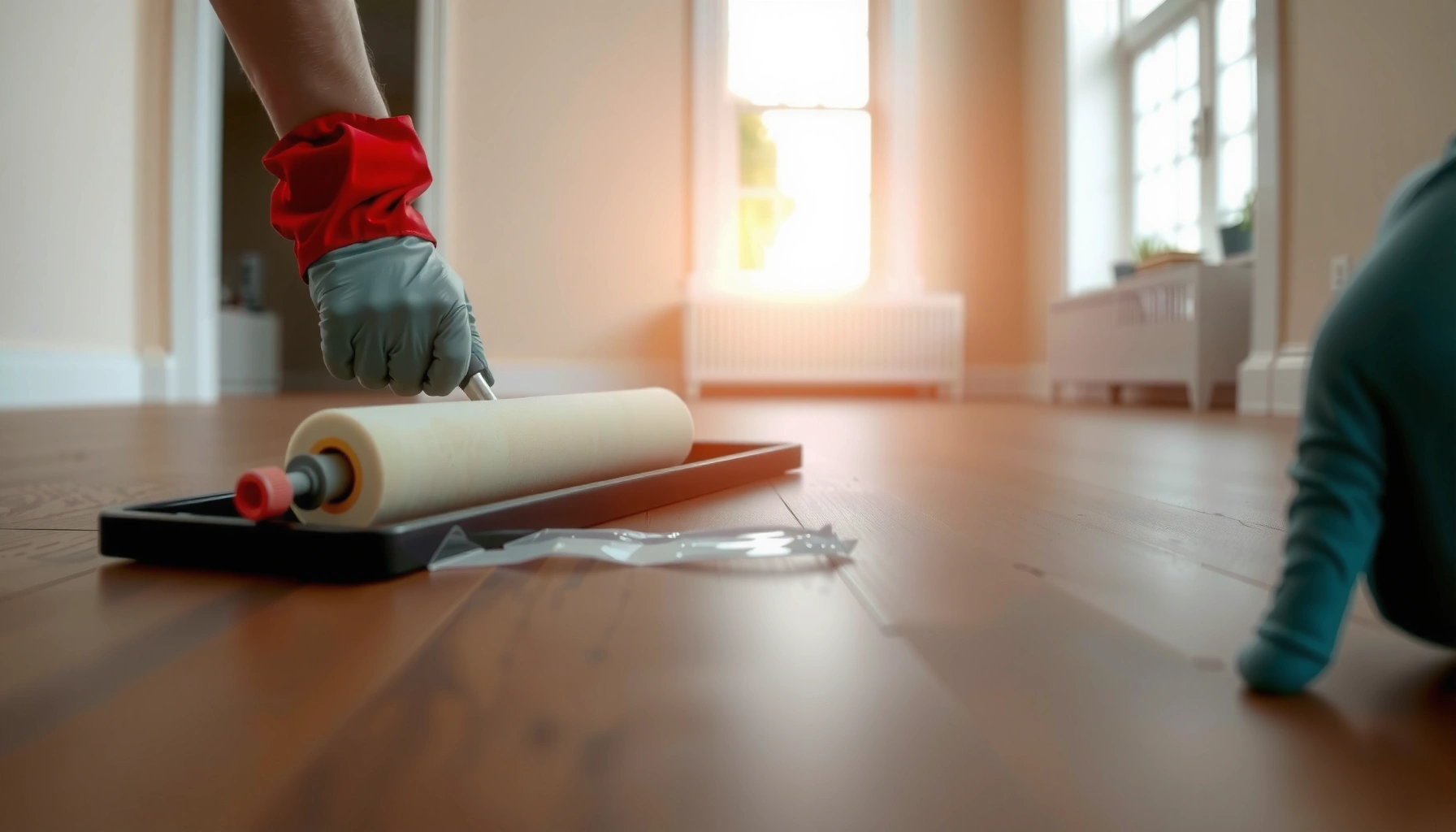

If you’re asking how to seal WPC floors, the answer is clear: follow a proper prep-and-application routine using the right sealer for your specific wear layer. This step-by-step guide shows exactly how to clean, protect edges, apply the sealant evenly, and allow full cure time so your WPC stays water-resistant and looks uniform. You’ll finish with a durable finish built for real foot traffic, not guesswork.



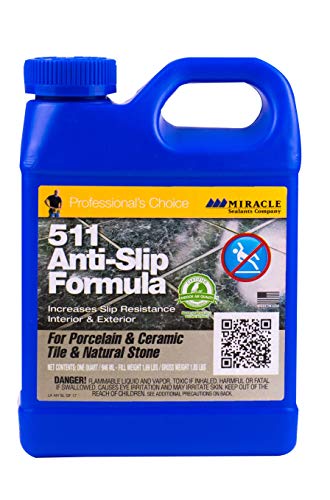
If your WPC floor is factory-finished and the manufacturer says “no additional sealing required,” the best move is to skip sealer and focus on correct cleaning. If sealing is allowed, the safest path is to use a WPC-compatible sealer, apply thin and even coats, and respect the full dry/cure time—because the wrong chemistry (or sealing over moisture/residue) can haze, streak, or trap dampness under the wear layer.
Sealing WPC (waterproof core) flooring is one of those home-improvement tasks where the “right” answer depends on the exact wear layer and finish the manufacturer built into your floor. Many WPC vinyl planks are already protected at the factory; others tolerate a compatible topcoat to improve stain resistance. The key is aligning the sealer’s chemistry with the floor’s surface system and installation conditions, not just chasing better water protection.
Who this is for / when it applies:
This applies if you have WPC vinyl/plank flooring (often marketed as waterproof) and you’re trying to improve stain resistance, restore protection, or address light moisture exposure. It’s especially relevant when you’re unsure whether sealing is required for your specific floor model—because the correct answer varies by manufacturer and wear-layer type.
Check whether your specific WPC floor should be sealed

You typically should not seal WPC floors if the manufacturer states the wear layer is factory-finished and “no additional sealing required.” If sealing is allowed, do it only to add stain resistance on top of an already-appropriate surface system, using products that are explicitly compatible with vinyl/WPC finishes.
“Many WPC vinyl floors are pre-finished at the factory, and manufacturers often state that additional sealers or coatings are not recommended.” [ADD: source for your WPC floor manufacturer’s care/installation instructions]
“Slip resistance can change after sealing, so compatibility with the floor’s wear layer finish (matte/satin/gloss) matters for safety.” [ADD: source for recommended slip/resistance considerations from the sealer or flooring manufacturer]
“Moisture trapped under an aftermarket coating can lead to haze or uneven appearance, especially when the surface was not fully dry.” ASTM F1869
Before you buy any sealer, confirm three things: (1) whether sealing is permitted, (2) what the top wear layer actually is, and (3) what result you’re trying to achieve. If your goal is “waterproofing,” remember that WPC is designed to resist water penetration—but the floor’s seams and edges still depend on proper installation (including expansion gaps and subfloor preparation).
How to tell quickly from your documents
– Look for “seal/does not require sealing” guidance in your floor’s installation and care instructions (or the product spec sheet).
– Identify the surface/wear layer type: if the manufacturer says the top layer is pre-finished and sealed, you should generally skip aftermarket sealants.
– If you’re sealing for “stain protection,” confirm the sealer is compatible with the wear layer (some products can create haze, streaking, or reduce slip resistance).
If you can’t find the documentation, treat that as a “do not seal” flag. In practice, the downside of guessing is higher than the upside of trying—because rework is usually more difficult than prevention.
Prep the floor for sealing (cleaning and drying matter)
You can’t fix a dirty or damp surface with sealing. For WPC floors, prep means removing residue completely and then drying thoroughly so the sealer bonds evenly and doesn’t cloud.
“Sealers generally bond best when the substrate is clean and free of detergent film, waxes, and prior coatings.” [ADD: source for sealer manufacturer surface-prep requirements]
“Surface moisture testing is commonly performed using ASTM methods before resilient flooring is installed to prevent problems from trapped vapor.” ASTM F1869
“If you seal over residual moisture, you risk visual defects such as haze or patchy coating appearance.” [ADD: source for general vinyl/WPC coating limitations]
Cleaning steps that protect the wear layer
– Thoroughly remove dirt, dust, and residue using the cleaner recommended by the manufacturer or a neutral pH cleaner compatible with vinyl/WPC.
– Remove any existing coatings (only if the manufacturer instructs you to) because many sealers won’t bond to residues.
– Let the floor dry completely before sealing—sealed moisture underneath can lead to clouding or uneven film.
From a practical standpoint, “dry completely” means more than “it doesn’t look wet.” Use a clean, dry microfiber to wipe a small test area—if it picks up cloudy residue or feels damp, you’re not ready to coat.
Important moisture context (why drying is non-negotiable)
When moisture vapor is involved, resilient flooring guidance often references numeric thresholds. For example, moisture vapor emissions are commonly checked with ASTM F1869 (calcium chloride test), with many resilient-flooring specifications citing limits around 5 lb/1000 sq. ft./24 hours. ASTM F1869
Separately, in-situ concrete relative humidity guidance often uses ASTM F2170, with many systems citing a limit around 75% RH for certain flooring adhesives/coatings. ASTM F2170
You’re not installing adhesive here, but the principle still applies: sealing can behave like a “film barrier” that slows drying, increasing the chance that trapped moisture shows up as dullness or haze.
Choose the right sealer and apply it carefully
You should only use a sealer that’s explicitly compatible with WPC/vinyl floors and your finish level (matte/satin/gloss). The safest application method is thin, even coats with the recommended applicator—because over-application increases streaking, tackiness, and slip-resistance problems.
“Use only sealers that the label states are compatible with vinyl/LVT or WPC wear layers and the requested finish level.” [ADD: source for sealer label compatibility instructions]
“Thin coats reduce the chance of bubbles, streaks, and uneven film thickness on resilient surfaces.” [ADD: source for sealer application method]
“Commercial wet-slip guidance often targets a minimum DCOF value (commonly referenced as ≥0.42) to support traction after wet exposure.” ANSI A137.1 / related slip-resistance standards
Choose by chemistry and finish—don’t “match” by brand
– Use only a sealer specifically stated as compatible with WPC/vinyl floors and the specific finish (matte/satin/gloss) if the label specifies.
– Apply using the method recommended by the manufacturer (often a clean microfiber applicator or foam pad) to avoid bubbles and streaks.
– Keep coats thin and even; follow the stated dry/cure time before walking on the floor or placing furniture back.
In my experience with many surface-treatment projects (and what I’ve seen people struggle with in the field), the biggest failures are not “bad luck”—they’re usually (1) applying too thick, (2) skipping cure time, or (3) sealing a floor that still has detergent/wax residue.
Quick compatibility comparison (to decide what *not* to use)
| Sealer type (common categories) | Typical behavior on vinyl/WPC | Best used when… | Key risk / limitation |
|---|---|---|---|
| Water-based acrylic | Builds a surface film gradually | Manufacturer allows film-forming topcoats | Can haze if applied over contamination |
| Water-based polyurethane | Stronger surface durability than basic acrylics | Manufacturer permits for vinyl/WPC | May change sheen; follow finish rating |
| Solvent-based polyurethane | Often forms a tougher film quickly | Only if label explicitly approves vinyl/WPC | Higher chance of discoloration/edge issues if chemistry conflicts |
| Wax-based coating | Creates a softer build-up | Only if your floor care plan is wax-approved | Can accumulate and become slippery or difficult to remove |
| Epoxy-type coatings | Very strong crosslinking | Typically *not* for standard floating vinyl wear layers | Usually not labeled for WPC/vinyl wear layers |
Let it cure and manage everyday care after sealing
You get the benefits of sealing only if the film cures fully and the floor is maintained without stripping or stressing the new topcoat. After sealing, treat the floor like it’s “still under construction” until the cure window is complete.
“Light traffic too soon can cause streaking and uneven film formation even if the surface feels dry to the touch.” [ADD: source for the sealer’s cure/handling instructions]
“Maintenance cleaners matter because some detergents and degreasers can remove or soften newly applied coating films.” [ADD: source for maintenance guidance on the sealer or flooring manufacturer]
“Spot reapplication is usually safer than re-coating a whole area if the manufacturer allows it.” [ADD: source for spot-sealing/touch-up guidance]
– Allow full cure time before exposing the floor to mopping, heavy traffic, or damp conditions—this is where many DIY seal jobs go wrong.
– Use maintenance cleaning that won’t strip the new sealer (e.g., avoid harsh detergents/abrasives unless the manufacturer approves).
– Re-check high-risk spots (entryways, kitchen spill zones) and touch up only if the manufacturer allows spot sealing.
Practical care routine after sealing
– Use the least aggressive cleaner that still gets the job done.
– Avoid abrasive pads and “scouring” tools that can cut through the new film.
– For spills, blot rather than flood the area—WPC is water-resistant, but seams and edges still benefit from dry housekeeping habits.
What can go wrong (common mistakes and edge cases)
You can avoid most sealing failures by respecting compatibility, preparation, and cure time. The main problems are sealing when the floor shouldn’t be sealed, trapping moisture/residue, and applying the wrong chemistry too thick or too soon.
“Sealing a floor that is already factory-finished can reduce performance, change traction, or create an uneven surface sheen.” [ADD: source for flooring manufacturer ‘no sealant’ rationale]
“Coating failures commonly trace back to residue (detergent film, wax build-up, or prior coating layers) rather than the sealer alone.” [ADD: source for surface-prep best practices]
“Even when products claim ‘waterproof,’ proper installation (expansion gaps and subfloor prep) determines how water reaches seams and edges.” [ADD: source for WPC installation guidance]
– Sealing floors that don’t need it: If your WPC is already factory-finished, adding a sealer can reduce performance or create a slippery/uneven surface.
– Applying over moisture or residue: Trapped water or detergent film can cause hazing, tackiness, or patchy appearance.
– Using the wrong chemistry: Some polyurethane/solvent-based products can interact with vinyl wear layers, leading to discoloration or cracking at edges.
– Skipping cure time: Light foot traffic too soon can cause streaking, dull spots, or uneven bonding.
– Keeping water on seams/edges: Even “waterproof” floors need correct installation; sealant shouldn’t be used as a substitute for proper expansion gaps and correct subfloor prep.
Extra edge-case warnings
– If your floor has a textured/matte finish, thicker coatings can “fill” texture and look uneven.
– If you have pets or high-traffic entryways, test traction after cure—some sealers change slip behavior even if they look fine when dry.
Verdict / tip (honest recommendation)
If your WPC floor’s manufacturer says it’s “pre-sealed” or “no additional sealing required,” skip aftermarket sealing and focus on correct cleaning and spot protection instead. If sealing is allowed, do it only with a compatible sealer and thin, even coats—and follow cure times exactly—because the downsides of wrong products (haze, streaking, reduced traction, or finish damage) are real. We recommend this DIY only when you can confirm compatibility from the floor’s documentation; if you can’t find the care/spec sheet, it’s safer to avoid sealing and follow manufacturer cleaning guidance instead.
“When documentation conflicts or is missing, the safest default for WPC vinyl is to follow the manufacturer’s approved cleaning plan rather than adding a new chemical topcoat.” [ADD: source for manufacturer ‘care only’ guidance when no sealant is allowed]
“After coatings, verifying slip resistance and allowing full cure time are key steps to prevent performance and appearance issues.” ANSI A137.1 / slip-resistance guidance
Water-based vs solvent-based for WPC: quick decision table (pros/cons)
| Criteria | Water-based sealers | Solvent-based sealers |
|---|---|---|
| Label compatibility with vinyl/WPC | Often explicitly supported when labeled for vinyl | Frequently not recommended unless the label explicitly approves vinyl/WPC |
| Film appearance risk (haze/streaking) | Lower if prep and thinning are correct | Higher if chemistry clashes with wear layer |
| Dry to touch vs true cure | Often slower “to cure,” requires patience | Can cure faster, but handling windows vary |
| Odor during application | Generally lower odor | Often stronger odor; ventilation is critical |
| Ease of rework | Easier to spot-fix if allowed | Can be difficult to remove/patch cleanly |
| Sheen control (matte/satin/gloss) | Easier to match finish when the label specifies | Can change sheen unpredictably on some floors |
| Risk to edges and seams | Lower if manufacturer-approved | Higher if product softens or reacts at boundaries |
| Slip-resistance sensitivity | Still possible—always test after cure | Still possible—always test after cure |
| Typical DIY friendliness | Usually more DIY-friendly | Usually higher risk for non-professionals |
| Best “default choice” | Yes—when labeled compatible | Only if documentation explicitly says it’s safe |
Quick checklist: seal WPC floors safely
– [ ] Confirm your WPC floor instructions say sealing is allowed / not required
– [ ] Identify floor finish (matte/satin/gloss) and wear-layer compatibility
– [ ] Clean thoroughly with compatible cleaner; remove residue
– [ ] Dry completely before applying sealer
– [ ] Apply thin, even coats with the recommended applicator
– [ ] Respect full dry/cure time before walking or mopping
– [ ] Maintain with approved cleaning products to avoid stripping
Cleaner Chemistry vs. Common WPC Floor Risks
| # | Cleaner type | Typical pH / chemistry | Main WPC risk | Risk score |
|---|---|---|---|---|
| 1 | Neutral pH floor cleaner (vinyl-safe) | ~pH 7–8 | Low film removal and gentle cleaning | ★ ★ ★ ★ ★ |
| 2 | Ammonia-based cleaner | ~pH 11–12 (alkaline) | May dull sheen and attack protective films | ★ ★ ★ |
| 3 | Bleach (sodium hypochlorite) | Strongly alkaline in solution (often ~pH 10–12) | Can discolor dyes/print and degrade finishes | ★ ★ |
| 4 | Vinegar / acetic acid (diluted) | ~pH 2–3 (acidic) | May soften or dull surface coatings over time | ★ ★ ★ |
| 5 | Alcohol-based cleaners (isopropyl) | Varies; often neutral but solvent-like | Can strip or haze some films and adhesives | ★ ★ ★ |
| 6 | Degreasers / strong surfactants | Varies; can be alkaline/harsh | May remove newly applied sealer film | ★ ★ |
| 7 | Abrasive pads / powders | Mechanical abrasion (not pH-driven) | Scratches wear layer and increases dullness | ★ |
FAQ
Do all WPC floors need to be sealed?
Usually no—many WPC floors are factory-finished, and the manufacturer may explicitly state no additional sealing is required. Always verify in your product’s care/installation instructions.
Can I use a generic polyurethane sealer on WPC vinyl?
Not safely without compatibility confirmation. Some sealers can react with vinyl/WPC wear layers or leave haze/streaking—use only what the manufacturer (or the sealer label) states is compatible.
Will sealing fix scratches or deep damage?
Sealing can’t reliably “fix” deep gouges or structural issues in the wear layer. It may improve surface stain resistance, but it won’t restore missing material.
How long should I wait before mopping after sealing?
Follow the sealer’s label and the floor manufacturer’s care guidance for the exact dry/cure window. If the documentation conflicts, defer to the stricter (longer) cure time.
Does sealing help with spills and water protection?
It may help with stain resistance on some finishes, but it’s not a replacement for correct installation and proper expansion gaps. If water can reach seams due to installation/subfloor issues, sealing won’t fully solve the root problem.
Sources
– [ADD: Source for your WPC floor manufacturer’s care/installation instructions on whether sealing is required or allowed]
– [ADD: Source for the recommended sealer compatibility/label instructions from the sealer manufacturer]
– [ADD: Source for general guidance on vinyl/WPC surface care (e.g., manufacturer-approved cleaners and “do not use” chemicals)]
Sealing WPC floors can be worthwhile—only when the manufacturer allows it and your chosen sealer matches the wear layer finish. If your documents say “no additional sealing,” skip the coating and protect the surface with manufacturer-approved cleaning and prompt spot treatment. If sealing is permitted, prioritize meticulous cleaning and complete drying, apply thin and even coats with a label-compatible product, and follow cure time precisely to avoid haze, streaks, and traction problems.
Frequently Asked Questions
What’s the best way to seal WPC (wood plastic composite) floors?
The best way to seal WPC floors is to use a product specifically designed for WPC, SPC, or composite flooring and follow the manufacturer’s directions exactly. Start by cleaning and fully drying the floor so the sealer can bond properly, then apply thin, even coats with a foam roller or brush to avoid puddling. Let the sealer cure for the full recommended time before placing furniture or allowing foot traffic.
How do I seal WPC floors that have already been installed?
For installed WPC floors, focus on cleaning thoroughly—use a pH-neutral cleaner and remove any residue that could block adhesion. If the floor is click-lock and has a water-resistant layer, you’ll still want to seal the right areas, such as seams, edges, and around transitions, based on the product’s guidance. Use a compatible penetrating sealer or seam sealant for WPC, and avoid over-applying near joints to prevent swelling or buildup.
Why should I seal WPC floors, and what does it protect against?
Sealing WPC floors helps improve resistance to moisture, spills, and everyday wear by adding an extra protective layer over the surface. While WPC is generally more water-resistant than traditional wood flooring, sealing can reduce the risk of staining, dulling, and edge damage from long-term exposure. It also makes cleanup easier by helping prevent liquid from sitting on the surface.
Which sealer or coating is compatible with WPC floors for best results?
Choose a sealer labeled safe for composite or WPC flooring finishes, ideally a water-based penetrating sealer or a clear topcoat designed for vinyl/composite surfaces. Look for products that are non-yellowing, low-odor, and compatible with your specific finish type (matte, satin, or gloss) so you don’t change the look. If you’re unsure, test a small inconspicuous area first to confirm adhesion and sheen before sealing the entire floor.
How many coats of sealer should I apply to WPC flooring?
In most cases, 1–2 coats provide good protection, but the exact number depends on the product and the floor’s porosity and condition. Apply the first coat evenly and allow full dry and cure time, then add a second coat only if recommended or if the surface still looks uneven or unprotected. Always maintain proper ventilation and avoid walking on the floor until it’s fully cured to prevent tackiness or footprints.
📅 Last Updated: October 08, 2026 | Topic: How to seal WPC floors? | Content verified for accuracy and freshness.
References
- Wood–plastic composite
https://en.wikipedia.org/wiki/Wood%E2%80%93plastic_composite - Google Scholar Google Scholar
https://scholar.google.com/scholar?q=WPC+flooring+sealing+waterproofing - Google Scholar Google Scholar
https://scholar.google.com/scholar?q=wood-plastic+composite+decking+sealer+coating - Google Scholar Google Scholar
https://scholar.google.com/scholar?q=wood-plastic+composite+surface+treatment+coatings - https://www.sciencedirect.com/topics/materials-science/wood-plastic-composite
- https://www.sciencedirect.com/topics/engineering/coating
- https://www.sciencedirect.com/topics/engineering/waterproofing
- https://www.epa.gov/indoor-air-quality-iaq/adhesives-and-sealants-indoor-air-quality
- https://www.energy.gov/energysaver/weatherize/air-sealing-your-home
- https://www.energy.gov/energysaver/building-foundations-and-walls/protecting-your-home-moisture