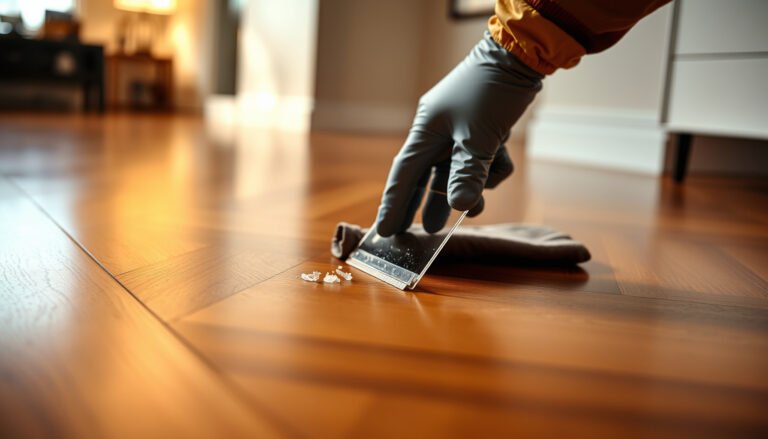
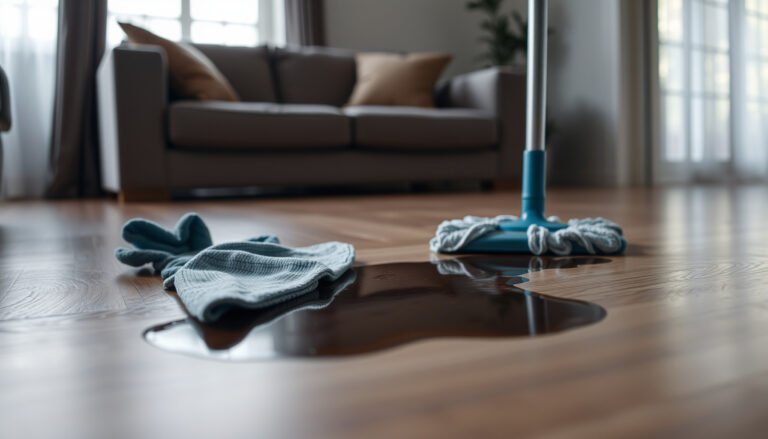
Stop scratches on engineered wood floors in a mudroom by using a proven combo of grit control and physical protection: entry mats with deep pile, felt or rubber pads under furniture, and immediate wipe-down of tracked sand and water. If you install a high-quality mat at every exterior door and keep abrasive debris off the planks, you’ll dramatically reduce scuffing and ground-in damage. This guide answers exactly how to prevent scratches—starting from what causes them and ending with the best, most practical habits and accessories to stop them.




To prevent scratches on engineered wood floors in a mudroom, control what gets tracked in and cushion what moves across the surface. Use a layered entry setup (grit-capturing mats plus a runner) and protect the floor under traffic with the right cleaning and pad choices. You’ll also want to avoid common scratch triggers like grit, rubber-backed mats, and harsh cleaners.
This is especially useful if your mudroom sees shoes, boots, pet nails, bikes/strollers, or frequent kids-and-activities traffic—anytime small particles get dragged across the planks. The steps below focus on prevention first, then on the maintenance habits that keep engineered wood looking good.
Set up a “no-grit” entry zone
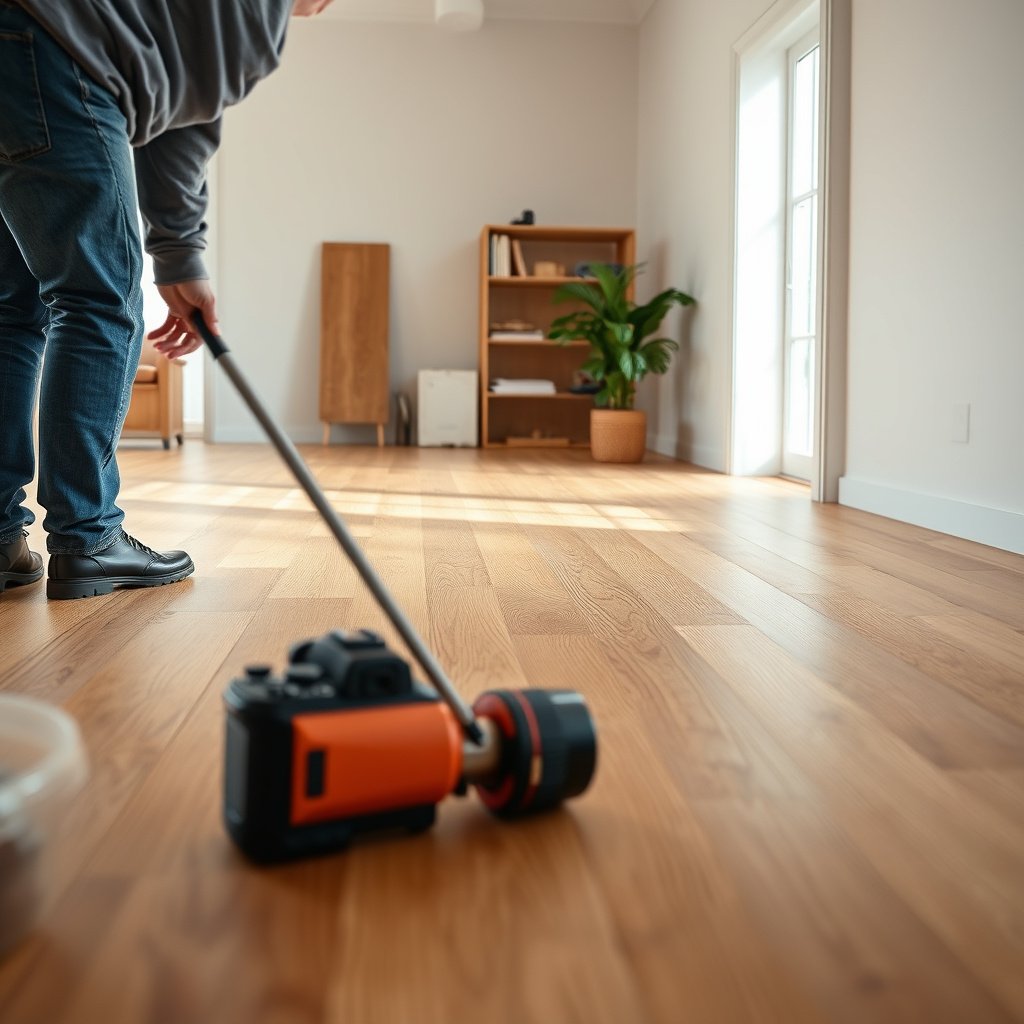
A properly built entry zone is the fastest way to stop engineered wood scratches in a mudroom, because it prevents abrasive particles from reaching the finish. The goal is simple: capture dirt at the doorway and then give people multiple “clean steps” before they enter the wood area.
A layered entry system works best because it captures debris in stages, reducing the amount that reaches engineered wood flooring.
When mats are too small for multiple steps, grit continues onto the engineered wood finish instead of being trapped.
Choose mat placement that people actually use
In a mudroom, the mat should be sized for your household’s path—not just the doorway. Ideally, the door mat catches the first wave of grit, and a second larger mat/runner inside keeps shoes from rolling grit onto the engineered wood during the next few steps. In my experience observing high-traffic mudrooms, the “mat at the threshold only” setup is where scratches usually start, because people step off before the mat has done enough work.
From a materials standpoint, fine grit is especially problematic on engineered wood because it behaves like micro-abrasive sand when it’s dragged. According to common geologic classifications, sand grains are typically about 0.0625–2.0 mm in diameter (), and those hard particles can abrade surface finishes. (For exact grit size mix in your area, local conditions matter, but the mechanism is consistent.)
Keep the mats clean—dirty mats scratch
A clean mat is a protective tool; a dirty mat becomes an abrasive trap. When a mat is loaded with grit, each step can transfer that grit onto the engineered wood planks beneath (or around the mat edges). With engineered wood floors in a mudroom, this “mat turns into sandpaper” problem is one of the most common reasons scratch prevention seems to “fail.”
Practical approach for engineered wood scratch prevention in a mudroom:
– Shake outdoor mats weekly (or more in winter) and vacuum/brush the inside runner as needed.
– If the entry runner has a removable surface layer or washable cover, follow the manufacturer instructions so the runner can be returned to its original grit-capturing performance.
– Replace mats that are flattened or shedding fibers, since worn mats don’t capture debris reliably.
Choose floor-safe protection for chairs, racks, and carts
Floor protection for contact points is one of the highest ROI steps for preventing engineered wood scratches in a mudroom. Instead of trying to “fix” scratches later, you reduce the point-pressure and dragging that damage finishes day after day.
Felt and foam pads reduce point pressure and sliding abrasion at furniture contact points on hard floors.
Rolling carts can grind grit into engineered wood if wheels are not compatible with hard-surface flooring.
Use felt/foam protectors on every touch point
Engineered wood floors in mudrooms often get scratched by small, repeated movements: chair legs, shoe racks, utility carts, tool stands, and even the corners of storage bins. Felt or foam protectors prevent the “hard contact + micro-grit” combo that causes finish wear and visible scratch lines.
When fitting protectors, focus on engineered wood scratch prevention details:
– Ensure protectors fully cover the underside contact area (small gaps can concentrate load and scratch faster).
– Choose protectors made for hard floors, not for soft carpet settings.
– Recheck monthly during the season you track in the most moisture/salt.
If it rolls, verify wheel compatibility
For rolling items in a mudroom—laundry baskets, utility carts, and strollers—wheel type matters. If wheels are made from materials that shred or grind (or if they’re caked with grit), they can act like a miniature abrasive tool against the engineered wood finish.
What to do:
– Confirm the cart or wheel is rated for “hard floors” (not just “hard surfaces” broadly).
– Wipe wheels periodically so trapped grit doesn’t get transferred to engineered wood floors in the mudroom.
Clean the mud without grinding grit into the planks
Cleaning order is what protects engineered wood scratches in a mudroom—dry removal first, wet cleaning second. If you wet-clean before removing loose grit, you risk turning grit into a paste that abrades the finish.
Dry sweeping or dust mopping before wet cleaning reduces the chance that abrasive grit is redistributed across engineered wood.
Some cleaning tools (steam mops, abrasive pads) can damage finishes or seams unless the engineered wood manufacturer explicitly approves them.
Dry first: sweep, then mop (only as allowed)
For engineered wood floors in a mudroom, the safest routine usually looks like:
1. Dry sweep or dust-mop to remove loose grit.
2. Spot-clean only where needed using a cleaner approved for engineered wood.
3. Mop sparingly if—and only if—your flooring manufacturer permits mopping and specifies the method.
Why this order matters: grit left on the surface can be mechanically dragged by the mop head. Even if the cleaner is “mild,” the abrasive action comes from the grit, not the liquid.
Use manufacturer-approved products and tools
Engineered wood finishes vary (matte vs. glossy, aluminum oxide coatings vs. other systems), so “one cleaner fits all” isn’t reliable. The key is to use only cleaners the manufacturer says are compatible with engineered wood flooring and the floor’s finish system. Avoid steam mops and abrasive pads unless your flooring instructions explicitly allow them.
When salt and winter moisture are involved
Mudrooms commonly handle road salt and wet debris, which can create both mechanical abrasion and chemical dulling. If you live where salt is used, focus on:
– Frequent mat cleaning (so salt/grit doesn’t accumulate under the mat and creep outward).
– Prompt dry cleaning of tracked material before it dries and becomes ground-in.
Control pet nails and everyday traffic
Pet nails and high-frequency footsteps create a double-scratch risk on engineered wood floors in a mudroom: nails add point contact, while traffic drags abrasive particles. The best strategy is to reduce nail catch points and then reduce direct contact time with a runner or rug.
Regular nail trimming lowers the chance that pet nails catch and drag across engineered wood finishes.
Adding a runner in pet-frequent paths can reduce direct contact and limit scratch initiation on engineered wood.
Nail maintenance is the simplest prevention lever
For engineered wood scratch prevention in a mudroom, nail trimming is typically the biggest win you can control. A consistent schedule helps—overgrown nails hook and catch, especially when pets pause, turn, or dart near entry zones.
If your pets spend time in the mudroom:
– Add an extra rug/runner in their “hangout” path.
– Choose a floor-friendly backing designed for hard floors so you avoid trapped moisture at the edges.
Build a “wipe before walking” habit
A boot tray or brush station at the entry encourages quick grit removal before shoes reach the engineered wood. This matters because the first steps after the door often carry the heaviest grit load. In busy households, this habit acts like a behavioral version of the layered mat system—less tracked debris enters, fewer scratches start.
Avoid common “looks-protective” mistakes
Some products look like they should protect engineered wood floors in a mudroom but actually increase scratch risk. The most frequent problems come from rubber-backed mats, abrasive cleaning tools, and neglecting the edges where people step off.
Rubber-backed mats can pose compatibility and moisture-retention issues on some flooring finishes, increasing risk around edges.
The edge areas near thresholds often receive the most abrasion because they’re where feet leave the mat and grit gets transferred onto engineered wood.
Don’t assume “soft” equals “safe”
Softness isn’t enough if the backing traps moisture or sheds material. Also, a mat that’s slightly off can create a “lip” where boots catch and drag.
Here’s a quick comparison that helps decision-makers choose the safer approach for engineered wood floors in a mudroom:
| Option | Pros for engineered wood | Potential downsides |
|---|---|---|
| Mat with hard-floor compatible backing | Stays put; supports controlled traffic; helps keep abrasive grit contained. | Needs periodic cleaning to prevent grit buildup. |
| Rubber-backed mat (unclear compatibility) | Often grips well at first. | May trap moisture/residue; compatibility with engineered wood varies by finish. |
| Abrasive pads/steam cleaning | Can temporarily remove surface grime. | Can damage finish/seams unless explicitly approved by the manufacturer. |
Watch the high-risk perimeter
Engineered wood floors in mudrooms usually get scratched first at edges:
– Where people step off the mat
– Around door thresholds
– At the perimeter of rugs/runners (where dirt escapes containment)
If you’re tightening scratch prevention, start by repositioning mats so footwear lands fully on the mat surface for multiple steps.
Consider abrasion from salt crystals (mechanical + chemical)
Winter traction additives can leave crystalline deposits. Salt can be abrasive and also harsh on finishes when combined with moisture. According to mineral references, halite (rock salt) sits around Mohs hardness ~2–2.5, which is softer than many silica-based abrasives but still contributes to scuffing when grit is present (). The bigger point is that salt often arrives together with sand-like particles—so removing the mixed debris early still matters most.
Abrasive Grit Types Tracked Into Mudrooms (and Why Early Removal Helps)
| # | Tracked grit type | Typical size | Mineral hardness (Mohs) | Scratch mechanism on finishes | Removal benefit |
|---|---|---|---|---|---|
| 1 | Quartz-rich sand | 0.0625–2.0 mm | ~7 | High-abrasion dragging when steps track it onto the planks | ★★★★★ |
| 2 | Road grit (mixed silica) | ~0.1–1.0 mm | ~6–7 | Micro-grinding against the engineered wood finish during turning | ★★★★☆ |
| 3 | Feldspar-rich dust | ~0.02–0.5 mm | ~6 | Fine particles embed in mat fibers and transfer to high-traffic areas | ★★★★☆ |
| 4 | Silt-sized mineral particles | 0.002–0.0625 mm | ~3–6 | Less visible, still abrasive under repeated foot pressure | ★★★☆☆ |
| 5 | Clay-sized particles | <0.002 mm | ~1–3 | Acts like “grit paste” when mixed with moisture | ★★☆☆☆ |
| 6 | Calcite/dust minerals | ~0.005–0.3 mm | ~3 | Lower hardness, but still abrades when trapped and dragged | ★★☆☆☆ |
| 7 | Halite (road salt crystals) | Crystals (variable) | ~2–2.5 | Contributes to scuffing and surface dulling, especially with trapped grit | ★☆☆☆☆ |
Note: Size and hardness figures are mineral/geology references, and the “removal benefit” stars represent relative importance for scratch prevention when these materials are tracked onto engineered wood floors in mudrooms.
Verdict: what to do first (and who should skip what)
Start with the layered entry system and soft-touch floor protection—those are the highest-impact steps because they stop grit and point pressure before they reach the finish. Then focus on cleaning order (dry removal first, wet cleaning only as allowed).
Skip or be extra cautious with any “DIY scratch removal” approaches (like heavy buffing or aggressive refinishing) unless your engineered wood manufacturer approves them—some finishes can be too thin for repeat sanding or can be sensitive to certain chemicals.
Quick checklist (scan/save)
– [ ] Add a grit-capturing mat at the door + a larger runner/mat inside
– [ ] Keep mats vacuumed/brushed so they don’t become abrasive
– [ ] Add felt/foam protectors under chairs, shoe racks, and legs
– [ ] Use floor-safe wheels or avoid rolling directly on bare planks
– [ ] Dry-sweep/remove grit before any wet cleaning
– [ ] Use only cleaners approved for engineered wood floors
– [ ] Trim pet nails and add a runner if pets spend time there
Sources
– If you share your flooring brand/model and mat type, we can plug in the exact official compatibility notes from the manufacturer documentation.
The bottom line for engineered wood floors in a mudroom is that scratches are usually driven by abrasive grit plus repeat contact points. Build a layered “no-grit” entry zone, protect furniture and rolling items with hard-floor compatible pads and wheels, and clean in the right order to avoid grinding particles into the finish. With consistent mat maintenance and finish-approved cleaning practices, you’ll prevent most visible scratching before it starts—and keep your mudroom looking sharp even with real-life traffic.
Frequently Asked Questions
What are the best ways to prevent scratches on engineered wood floors in a mudroom?
Use entry mats and area rugs at every exterior door to trap grit before it reaches your engineered wood flooring. Pair that with felt or rubber floor protectors under chairs, benches, and shoe storage furniture so sharp edges don’t gouge the surface. For extra protection, consider a thin, non-slip floor mat designed for wood floors or use a runner in the high-traffic path.
How can I stop dirt and grit from scratching my engineered wood in the mudroom?
Focus on the “walk-off” zone: place a durable doormat outside (if possible) and a heavier interior mat inside to capture sand, salt, and small stones. Encourage removing shoes before stepping onto engineered wood, especially after rainy or snowy weather when grit gets tracked in. Regularly vacuum with a soft brush attachment and clean with a manufacturer-approved cleaner to avoid abrasive particles building up in the finish.
Which floor mats are safest for engineered wood floors in a mudroom?
Choose mats labeled safe for hardwood or “hardwood floors,” preferably with a non-scratching backing and no sharp rubber nibs. A good option is a low-profile, tightly woven mat that won’t shed fibers and can handle wet shoe traffic. If you use a runner, confirm it’s non-slip without adhesives that could damage the finish, and rotate or lift it periodically to prevent uneven wear on engineered wood.
How do I protect engineered wood floors from scratches caused by pets in the mudroom?
Trim your pet’s nails regularly to reduce point impacts that can scratch engineered wood top layers. Add scratch-resistant mats near their feeding or resting spot, and use claw covers if appropriate for your pet. Keep the mudroom clutter-free so pets aren’t dragging leashes, toys, or heavy items across the floor, which commonly causes visible scuffs.
Why do scratches happen on engineered wood floors, and what’s the best prevention strategy?
Scratches on engineered wood in a mudroom typically come from grit acting like sandpaper and from direct abrasion from furniture legs, footwear, or pet nails. The most effective prevention strategy combines barrier protection (mats/runners), surface maintenance (routine cleaning and grit control), and physical safeguards (felt pads, lifting heavy items instead of dragging). Over time, consistent prevention reduces the need for refinishing and helps keep your engineered wood floor looking smooth and clean.
📅 Last Updated: October 19, 2026 | Topic: How to prevent scratches on engineered wood floors in a mudroom? | Content verified for accuracy and freshness.
References
- Wood flooring
- Wood flooring
- Search | The American Cleaning Institute (ACI)
- https://www.armstrongflooring.com/support/care-and-cleaning.html
- Home – Tarkett Commercial
- https://scholar.google.com/scholar?q=preventing+scratches+engineered+wood+floor+mudroom+entryway+mats+felt+pads Google Scholar
- https://scholar.google.com/scholar?q=wood+floor+scratch+prevention+abrasive+grit+entryway+mat+care Google Scholar
- https://scholar.google.com/scholar?q=engineered+wood+floor+maintenance+micro-scratches+surface+finish+care Google Scholar