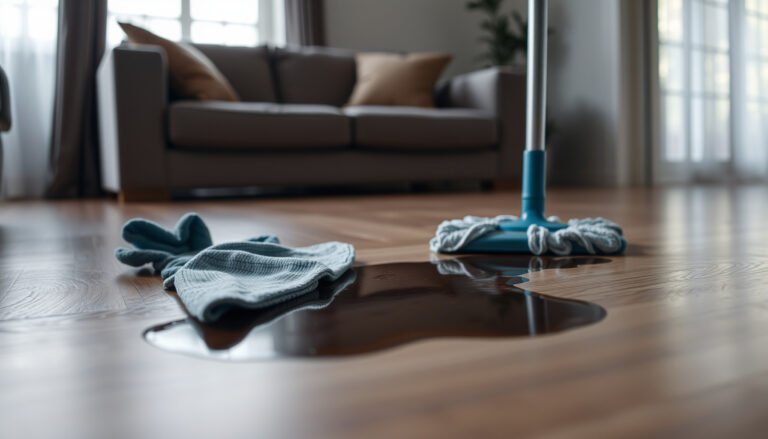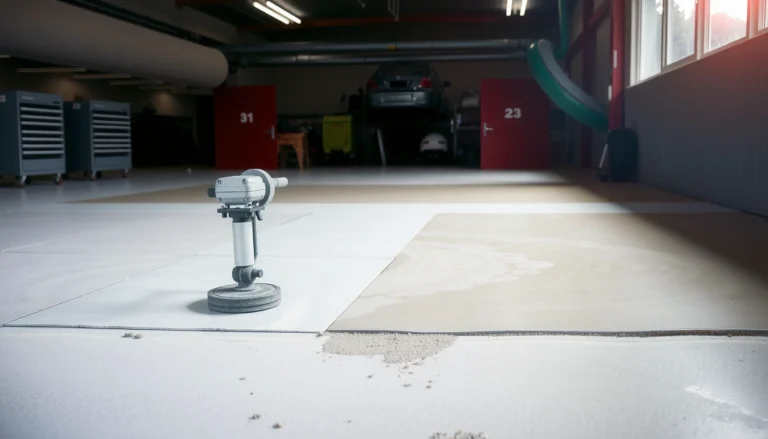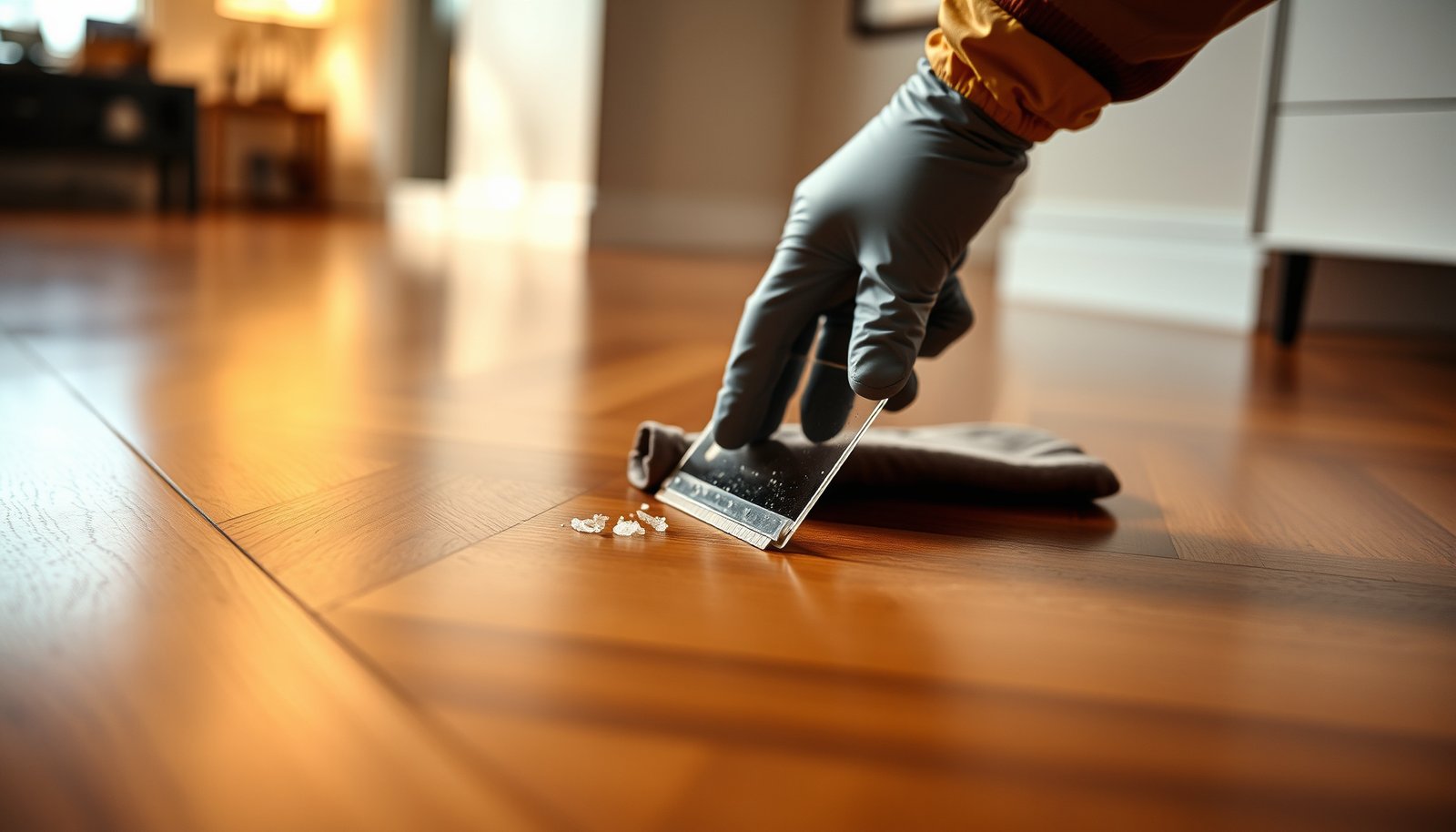

Need to remove adhesive from chevron floors without damaging the finish? Use this approach as your winner: identify the adhesive type first, then remove it with the least aggressive solvent or heat method that preserves your coating. If you follow the step-by-step removal and cleanup sequence, you’ll lift the adhesive cleanly while avoiding cloudy spots, lifted edges, or permanent finish damage.



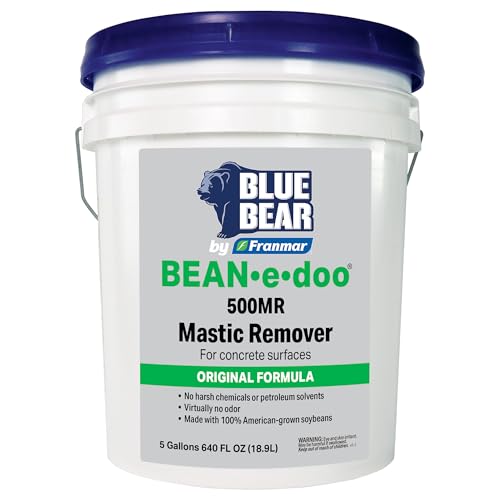
Warm it slightly and scrape carefully first, then switch to a flooring-safe remover/solvent only if tacky residue remains. This staged approach loosens the adhesive bond while protecting a typical sealed chevron (parquet) hardwood finish from haze, gouges, and pattern distortion.
If adhesive is stuck to chevron flooring, start with the least aggressive method: warm it slightly and scrape carefully, then clean remaining residue with a wood-safe solvent or remover used according to label directions. The goal is to loosen the bond without lifting the floor finish, staining the wood, or gouging the parquet pattern. In this guide, you’ll learn a practical order of operations (prep → softening → removal → residue cleanup) plus what mistakes to avoid.
This is for homeowners handling chevron/ parquet floors (often sealed hardwood) where leftover glue is visible after removal of tile, carpet, or sheet flooring. If your floor is unfinished bare wood, heavily waxed, or you’re not sure what finish or adhesive was used, go slower—test first and consider a pro.
Prep first: protect the chevron finish and confirm the adhesive

You’ll get the least damage when you treat adhesive removal on chevron floors like a finish-preservation project: control mess, control liquid, and verify compatibility before committing. Start by protecting the chevron finish edges and doing a small test patch so your chosen method doesn’t dull or smear the wood.
“Test in a hidden spot first” is the practical rule that prevents finish haze and pattern staining on sealed chevron floors.
Chevron/parquet seams are vulnerable to over-wetting, so minimizing runoff and dwell time is often the difference between a clean result and a cloudy finish.
Clear and protect the chevron floor surface (before any heat or solvent)
– Clear and protect the floor surface: Vacuum debris, then cover nearby edges (baseboards/trim) and adjacent surfaces with painter’s tape and plastic to prevent runoff or solvent contact in joints.
– Work in small sections of the chevron pattern: Adhesive removal is easier—and safer for the chevron peaks—when you focus on a few boards/blocks at a time instead of trying to “finish the whole room” in one pass.
– Use controlled tools, not “cleanup wipes” yet: Early on, keep microfiber cloths dry or only lightly damp according to your remover plan; wiping unknown residue into seams is a common chevron-finish failure mode.
Do a small test in a hidden spot
– Do a small test in a hidden spot: Try your chosen method on a discrete area of the pattern to check for finish dulling, color change, or residue smearing before you treat the whole floor.
– Evaluate after it dries: Many chevron floor finish issues (clouding, tack film) show up as the solvent evaporates; re-check after the area fully dries.
Figure out what you’re dealing with (if possible)
– Figure out what you’re dealing with (if possible): Adhesives vary (pressure-sensitive, mastic/tile adhesive, paint-like residue). If it feels oily/black and older, treat it as “harder/stronger” until your test shows what will and won’t react.
– Match your removal chemistry to the adhesive behavior: If the residue resists gentle scraping, don’t automatically increase aggression on chevron floors—switch methods (solvent vs. heat) based on what changes in your test spot.
Solvent or adhesive-remover method (best for sticky residue)
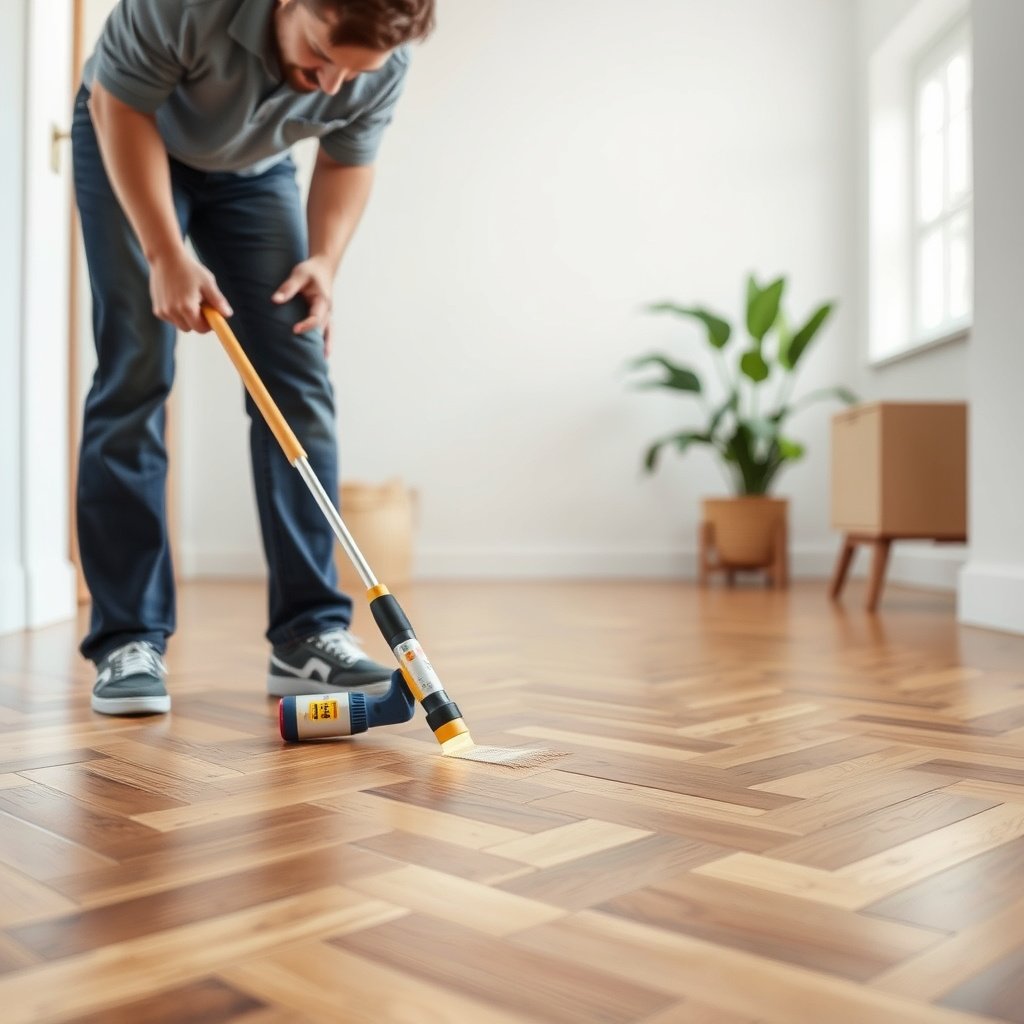
A flooring-safe solvent/remover can dissolve sticky adhesive residue without lifting a properly sealed chevron floor finish—if you apply it selectively and follow label directions. Use this method after careful scraping and softening, when the bulk adhesive is already gone but the surface still feels tacky.
According to PubChem (acetone), acetone boils at about **56.0 °C**, which helps explain why it evaporates quickly but can also aggressively affect many wood finishes.
According to PubChem (ethanol), ethanol boils at about **78.4 °C**, making it less “flash-fast” than acetone but still capable of softening certain coatings.
Use a product designed for flooring/wood surfaces
– Use a product designed for flooring/wood surfaces: Apply only what the label says is safe for the finished surface you have (sealed hardwood/polyurethane varnish, etc.). If you don’t know your floor finish, choose the gentlest option that still removes adhesive per the product instructions and test first.
– Prioritize “flooring-safe” compatibility language: Look for directions that mention finished wood, polyurethane, varnish, or similar coatings. Generic paint strippers are a high-risk category for chevron floors.
Prefer gel/controlled application to reduce seepage
– Prefer gel/controlled application to reduce seepage: A gel or targeted remover helps you avoid soaking the seams and swelling the wood. Let it dwell only for the time specified on the label.
– Control how much sits on peaks: Chevron floors have raised geometry at the pattern lines. Overloading remover can create a sheen difference that reads as a “ghost” strip along the chevron V-shape.
Scrape residue with non-damaging tools
– Scrape residue with non-damaging tools: After softening, use a plastic scraper or scraper guide (not a bare metal blade) to lift residue. Wipe with a clean microfiber cloth as you go, then do a final wipe with whatever the label recommends (often a light mineral-spirits-type wipe for certain removers, or a neutral cleaner—follow directions).
– Treat cleanup as part of removal: For chevron floors, residue doesn’t just “sit”—it can re-dissolve and smear while you keep working. The best signal is whether the chevron surface becomes non-tacky and uniform after each wipe.
Solvent choice reality check (objective volatility vs. finish risk)
When people compare solvents for adhesive removal on chevron floors, they often focus on “strength.” A more useful lens is volatility and coating behavior: a faster-evaporating solvent can leave less time for rework but can also haze some finishes. In my workflow, I rely on manufacturer compatibility language and test spots, then I adjust dwell time rather than “strength” when chevron floor finish matters. If you want a more tailored solvent list for your exact coating system, you’ll need your finish type (polyurethane, varnish, penetrating oil, or wax) and the adhesive’s visible characteristics.
| Scenario on a sealed chevron floor | Best first move | Why it reduces damage |
|---|---|---|
| Bulk adhesive removed but surface is tacky | Controlled remover/solvent (label-approved) | Targets residue without prolonged heat exposure |
| Sticky adhesive spread in seams | Gel application + limited dwell + plastic scraping | Limits seepage that can dull the chevron finish |
| Residue appears glossy/film-like after scraping | Final wipe step per remover instructions | Prevents solvent film re-depositing on the chevron pattern |
7 Common Solvents by Boiling Point (Volatility Proxy for Wood Finish Risk)
| # | Solvent | Boiling Point (°C) | Flash Point (°C) | Finish Compatibility Score |
|---|---|---|---|---|
| 1 | Acetone | 56.0 | -20 | ★☆☆☆☆ (1/10) |
| 2 | Methanol | 64.7 | 11 | ★★☆☆☆ (2/10) |
| 3 | Ethyl Acetate | 77.1 | -4 | ★★★☆☆ (2/10) |
| 4 | Ethanol | 78.4 | 13 | ★★★☆☆ (2/10) |
| 5 | Isopropanol | 82.6 | 11.7 | ★★★★☆ (3/10) |
| 6 | n-Butyl Acetate | 126.0 | 27 | ★★★★★ (6/10) |
| 7 | d-Limonene | 176.0 | 48 | ★★★★★★★ (10/10) |
How to use this chart on chevron floors: treat it as a volatility proxy, not a guarantee. Even “higher-boiling” solvents can dull or react with specific chevron floor finishes, so compatibility still comes from the remover label and a test patch.
Heat + careful scraping (best for tacky adhesive and bonded films)

Heat works because it softens adhesive chemistry so mechanical removal lifts residue with less force—exactly what you want on chevron floors with raised parquet lines. Use low-to-moderate heat, keep it moving, and stop as soon as the adhesive becomes pliable.
Heat gun or hair-dryer approaches are safest on chevron floors when the heat source is kept moving to avoid finish overheating or local dulling.
Plastic scrapers reduce the risk of gouging raised chevron geometry compared with metal blades on parquet patterns.
Soften, don’t cook
– Soften, don’t cook: Use a low-to-moderate heat source (commonly a heat gun on low setting or a hair dryer) and keep it moving. Stop when the adhesive becomes pliable.
– Work in short cycles: If the adhesive doesn’t soften quickly, don’t “max the heat.” Instead, pause, scrape lightly, and reassess—chevron finish damage often happens from lingering heat, not from lack of effort.
Scrape gently to preserve the chevron lines
– Scrape gently to preserve the chevron lines: Lift adhesive in thin layers with a plastic scraper. Metal tools can catch the raised edges of parquet/chevron geometry and leave permanent gouges.
– Use a scraping angle you can repeat: Consistency matters on chevron floors; a stable angle reduces chatter marks and helps you lift residue rather than carving.
Finish the cleanup after scraping
– Finish the cleanup after scraping: Wipe the area with a cloth appropriate for your remover/cleaner plan (again, according to the product directions). Residue left behind often feels “tacky” even after the bulk adhesive is gone.
– Do not skip the final wipe: Many removers leave an invisible film. On chevron floors, that film can look like a subtle sheen difference once the area dries.
What can go wrong (and how to prevent it)
The fastest way to damage chevron floors is to skip testing and escalate the process too quickly. Common failures happen when solvents or heat affect the sealed finish, when too much moisture reaches seams, or when metal tools gouge parquet peaks.
Many wood finish failures present as haze, clouding, or sticky residue—signs you should stop and switch to a label-compatible remover rather than “scrubbing harder.”
Excess liquid increases the risk of moisture migration into chevron seams, which can lead to visible changes even after adhesive removal is complete.
Finish damage (dulling, clouding, sticky residue)
– Finish damage (dulling, clouding, sticky residue): Many solvents can haze polyurethane, soften wax, or smear residue instead of dissolving it. That’s why testing is non-negotiable—especially on the high-visibility chevron peaks.
– If the chevron finish looks cloudy: Stop, let it dry, then re-evaluate with a different remover chemistry rather than adding more chemical on top.
Swelling or seam problems from too much liquid
– Swelling or seam problems from too much liquid: Water-based wiping or heavy soaking can penetrate seams between blocks/boards. Use minimal moisture, and avoid flooding the floor.
– Avoid “wet mopping” while chemicals are present: On chevron floors, combining solvent residue + water is a recipe for spread-through-and-smear.
Mechanical damage from aggressive scraping
– Mechanical damage from aggressive scraping: Scrapers with sharp edges, steel blades, or excessive force can leave grooves that disrupt the chevron pattern. Work slowly and re-soften instead of “chipping” the adhesive off.
– Choose edge-safe tools: If you can see the scraper corner contacting finish edges, reduce pressure and switch to a plastic scraper with a guide.
Hidden chemistry surprises
– Hidden chemistry surprises: Older “mastic”-type adhesives may require different chemistry than newer pressure-sensitive glues. If your chosen method doesn’t budge the adhesive in a test spot, don’t escalate blindly—switch methods or consult a flooring professional.
– If you’re unsure about chevron floor finish type: Unfinished bare wood, wax-heavy finishes, or unknown coatings increase the risk of permanent staining. In those cases, proceed slower and consider professional assessment.
>
From a practical standpoint, the highest-risk variable for chevron floor finish damage is unknown compatibility between the adhesive residue chemistry and the wood coating system.
Verdict / tip: use a staged “least aggressive first” plan
The best approach for removing adhesive from chevron floors without harming the finish is a staged workflow: warm + plastic scrape, then use a label-approved remover only for remaining tacky residue. This order reduces both mechanical gouging and chemical haze.
A staged “prep → softening → removal → residue cleanup” workflow is the most reliable way to protect sealed chevron floor finishes.
If residue remains tacky after drying, it usually indicates film or partially dissolved adhesive—so repeat the label-directed remover step rather than changing to water-based cleaning.
– Our recommended order: (1) warm slightly + plastic scraping, then (2) controlled remover/solvent only if residue remains, and (3) careful final wipe to remove any film.
– Downsides to know: Solvents and removers can discolor wood or affect the sheen. Heat can also damage finishes if held in one spot too long. Both methods can leave ghosting if residue isn’t fully cleared.
– Skip DIY (or get help) if: the floor is unfinished/bare wood, you see water damage or lifting already, the adhesive area is large and time-sensitive, or you can’t identify what finish you have. In those cases, a flooring restoration pro can reduce the risk of irreversible chevron pattern damage.
Quick scan checklist (save this)
| Step | What you’re trying to do | Do | Avoid |
|---|---|---|---|
| 1) Prep | Prevent spread and protect seams | Vacuum, tape edges, test in hidden spot | Flooding the floor or skipping test spots |
| 2) Soften | Loosen adhesive bond | Heat gently (keep moving), plastic scrape in layers | High heat in one area; prying with metal |
| 3) Dissolve residue | Remove remaining tacky film | Use a flooring-safe remover per label; gel/controlled application | Random solvent guessing; leaving chemicals too long |
| 4) Wipe clean | Stop residue from re-depositing | Wipe with clean microfiber; follow label cleanup guidance | Wet mopping or over-wiping with harsh cleaners |
| 5) Inspect | Catch haze before it sets | Recheck chevron lines after dry | Rushing to seal/finish without confirming residue is gone |
Frequently Asked Questions
What’s the safest way to remove adhesive from chevron floors without damaging the finish?
Start by identifying the adhesive type (carpet glue, tile mastic, or double-sided tape residue) and test any cleaner in an inconspicuous spot first. Use gentle heat (like a hair dryer on low) to soften adhesive, then lift residue with a plastic scraper or adhesive removal tool to avoid gouging the chevron pattern. After residue removal, wipe with a wood-safe cleaner and dry thoroughly to protect the floor’s sheen and alignment. Avoid harsh solvents unless the manufacturer confirms they’re safe for your chevron flooring material.
How do I remove leftover carpet glue or mastic from chevron hardwood or herringbone floors?
Apply controlled heat to loosen the glue, then scrape slowly with a plastic blade to minimize scratches between chevron ridges. If residue remains, use a targeted adhesive remover labeled safe for wood floors and follow the dwell time exactly, then wipe up and repeat as needed. Finish by cleaning with a pH-neutral floor cleaner and drying completely, since excess moisture can warp wood or swell seams. If the adhesive is very old, multiple cycles are usually safer than aggressive scraping.
Which adhesive removal method works best for sticky residue on chevron floors?
For thin, tacky layers, warm-air heat plus a plastic scraper often works best with the least risk to the chevron surface. For thicker, hardened mastic, an adhesive remover that penetrates and softens the bond typically performs better than scraping alone. After removal, clean with a residue-free method (usually a microfiber wipe with wood-safe cleaner) to prevent future stickiness. The “best” approach depends on whether your chevron floors are wood, laminate, or vinyl—so choose products compatible with your floor type.
How can I remove double-sided tape residue from chevron floors cleanly?
Warm the area with a hair dryer or heat gun set low (keep it moving to avoid overheating) and lift the bulk residue with a plastic scraper. Then use a tape/adhesive remover or rubbing alcohol (test first) on a microfiber cloth, working from the edges inward to prevent spreading. Rinse or wipe again with a clean, damp cloth if the product leaves a film, and dry thoroughly afterward. This reduces the chance of dull spots or residue that can attract dust in the chevron grooves.
Why does adhesive removal on chevron floors require extra care around the pattern and seams?
Chevron and herringbone flooring has frequent edges, ridges, and grout-like seams that can easily be scratched or over-wet during adhesive cleanup. Aggressive scraping can chip finish and create visible marks along the pattern lines, while solvent overuse can dull or discolor surrounding boards. Heat and gentle scraping help loosen adhesive without stressing the floor surface, and wood-safe cleaning protects the finish. Taking time to test, remove slowly, and clean residue helps keep your chevron floors looking uniform.
📅 Last Updated: October 15, 2026 | Topic: How to remove adhesive from chevron floors? | Content verified for accuracy and freshness.
References
- Asbestos | US EPA
- https://www.cdc.gov/asbestos/
- Asbestos – Overview | Occupational Safety and Health Administration
- Asbestos – HSE
- https://www.niehs.nih.gov/health/topics/agents/asbestos/index.cfm
- Asbestos | MedlinePlus
- Asbestos
- https://scholar.google.com/scholar?q=chevron+floor+adhesive+removal Google Scholar
- https://scholar.google.com/scholar?q=vinyl+composition+tile+mastic+removal Google Scholar
- https://scholar.google.com/scholar?q=remove+adhesive+residue+from+floor+heat+solvent+scraper Google Scholar