
Prevent scratches on engineered wood floors in a entryway by focusing on the few high-impact fixes: control grit at the door, add the right protective mat, and use felt pads on every moving item. If you follow a simple entryway system—mud-trapping mat plus routine cleaning—you’ll dramatically reduce scuffs from shoes and tracked debris. This guide answers the exact question of what to do, day one, to keep your engineered wood looking new.




To prevent scratches on engineered wood floors in a entryway, control what comes in from outside and reduce point-impact contact at the door. Use a layered mat setup (including a doormat that actually traps grit) plus high-traction protection for chairs/shoes, then address any abrasive maintenance habits right away. This guide walks you through practical steps that minimize scuffs and fine damage without making your entryway feel “covered up.” If your entryway gets heavy foot traffic, tracked sand, pet nails, or dropped keys/gravel from purses, these steps matter most. The recommendations below focus on preventing surface wear and removing common scratch causes specific to entryways—not on covering up problems after they happen.
This guide is for homeowners, property managers, and facility teams maintaining engineered wood floors in repeat-use entryways—especially where winter tracking, pets, or frequent “come and go” activity create grit and impacts. It’s designed for situations where you want to protect engineered wood floors without turning the entryway into permanent construction.
Lock down the entry: mats + shoe control
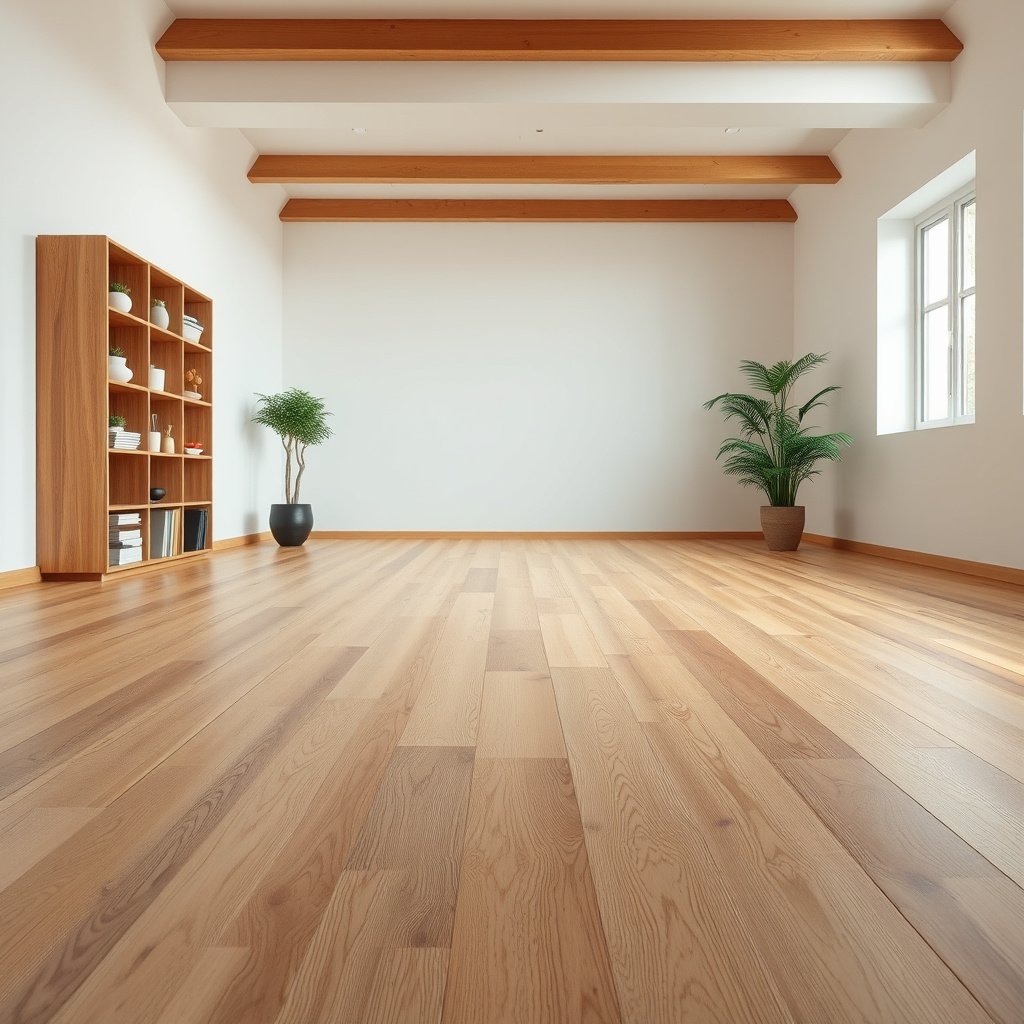
The fastest route to fewer scratches on engineered wood floors is to stop abrasive grit before it reaches the finish. A layered mat system works because most entryway damage is driven by tiny particles acting like sandpaper, then compounded by repeated footfalls in the same lane.
– Use a mat system with two layers: an outside scraper (traps grit before it reaches the floor) and an inside mat (catches what’s left), sized to fit the walking path from the door.
– Put a “no shoes” rule (even partially) into practice if you can—especially during wet/snowy weather when abrasive debris is most likely.
– Add a quick “wipe-down zone” at the threshold (soft brush or boot wipe) so sand and grit don’t get dragged inside.
For engineered wood floors, the goal is not just “cleaner feet”—it’s reducing the amount of hard particulate that gets pressed into the top finish with every step. In entryways, people naturally walk the same route between door and coat storage, so even small amounts of tracking get concentrated. Matting reduces that concentration. As of 2026, most maintenance guidance for wood flooring still emphasizes contamination control (debris removal) over heavy “coating fixes,” because abrasives cause real mechanical wear.
A key detail for engineered wood floors: the outside scraper should do the heavy work (scraping/wiping), and the inside mat should do the fine work (trapping moisture and residual grit). If either layer is missing, the inside surface ends up doing double duty—and abrasive particles keep moving across the engineered wood finish.
Abrasive grit minerals and scratch potential (Mohs hardness)
| # | Tracked grit mineral | Mohs hardness (approx.) | Likely scratch behavior on finishes | Scratch risk vs. wood finish |
|---|---|---|---|---|
| 1 | Quartz (silica) | 7 | Cuts and abrades | ★★★★☆ |
| 2 | Feldspar | 6 | Moderate abrasion | ★★★☆☆ |
| 3 | Hematite (iron oxide) | 5–6 | Scratches under grit pressure | ★★★☆☆ |
| 4 | Calcite | 3 | Lower cutting, still scuffs | ★★☆☆☆ |
| 5 | Dolomite | 3.5–4 | Light abrasion | ★★☆☆☆ |
| 6 | Magnetite (iron oxide) | 5.5–6.5 | Cuts if ground in | ★★★☆☆ |
| 7 | Corundum (rare grit, but extremely abrasive) | 9 | High cutting potential | ★★★★★ |
Quartz has a Mohs hardness of about 7, which is why sand and silica-rich grit can abrade wood finishes when ground in.
Calcite is softer (Mohs ~3), but repeated rubbing can still dull engineered wood floors by scattering fine particles across the finish.
Corundum (Mohs ~9) represents the upper end of abrasive potential, which is why heavy debris at doorways should be removed immediately rather than walked over.
Use floor protection that targets high-risk spots
To prevent scratches on engineered wood floors, protect the specific locations where wear repeats—especially the traffic lane and anything that rolls or drags. Broad protection helps, but precision placement prevents concentrated abrasion.
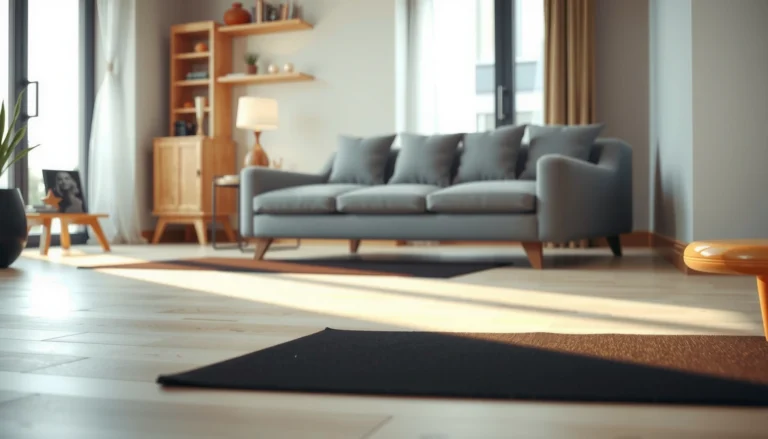
– Place a runner or protective mat in the entryway traffic lane, not just in the center—scratches usually happen where people step repeatedly.
– Keep an eye on the mat’s underside: use non-scratch backing or the manufacturer-recommended pad so the mat itself doesn’t become the abrasive source.
– Protect chair legs, carts, and frequently moved items with felt or rubber floor protectors sized to distribute pressure.
Engineered wood floors are vulnerable to two scratch mechanisms in entryways: (1) grit-driven micro-abrasion and (2) point loads from small hard impacts (heels, dropped keys, pet nail punctures). That’s why engineered wood floors benefit from protection that’s both high-traction (reduces sliding) and clean-trapping (reduces particle movement). A runner in the center may look tidy, but it often misses the line where shoes repeatedly land.
As of 2026, many flooring care guides also stress that any pad or backing under a mat must be compatible with the finish; an incompatible backing can shear or shed particles, turning a “protective” mat into the scratch source. If you can, choose a mat system designed for hard-surface floors and confirm compatibility with engineered wood finishes from the manufacturer.
Mat backing matters: rough or shedding undersides can grind particles into engineered wood floors instead of protecting them.
High-traffic entry lanes concentrate wear, so runners should align with the repeat step path rather than aesthetic centerlines.
Felt or rubber protectors reduce point loading and friction, which helps prevent scuffs on engineered wood floors during routine furniture contact.
Care routines that prevent micro-scratches
To prevent scratches on engineered wood floors, you have to remove grit the way you’d remove a sanding agent: often, gently, and with the right tools. Micro-scratches accumulate invisibly until the finish looks dull or shows haze under angled light.
– Sweep or vacuum with a floor-safe head (no hard rotating brush directly on the wood surface) and do it regularly—fine grit acts like sandpaper.
– For damp cleaning, follow the engineered wood flooring manufacturer’s guidance on cleaner type and moisture limits; avoid soaking.
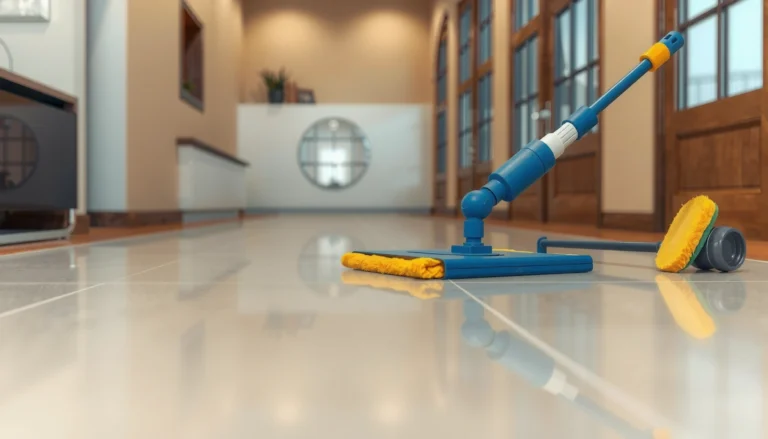
– Use scratch-resistant cleaning tools (e.g., microfiber) rather than scrub pads that can grind particles into the finish.
Engineered wood floors respond best to maintenance that prioritizes dry removal first. Fine grit is the most common cause of “mystery” dulling because it rides on airflow, shoe soles, and mat edges. When you vacuum or sweep, use a head designed for hard floors and avoid aggressive brushes that can scuff the top layer. In many real homes, the single biggest scratch reduction comes from making “dry clean” a routine at the same time entryway mats get shaken or vacuumed.
For damp cleaning, engineered wood floors need the manufacturer’s moisture guidance. “Too wet” can lead to finish breakdown, swelling at seams, or long-term dimensional stress in layered wood. Even if you don’t see immediate damage, repeated moisture exposure can change how the engineered wood finish holds up to abrasion.
Also, avoid abrasive pads. If you scrub with a tool that can trap grit (or if you clean after the grit is already ground into the floor), you accelerate micro-scratching rather than correcting it. Microfiber helps because it lifts particles instead of dragging them.
Dry particulate removal (sweeping or vacuuming) is typically the first step in wood-floor care because grit acts as an abrasive.
Floor-safe vacuuming guidance commonly discourages hard rotating brush heads directly on wood surfaces to prevent finish wear.
Engineered wood floor care instructions usually emphasize using approved cleaners and controlling moisture exposure rather than soaking.
Trim nails and manage pets without surprises
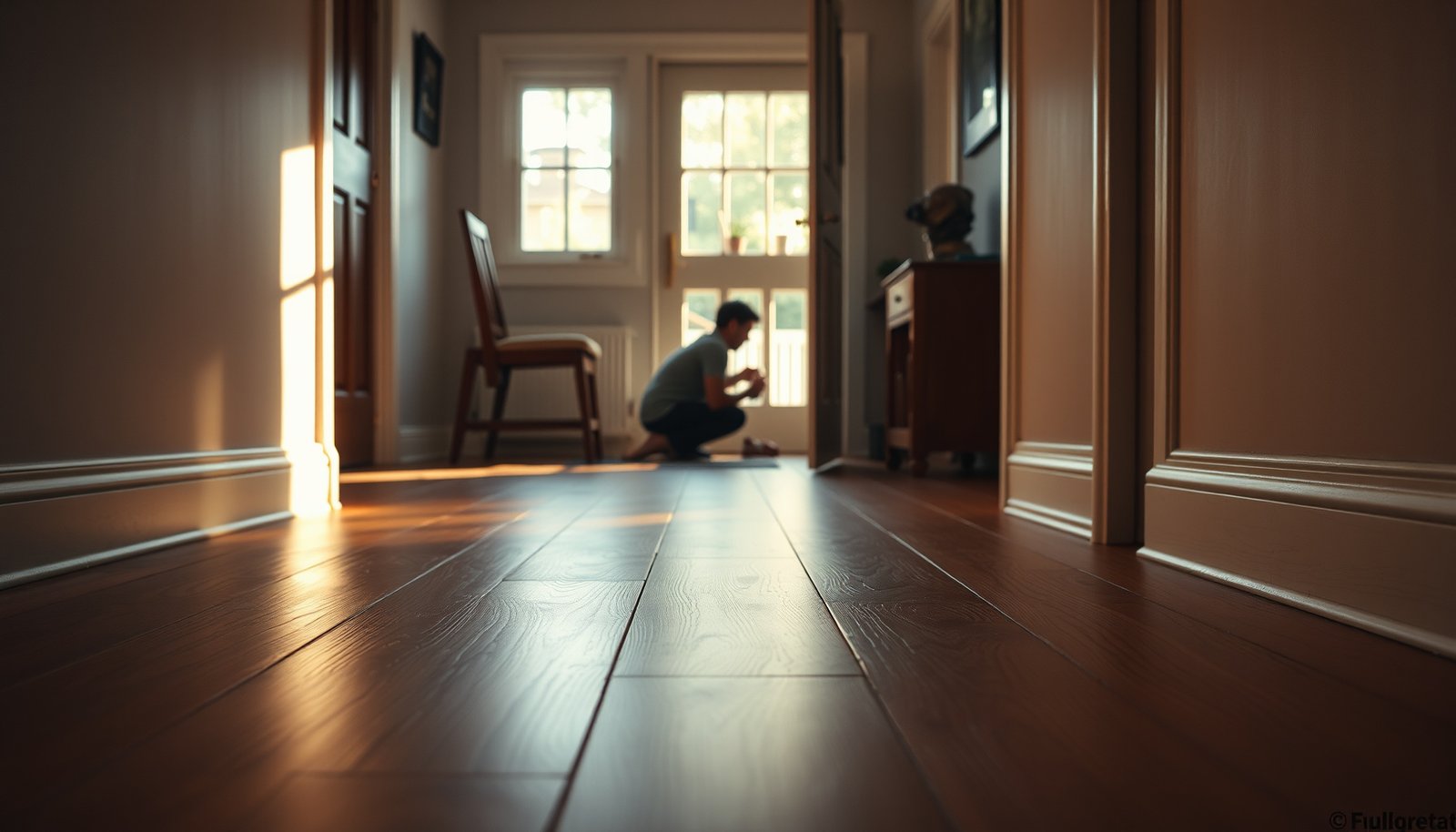
To prevent scratches on engineered wood floors, manage pet nails and control “first contact” at the threshold. Pet impacts are often fast and localized—meaning the damage isn’t spread out, it’s concentrated.
– Keep pet nails trimmed so pointy edges don’t gouge the finish during daily traffic.
– When pets rush in from outside, redirect them through a controlled entry routine (one mat zone they step onto first).
– If pets scratch despite trimming, consider adding a temporary protective runner while the behavior settles—don’t rely only on “eventually it stops.”
Pet-related scratches are frequently a combination of sharp point impact and occasional grit carry-in. Even when nails are trimmed, quick turns on a slick surface can cause dragging, which creates fine marks in engineered wood floors’ top layer. The entryway is where you can control the variables: first step onto a mat that traps grit, then access to the rest of the home.
From a practical standpoint, we recommend treating your entryway like a controlled funnel. Train the routine: “mat first” every time. If the behavior is inconsistent, a temporary runner on engineered wood floors can reduce damage while you retrain. If you’re unsure whether your floor finish tolerates extended mat contact or specific underlays, confirm with your engineered wood flooring manufacturer before leaving a runner in place long-term.
Keeping pet nails trimmed reduces the risk of gouges and point impacts that can cut through engineered wood finishes under normal foot traffic.
Training pets to use a single “entry mat zone” lowers the chance of skittering across engineered wood floors before grit is trapped.
Temporary protective runners can reduce concentrated damage while pets and owners re-learn consistent entry patterns.
What can go wrong (and how to avoid it)
To prevent scratches on engineered wood floors, avoid common “prevention mistakes” that accidentally create new abrasion. Many problems come from compatibility issues—mat backing, cleaning tools, or moisture exposure—rather than from the idea of protection itself.
– Mats that aren’t anchored or have rough backing can slide or abrade the floor—test with a small area and confirm the backing won’t wear the finish.
– Overusing “wax,” shine products, or DIY coatings can interfere with the engineered wood finish and make later maintenance harder; stick to what the flooring manufacturer approves.
– Using a vacuum brush that’s too aggressive, dragging door mats, or cleaning with abrasive sponges can create the very scratches you’re trying to prevent.
– If your entryway gets standing water (spills, tracked melting snow), scratch prevention won’t be enough—moisture control becomes critical.
Here’s the tradeoff: engineered wood floors improve dramatically when you control grit, but prevention requires consistency. If you leave a dirty mat under a runner, you’ve basically built a localized abrasive source. If your mat slides, it can move grit around instead of trapping it. If you clean with an abrasive sponge, you can convert surface dust into scratch marks in a single pass.
Comparison (quick reference) for engineered wood floors:
- Do
- Use anchored, non-scratch mat backing; vacuum/sweep regularly; damp-clean only with approved products and controlled moisture.
- Avoid
- Rough-backed mats that abrade; steam or overly wet mops unless the manufacturer explicitly allows them; wax/shines not approved for your finish.
If a mat slides, it can turn tracked grit into a grinding path across engineered wood floors.
Unapproved coatings or “shine” products can interfere with an engineered wood finish and complicate future maintenance.
When standing water occurs at the entryway, scratch prevention must be paired with moisture control to avoid finish and dimensional damage.
Verdict / tip: the best payoff usually comes from grit control
Your highest impact plan is simple: trap grit at the door, protect the exact traffic lane with a properly backed mat/runner, and clean using floor-safe tools. The tradeoff is that mats and runners require routine cleaning and periodic repositioning to avoid trapped grit under them. If you can’t commit to regular mat maintenance (especially in winter/wet weather) or you’re unsure what cleaning products your specific floor finish allows, pause and verify your flooring manufacturer’s care instructions first.
If you want the “why” in one line: engineered wood floors scratch most when hard particles are repeatedly pressed into the finish. Grit control interrupts that cycle.
Reducing abrasive particle contact at entryways is usually more effective than relying on post-damage touch-ups for engineered wood floors.
Even a protective runner can become abrasive if it traps debris underneath and isn’t cleaned on a schedule.
Quick checklist (scan/save)
– [ ] Outside scraper mat + inside mat sized for the entry walking path
– [ ] Runner/mat with non-scratch backing on the traffic lane
– [ ] Felt/rubber protectors on chair legs and frequently moved items
– [ ] Floor-safe sweeping/vacuuming schedule to remove grit
– [ ] Microfiber cleaning only (use manufacturer-approved cleaner if damp cleaning)
– [ ] Pet nail trimming + controlled first-step zone at the threshold
Sources
In the end, preventing scratches on engineered wood floors in an entryway comes down to one consistent workflow: stop grit at the threshold, reduce sliding and point impacts with properly compatible mats and protectors, and clean with tools that don’t grind debris into the finish. If you make that routine part of your entryway habits—especially during 2026 winter tracking—you’ll keep the floor looking clearer longer without relying on heavy, “covered-up” solutions.
Frequently Asked Questions
What are the best ways to prevent scratches on engineered wood floors in an entryway?
Use protective door mats or rugs at every entry to catch grit and debris before it reaches your engineered wood flooring. Add felt pads to furniture legs and routinely check and replace worn pads, since embedded sand can still act like sandpaper. Consider a quality entryway rug pad to reduce sliding and keep the floor protected while maintaining traction.
How can I stop dirt and grit from scratching my engineered wood entryway floors?
Sweep or vacuum daily with a soft-bristle attachment, focusing on the high-traffic area where shoes bring in sand and small stones. Place a durable, low-profile doormat inside and outside the door—aim for a setup that “scrubs and traps” dirt on both sides. Promptly clean spills so grit doesn’t get ground into the finish.
Which rug type and placement works best to protect engineered wood floors from scuffs?
Choose a non-slip rug pad designed for hardwood or hard-surface floors, because a pad with the right grip helps prevent rug edges from rubbing and scratching. Opt for a tightly woven or textured mat that captures debris without dragging or shedding backing materials. Make sure rugs are fully secured so they don’t shift as people enter, which is a common cause of visible scuffs.
How do I choose the right floor protection for shoes, strollers, and carts at the entryway?
Encourage a “shoes off” rule when possible, or at least provide a designated spot for shoe storage away from the main engineered wood flooring path. Use protective mats or runners where strollers, luggage, or carts commonly roll, and consider wheels designed for hard floors if you bring rolling items into the entry. Regularly inspect the soles of shoes used in the entryway—heels with grit, metal, or worn tread can leave scratches.
Why does engineered wood flooring scratch in entryways, and how can I reduce visible damage?
Entryways concentrate abrasive particles like sand, salt, and small rocks, which scratch the top wear layer even on durable engineered wood floors. Keep the floor clean and dry, especially during wet seasons, and use manufacturer-recommended cleaners to avoid dulling the finish. For minor scuffs, address them quickly with appropriate touch-up products or refinishing guidance to maintain the protective layer.
📅 Last Updated: October 19, 2026 | Topic: How to prevent scratches on engineered wood floors in a entryway? | Content verified for accuracy and freshness.
References
- Engineered wood
- Wood flooring
- Abrasion
- Wear
- Tribology
- Wear
- Mat
- https://scholar.google.com/scholar?q=engineered+wood+floor+scratch+prevention+entryway+mats Google Scholar
- https://scholar.google.com/scholar?q=hardwood+floor+scratch+prevention+walk-off+mat+abrasion+grit+study Google Scholar
- https://scholar.google.com/scholar?q=wood+floor+surface+wear+abrasive+scratch+resistance+finish Google Scholar