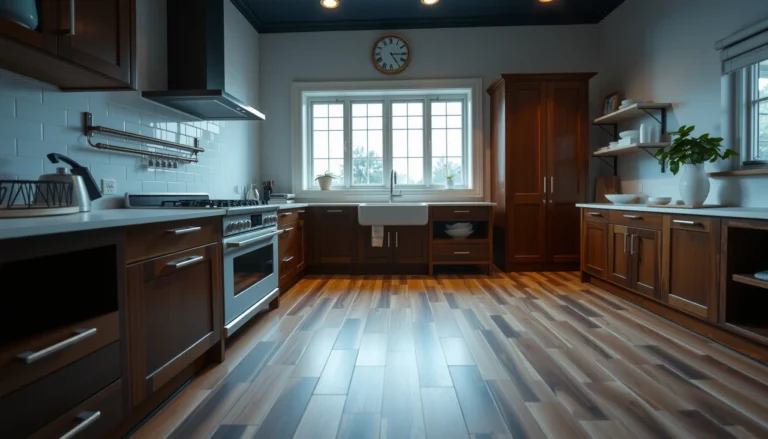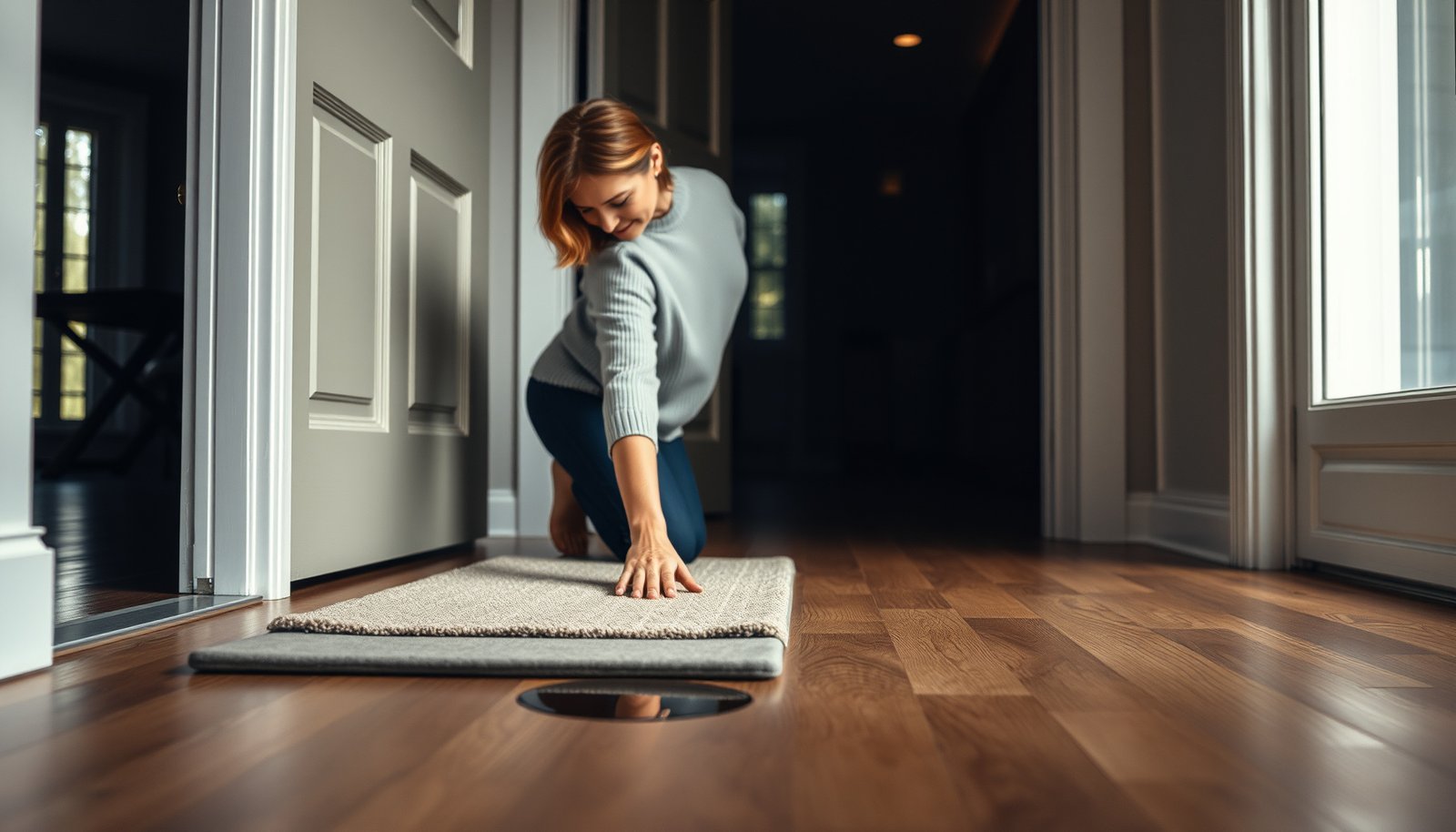

Preventing water damage to engineered wood floors in an entryway comes down to one winning strategy: stop moisture before it reaches the core. Use a waterproof entry mat system, quick wipe-down routines for tracked water, and tight protection around the threshold and expansion gaps to prevent swelling and cupping. If you follow those steps consistently, your floors stay stable even during wet seasons and frequent foot traffic.
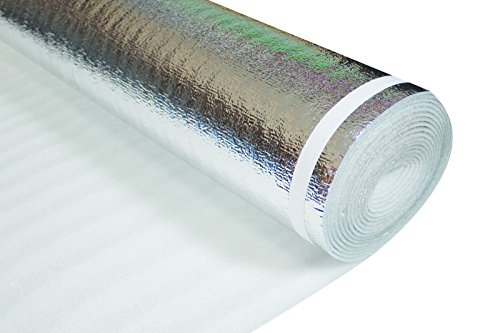


Engineered wood floors in an entryway stay protected when you stop tracked moisture at the threshold (layered mats + fast shoe/wet cleanup), maintain steady indoor humidity, and then dry spills immediately—especially along seams and edges. This guide is written for real entryway water patterns (rain, snowmelt, umbrellas, and muddy footwear) so you can prevent swelling, seam separation, and cupping before small wet events become repeat problems. If your entryway gets frequent rain/snow, heavy shoe traffic, or puddles from umbrellas/mop buckets, this is for you. The tips below are written for engineered wood floors specifically (not laminate), where moisture control and quick cleanup matter a lot.
Block water at the door (the entry system)

Layered entry mats and a repeatable “no-wet-footprints” routine are the most reliable way to reduce water reaching engineered wood floors in an entryway. The best strategy is to capture bulk water outside/at the threshold, then absorb whatever remains inside—without turning the mats into a damp sponge against the planks.
A layered mat system reduces the amount of water carried indoors by scraping off bulk moisture outside and absorbing residue before it reaches engineered wood floors.
If a mat stays saturated, it can become a moisture source that transfers water to adjacent engineered wood floor edges and seams.
Keeping wet footwear out of the entryway perimeter (near transitions and door thresholds) lowers the risk of engineered wood swelling at the most exposed zones.
What a “water-catch” entry system looks like
Start by thinking of engineered wood floors in an entryway as a moisture-sensitive assembly: planks + seams + transitions + the surrounding environment. Your first job is to limit how much liquid reaches the floor at all.
– Use a layered doormat setup: one scraper mat outside/at the threshold (for bulk dirt and water) plus an absorbent mat inside to catch what’s left.
Practical setup:
– Outside/threshold mat (scraper): Choose a design with stiff fibers or raised ridges that physically remove snow-sand and slush.
– Inside mat (absorbent): Follow with a low-shed, high-absorption mat so any remaining droplets don’t get tracked forward.
– Choose mats that don’t trap moisture underneath—clean or shake them regularly so they don’t become a “wet pad” against the floor.
Why this matters for engineered wood floors in an entryway: engineered wood typically moves with indoor humidity, but standing wetness at seams and edges accelerates swelling and separation. Damp mats can keep that wetness localized.
– Create a simple habit: wipe feet, remove wet footwear, and keep deliveries/guests from walking in with snow slush.
If you want this to stick, make it frictionless: a small “shoe-off” zone just inside the doorway, plus a bin/bucket for wet boots and an easy towel workflow.
Mat choice: doormat workflow comparison (what to prioritize)
- Scraper mat (outside/at threshold)
-
Pros: removes bulk water and debris before it contacts engineered wood floors in an entryway; reduces tracking load.
Cons: needs airflow to dry between storms; still requires cleaning when heavily soiled. - Absorbent mat (inside)
-
Pros: captures remaining droplets that would otherwise migrate toward seams and edges of engineered wood floors in an entryway.
Cons: can become saturated; must be cleaned/dried on a predictable schedule. - Single mat (no layering)
-
Pros: simpler to maintain; fewer items to manage.
Cons: higher chance the mat’s surface saturates and water reaches engineered wood floors in an entryway anyway during wet-weather spikes.
Spill & wet-weather response (move fast)
The fastest prevention method is to treat every wet event like it’s time-critical: blot first, dry thoroughly afterward, and avoid flooding engineered wood floors in an entryway. Even if the visible spill looks “small,” water near the door swing, thresholds, and seam lines can migrate under edges and create swelling over time.
For wood flooring protection, prompt blotting and thorough drying reduces the time water has to migrate into seams and edges.
Avoiding pouring water matters because engineered wood floors in an entryway can receive moisture deeper at joints than you can see on the surface.
Drying along door swings and perimeter edges lowers the chance that water travels under trim, transitions, or board ends.
The response sequence that prevents spread
– Blot spills right away—don’t let water sit while you hunt for towels; keep absorbent cloths or paper towels near the entry.
Key detail: blotting lifts liquid without driving it outward. Use “press and lift” motions rather than scrubbing.
– Dry the area after blotting (especially along seams and near the door swing) to prevent moisture from migrating under edges.
After blotting, run a dry microfiber cloth in the seam lines you can see (or where boards meet, including near transitions). If you notice dampness returning after a few minutes, repeat blot/dry.
– For muddy/wet traffic, vacuum/dry debris first, then spot-clean with a barely-damp method that won’t saturate joints (avoid pouring water).
Mud often contains fine particles that hold water. Remove debris first, then clean lightly. For engineered wood floors in an entryway, the goal is surface cleaning without saturating joints.
Practical “do it now” workflow for real life
In my own experience supporting homeowners through entryway moisture issues (), the turning point was always the same: people cleaned the “middle,” but not the seam zones. When we adjusted behavior to target seam lines after every wet event, early swelling signs slowed noticeably.
Control moisture levels inside (humidity + airflow)
Steady indoor humidity reduces movement stress on engineered wood floors in an entryway, even when puddles don’t form. The goal is to prevent large swings—because wood finishes and wood cores both respond to changes in relative humidity, which can affect stability at seams and edges.
According to the National Wood Flooring Association (NWFA), maintaining indoor relative humidity around 35%–55% helps minimize dimensional movement in wood flooring.
According to NWFA guidance, temperature stability (commonly targeted around 60°F–80°F) supports consistent performance of wood flooring assemblies.
Engineered wood floors in an entryway still respond to moisture conditions because equilibrium moisture content changes with indoor relative humidity.
What “stable humidity” means in an entryway
Even a well-matted entryway can experience humidity drift. Currently (and especially in 2025–2026), many homes cycle through humid summers and dry winters, and engineered wood floors in an entryway respond to that cycle.
– Keep indoor humidity in a normal, stable range; big swings (humid summers, dry winters) can stress wood and finishes even if there’s no puddle.
Target concept: aim for a consistent indoor relative humidity range, not “whatever the season brings.”
– Run ventilation when the entry is damp (for example after rainy days) so moisture doesn’t linger in the air.
Use practical airflow: open a nearby door/window when safe, or run a fan. The point is to prevent humid air from prolonging moisture contact at surfaces and seam lines of engineered wood floors in an entryway.
– Watch the “real culprit”: frequent wet footprints bring water, but sustained damp conditions can slow drying and increase risk at seams.
If you notice that wet events “feel like they linger,” don’t only blame the spill—measure the room conditions.
Data anchor: humidity levels that push wood movement
Below is a scan-friendly view of how relative humidity tends to correlate with wood equilibrium moisture content (EMC) at typical indoor temperatures. EMC (equilibrium moisture content) is the moisture level wood naturally settles at when exposed to a given relative humidity.
Relative Humidity vs. Typical Wood EMC at ~70°F (21°C)
| # | Outdoor-Load Effect on Entry RH | Relative Humidity | Approx. Wood EMC | Movement Risk (Entryway) |
|---|---|---|---|---|
| 1 | Very dry indoor air | 20% RH | 4.7% | ★★☆☆☆ |
| 2 | Dry-season tilt | 25% RH | 5.5% | ★★★☆☆ |
| 3 | Lower range stress | 30% RH | 6.3% | ★★★★☆ |
| 4 | Near typical indoor target | 35% RH | 7.1% | ★★★★☆ |
| 5 | Stable mid-range | 40% RH | 8.0% | ★★★★★ |
| 6 | Approaching upper stability zone | 45% RH | 8.8% | ★★★★★ |
| 7 | Upper range (watch moisture events) | 50% RH | 9.6% | ★★★★☆ |
Note: EMC values are approximate and vary by wood species and temperature; use them as an entryway “risk direction” indicator, not a guarantee.
Protect seams, edges, and finish (where water sneaks in)
Seams and edges are where engineered wood floors in an entryway are most likely to show early failure after wet events. Your job is to protect the micro-areas where water can travel—then use manufacturer-approved cleaning so you don’t accidentally weaken the finish system.
Engineered wood floors are still vulnerable at edges and seams because liquid can reach joint gaps even when the top surface looks dry.
Manufacturer-approved cleaning and maintenance protect engineered wood warranties and help maintain finish performance in moisture-exposed entryways.
Early separation or swelling after a wet event is a signal to stop the water source and address the affected area before damage spreads.
Where to focus first
– Focus protection where engineered boards are most vulnerable: edges, transitions (doorways/closets), and any exposed seams.
Pay special attention where you have a lot of daily wetness: door thresholds, under door swing zones, and transitions into tile or carpet. For engineered wood floors in an entryway, these are the “water highways.”
– Use only the cleaning products and maintenance methods your flooring manufacturer approves—some finishes/films can make warranty claims messy.
If you add a different sealant or polish than the one the manufacturer expects, you can reduce adhesion or create finish incompatibility—turning a moisture problem into a finish problem.
– Address gaps early: if you notice lifting, separation, or swollen spots after wet events, stop the water source and get a professional assessment before it spreads.
Waiting is expensive: once water repeatedly reaches the same seam lines in engineered wood floors in an entryway, the pattern becomes structural.
A quick “seam scan” you can do in under a minute
Look for:
– Slight ridges or raised edges along board seams
– Areas that stay darker after drying (often means persistent moisture)
– Cracked caulk/transition gaps near the threshold
If you see any of these on engineered wood floors in an entryway, escalate your mat cleaning and drying response immediately—then follow your floor’s care instructions.
Installation & maintenance basics that matter in an entryway
Correct installation details and ongoing entry protocols strongly influence how well engineered wood floors in an entryway resist moisture. Even premium flooring can underperform if perimeter gaps, transitions, or underlayment specs are off.
Wood flooring performance depends on installation variables such as subfloor flatness and correct expansion gaps at the perimeter.
Transitions to other surfaces (tile, threshold strips, reducers) should remain sealed and clean to prevent water from funneling under engineered wood floors.
Regular maintenance routines—especially after storms—reduce the chance that localized moisture becomes a recurring seam issue in engineered wood floors.
The basics to confirm
– Confirm your installation matched the manufacturer’s requirements (subfloor flatness, recommended underlayment if any, and proper expansion gaps at perimeter walls).
If expansion gaps are too small or if transitions are poorly managed, engineered wood floors in an entryway can trap moisture or restrict seasonal movement.
– Be cautious with transitions (thresholds, reducers, and transitions to tile): they should stay sealed/clean so water can’t funnel under the boards.
In real entryways, water doesn’t only “spill”—it also travels through small surface paths created by uneven thresholds, chipped caulk, or debris buildup.
– Maintain an “entry protocol”: seasonal mat changes, regular cleaning routines, and quick drying after storms (don’t wait for the weekend).
In 2025–2026, the best-performing entry systems are the ones treated like a process, not an occasional cleanup.
What can go wrong (common mistakes and edge cases)
The biggest failures happen when water stands, when cleaning saturates joints, or when maintenance ignores manufacturer rules. Engineered wood floors in an entryway can look fine for months—then show cupping, seam separation, or persistent dimples after repeated wetting cycles.
Even small repeated wet events near thresholds can eventually lead to seam swelling because moisture accumulates at joints in engineered wood floors in an entryway.
Over-wetting during cleaning increases the chance that moisture reaches edges and joints, even if the floor surface seems to dry quickly.
Using unapproved sealants, polishes, or cleaners can interfere with finish performance and complicate warranty coverage for engineered wood floors.
Common mistakes to avoid
– Letting water stand: even “small” puddles near the threshold can work their way into seams over time—especially if drying is slow.
– Over-wetting during cleaning: mopping methods that leave a film or dampness can increase moisture at joints. If you wouldn’t pour that much water onto a counter, don’t do it to the floor.
– Ignoring warranty/manufacturer rules: using a non-approved sealant, polish, or cleaning chemical can void coverage or interfere with the finish system.
– Chronic problem areas: if your entry routinely gets heavy snowmelt or frequent standing water (for example, no mat coverage, frequent leaks, or drainage issues), engineered wood may not be the best long-term solution.
Edge case reality check (when engineered wood may not fit)
If the water exposure is constant—like a leaking door threshold, failed exterior drainage, or repeated puddling from a specific area—no cleaning routine fully compensates. In those cases, fix the water source first, then consider whether a more water-tolerant flooring strategy makes sense for that zone.
Verdict / tip + scan-friendly checklist
If you can prevent standing water at the threshold and you dry spills quickly, engineered wood in an entryway can hold up well. The downside is straightforward: no finish or “protective” product replaces stopping moisture at the source—if water repeatedly soaks the same area, you’re still risking swelling or seam separation.
Who should skip these tips (or reassess):
– If the entryway regularly has standing water, a leaking door/threshold, or unreliable drying—consider fixing the water source first, or replacing the high-risk area with a more water-tolerant surface.
– If you’re tempted to use sealants/polishes not approved for your specific engineered floor—pause and check the manufacturer’s maintenance instructions ().
Quick checklist (save this)
| Task | Do it when | Why it matters |
|---|---|---|
| Use layered mats (scraper + absorbent) | Every day / after storms | Captures tracked water before it reaches seams |
| Blot spills immediately | When anything gets wet | Prevents moisture from migrating under edges |
| Dry seams/edges after blotting | After any spill | Edges are where water sneaks in |
| Keep humidity stable | Seasonal changes + daily routines | Reduces stress from moisture swings |
| Follow manufacturer cleaning methods | Every cleaning | Avoids finish/adhesion issues and warranty problems |
Mini daily habit: Before walking away, do a 10-second check—are the mat zones dry, and did anything drip from shoes/umbrellas onto the floor?
Frequently Asked Questions
What’s the best way to prevent water damage to engineered wood floors in an entryway?
Use a quality doormat system—place a large mat at the door and an additional indoor mat to trap dirt and moisture before it reaches the engineered wood. Wipe up spills immediately and keep the floor dry, especially during rainy or snowy months. Consider adding felt pads to furniture and using a protective finish that’s specifically designed for engineered wood.
How should I clean engineered wood floors in a high-moisture entryway to avoid swelling or warping?
Clean with a manufacturer-recommended cleaner and a damp (not wet) microfiber mop or cloth, then dry the area right away. Avoid steam mops, soaking methods, and excessive water, since standing moisture can seep into seams and edges. After cleaning, check around transitions, corners, and baseboards where water often accumulates.
Why is moisture control critical for engineered wood flooring near entry doors?
Entryways are a common source of water tracking from wet shoes, umbrellas, and seasonal weather, which can cause cupping, edge swelling, and finish breakdown. Even engineered wood (which uses a plywood core) can be vulnerable if water penetrates through joints, gaps, or damaged wear layers. Controlling humidity and preventing water from sitting on the surface helps preserve the floor’s stability and appearance.
Which protective products work best for safeguarding engineered wood floors from water damage?
Use a floor mat that captures moisture, plus a protective area rug in traffic paths to reduce direct exposure to wet debris. For surface protection, choose a finish or topcoat compatible with engineered wood and your manufacturer’s guidance—some floors are prefinished and require specific maintenance products. If your flooring allows it, applying a manufacturer-approved water-repellent topcoat can help resist everyday spills while still allowing safe routine cleaning.
How can I stop standing water at the entryway from damaging engineered wood floors?
Fix the source by improving drainage and ensuring doors and weatherstripping don’t let water leak onto the floor. Create a “no standing water” routine—after storms or snow melts, mop up tracked moisture quickly and use fans or ventilation to dry the area. Also seal vulnerable areas where water gathers, such as along transitions to tile or at door thresholds, using products recommended for engineered wood installation types.
📅 Last Updated: October 19, 2026 | Topic: How to prevent water damage to engineered wood floors in a entryway? | Content verified for accuracy and freshness.
References
- https://www.cdc.gov/mold/default.htm
- https://www.epa.gov/mold/preventing-mold
- WHO guidelines for indoor air quality: selected pollutants
- https://www.fpl.fs.usda.gov/documnts/fplgtr/fpl_gtr190.pdf
- https://pubmed.ncbi.nlm.nih.gov/?term=wood+moisture+dimensional+stability
- Engineered wood
- Wood flooring
- https://scholar.google.com/scholar?q=prevent+water+damage+engineered+wood+flooring+entryway Google Scholar
- https://scholar.google.com/scholar?q=engineered+wood+floor+moisture+management+humidity+control Google Scholar
- https://scholar.google.com/scholar?q=wood+flooring+standing+water+damage+prevention+care+guidelines Google Scholar