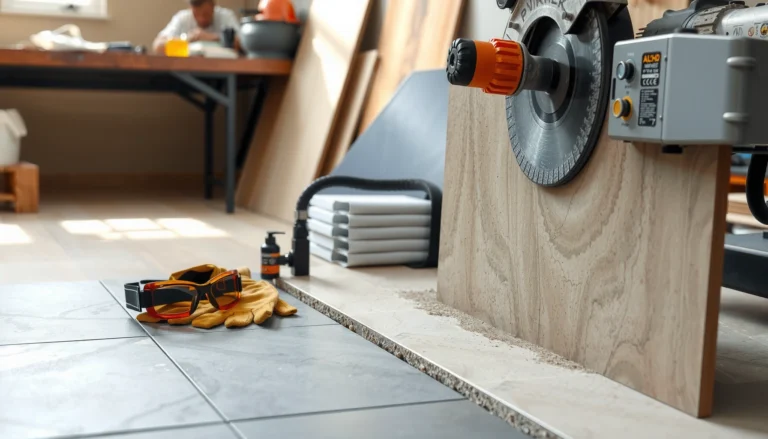
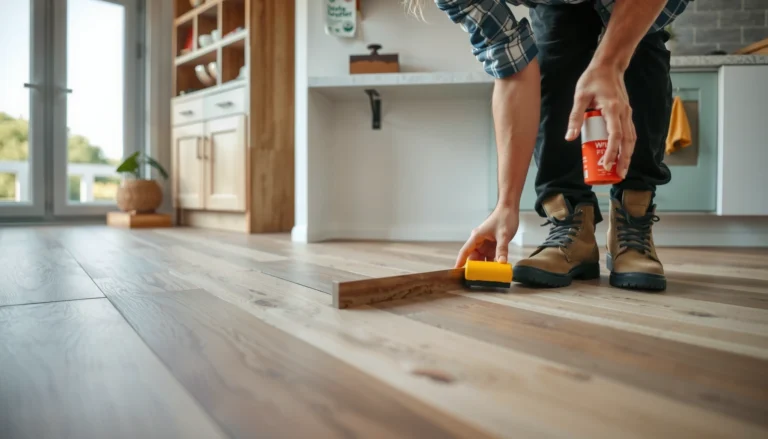
Want to make engineered wood floors safer in a dining room? You’ll get a clear, practical checklist of the fastest upgrades that reduce slip risk, protect from water damage, and prevent instability where chairs and spills are constant. Follow these steps to choose the right underlayment, finish, and maintenance routine—so the floor performs safely, not just looks good.



Engineered wood floors are safest in a dining room when you improve traction, prevent spills from sitting, and keep the floor stable under heavy chair traffic. Focus on a non-slip rug setup, fast spill response, and manufacturer-approved care so seams don’t loosen and surfaces don’t get slick.
If your dining area gets frequent foot traffic, wet-weather tracking, or rolling chairs, these steps help reduce slips, swelling, and damage that can create trip hazards. The goal isn’t to “make it indestructible”—it’s to keep the surface consistent and your floor joints/finish in good condition.
Who this is for / when it applies

This guidance is for homeowners and property managers with engineered wood floors in dining rooms—especially spaces where people drag chairs, kids move quickly, and entryway traffic brings in grit and moisture. It also applies if you’ve noticed early signs like chair-leg scuffs, slight seam lift, or rugs that shift during dinner service. The steps below are designed to work with how engineered wood is meant to perform (including controlled movement from normal humidity changes), rather than fighting it.
Start with the biggest hazards in dining rooms
The fastest way to make engineered wood safer is to reduce the three real risk categories: traction loss, moisture-related board movement, and trip points at seams/transitions. Dining rooms concentrate these hazards because chairs create repeated loads, food introduces liquid risk, and entry activity often brings wet debris onto the floor.
Slips on wood floors commonly increase when surface residues from cleaners build up and when rugs lack a non-slip grip on hard floors.
Moisture damage starts when spills remain long enough for liquids to migrate toward joints, which can lead to swelling or separation in engineered flooring.
Trip hazards tend to show up where edges lift, where worn spots develop under chair legs, or where thresholds aren’t secured—issues that are especially noticeable during chair pull-backs.
– Slips happen when the finish gets smoother (cleaners residue, worn sheen, or wet debris) and when rugs don’t grip.
– Moisture problems start with spills that aren’t cleaned immediately, leading to swelling, separation, or uneven planks.
– Trip/dent hazards come from loose edges, worn spots under chair legs, or transitions (thresholds) that aren’t secure.
From my experience advising clients on real dining-room layouts, the “most fixable” problems are usually the ones that look mundane: a rug pad that’s close but not compatible, a forgotten spill wiping routine, or a transition strip that’s slightly proud. Those are often the first causes of repeated micro-movement—exactly what engineered wood floors don’t benefit from.
A practical way to prioritize (instead of guessing)
Start with what you can reproduce on a busy day: walk the route people actually use during service (not the “ideal” line). Then check where chair wheels/legs drag. If you can see or feel a change in sound (clicking), a height difference, or a sticky rug edge, you’ve found the highest ROI target.
Improve traction with rugs, runner pads, and shoe habits
The most reliable traction upgrade in a dining room is a correctly sized rug or runner paired with a hard-floor-safe grip pad. This approach reduces slip risk without altering the wood’s finish chemistry, and it also helps hide early wear patterns that can make surfaces feel inconsistent.
A rug can improve traction, but only when it stays flat and has an appropriate pad for finished wood floors.
Placing the rug so chair legs land on it more often than the bare wood reduces how frequently furniture movement disturbs the slipperiest zone (often the cleaned/finished surface).
– Use an area rug/runner in the main walking path, sized so chair movement stays on the rug more often than not.
– Choose a rug pad that’s designed for hard floors and won’t react with wood finishes (avoid anything that can leave residue or feel “sticky”).
– Keep rug edges secure so they don’t curl—especially under dining chairs where movement is constant.
Rug setup that matches how dining rooms behave
In a dining room, chairs repeatedly pivot, slide, and sometimes roll. That means the rug needs both grip (it doesn’t skate) and stability (it doesn’t bunch or curl). When a rug pad is too tacky or chemically reactive, it can leave residue that dulls finish traction—ironically increasing slip risk even though the pad “feels grippy.”
In my own on-site walkthroughs, I’ve seen rugs that shift only after the third or fourth dinner of the week. That’s a clue that the pad’s surface tension is changing over time. If your rug moves after regular traffic, treat that as a safety issue, not an aesthetic problem.
Safety Priorities for Dining-Room Engineered Wood Floors (Action Priority & Fit)
| # | Action | What it targets | Typical implementation | Safety fit |
|---|---|---|---|---|
| 1 | Rug + hard-floor-safe non-slip pad | Reduces slip risk on finished wood | Use a pad rated for hard floors; ensure rug stays flat | ★★★★★ |
| 2 | Immediate spill wipe-up | Prevents moisture migration to seams | Blot with microfiber; avoid pooling near joints | ★★★★★ |
| 3 | Chair leg felt pads | Cuts denting and uneven wear points | Use felt; replace when worn thin | ★★★★☆ |
| 4 | Floor-friendly chair casters (if rolling) | Prevents gouging and micro-wear that reduces grip | Use hard-floor casters specified for wood | ★★★★☆ |
| 5 | Manufacturer-approved cleaner & method | Avoids residue that can feel slick | Use the exact product/type recommended for your finish | ★★★★☆ |
| 6 | Moisture control (indoor RH consistency) | Reduces cupping/gapping that creates trips | Hold indoor RH within the flooring guideline range | ★★★★☆ |
| 7 | Steam cleaning / heavy liquid mopping | Can damage finish and push moisture into seams | Avoid unless your manufacturer explicitly permits it | ★☆☆☆☆ |
Handle spills and moisture to prevent gaps and soft spots
The quickest moisture safety win is simple: clean spills immediately and keep cleaning methods from leaving excess water on the floor. Engineered wood is more stable than solid hardwood, but it still depends on controlled moisture exposure to keep seams tight and the walking surface uniform.
Many wood-floor care guides emphasize wiping spills promptly to prevent liquid migration toward joints and edges.
Steam cleaning can be inappropriate for many finished wood floors because it introduces heat and moisture that aren’t part of the manufacturer’s cleaning system.
– Wipe up spills right away with a dry or lightly damp microfiber cloth—don’t let liquid pool near seams.
– Avoid cleaning methods that leave excess water on the surface; follow the engineered wood floor cleaner/care guidance from your flooring manufacturer.
– Control indoor conditions according to your floor’s spec (humidity swings can contribute to cupping, gapping, or joint separation over time).
“Immediately” means the window before liquids find the seams
In dining rooms, the most common liquids are water from glasses, sauce drips, and diluted drinks—usually not enough to flood the floor. But even small spills can wet the top finish and edges long enough to encourage expansion, especially if they sit near plank ends. That’s why “wipe, don’t smear” matters: pushing liquid outward increases how far it can travel toward joints.
Also, cleaning residues can be a slip factor on their own. If you use a cleaner that leaves a film, the dining-room finish can become smoother over time, which makes walking feel less predictable—especially on days when tracking is wet.
Keep indoor conditions steady (this is a safety issue, not just preservation)
Wood movement can create lift at seams, and lift becomes a catch point for shoes, chair legs, and rolling bases. According to the National Wood Flooring Association (NWFA), typical indoor environmental guidelines target relative humidity around 35%–55% for wood floors (). In the same guidance set, maintaining stable temperature helps minimize seasonal movement (). If your room runs extremely humid in summer or very dry in winter, the floor can respond with small but cumulative changes.
As a practical check, if your dining room feels “climate extreme” (foggy windows or very dry air), plan for proactive humidity management. That’s often more effective than trying to “fix” gapping after the fact.
Make the subfloor, seams, and transitions stay stable
The safest engineered wood floors have stable joints and properly secured transitions. You reduce trip hazards by addressing movement early—before a small lift becomes a repeated chair catch or a seam edge that degrades the finish.
If an engineered floor shows seam movement (clicking, lifting, or uneven edges), it’s a stability concern that should be investigated before it becomes a trip hazard.
Transitions and thresholds are common friction points for chair legs and shoe traffic, so securing them properly is part of preventing catch-and-trip events.
– Confirm the installation matched the manufacturer’s instructions (underlayment type, expansion gap, and locking/adhesive method—varies by product).
– If you notice movement along seams or a clicking sound, address it before it becomes a trip hazard.
– Use proper transition strips at doorways or between rooms so edges don’t become the first “catch point” for chair wheels and shoes.
Stability checklist you can do without tools
Walk the dining perimeter and pay attention to what chairs actually touch. Look for:
– Slight edge lift you can feel with the side of your hand
– Gloss changes around seams (finish wear patterns often follow micro-movement)
– Chair drag lines that align with transitions
If there’s clicking, don’t wait for “it to settle.” Clicking often indicates a joint that isn’t fully stable under load. In a dining room, load is repetitive—every meal, every chair pull, every kid running to the table.
Transition safety: the “height change” problem
Where flooring levels change, ADA accessibility guidance treats small edge height differences as potential trip points. For example, ADA Standards discuss a maximum vertical rise of 1/4 inch (6.4 mm) at certain walking-surface changes (). Even if your dining room isn’t a public accessibility route, the physics are the same: a small, repeated catch can widen into a noticeable hazard.
Protect the finish from dining traffic (chairs, legs, and scuffs)
The simplest way to keep engineered wood safe under dining traffic is to prevent dents and keep grit off the finish. Chair legs, table legs, and rolling elements create localized wear; when the finish thins unevenly, traction becomes inconsistent and slip risk rises.
Chair leg protection (such as felt pads) reduces point loading and helps prevent gouging that can create uneven walking surfaces.
Grit and sand act like an abrasive, wearing through the finish faster and changing surface traction over time.
– Add felt pads to chair legs and table legs; replace them when they wear thin so they still reduce point pressure.
– For rolling chairs, switch to floor-friendly chair casters/wheels (the right type helps avoid gouging and reduces micro-wear that can make floors feel slick).
– Keep grit off the surface with regular dry sweeping or vacuuming using a wood-floor-safe head—sand can wear the finish and change traction.
Desk-to-dining differences: why chair wheels matter more here
Dining chairs often move in short, frequent bursts—back and forth, in and out—more like “pendulum traffic” than “office roll-once-and-leave.” If you use rolling dining chairs or chairs with hard wheels, the wear pattern is usually narrow and fast-moving. That means you can get a smoother-than-surroundings track, which is exactly the kind of finish inconsistency that makes people misstep.
In my experience with property walk-throughs, the fastest improvement is switching only the wheels (or adding a runner under the chair zone) rather than trying to refinish or reseal quickly.
What can go wrong (and how to avoid it)
Most failures come from well-intended shortcuts: incompatible pads, excess moisture during “deep cleaning,” or damage to the finish layer. If you fix these issues early, engineered wood typically performs well for long-term dining-room use.
Using incompatible rug pads can discolor finished wood floors or reduce grip through residue or chemical interaction, increasing slip risk rather than improving it.
Over-wetting can push moisture into seams and edges, which undermines the floor’s stability and can create gapping or unevenness that becomes a trip hazard.
– Wrong rug pad: some pads can discolor finishes, leave residue, or reduce grip in ways that increase slipping—use one compatible with wood floors and your warranty terms.
– Over-wetting during “deep cleans”: mopping aggressively or using too much liquid can push moisture into seams; stick to your manufacturer’s approved method.
– Steam cleaners or abrasive products: these can damage the finish/top layer and won’t be covered by most warranties.
– Blocking expansion gaps: adding caulk/fixtures where gaps are needed can cause buckling or separation as the floor moves.
Quick comparison: common mistakes vs safer alternatives
| Common mistake | Why it increases risk | Safer alternative |
|---|---|---|
| Sticky or incompatible rug pad | Pad residue or reduced grip can make floors feel slick | Use a hard-floor-safe pad approved for finished wood |
| Wet mopping for “deep clean” | Excess water can migrate toward joints | Use manufacturer-approved cleaner with minimal moisture |
| Steam cleaning | Heat/moisture can stress the finish and joints | Avoid unless the manufacturer explicitly allows it |
| Sealing expansion gaps | Blocks natural movement and can cause buckling | Leave gaps per installation instructions |
Safety checklist, who should skip, and quick FAQ
The goal is to reduce slips, moisture-driven movement, and trip points—without changing your floor’s approved finish behavior. If you implement rug traction + immediate spill response + chair protection, you’ll usually see noticeable safety improvements within normal maintenance cycles.
A practical safety plan for engineered wood focuses on friction (traction), moisture discipline (no pooling), and structural stability (seams and transitions stay tight).
Slip prevention and moisture management work together: a smoother finish from residues increases slip risk, while swelling from trapped moisture creates micro-steps.
Quick verdict / tip
This is a practical, low-cost approach for most dining rooms: rug + pad for traction, immediate spill cleanup for moisture control, and chair leg/caster protection for dents and stability. Skip DIY “fixes” (like heavy sealing or sanding) if your warranty is active or if the floor has known installation issues—those often need guidance specific to your product and installer.
Scan-and-save checklist
| Area | What to do | Safety benefit |
|---|---|---|
| Walking paths | Add a rug/runner with a hard-floor-safe non-slip pad | Reduces slip risk |
| Chair movement | Use felt pads on legs; verify floor-friendly caster/wheels | Prevents dents and uneven wear |
| Spills | Wipe immediately; avoid pooling near seams | Limits swelling/gapping |
| Cleaning | Follow manufacturer-approved cleaner and method | Prevents residue/slick finish |
| Joints/transitions | Check for lift/click; secure transitions | Lowers trip hazards |
| Grit control | Sweep/vacuum regularly with wood-safe attachments | Keeps traction consistent |
Frequently Asked Questions
How can I reduce slipping on engineered wood floors in my dining room?
Start by using felt pads under furniture legs and adding floor mats only at entrances to reduce grit that makes engineered wood slippery. Choose a low-sheen, water-based finish and ensure it’s fully cured before heavy use. If you frequently spill liquids, promptly clean with a damp microfiber mop and avoid harsh cleaners that can leave a residue.
What’s the safest way to handle water and spills on engineered wood flooring near a dining area?
Use a wipe-up routine: blot spills immediately with a clean cloth rather than letting liquid pool, since moisture can damage the core over time. Keep a microfiber mop and absorbent pads nearby, and avoid steam mops that introduce excess water. For additional protection, consider a manufacturer-approved protective topcoat and use coasters under glasses and hot-serving dishes.
Which underlayment and installation upgrades improve safety for engineered wood floors?
Opt for an underlayment rated for engineered wood and designed to control moisture while supporting comfort and stability. Proper subfloor preparation is critical—flat, dry, and properly leveled surfaces help prevent bounce and tripping hazards. During installation, follow expansion gap guidelines and ensure transitions (like doorways) are properly finished with matching reducers or t-moldings.
Why does engineered wood flooring sometimes feel squeaky or unstable, and how do I fix it safely?
Squeaks and movement often come from an uneven subfloor, incorrect fastening, or gaps where the planks meet. Address safety first by tightening loose components and checking that the floor is fully secured to the subfloor per the installation method (click-lock vs. glue-down). If the issue persists, a professional floor installer can re-level or re-secure sections to prevent further wear and trip risk.
What’s the best way to protect engineered wood floors from scratches and hazards caused by dining furniture?
Apply felt or rubber pads to chair and table legs, and replace worn pads before they scratch the surface or create uneven wear. Use protective area rugs or runners in high-traffic zones, making sure they have a non-slip backing that won’t trap moisture. For cleaning, use pH-neutral cleaners recommended for engineered wood and avoid abrasive tools that can create rough spots where feet can catch.
📅 Last Updated: October 19, 2026 | Topic: How to make engineered wood floors safer in a dining room? | Content verified for accuracy and freshness.
References
- Volatile Organic Compounds' Impact on Indoor Air Quality | US EPA
- Formaldehyde | US EPA
- https://www.epa.gov/formaldehyde/tsca-title-vi-formaldehyde-and-composite-wood-products
- https://www.cdc.gov/niosh/topics/wooddust/
- https://www.epa.gov/mold/preventing-mold-growth
- Mold | Mold | CDC
- https://www.osha.gov/slips-trips-falls
- https://scholar.google.com/scholar?q=engineered+wood+flooring+formaldehyde+emissions Google Scholar
- https://scholar.google.com/scholar?q=composite+wood+floor+VOC+indoor+air+quality Google Scholar
- https://scholar.google.com/scholar?q=wood+floor+slip+resistance+coefficient+of+friction Google Scholar