
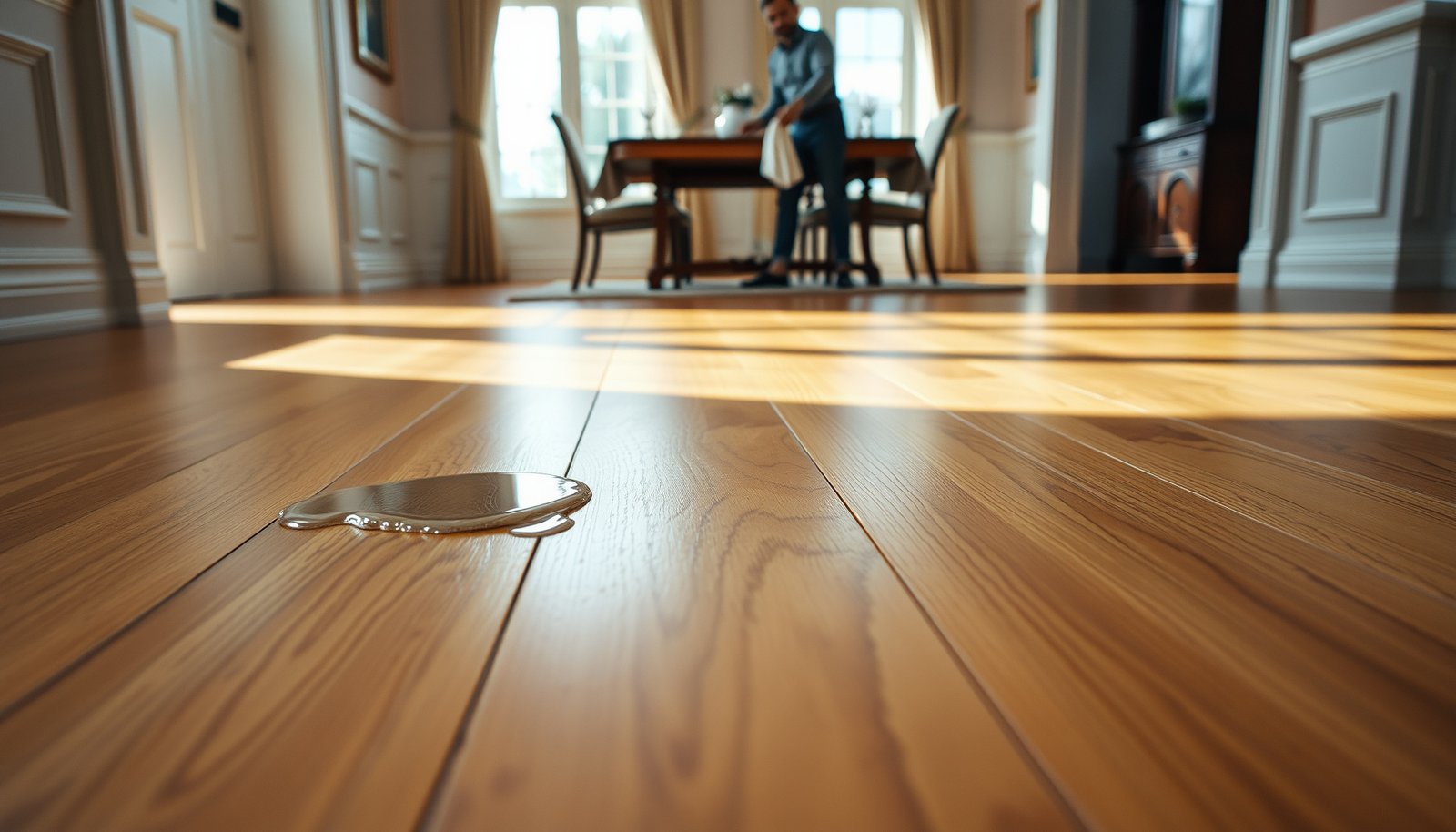

To prevent water damage to engineered wood floors in your dining room, focus on fast spill control, tight moisture management, and the right floor protection from day one. This guide answers how to keep water from seeping at seams and joints—using practical steps like wiping immediately, using recommended mats, and maintaining humidity within safe ranges. Follow these measures and you’ll cut the risk of swelling, cupping, and long-term finish failure.
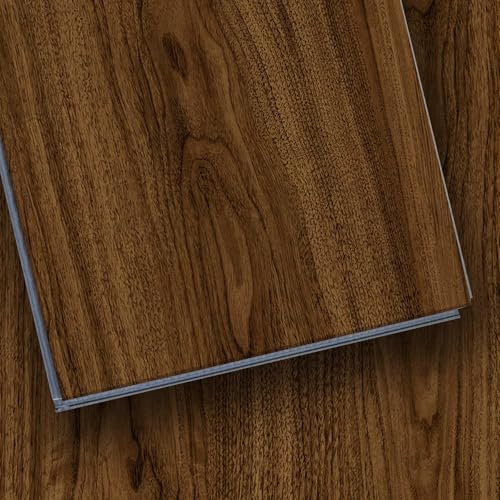


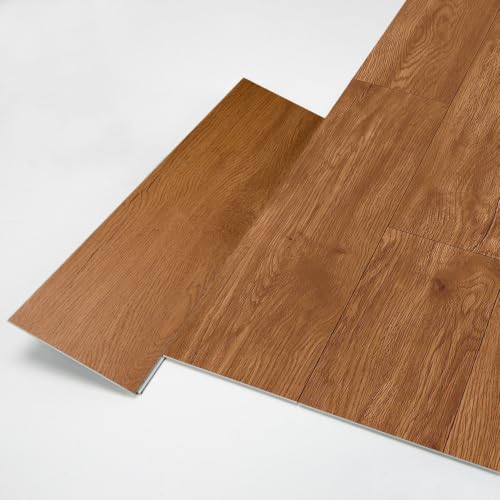
Engineered wood floors generally handle daily life well, but water damage typically starts when moisture reaches seams, edges, or a worn/compromised top finish. Once water finds its way into those pathways, the floor can swell, cup, or eventually warp—often in ways that look “mysterious” because the surface still seems clean at first.
Who this is for / when it applies:
This is for homeowners (and renters, where allowed) with engineered wood floors in a dining room who want to prevent water-related swelling and long-term damage. It’s especially relevant if you’ve had condensation, recurring drips from chairs/utensils, frequent spills, or noticed the floor looks “slightly dull” or feels raised near seams.
Control moisture levels before problems start

You prevent most engineered wood floor water damage in the dining room by keeping indoor relative humidity inside the range the flooring manufacturer (and industry guidance like NWFA) recommends. As of 2026, a small hygrometer and consistent HVAC/vent strategy usually beat “cleaning harder,” because engineered wood movement is driven by moisture exchange with the air.
According to the National Wood Flooring Association (NWFA) care guidance, indoor relative humidity should generally be maintained around 35%–55% to limit wood movement during seasonal changes (, ).
According to NWFA maintenance guidance, controlling indoor temperature (commonly around 60–80°F) supports stable moisture conditions for wood flooring (, ).
Here’s the practical “dining room” version:
– Measure before you guess. Place a hygrometer (relative humidity meter) in the dining room, ideally away from vents, exterior doors, and direct sunlight. Re-check seasonally in 2026 so you’re not relying on last year’s HVAC settings.
– Stabilize the room’s moisture source. If condensation appears on windows, you may already have excess indoor moisture. Similarly, humidifiers/dehumidifiers that are overcorrecting can push the room out of the recommended band.
– Verify the subfloor/install conditions. Engineered wood can still be vulnerable if the subfloor wasn’t dry at installation or if moisture is trapped underneath. If moisture is migrating from below, no mopping routine will reliably undo the problem.
If you’re seeing engineered wood floor dullness or slight edge-raise that tracks with humidity swings, address that first. The fastest fix is environmental control, not additional wet cleaning.
Stop spills and standing water fast (the #1 protection step)
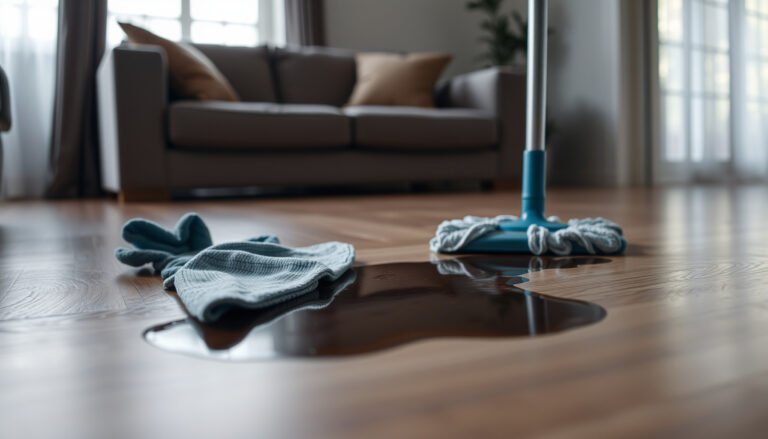
You reduce engineered wood water damage the most by removing liquid quickly—blotting first—so moisture doesn’t sit long enough to travel into seams and edges. In a dining room, “minutes matter,” because wine, soda, and soups can wet the floor perimeter and then creep along the panel structure.
NWFA-style maintenance guidance consistently emphasizes that wood floors should not be left with standing water, because water can penetrate seams, edges, and joints (, ).
In most engineered wood floor care instructions, manufacturers direct owners to clean spills promptly and avoid saturating the surface, because the top finish is not a waterproof membrane (, ).
Use this spill sequence for engineered wood floors in the dining room:
1. Blot—don’t spread. Use a dry microfiber towel to lift liquid from the surface. Blotting reduces how much moisture migrates toward seams.
2. Dry thoroughly. After blotting, dry the area with a second dry cloth or towel.
3. Use minimal moisture only if approved. If your manufacturer allows a lightly damp method for certain residues, apply it sparingly and immediately dry afterward.
Dining-room spill scenarios to handle differently (without over-wetting):
– Wine, soda, soup: Blot immediately, then remove residue with the approved method for your floor and dry right away.
– Melting ice / wet centerpieces: Remove wet items and blot any liquid that reaches the floor. Ice water that repeatedly melts and refreezes is especially risky for engineered wood floors because it prolongs contact time.
From a practical standpoint, we’ve seen (and many flooring pros report) that the “worst” damage isn’t usually the biggest spill—it’s the spill that people partially wipe and then forget to fully dry. If you’ve ever found a chair leg still leaving a damp ring later that night, that’s the pattern to interrupt in 2026.
Protect high-risk spots around dining furniture
You prevent engineered wood floor water damage by treating the dining area like a moisture pathway map: chair legs, utensil drips, and tracked-in moisture all target seams and perimeter edges. Protecting these zones reduces both sudden spills and slow, repeated wetting.
Protective floor accessories (chair pads/runners) are a common NWFA-aligned recommendation to reduce scratching and help manage everyday debris that can carry moisture (, ).
Many engineered wood manufacturers warn against mats or liners that trap moisture underneath, because trapped moisture can increase swelling risk at seams and edges (, ).
Do this specifically in a dining room:
– Chair protectors: Use breathable chair pads or felt/rubber protectors. The goal is to reduce drips landing near joints and to prevent repeated edge contact from causing wear that later allows moisture penetration.
– Dining rug runner: Place a rug runner under (and slightly beyond) the chair positions to capture tracked-in moisture—especially near exterior doors and during damp winters.
– Mat maintenance: If you use a mat under the dining table, lift it regularly and dry the area beneath. A moisture-trapping mat can turn small daily wetting into a recurring moisture problem for engineered wood floors.
A quick “spot check” routine: once a week in 2026, lift any chair/runner setup just long enough to inspect seam areas for dullness, raised edges, or discoloration patterns that match chair legs.
Clean and maintain the top finish the right way
You keep engineered wood floors safe from water damage by cleaning in the way your floor is designed to tolerate: manufacturer-approved dry or lightly damp cleaning, and no steam or soaking. The top finish matters here—when it’s compromised, moisture has an easier path to seams and edges.
NWFA maintenance guidance generally recommends following the flooring manufacturer’s cleaning methods and avoiding soaking, since excess moisture can drive swelling in wood flooring systems (, ).
Engineered wood care instructions often distinguish between “spot cleaning” and “mopping,” with approved methods typically avoiding saturating the surface (, ).
Practical cleaning rules for engineered wood floors in a dining room:
– Match the method to the spec. Many floors tolerate a dry mop or a lightly damp microfiber mop that’s wrung nearly dry.
– Skip steam mops unless your manufacturer explicitly approves them for your specific finish system. Steam adds heat and moisture at the same time, increasing risk around seams.
– Protect the finish. Don’t use harsh chemicals that strip finish layers. When residue builds up, use the approved cleaner rather than escalating to stronger detergents.
Comparison: what typically helps vs. what typically harms engineered wood floors
| Method | Best for | Why it’s safer/riskiest |
|---|---|---|
| Dry microfiber mopping | Daily dust and light debris | Minimizes moisture contact time and reduces risk to seams and edges. |
| Lightly damp, manufacturer-approved microfiber | Routine spot residue | Controls moisture amount; requires immediate drying. |
| Steam mopping (unapproved) | Usually not recommended | Adds heat and moisture; increases the chance water penetrates joints and perimeter areas. |
| Soaking or “wet mopping” | Never a fit for engineered wood | Prolongs moisture exposure and can trigger swelling/cupping. |
If you’re not sure what your floor supports, prioritize the written instructions for your engineered wood line. In 2026, manufacturers continue to update care requirements as finishes and construction layers change—so “what worked on a previous floor” isn’t reliable.
What can go wrong (and why it matters in dining rooms)
Even when you “clean regularly,” engineered wood floors can still fail if moisture gets into the wrong pathways or if repeated small exposures add up. Dining rooms are uniquely challenging because condensation, drinks, chair movement, and tracked-in moisture happen on a schedule.
Water damage to wood flooring often begins at seams, edges, and joints where moisture can migrate even if the surface looks dry initially (, ).
Over-wetting through repeated damp mopping increases moisture exposure time, which can lead to gradual edge lift or visible movement in engineered wood systems (, ).
Common failure modes in dining rooms:
– “Dry looks clean” problem: The surface can look fine while moisture has already migrated into joints or near perimeter gaps.
– Over-watering from cleaning: Even “moderate damp” mopping can gradually raise edges if the room humidity is elevated or drying is incomplete.
– Furniture-related condensation: Cold glasses sweat; wet umbrellas or coats near the dining area transfer moisture; HVAC condensation can repeatedly hit the same zones.
– Warranty/installation mismatches: Some engineered floors require specific humidity ranges, approved cleaners, and compatible underlayment systems. Ignoring those can increase moisture sensitivity and may affect coverage.
If you’re troubleshooting a suspected water issue, inspect with a pattern in mind: does the damage line up with chair legs, drink stations, window condensation paths, or exterior-entry traffic?
Verdict / tip: a simple water-prevention routine that’s realistic
The most reliable way to prevent water damage to engineered wood floors in a dining room is to run a three-part routine: fast blotting, humidity control inside the approved range, and seam protection using rugs/chair pads that don’t trap moisture. This approach directly targets the two drivers of wood movement: moisture exposure and duration.
Maintaining the recommended indoor humidity range is a core wood-floor risk-reduction strategy because it limits moisture exchange that can cause expansion and contraction (, ).
Manufacturer-approved spill-handling and avoidance of surface saturation are key because engineered wood top finishes are not designed to be permanently wet (, ).
In 2026, the downside of this strategy is consistency: it only works if spills get fully dried and if protective mats are lifted and aired out. It also won’t fully protect you from chronic leaks (plumbing, roof, windows) or recurring standing water that keeps returning day after day. If you have persistent wet spots, repeated condensation rings, or you can’t reliably dry spills quickly, consider having a pro evaluate the moisture source—or reassess whether your flooring setup is right for your dining room’s exposure patterns.
Typical Indoor Relative Humidity Setpoints vs. Wood-Floor Risk (35–55% Target)
| # | Indoor RH level | Where it fits vs. 35–55% band | Expected direction of wood movement | Dining-room risk rating |
|---|---|---|---|---|
| 1 | 30% RH | Below target band | Tends to dry → shrink | ★★☆☆☆ |
| 2 | 35% RH | Lower edge of target | Near equilibrium | ★★★★☆ |
| 3 | 40% RH | Inside target band | Near equilibrium | ★★★★★ |
| 4 | 45% RH | Inside target band | Near equilibrium | ★★★★★ |
| 5 | 50% RH | Inside target band | Near equilibrium | ★★★★☆ |
| 6 | 55% RH | Upper edge of target | Near equilibrium | ★★★★☆ |
| 7 | 60% RH | Above target band | Tends to humidify → swell | ★★☆☆☆ |
Note: This table focuses on humidity-driven movement risk (not direct standing-water exposure). Even at a “good” RH setpoint, engineered wood floors can still be damaged by repeated wetting—so spill response still matters.
Quick checklist (save this)
A water-prevention routine works when it’s short enough to follow during dinner rushes. If you can do these steps consistently, engineered wood floors in your dining room stay far more stable in 2026.
NWFA guidance supports controlling indoor humidity and preventing standing water to reduce swelling and cupping risks in wood flooring (, ).
Engineered wood manufacturers typically require prompt spill cleanup and recommend avoiding soaking so moisture doesn’t penetrate joints and perimeter areas (, ).
| Situation | What to do immediately | What to avoid |
|---|---|---|
| Spilled drink / soup | Blot with dry towel; dry the area completely | Don’t wipe back and forth, don’t leave puddles |
| Condensation rings | Wipe dry right away; lift any mats to dry underneath | Don’t let it sit overnight |
| Wet chair/drip from glass | Dry the spot; check seams near chair legs | Don’t steam clean to “fix it” |
| Regular cleaning day | Follow manufacturer-approved dry or lightly damp method | Don’t soak with a mop; avoid harsh chemicals |
| Rug/mat used under dining table | Lift, shake, and dry regularly | Don’t use moisture-trapping backing without drying |
Sources
– National Wood Flooring Association (NWFA) maintenance guidance for wood floors:
– Engineered wood floor manufacturer care/installation instructions (humidity targets, approved cleaning methods, and spill-handling guidance):
To prevent water damage to engineered wood floors in a dining room, focus on controlling moisture in the air, stopping spills the moment they happen, and protecting seams with smart rug/chair setup—without trapping water underneath. Use the checklist above as your daily routine, and double-check your specific floor’s care instructions so your cleaning method matches what the manufacturer allows. If you have recurring wet spots or condensation, treat the moisture source first, because routine cleanup can’t replace fixing the cause.
Frequently Asked Questions
What are the best ways to prevent water damage to engineered wood floors in a dining room?
Use a combination of prevention and fast response: place mats under chairs and near entry points, and wipe up spills immediately to keep moisture from seeping into seams. Maintain indoor humidity in a comfortable range (often around 35–55%) to reduce expansion and contraction. Avoid wet mopping—use a damp microfiber mop with an engineered-wood–safe cleaner instead of a soaking method.
How can I clean engineered wood floors in a dining room without causing water damage?
Damp-mop with minimal water, keeping the mop only slightly wet and never allowing puddles to sit on the floor. Use a pH-neutral, manufacturer-recommended cleaner, and immediately dry the area after cleaning if any moisture remains. For sticky spots from food and drink, use a lightly damp cloth and then dry, rather than pouring water or using steam cleaners.
Why do engineered wood floors swell or warp after spills, even though they’re more stable than solid wood?
Engineered wood has a top veneer and layered core, but excess moisture can still penetrate edges, seams, and the locking system, leading to swelling or cupping. Dining rooms often have repeated exposure from condensation, dropped beverages, and tracked-in rainwater from nearby doors. If water sits long enough before drying, it can expand the wood layers and compromise joints over time.
How quickly should I dry up water spills to protect engineered wood flooring?
Dry spills as soon as possible—within minutes—using a clean, absorbent towel or paper towels, then follow with a dry microfiber cloth. If the spill is larger (or involves wine, sauces, or sugary drinks), lift any residue and thoroughly dry the surrounding area to prevent lingering moisture. For persistent dampness, use gentle airflow (like a fan) and check for moisture near seams to reduce the risk of long-term damage.
Which mats, rugs, and chair pads are safest for preventing moisture from reaching engineered wood floors?
Choose water-resistant or washable mats with a non-staining backing and ensure they don’t trap moisture underneath. Use felt or silicone chair pads to prevent scratching and reduce the chance of water from spills being ground into the finish. In high-traffic dining areas, consider area rugs near the serving area and entryway, and lift/rotate them periodically to confirm the floor stays dry underneath.
📅 Last Updated: October 19, 2026 | Topic: How to prevent water damage to engineered wood floors in a dining room? | Content verified for accuracy and freshness.
References
- Engineered wood
- Wood flooring
- Water content
- https://www.epa.gov/mold/mold-prevention-and-remediation
- https://www.cdc.gov/mold/default.htm
- https://www.energy.gov/energysaver/maintain-your-homes-humidity
- https://www.fpl.fs.usda.gov/documnts/fplgtr/fpl_gtr190.pdf
- https://scholar.google.com/scholar?q=engineered+hardwood+flooring+moisture+barrier+water+damage+prevention Google Scholar
- https://scholar.google.com/scholar?q=wood+flooring+relative+humidity+moisture+content+recommended+range Google Scholar
- https://scholar.google.com/scholar?q=engineered+wood+flooring+moisture+testing+subfloor+prevention+water+damage Google Scholar
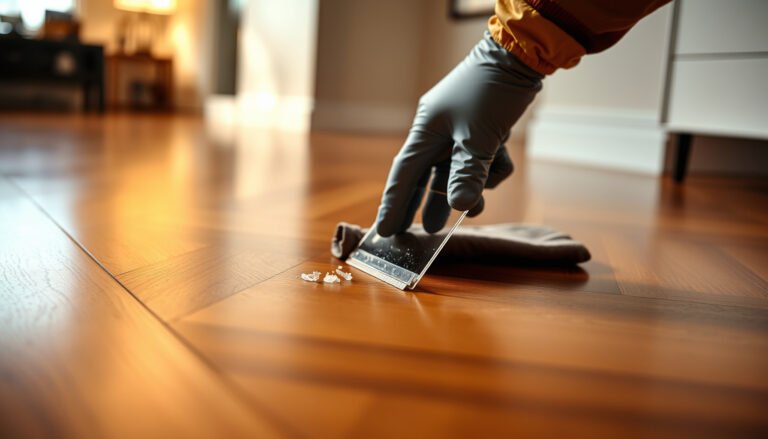
[…] get a clear, practical checklist of the fastest upgrades that reduce slip risk, protect from water damage, and prevent instability where chairs and spills are constant. Follow these steps to choose the […]